Loading
by BlastRoom
Students sequence events and distinguish causes, effects, and correlations.
#inquiry_skills#us_grade_8_social_studies

20 questions
One question set, multiple game modes. Tap any game to see it in action. Not sure which to pick?
Answer to place stones and capture territory.
Outrun the snow together.
Earn blasts, then hunt the other team.
Answer to earn energy, then climb.

The class blasts through walls together.
Bid on mystery lots. Most money wins.
Sell tours. Nice, standard, or a total scam.

Answer, restock, and serve the rush.
More correct answers pulls the rope your way.
Answer, then shoot down the alien wave.
Answer, then tap to leap the frozen ridge.
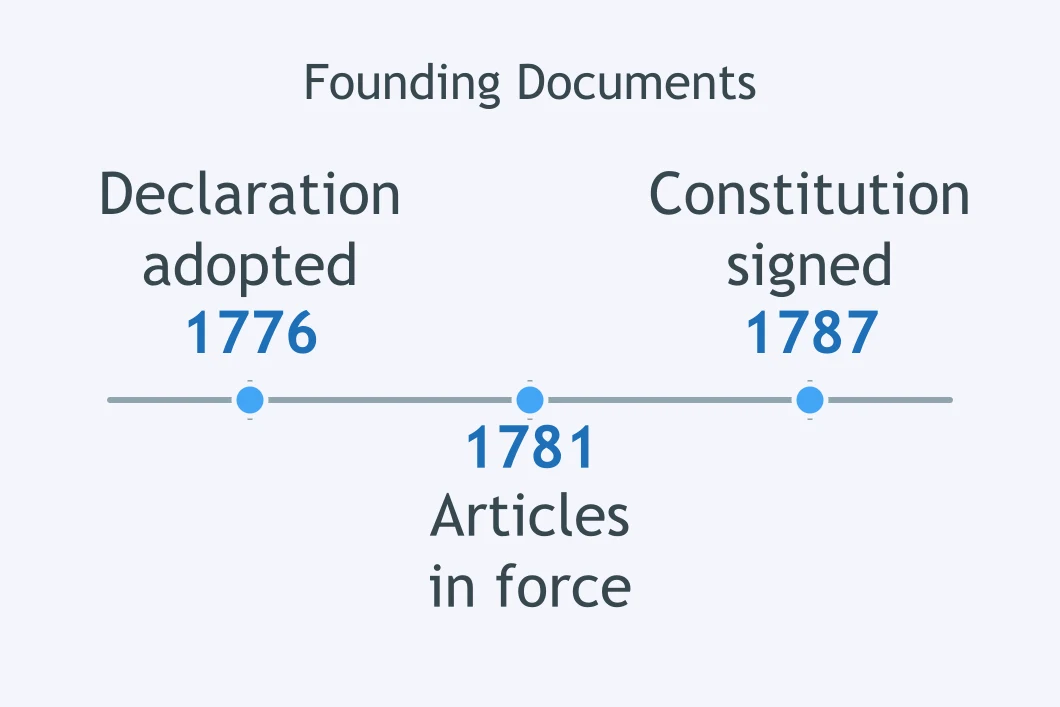
Use the founding-documents timeline. What came last among the Declaration of Independence, the Articles of Confederation, and the Constitution?
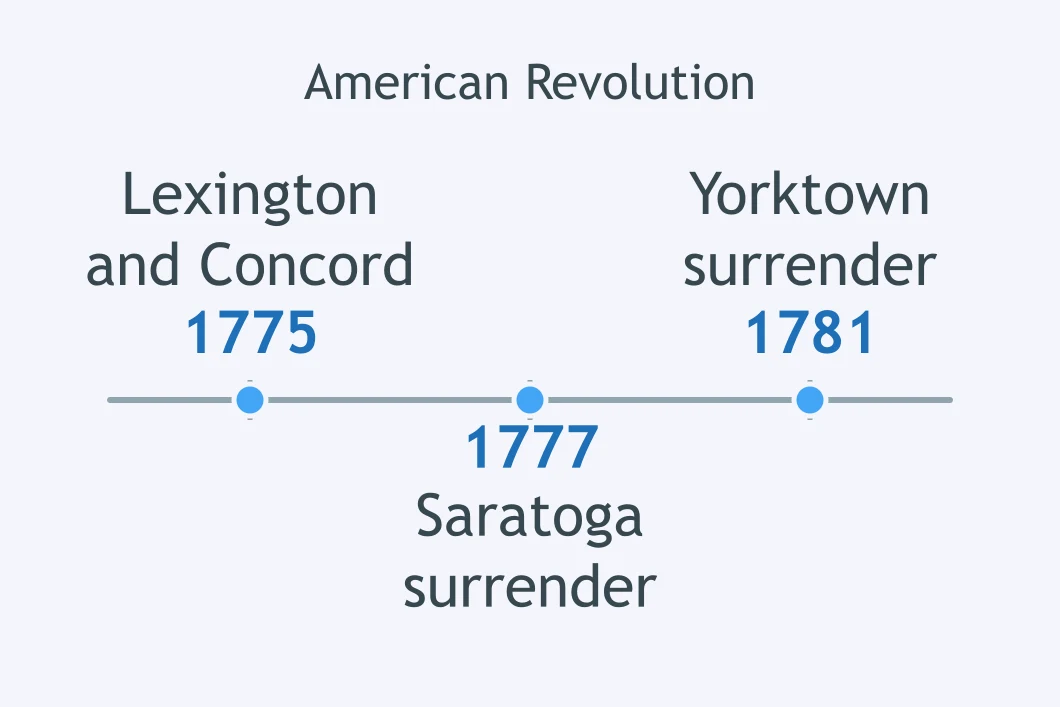
Use the American Revolution timeline. What came second among Lexington and Concord, Saratoga, and Yorktown?
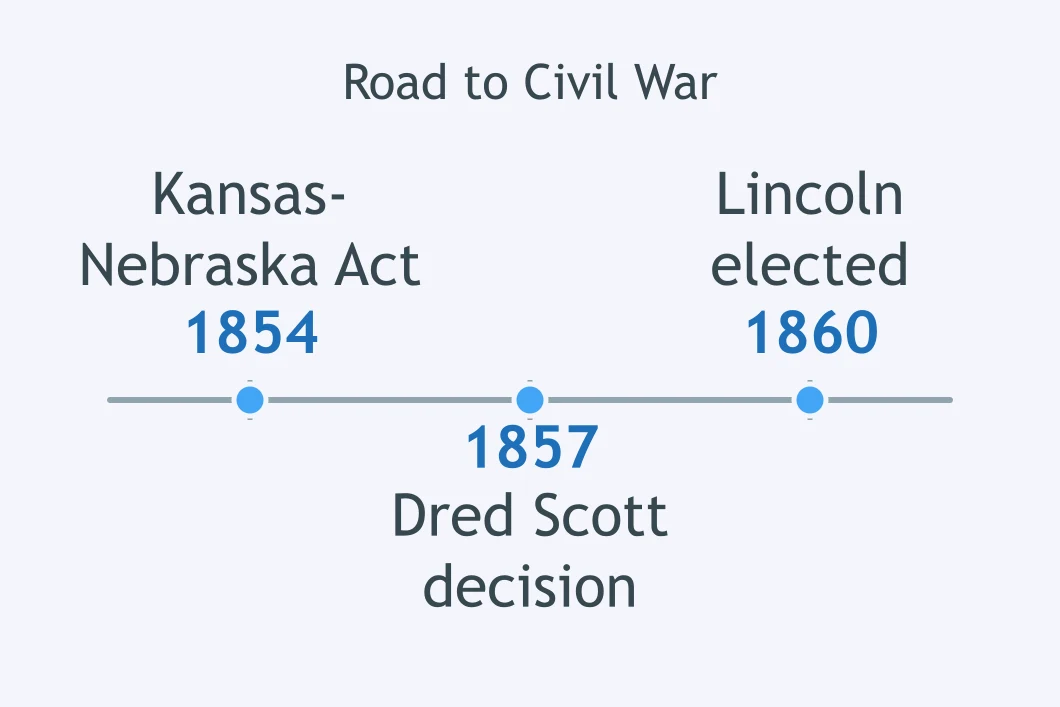
Use the road-to-war timeline. What came first: the Kansas-Nebraska Act, the Dred Scott decision, or Lincoln's election?
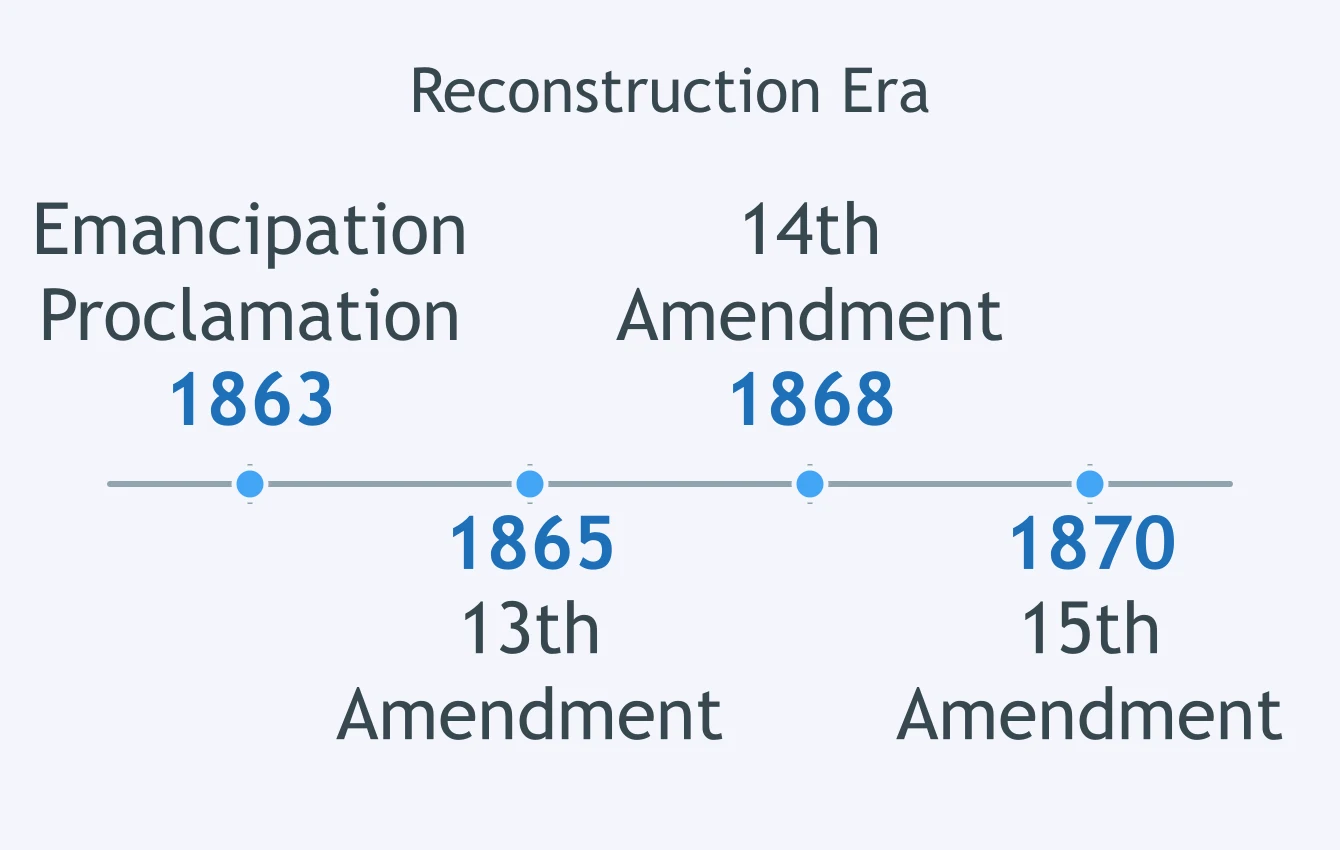
Use Reconstruction timeline. What came immediately after the Emancipation Proclamation among these changes to slavery and civil rights?
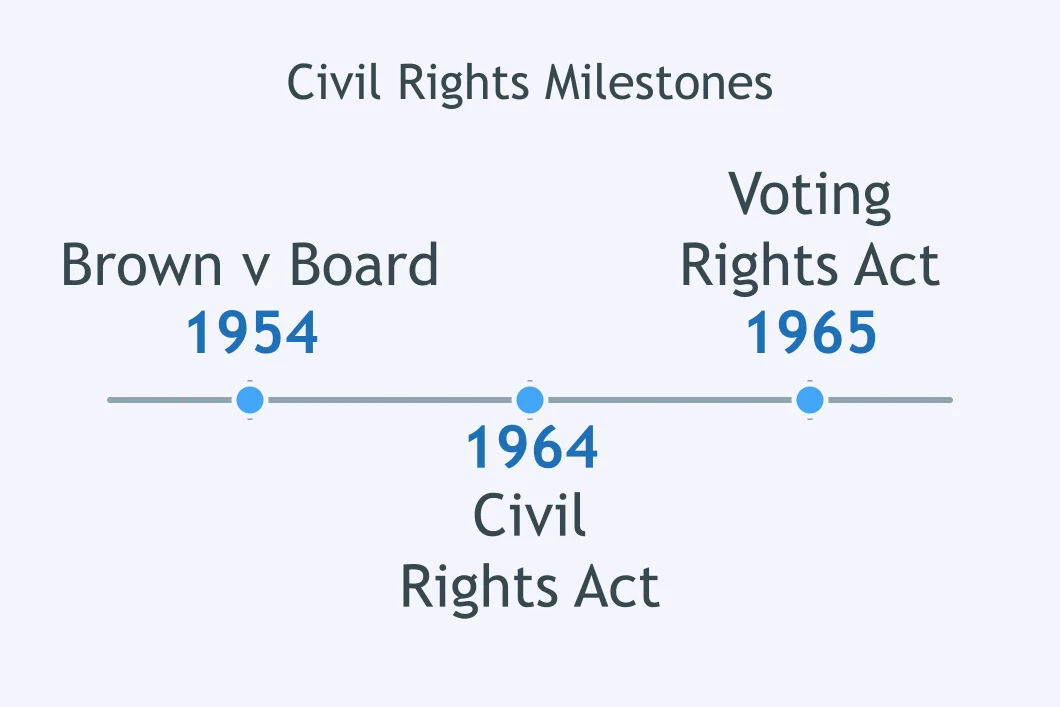
Use civil rights timeline. What came last among Brown v. Board, the Civil Rights Act, and the Voting Rights Act?
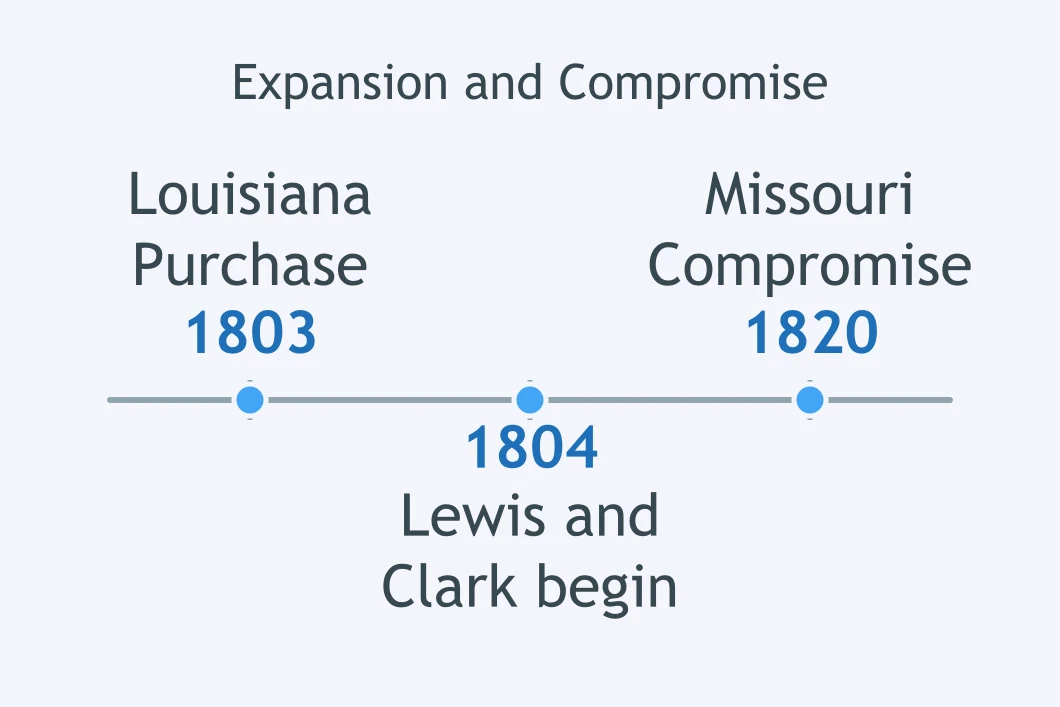
Use expansion timeline. What happened between the Louisiana Purchase and the Missouri Compromise?
Parliament passed the Stamp Act in 1765, requiring colonists to buy stamps for paper goods. What effect followed in the colonies?
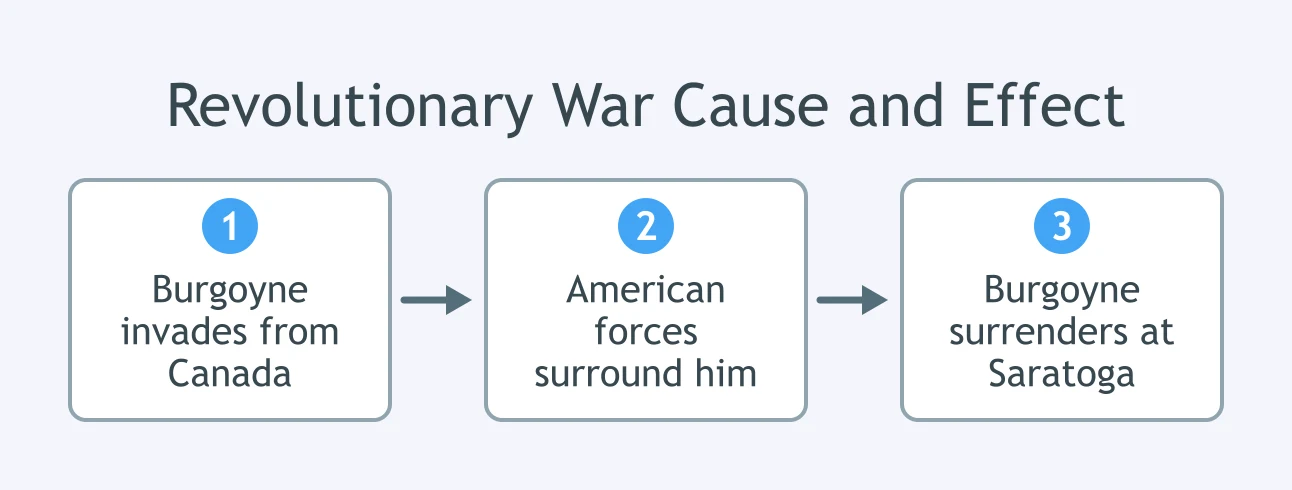
After the American victory at Saratoga in 1777, what effect changed the Revolution's international support?
Under the Articles, the national government could not tax or regulate commerce effectively, and Shays' Rebellion alarmed leaders. What effect followed?
Eli Whitney's cotton gin made removing seeds from short-staple cotton easier and more profitable for planters. What effect followed in the South?
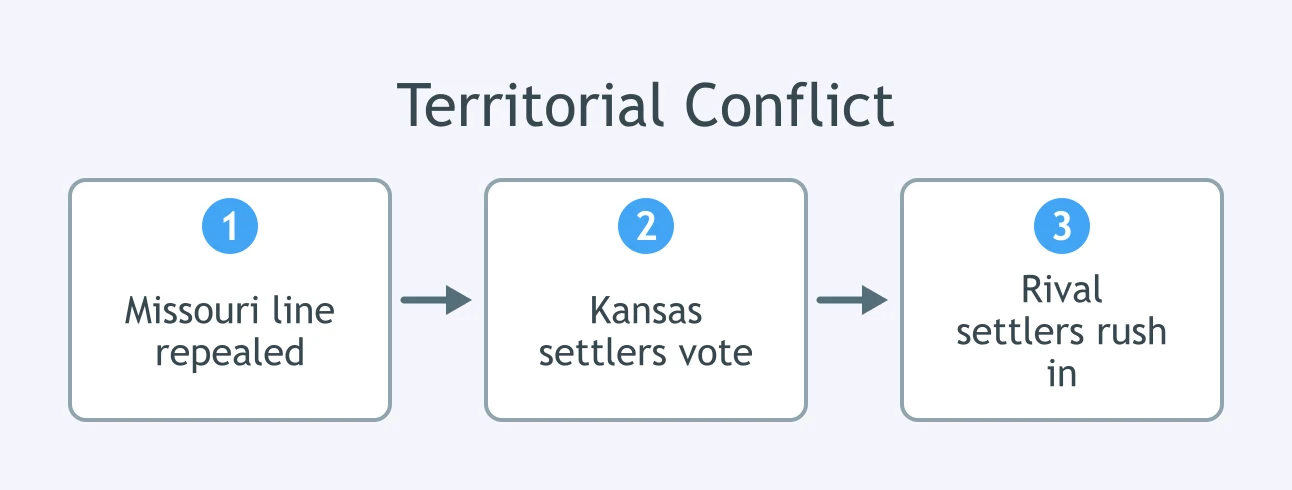
The Kansas-Nebraska Act let settlers in Kansas vote on whether slavery would be legal there. What effect followed almost immediately?
The Supreme Court's 1857 Dred Scott decision said African Americans could not be U.S. citizens. What effect did the ruling have on abolitionists?
Lincoln issued the Emancipation Proclamation on January 1, 1863. What effect did it have on Union military policy?
What effect did the Supreme Court's 1954 decision in Brown v. Board of Education have?
A canal town's boat traffic and number of taverns both rose from 1825 to 1835. What claim is supported by that information alone?
A county chart shows railroad miles and wheat harvest totals both rising from 1870 to 1890. What conclusion avoids assuming causation?
City records show factory jobs and immigrant population both grew from 1900 to 1920. What can be concluded without extra evidence?
A newspaper count shows bicycle ads and paved streets both increased in the 1890s. What relationship is shown by the count alone?
In one decade, a state's literacy rate, number of newspapers, and voter turnout all rose. Why should a historian be careful about naming literacy as the cause of higher turnout?
A railroad map and telegraph directory show stations and telegraph offices expanding along the same routes. What can a historian infer from that pairing alone?
Crack the passcode before the zombies get in.
Answer, then swat bugs for bonus points.
Race through questions at your own speed.
Same question on every screen. Fastest wins.

Pick a tile, answer, hit bonuses and steals.
Reading Maps, Charts and Political Cartoons
20 questions