Loading
by BlastRoom
Practice identifying nineteenth-century inventions and explaining how they changed work, communication, and the economy.
#us_history#us_grade_8_social_studies
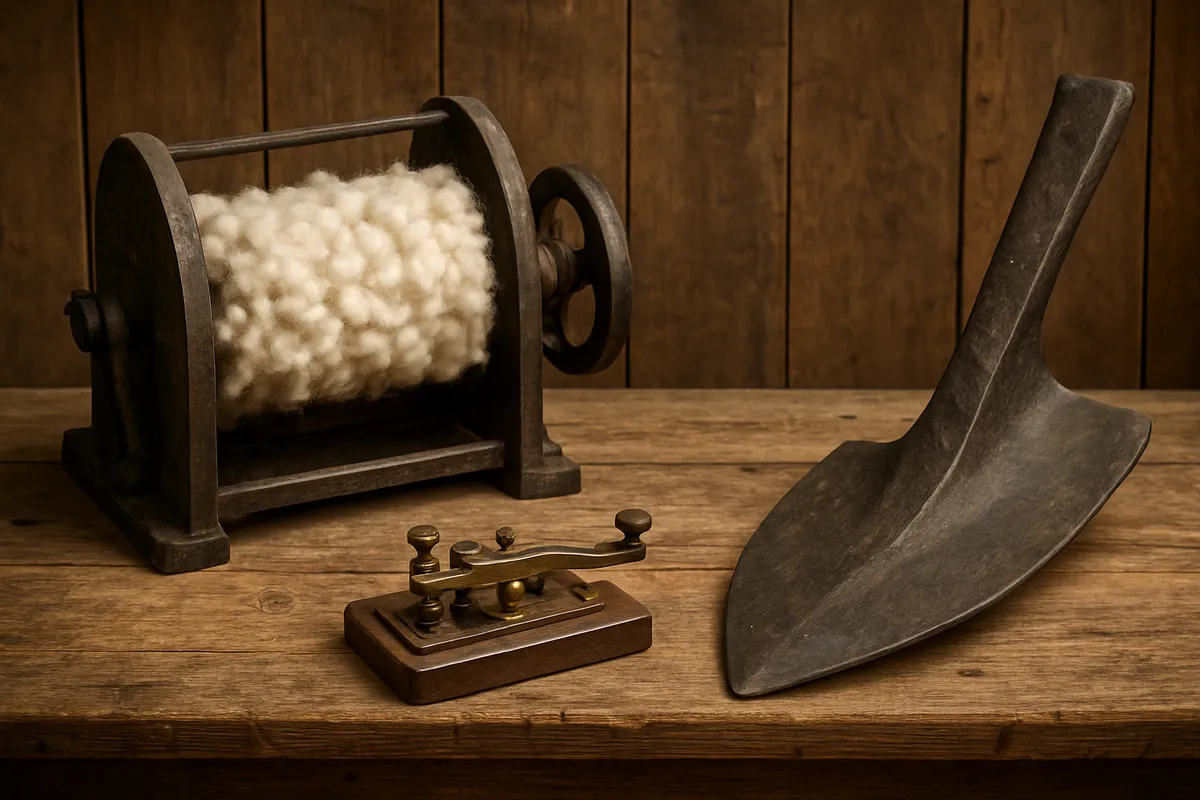
20 questions
One question set, multiple game modes. Tap any game to see it in action. Not sure which to pick?
Answer to place stones and capture territory.
Outrun the snow together.
Earn blasts, then hunt the other team.
Answer to earn energy, then climb.

The class blasts through walls together.
Bid on mystery lots. Most money wins.
Sell tours. Nice, standard, or a total scam.

Answer, restock, and serve the rush.
More correct answers pulls the rope your way.
Answer, then shoot down the alien wave.
Answer, then tap to leap the frozen ridge.
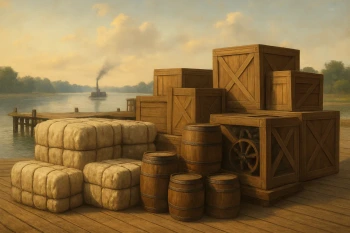
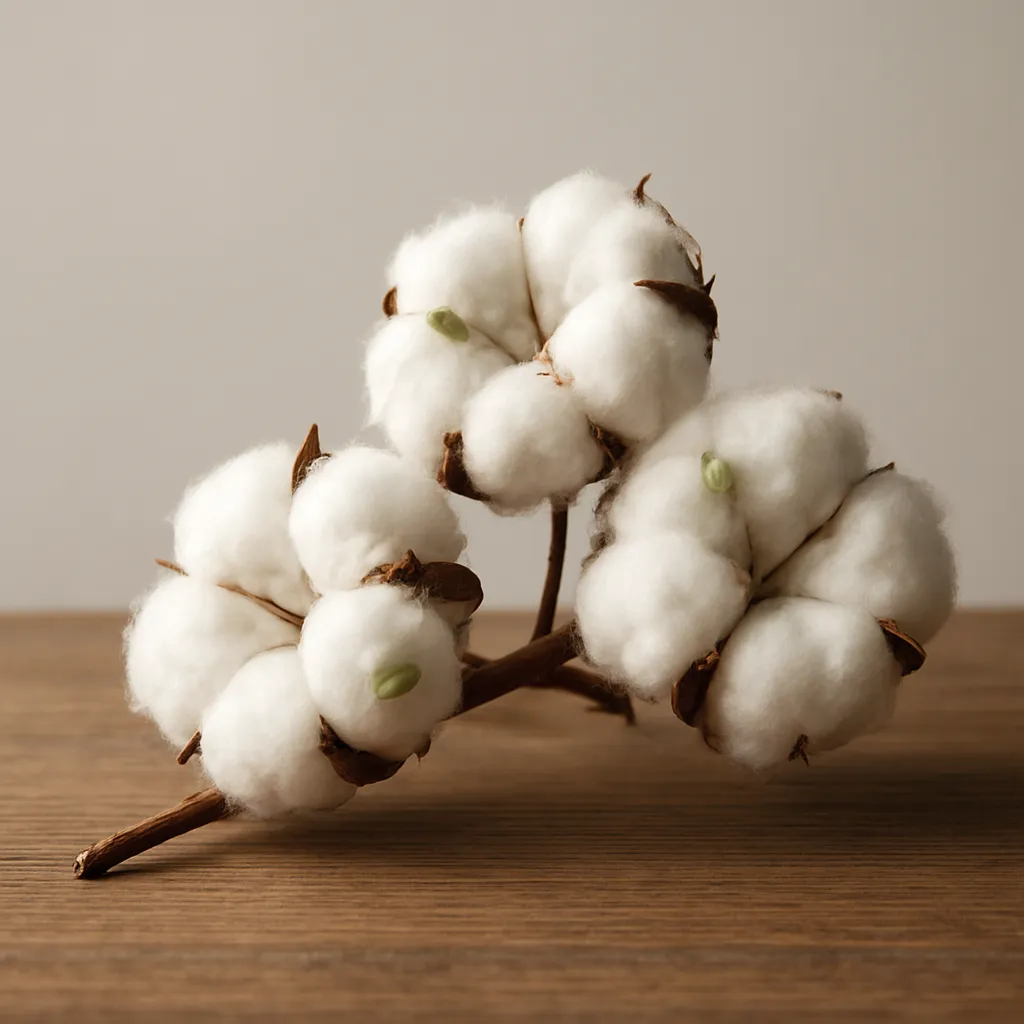
Short-staple cotton had sticky seeds that were slow to remove by hand. What invention separated the seeds from the fiber much faster?
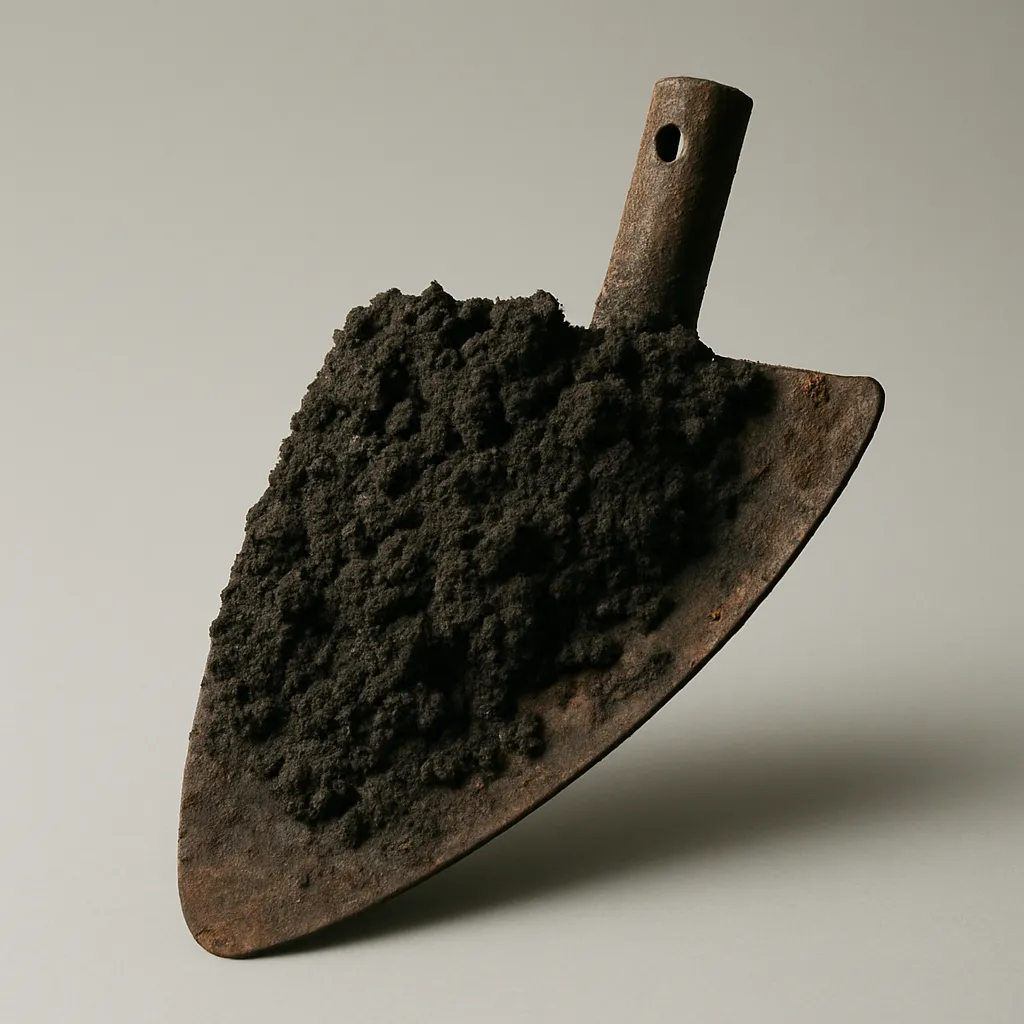
On Midwestern prairies, sticky soil clumped on older plow blades. What invention cut and turned that soil more smoothly?
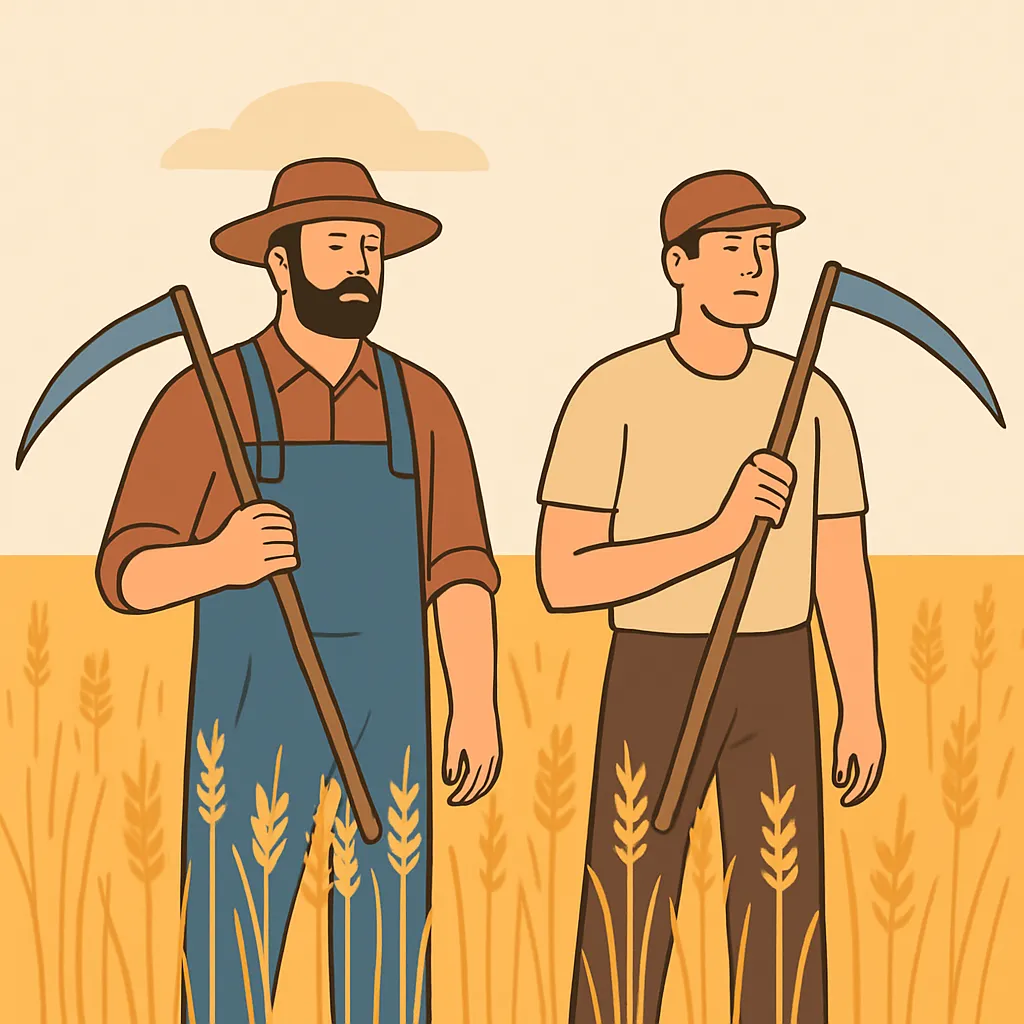
A wheat farmer wanted a horse-drawn machine to cut standing grain during the short harvest season. What invention met that need?
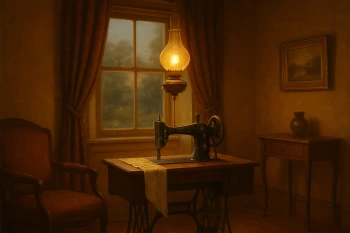
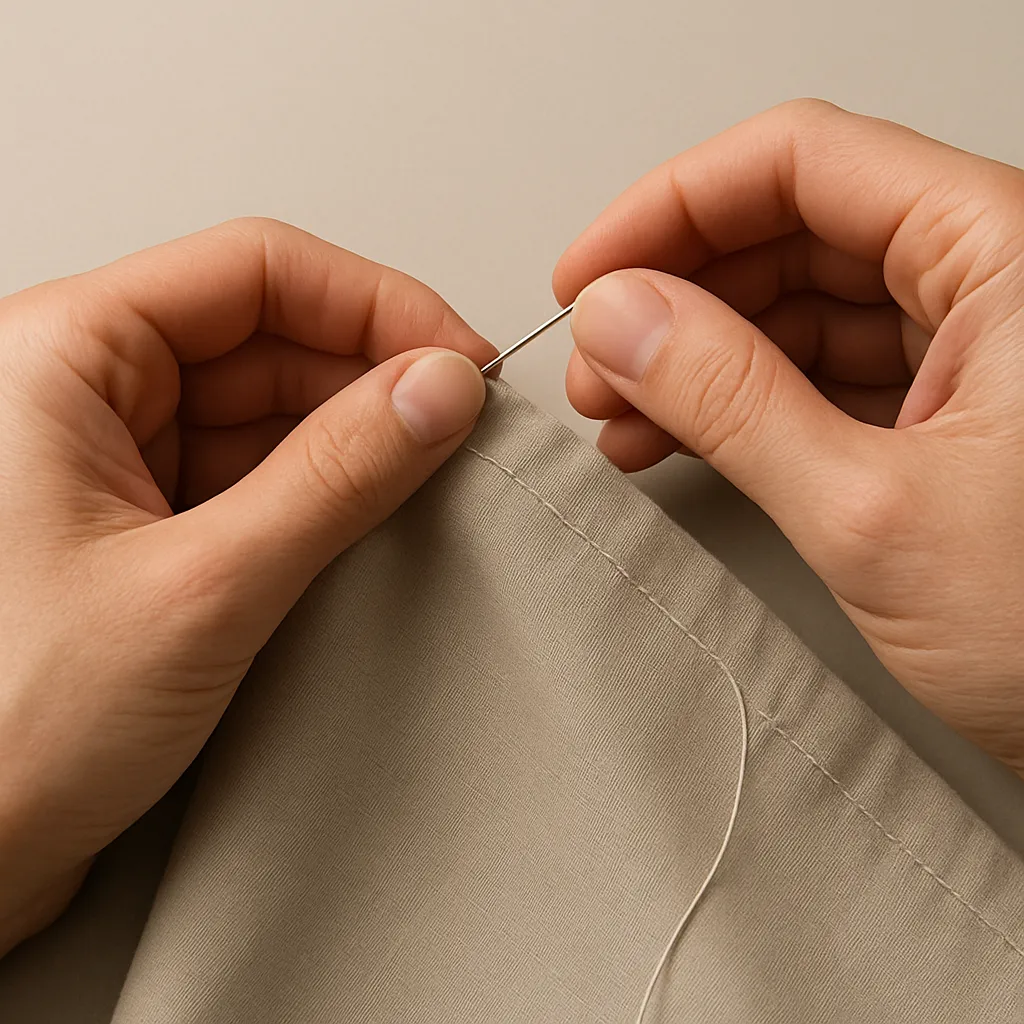
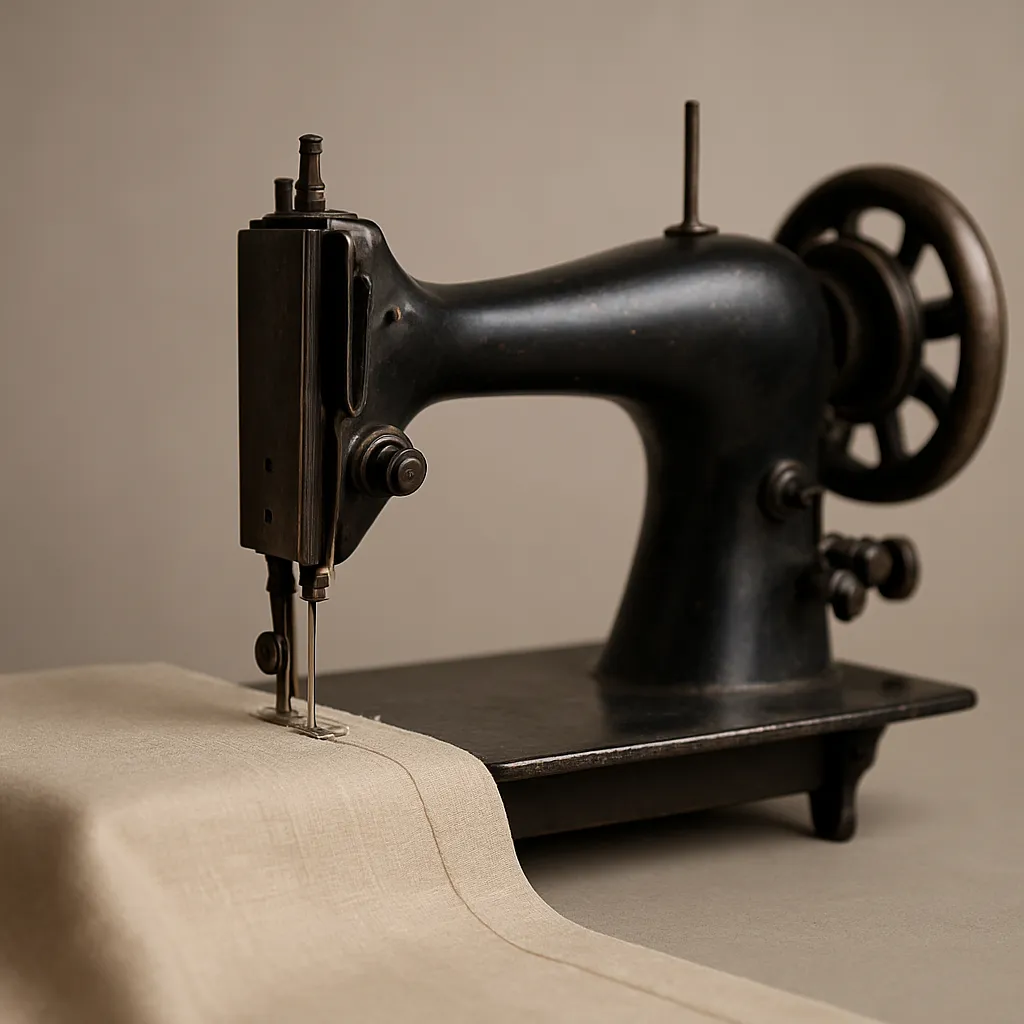
A tailor needed a machine that used thread to stitch cloth seams much faster than hand sewing. What invention fit that job?
Merchants wanted coded messages to move over wires between cities in minutes. What invention solved that communication problem?

In the early 1800s, what power source let factory owners build mills away from rivers and also drove the first locomotives?

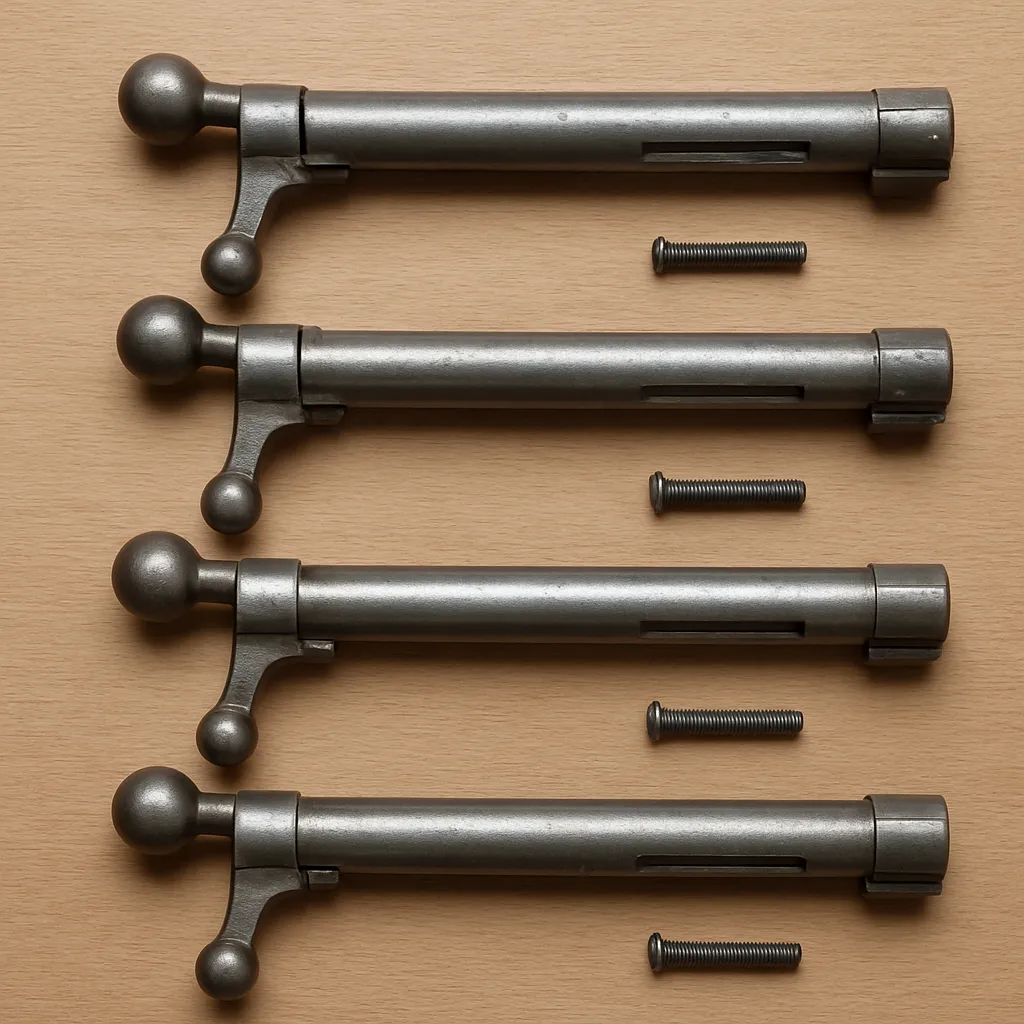
A gunmaker wanted identical locks, barrels, and screws that could fit many copies of the same product. What manufacturing innovation matched that goal?
Natural rubber became sticky in heat and brittle in cold. What innovation made rubber more durable across temperature changes?

Samuel Morse's 1844 Capitol-to-Baltimore demonstration used coded electrical signals moving over a wire. What invention was he demonstrating?
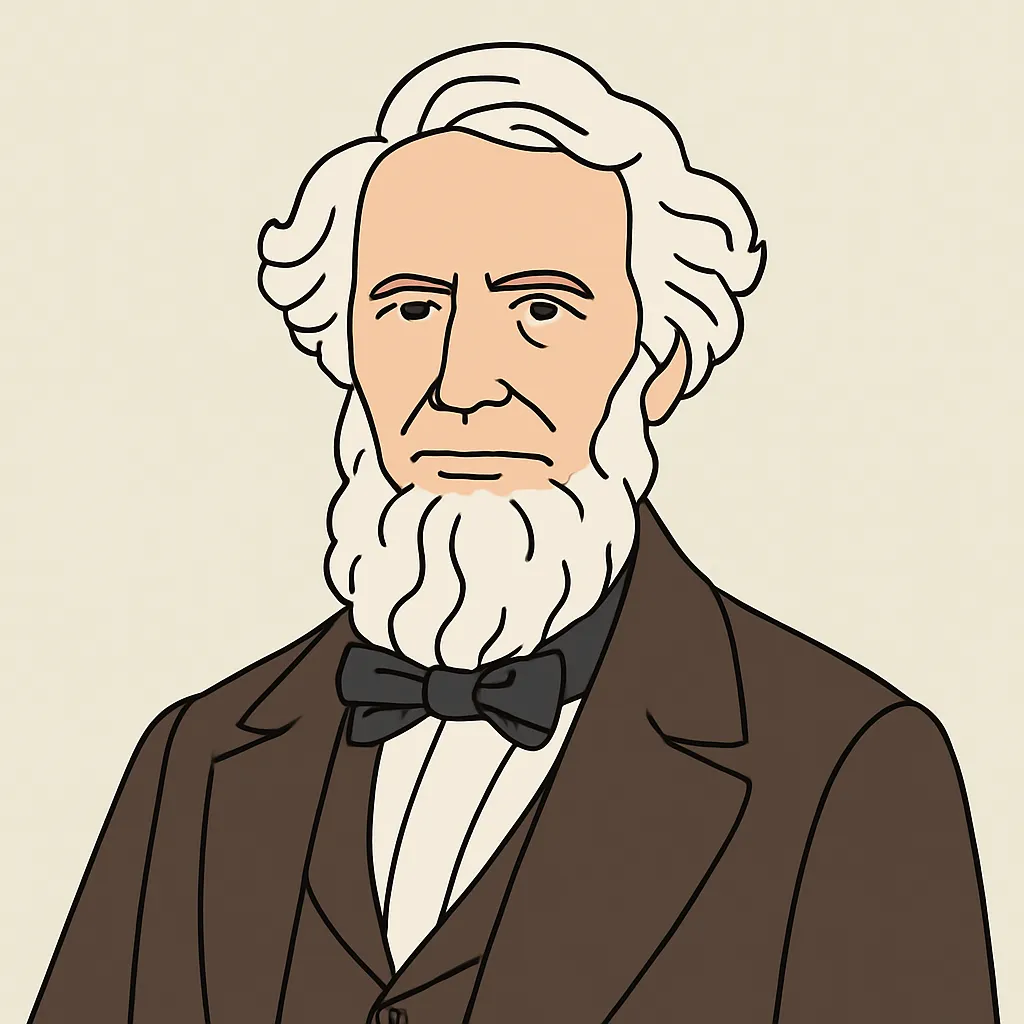
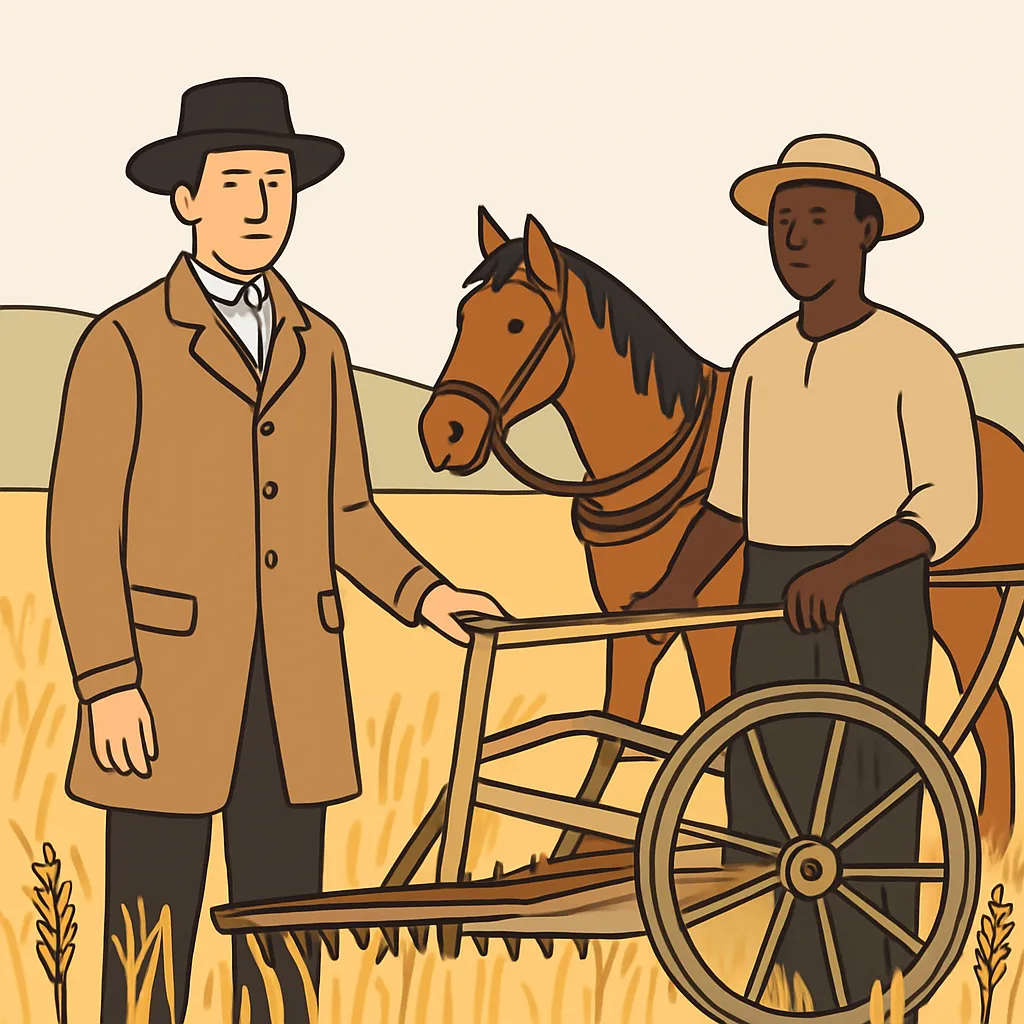
Cyrus McCormick, helped by Jo Anderson, developed a horse-drawn machine for cutting grain in 1831. What invention is linked to their work?
Elias Howe's 1846 patent described an eye-pointed needle and shuttle for mechanized stitching. What invention was tied to this patent?
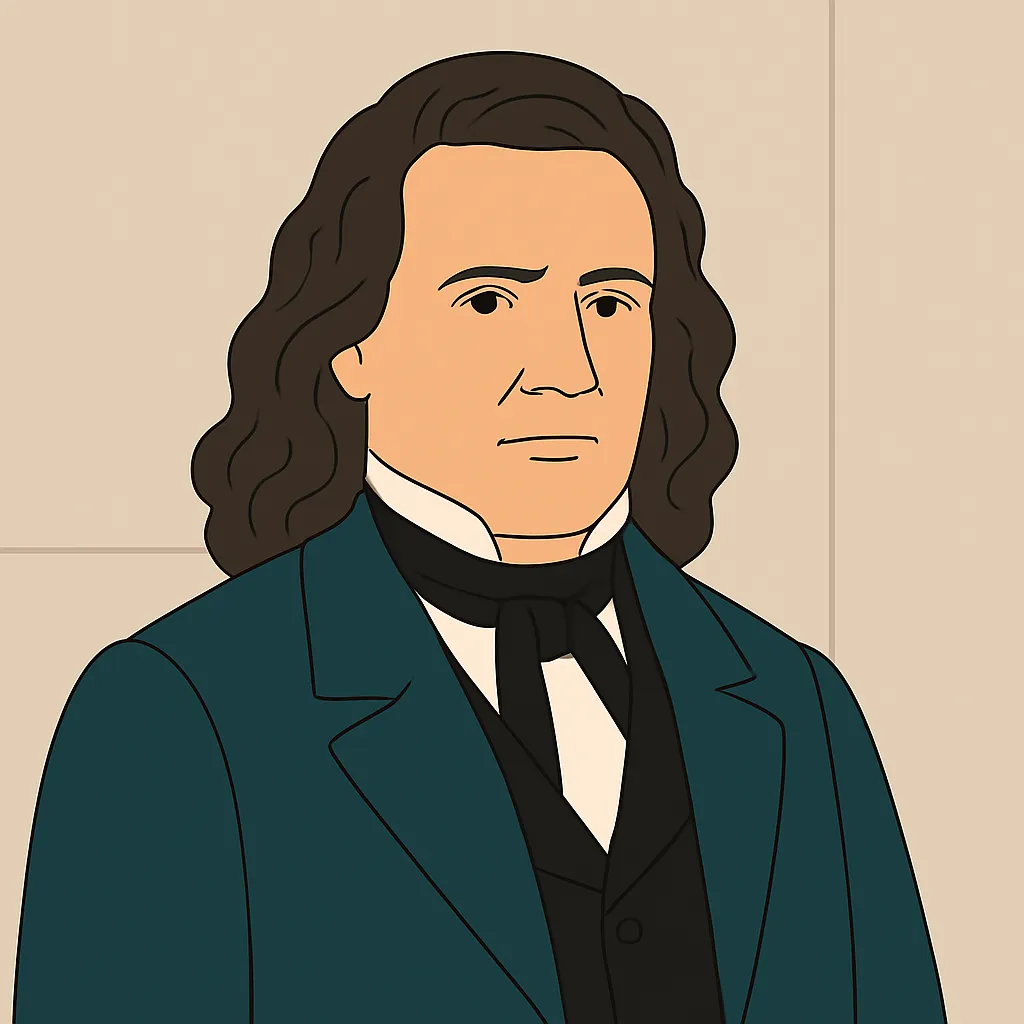
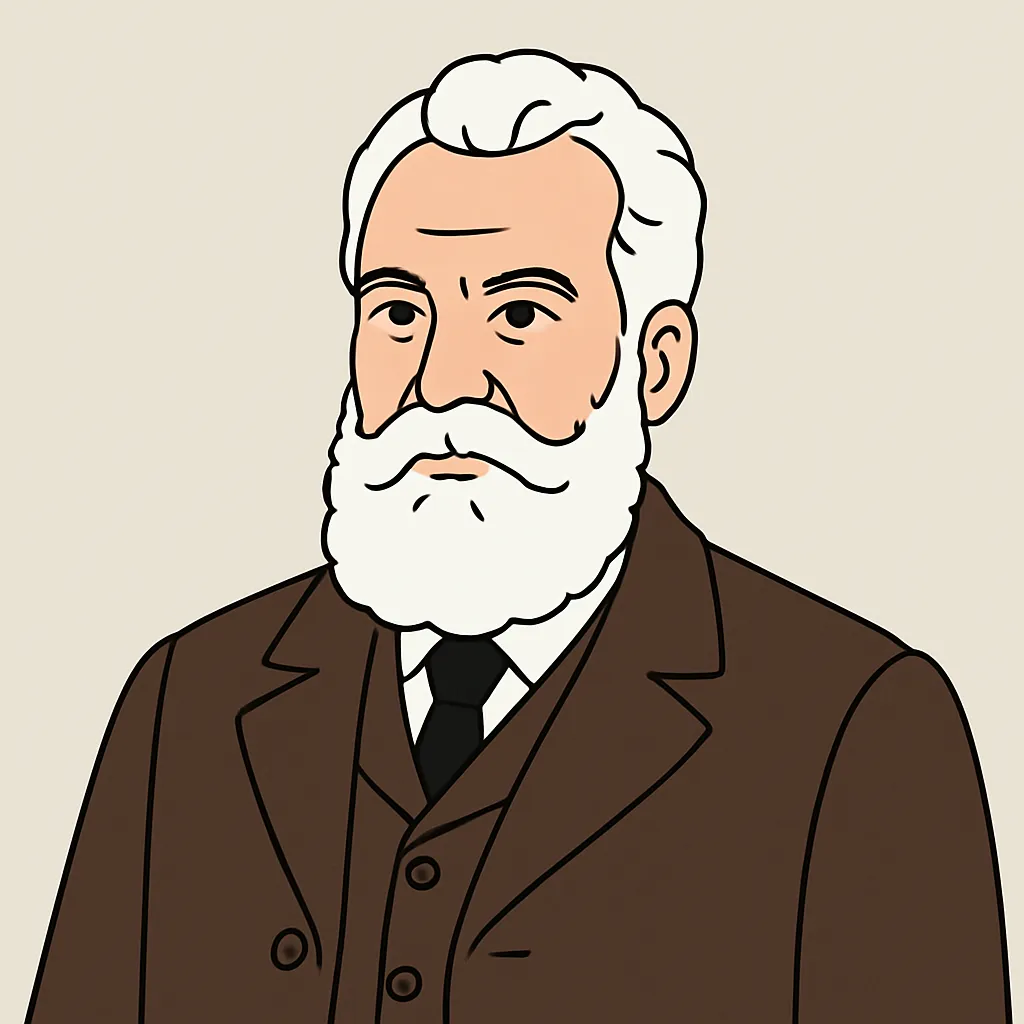
Alexander Graham Bell received an 1876 U.S. patent for transmitting speech electrically. What invention is most closely connected to him?
Thomas Edison's Menlo Park team made a carbon-filament device practical for home use in 1879. What invention is linked to that work?
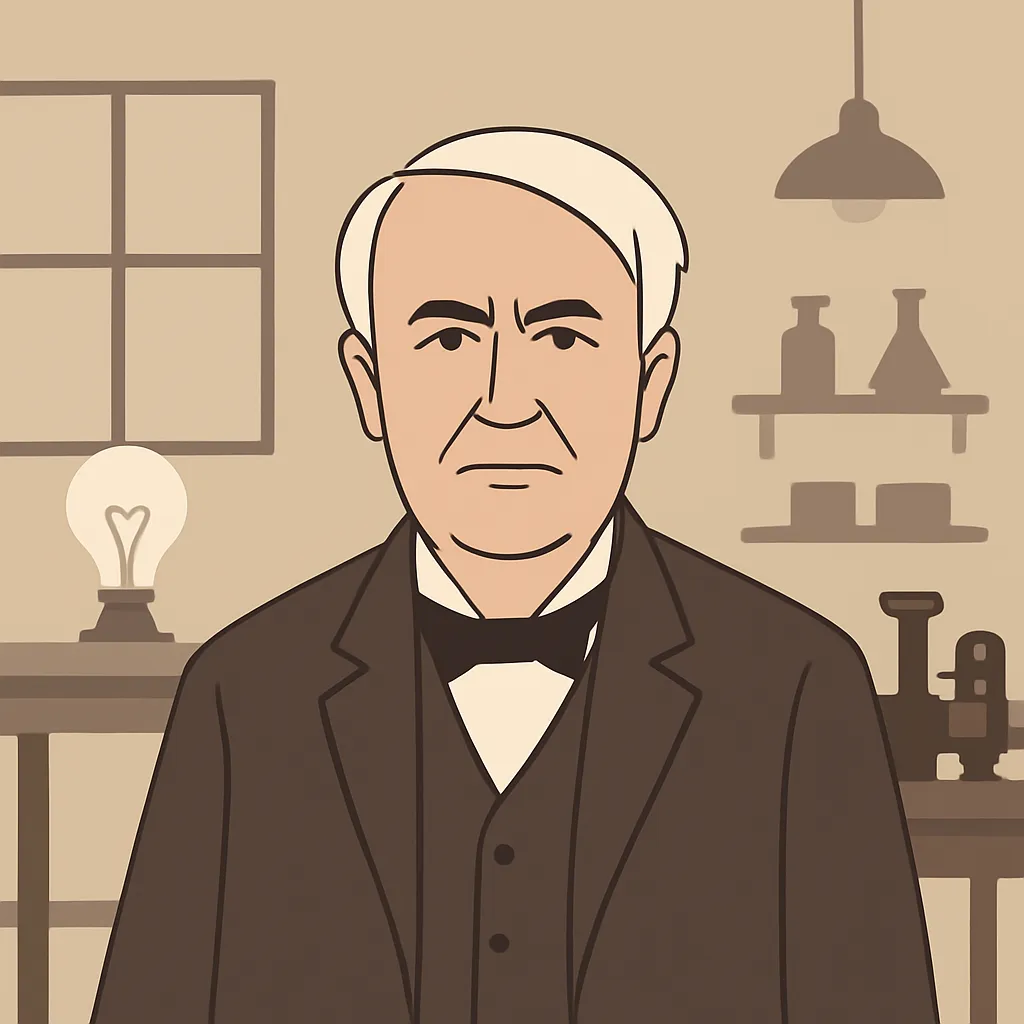
After the cotton gin made short-staple cotton profitable, what happened to cotton plantations in the nineteenth-century South?
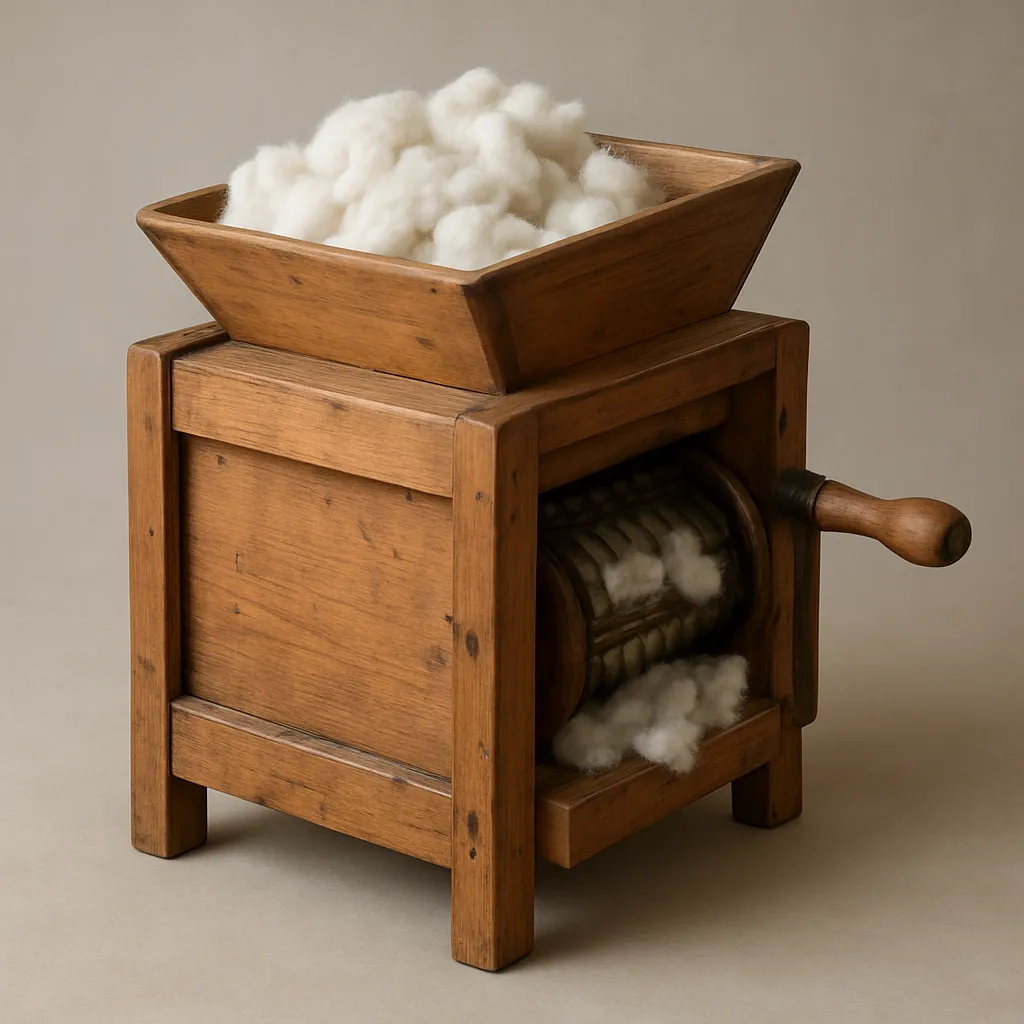
As steel plows spread on the prairie, what happened to tough grassland soils that older plows struggled to turn?
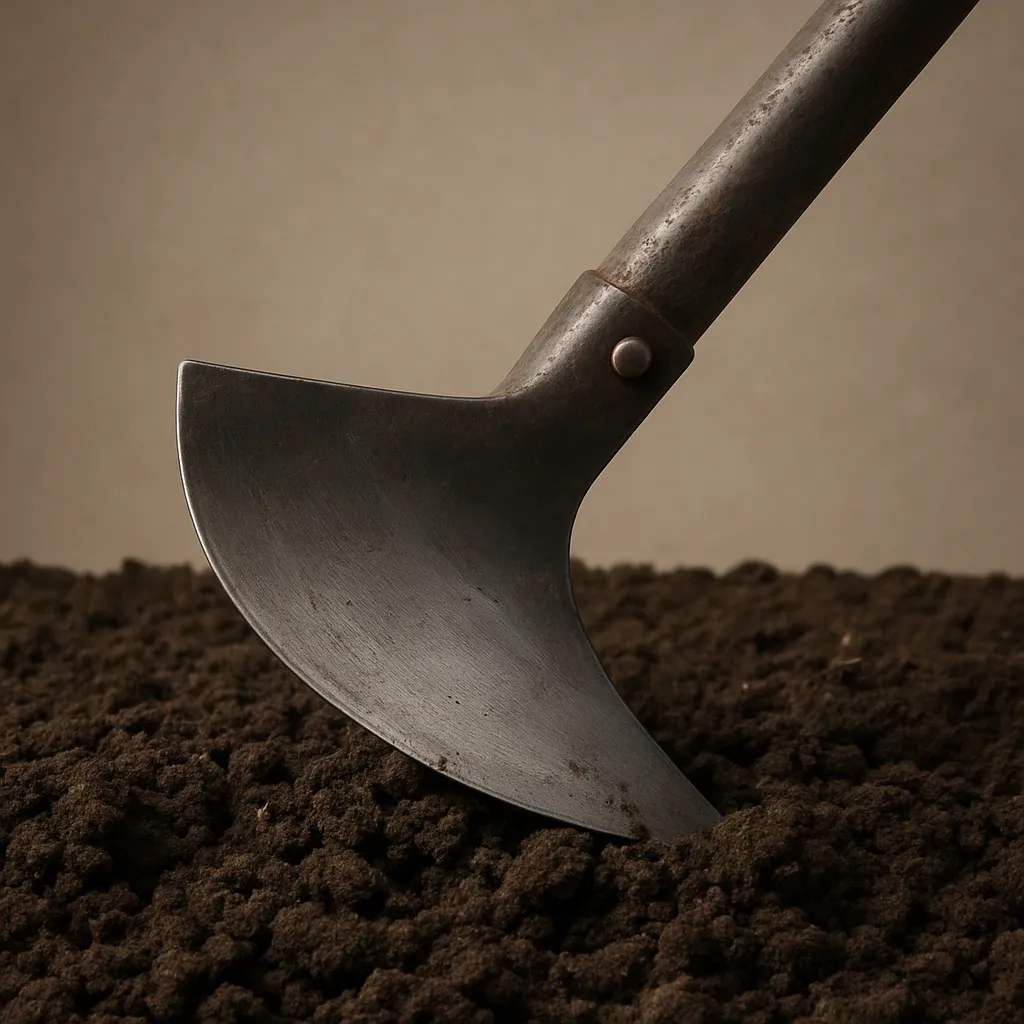
When mechanical reapers spread through grain farms, what happened to the amount of wheat a farmer could harvest?
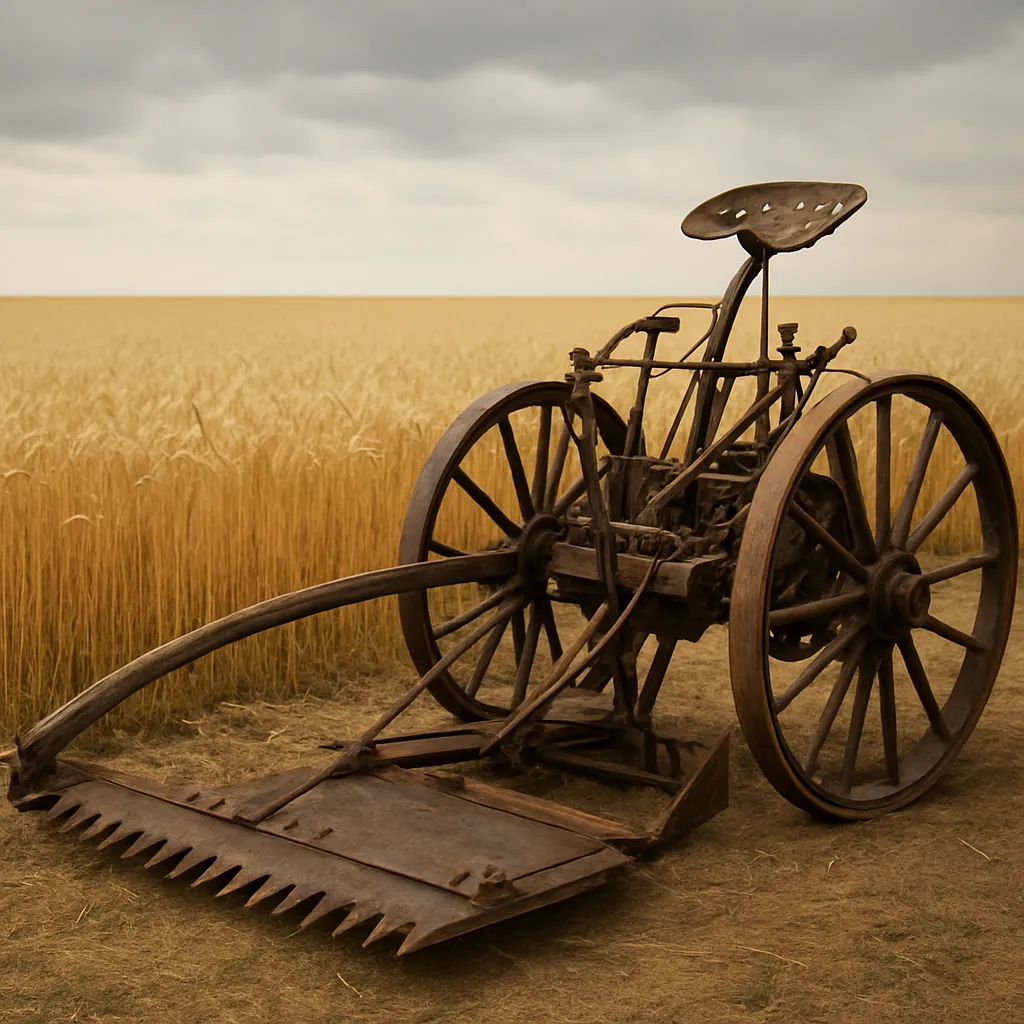
After telegraph lines linked cities, what changed about news, prices, and business orders?

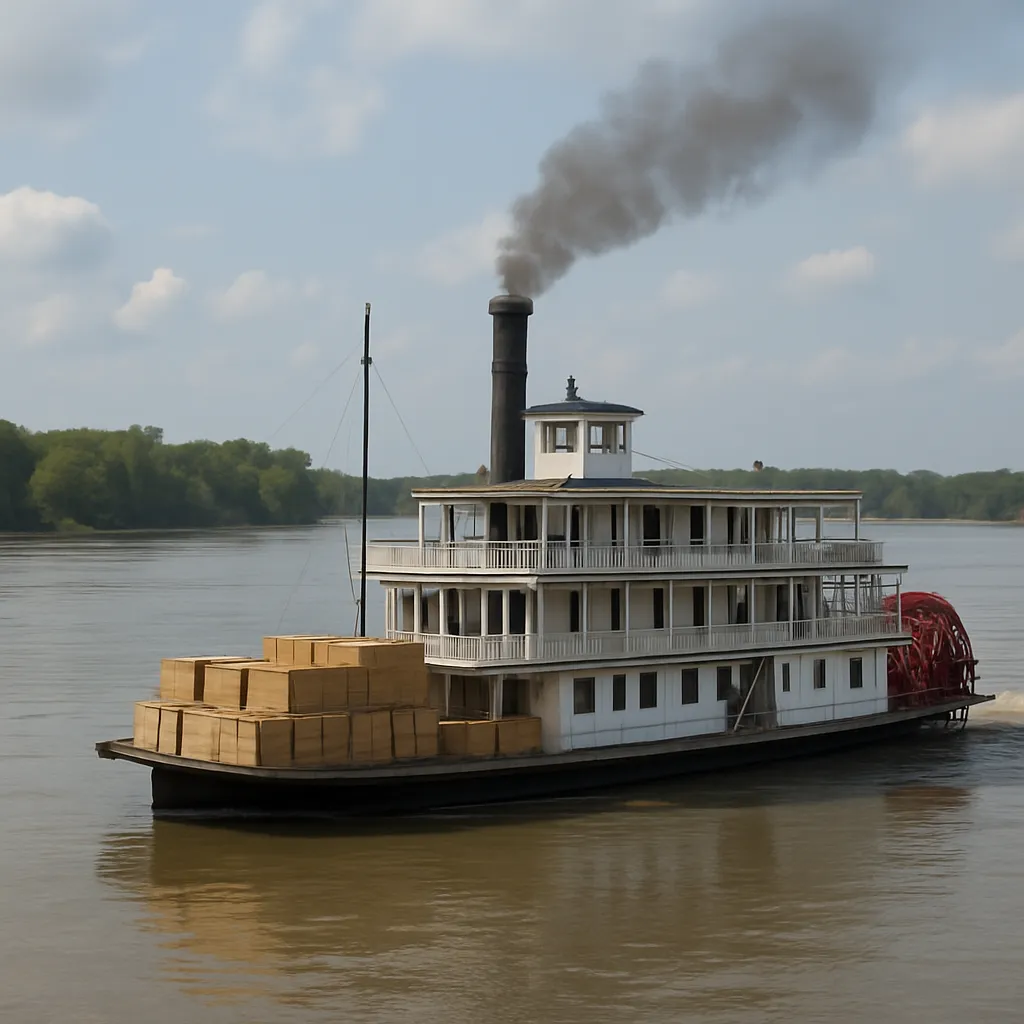
As steamboats spread on navigable rivers, what happened to moving passengers and freight upstream?
When manufacturers began using interchangeable parts, what happened to repairing a broken machine?

After sewing machines became common in clothing production, what happened to ready-made garments?
Crack the passcode before the zombies get in.
Answer, then swat bugs for bonus points.
Race through questions at your own speed.
Same question on every screen. Fastest wins.

Pick a tile, answer, hit bonuses and steals.

Primary and Secondary Sources
20 questions