Loading
by BlastRoom
Students infer author, audience, purpose, bias, and reliability from source details.
#inquiry_skills#us_grade_8_social_studies
20 questions
One question set, multiple game modes. Tap any game to see it in action. Not sure which to pick?
Answer to place stones and capture territory.
Outrun the snow together.
Earn blasts, then hunt the other team.
Answer to earn energy, then climb.

The class blasts through walls together.
Bid on mystery lots. Most money wins.
Sell tours. Nice, standard, or a total scam.

Answer, restock, and serve the rush.
More correct answers pulls the rope your way.
Answer, then shoot down the alien wave.
Answer, then tap to leap the frozen ridge.
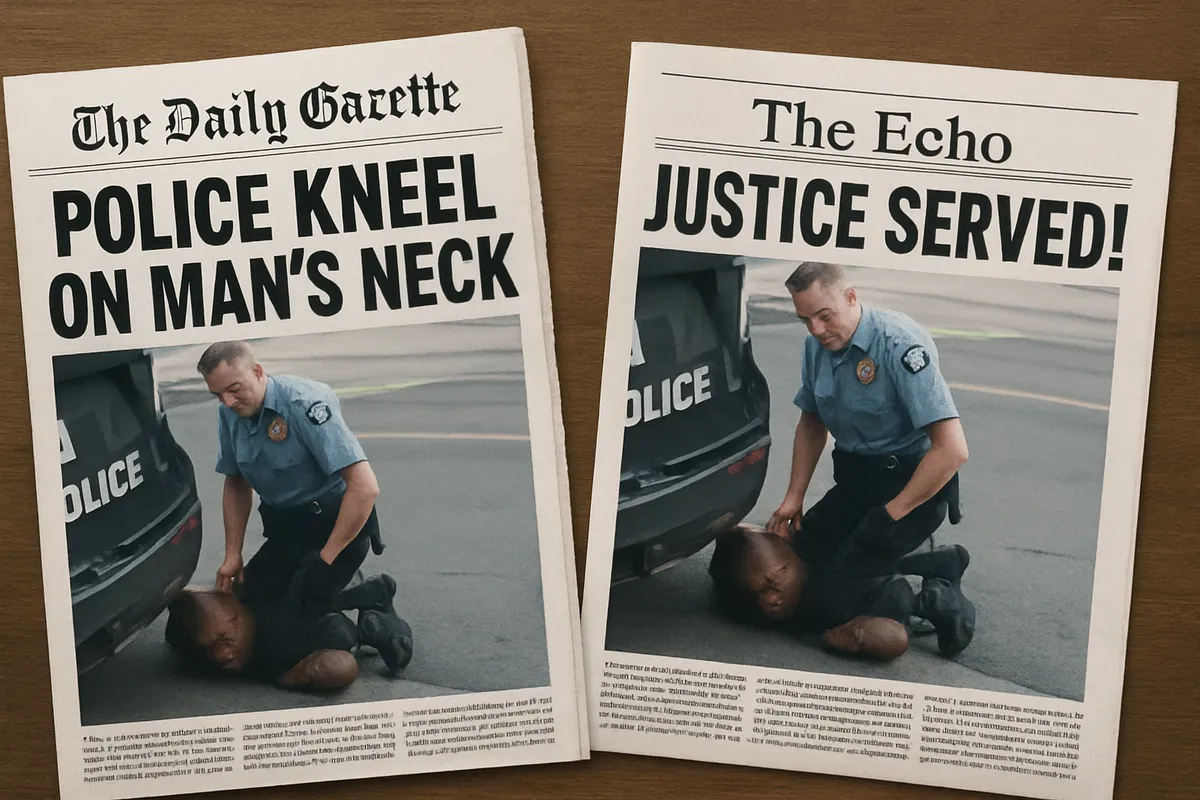
An 1870s railroad-company brochure praises cheap fertile farms along its Kansas tracks and promises settlers prosperity. What purpose best explains this wording?
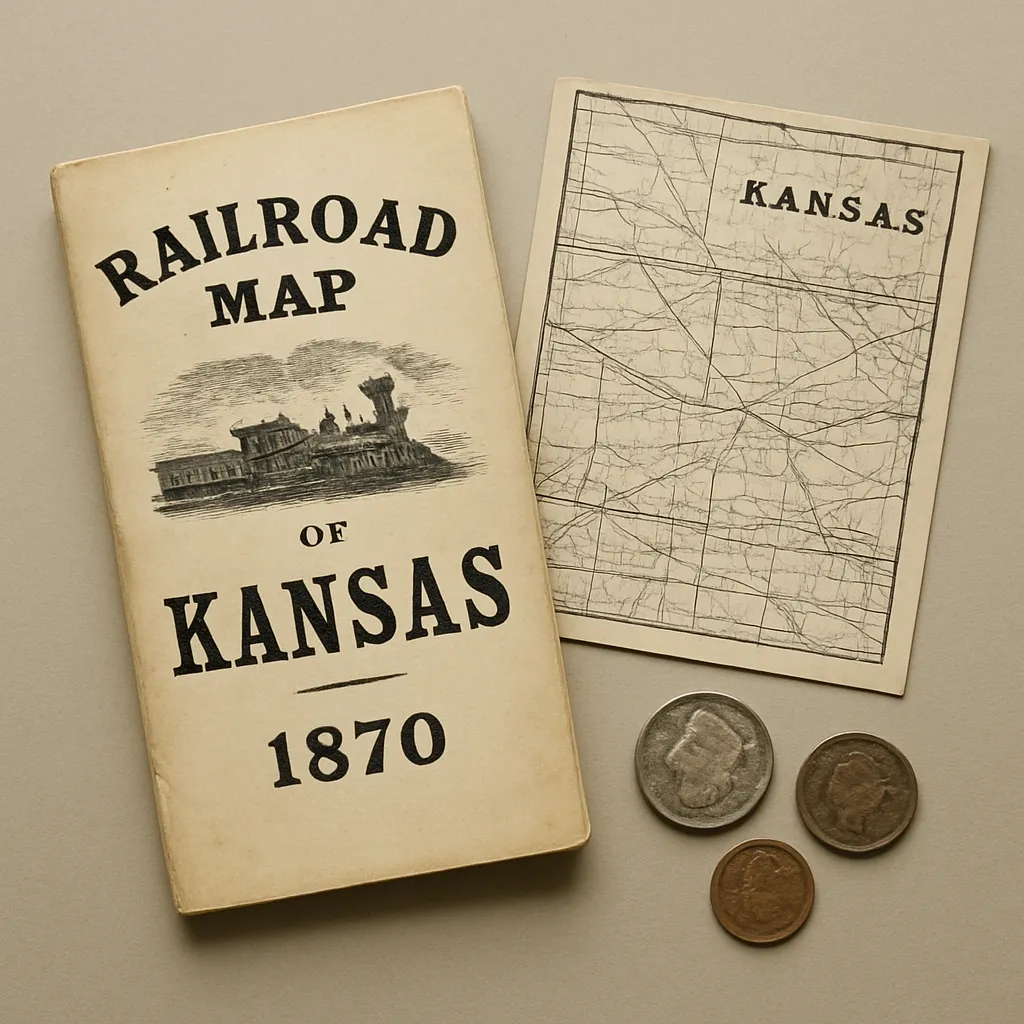
In 1787-1788, essays signed Publius were published to defend the proposed Constitution. Who was the main audience for those essays?
William Lloyd Garrison began publishing The Liberator in Boston in 1831. What purpose fits that newspaper?
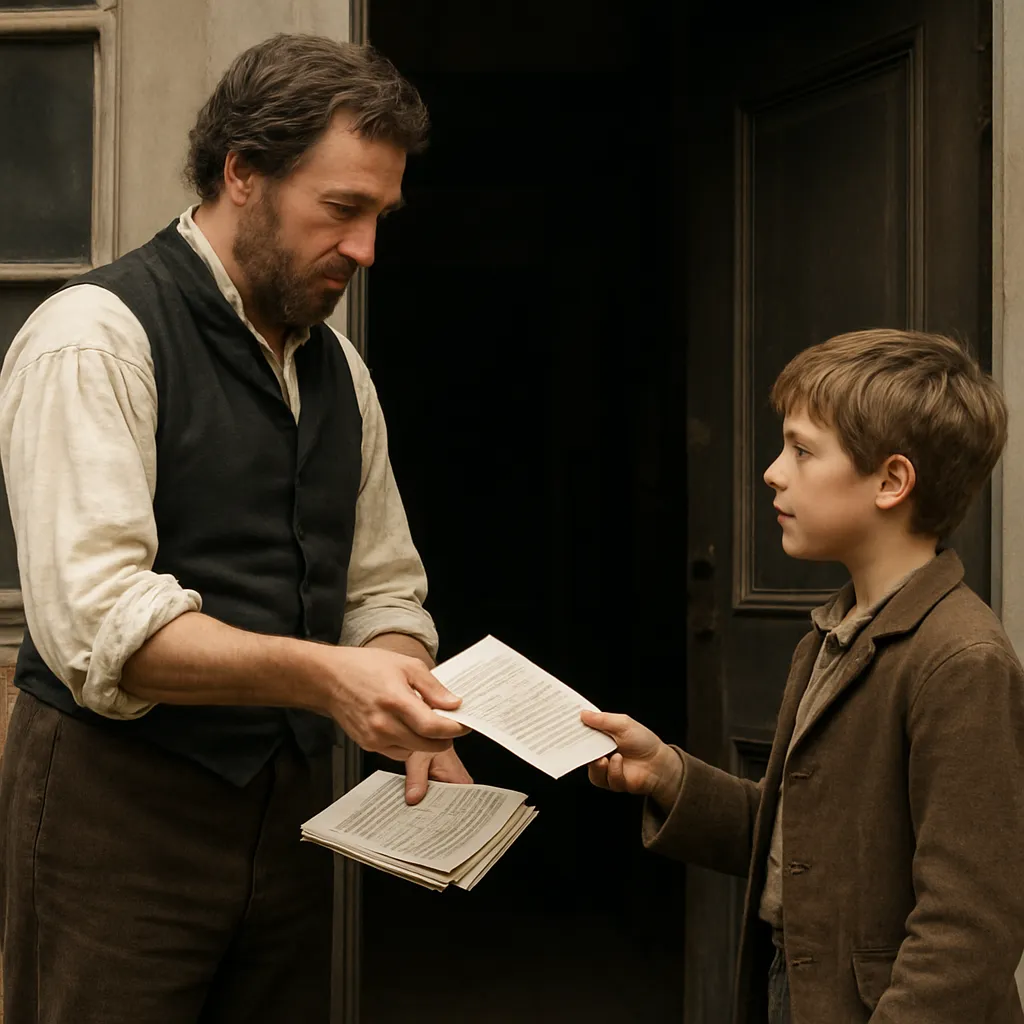
At Seneca Falls in 1848, reformers issued the Declaration of Sentiments. What purpose did the document serve?
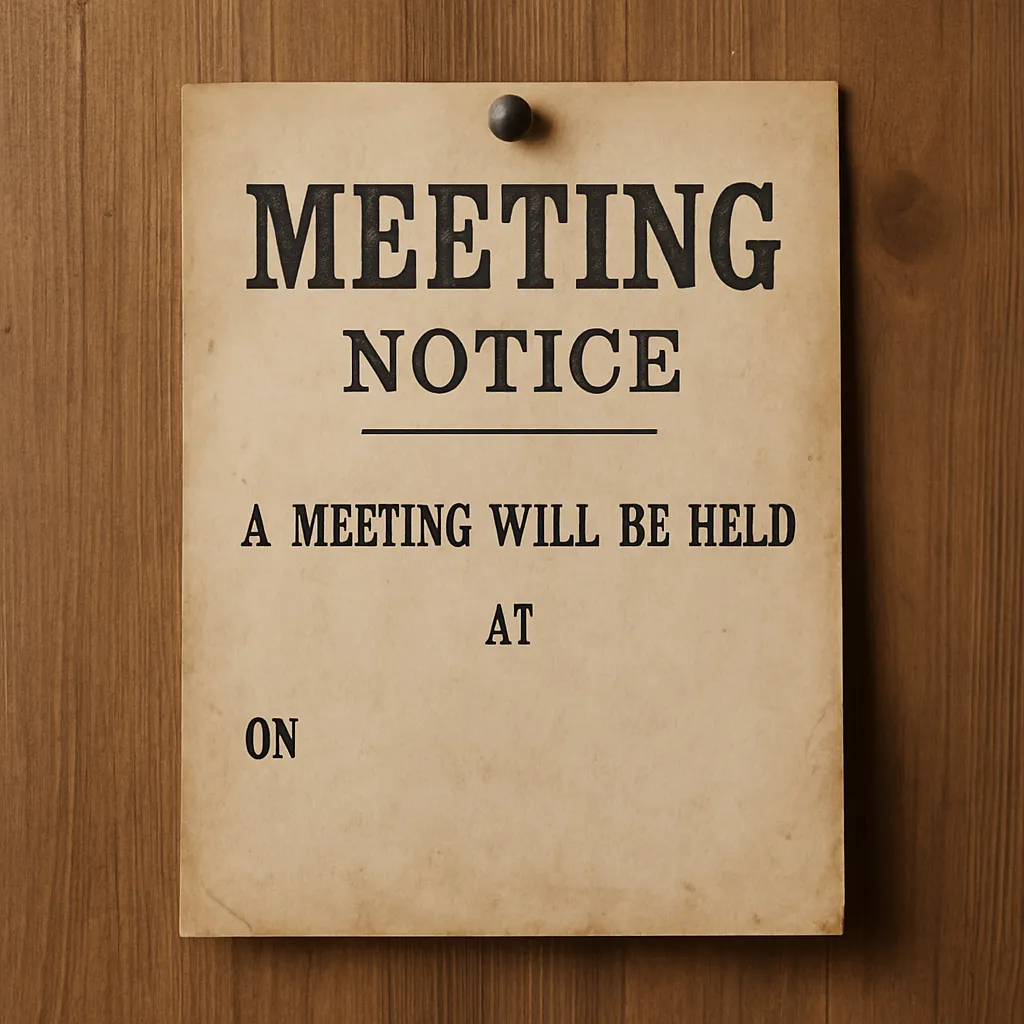
A General Land Office circular from the 1860s explains residence requirements, filing fees, and 160-acre claims. Who was the intended audience?
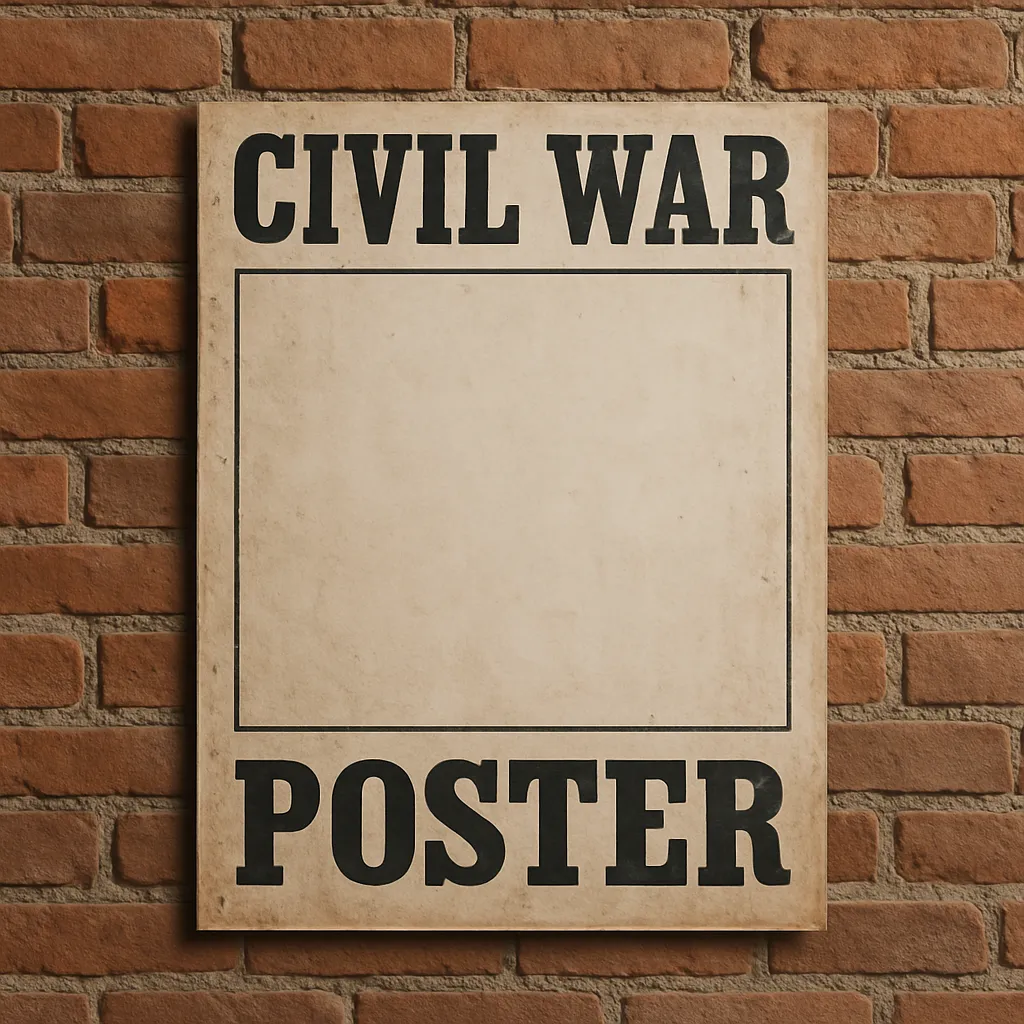
A Union poster from after 1863 tells Black men that service can help secure freedom for their people. What purpose best fits the poster?
Thomas Nast drew Boss Tweed and his ring in Harper's Weekly cartoons in 1871. What purpose best fits his cartoons?
An 1830 message to Congress says Indian removal will benefit both the United States and Native nations. Whose point of view shapes this source?
An 1848 U.S. editorial calls the land gained from Mexico in the Treaty of Guadalupe Hidalgo proof of Manifest Destiny. What bias should a reader notice?
A Louisiana newspaper ad in 1860 offers a reward to capture an enslaved person who escaped. What point of view most shapes the ad?
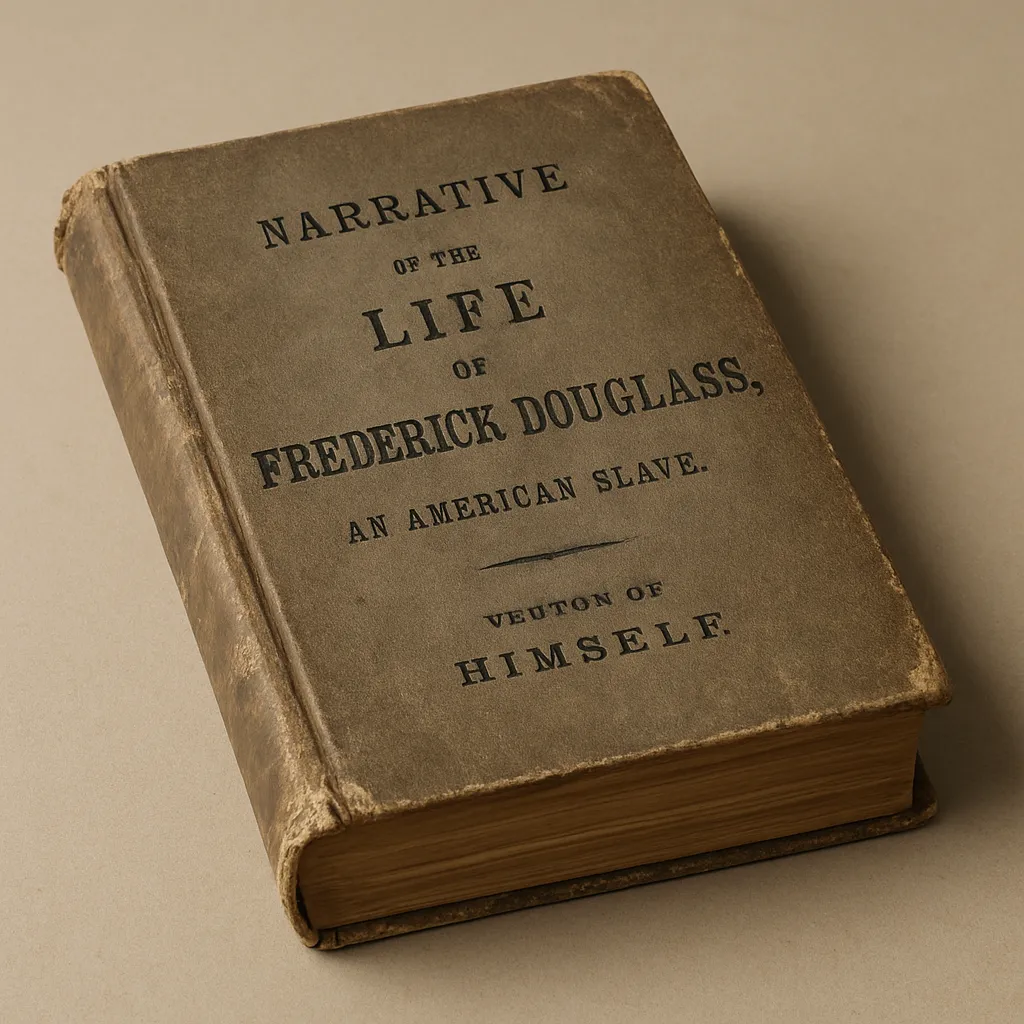
Frederick Douglass published his Narrative in 1845, describing violence under slavery. What perspective shapes that account?
A factory owner tells a 1900 state hearing that child-labor limits would reduce profits and close mills. What bias is most likely?
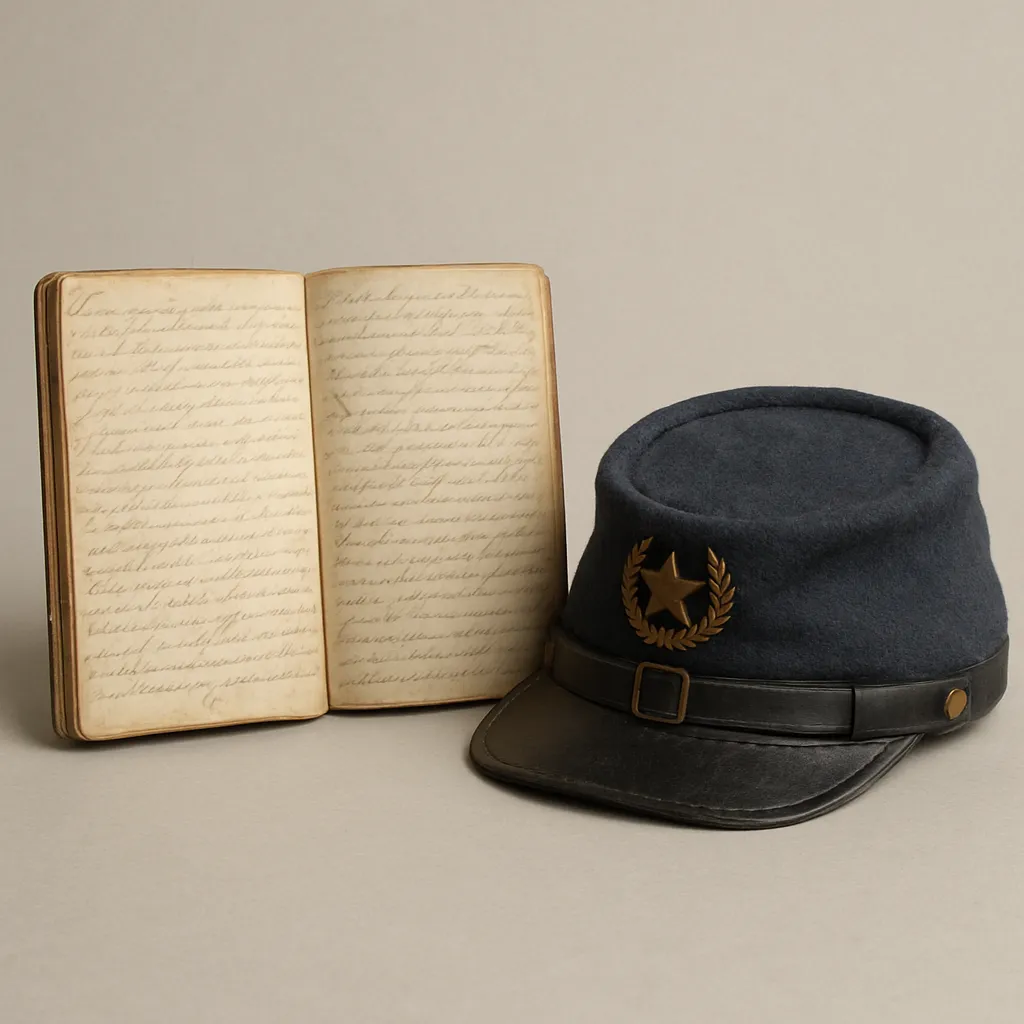
A diary written after Antietam says "our regiment stood firm" and the rebel line broke. Whose perspective shapes the entry?
During debate over the 1882 Chinese Exclusion Act, a California speaker says Chinese laborers threaten white workers' wages. What bias appears in the claim?
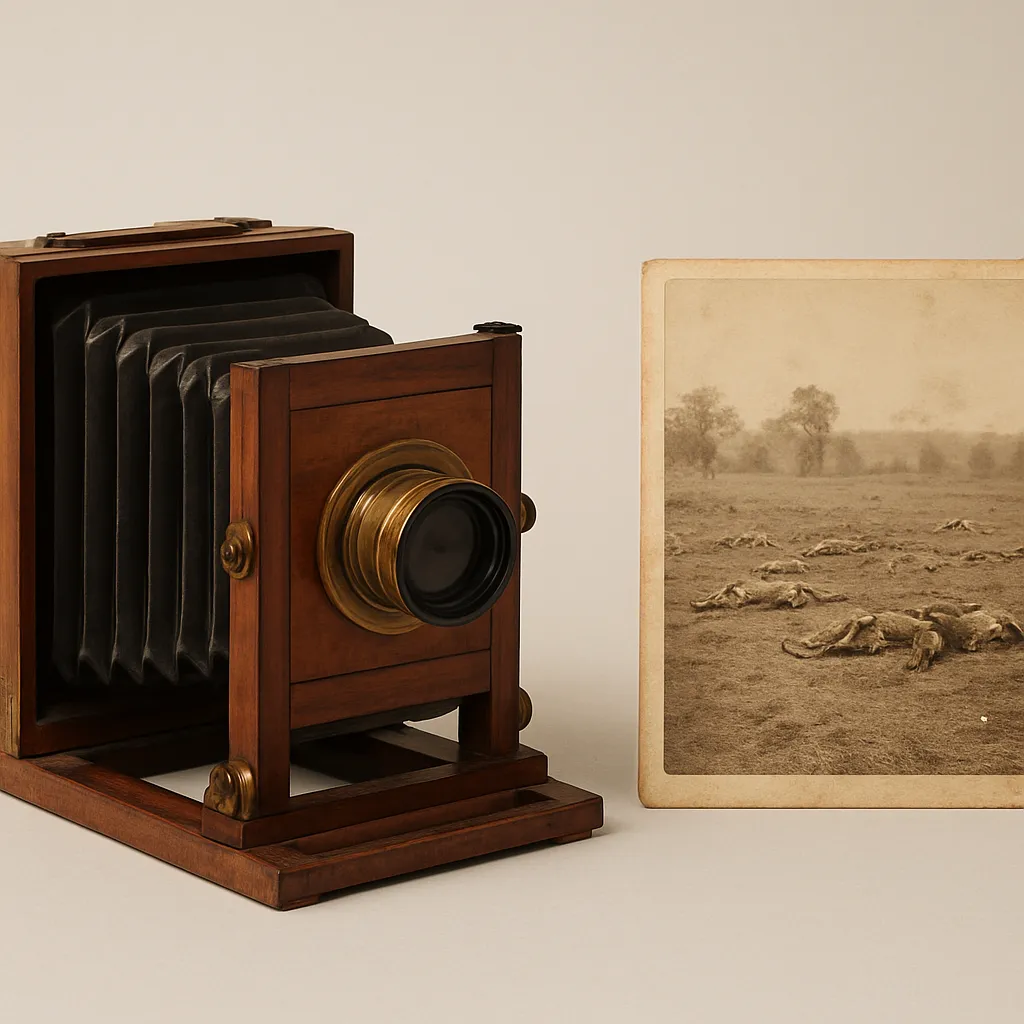
Alexander Gardner photographed Antietam's battlefield in 1862 after the fighting ended. For a study of the battle, what reliability judgment fits?
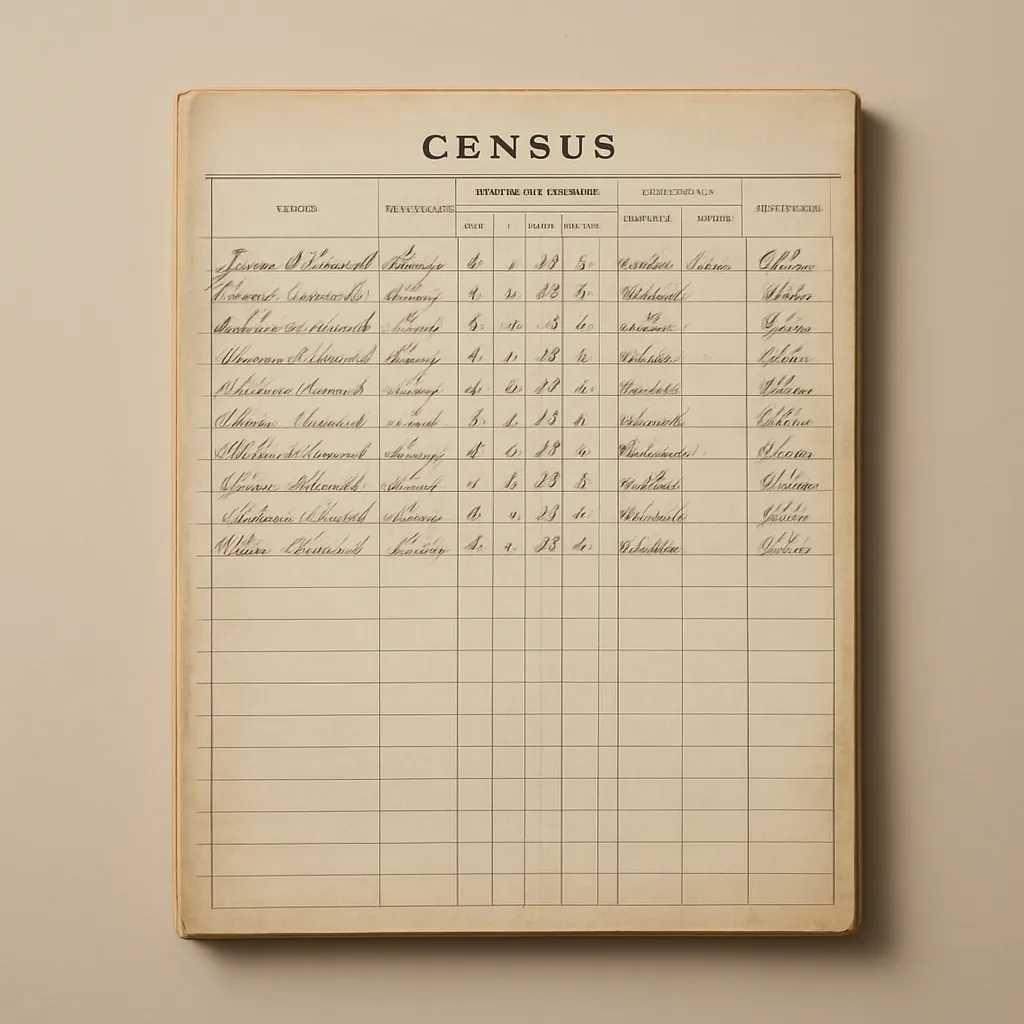
A county census page lists households and ages, but a historian knows some residents avoided enumerators. What reliability judgment fits a population study?
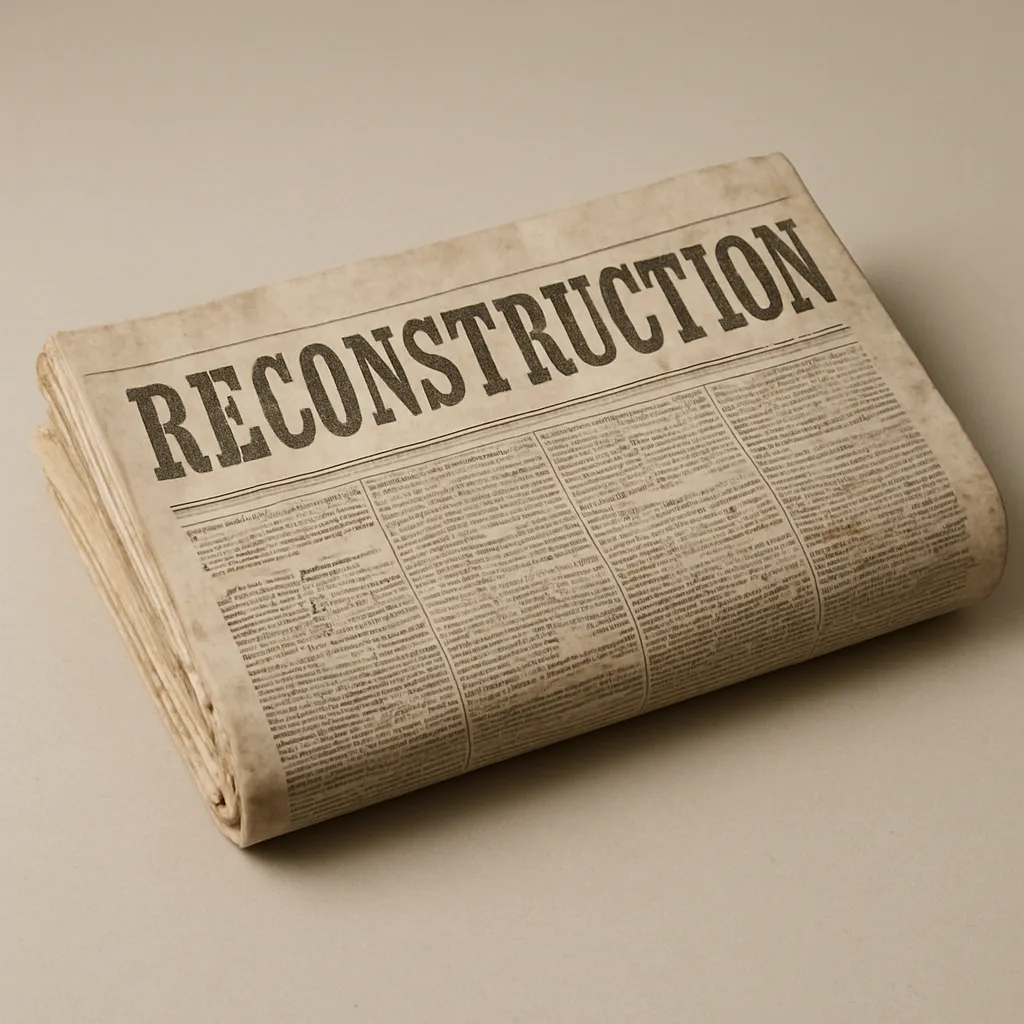
A party newspaper reports a Reconstruction protest and names witnesses, but its editor opposed the protesters. What reliability judgment is strongest?
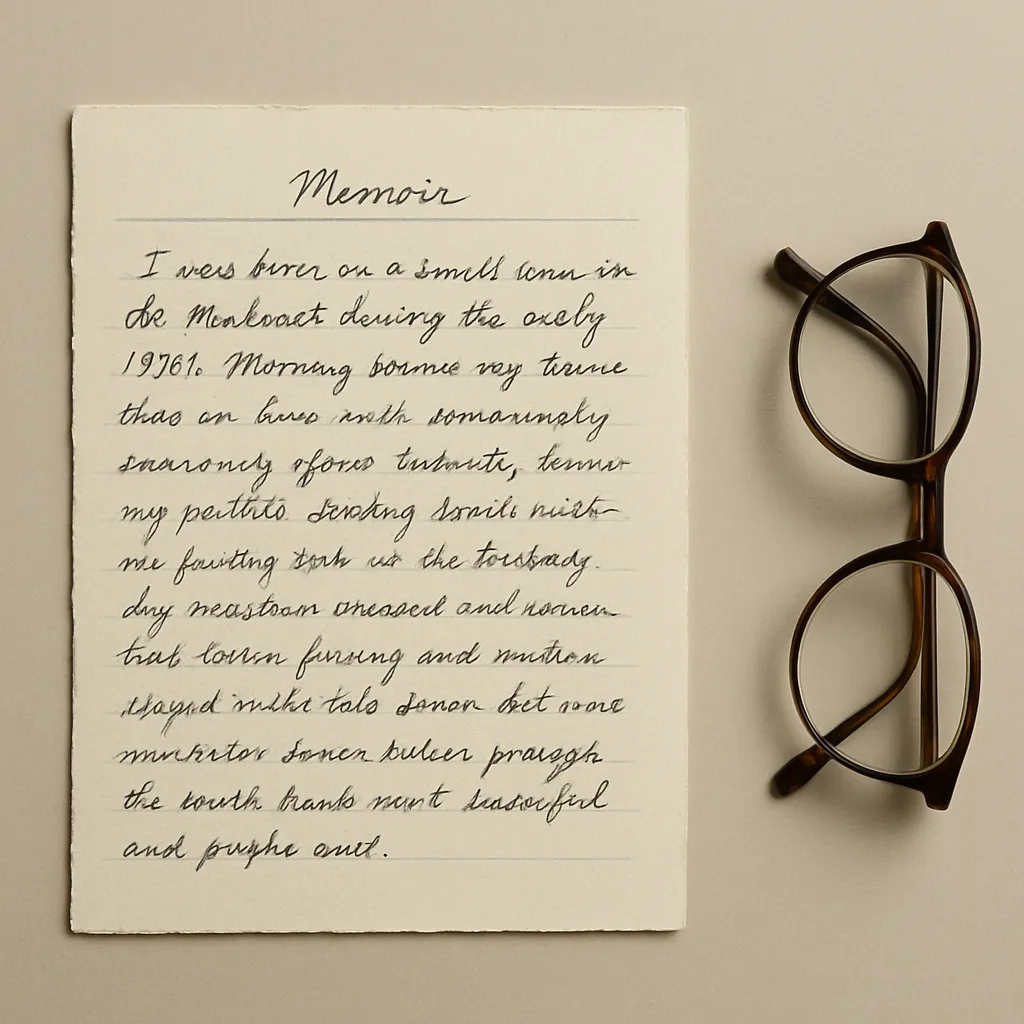
A memoir written forty years after the Trail of Tears describes fear during forced removal. What reliability judgment fits a historian's use?
A Dawes Roll entry lists a Native person's enrollment for allotment under U.S. officials' rules. What reliability judgment fits a question about identity?
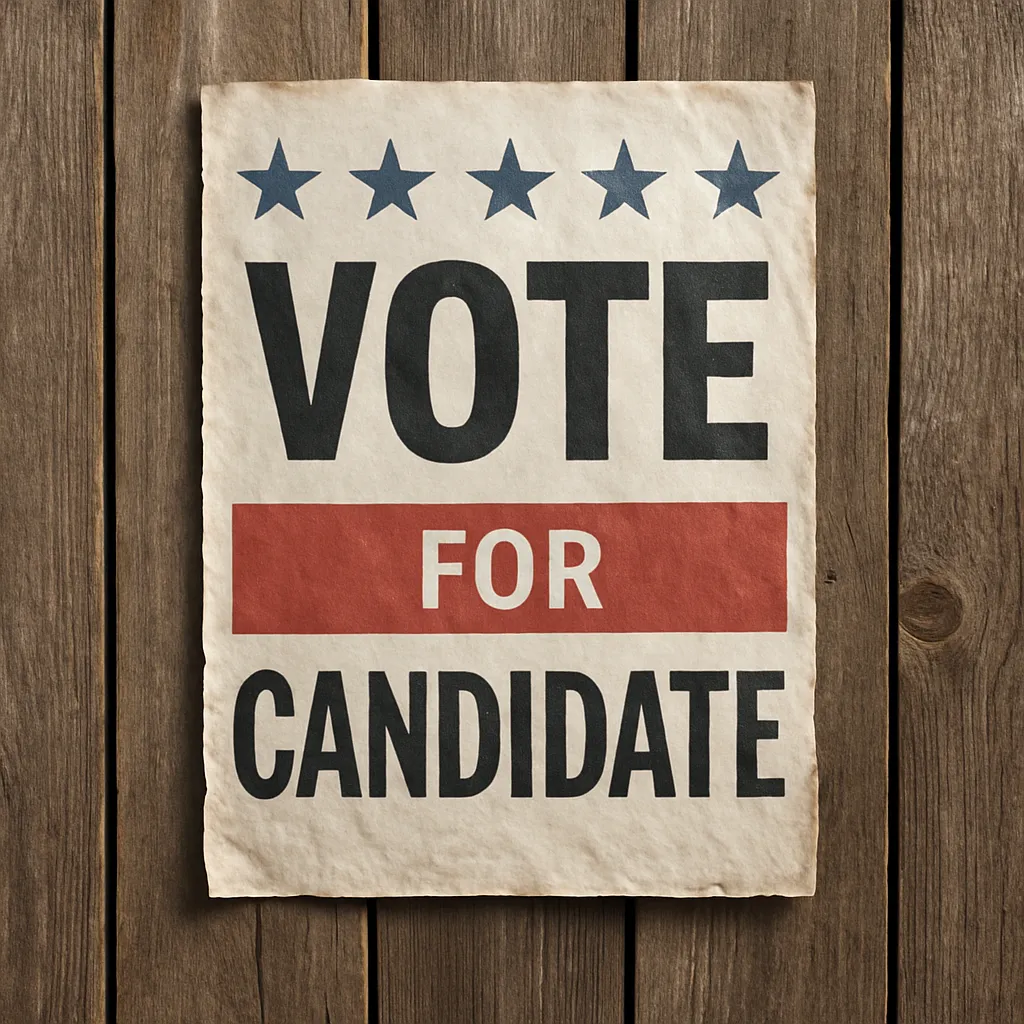
A campaign poster claims its candidate alone caused local prosperity but gives no data or sources. What reliability judgment fits the economic claim?
Crack the passcode before the zombies get in.
Answer, then swat bugs for bonus points.
Race through questions at your own speed.
Same question on every screen. Fastest wins.

Pick a tile, answer, hit bonuses and steals.
Using Evidence to Build an Argument
20 questions