Loading
by BlastRoom
How modern artists used color and distortion for different expressive purposes.
#us_hs_art_history
30 questions
One question set, multiple game modes. Tap any game to see it in action. Not sure which to pick?
Answer to place stones and capture territory.
Outrun the snow together.
Earn blasts, then hunt the other team.
Answer to earn energy, then climb.

The class blasts through walls together.
Bid on mystery lots. Most money wins.
Sell tours. Nice, standard, or a total scam.

Answer, restock, and serve the rush.
More correct answers pulls the rope your way.
Answer, then shoot down the alien wave.
Answer, then tap to leap the frozen ridge.
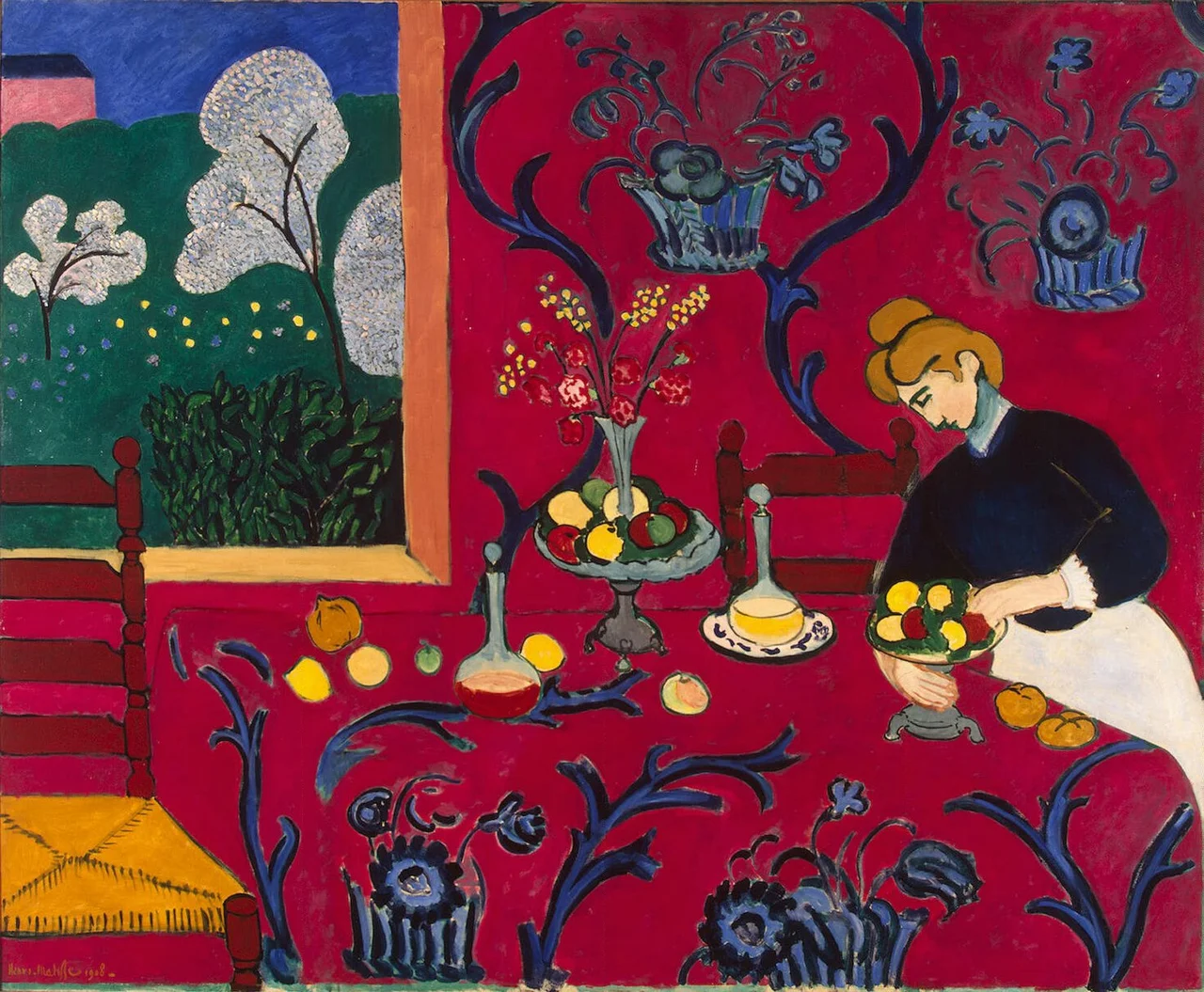
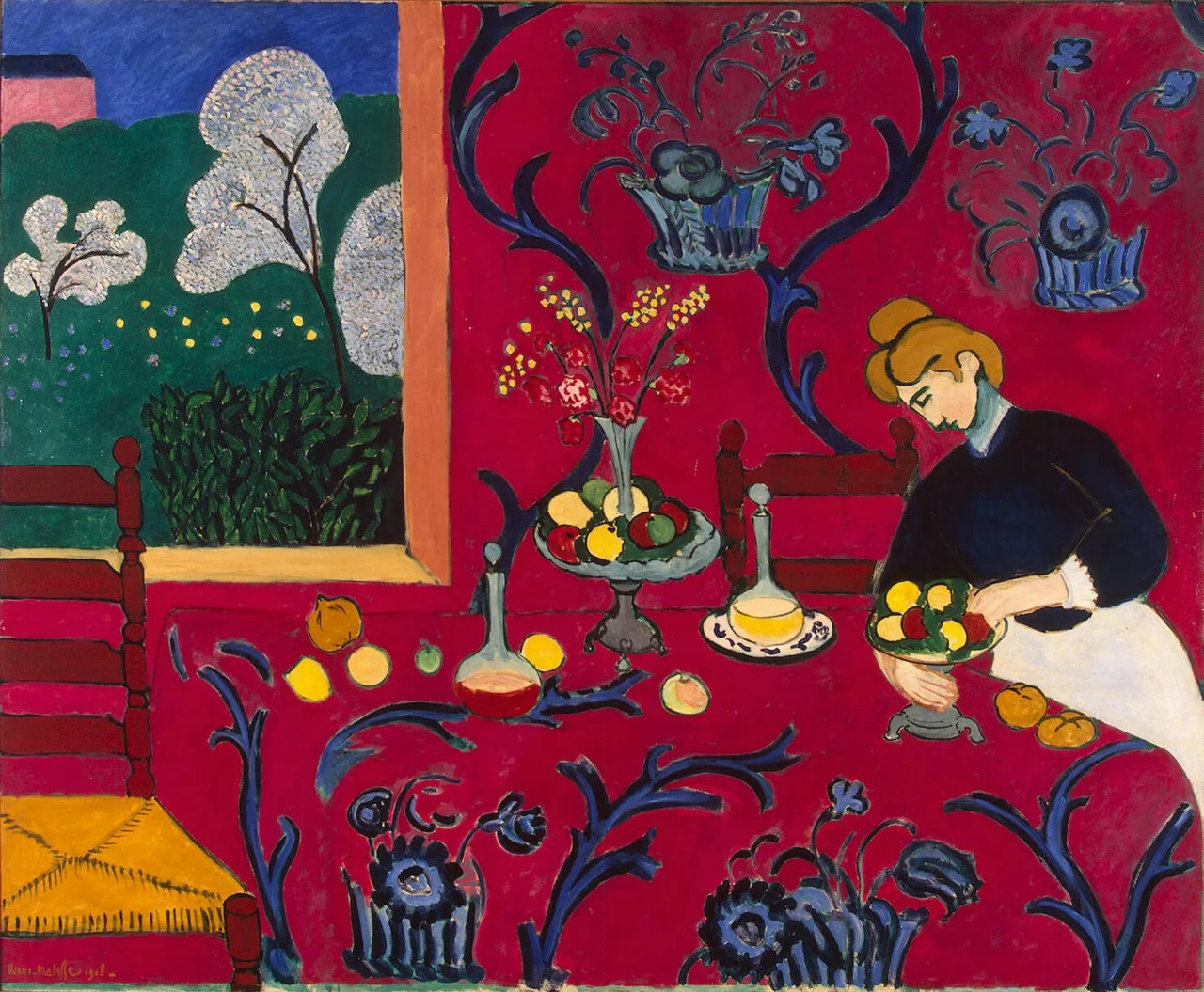
In Matisse's The Red Room, the tablecloth pattern continues across the wall behind it. What does this do to the room's depth?
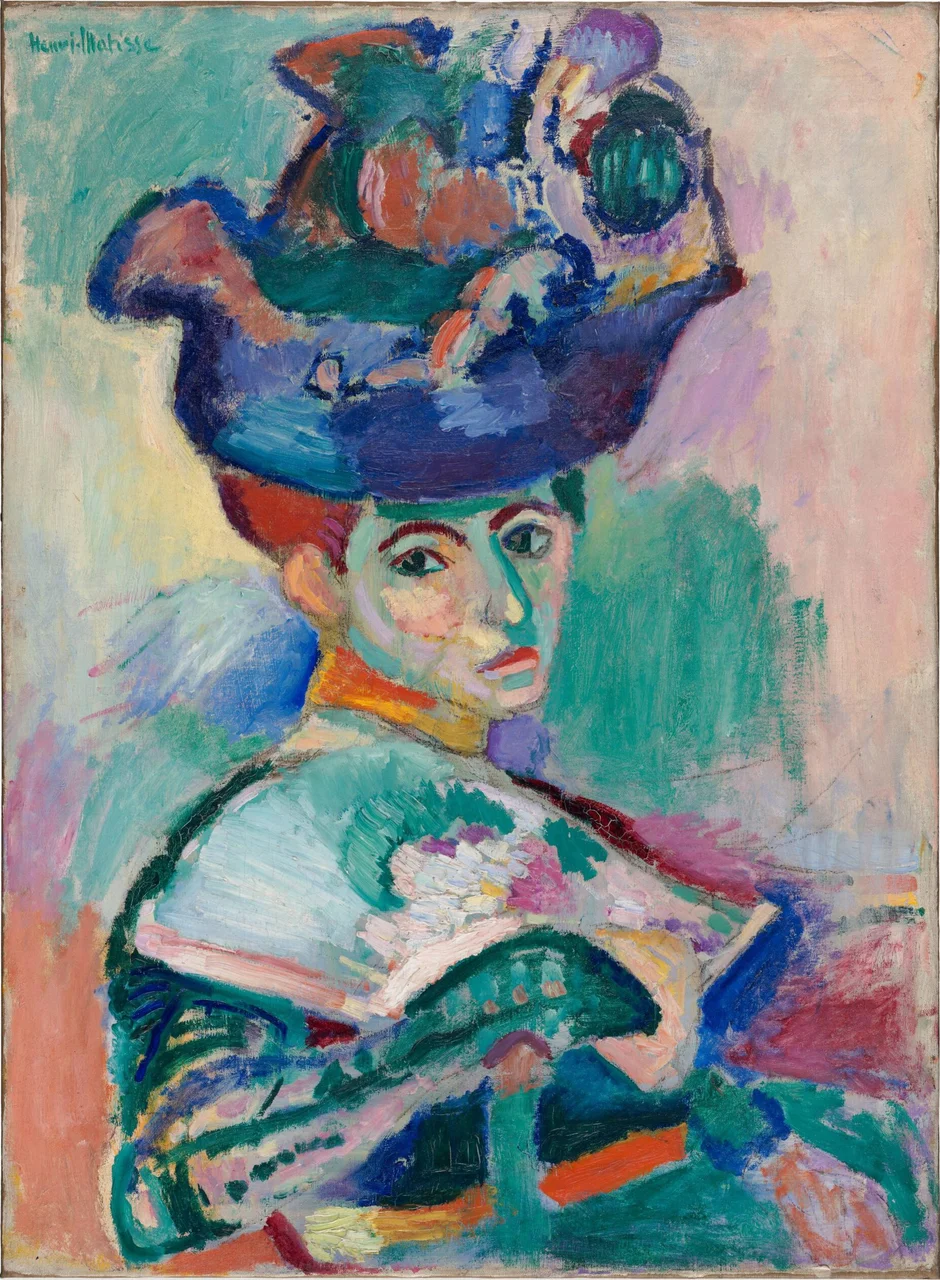
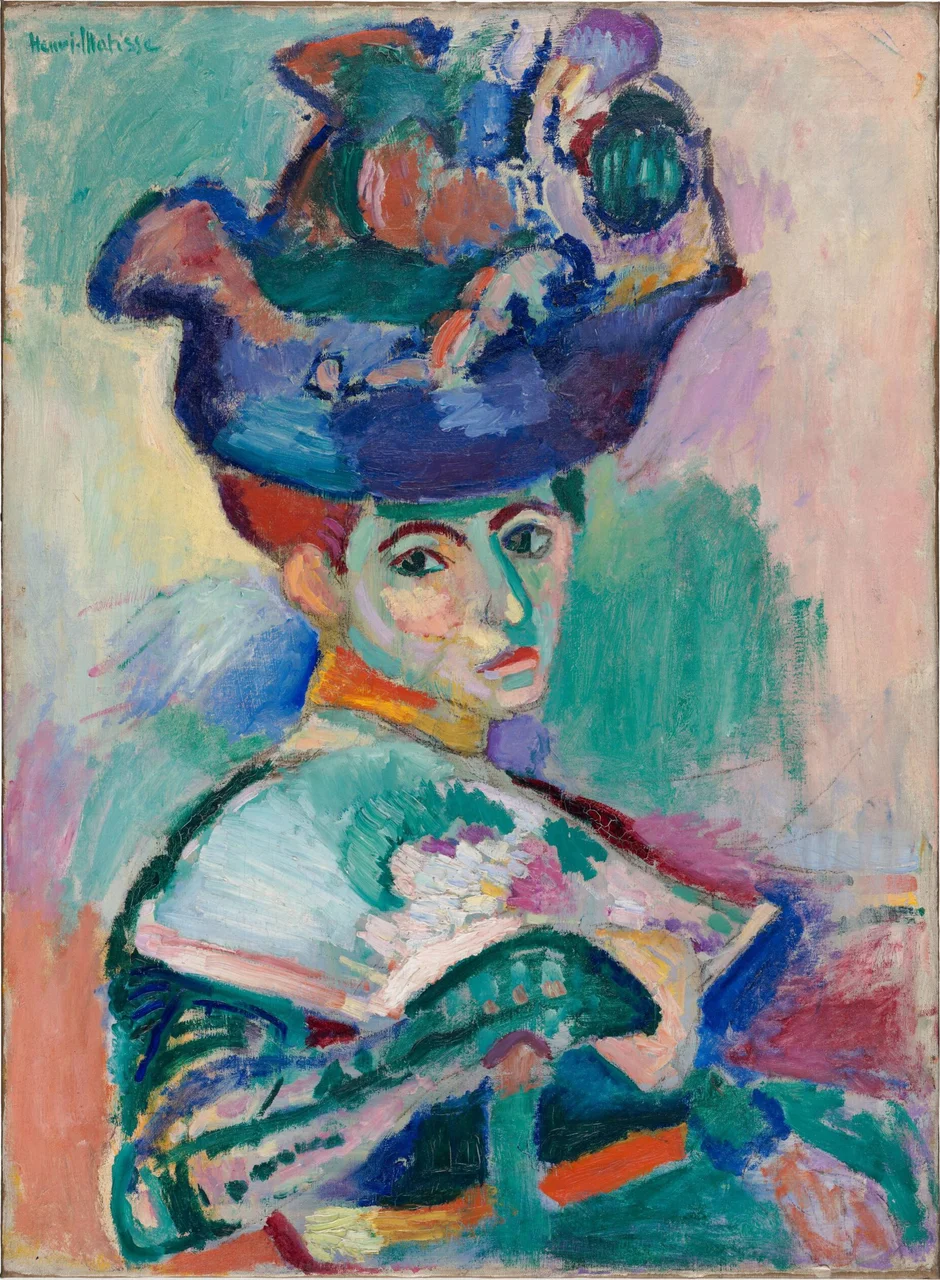
A portrait uses green, orange, and blue across a sitter's face instead of natural skin tones. What Fauvist priority does this show?
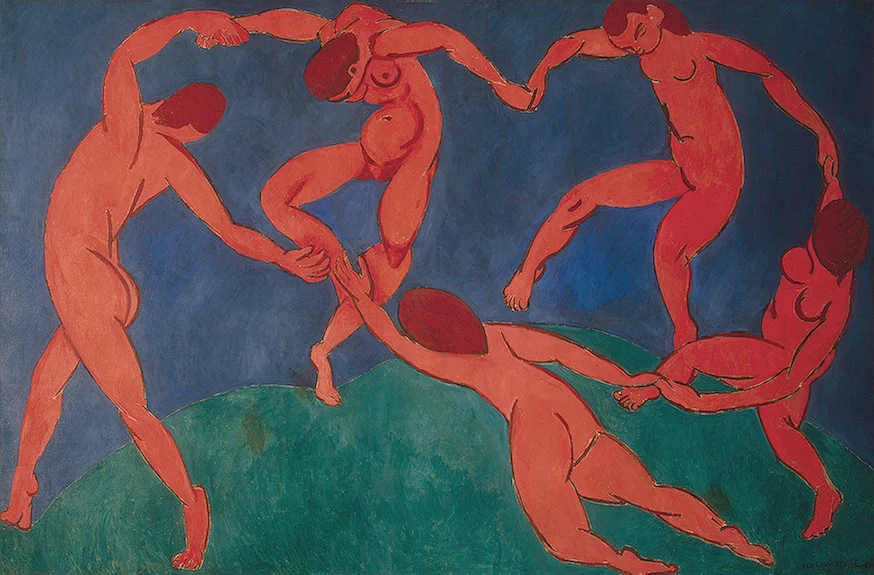
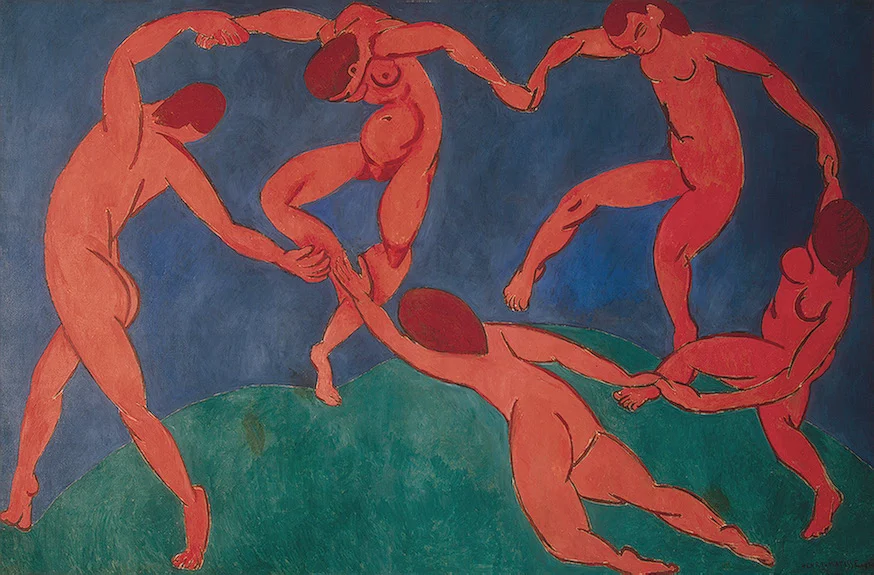
In The Dance, simplified red figures circle against blue sky and green ground. How do these broad color areas chiefly function?
The window at the left of Matisse's The Red Room shows a green garden. How does its color work with the red interior?
In Matisse's The Dance, the ring of dancers breaks at the front, where two hands almost touch but do not join. What does this gap do?
A painter uses vivid colors that do not match the observed scene. Compared with Impressionism, this is most characteristic of Fauvism because color is used for what?
Fauve painters often squeezed color straight from the tube without mixing it on the palette. What quality did this keep at full strength?
At the 1905 Salon d'Automne, Louis Vauxcelles applied a label that became the movement's name. What was the label?
The name Fauvism comes from a French word associated with wild animals. What feature of the paintings prompted that nickname?
Where were the paintings that prompted the name Fauvism exhibited in 1905?
Henri Matisse and André Derain developed radical color experiments together during the summer of 1905 in which French fishing village?
By 1908, many Fauve artists turned toward Cézanne's interest in order and structure. Which neighboring movement did this shift help lead toward?
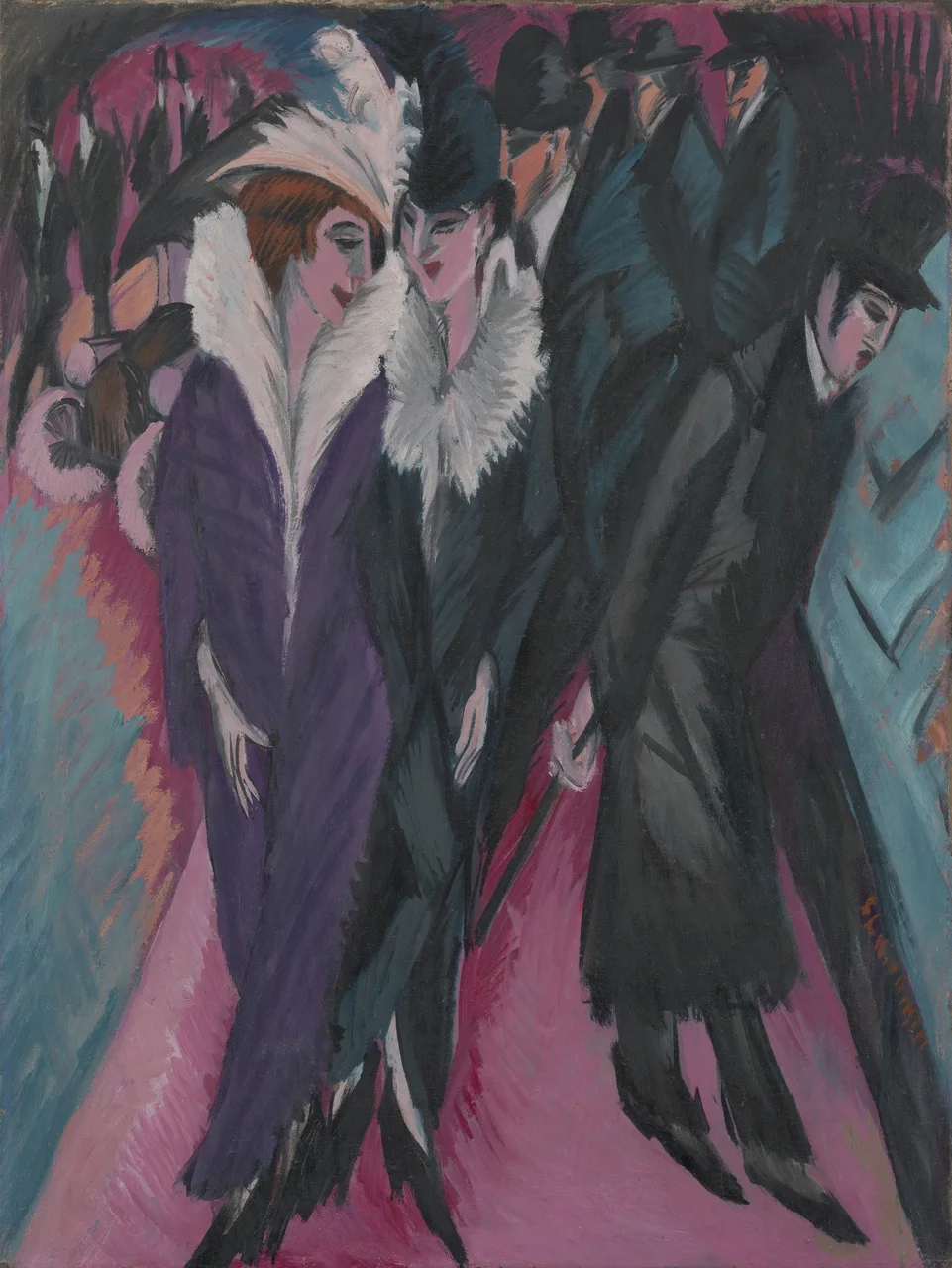
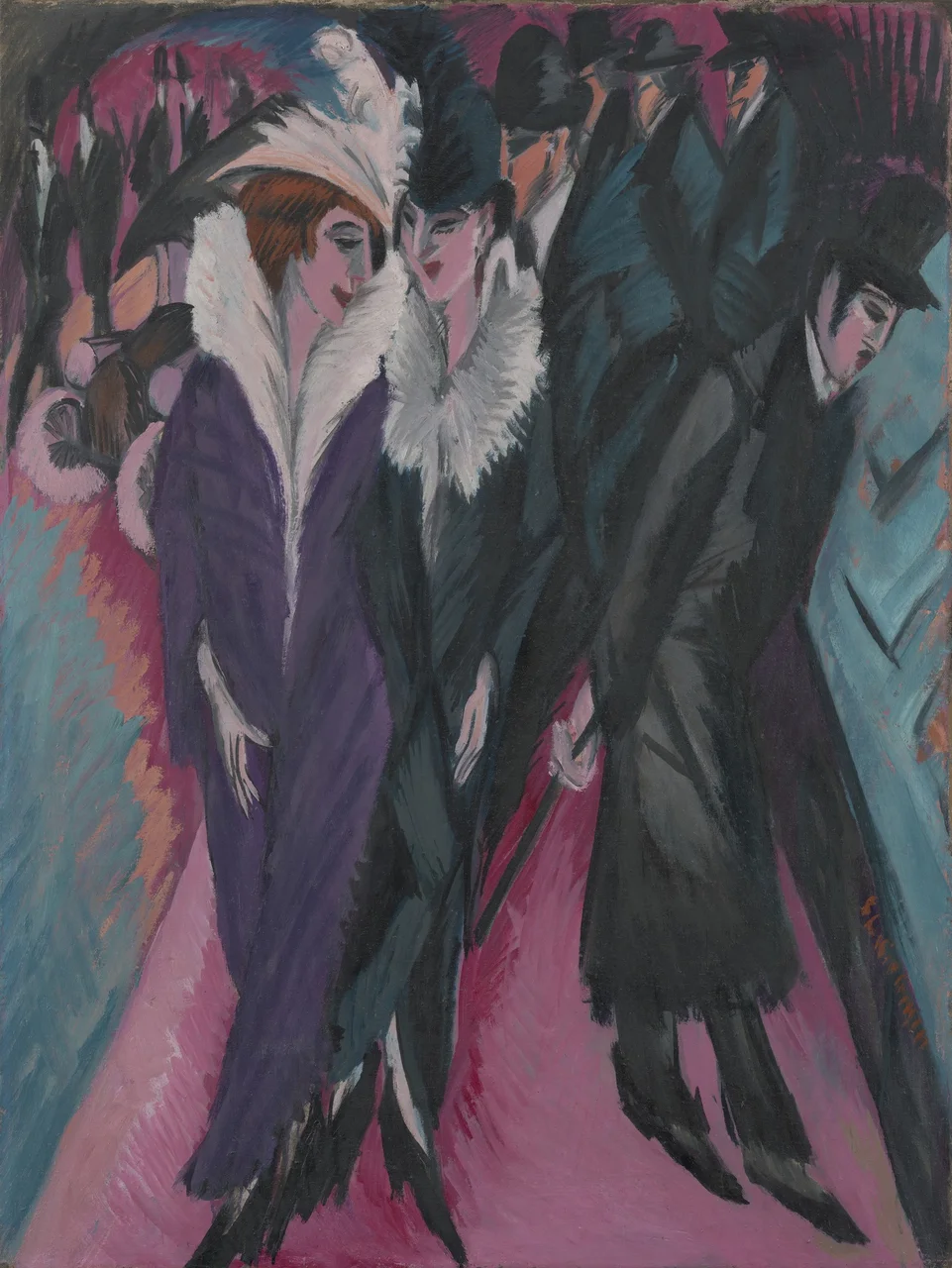
Kirchner's Street, Berlin crowds sharply angled figures into a compressed city street with garish color. What experience does this handling convey?
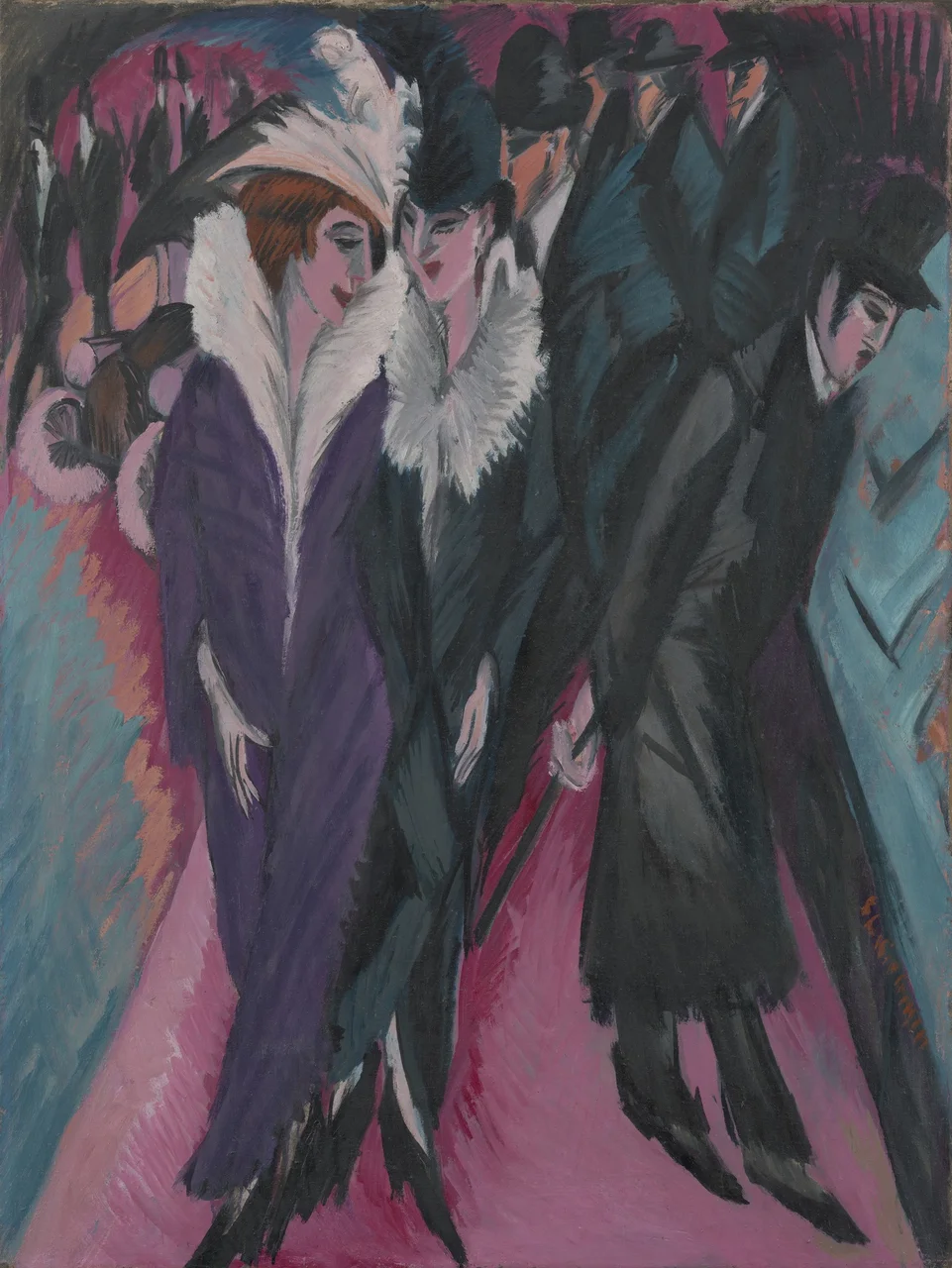
In Street, Berlin, figures pass close together but appear disconnected. What social condition does this visual tension suggest?
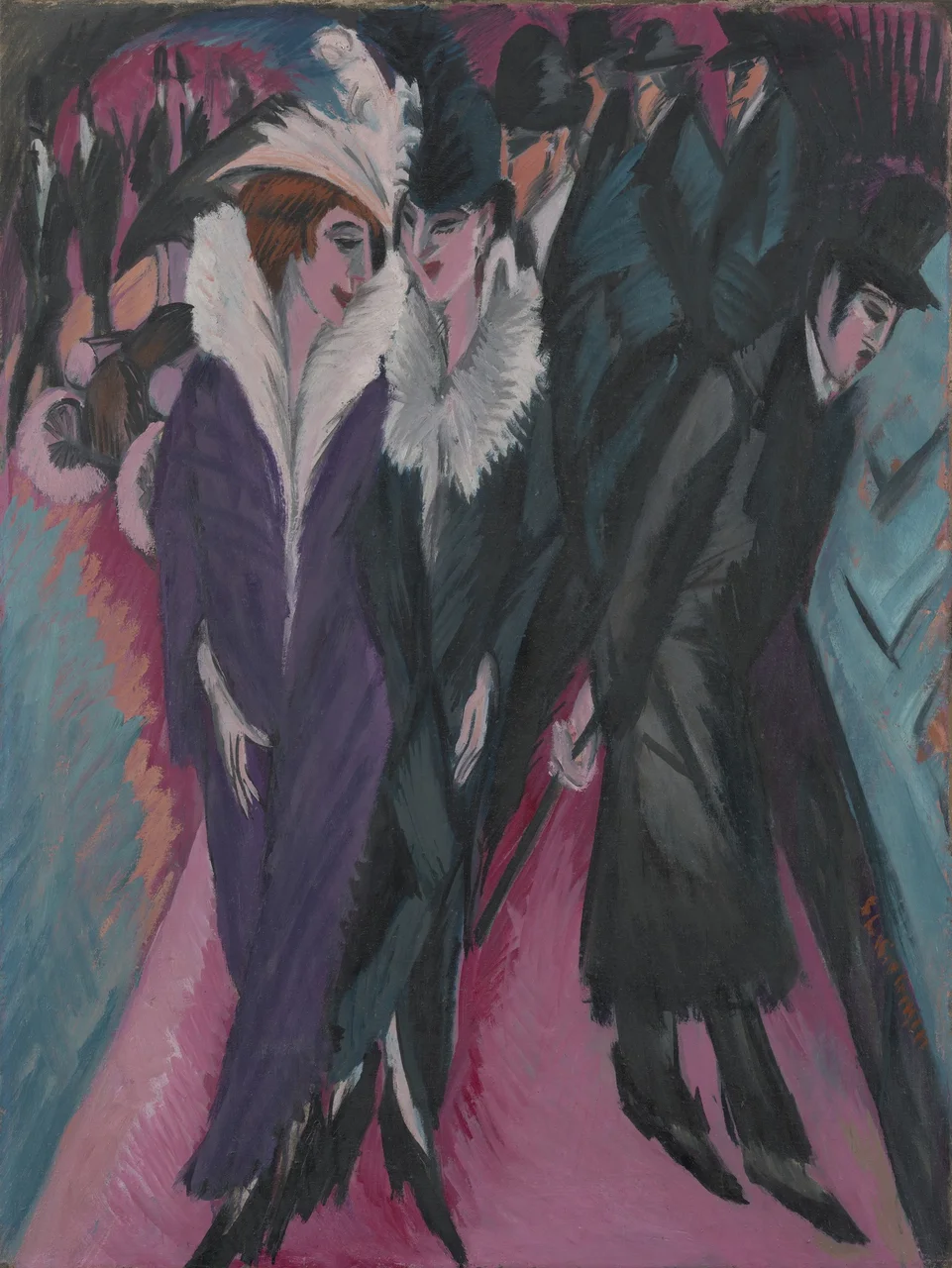
Street, Berlin uses a tilted horizon and jagged planes. What is the chief effect on the viewer?
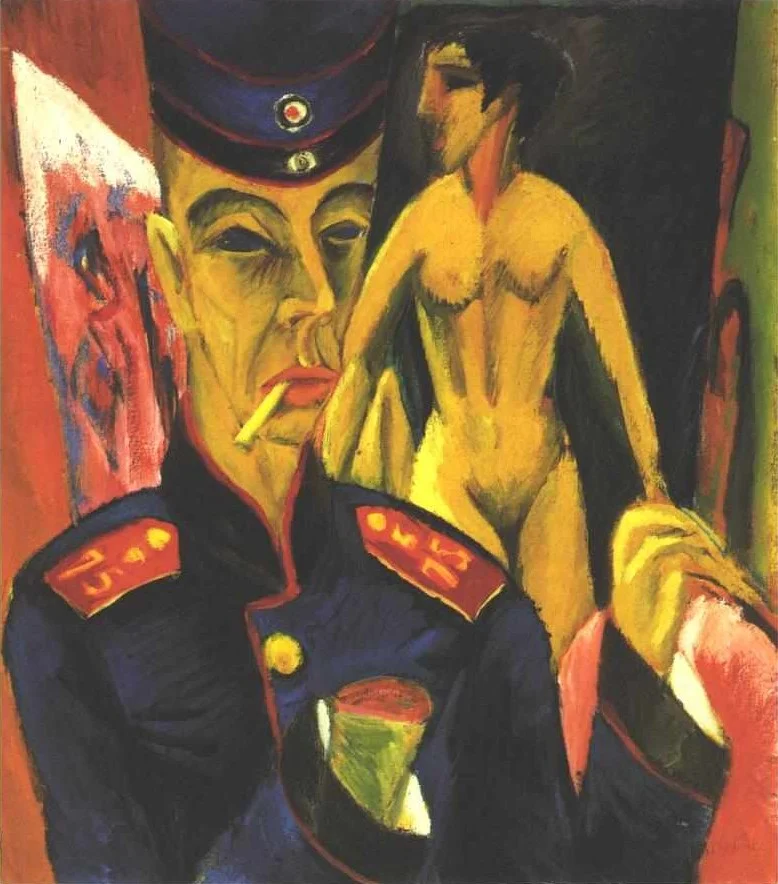
Kirchner paints himself in uniform with a bloody stump where his painting hand should be. What does this distortion communicate?
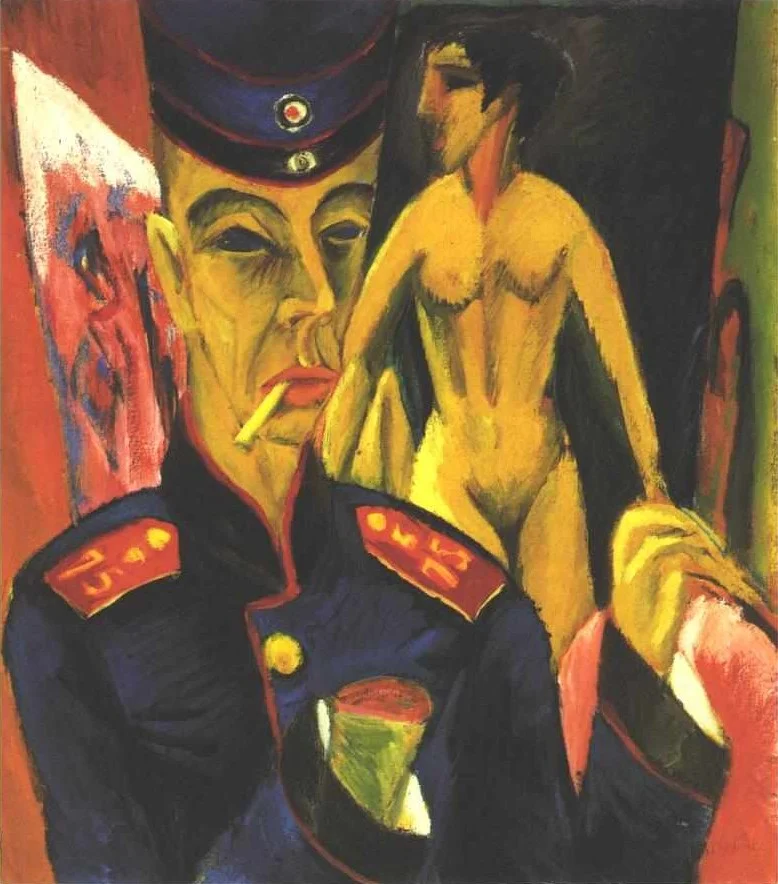
Why is the missing hand in Kirchner's Self-Portrait as a Soldier especially disturbing in a self-portrait of an artist?
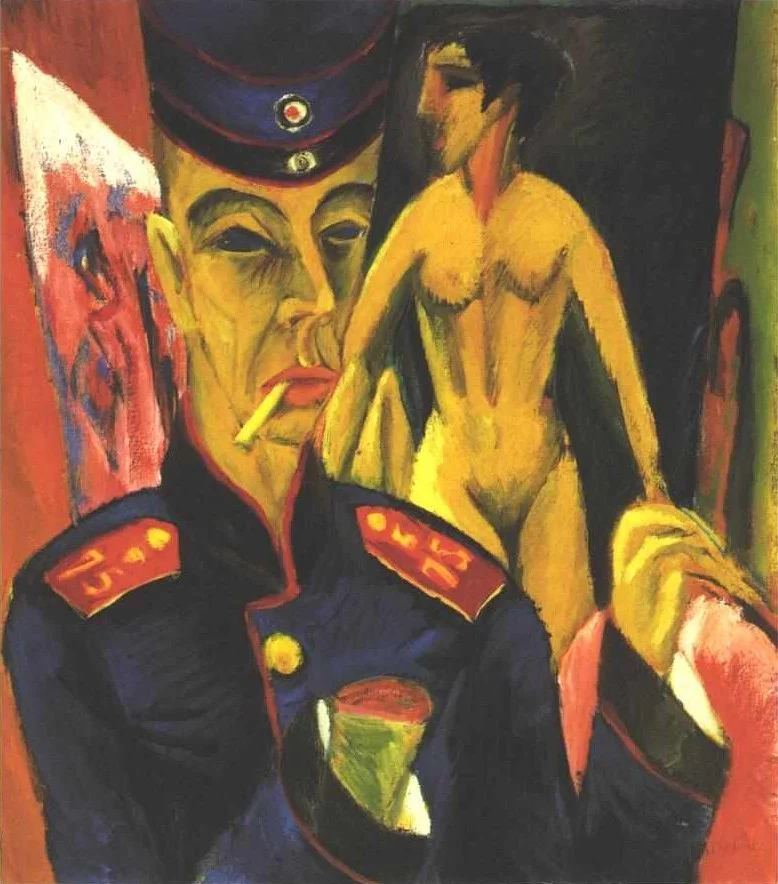
In Self-Portrait as a Soldier, short strokes and angular forms recall which print medium strongly associated with Kirchner?
What is the medium of Kirchner's Street, Berlin?
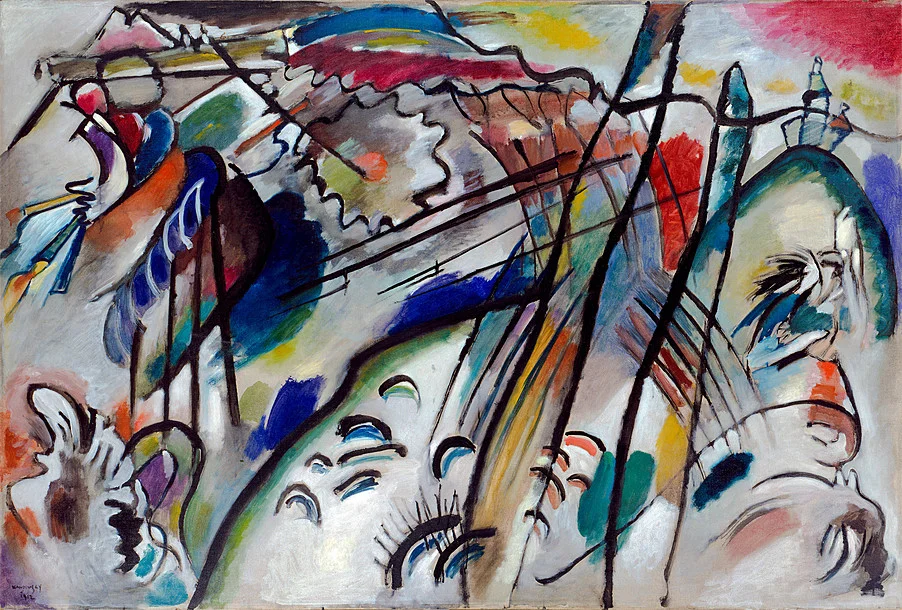
Kandinsky's Improvisation 28 (Second Version) was painted with which medium?
A printmaker cuts away areas of a wooden block and inks the surface left standing. Which print process is being described?
Why did Die Brücke artists value woodcut's rough, splintered mark?
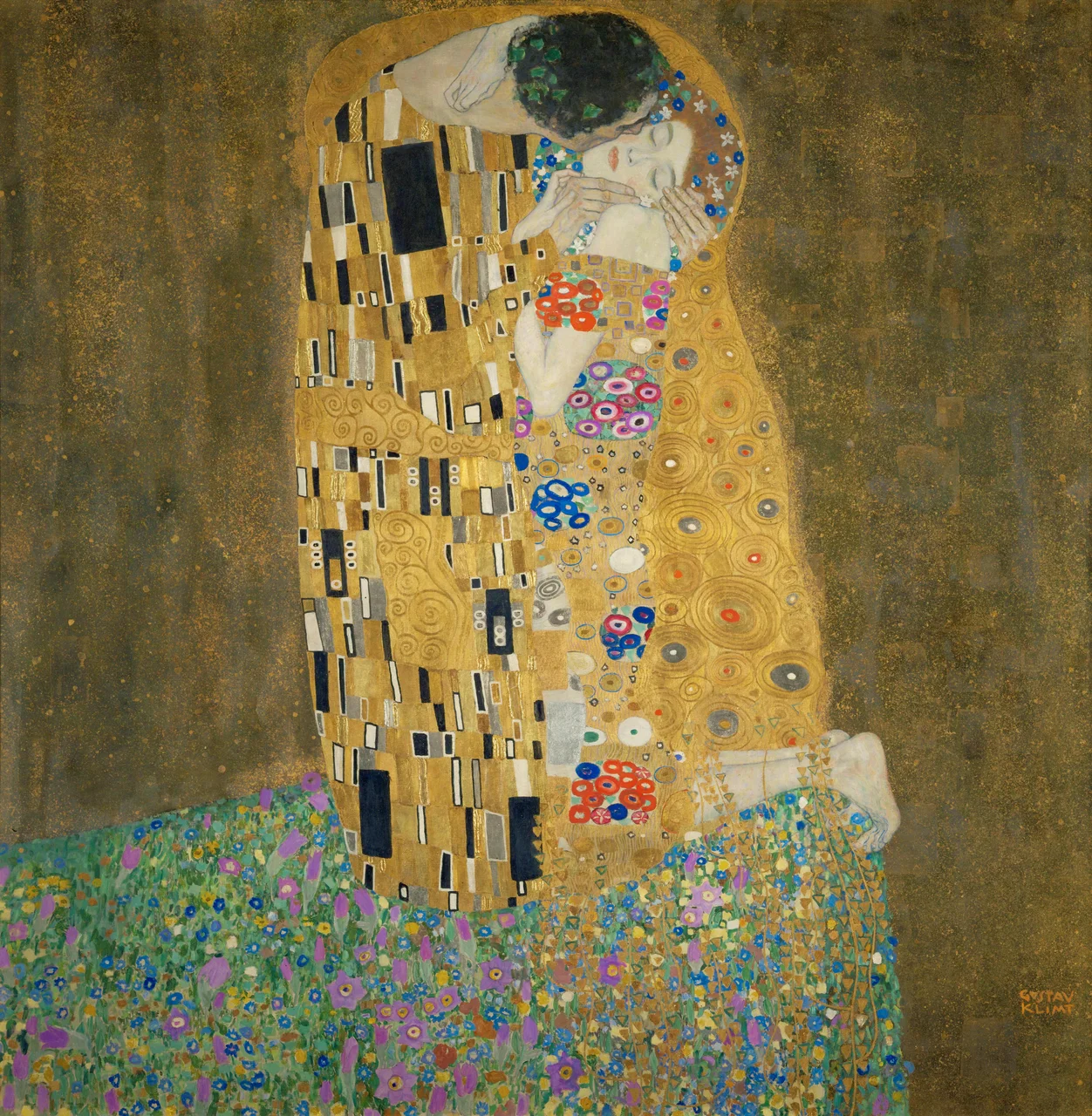
Klimt's The Kiss surrounds an embracing couple with gold leaf and ornamental pattern. Which earlier tradition does this most strongly recall?
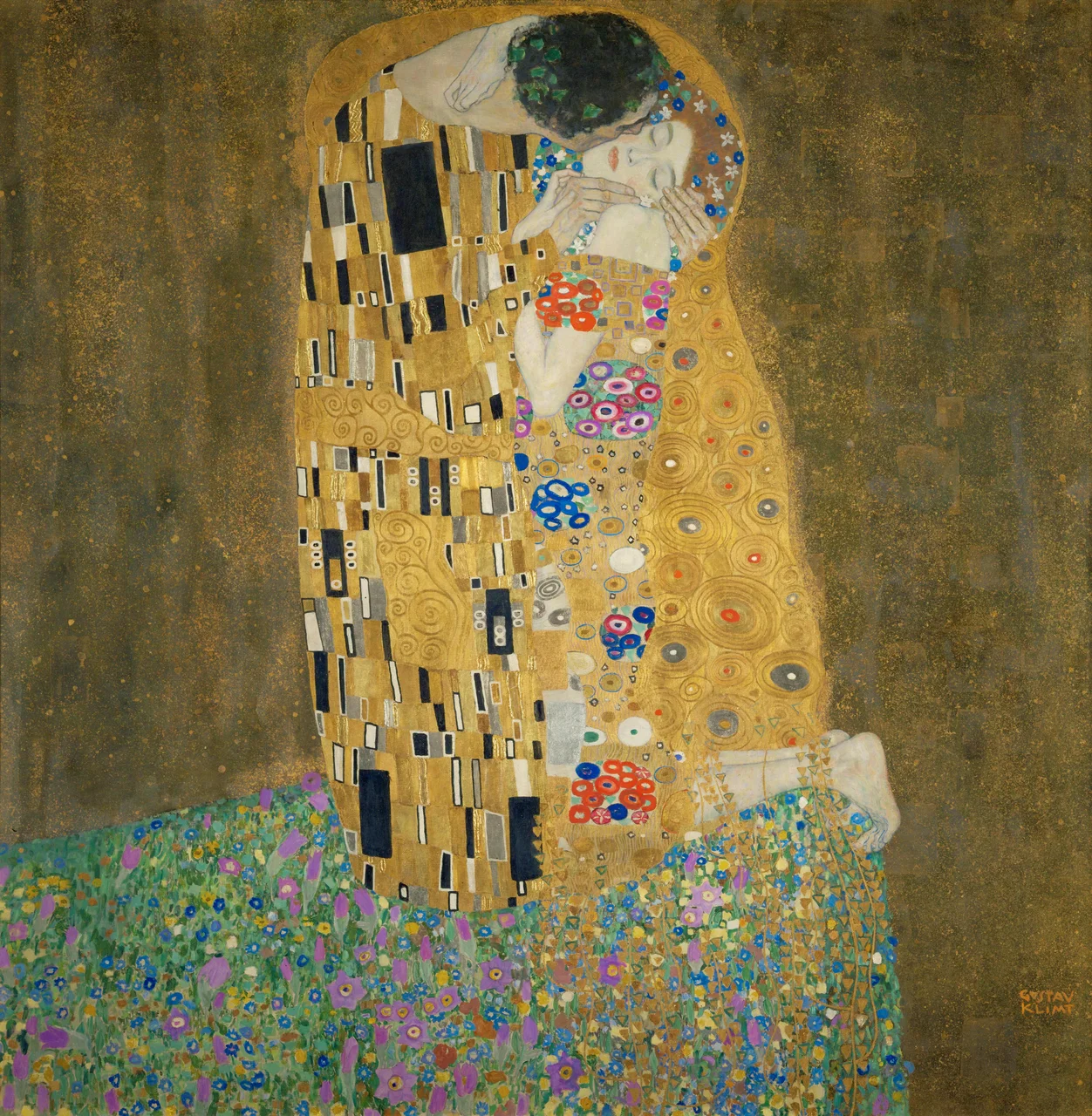
In The Kiss, the gold and ornament make the figures seem less located in ordinary physical space. What effect does this create?
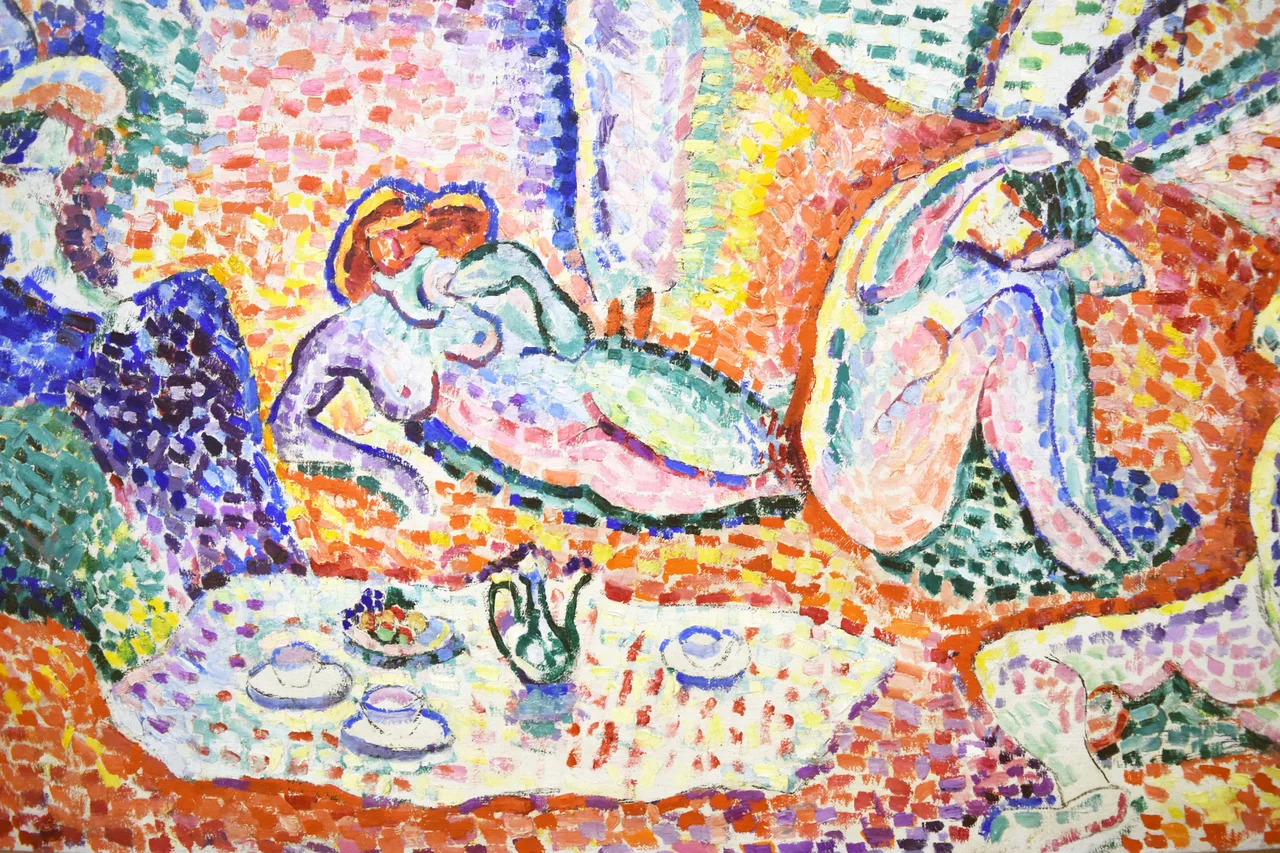
Before Fauvism, Matisse encountered Pointillist color theory through Paul Signac and Henri-Edmond Cross. What technique had they developed from Seurat?
Maurice de Vlaminck credited his bold color to a 1901 Paris exhibition of which Post-Impressionist artist?
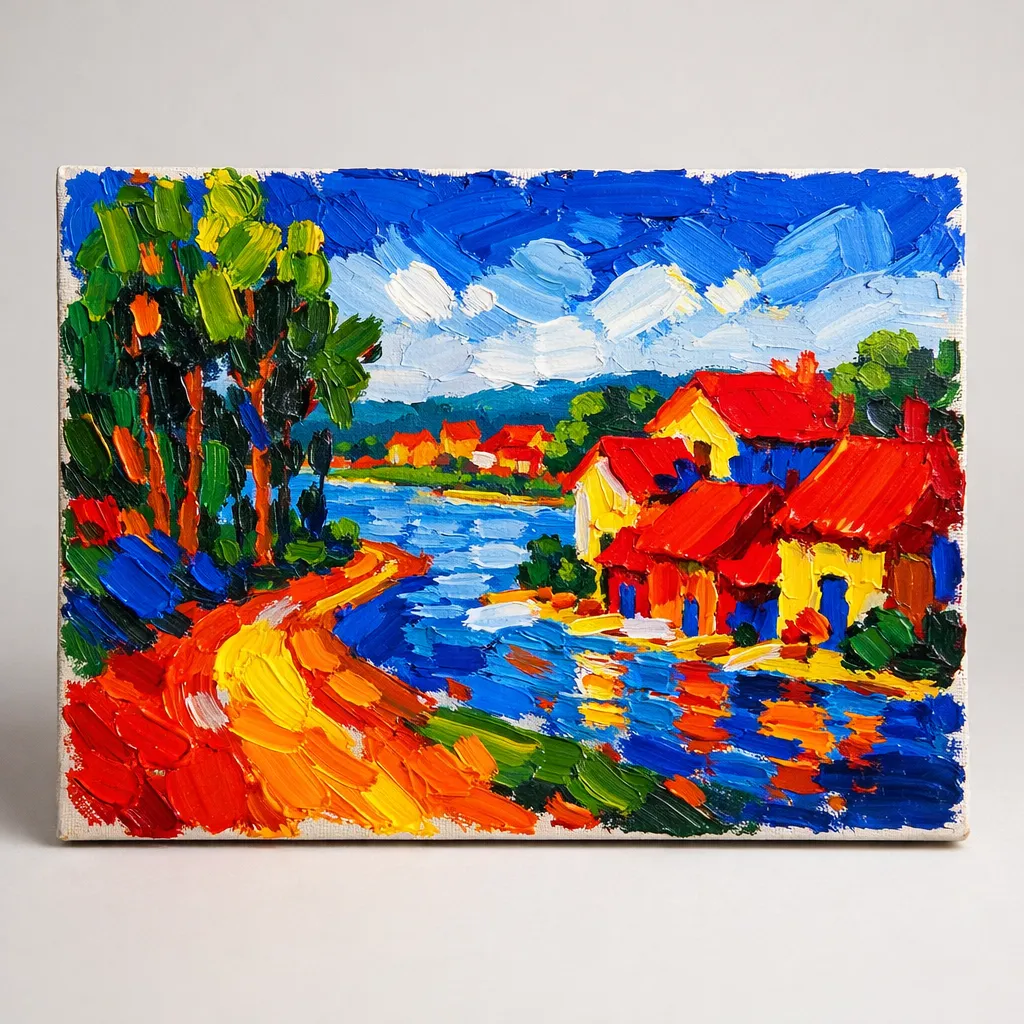
A Fauve portrait uses arbitrary green and orange as decorative color. Kirchner's Self-Portrait as a Soldier shows the artist with a severed painting hand. What differs most in their aim?
Matisse's The Red Room carries one continuous pattern across table and wall. Kirchner's Street, Berlin tilts a crowded city street into jagged planes. What contrast is most accurate?
Kandinsky's Improvisation 28 (Second Version) breaks its scene into floating lines and prismatic color. Compared with Fauve portraits that keep a recognizable sitter, what development does it show?
Matisse's The Dance joins dancers in a rhythmic ring. Kirchner's Self-Portrait as a Soldier shows a hollow-eyed soldier with an imagined mutilated hand. How do the works use distortion differently?
Crack the passcode before the zombies get in.
Answer, then swat bugs for bonus points.
Race through questions at your own speed.
Same question on every screen. Fastest wins.

Pick a tile, answer, hit bonuses and steals.
Dada and Surrealism
30 questions