Loading
by BlastRoom
How Realist artists and early photographers represented modern life.
#us_hs_art_history

30 questions
One question set, multiple game modes. Tap any game to see it in action. Not sure which to pick?
Answer to place stones and capture territory.
Outrun the snow together.
Earn blasts, then hunt the other team.
Answer to earn energy, then climb.

The class blasts through walls together.
Bid on mystery lots. Most money wins.
Sell tours. Nice, standard, or a total scam.

Answer, restock, and serve the rush.
More correct answers pulls the rope your way.
Answer, then shoot down the alien wave.
Answer, then tap to leap the frozen ridge.
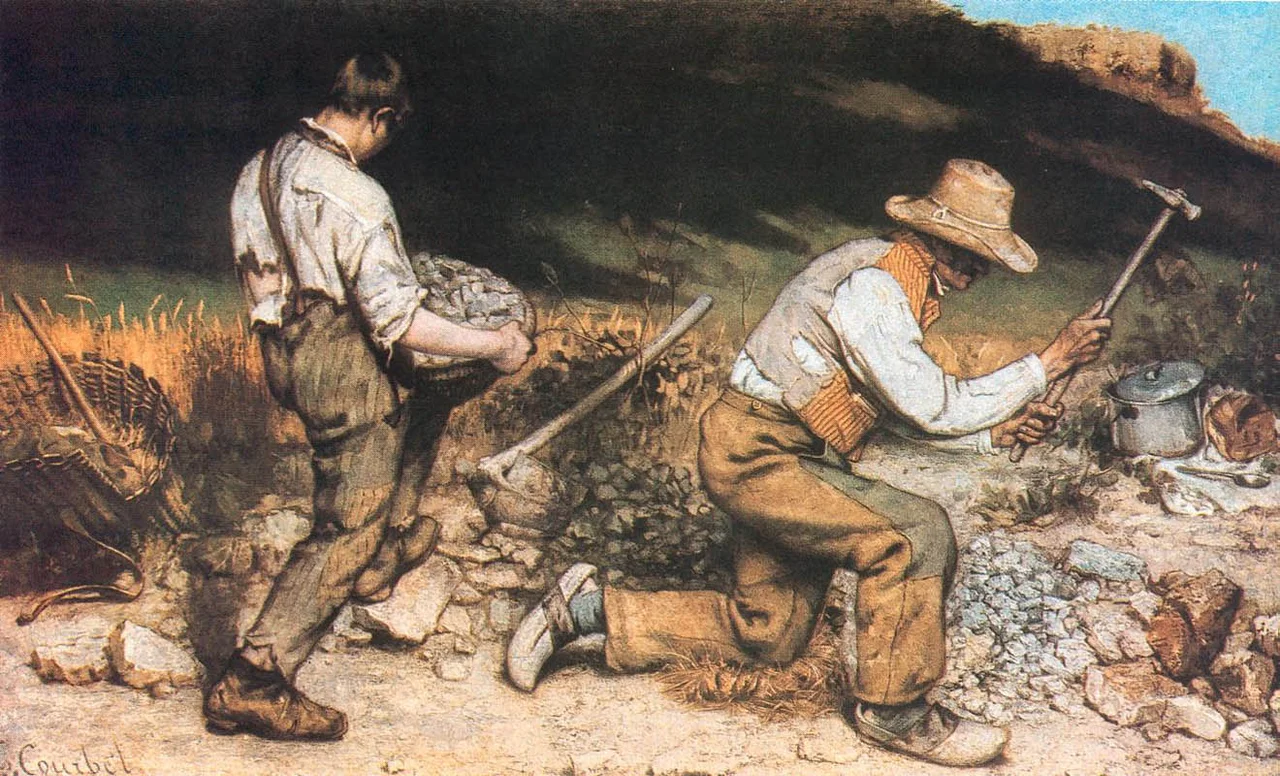
In Courbet’s The Stone Breakers, two laborers are painted at life size while doing anonymous roadside work. What claim does that scale make?
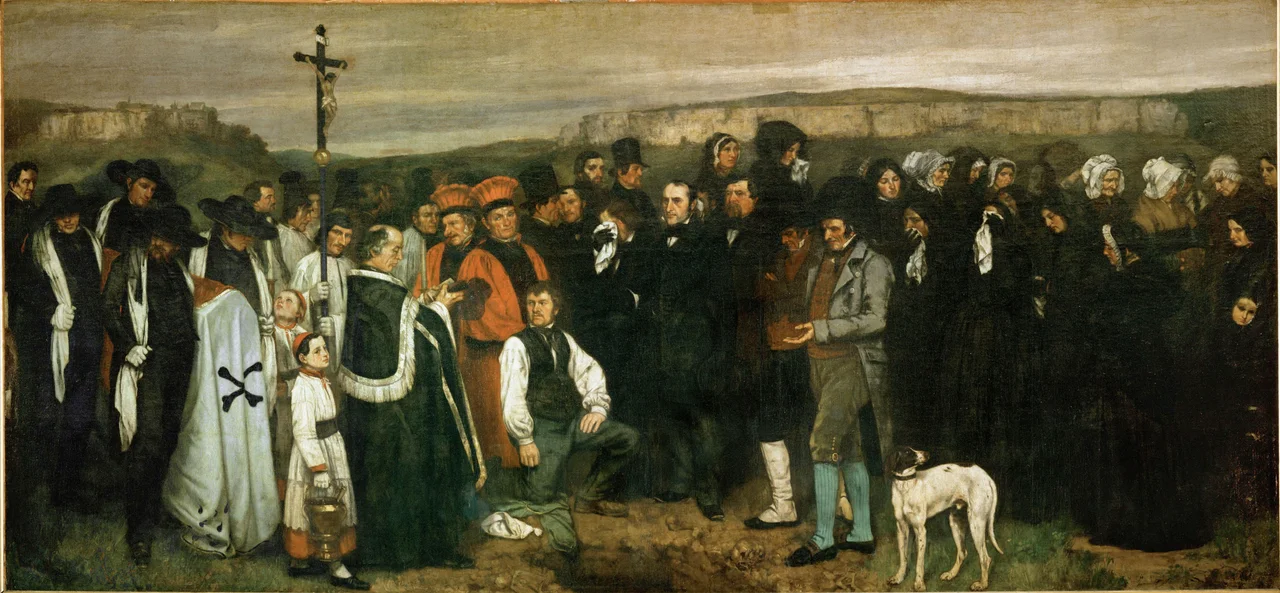
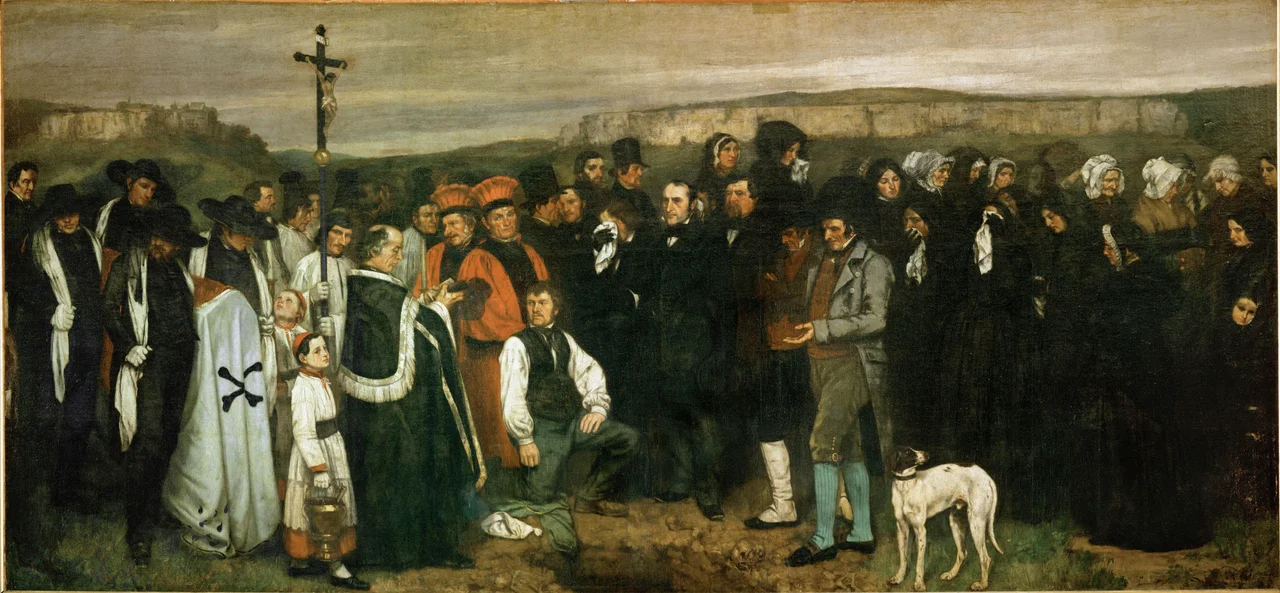
A Burial at Ornans presents a local funeral as a huge horizontal gathering of recognizable villagers rather than heroic figures. Which academic hierarchy does this painting challenge?
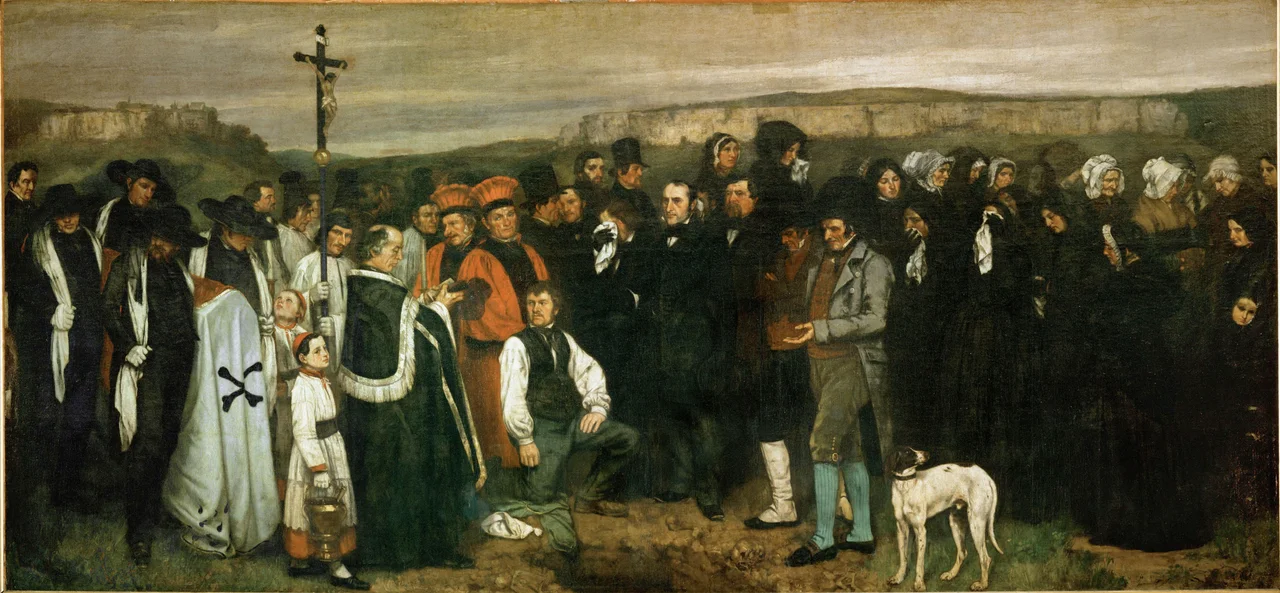
In A Burial at Ornans, the open grave occupies the foreground and mourners form a long, uneven line. How does this composition resist Grand Manner drama?
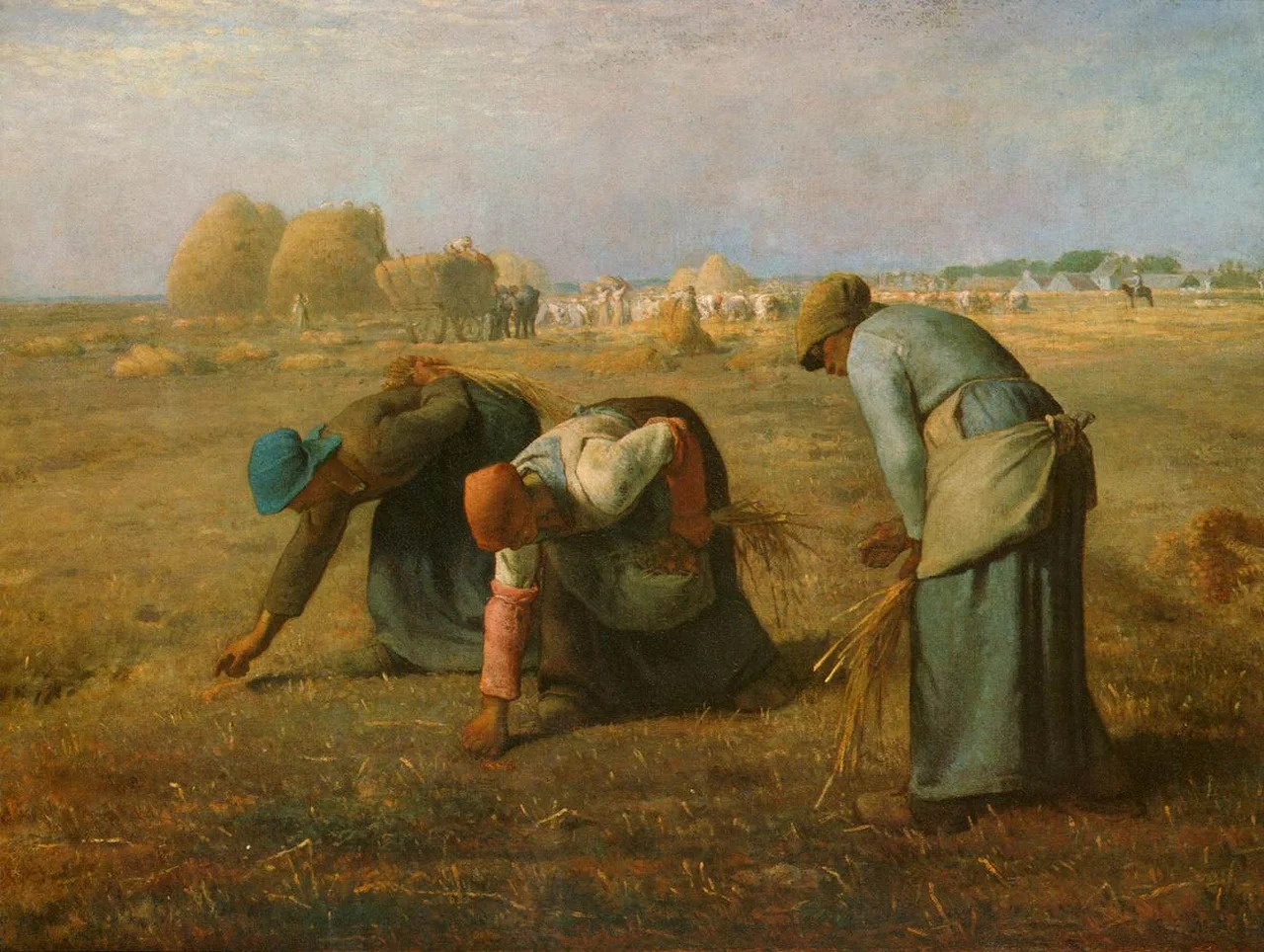
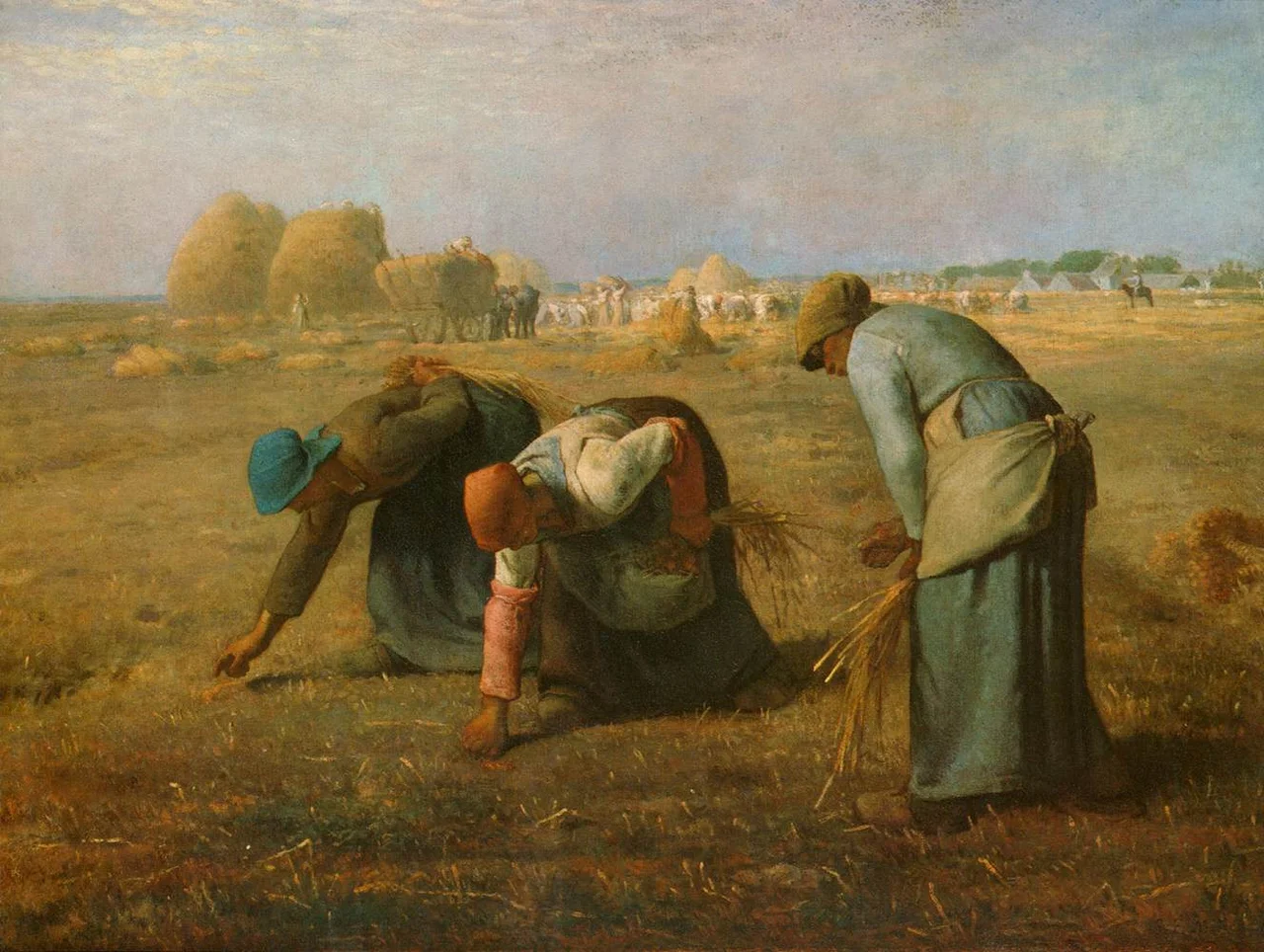
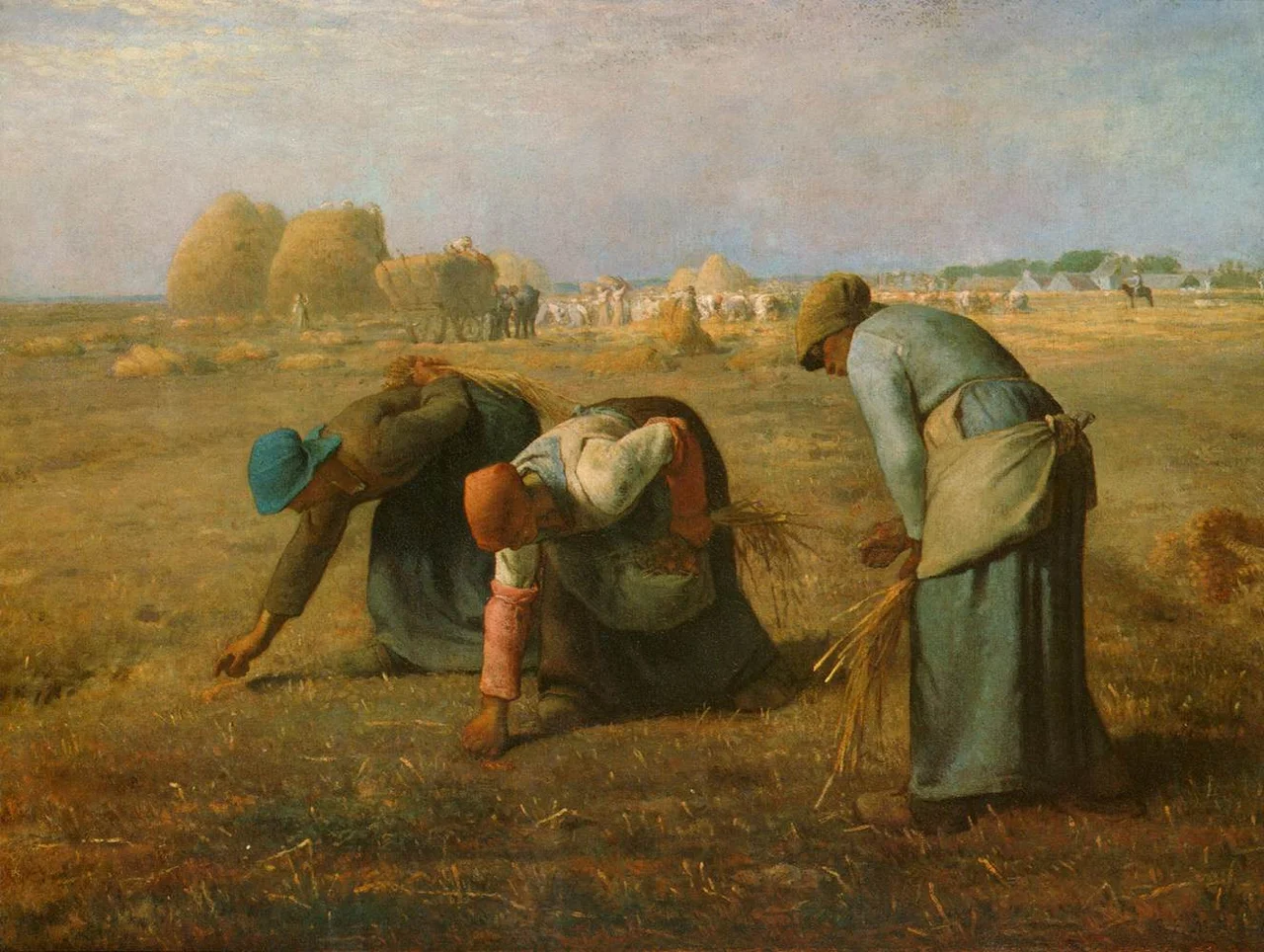
Millet’s The Gleaners shows women picking up overlooked grain while abundant stacks and workers appear far behind them. What social contrast is most important?
The three women in The Gleaners bend, pick up grain, and rise in successive poses. What does this repeated sequence emphasize?
Which artist painted the monumental village funeral titled A Burial at Ornans?
A process polishes a silver-coated copper plate, sensitizes it with iodine, exposes it, develops it over mercury, and fixes one direct positive. What process is this?
A photographer exposes sensitized paper in a camera to make a paper negative, then contact-prints several positives from it. What process is described?
A photographer coats a glass plate with a sticky light-sensitive solution, exposes it before the coating dries, then develops it immediately. Which process is this?
Early daguerreotype studios often used hidden head braces to steady their sitters. Why?
Who invented the calotype, the paper-negative process patented in 1841?
Why did wet-collodion photographers need a portable darkroom when working away from a studio?
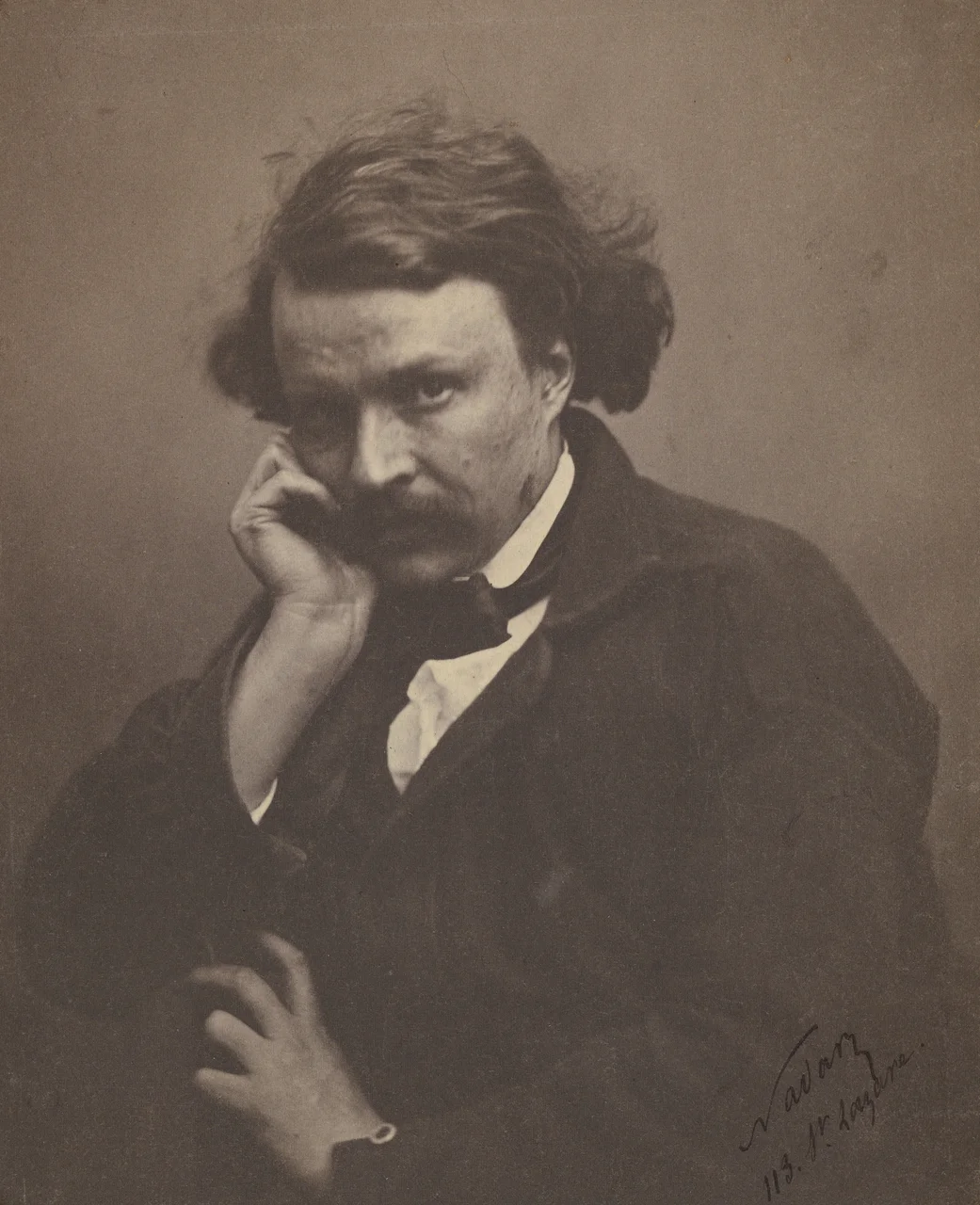
Nadar’s portrait photographs often place a sitter before a neutral backdrop with gentle side-and-above light. What effect does that setup create?
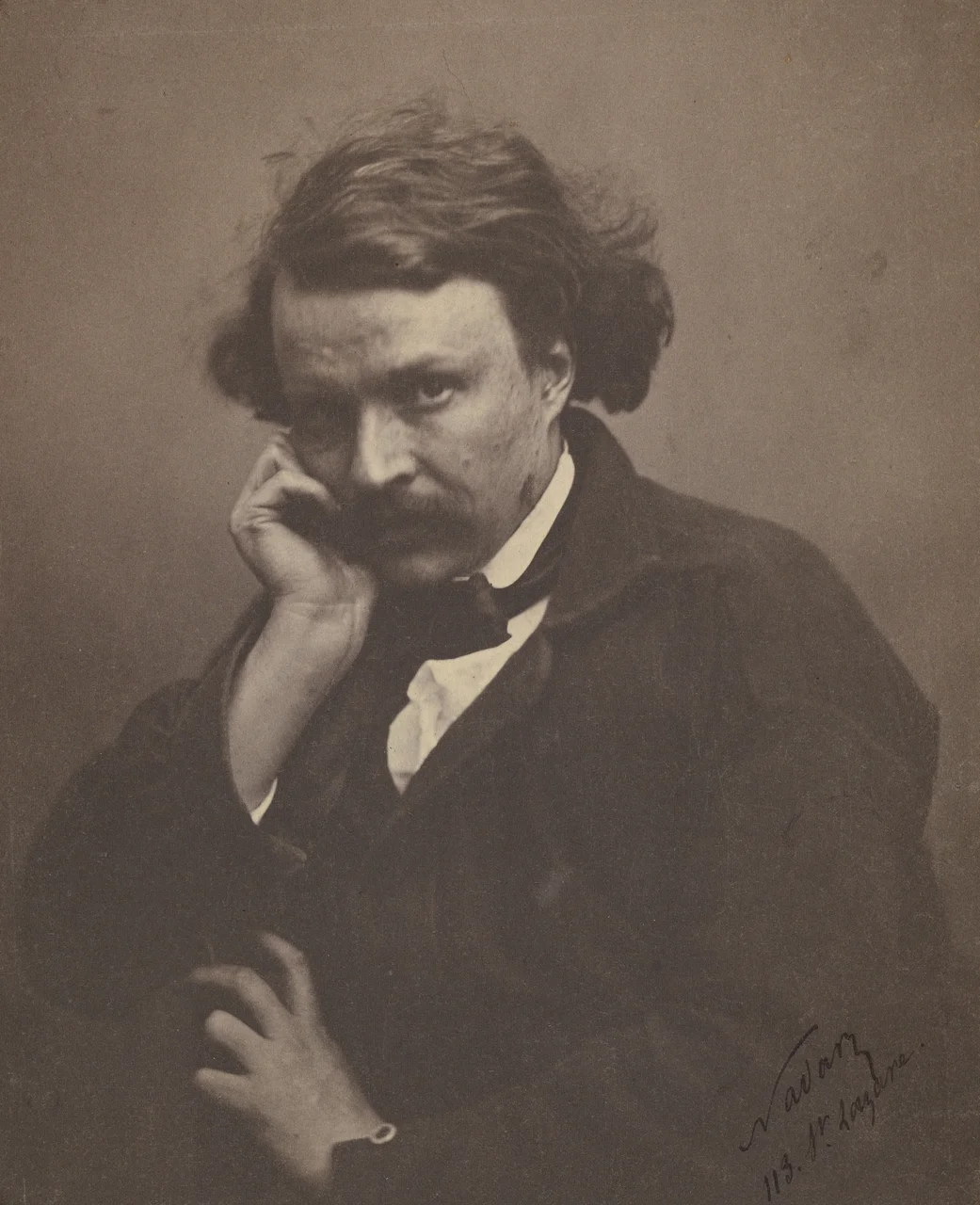
A mid-nineteenth-century studio portrait records a sitter’s likeness without the cost of a commissioned oil painting. What change did photography bring to portraiture?
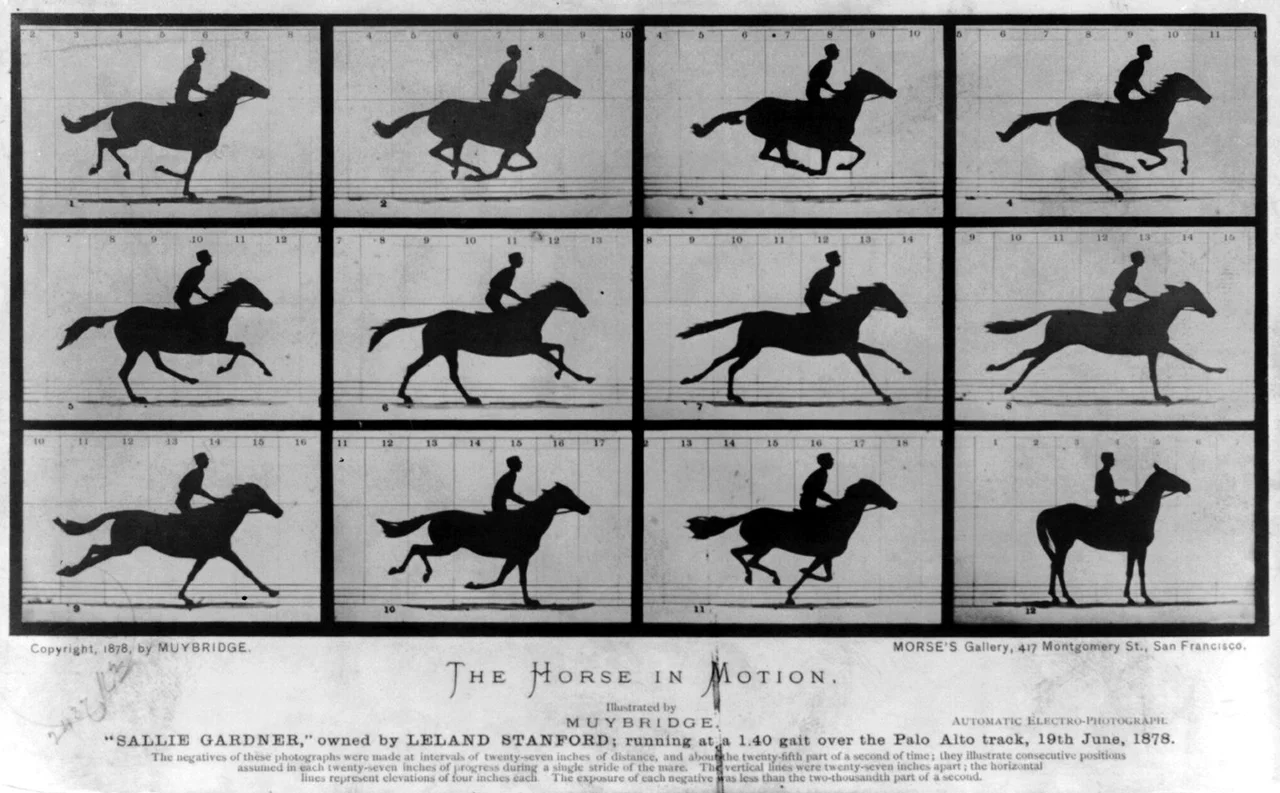
Muybridge’s The Horse in Motion used a row of cameras triggered as a horse ran past. What could viewers study that a single painted pose could not show?
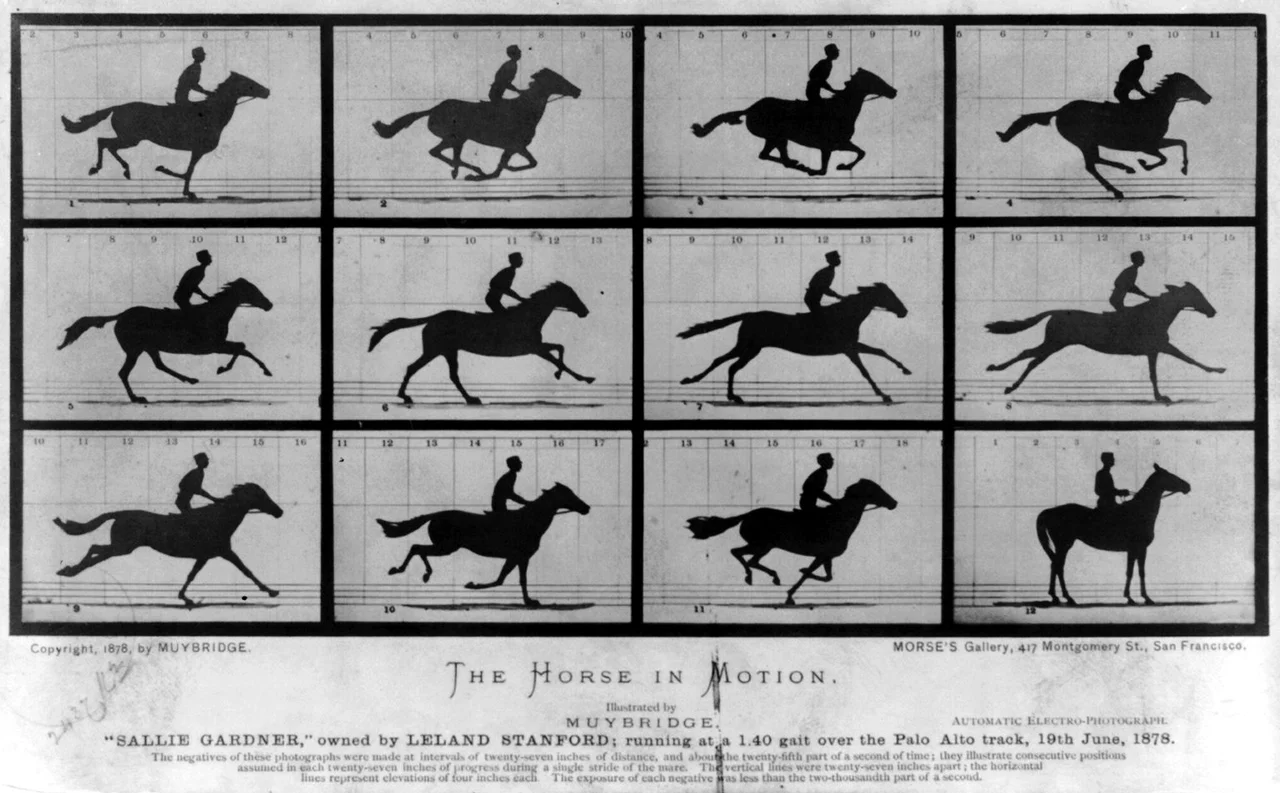
A painter sees Muybridge’s sequential photographs overturning a conventional galloping pose. How should the painter respond to the new evidence?
In 1863, many works rejected by the official Paris Salon were displayed after Napoleon III authorized a separate exhibition. What was that exhibition called?
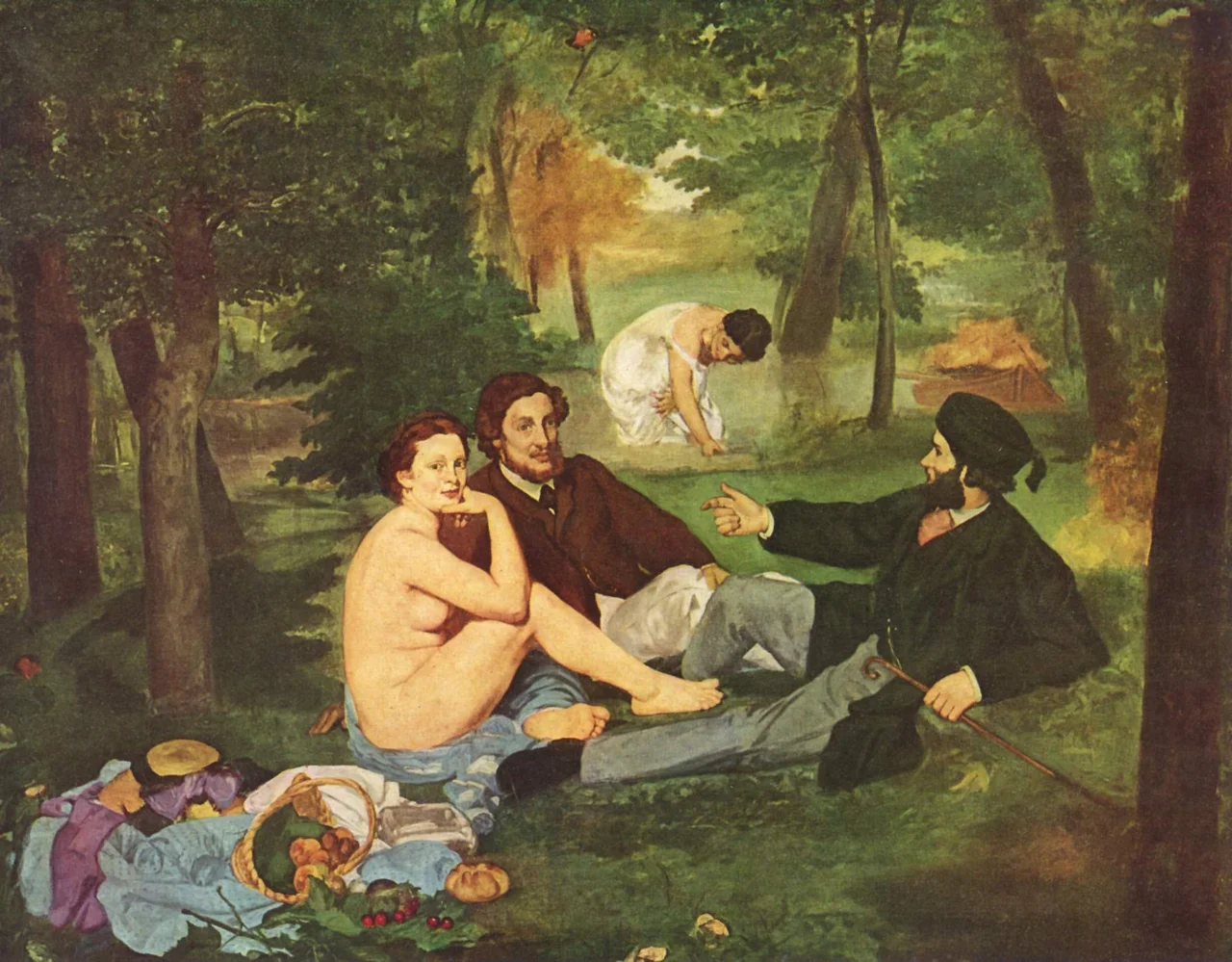
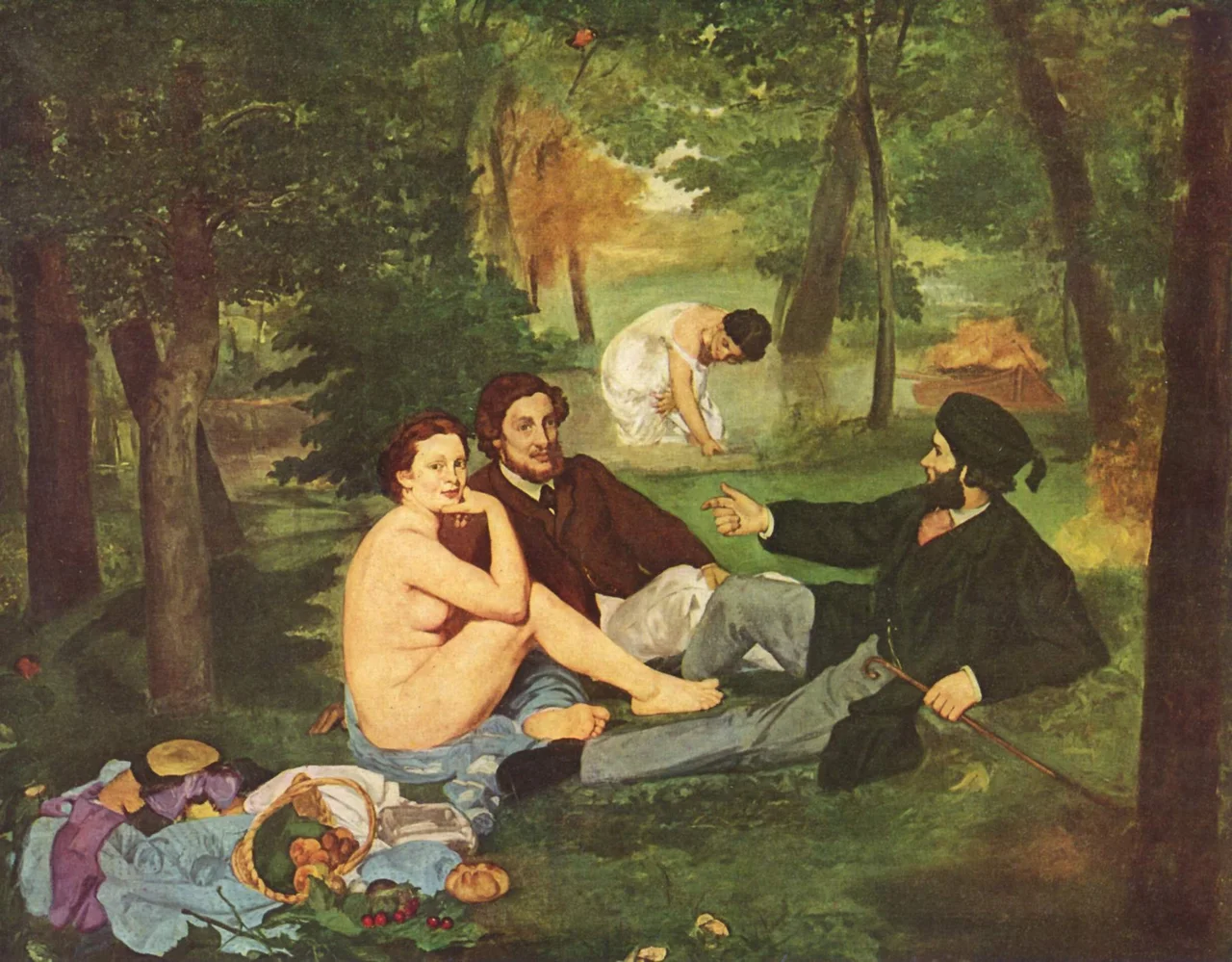
Le Déjeuner sur l’herbe places a nude woman beside two fully clothed men at a contemporary picnic. Why did this trouble many 1863 viewers?
Olympia echoes the reclining pose of a Venus, but the model’s direct gaze, bouquet, servant, and cat signal modern Paris. What did this transformation challenge?
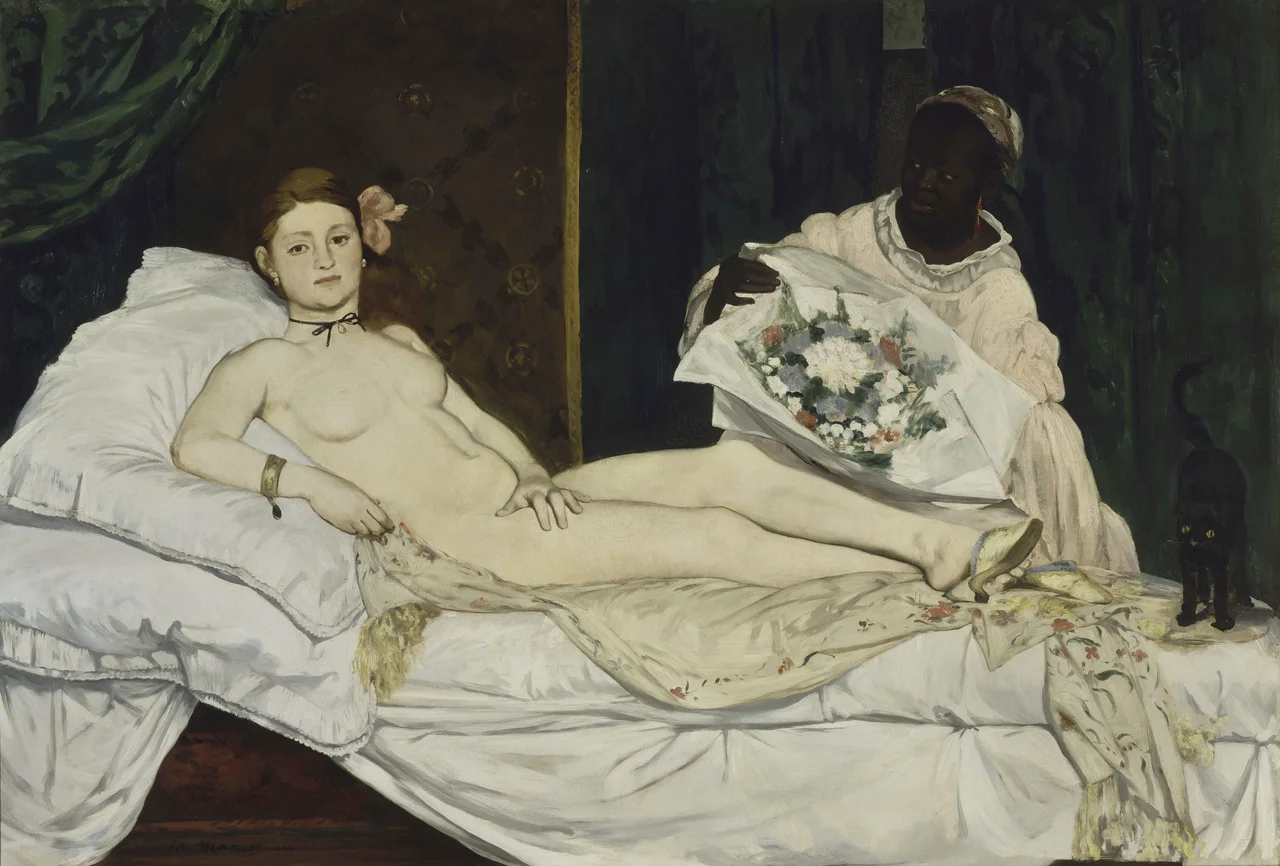
In Olympia, why does the bouquet delivered by a servant matter to the painting’s reception?
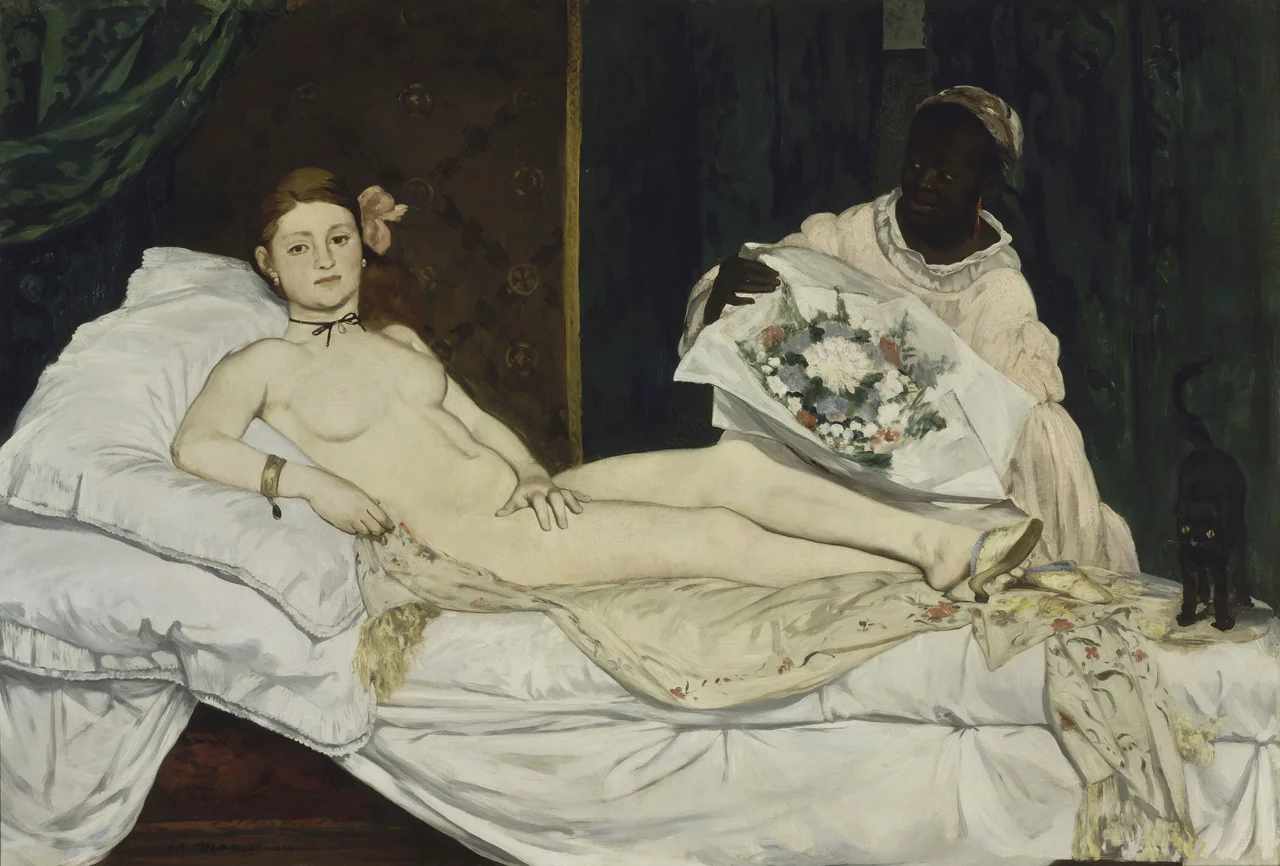
Why could rejection from the official Salon seriously affect an artist’s career in 1860s France?
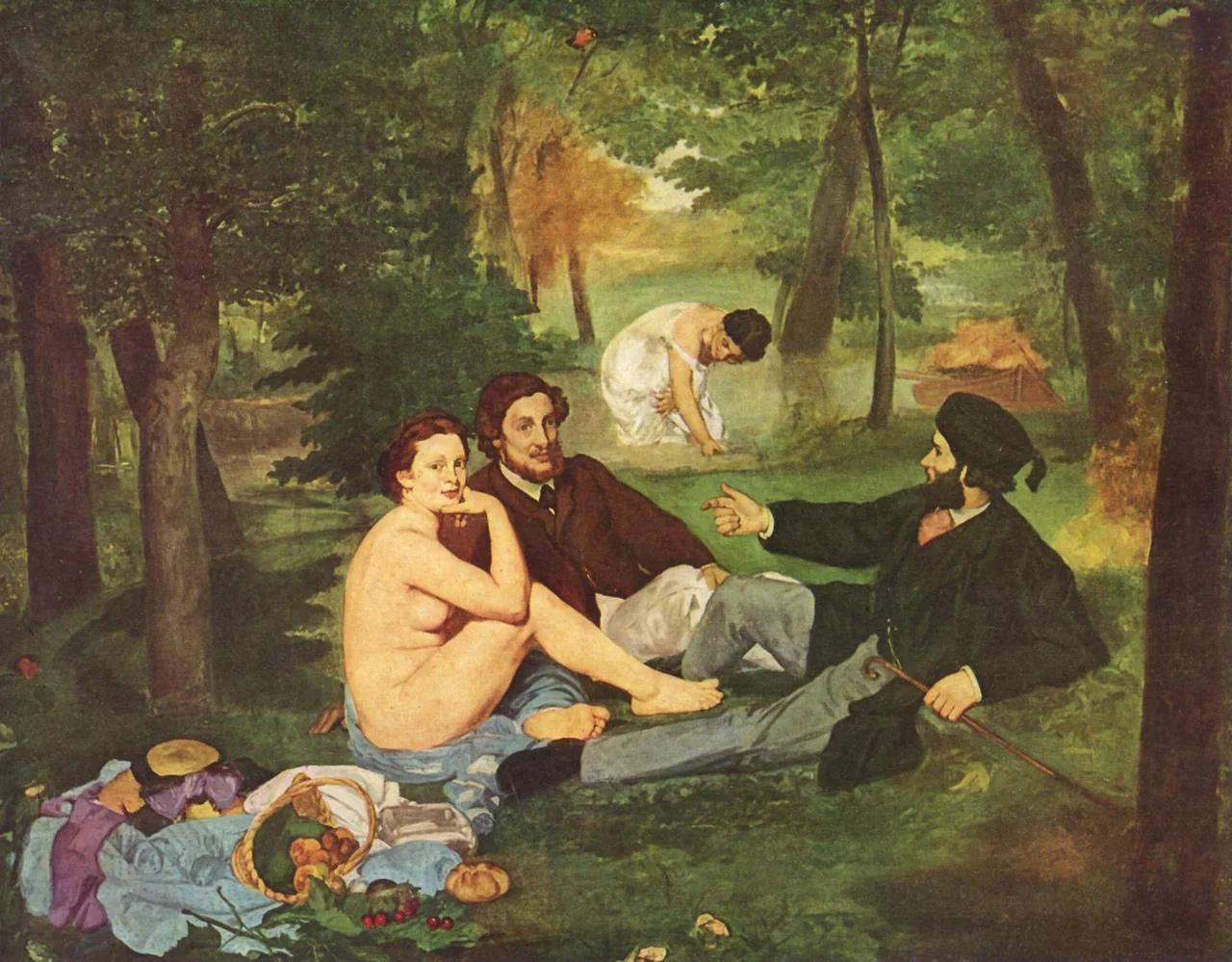
The Gleaners gives three poor field workers a serious, large-scale presence. Which Realist commitment does this best demonstrate?
A painter rejects Romantic shipwrecks and legendary heroes in favor of workers repairing a road in the present day. Which movement most closely fits that choice?
When The Gleaners was shown at the 1857 Salon, why did some conservative critics find it threatening?
Courbet is often quoted as saying, "Show me an angel and I will paint one." What principle of Realism does this express?
Which proposed subject would best follow the Realist preference for direct observation of modern life?
Courbet sometimes laid on paint with a palette knife instead of blending it smoothly with a brush. What did many critics object to?
A canvas leaves raised strokes and knife-applied slabs visible instead of hiding them under smooth blending. What formal quality becomes especially noticeable?
What is impasto?
As photography supplied mechanically reproducible likenesses, what artistic possibility could painting still emphasize?
Crack the passcode before the zombies get in.
Answer, then swat bugs for bonus points.
Race through questions at your own speed.
Same question on every screen. Fastest wins.

Pick a tile, answer, hit bonuses and steals.
35 questions