Loading
One question set, multiple game modes. Tap any game to see it in action. Not sure which to pick?
Answer to place stones and capture territory.
Outrun the snow together.
Earn blasts, then hunt the other team.
Answer to earn energy, then climb.

The class blasts through walls together.
Bid on mystery lots. Most money wins.
Sell tours. Nice, standard, or a total scam.

Answer, restock, and serve the rush.
More correct answers pulls the rope your way.
Answer, then shoot down the alien wave.
Answer, then tap to leap the frozen ridge.
In Rubens's workshop, an altarpiece began as the master's small oil sketch, which assistants then enlarged. What did that first stage establish?
In Rubens's workshop, assistants enlarged the master's design onto canvas before he returned to finish it. What production advantage did this sequence provide?
At the final stage of a workshop commission, the master revises focal figures and surface details. What is the main purpose of those final passes?
In 1618 Rubens offered paintings to Dudley Carleton, listing which were by his own hand and which were workshop pieces he had retouched. What does this show?
A patron sees a quickly painted, colored design before approving a huge church commission. Why would the artist show this oil sketch?
Suppose assistants began enlarging a large canvas without a master's preliminary design. What problem would be most likely?
Rubens painted figures in a floral-wreath picture while Jan Brueghel the Elder painted the flowers. What does this division of labor show?
When Frans Snyders painted hunting dogs and dead game in a picture whose human figures were painted by Rubens, what specialty did Snyders contribute?
An Antwerp panel combines one painter's carefully observed landscape with another's large, animated figures. Why might a patron value this collaboration?
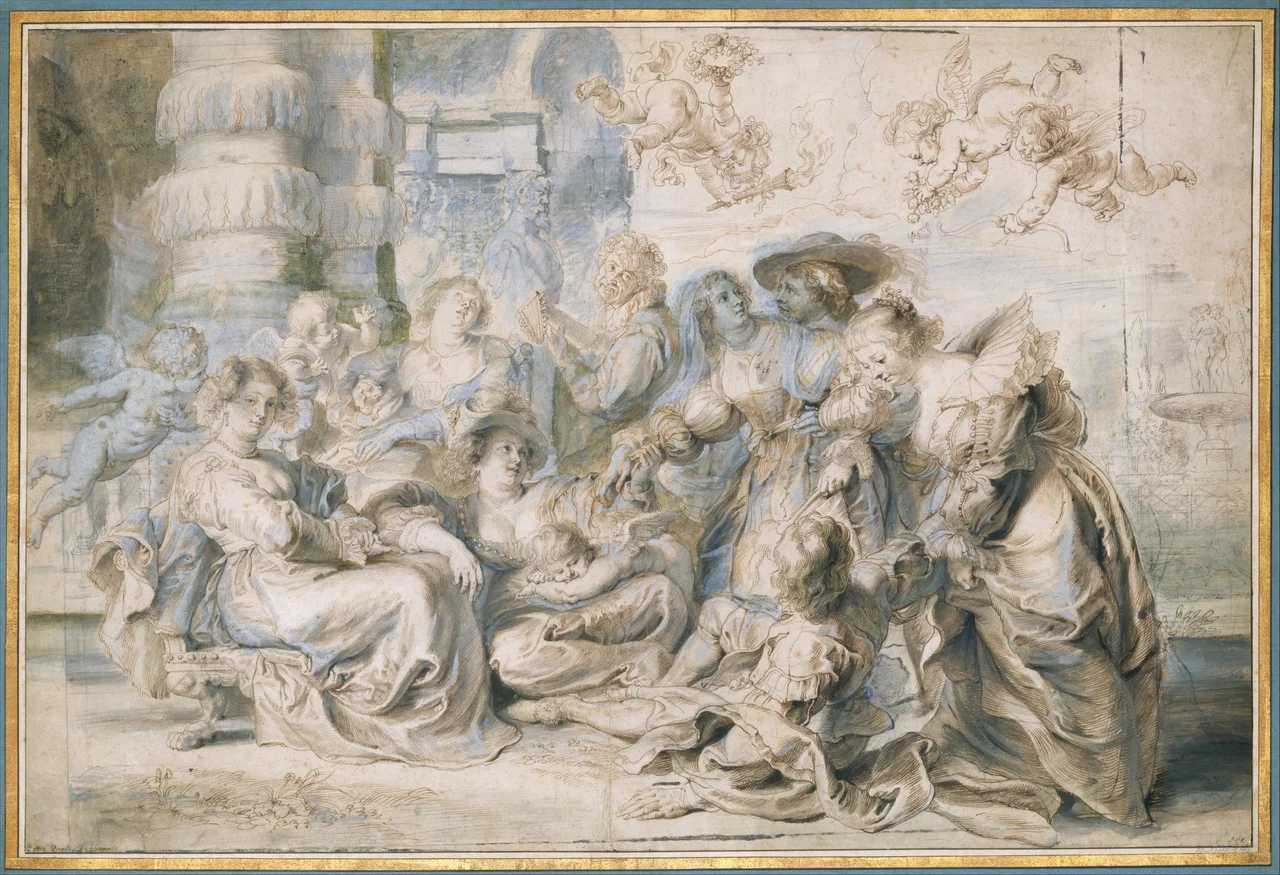
In a workshop drawing related to Rubens's Garden of Love, the initial design is by Rubens while much of the remaining drawing is by an assistant. What does this reveal?
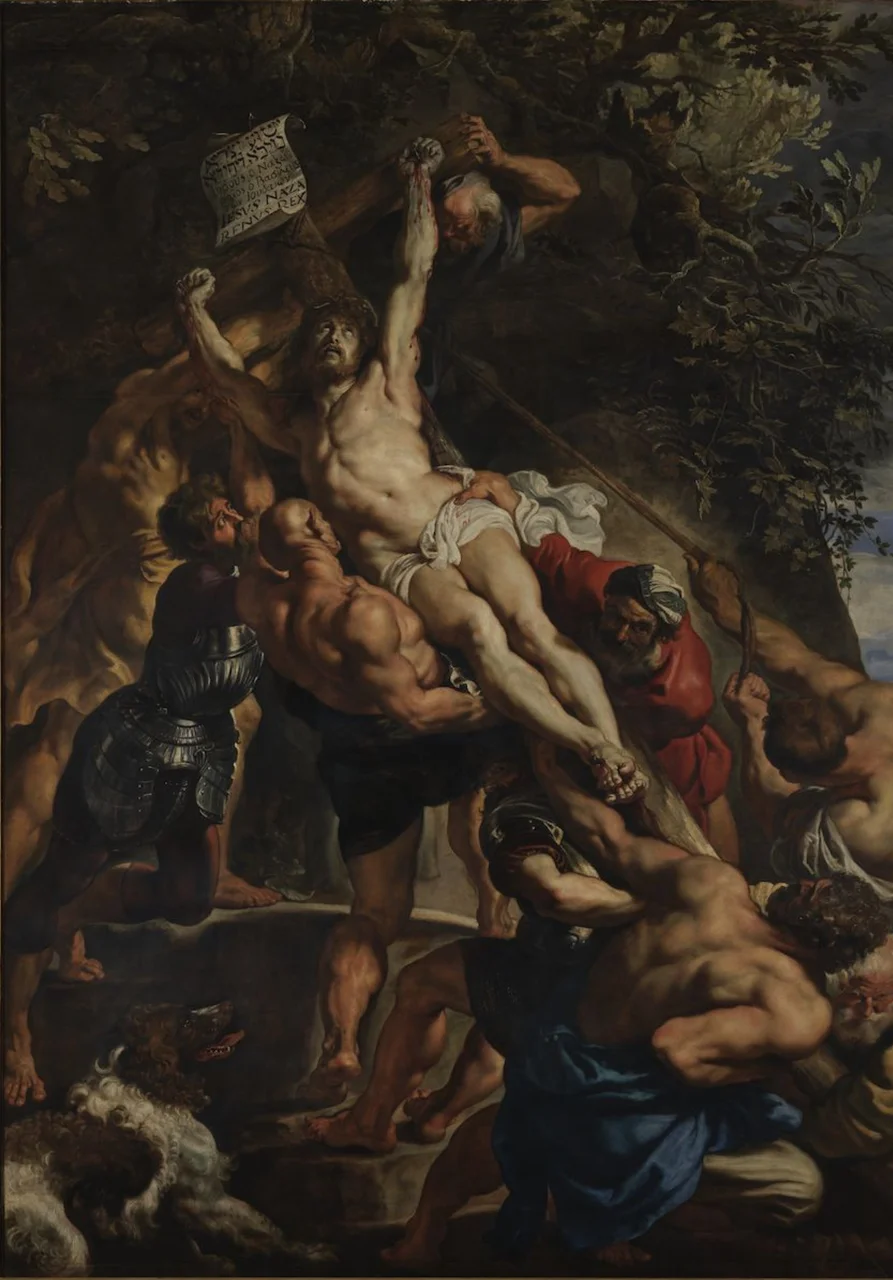
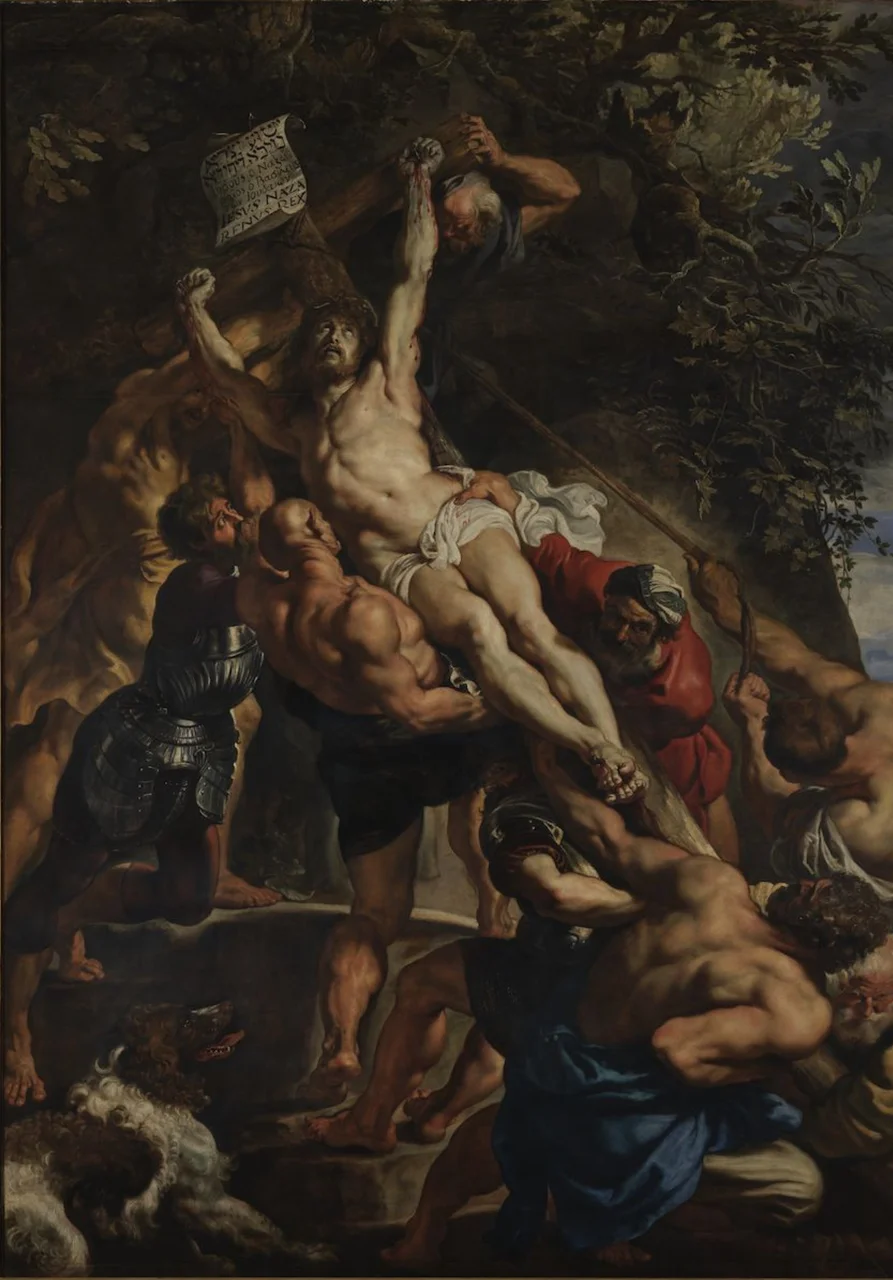
In Rubens's Elevation of the Cross, straining bodies create a strong diagonal as the cross is raised. What does this arrangement achieve for a church viewer?
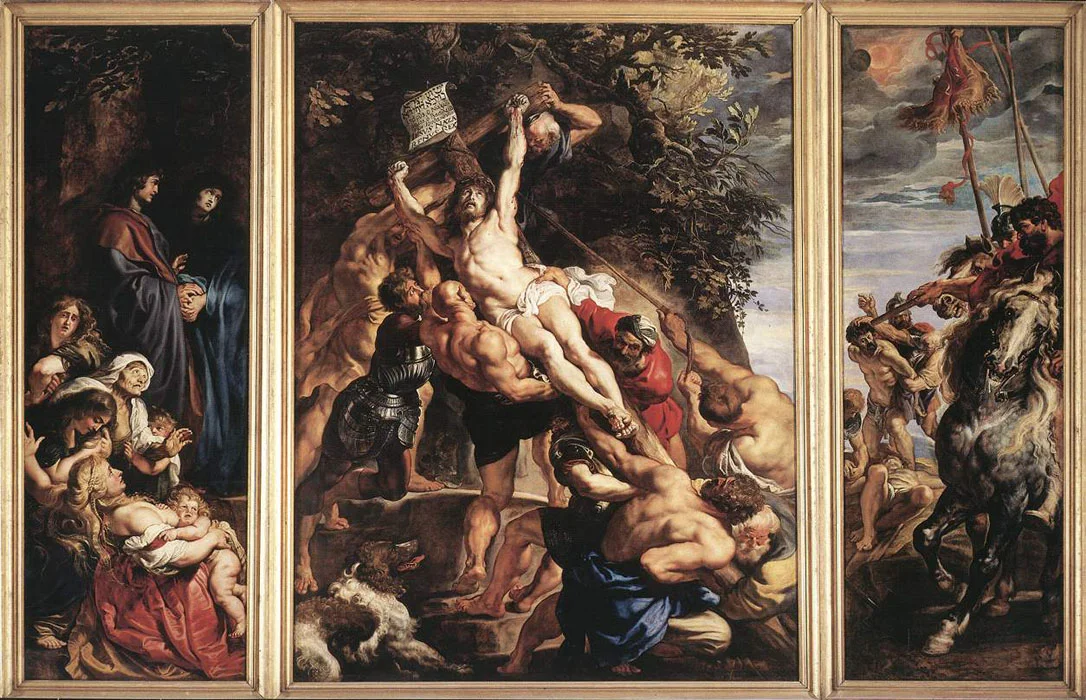
Rubens's Elevation of the Cross uses side panels around a central action for an altarpiece. How does this format serve its sacred setting?
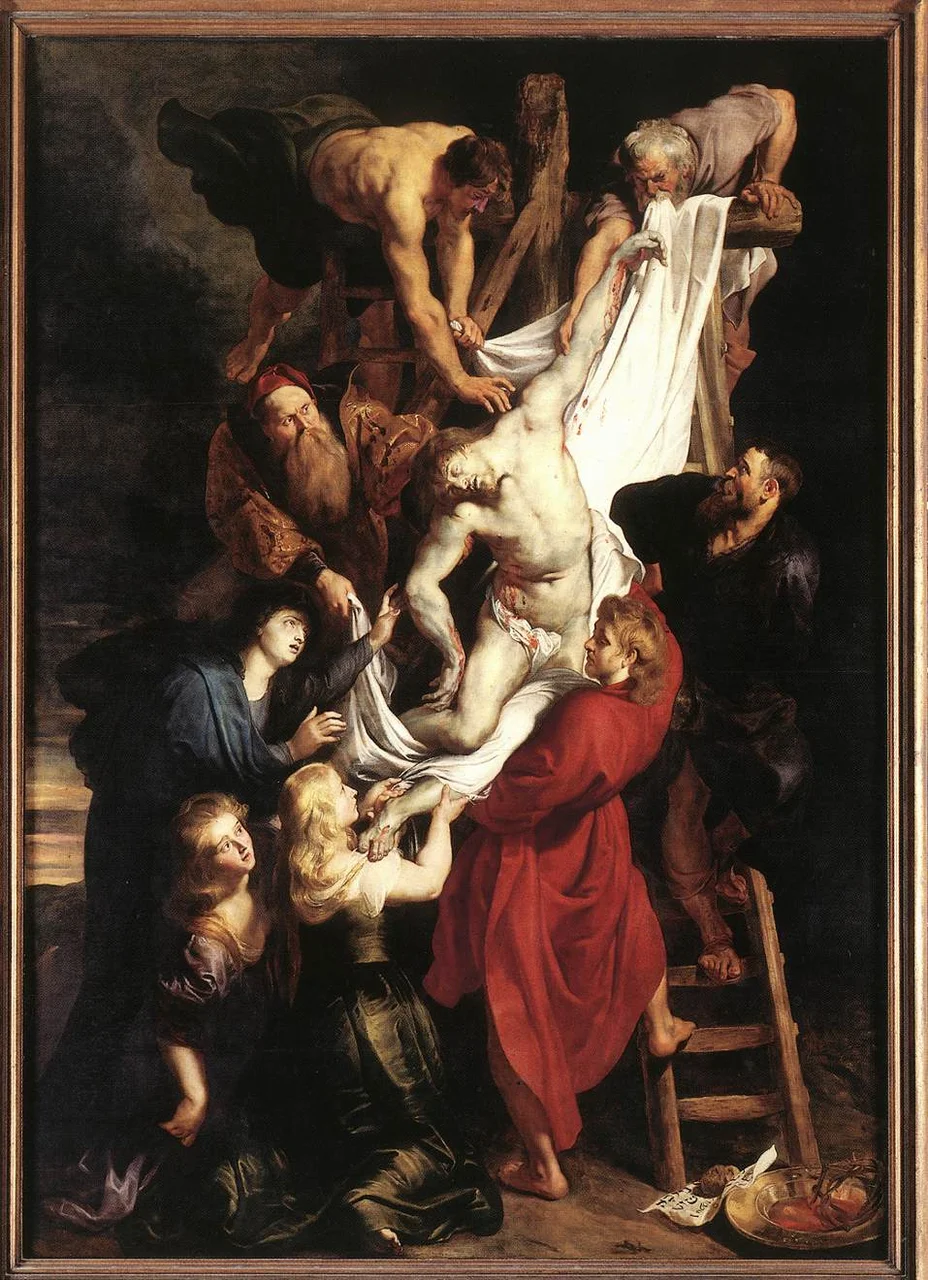
Look at Rubens's Descent from the Cross, where Christ's body is carefully lowered by several figures. How does this visual action support devotional viewing?
Antwerp churches had been stripped during iconoclasm before Rubens received major altar commissions. Why did monumental Catholic altarpieces become important afterward?
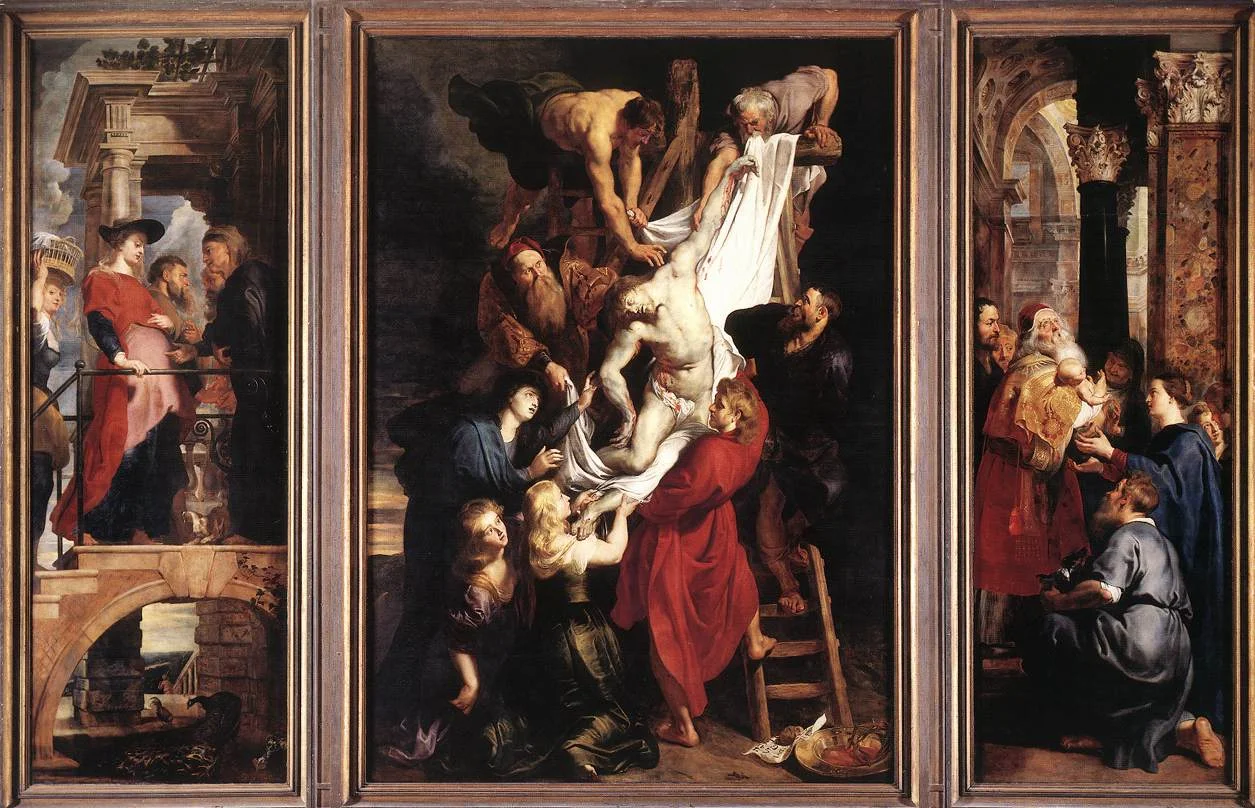
Compared with a Dutch genre scene made for a home, what is the primary function of Rubens's Elevation of the Cross as an altarpiece?
Marie de' Medici commissioned Rubens's cycle for her Luxembourg Palace after returning from exile. What was the commission meant to help her do?
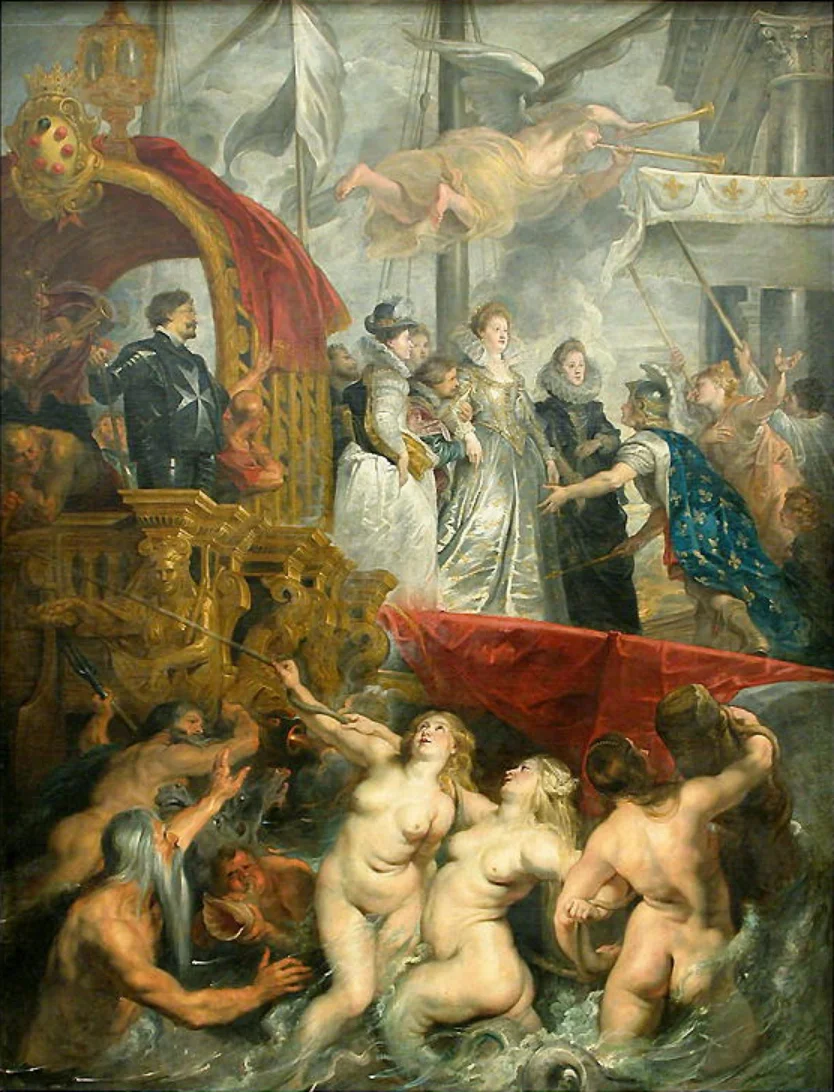
A canvas from the Marie de' Medici cycle mixes recognizable events with gods, personifications, and symbols. Why use allegory in a royal commission?
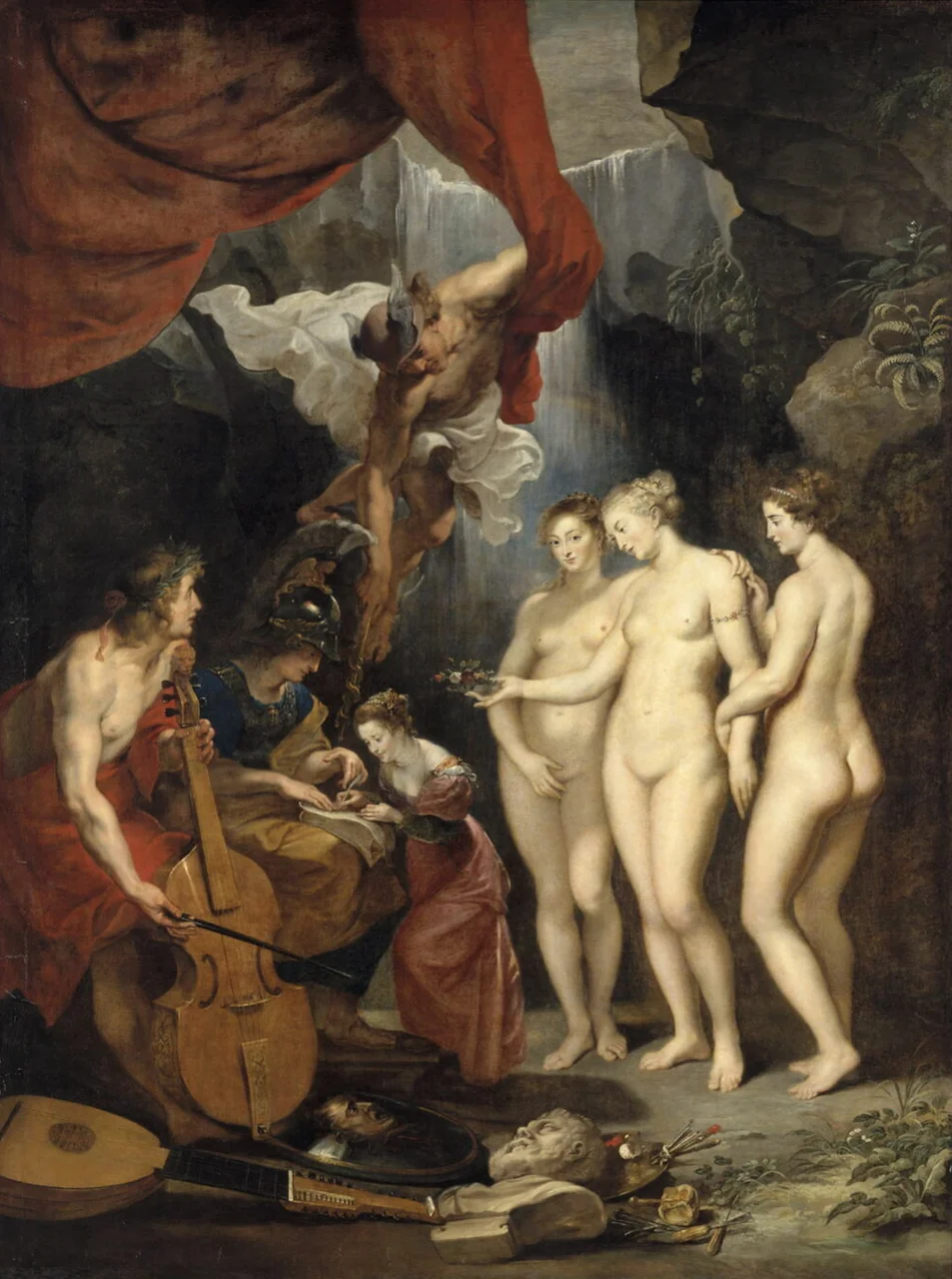
The Marie de' Medici paintings were arranged as a sequence in a palace gallery. What does a chronological sequence encourage viewers to see?
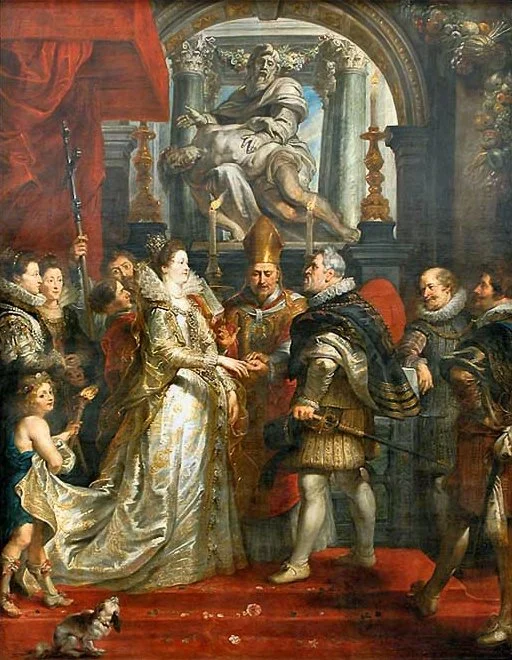
Rubens completed the Marie de' Medici cycle for a royal palace in 1625. Which patronage system best explains this project?
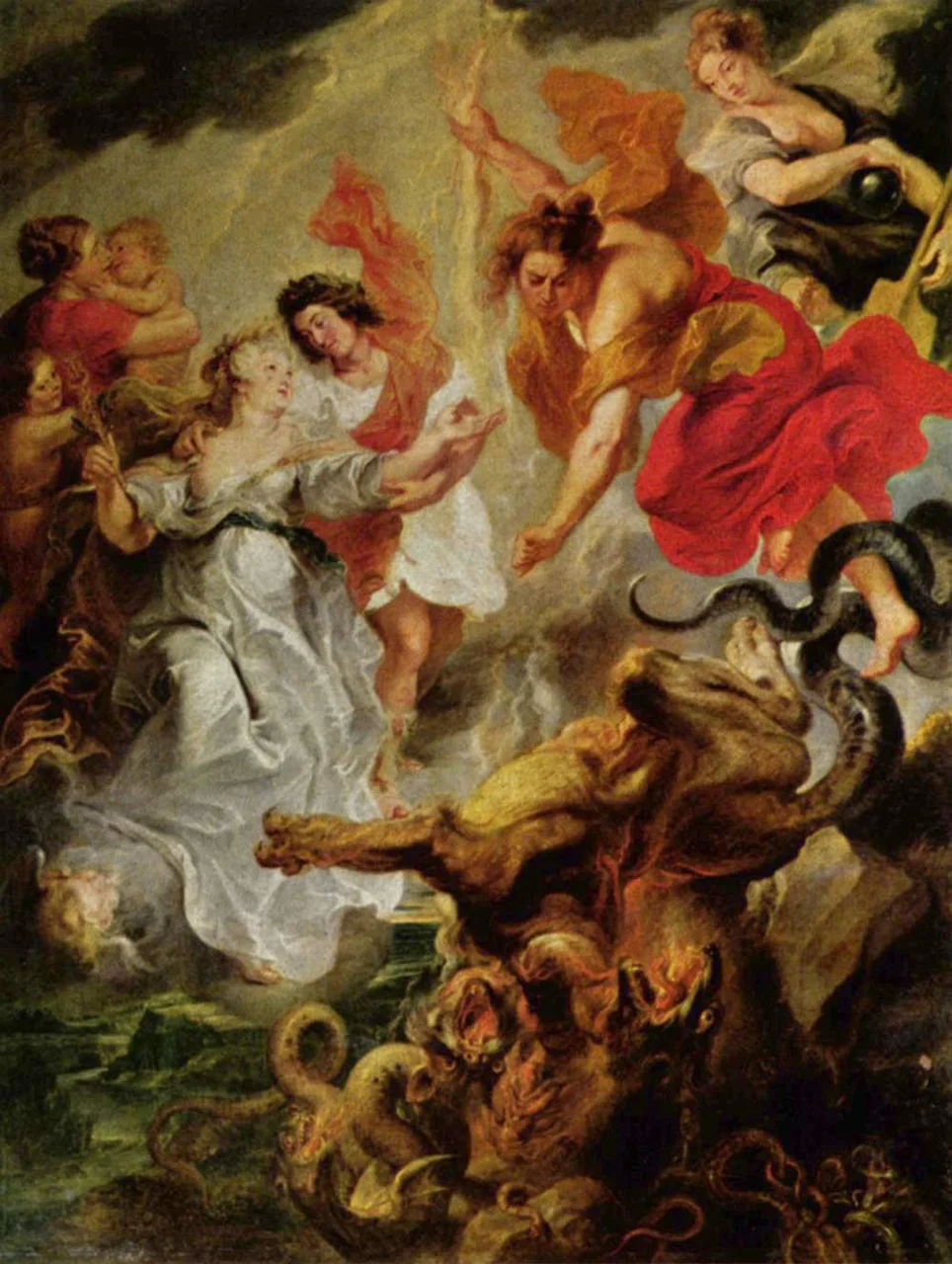
Rubens served as court painter and trusted adviser to Isabella, sovereign of the Spanish Netherlands. What does this pairing suggest about his position?
In Van Dyck's Charles I at the Hunt, the viewer looks slightly upward at the casually posed king. How does this viewpoint shape the portrait's message?
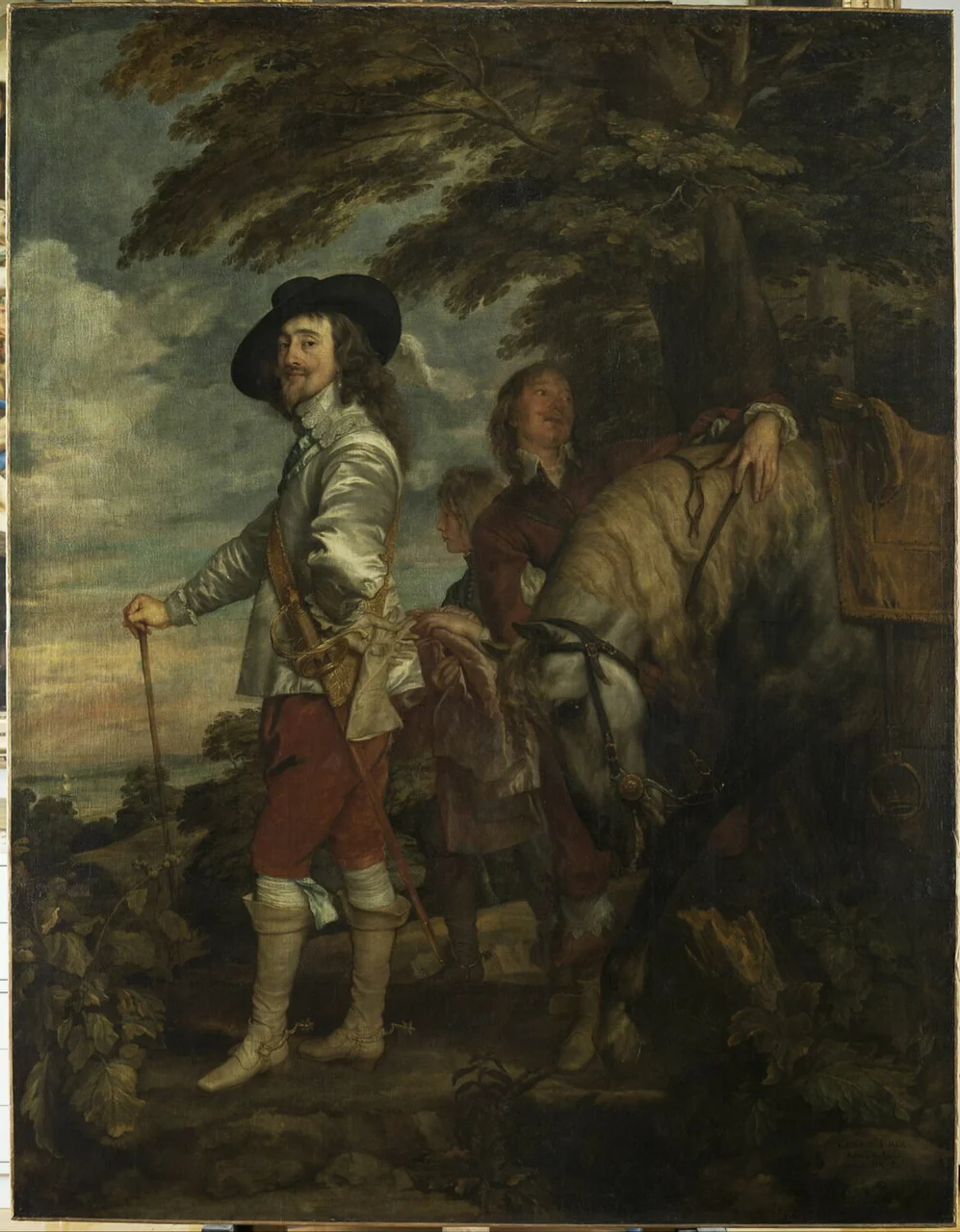
A formal Van Dyck portrait shows Charles I with a column, a curtain, and royal regalia. What is the most likely purpose of these props?
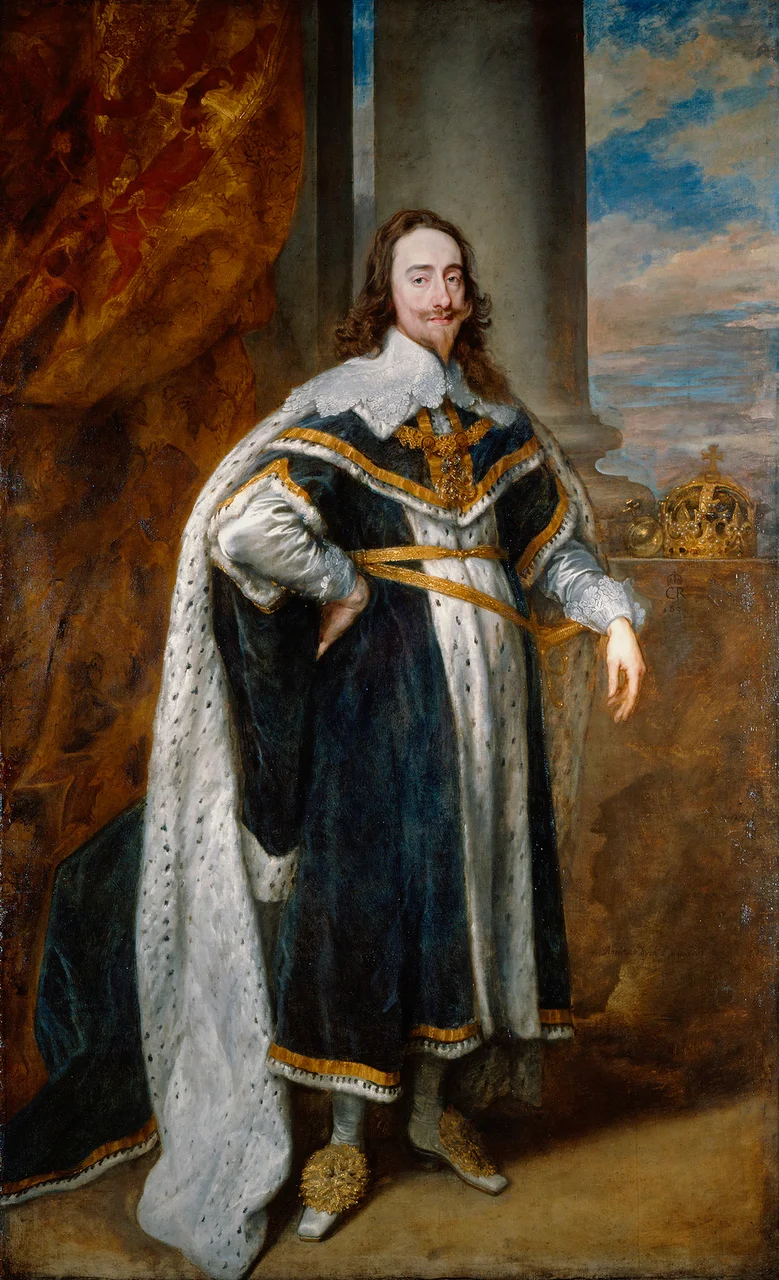
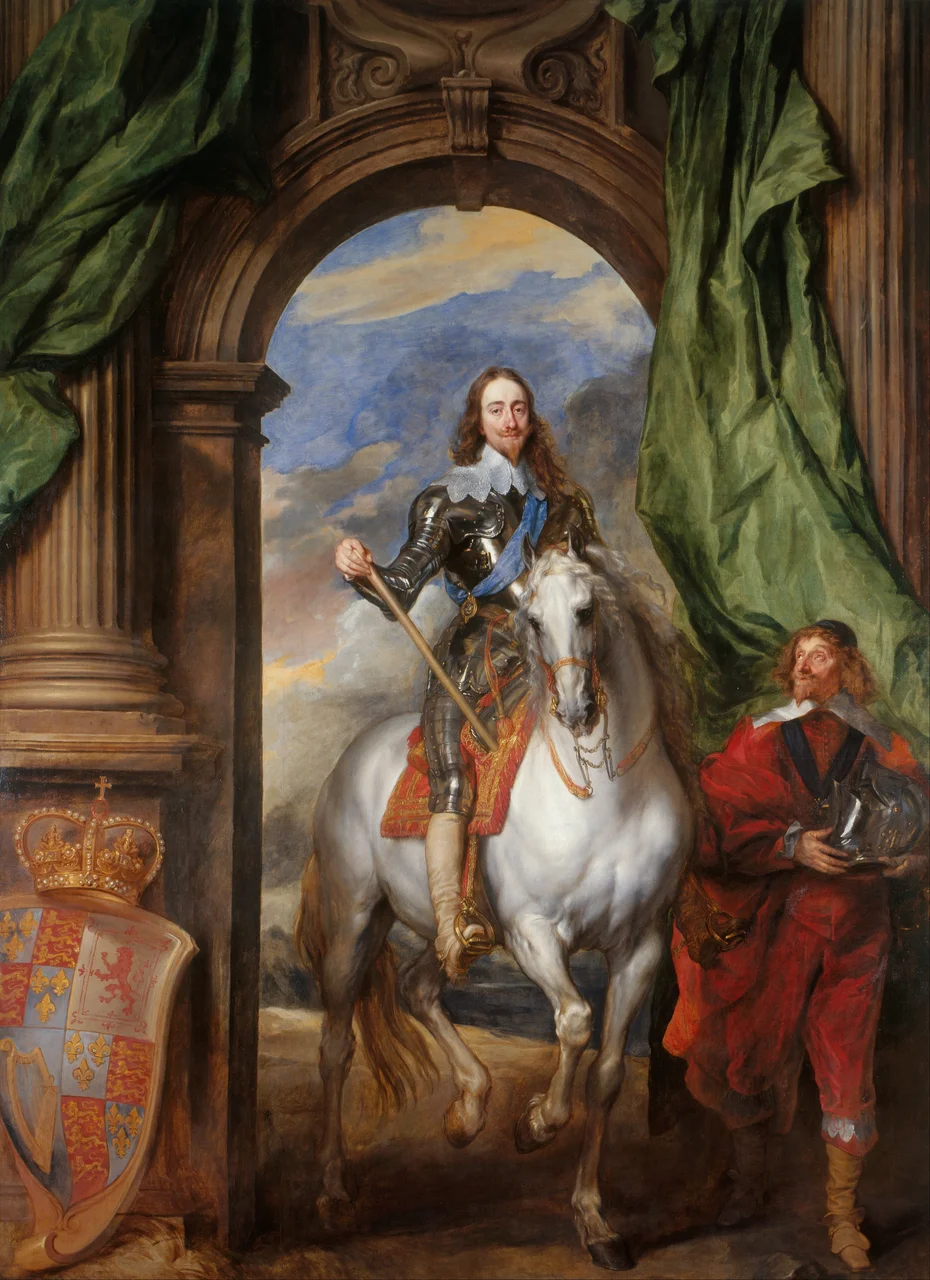
In Van Dyck's Charles I with M. de St Antoine, Charles lightly controls a powerful horse while his equerry looks up at him. What quality does this staging emphasize?
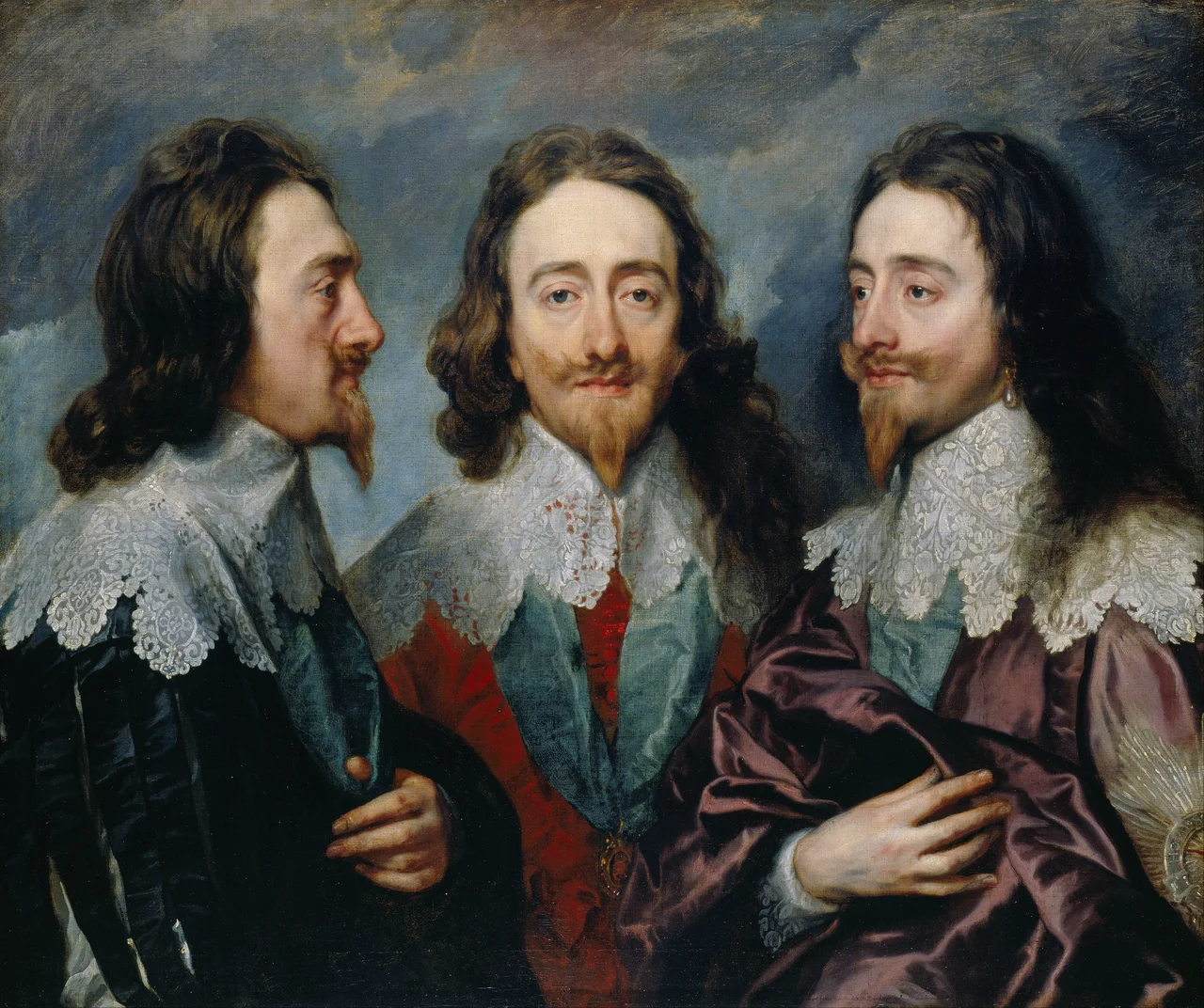
Van Dyck painted Charles I in three positions as a reference for Gian Lorenzo Bernini. Why would a sculptor need three views of the king?
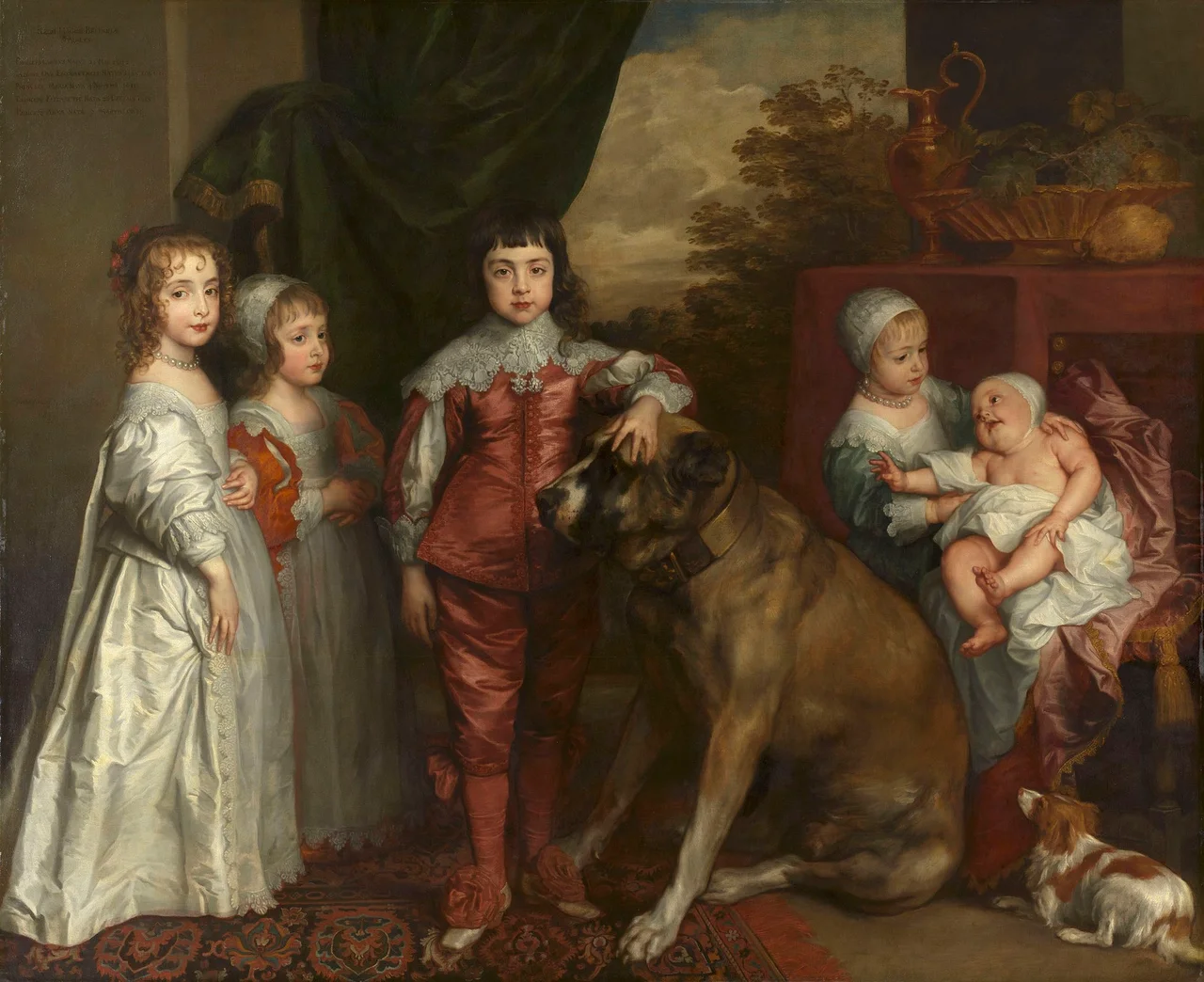
Van Dyck's Five Eldest Children of Charles I shows young royal children with signs of courtly status. What balance does the portrait create?
Crack the passcode before the zombies get in.
Answer, then swat bugs for bonus points.
Race through questions at your own speed.
Same question on every screen. Fastest wins.

Pick a tile, answer, hit bonuses and steals.
30 questions