Loading
by BlastRoom
Interwar artists challenged reason, convention, and conscious control.
#us_hs_art_history
30 questions
One question set, multiple game modes. Tap any game to see it in action. Not sure which to pick?
Answer to place stones and capture territory.
Outrun the snow together.
Earn blasts, then hunt the other team.
Answer to earn energy, then climb.

The class blasts through walls together.
Bid on mystery lots. Most money wins.
Sell tours. Nice, standard, or a total scam.

Answer, restock, and serve the rush.
More correct answers pulls the rope your way.
Answer, then shoot down the alien wave.
Answer, then tap to leap the frozen ridge.
In Hannah Höch’s crowded photomontage Cut with the Kitchen Knife, politicians, machines, dancers, and headlines collide at different scales. What supplied the image fragments?
In Jean Arp's 1916 to 1917 paper collage, scattered colored squares resist a tidy central arrangement. Which process best explains Dada's use of chance here?
Duchamp added a mustache, goatee, and a punning inscription to a reproduction of the Mona Lisa in L.H.O.O.Q. What Dada purpose does this irreverent alteration serve?
Magritte painted a pipe and wrote “Ceci n’est pas une pipe” beneath it in The Treachery of Images (1929). What distinction is the work forcing viewers to make?
In Max Ernst’s Two Children Are Threatened by a Nightingale, tiny figures, a toy-like house, and an oversized bird create an unsettling scene. Which concern does this irrational juxtaposition most strongly signal?
Joan Miró’s The Birth of the World (1925) contains floating biomorphic signs rather than a coherent natural setting. Which Surrealist aim is most evident?
Kurt Schwitters’s Merz Picture 32 A incorporates tickets, printed scraps, and other discarded materials. What does this use of fragments do?
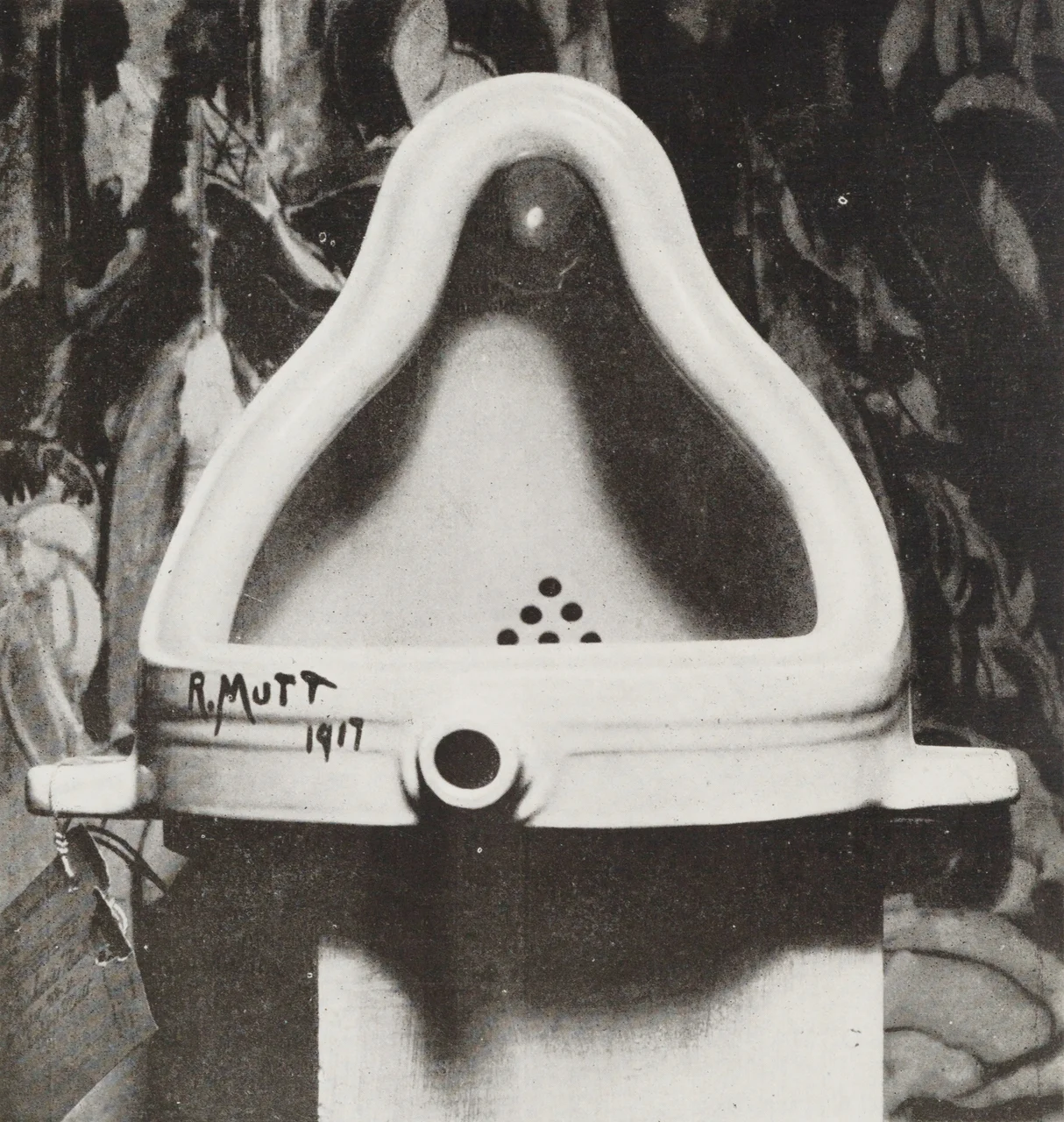
In 1917, Duchamp submitted Fountain, a store-bought urinal signed “R. Mutt,” to an exhibition that claimed to accept all entries. What did this act test?
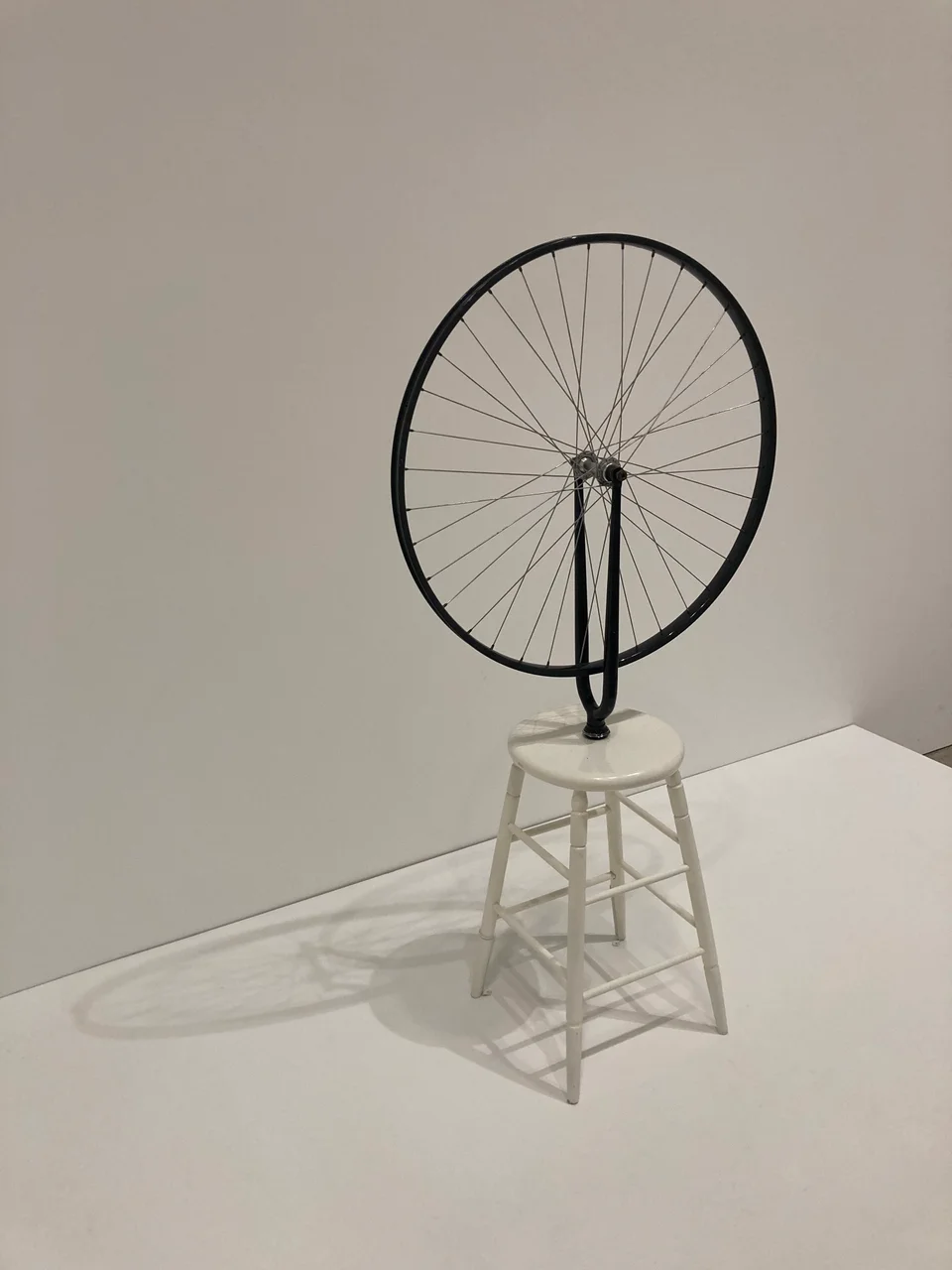
Duchamp mounted an inverted bicycle wheel on a stool for Bicycle Wheel. Why is it called an assisted readymade rather than a traditional sculpture?
Duchamp did not make the snow shovel in In Advance of the Broken Arm. He bought it in a hardware store. Which action is central to his authorship of the work?
A factory produces identical bottle racks, but one is valued as Duchamp’s readymade. What claim about art does this difference support?
Max Ernst put paper over floorboards, leaves, and other textures, then rubbed graphite across it to reveal patterns. What is this method called?
A writer records whatever words arise without revising, censoring, or organizing them logically. Which Surrealist practice is being used?
Several artists each draw on a folded sheet without seeing most earlier contributions, then unfold it to reveal one composite figure. What collaborative Surrealist method is this?
An artist presses a painted surface against another sheet and pulls it apart, allowing irregular paint textures to form. Why did Surrealists value this process?
A Berlin artist cuts faces and machine parts from photographs in newspapers and recombines them into a political image. Which term most precisely names this technique?
Dalí’s The Persistence of Memory (1931) depicts limp watches on a barren shore. Which method did Dalí connect to paintings that yield multiple, unstable readings?
In Magritte’s Time Transfixed (1938), a locomotive emerges from a domestic fireplace. What Surrealist strategy gives the ordinary objects their disturbing effect?
Meret Oppenheim’s Object (1936) covers a teacup, saucer, and spoon with fur. How does this best serve Surrealism?
John Heartfield made photomontages for the leftist magazine Arbeiter-Illustrierte-Zeitung in the 1930s. What was the political function of these manipulated images?
At the 1938 International Surrealist Exhibition in Paris, coal sacks hung over visitors and altered mannequins lined a corridor. What did this installation-like display aim to do?
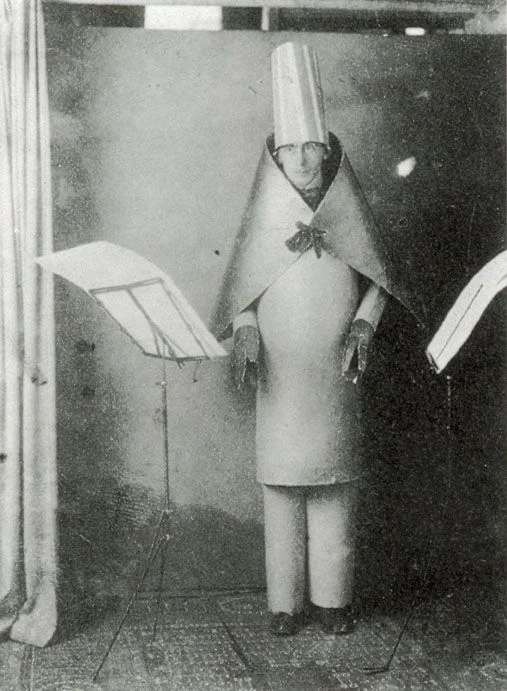
At Zurich’s Cabaret Voltaire in 1916, performers mixed poems, music, and multilingual nonsense during World War I. What were these Dada events chiefly rejecting?
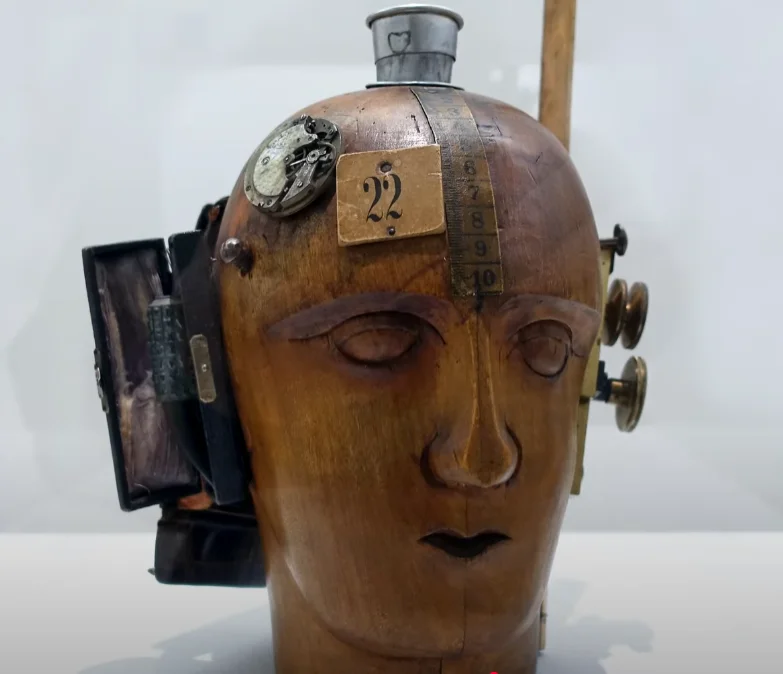
Raoul Hausmann attached measuring devices, a ruler, and a watch mechanism to a wooden mannequin head in Mechanical Head (The Spirit of Our Time). What idea does this assemblage most sharply question?
A Berlin Dada photomontage collides military leaders, machine parts, crowds, and newspaper headlines. Why was this fractured visual language effective for political critique?
Why did many Dada artists distrust polished artistic skill and coherent meaning after World War I?
Berlin Dada artists often used photographs from newspapers and advertisements rather than inventing all imagery by hand. What advantage did this give their satire?
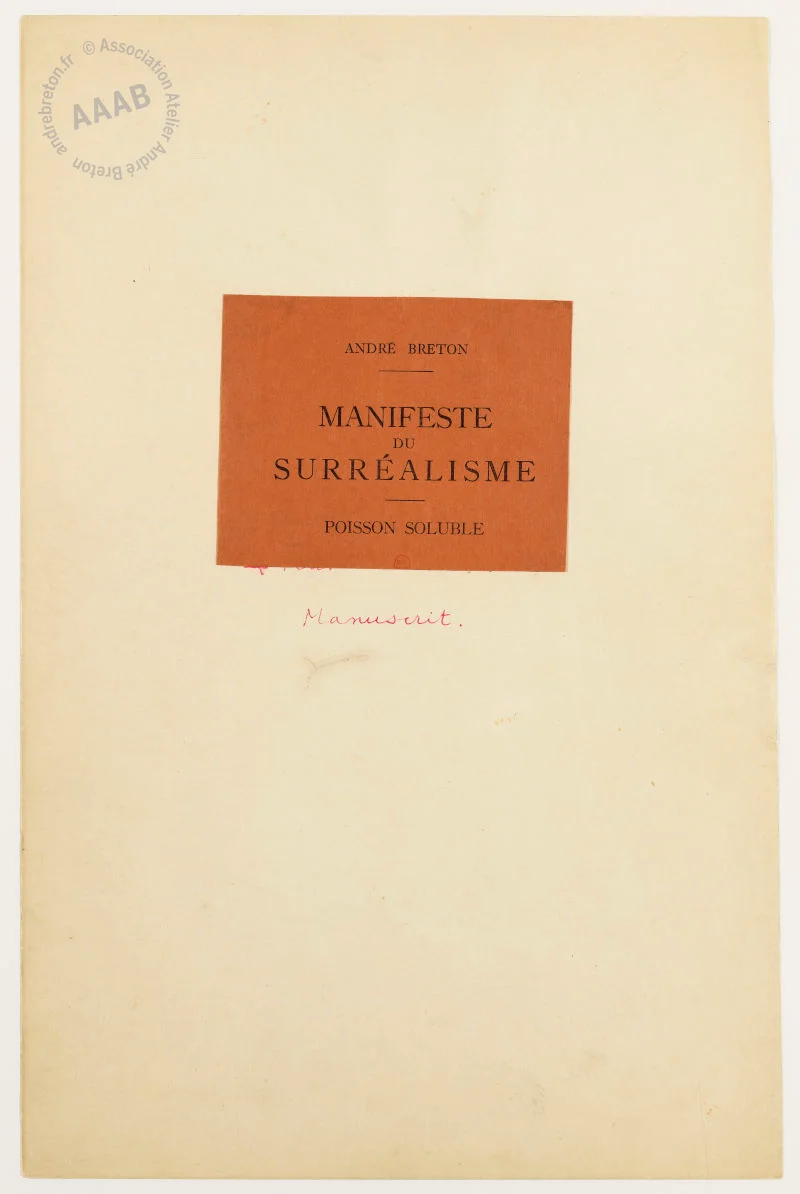
A 1924 page from André Breton’s first manifesto presents a program of dream, free association, and thought freed from reason. Whose theories of the mind most influenced this program?
In André Masson’s Automatic Drawing (1924), rapid lines were begun without a preconceived subject, and figures were noticed later among the marks. What faculty was the artist trying to bypass?
Breton’s 1924 manifesto gave a name to the movement that pursued dream, desire, and the unconscious. What movement did it define?
How did Breton’s Surrealism differ from Dada’s more destructive rejection of established culture?
Crack the passcode before the zombies get in.
Answer, then swat bugs for bonus points.
Race through questions at your own speed.
Same question on every screen. Fastest wins.

Pick a tile, answer, hit bonuses and steals.
Modern Architecture
30 questions