Loading
by BlastRoom
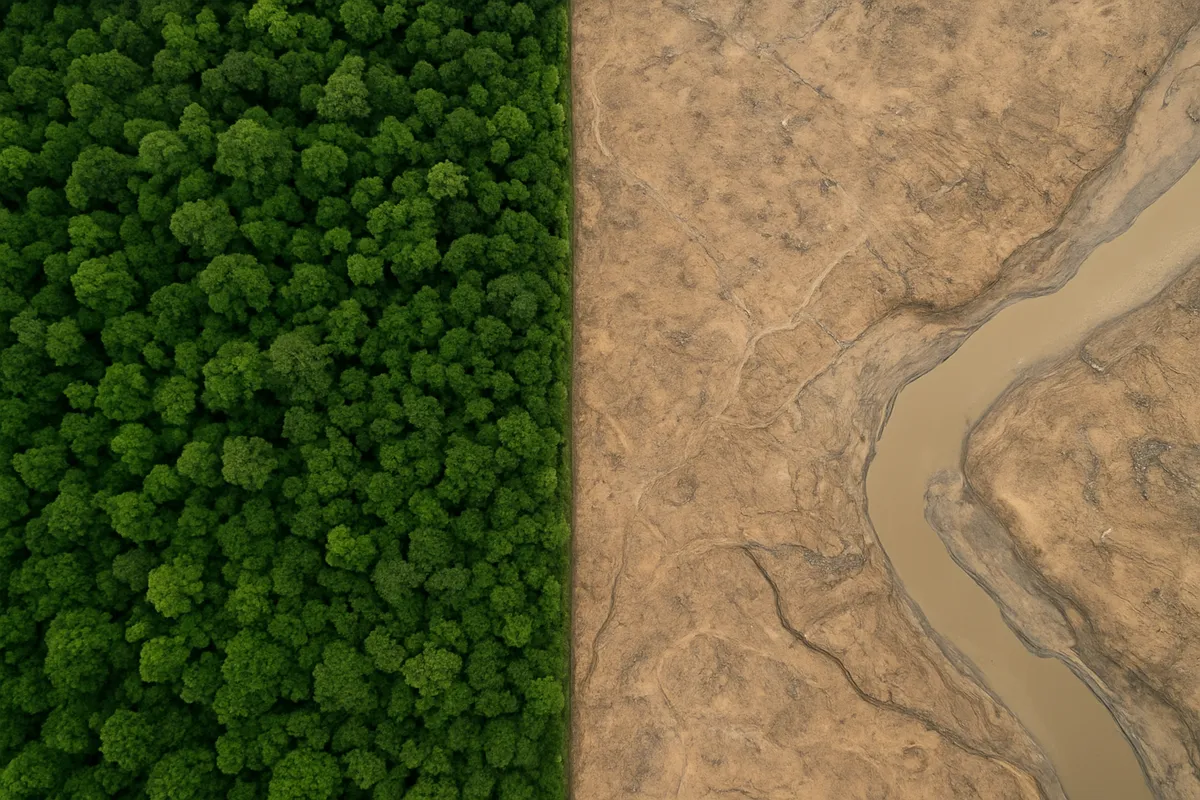
Read data on emissions, temperature, deforestation and runoff, then judge what would actually reduce the impact.
#biology
20 questions
One question set, multiple game modes. Tap any game to see it in action. Not sure which to pick?
Answer to place stones and capture territory.
Outrun the snow together.
Earn blasts, then hunt the other team.
Answer to earn energy, then climb.

The class blasts through walls together.
Bid on mystery lots. Most money wins.
Sell tours. Nice, standard, or a total scam.

Answer, restock, and serve the rush.
More correct answers pulls the rope your way.
Answer, then shoot down the alien wave.
Answer, then tap to leap the frozen ridge.
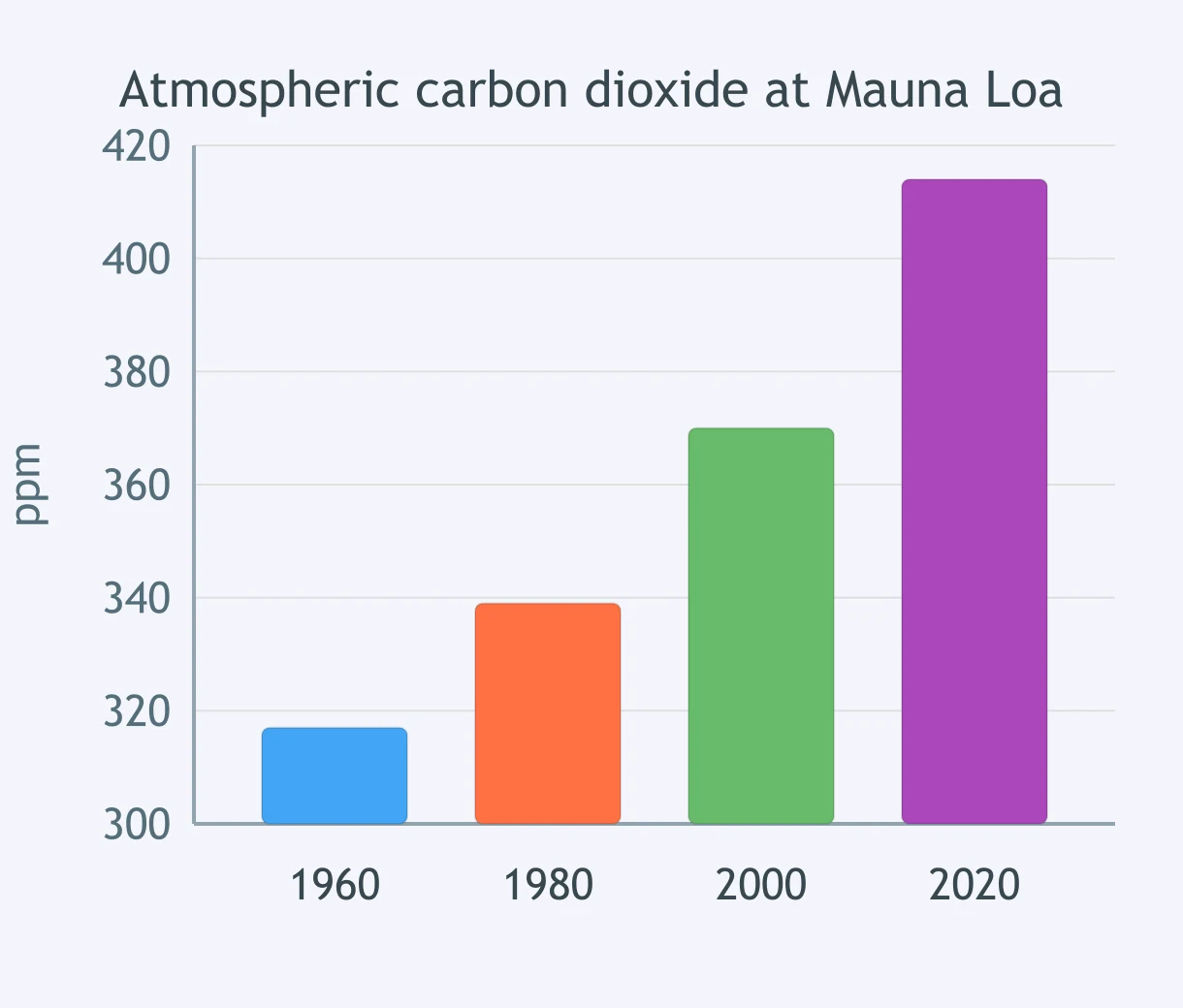
The bars give the mean atmospheric carbon dioxide measured at Mauna Loa Observatory in four years. What does the graph show about how the concentration changed?
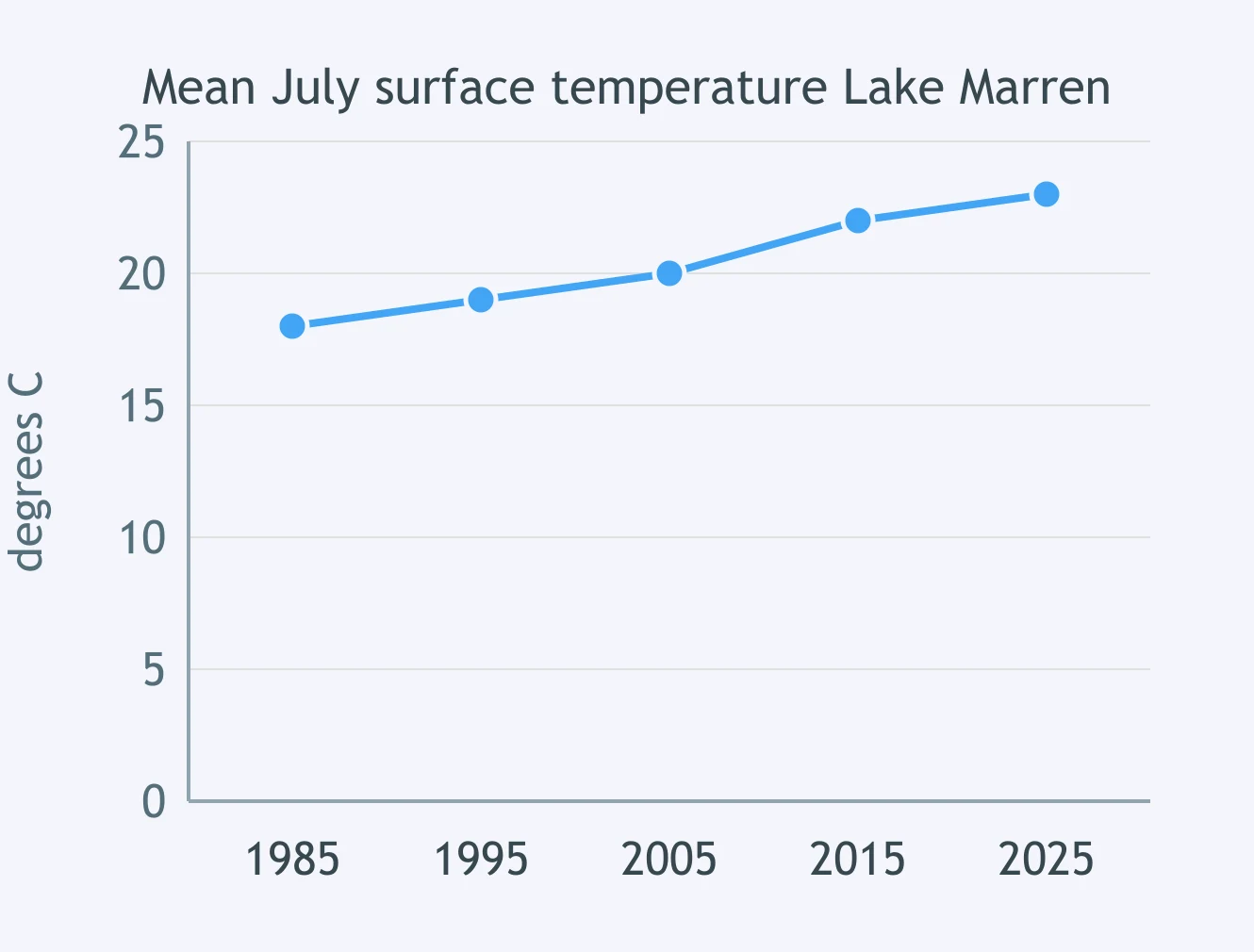
The graph shows the mean July surface temperature of Lake Marren. Read the graph. What was the mean July surface temperature in 2005?
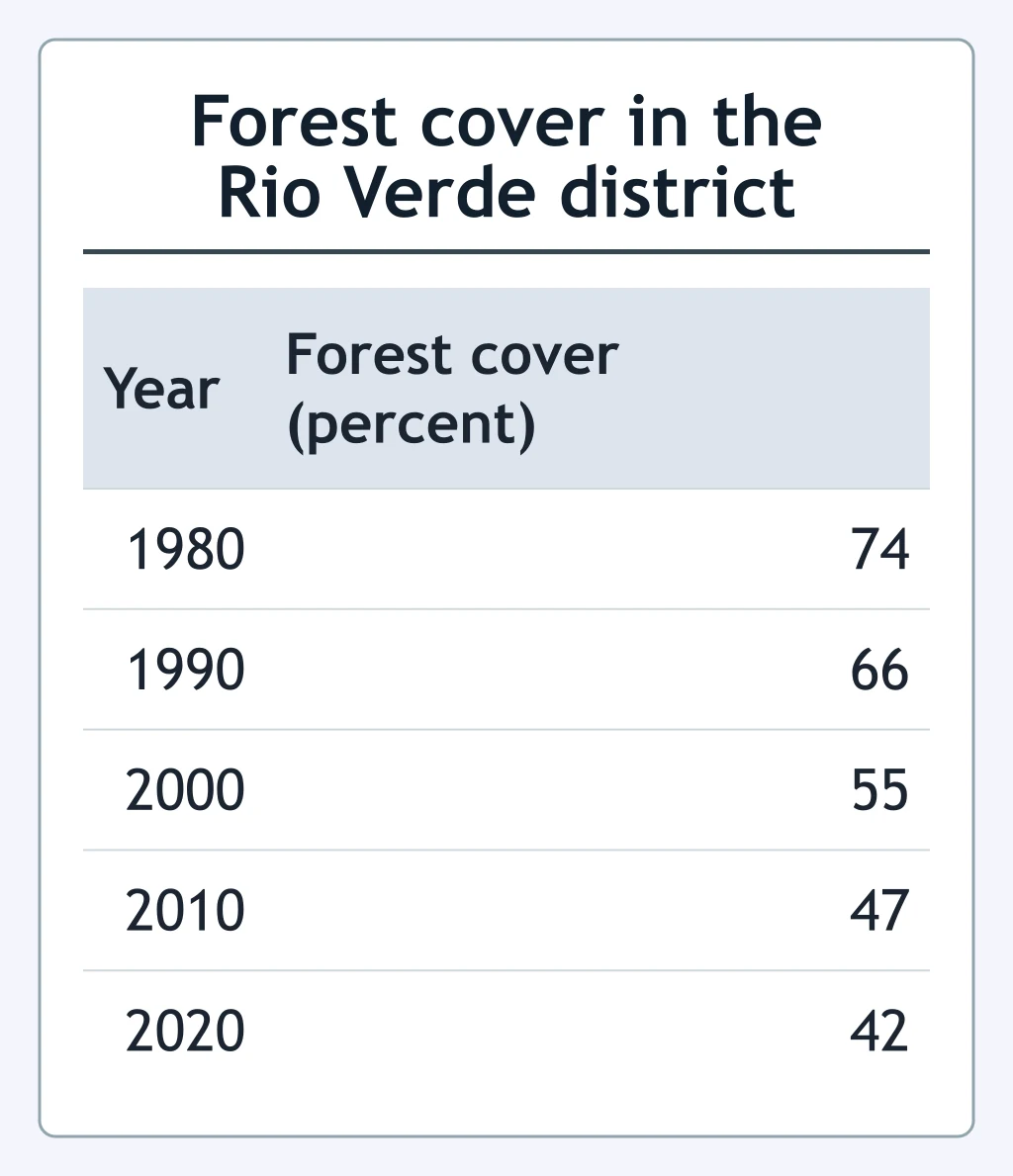
The table gives the percentage of the Rio Verde district still under forest at the start of each decade. During which decade did the district lose the largest share of its forest cover?
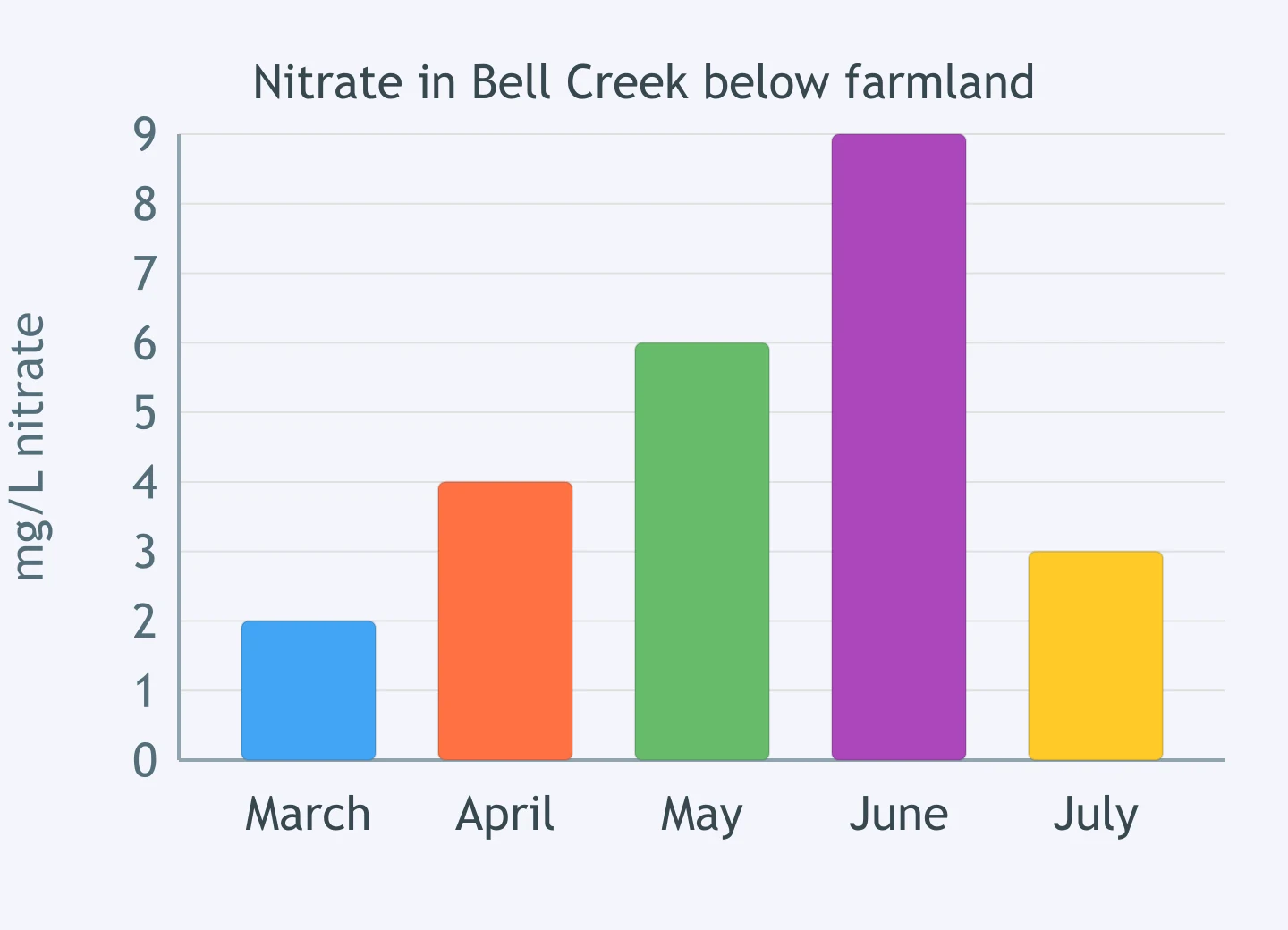
The bars show dissolved nitrate measured each month in Bell Creek where it leaves a block of farmland. Read the graph. About how much nitrate was in the creek in June?
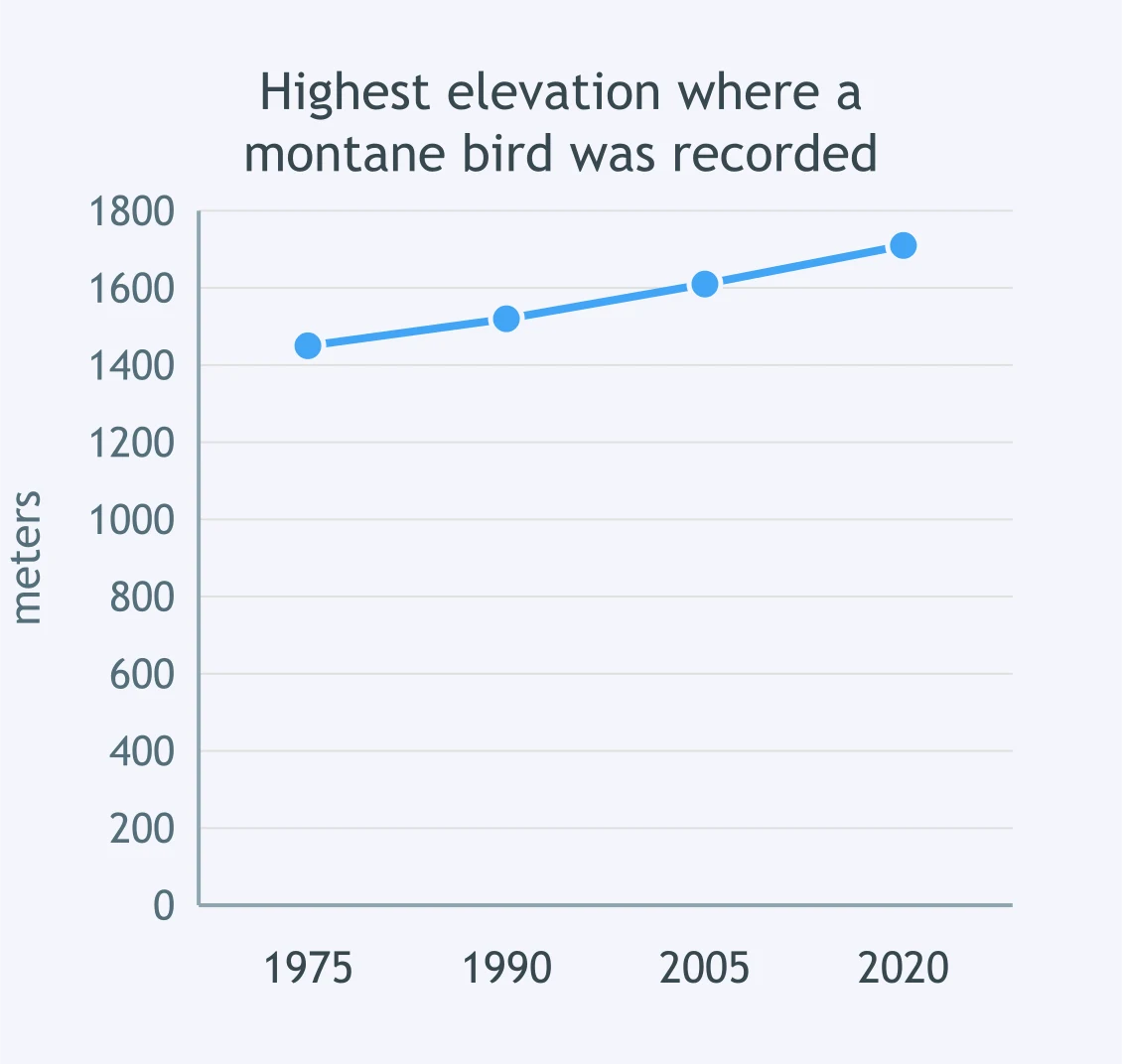
Surveys on one mountain recorded the highest elevation at which a bird species was found in each survey year. What does the graph show?
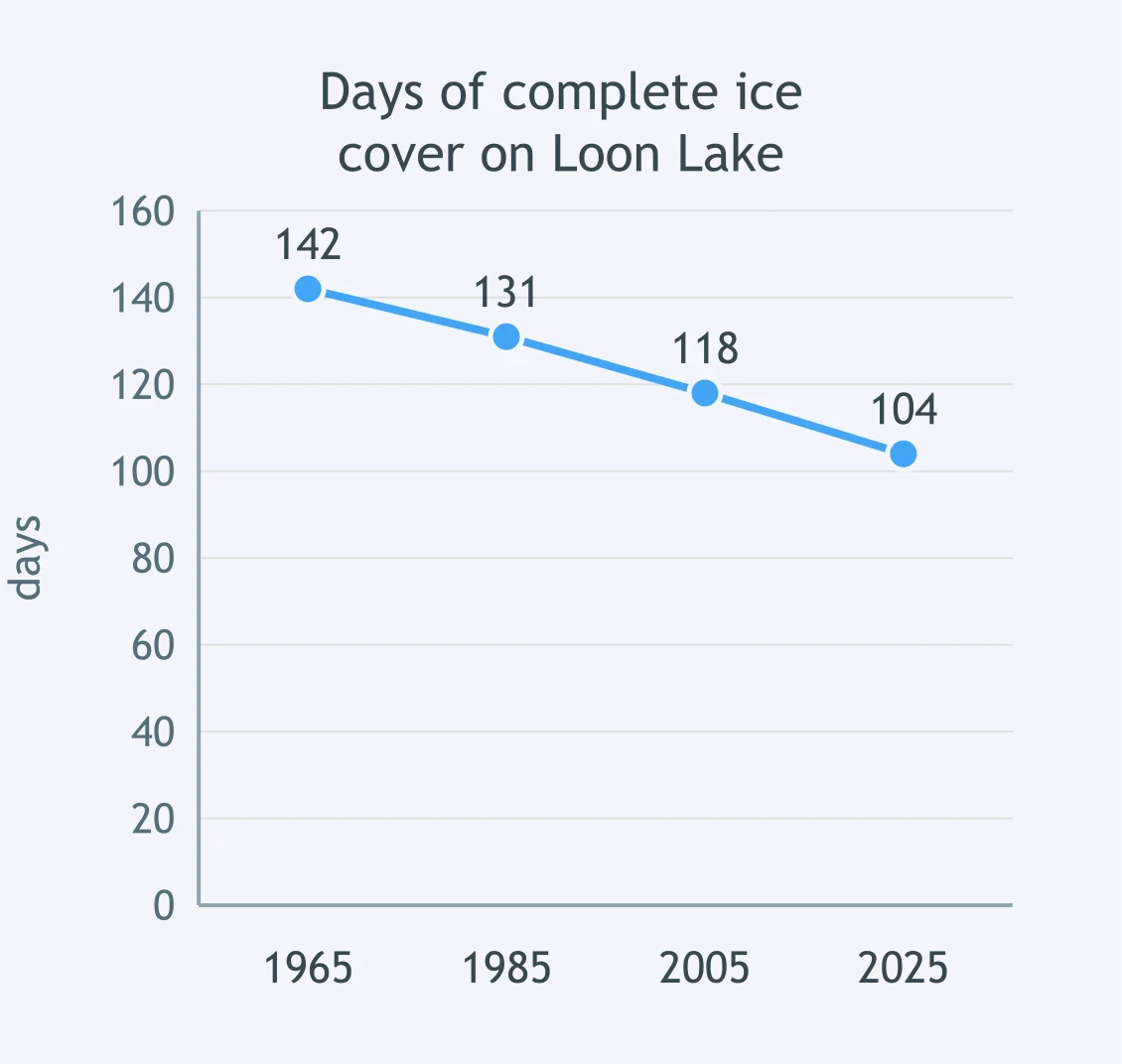
Loon Lake's fish spawn as the ice breaks up and the water warms, and their young eat zooplankton whose spring bloom is cued by day length. If the graph's trend continues, what is the most likely result for the fish?
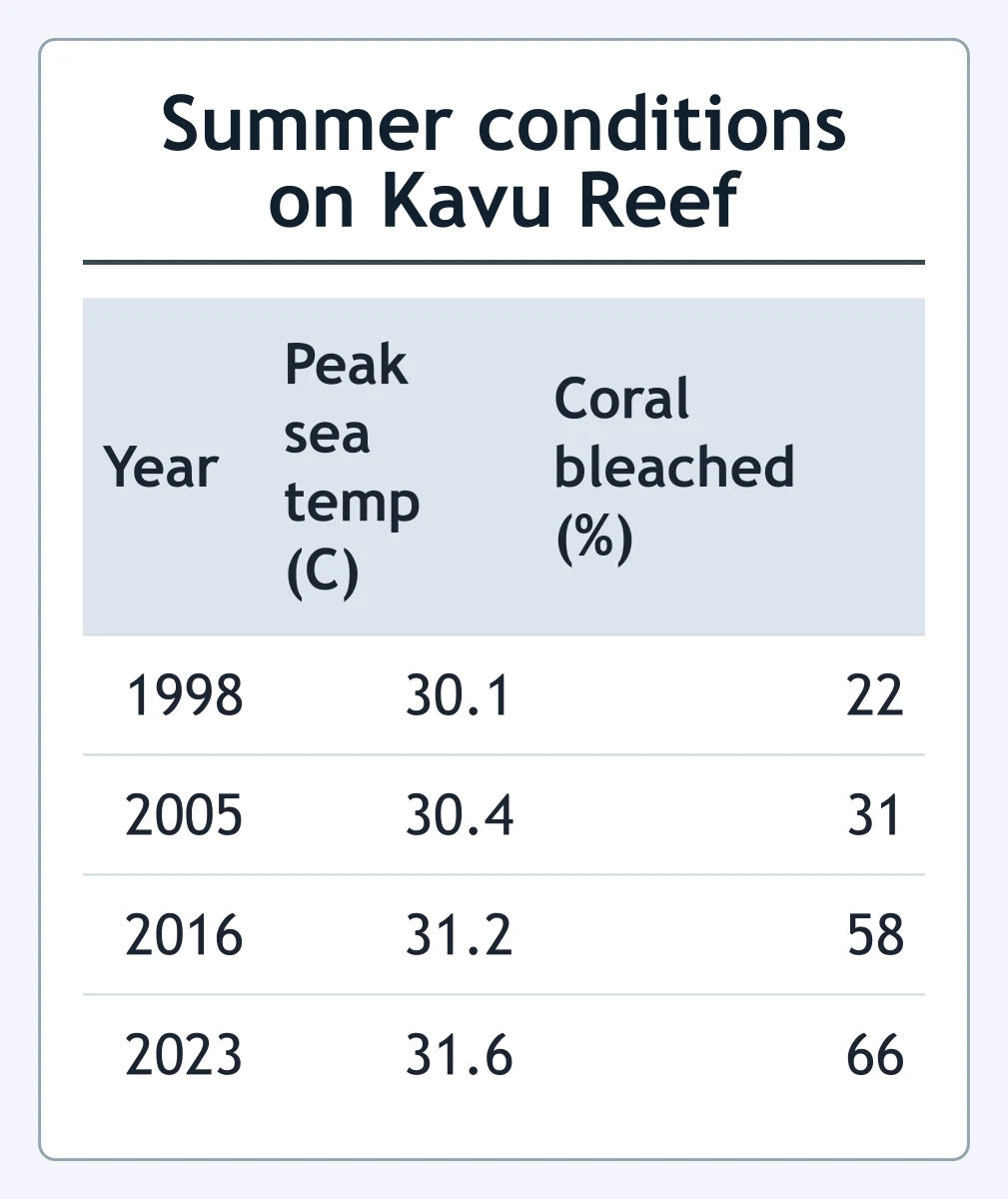
The table gives peak summer sea temperature and the share of coral bleached on one reef. Bleaching is the loss of the algae living inside coral tissue. If peak temperatures keep rising, what is the most likely result?
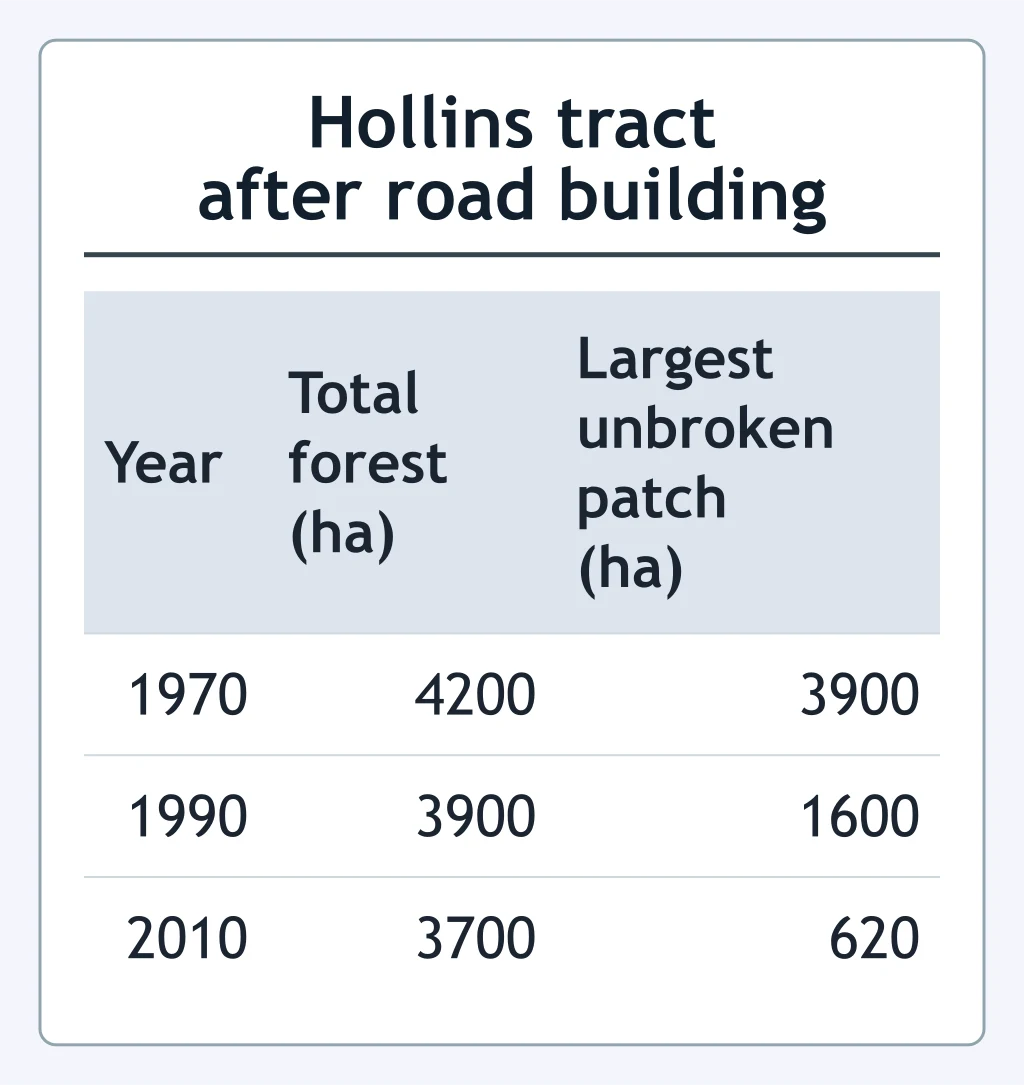
Roads and clearings split the Hollins tract between 1970 and 2010, as the table shows. A songbird there nests only more than 300 m from a forest edge. What is the most likely consequence for that bird?
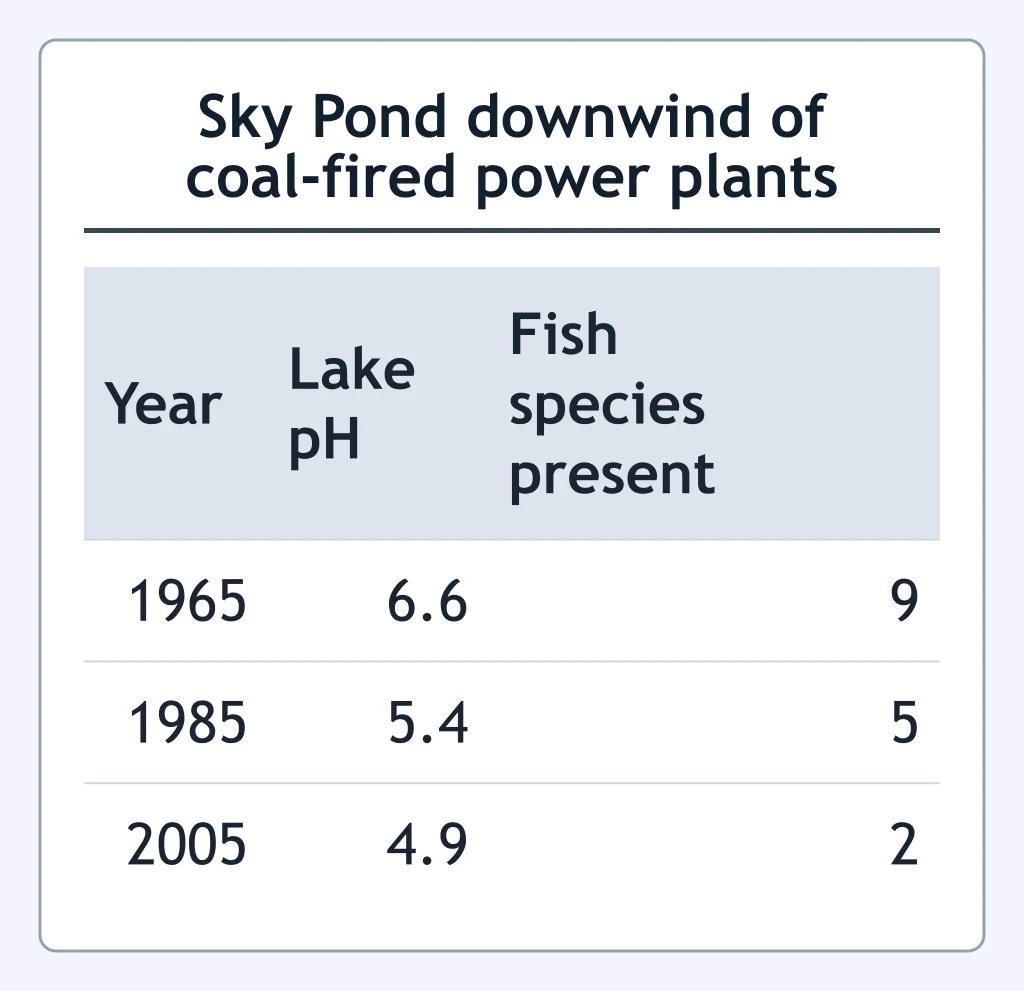
The table shows a mountain lake lying downwind of coal-burning power plants. Which sequence best accounts for the loss of fish species there?
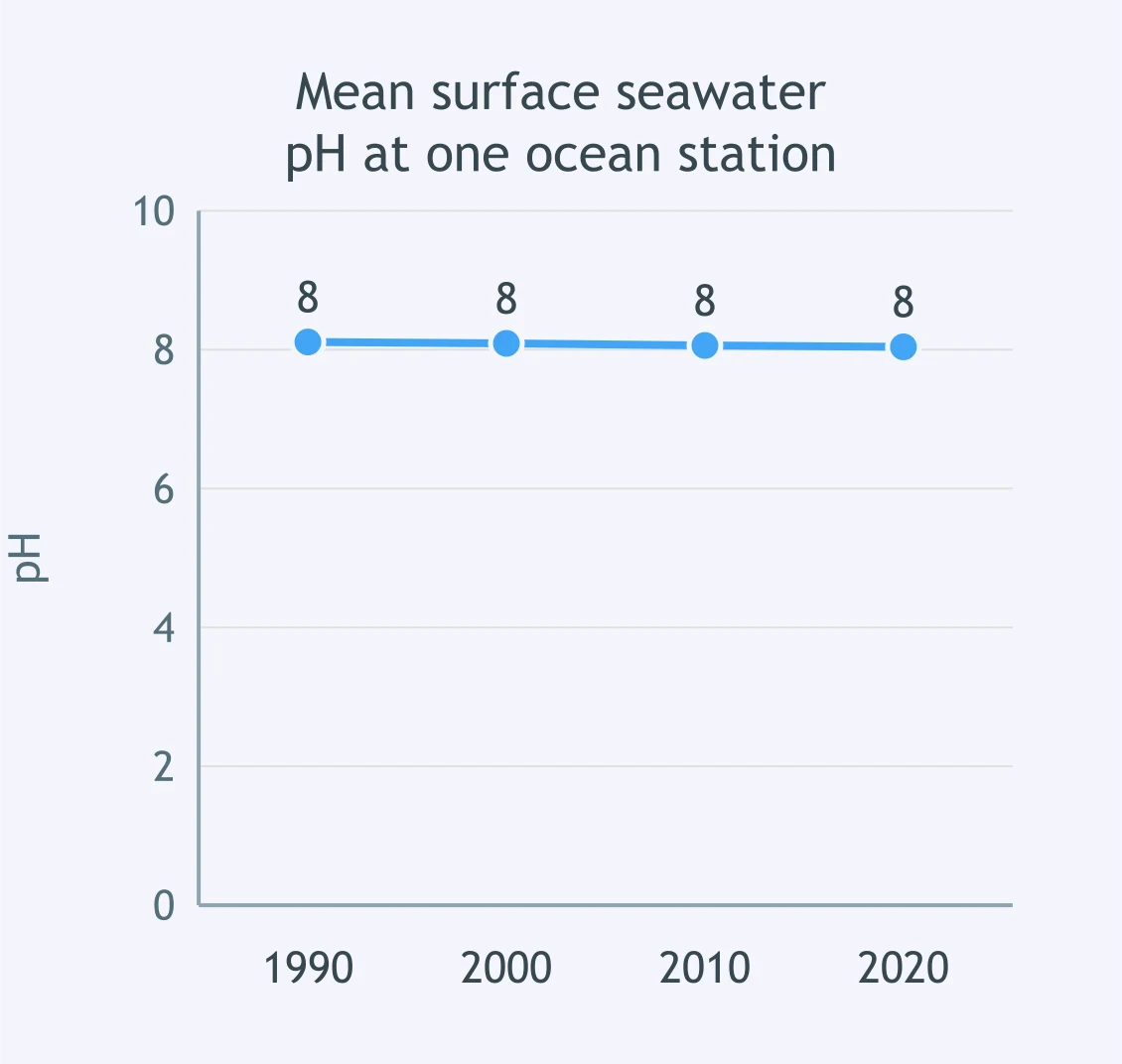
The graph shows mean surface seawater pH at one ocean station while atmospheric carbon dioxide rose. Young oysters raised in that water grew thinner shells over the same period. Which sequence accounts for both?
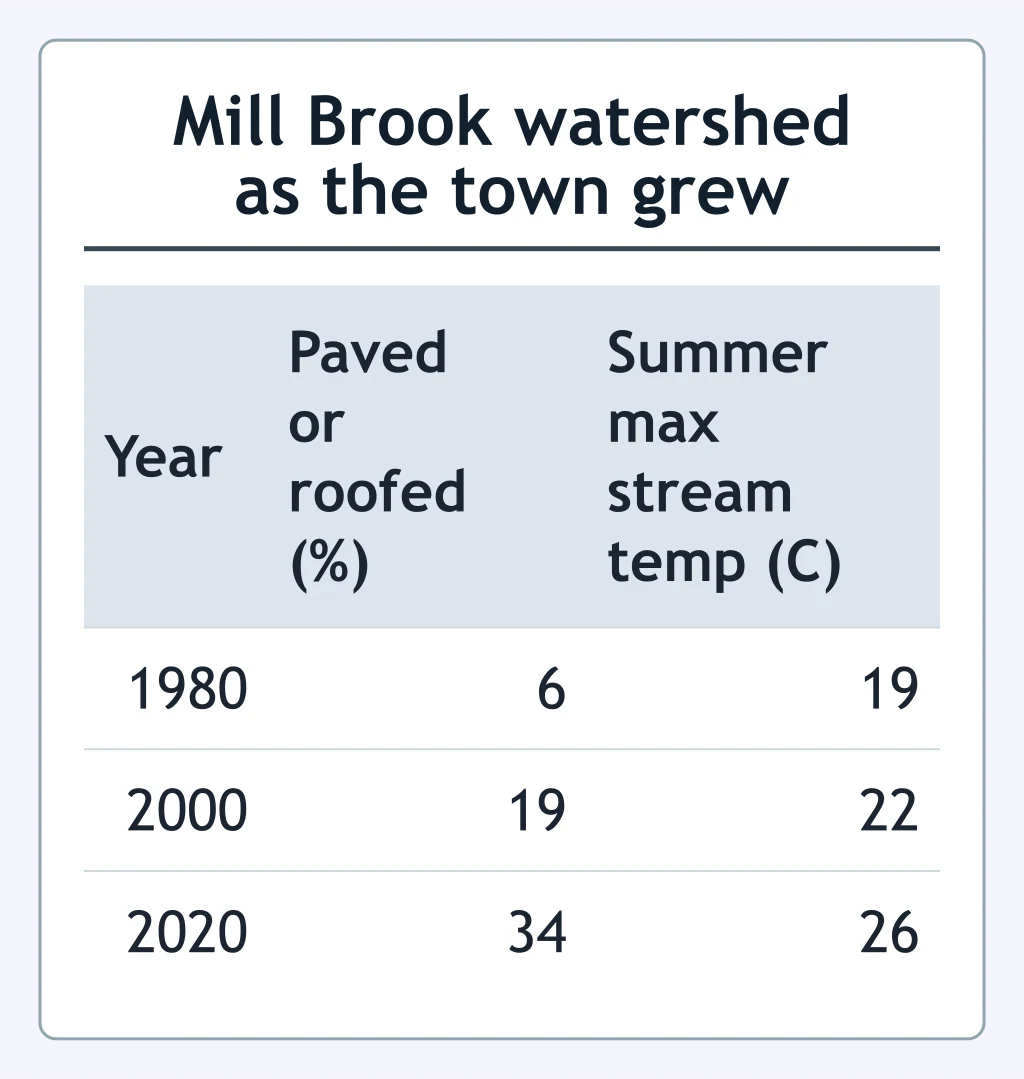
Mill Brook once held brook trout, which need water below about 21 degrees C. The table shows how the watershed and the stream changed as the town grew. Which sequence accounts for the loss of the trout?
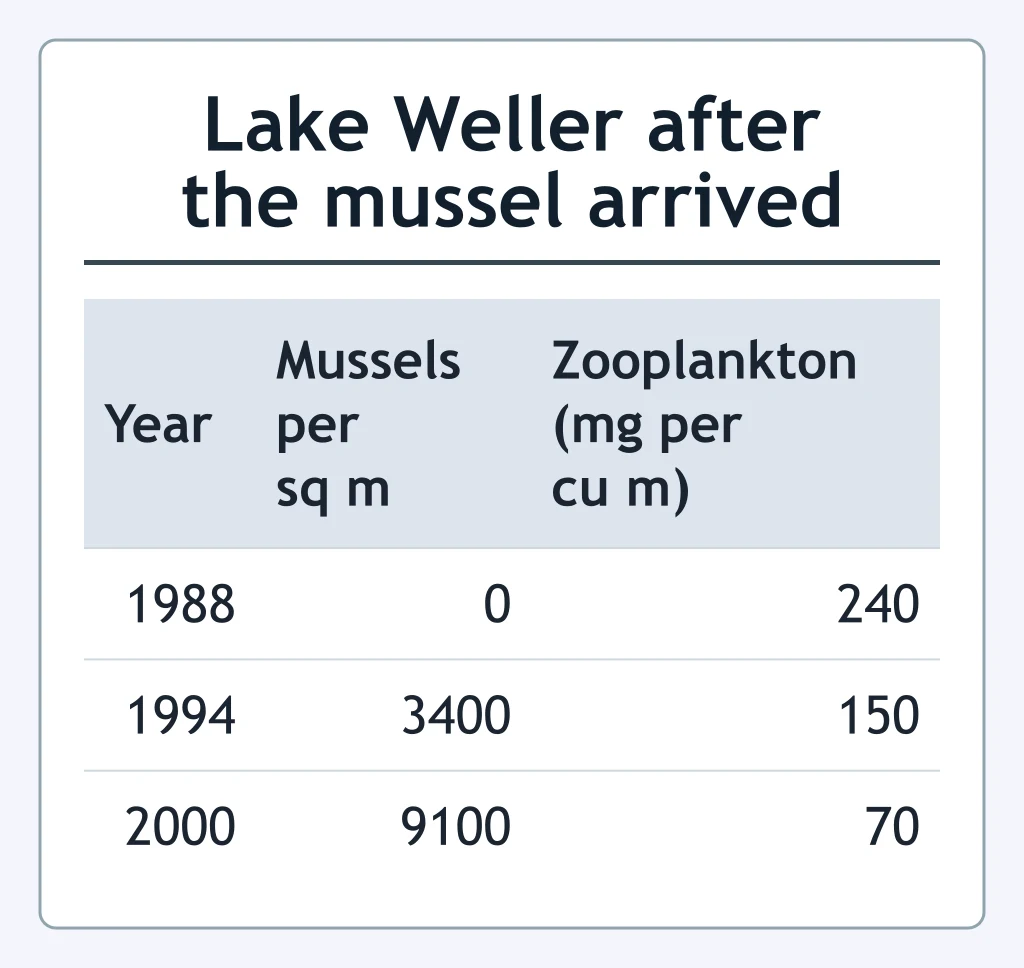
A filter-feeding mussel from another continent reached Lake Weller in ship ballast water, and the table shows what followed. Catches of the lake's open-water plankton-eating fish fell too. What accounts for that fall?
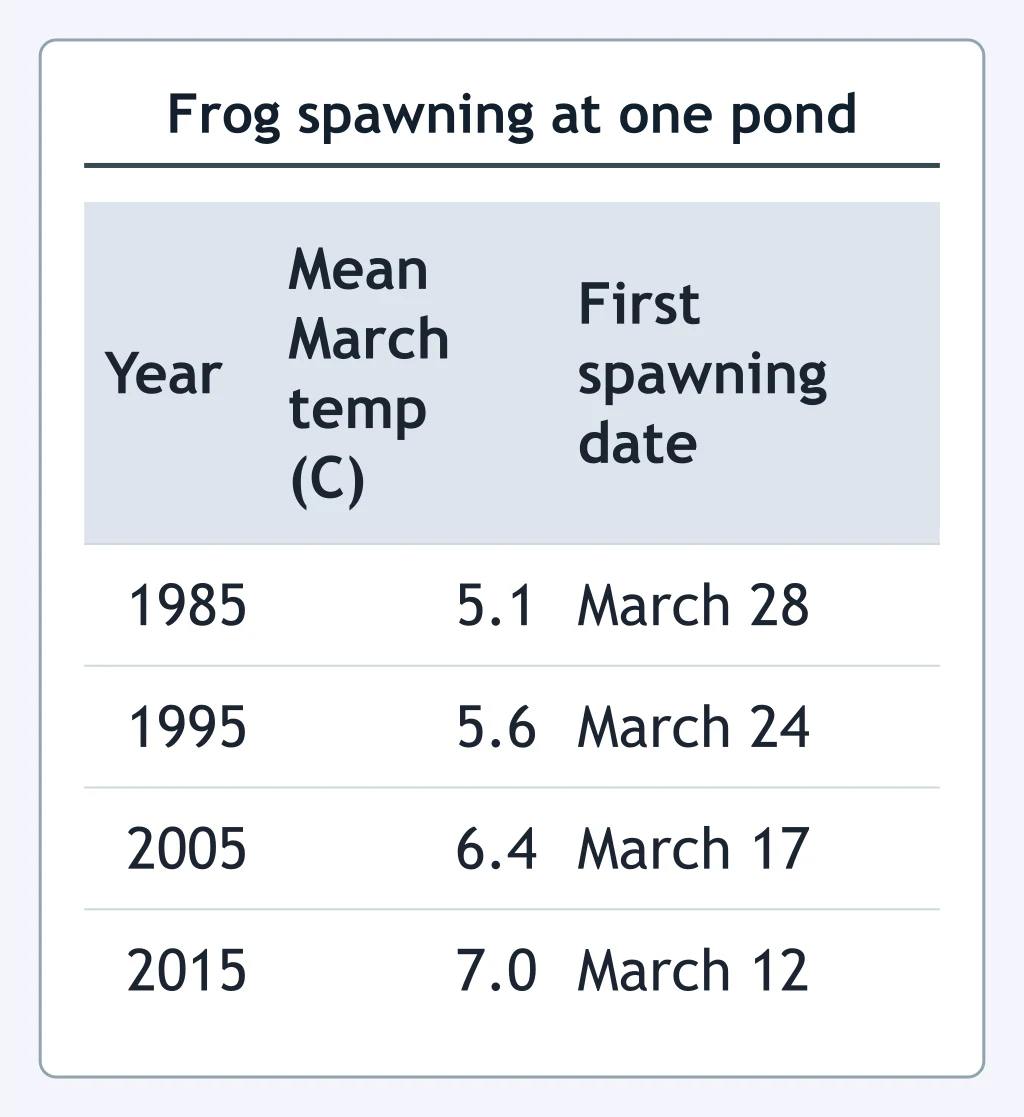
The table records mean March air temperature and the date frogs first spawned at one pond. Which statement goes beyond what this data supports?
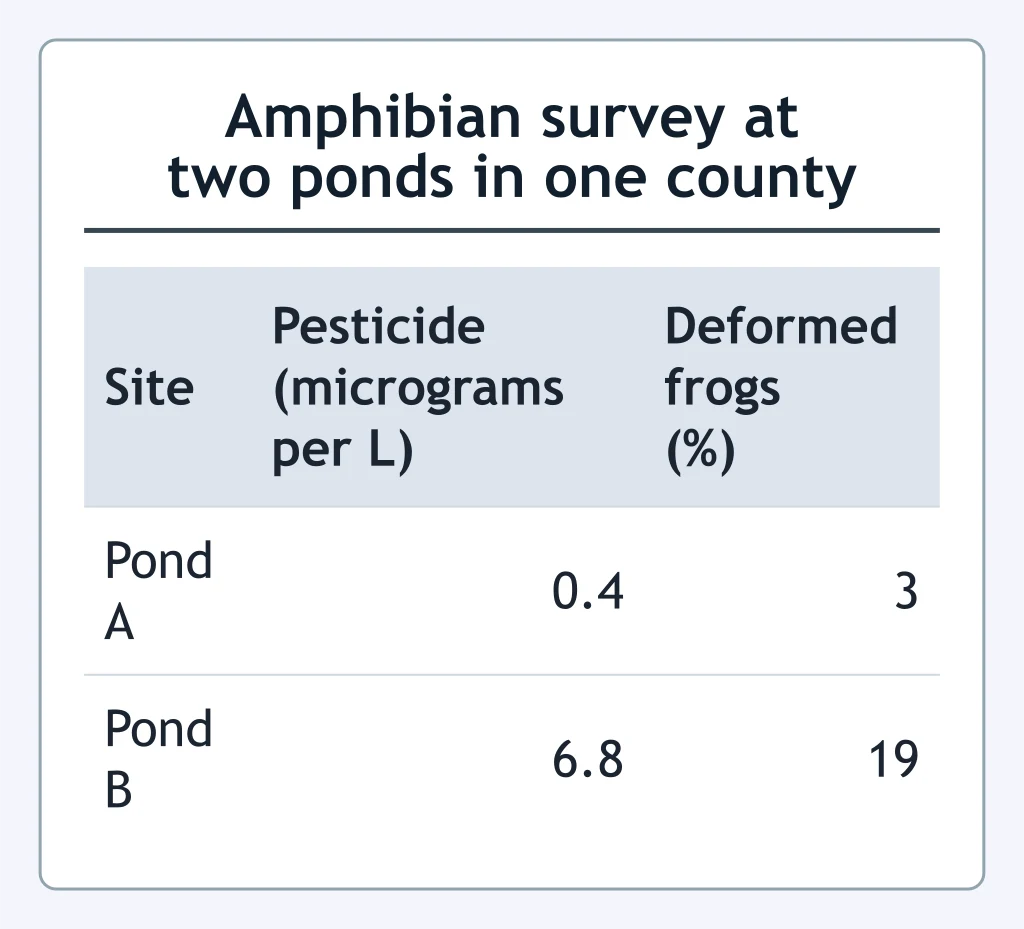
Two ponds in the same county were surveyed on the same day, as the table shows. Which conclusion goes beyond what this data supports?
A farm drains and fills the wetland between its fields and a creek and plants crops on the ground. Rainfall and fertilizer use do not change. What is the most likely consequence for the creek?
Along one stretch of coast, sea otters were hunted out. Otters eat sea urchins, and the urchins graze on kelp. What is the most likely consequence for the kelp forest and the animals living in it?
A small mammal lives only on cool talus slopes near the tops of isolated desert mountains, and its lower elevation limit is moving upslope as the region warms. What is the likely outcome on the lowest ranges?
Each summer a lake ringed by lawns and cropland turns green with algae, and by August its deep water holds almost no dissolved oxygen. Runoff carries phosphorus in. Which measure addresses the cause of the blooms?
A utility's coal-fired plant is one of the largest sources of carbon dioxide in its region. Which measure would actually reduce the carbon dioxide the region adds to the atmosphere?
A new highway cut a forest reserve into two blocks. Ten years later the forest cat population on each side is small, and the two no longer breed with each other. Which measure addresses the cause?
Crack the passcode before the zombies get in.
Answer, then swat bugs for bonus points.
Race through questions at your own speed.
Same question on every screen. Fastest wins.

Pick a tile, answer, hit bonuses and steals.
The Respiratory System
20 questions