Loading
by BlastRoom
Name the biome from its temperature, rainfall and characteristic plants and animals.
#biology
40 questions
One question set, multiple game modes. Tap any game to see it in action. Not sure which to pick?
Answer to place stones and capture territory.
Outrun the snow together.
Earn blasts, then hunt the other team.
Answer to earn energy, then climb.

The class blasts through walls together.
Bid on mystery lots. Most money wins.
Sell tours. Nice, standard, or a total scam.

Answer, restock, and serve the rush.
More correct answers pulls the rope your way.
Answer, then shoot down the alien wave.
Answer, then tap to leap the frozen ridge.
A weather station records 23 cm of precipitation a year, summer daytime highs above 40 degrees C, and nighttime lows near 8 degrees C within the same 24 hours. Which biome does this record describe?
Rain falls in every month of the year, totaling about 340 cm, and every monthly average temperature sits between 25 and 27 degrees C. Which biome has this climate record?
A site averages 50 cm of precipitation a year, much of it as snow. January averages -25 degrees C, July averages 15 degrees C, and the frost-free season lasts about three months. Which biome is this?
Annual precipitation at a site is 18 cm, the warmest month averages 7 degrees C, the coldest averages -28 degrees C, and the ground below about 50 cm stays frozen all year. Which biome is this?
Monthly temperatures stay between 22 and 30 degrees C all year, and nearly all of the 90 cm of annual rainfall arrives in one wet season, with five months receiving almost none. Which biome is this?
Winters at a coastal site are mild and wet, summers hot and dry. About 45 cm of rain falls between November and March, and July averages 24 degrees C with almost no rain. Which biome is this?
Yearly precipitation is 55 cm, most of it in late spring. July averages 24 degrees C and January averages -8 degrees C. Deep dark soils are rich in organic matter and fires are frequent. Which biome?
A station records 110 cm of precipitation spread fairly evenly through the year, a warmest month averaging 24 degrees C, a coldest month of -3 degrees C, and several months of hard frost. Which biome?
Site A receives 25 cm of precipitation a year and its warmest month averages 6 degrees C. Site B receives 22 cm and its warmest month averages 38 degrees C. Which pair names Site A and then Site B?
Two stations each record about 55 cm of precipitation a year. Station 1 averages -22 degrees C in January. Station 2 has mild rainy winters near 10 degrees C and hot rainless summers. Name Station 2's biome.
A treeless plain is covered by low mats of lichen, moss, sedge and dwarf willow. Caribou graze it, arctic foxes hunt it, and mosquitoes swarm over shallow pools in summer. Which biome is described?
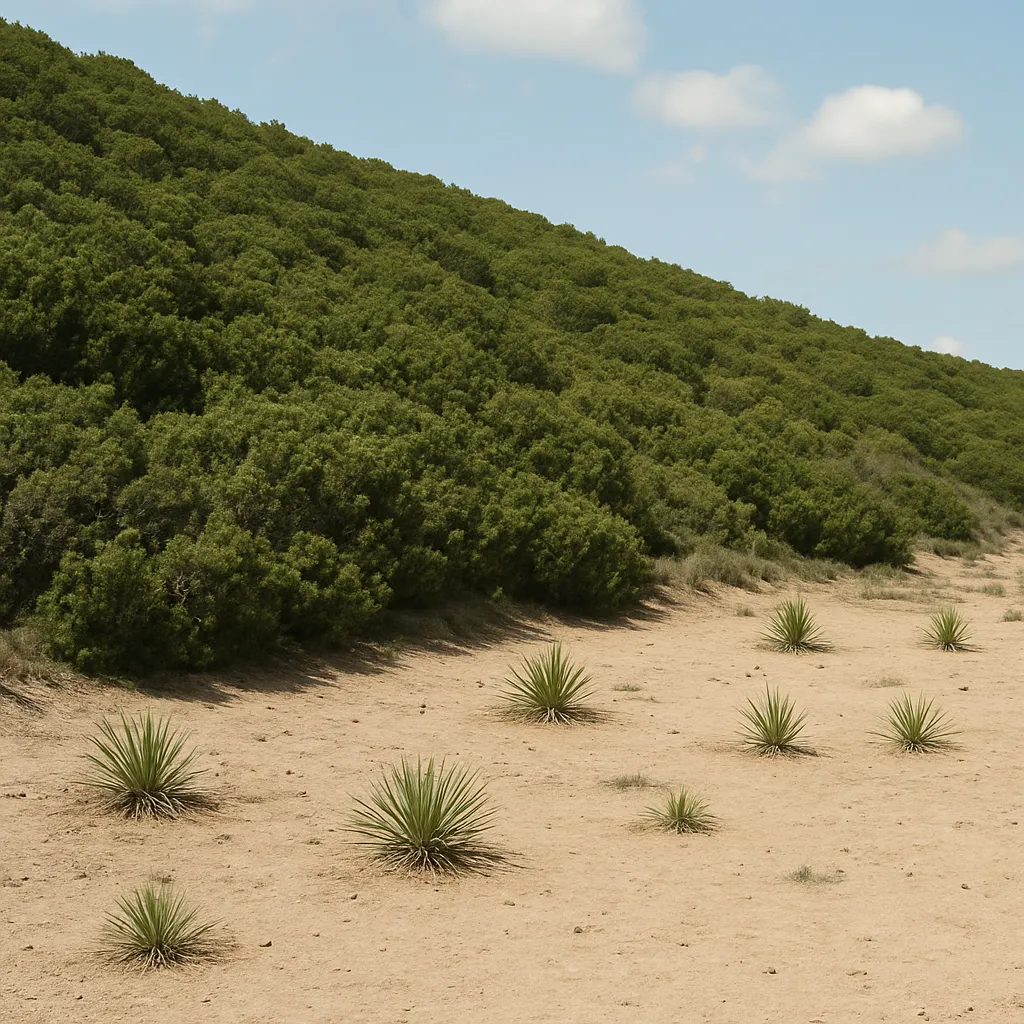
The plant cover is dense evergreen shrubs with small tough waxy leaves that resprout from underground burls after a fire. Scrub jays, lizards and mule deer are common. Which biome is described?
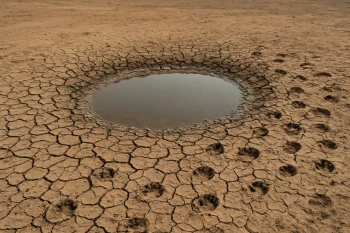
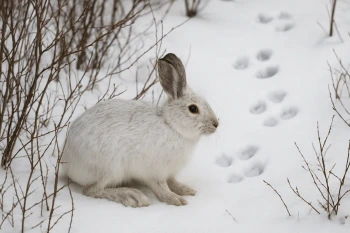
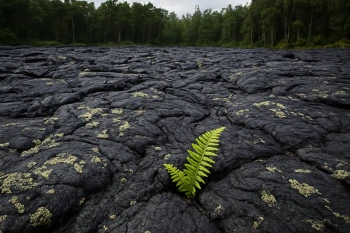
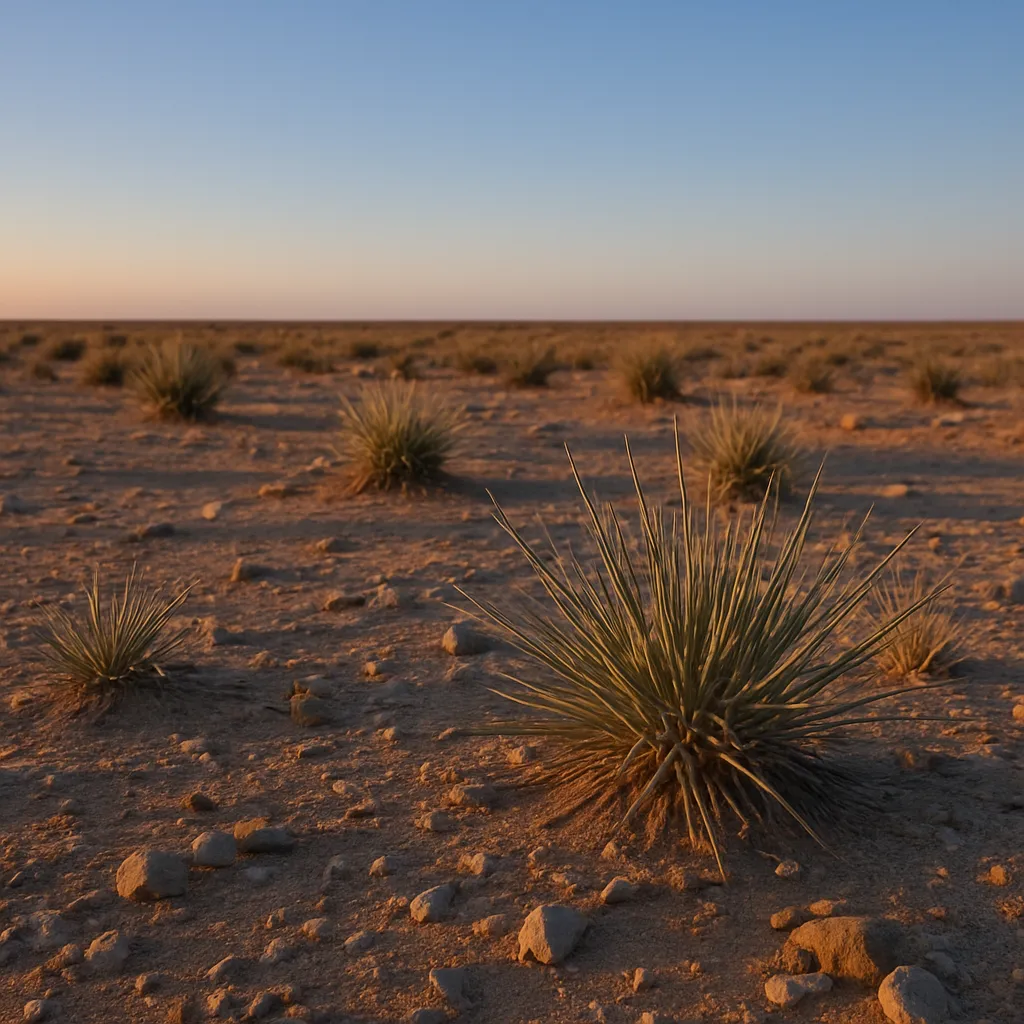
A biologist photographed the vegetation shown while working in the field. Which biome is she standing in?
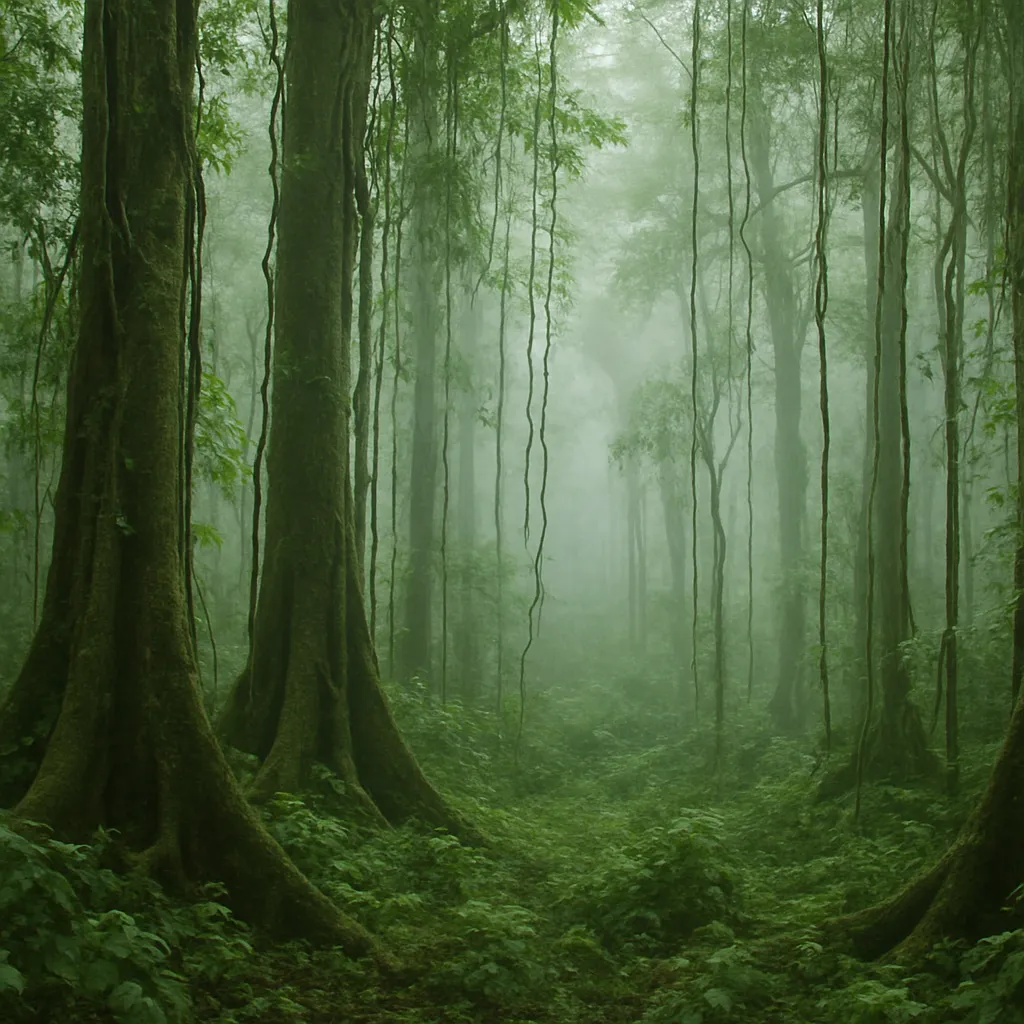
Which biome does the plant community in this landscape belong to?
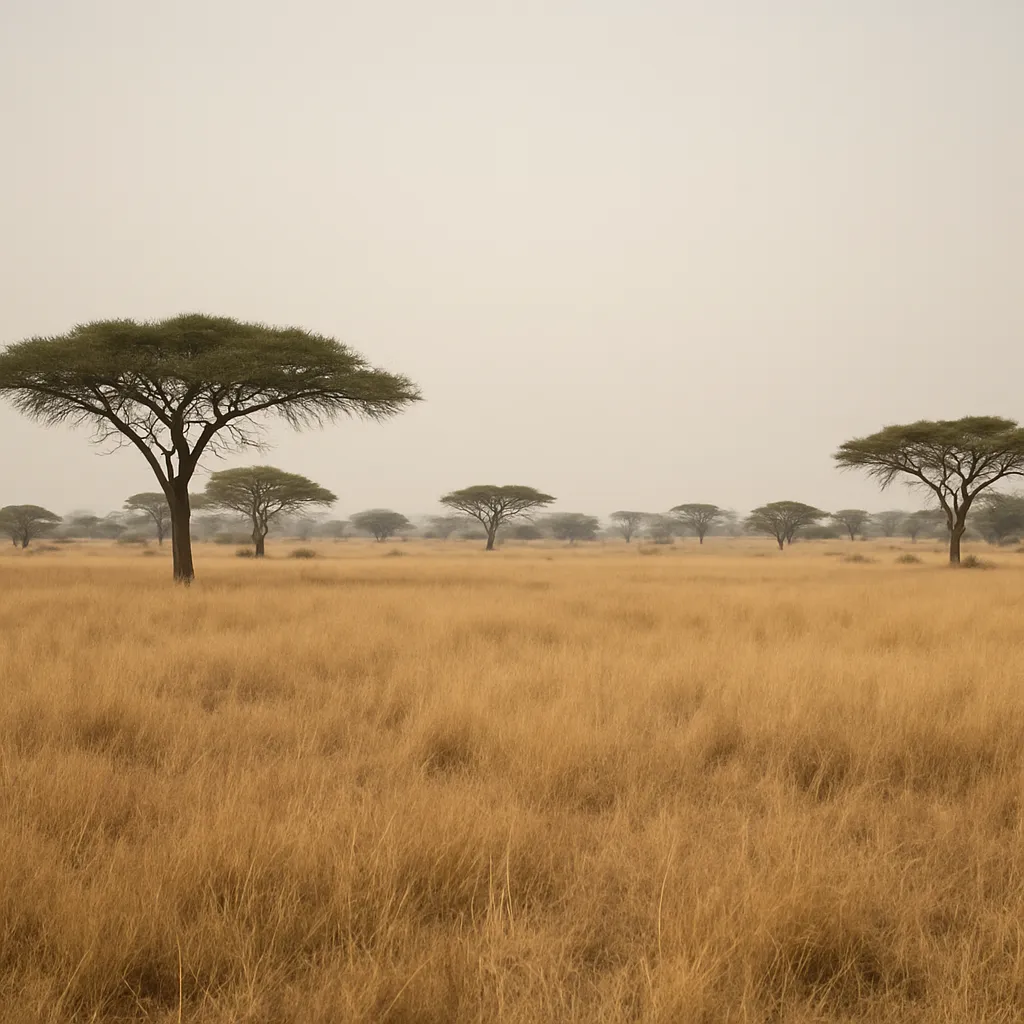
A field team surveying the ground cover shown here would record which biome?
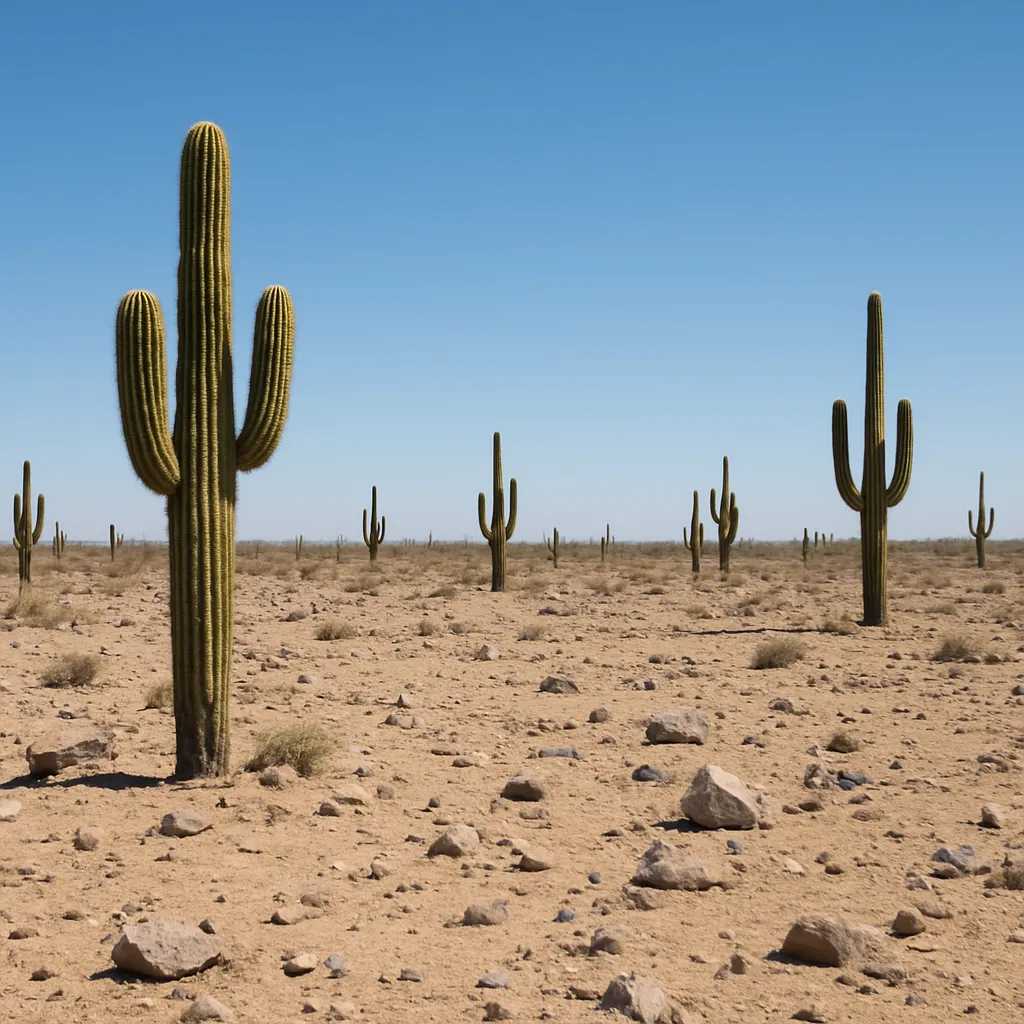
This landscape has no trees at all and its plants grow only a few centimeters tall. Which biome is shown?
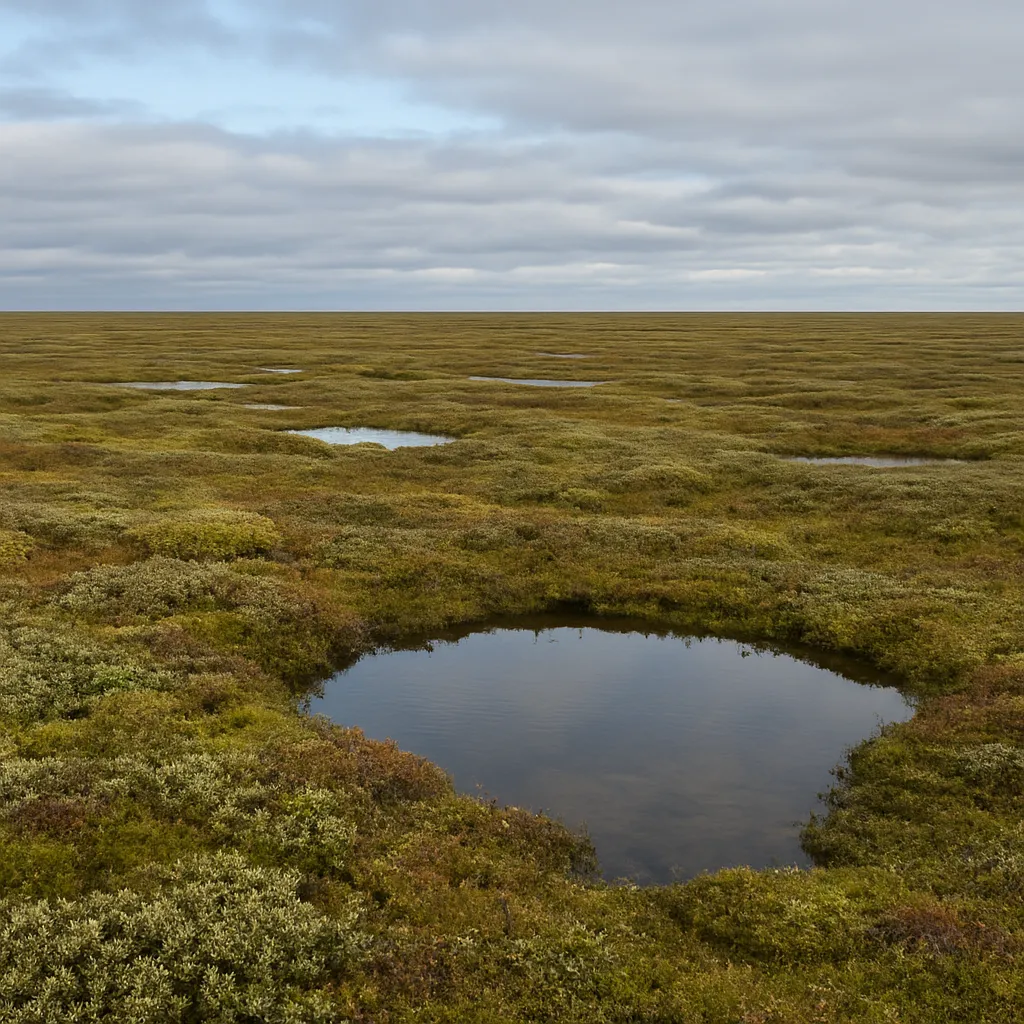
The forest shown is made up almost entirely of cone-bearing trees. Which biome is it?
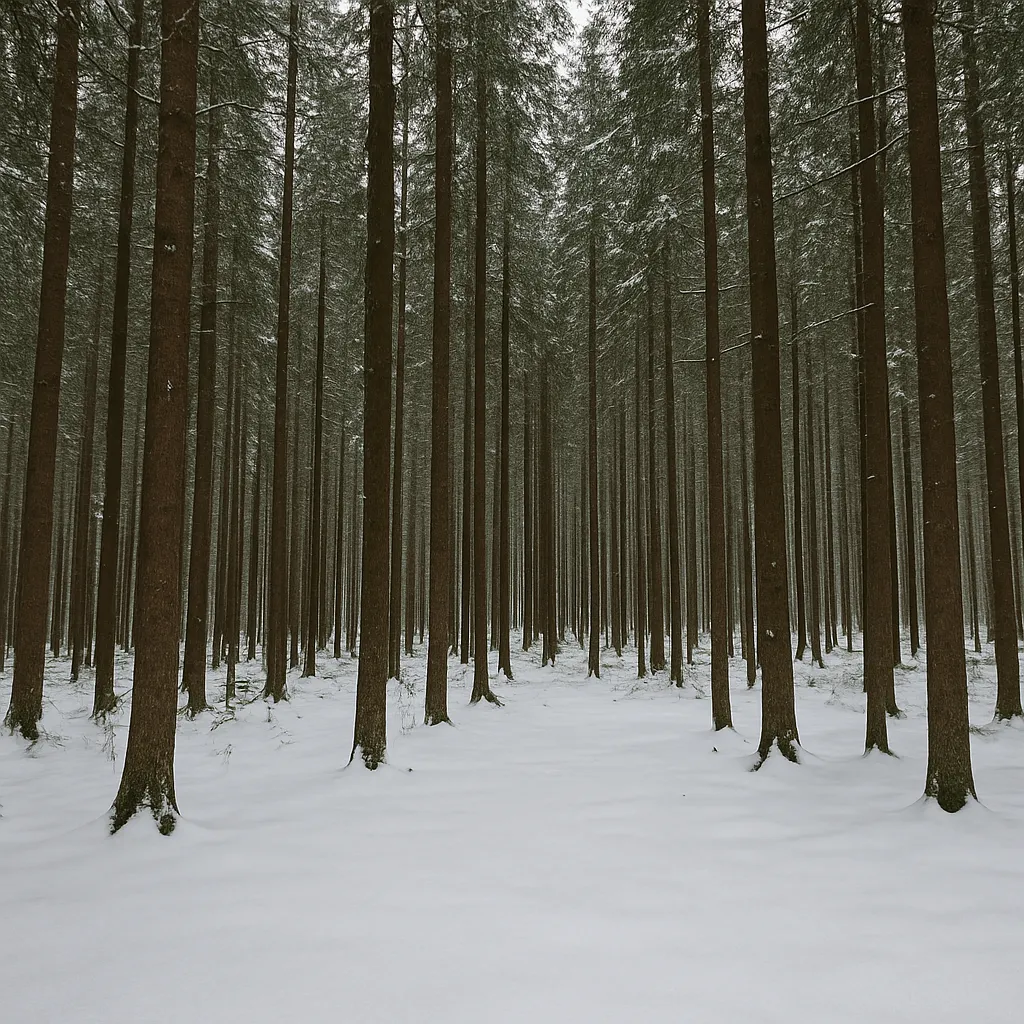
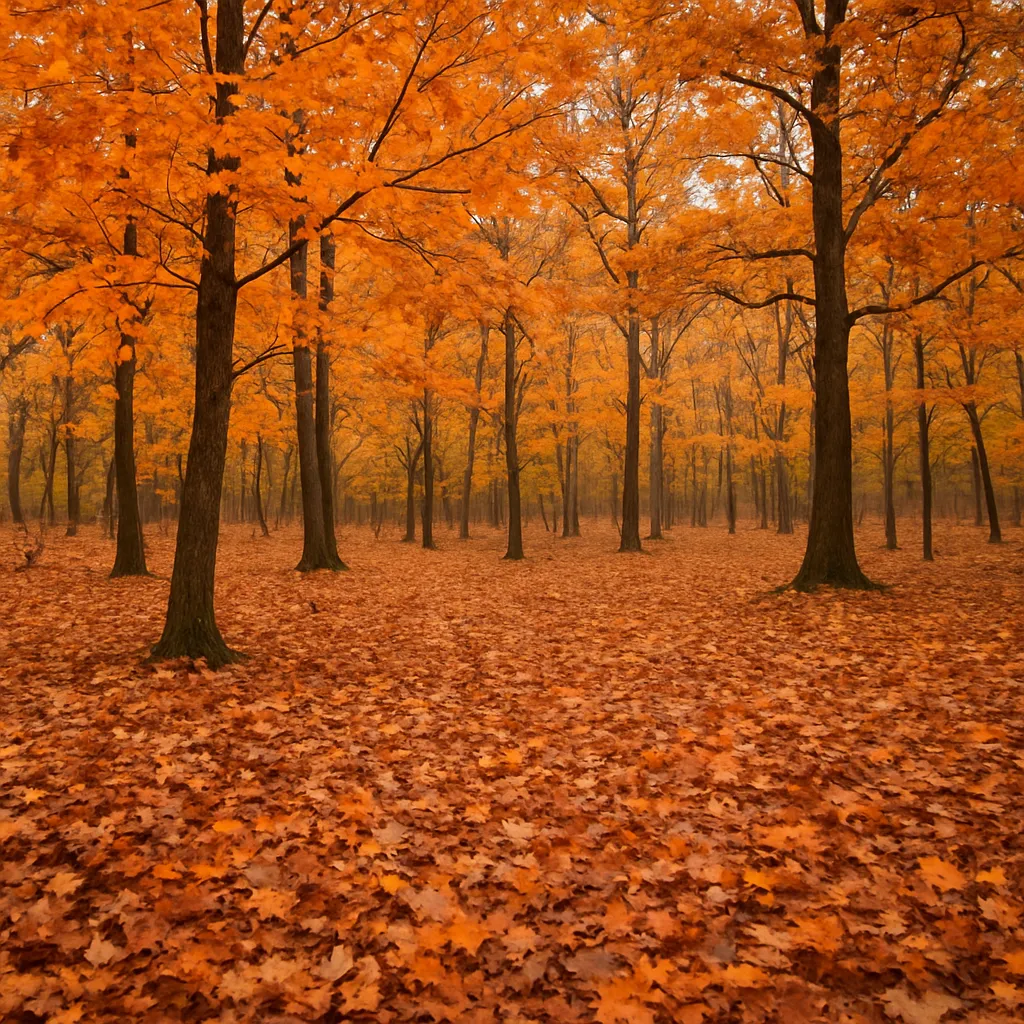
Trees in the forest shown lose all their leaves before winter each year. Which biome is pictured?
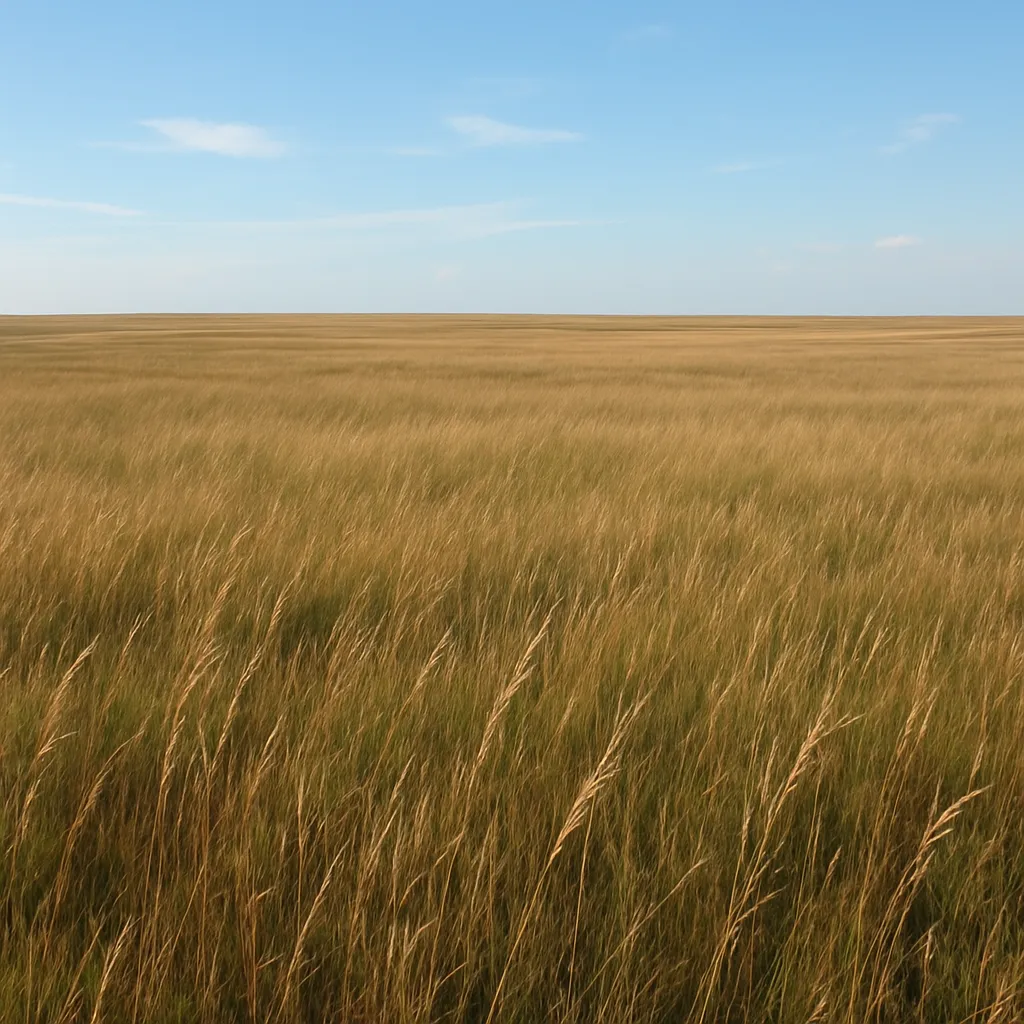
Grasses cover this landscape to the horizon and winters here are cold. Which biome is shown?
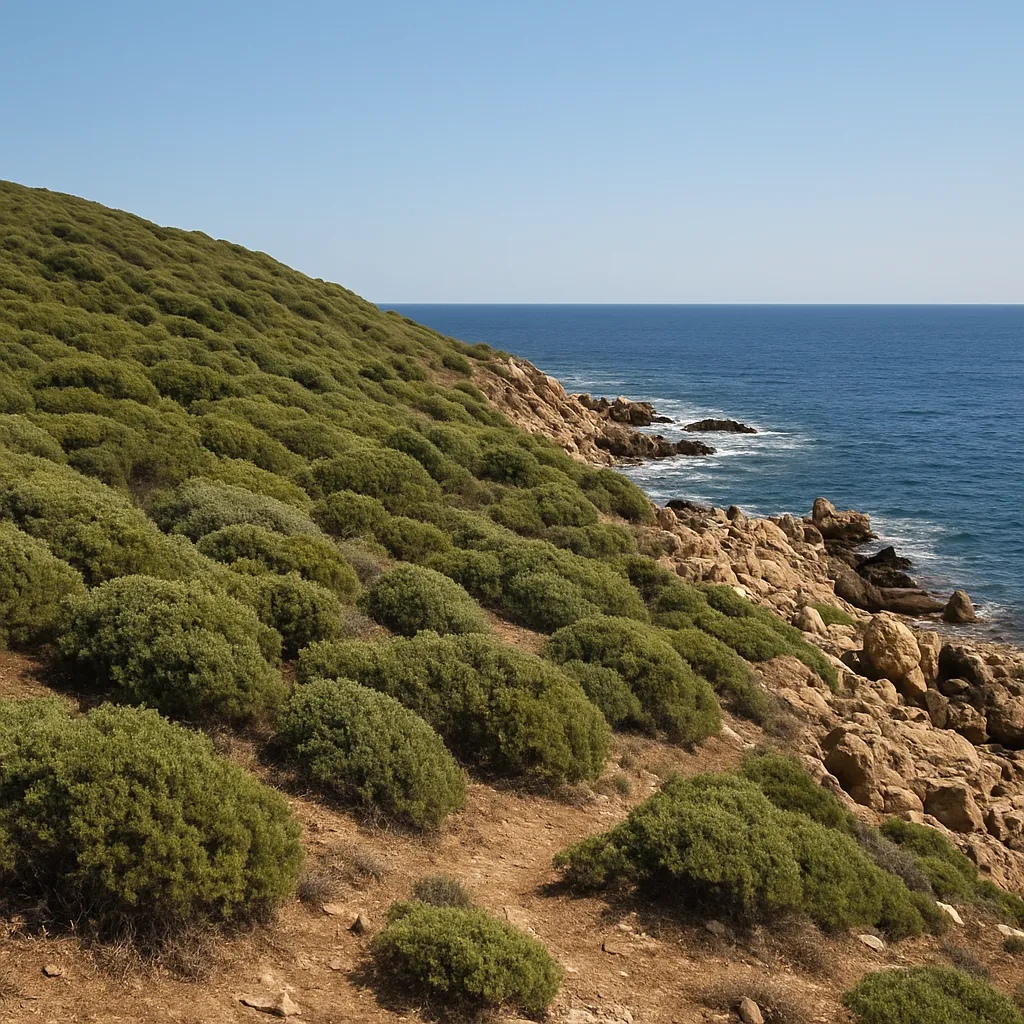
The hillside shown is covered by dense evergreen shrubs about two meters tall. Which biome is it?
A shrub grows under 15 cm tall, spreads shallow roots sideways above a permanently frozen layer, and flowers within days of the snow melting. In which biome does it grow?
A rodent never drinks water. It gets all its water from dry seeds, produces highly concentrated urine, and stays underground during daylight. In which biome would you expect to find it?
A tree has thick fire-resistant bark and drops its leaves during a long dry season, while the grasses beneath it regrow from root crowns after fires. Which biome does this suit?
Which feature would you most expect in a tree growing in the landscape shown?
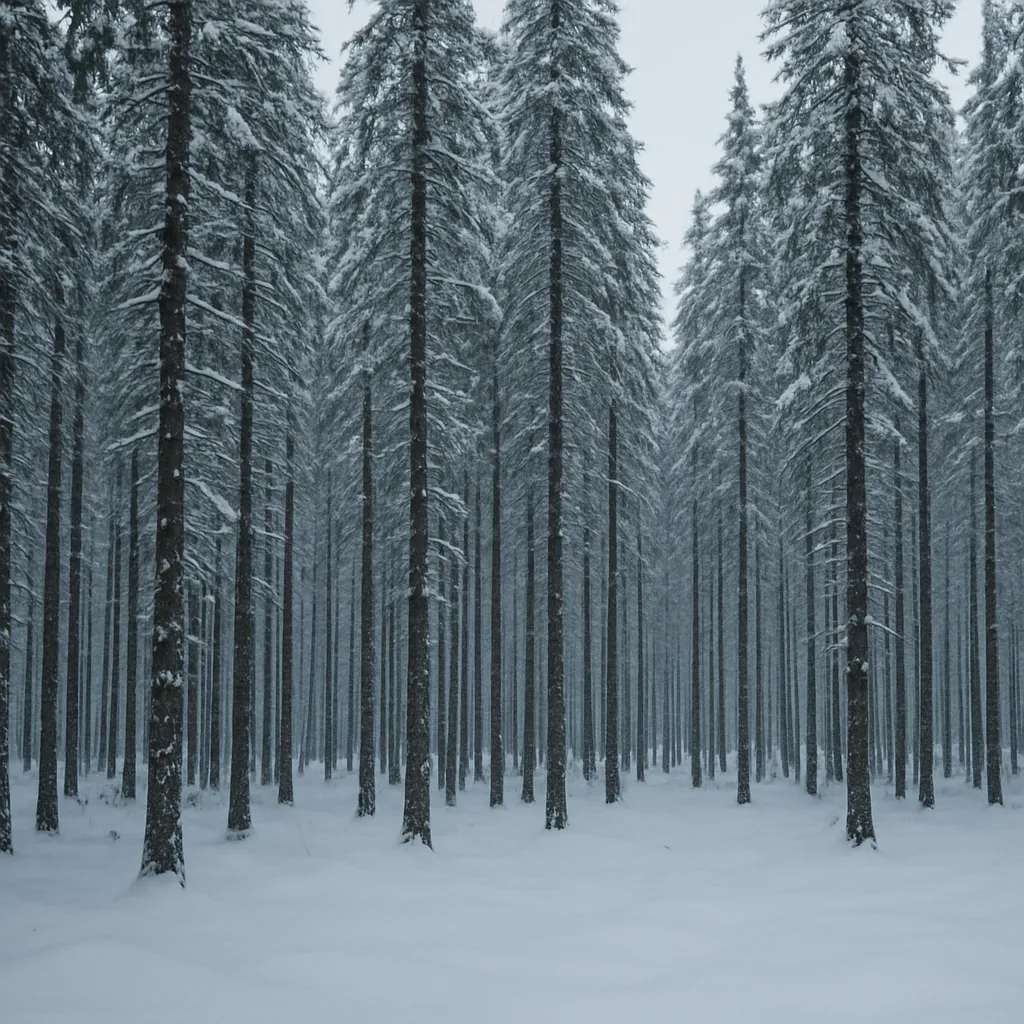
Which adaptation would a plant living in the place shown most likely have?
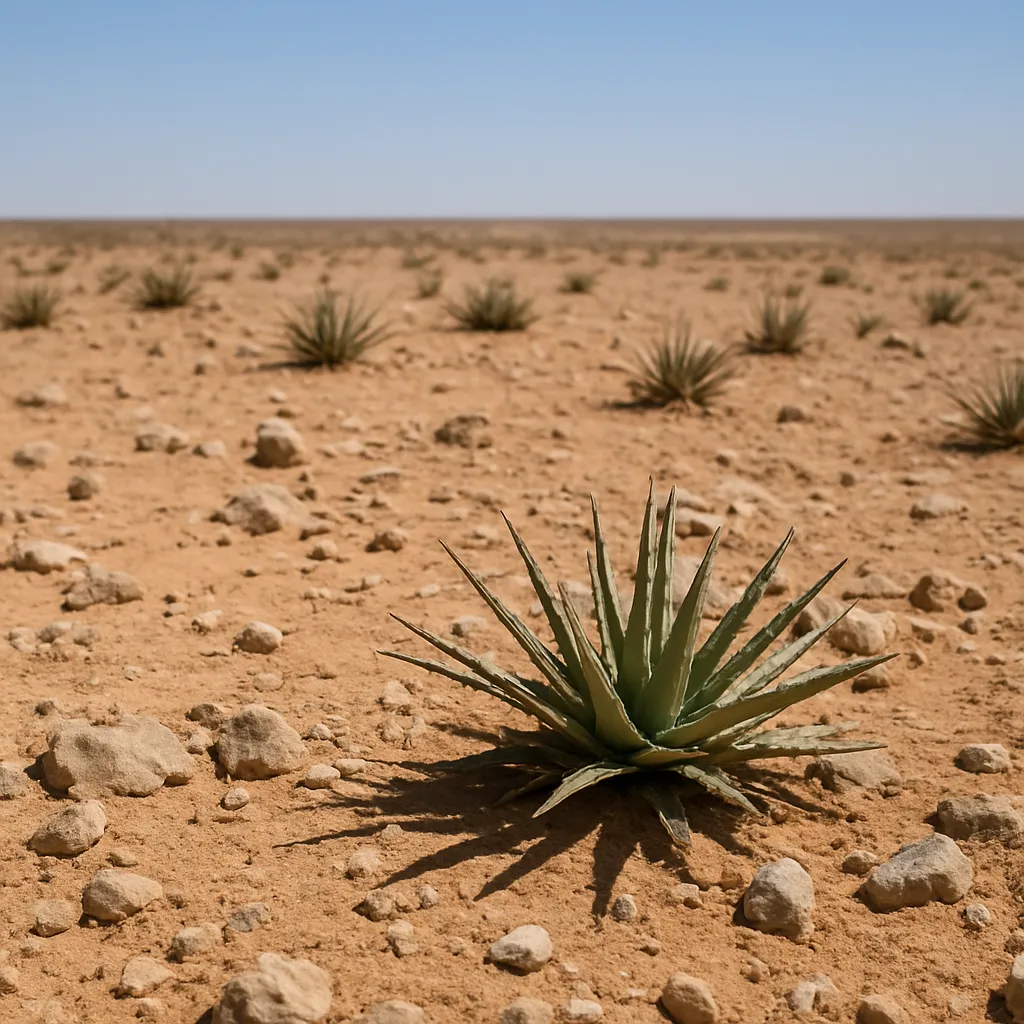
Which leaf feature is most useful to a plant growing in the environment shown?
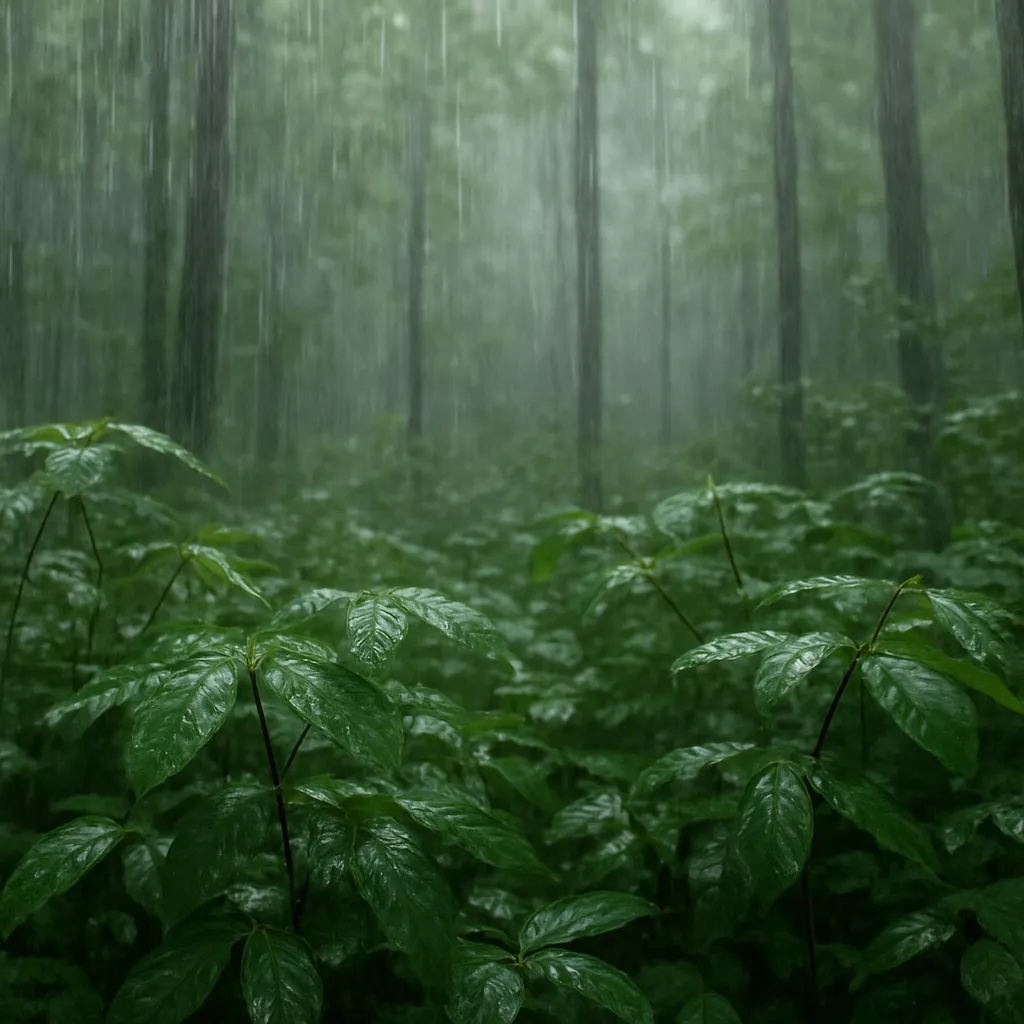
Which body feature would best suit a mammal living year round in the place shown?
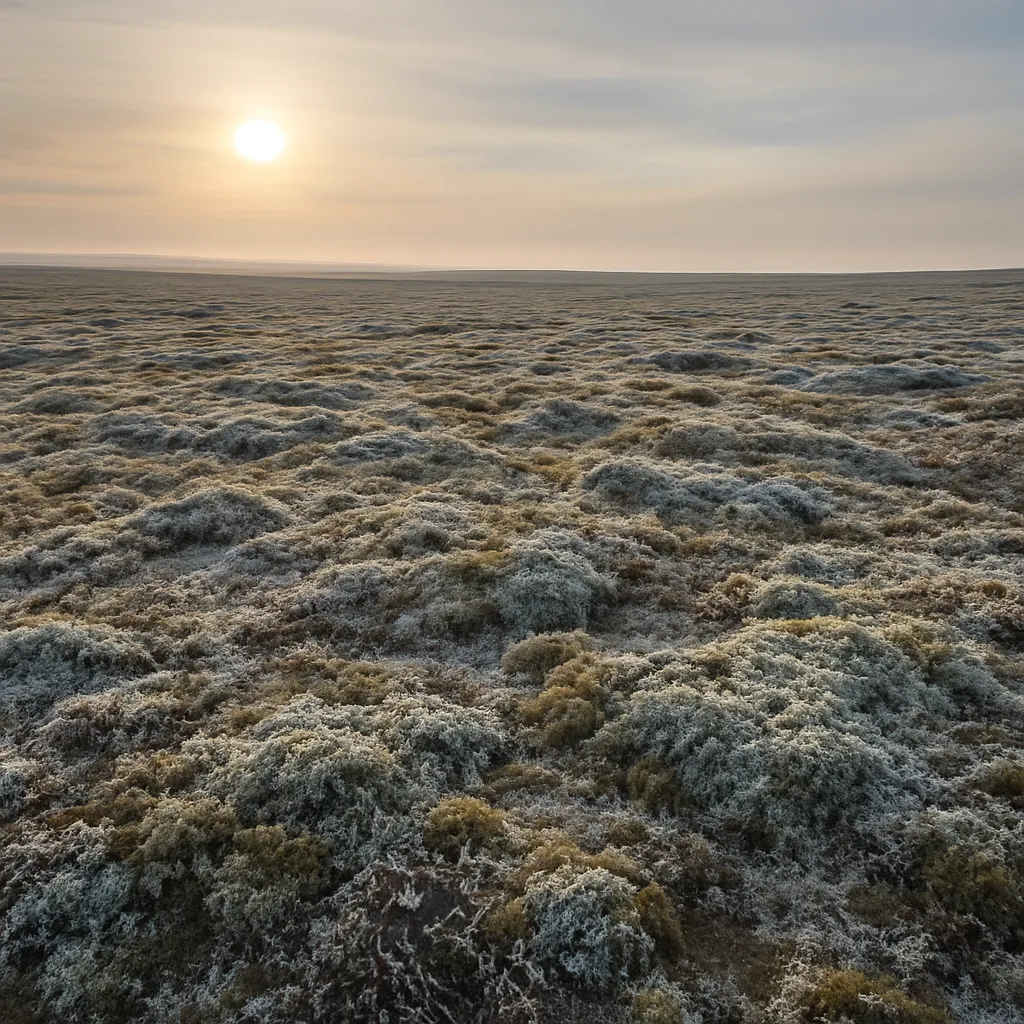
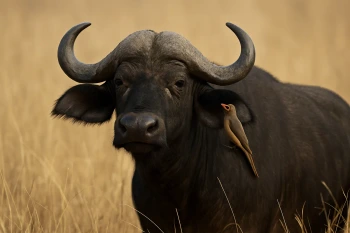
Which set of traits would best suit a large plant-eating mammal in the landscape shown?
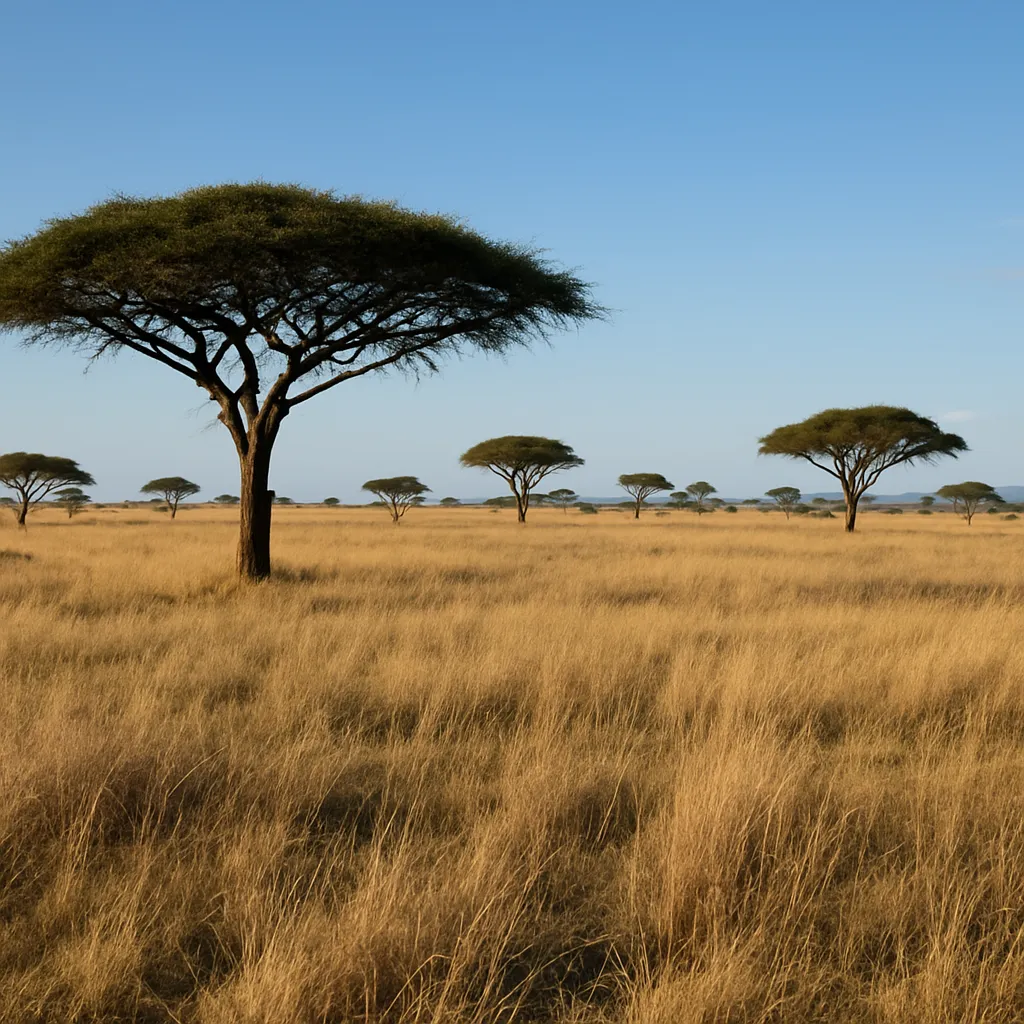
Which description fits the taiga?
In which biome is the soil deep, dark and rich in organic matter because dense grass roots die back and decay in the ground each year?
Which climate record fits the landscape shown?
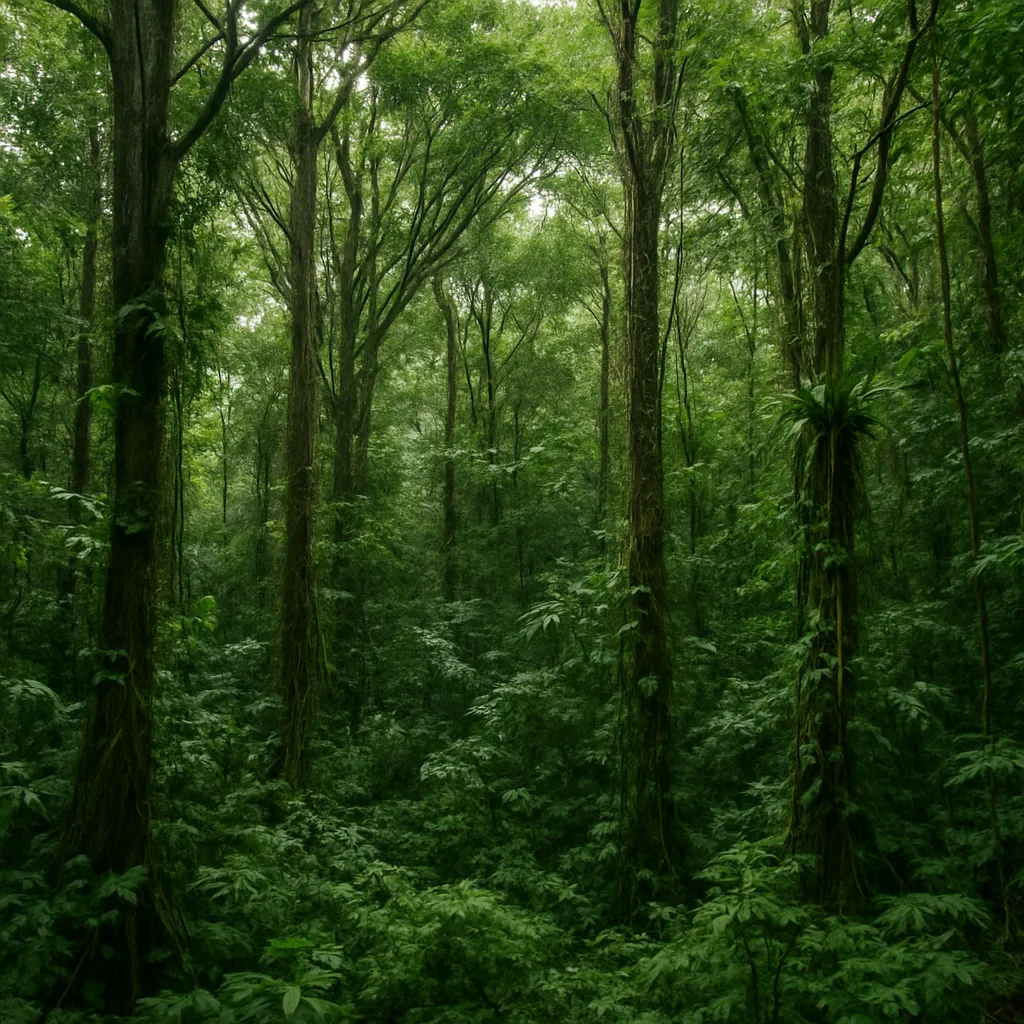
Which climate record matches the place in the photograph?
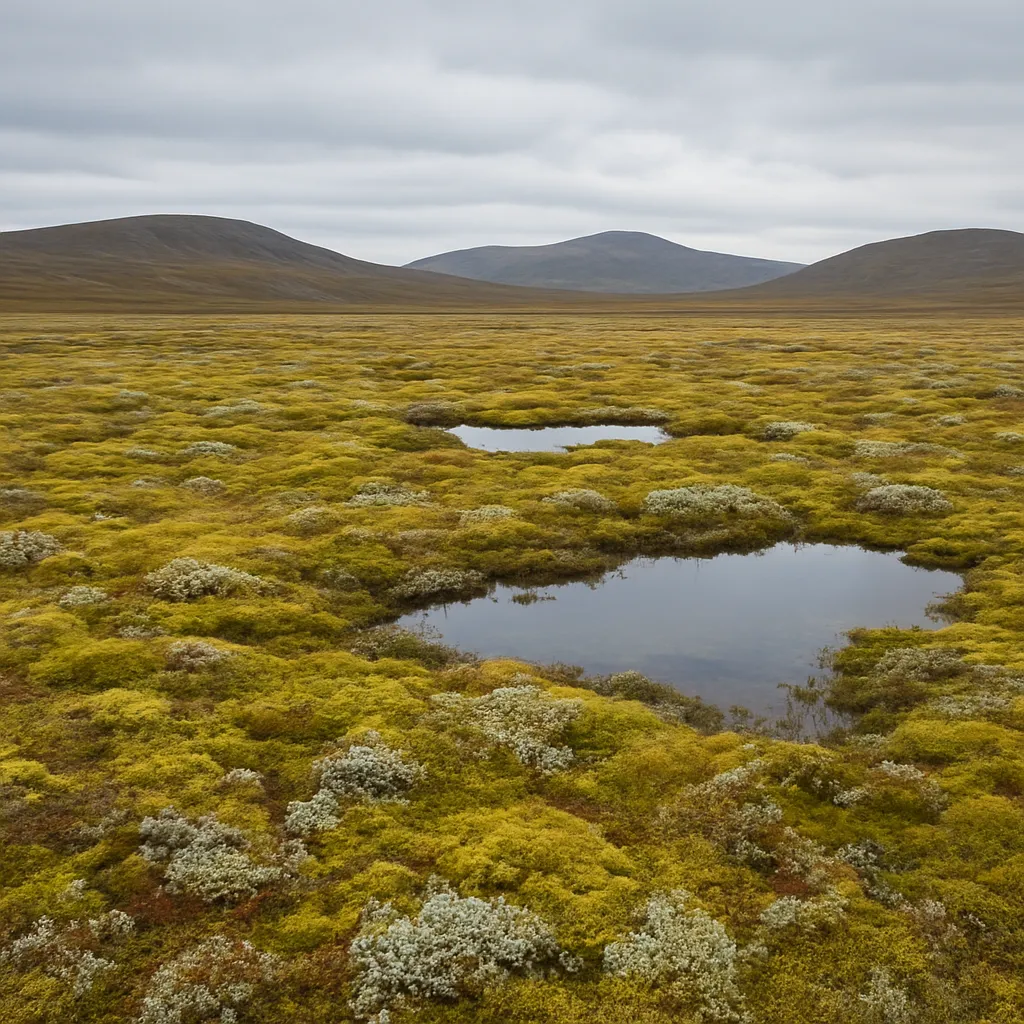
Which set of abiotic conditions produced the forest shown?
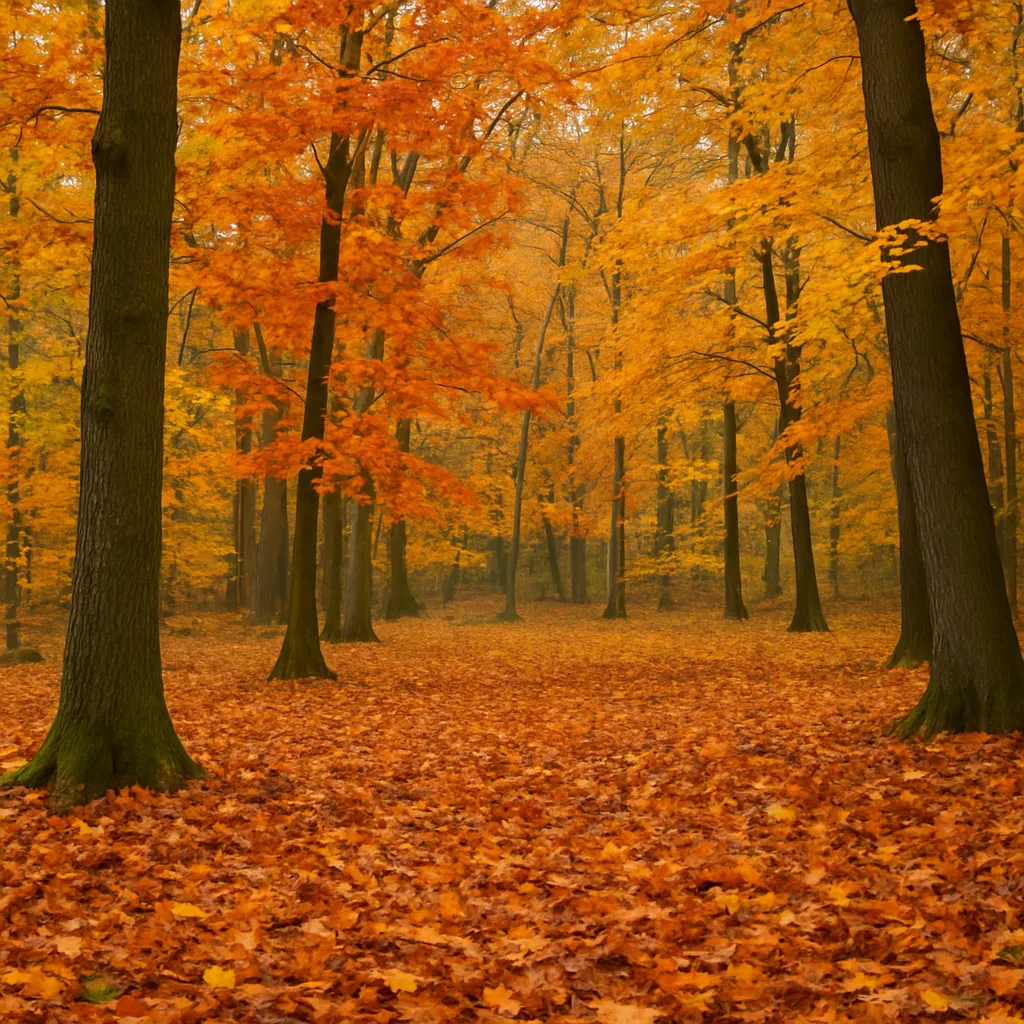
Which statement about the abiotic conditions of the place shown is correct?
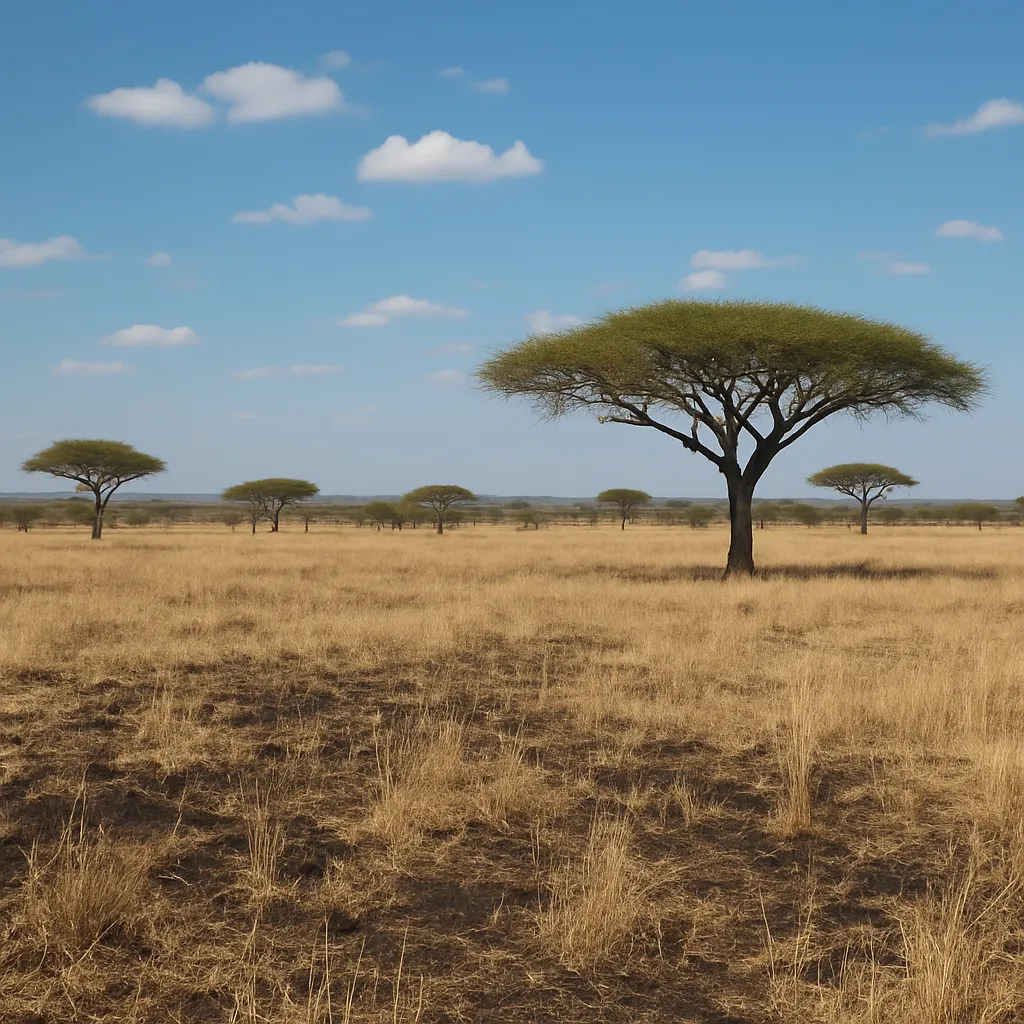
Why does the air temperature in the place shown fall so sharply within a few hours of sunset?
Compared with the tundra, the taiga has which of the following?
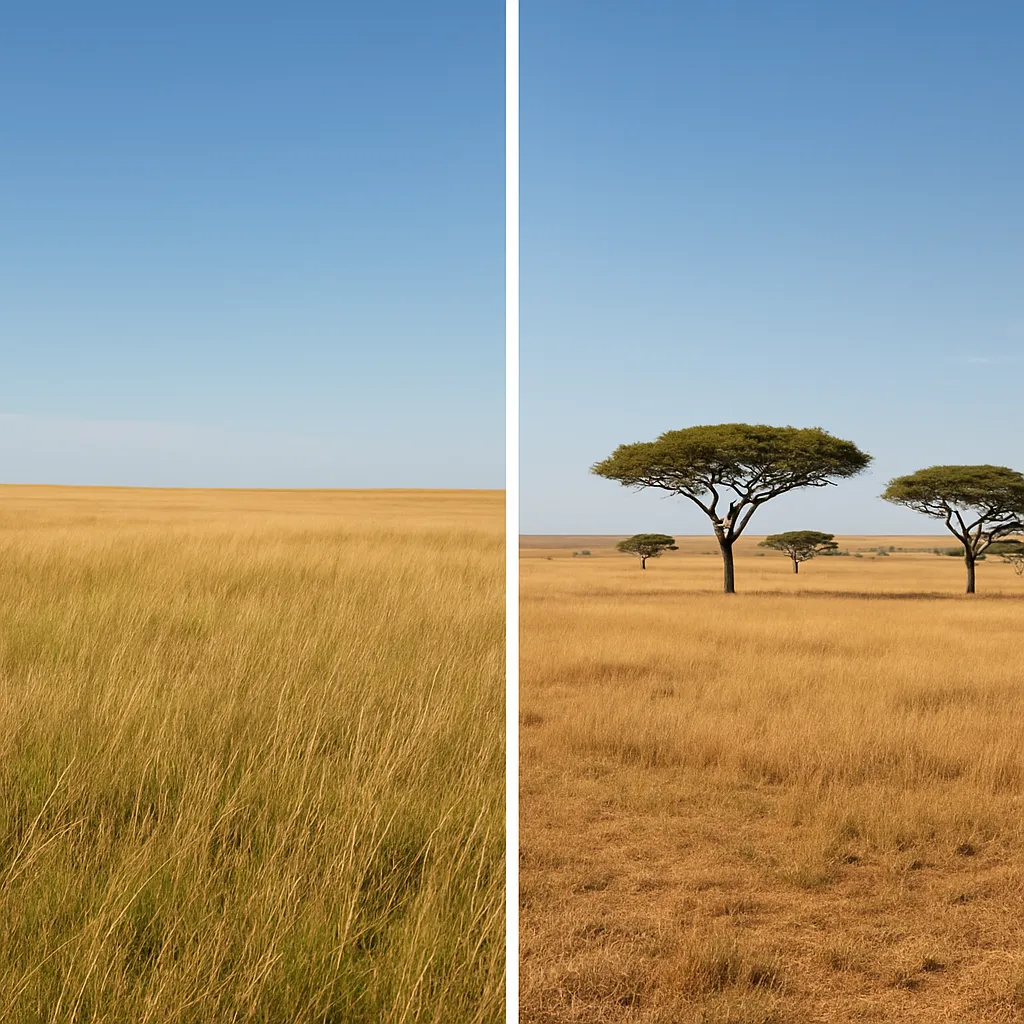
Both landscapes shown are dominated by grasses: a temperate grassland and a savanna. Which difference between the two is correct?
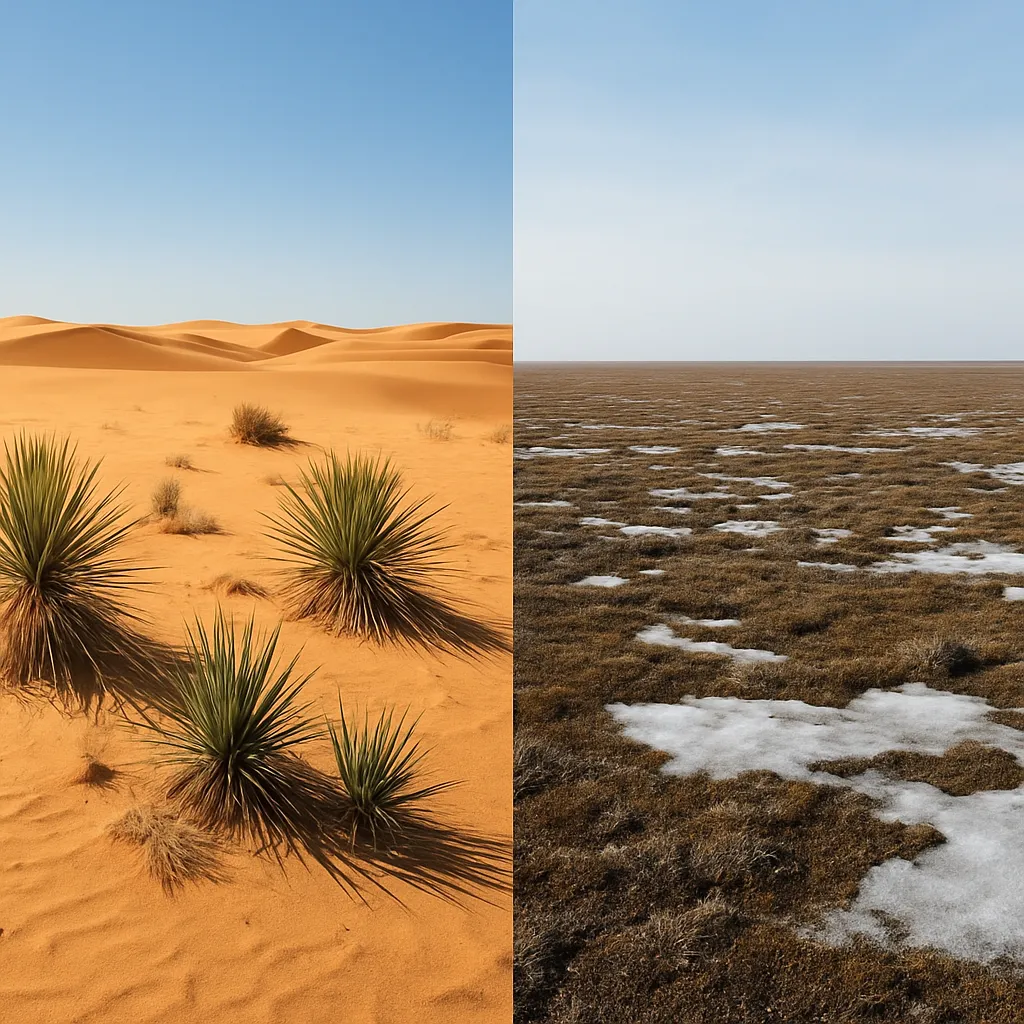
The two places shown, a hot desert and an arctic tundra, both receive under 25 cm of precipitation a year. Which statement correctly distinguishes them?
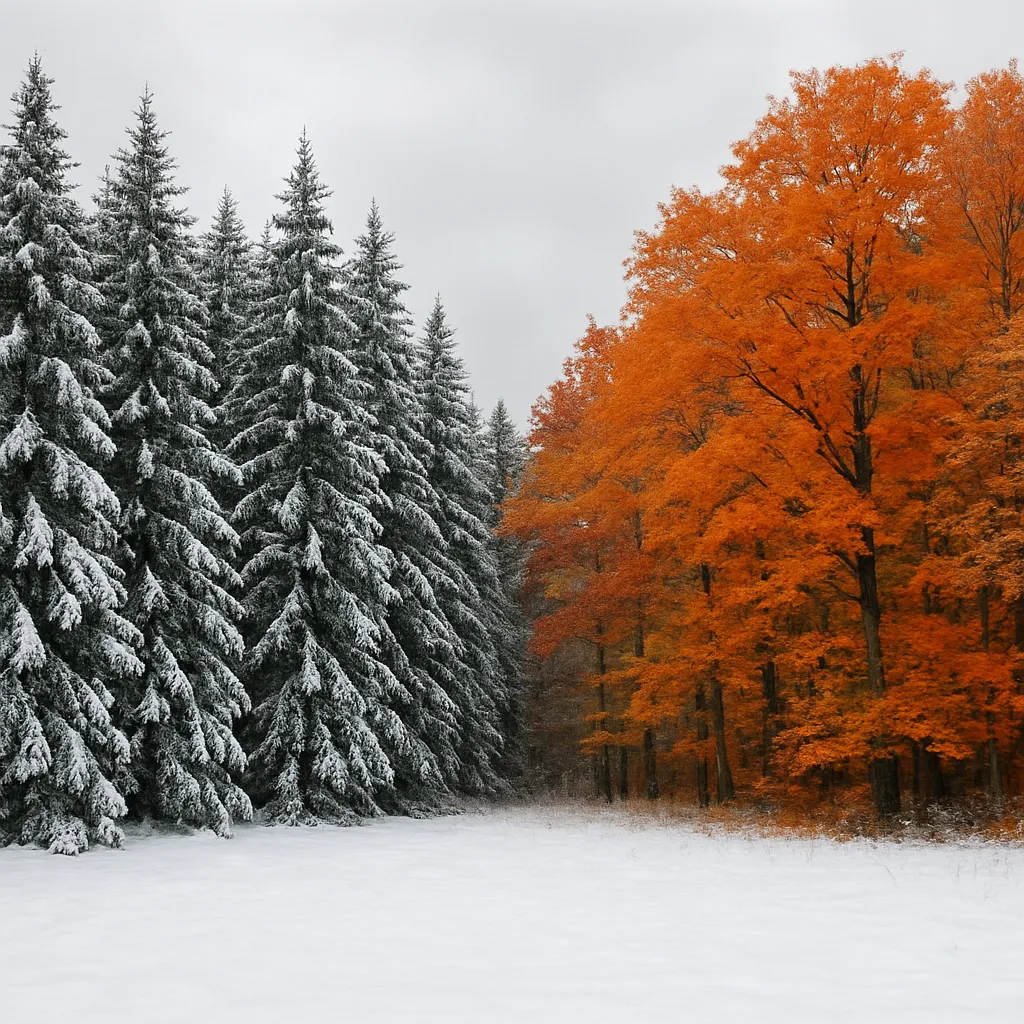
The two forests shown are a taiga and a temperate deciduous forest. Compared with the deciduous forest, the taiga has which of the following?
The two landscapes shown are a chaparral and a desert. Compared with the desert, the chaparral has which of the following?
Crack the passcode before the zombies get in.
Answer, then swat bugs for bonus points.
Race through questions at your own speed.
Same question on every screen. Fastest wins.

Pick a tile, answer, hit bonuses and steals.
Biodiversity and Extinction
20 questions