Loading
by BlastRoom
What makes a species invasive, how it spreads and what it does to the native community.
#biology
20 questions
One question set, multiple game modes. Tap any game to see it in action. Not sure which to pick?
Answer to place stones and capture territory.
Outrun the snow together.
Earn blasts, then hunt the other team.
Answer to earn energy, then climb.

The class blasts through walls together.
Bid on mystery lots. Most money wins.
Sell tours. Nice, standard, or a total scam.

Answer, restock, and serve the rush.
More correct answers pulls the rope your way.
Answer, then shoot down the alien wave.
Answer, then tap to leap the frozen ridge.
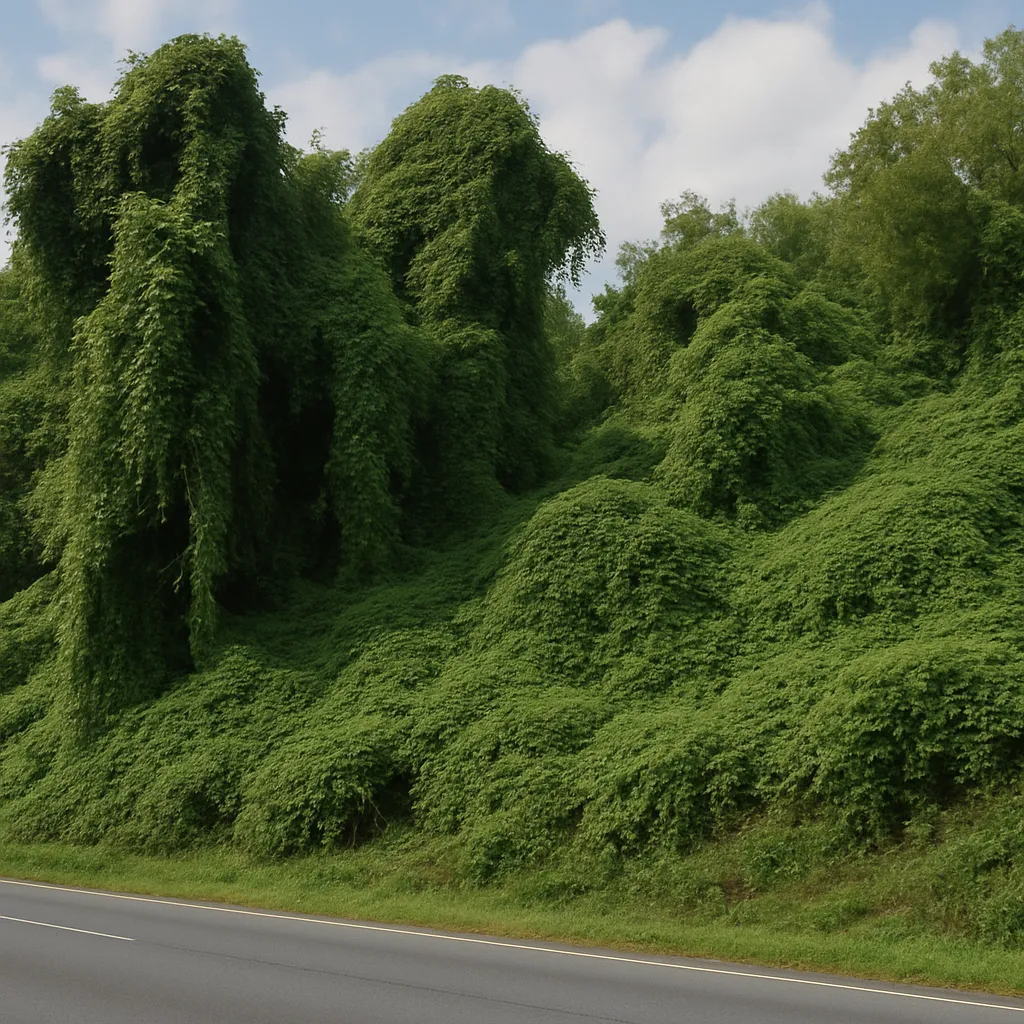
The vine in the photograph was brought to the southeastern United States from Asia and now blankets whole hillsides. Which combination of characteristics best explains how it spread so far?
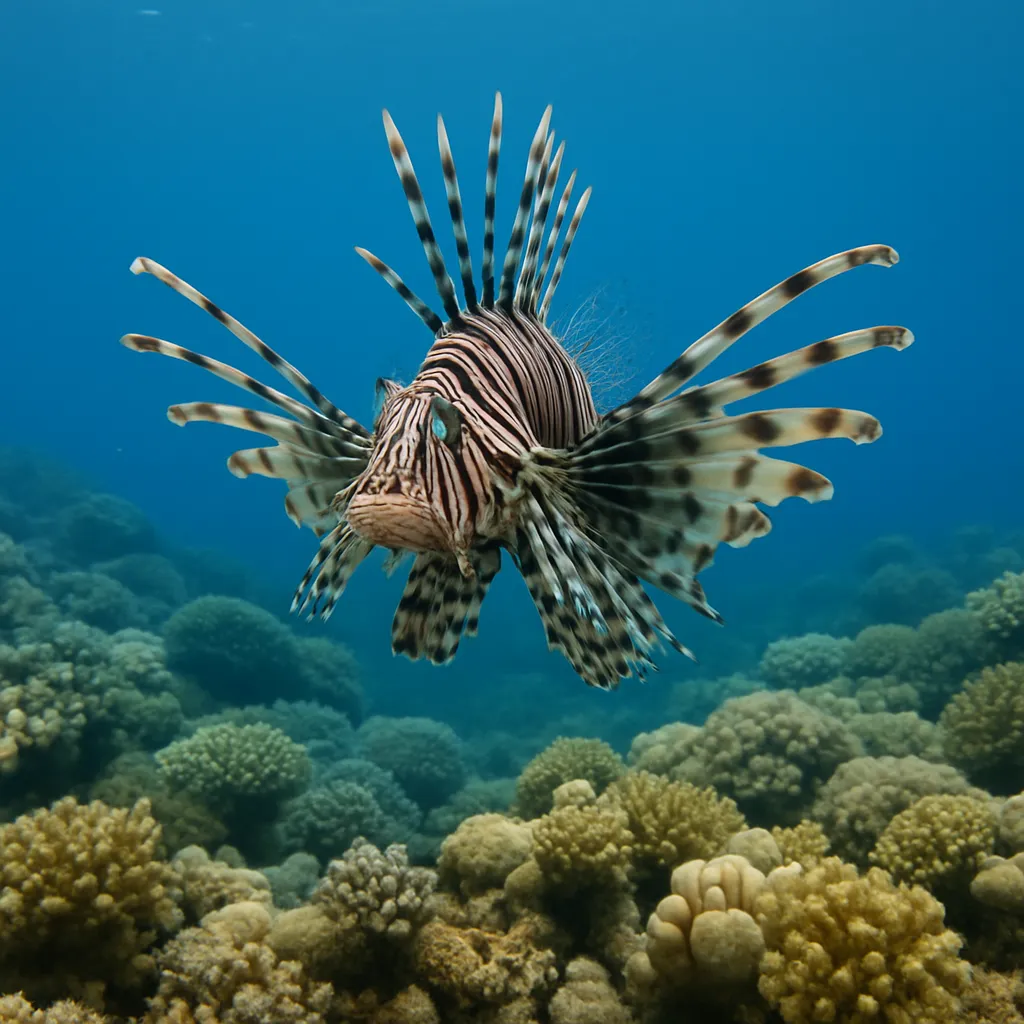
The striped fish in the photograph is native to the Indo-Pacific and is now common on Caribbean reefs. Which trait best accounts for its rapid spread there?
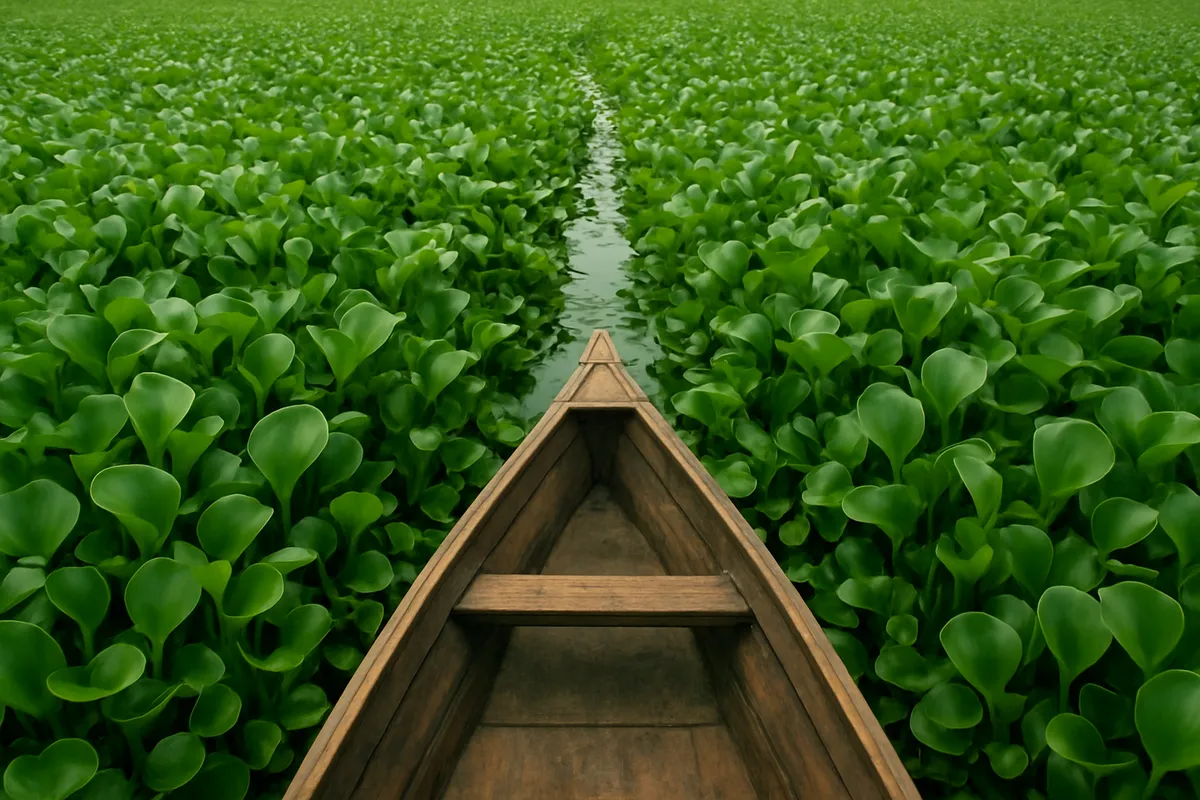
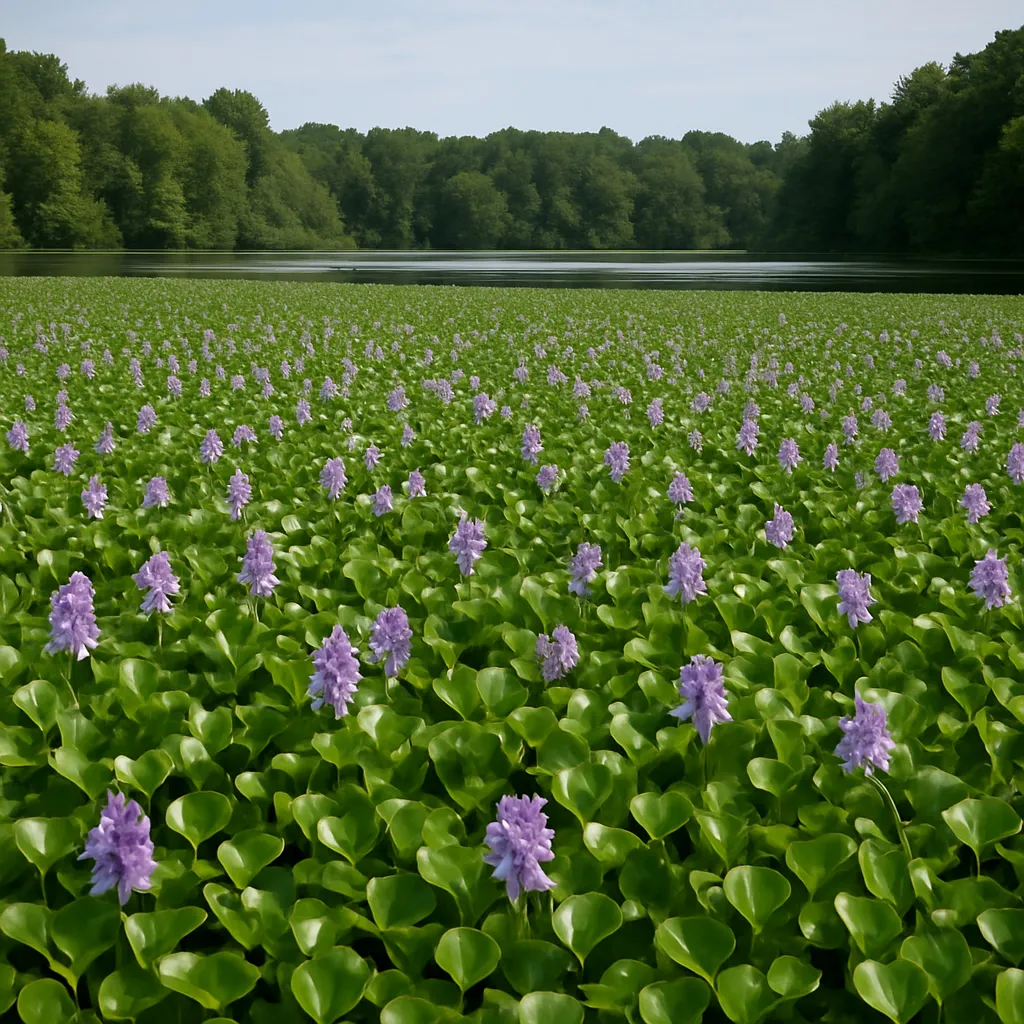
The floating plant in the photograph is native to South America and now covers this lake surface. Which characteristic best explains how a few plants became a mat covering many square kilometers?
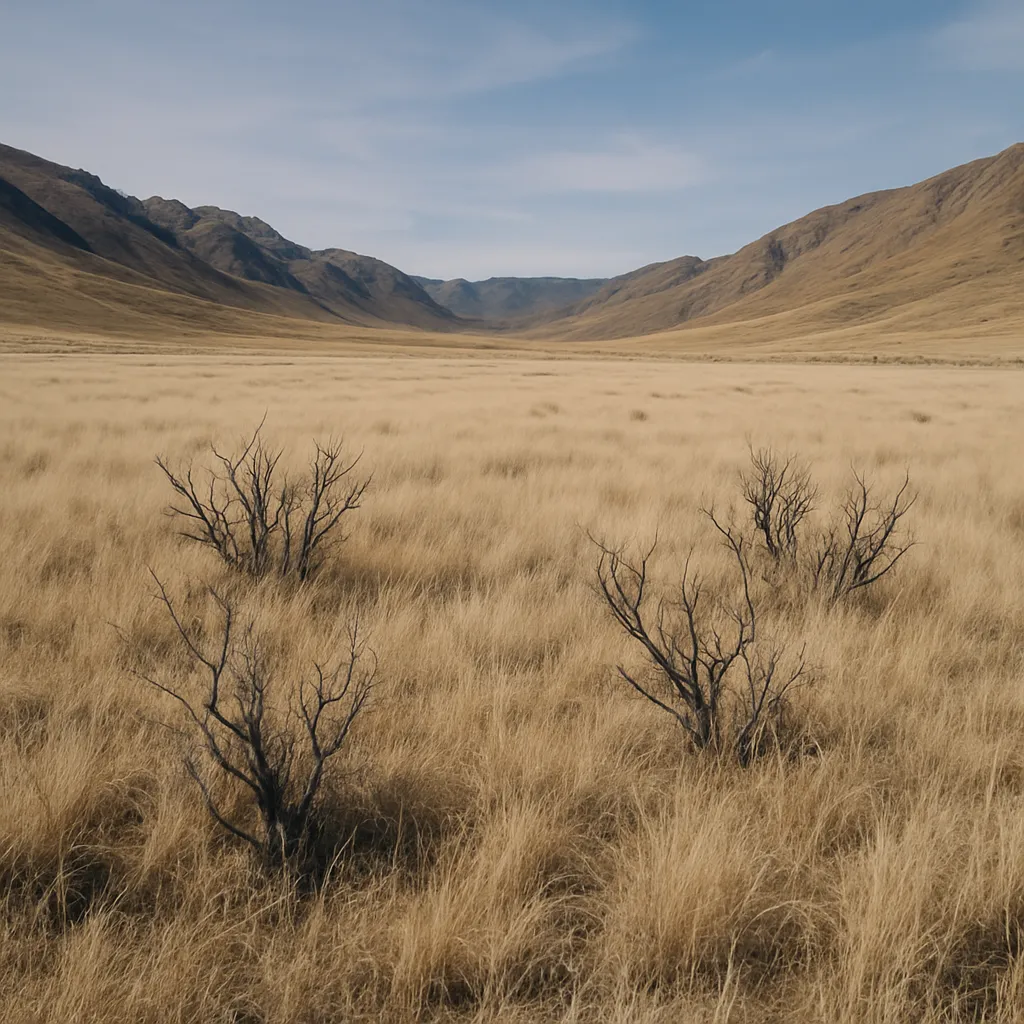
The photograph shows a Great Basin valley where a Eurasian annual grass has replaced most of the sagebrush. Which trait of the grass best explains why it keeps the ground after a fire sweeps through?
Cane toads were released in Queensland, Australia in 1935 to control beetles in sugarcane fields, and they have since spread across northern Australia. Which pair of traits best explains their spread?
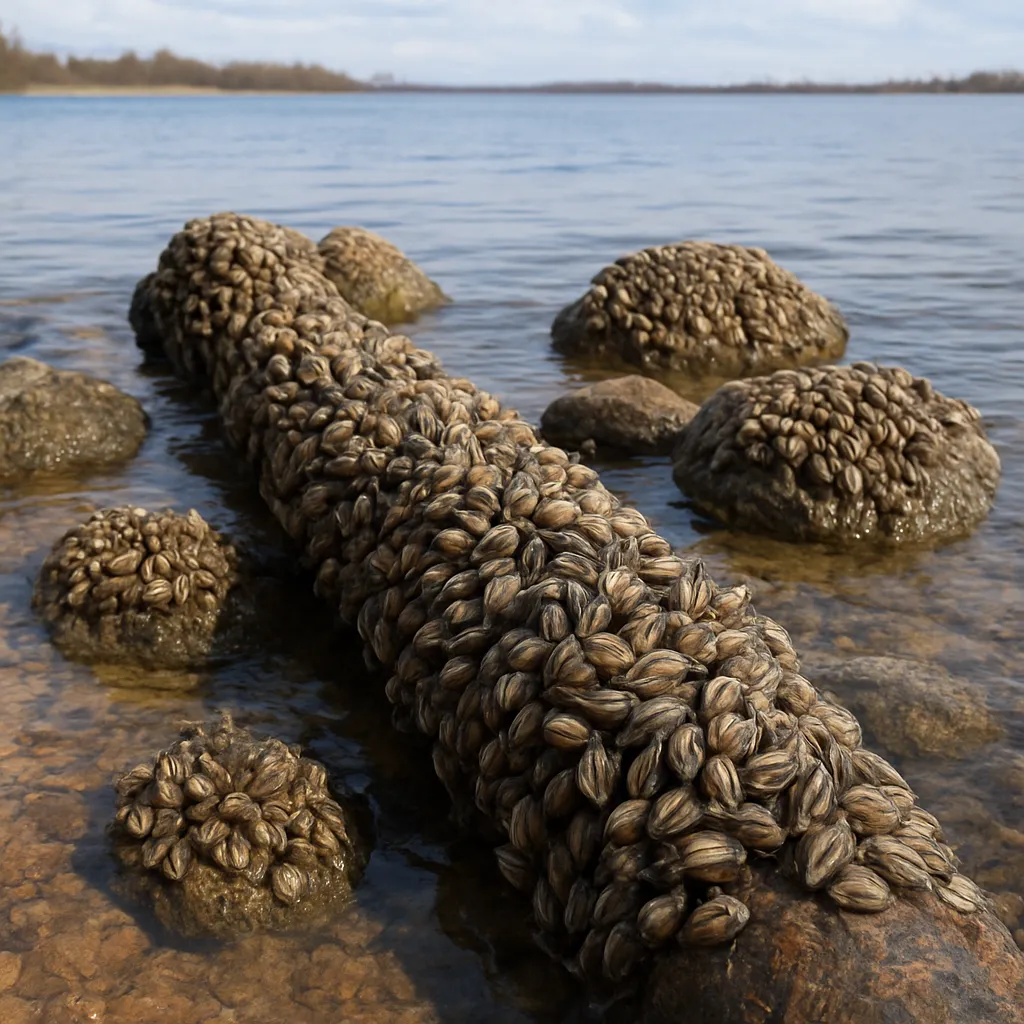
The photograph shows the striped mussels that now coat hard surfaces in this lake. Each adult filters roughly a liter of water a day, stripping out suspended algae. What is the most likely effect on the lake community?
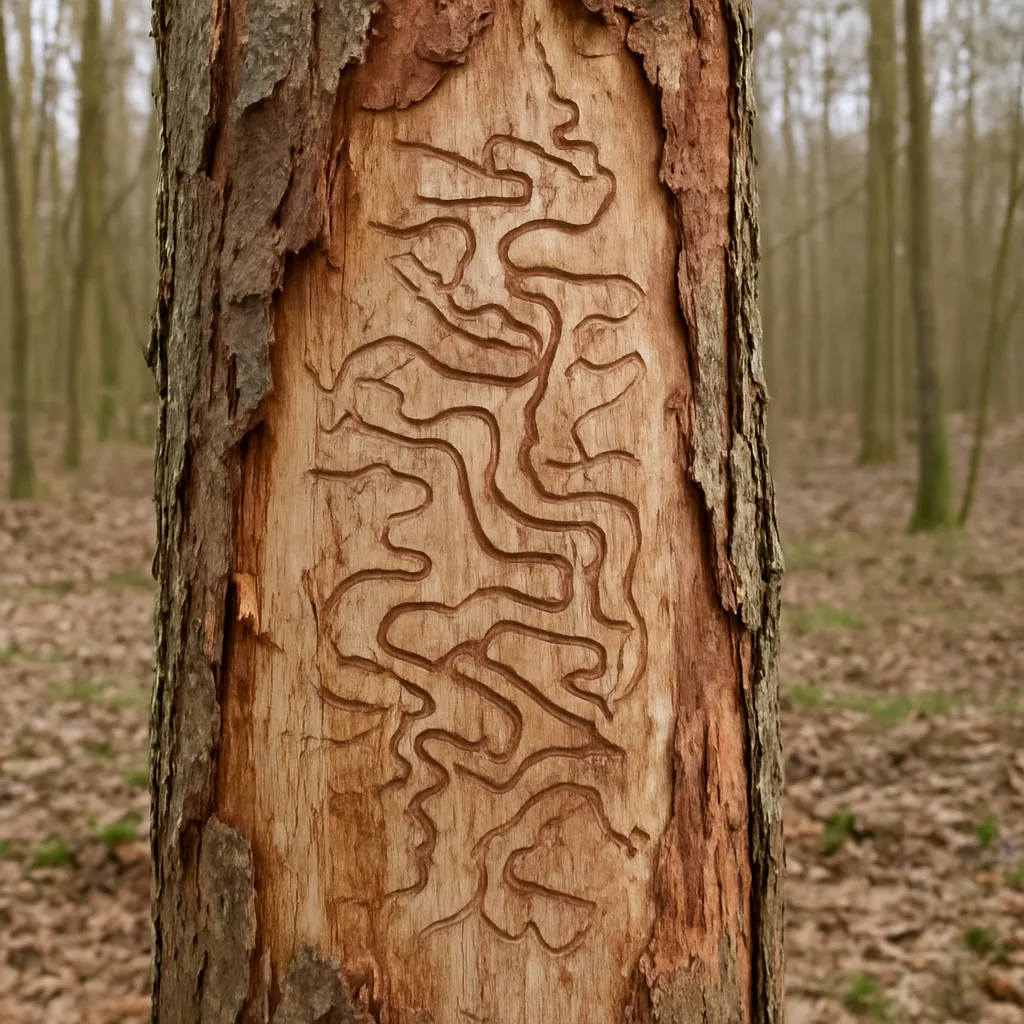
In the photograph, the larvae of an introduced beetle have tunneled under the bark of an ash tree, destroying the phloem that carries sugars down the trunk. Every ash in the stand is infested. What is the most likely effect on this forest?
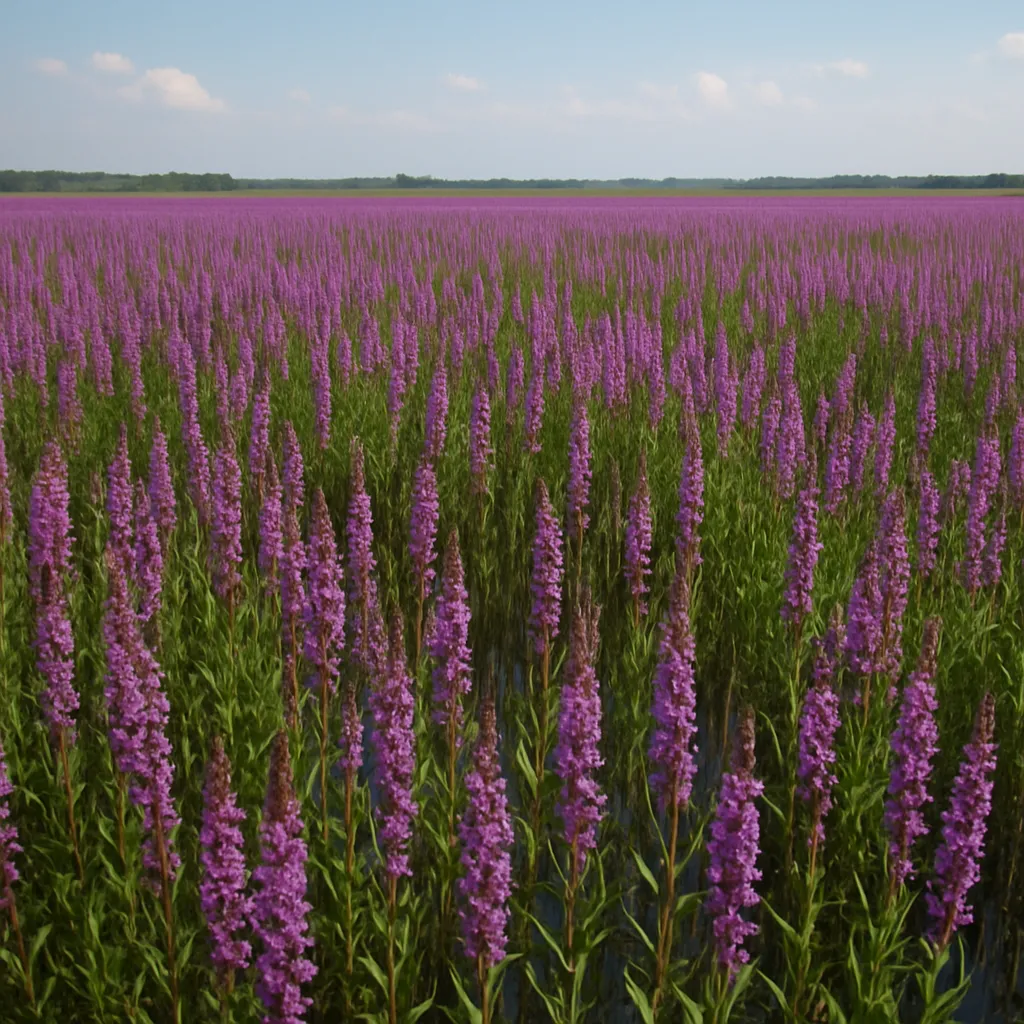
The photograph shows a wetland where a European plant with tall purple flower spikes has replaced nearly all the cattails and sedges. One plant can release over two million seeds a year. What effect on the marsh is most likely?
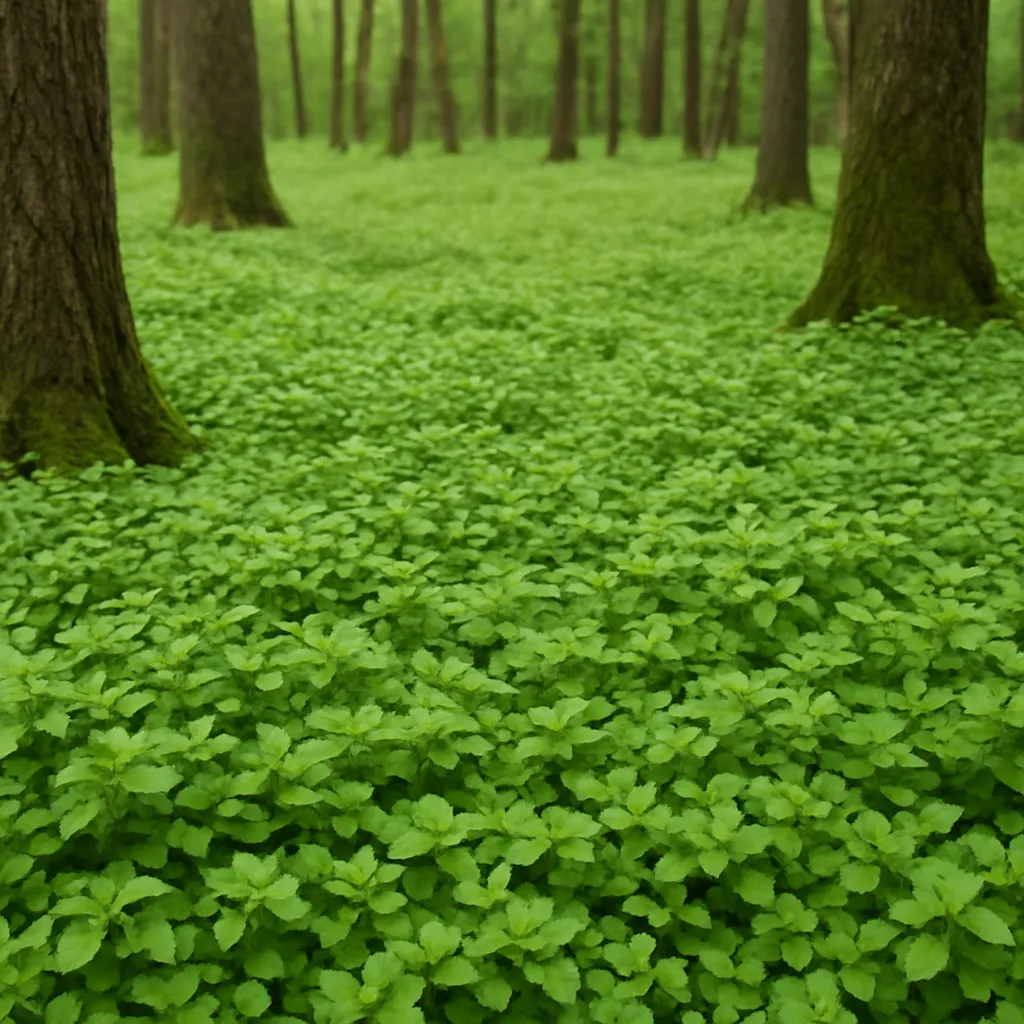
The photograph shows a woodland floor covered by an introduced European herb. Its roots release chemicals that kill soil fungi which many native trees form partnerships with. Besides shading, what further effect on the woodland is most likely?
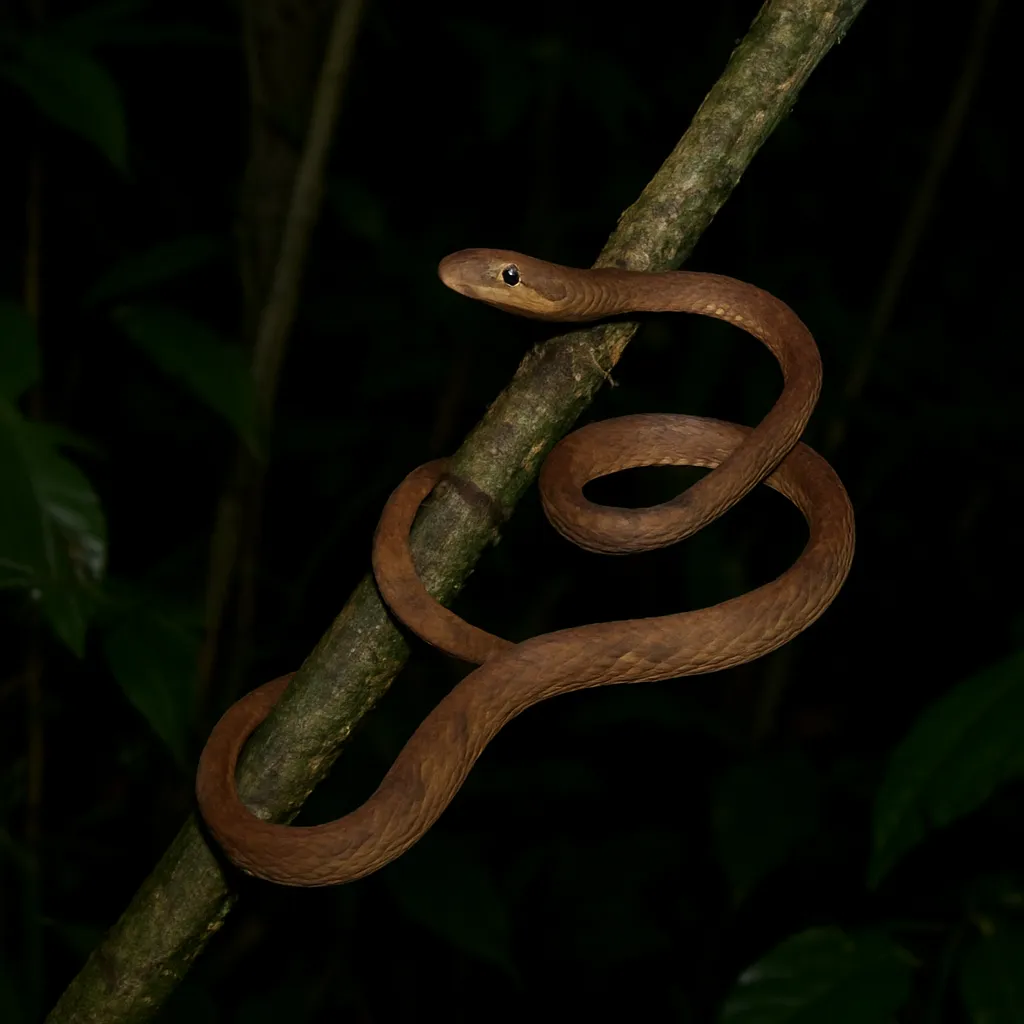
The photograph shows the nocturnal snake that arrived on Guam in cargo after World War II. Guam's forest birds evolved on an island with no snake predators. Which effect on the island community has been documented?
In the 1950s the Nile perch, a large predatory fish that grows to well over a meter, was put into Lake Victoria to build up the fishery. The lake held hundreds of small cichlid species found nowhere else. What happened to the lake community?
European starlings were first found breeding in New York City in the 1890s and now nest in tree cavities across North America, often evicting bluebirds. Which introduction pathway explains how they arrived?
A fungus that kills American chestnut trees was identified on trees at a New York zoological park in 1904, and it went on to kill billions of chestnuts. Which introduction pathway best explains its arrival?
The spotted lanternfly was found in Pennsylvania in 2014. Females glue mud-colored egg masses onto flat hard surfaces such as stone, crates and vehicles. Which pathway best explains how it reached the state and how it keeps moving?
Silver and bighead carp were brought to the southern United States in the 1970s to clear algae from fish ponds and wastewater lagoons. They are now abundant far up the Mississippi River. Which pathway best explains how they reached the river?
One lake's survey over four years. Sea lampreys caught: 300, 2,600, 9,400, 20,100. Lake trout landed, in thousands of kilograms: 780, 520, 190, 35. A lamprey attaches to a trout and feeds on its body fluids. Which conclusion does the data support?
Nighttime road surveys in one Everglades area, taken before pythons were common and again years later. Raccoons: 68 then 1. Opossums: 41 then 1. Marsh rabbits: 22 then 0. Pythons: 0 then 34. Which conclusion does the data support?
Pitfall traps at a California scrub site over four years. Introduced Argentine ants per trap: 2, 55, 320, 910. Native ant species found: 9, 7, 4, 1. Horned lizards, which eat large native ants, also fell over the period. What does the data support?
A tiny snail from New Zealand reaches enormous densities in western trout streams. It spreads when one snail survives in the damp felt sole of a wading boot and is carried to another river. Which measure targets the way this species spreads?
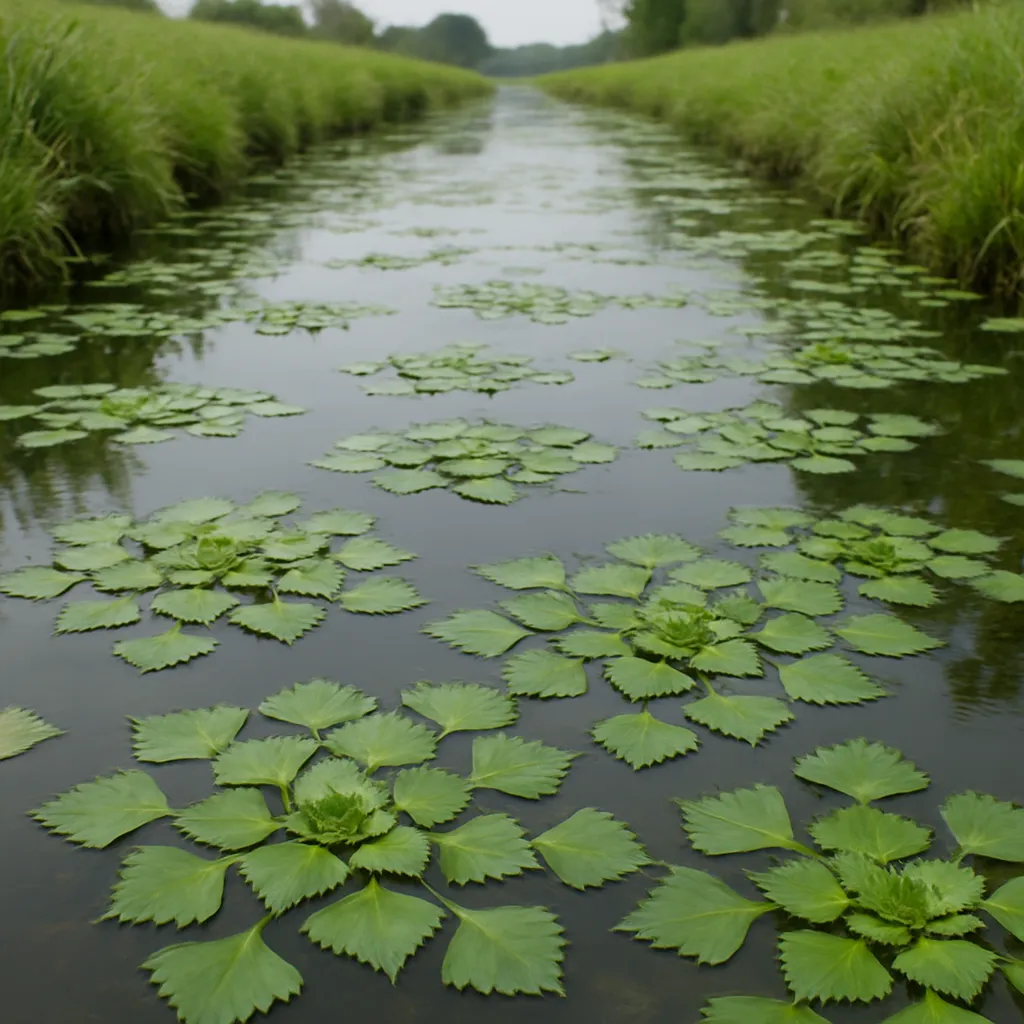
The photograph shows a river covered by the floating rosettes of an introduced water plant. Each rosette drops spiny nutlets in late summer that stay alive in the mud for years. Which management action best targets this life cycle?
Crack the passcode before the zombies get in.
Answer, then swat bugs for bonus points.
Race through questions at your own speed.
Same question on every screen. Fastest wins.

Pick a tile, answer, hit bonuses and steals.
The Cardiovascular System
40 questions