Loading
by BlastRoom
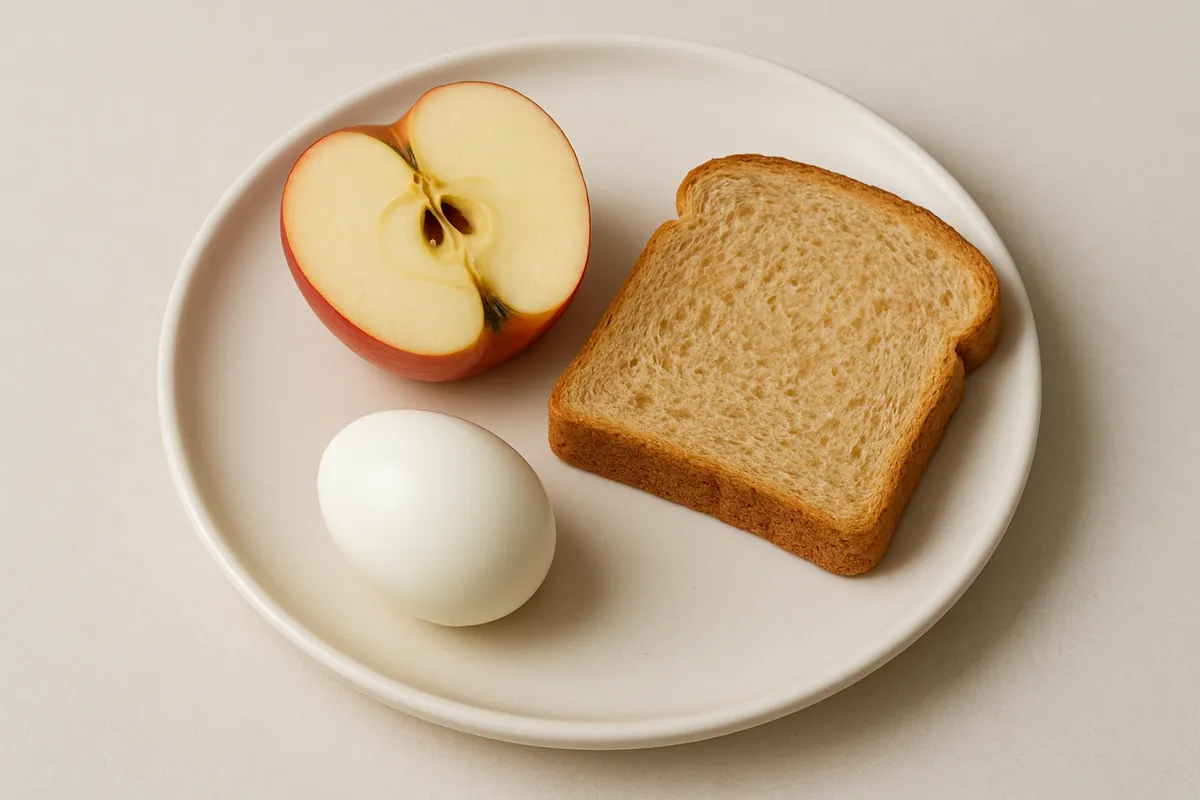
Follow food through the tract and separate mechanical from chemical digestion, secretions and absorption sites.
#biology
40 questions
One question set, multiple game modes. Tap any game to see it in action. Not sure which to pick?
Answer to place stones and capture territory.
Outrun the snow together.
Earn blasts, then hunt the other team.
Answer to earn energy, then climb.

The class blasts through walls together.
Bid on mystery lots. Most money wins.
Sell tours. Nice, standard, or a total scam.

Answer, restock, and serve the rush.
More correct answers pulls the rope your way.
Answer, then shoot down the alien wave.
Answer, then tap to leap the frozen ridge.
A swallowed mouthful of bread has just moved down the esophagus. Which organ does it enter next?
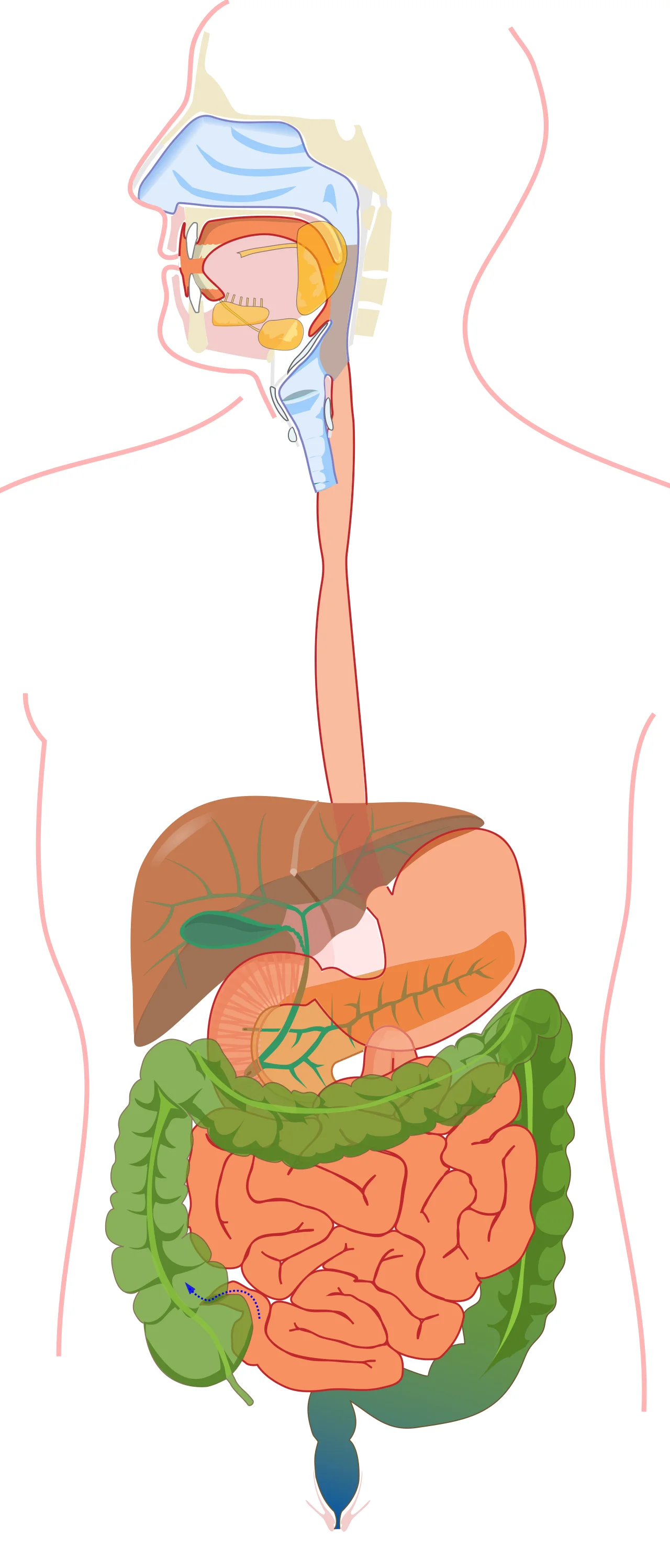
Chyme leaves the stomach through a muscular valve at its lower end. Which organ does it enter next?
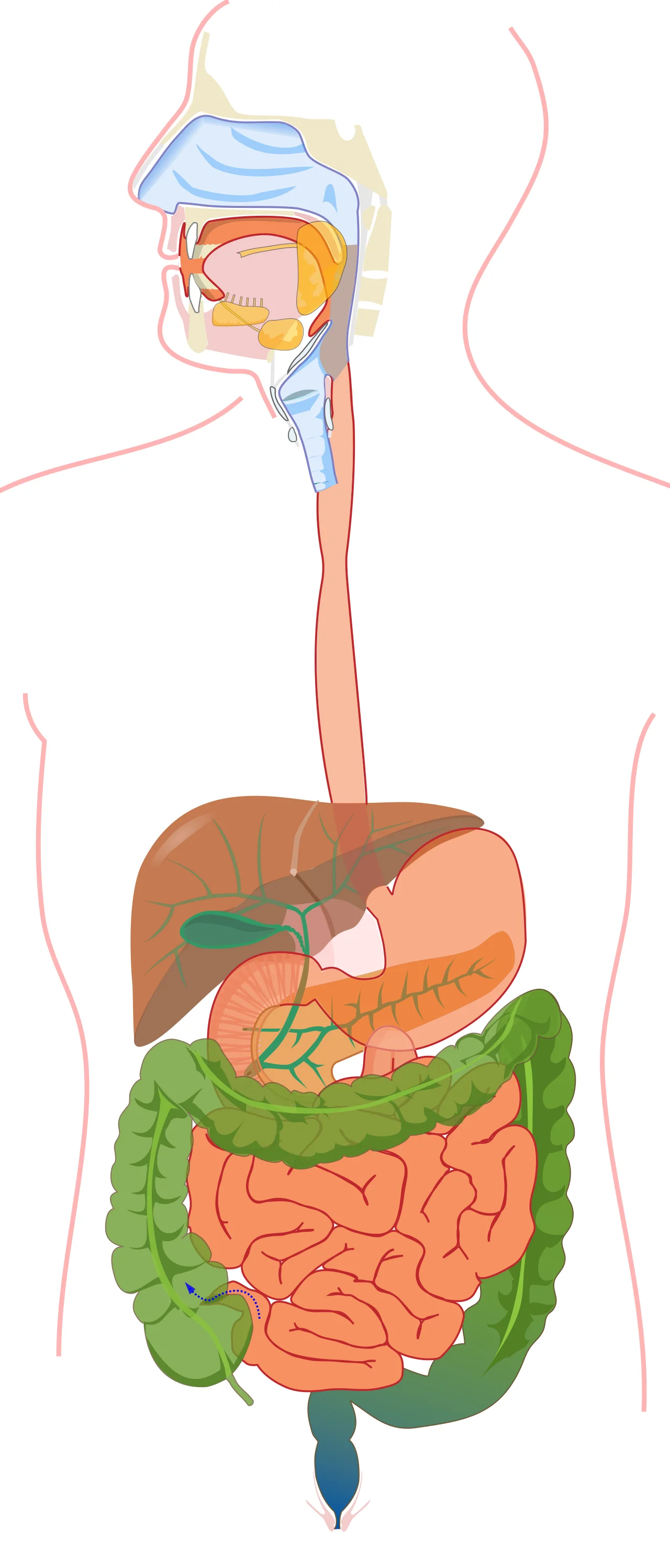
Which organ is the first one a mouthful of food passes through after it is swallowed?
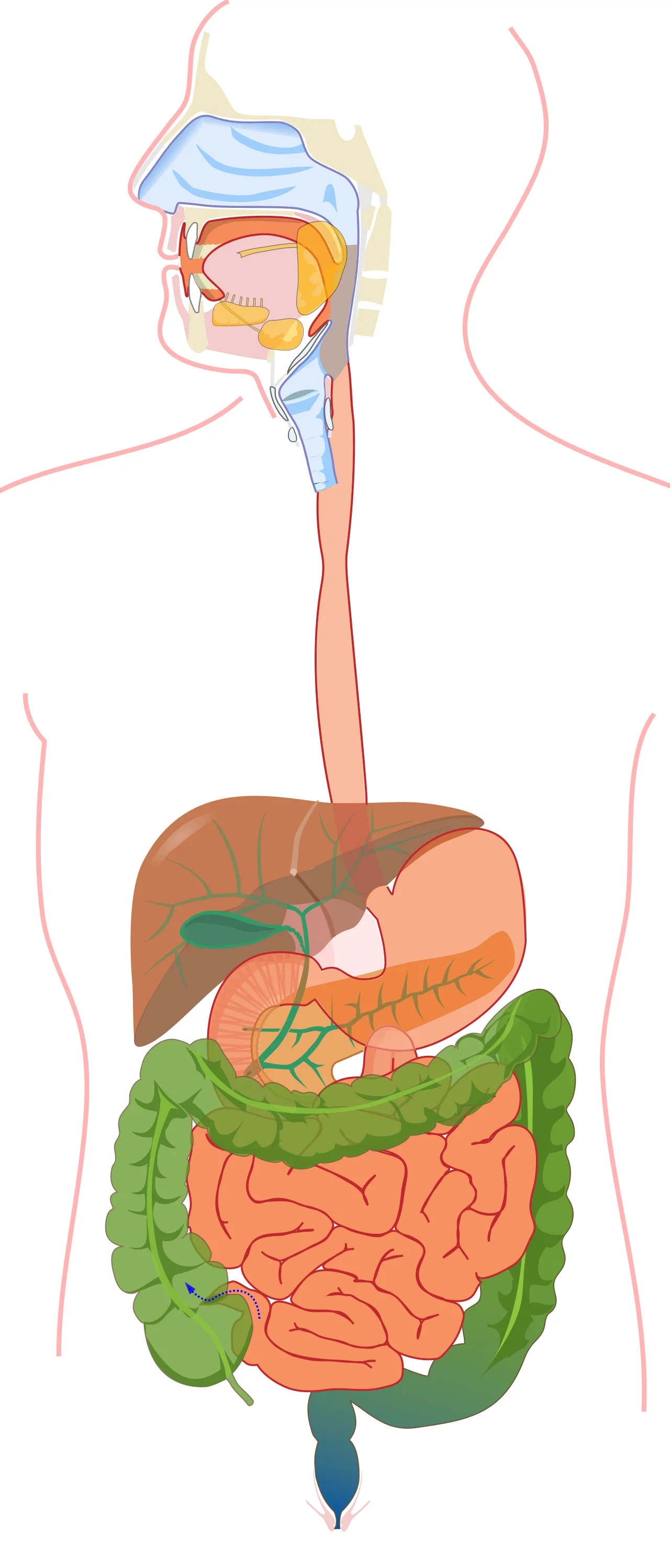
A swallowed cracker travels through the esophagus, then the stomach, then the small intestine, then the large intestine.
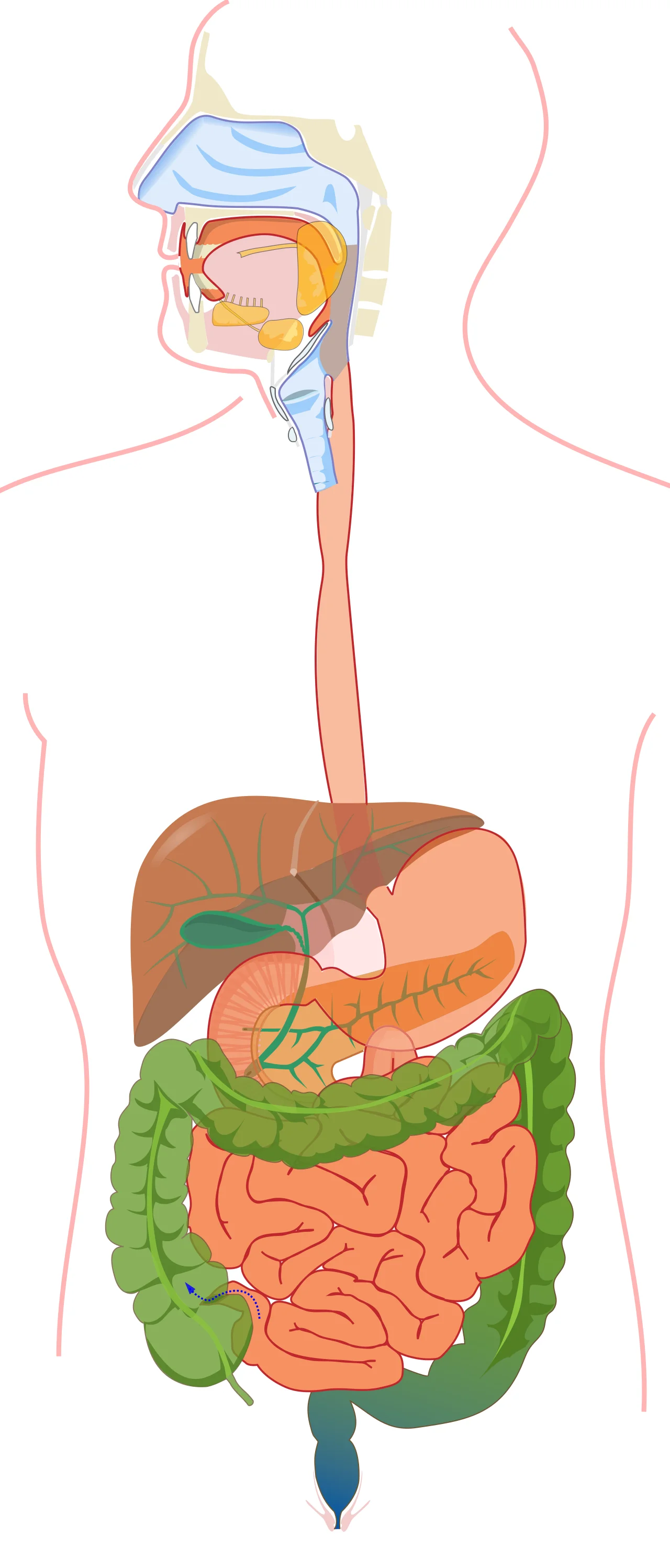
Which organ does material pass through immediately before it reaches the large intestine?
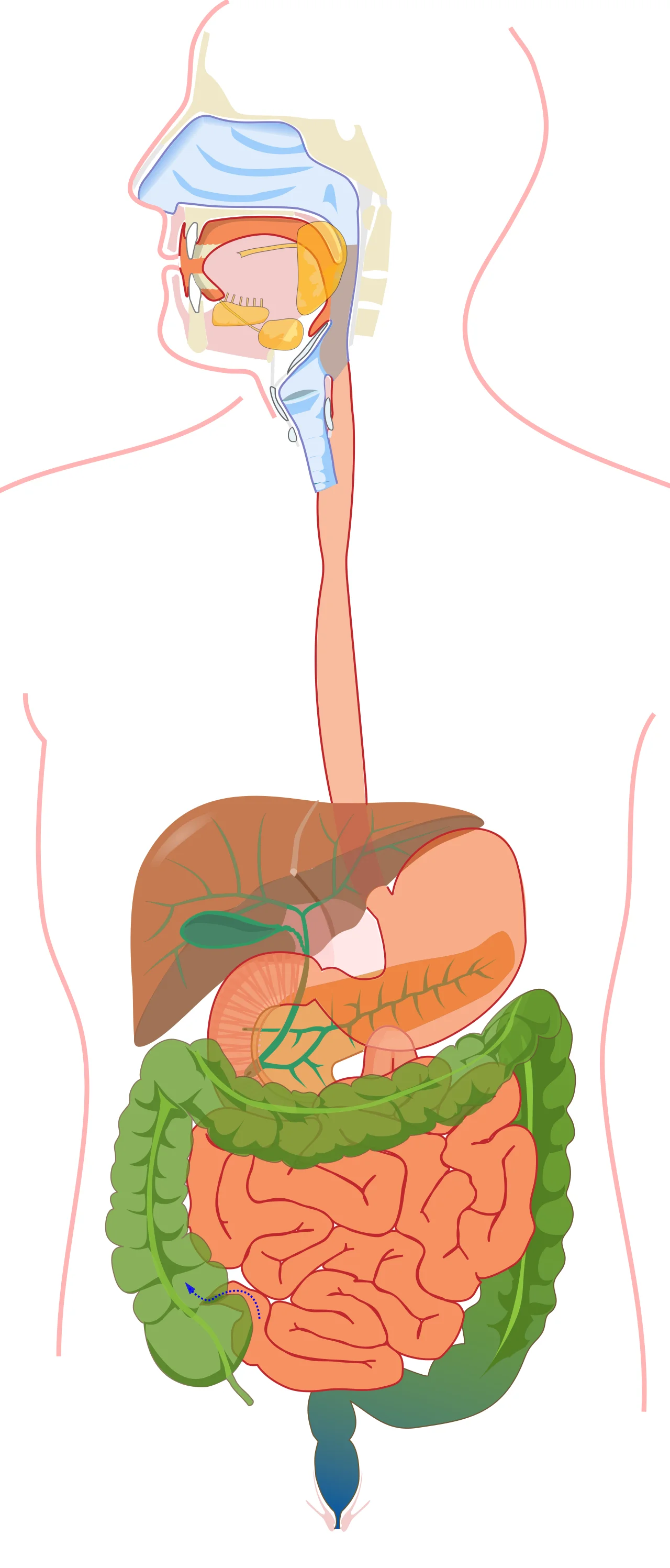
Waves of muscle contraction are pushing a swallowed mass downward from the throat. In which organ is this happening?
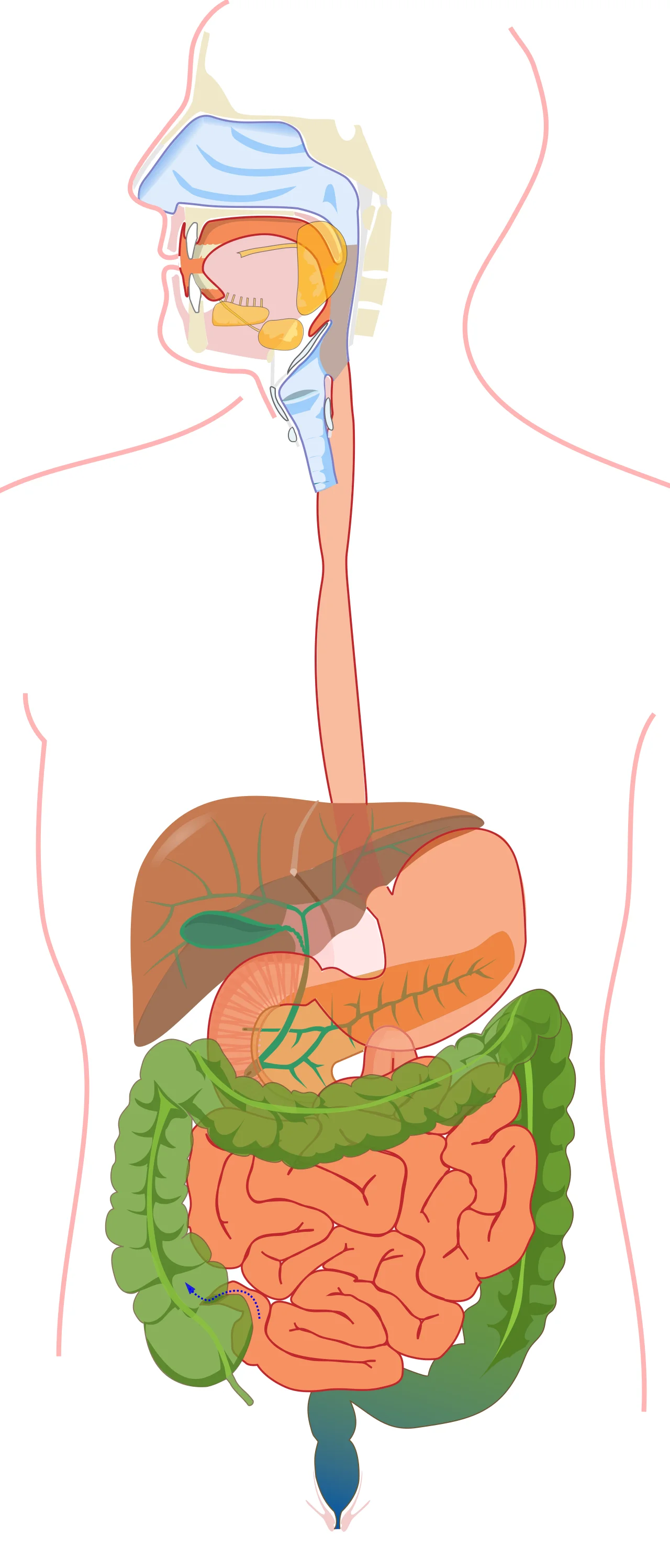
A camera on a tube is passed down from a patient's throat and stops at the first organ where a meal is stored and churned. Where does it stop?
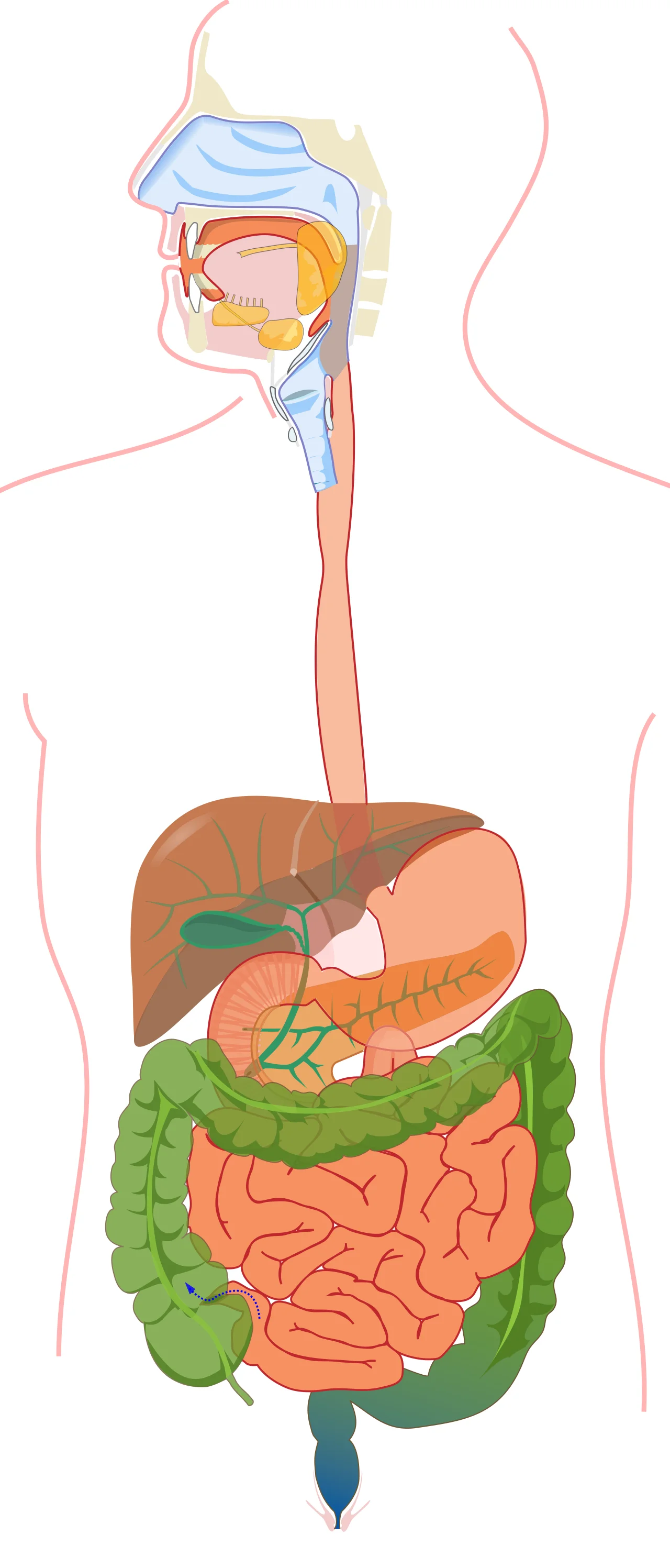
After a swallowed mouthful passes through the throat, which two organs does it travel through next, in order?
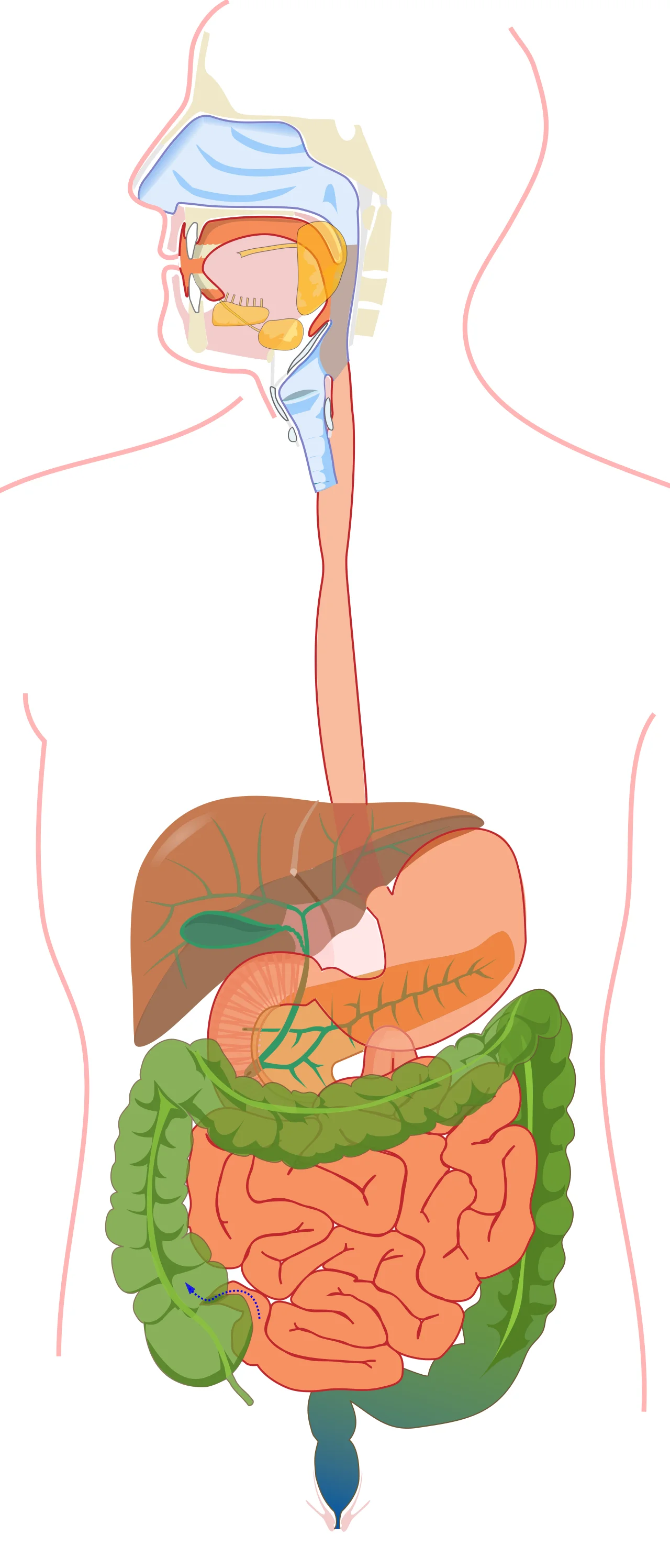
Most chemical digestion and almost all absorption of nutrients take place in one organ. Which one?
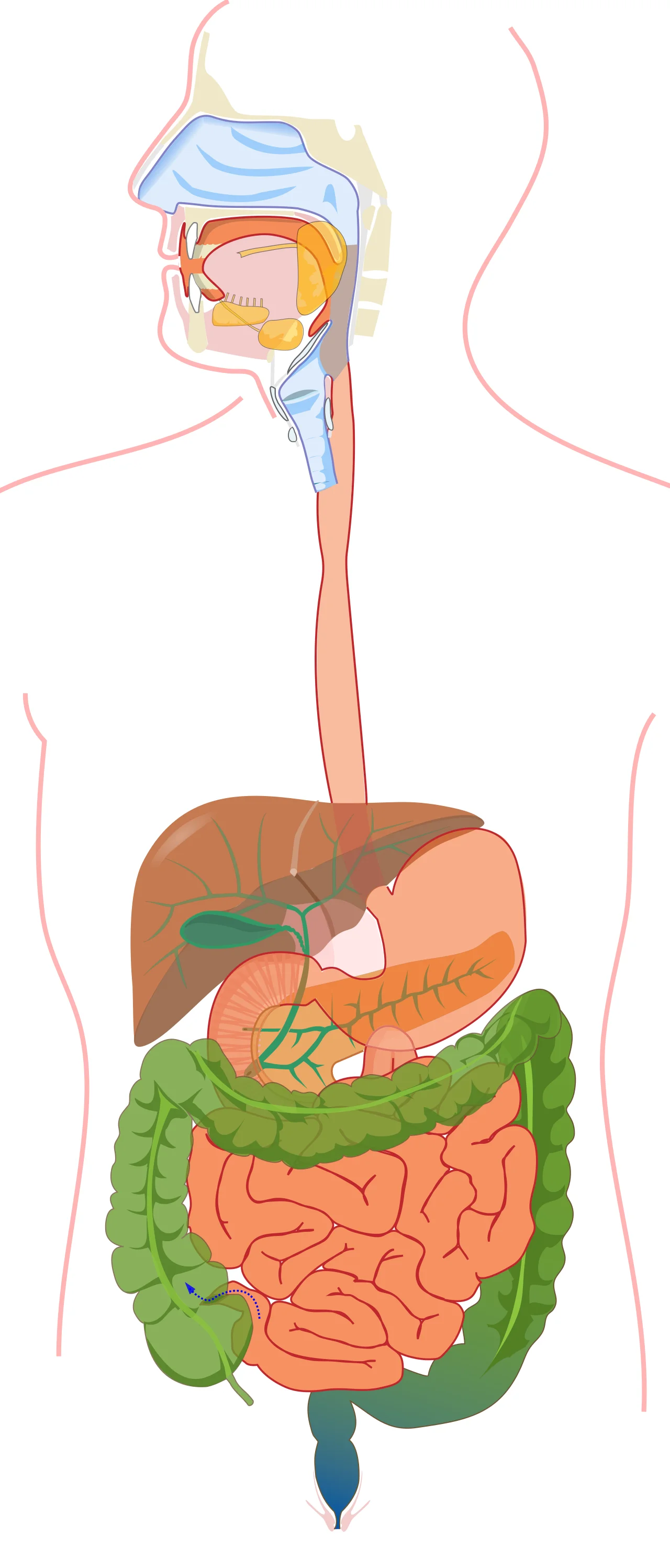
By the time material leaves the large intestine it is much firmer than when it entered. What happened to it there?
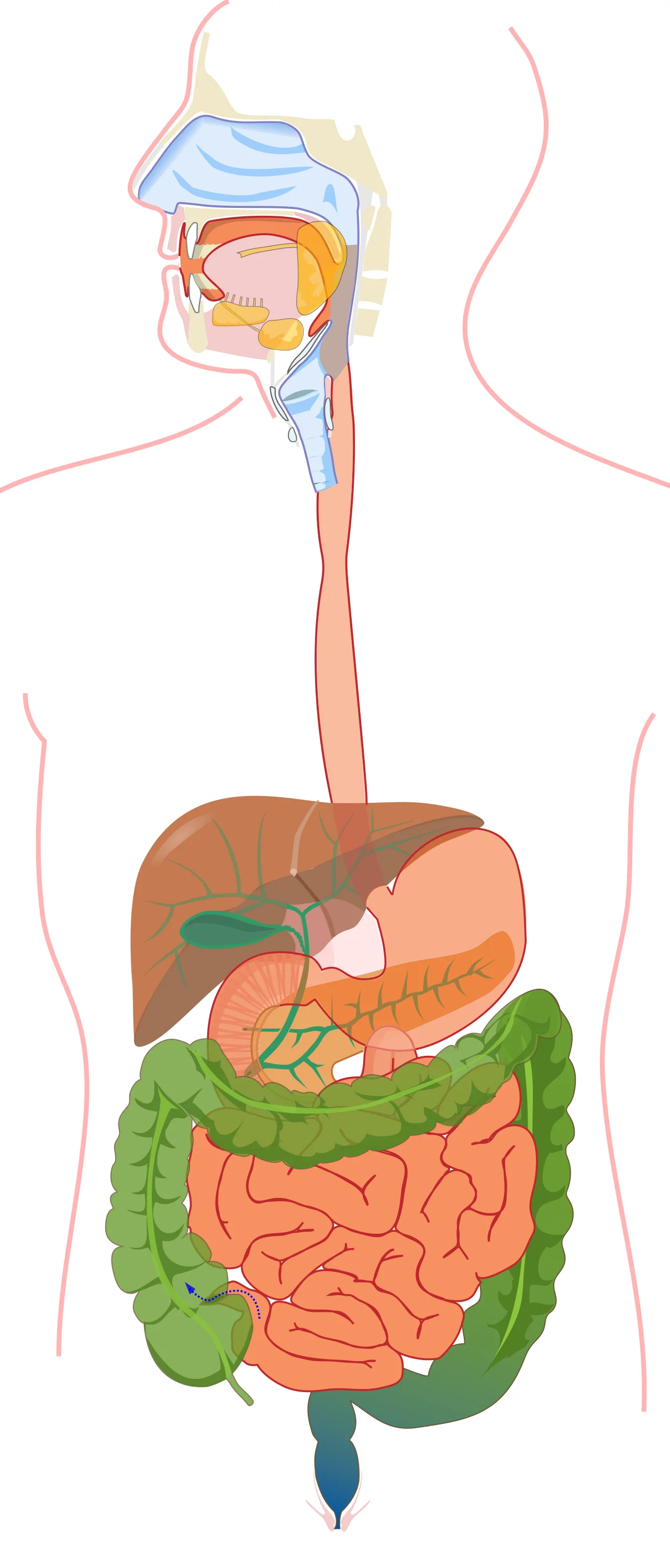
A patient has had the stomach surgically removed. Which job is now hardest for the digestive system to do?
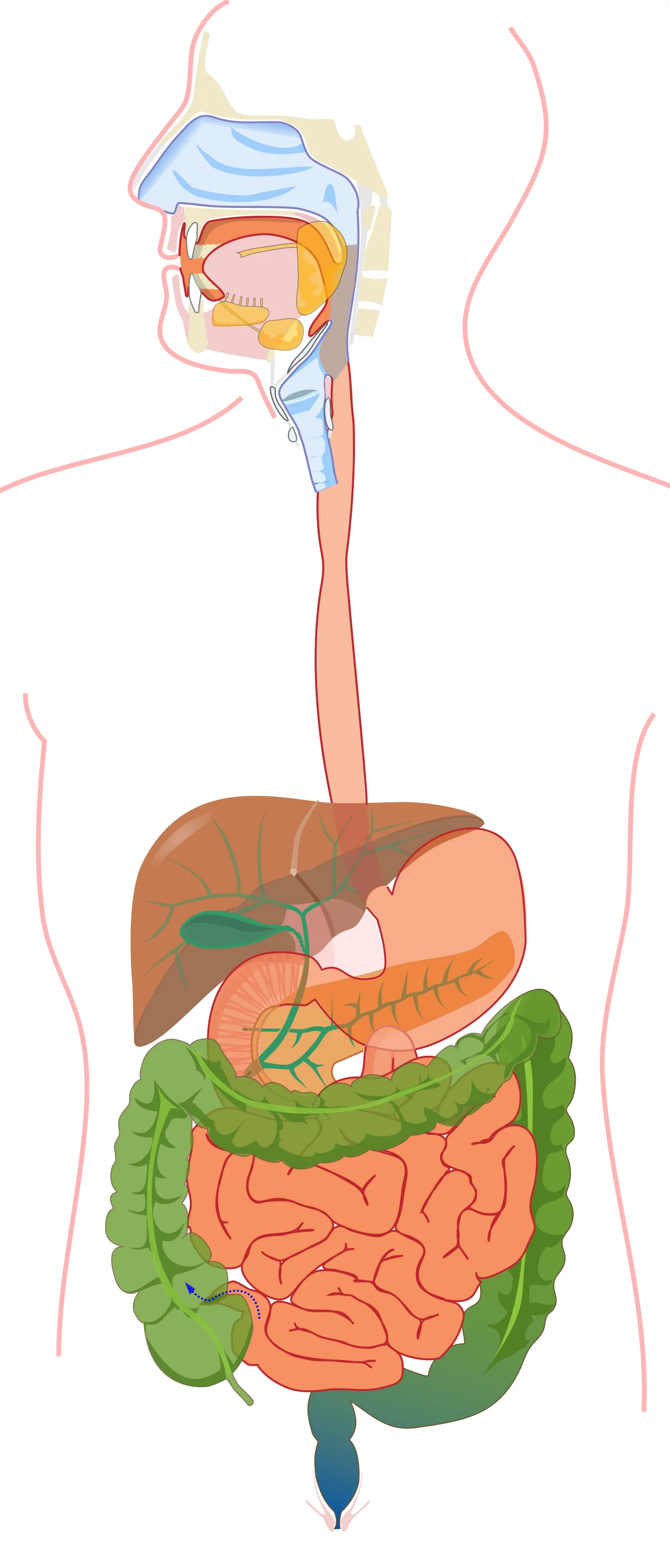
The esophagus produces no digestive enzymes of its own. What is its role in digestion?
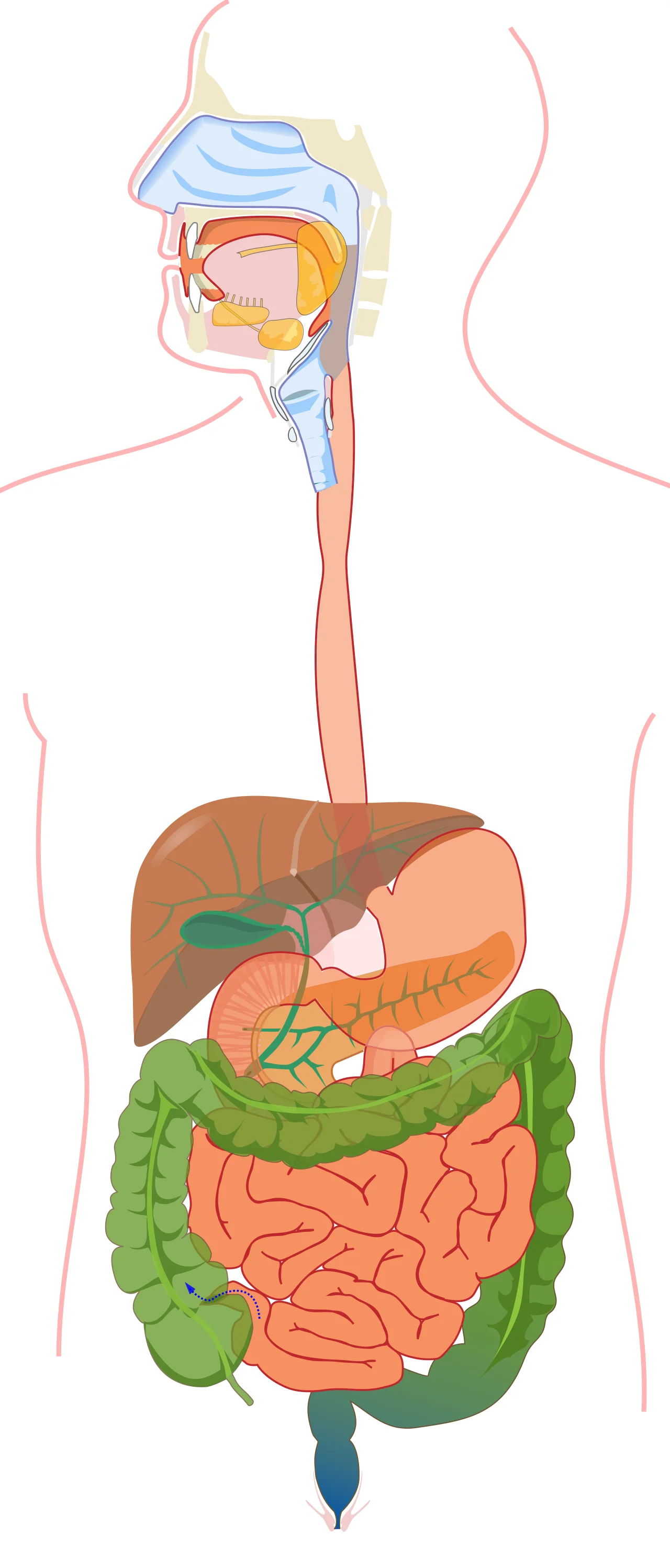
A person has a muscular ring at the top of the stomach that does not close properly. Which symptom would this most likely cause?
Someone eating while lying flat on their back can still swallow food successfully. What does this show about how food moves along the esophagus?
Gastric juice in the stomach has a pH of about 2. Besides helping break down protein, what else does this strong acid accomplish?
A patient's salivary glands are damaged and produce very little saliva. Which step of digestion is affected first?
Chewing, the churning of the stomach, and the squeezing waves of the intestine are all grouped together as mechanical digestion. Why?
A slice of apple is ground between the molars into a pulp. Which kind of digestion is this, and why?
Chewing food into smaller pieces reduces the surface area that digestive enzymes can act on.
Which pair of events are both examples of chemical digestion?
The muscular walls of the stomach contract and squeeze a meal into a soupy mixture called chyme. Which statement about the stomach is correct?
Once food has left the stomach, does mechanical digestion continue anywhere?
Salivary amylase is released into the mouth. Which molecules does it act on, and what does it produce?
Cells in the stomach lining release pepsinogen, which becomes an active enzyme only once hydrochloric acid is present. What does the active enzyme then do?
Bile is made in the liver and released into the small intestine. Which nutrient does it work on, and does it break chemical bonds?
The pancreas releases pancreatic juice into the small intestine. Which description of that juice is correct?
Lipase arrives in the small intestine. Which molecules does it act on, and what are the products?
Chyme leaving the stomach is strongly acidic, but the enzymes waiting for it work best near a neutral pH. Which secretion fixes this, and where does it act?
The stomach is full of acid and a protein-digesting enzyme, yet its own wall is made largely of protein and is not digested. What protects it?
Where does most of the chemical digestion of a meal actually finish, and which secretions do that work?
Millions of finger-like villi cover the inner lining of one organ. Which one?
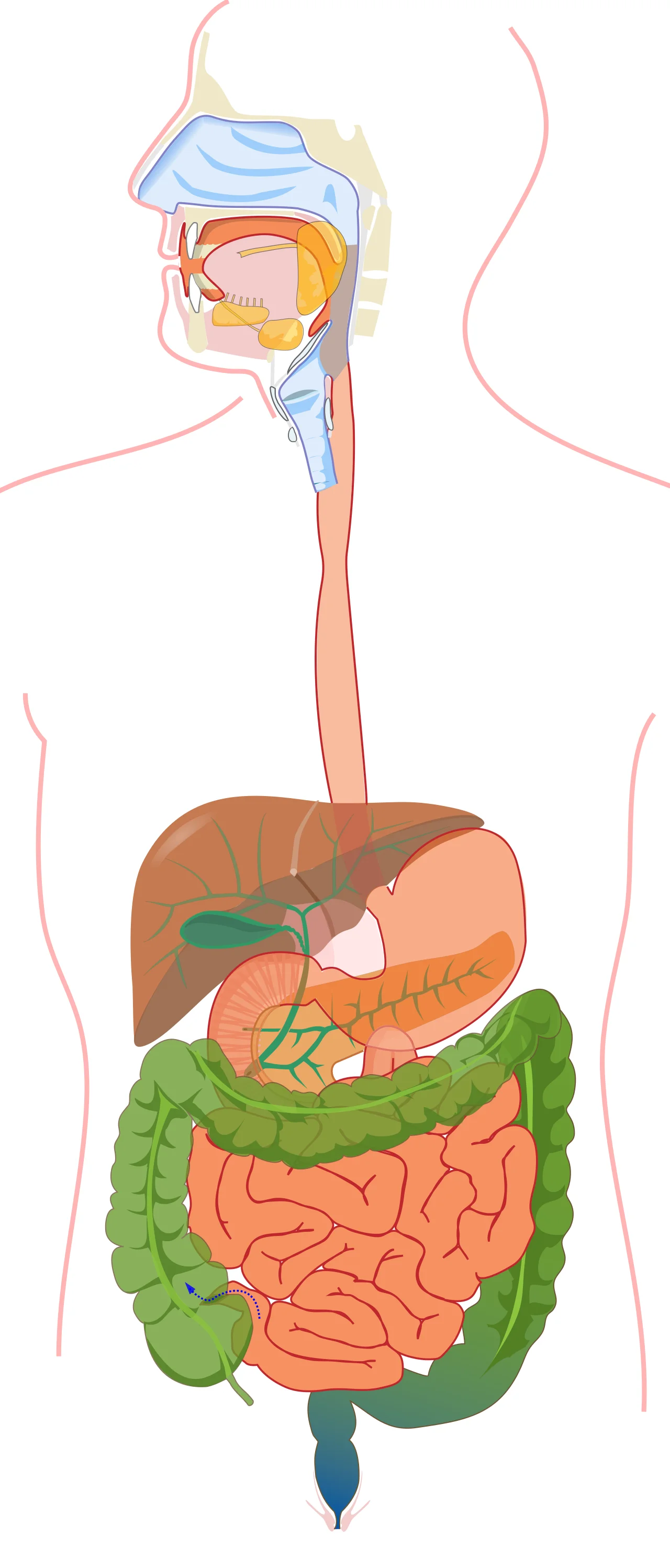
A course of antibiotics kills the bacteria that normally live in one organ, and the patient then makes less vitamin K. Which organ is it?
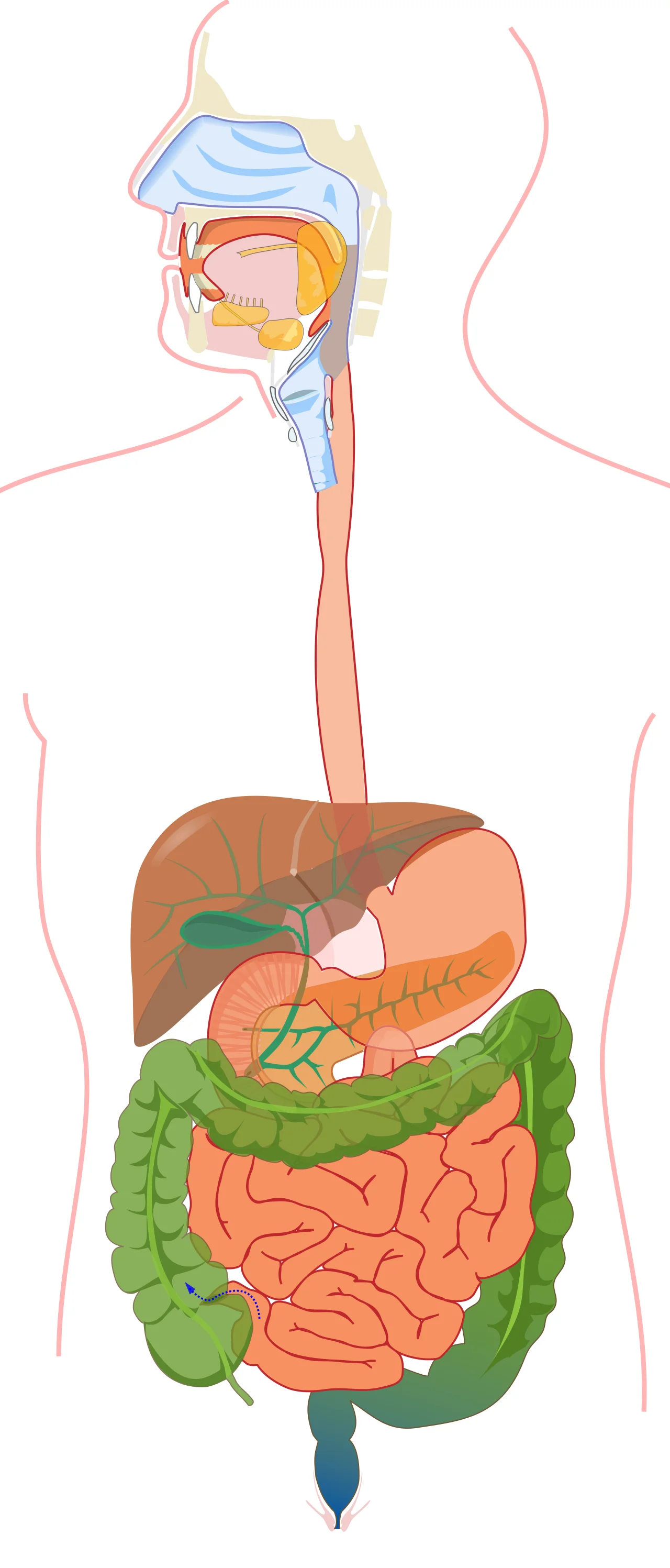
The lining of the small intestine is thrown into folds, the folds are covered in villi, and each villus cell carries microscopic microvilli. What does this arrangement accomplish?
Inside a single villus there are blood capillaries and a lymph vessel called a lacteal. Which digested nutrients enter the lacteal rather than the capillaries?
A long section of a patient's small intestine has to be removed after an injury. Which problem is most likely afterwards?
In celiac disease the villi of the small intestine become flattened and worn down. Why can this cause malnutrition even when the person eats plenty of food?
Which of these is an accessory organ, so food itself never passes through it?
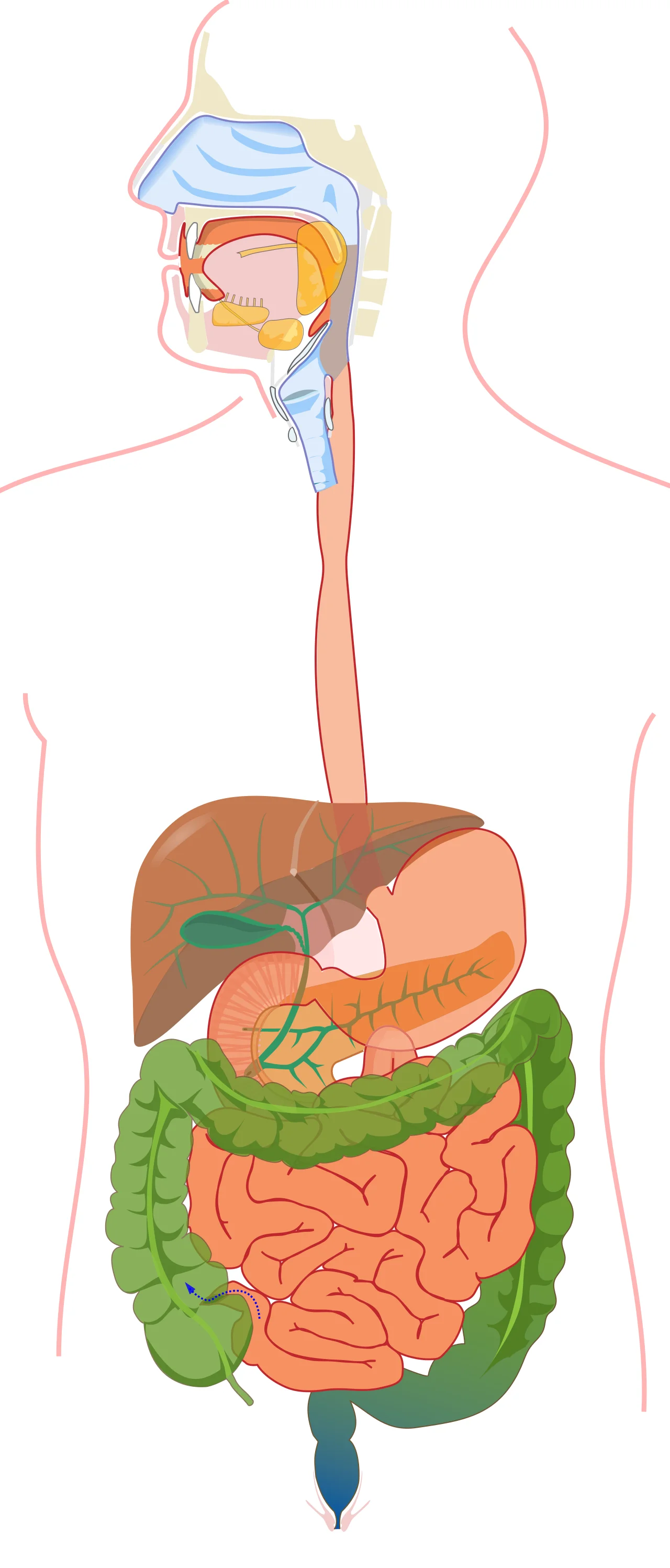
A vessel carries nutrient-rich blood from the small intestine straight to the liver before it reaches the rest of the body. What does the liver do with those nutrients?
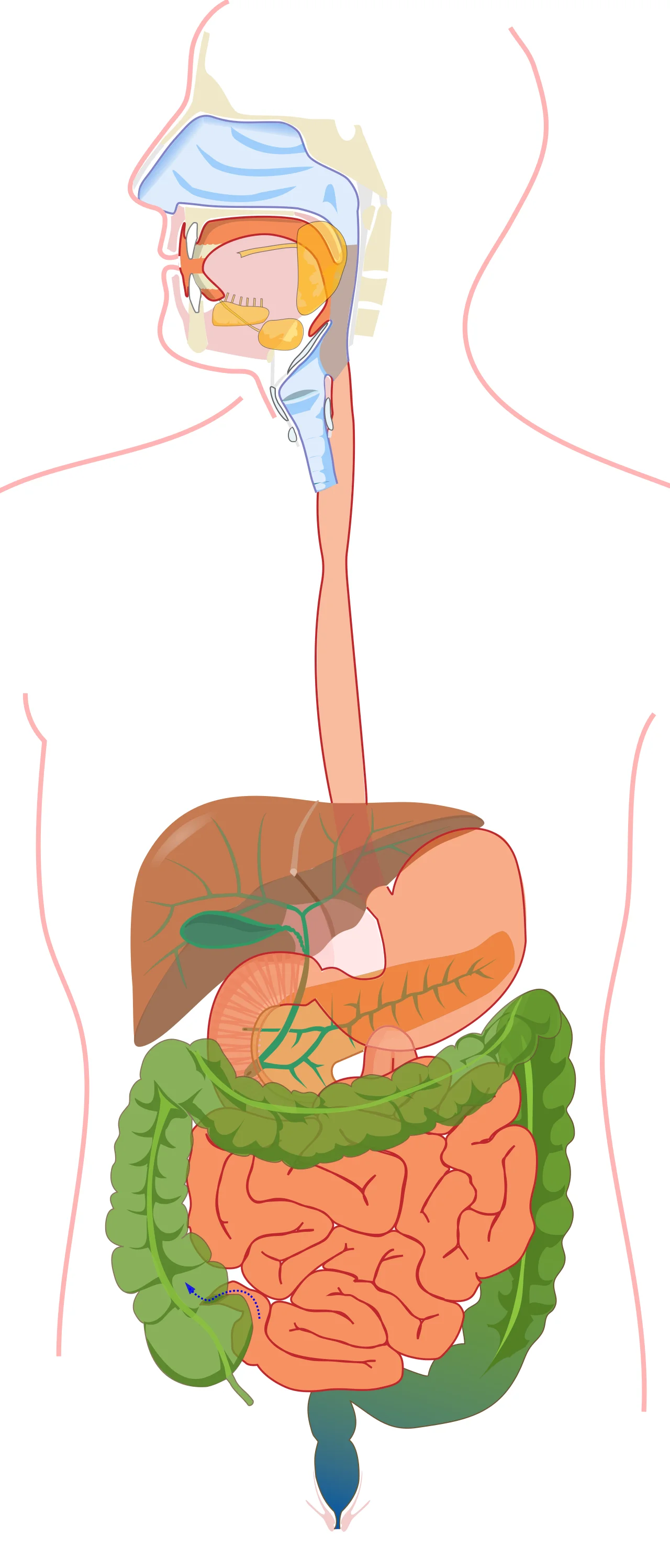
After gallbladder removal surgery, a patient is told to avoid very fatty meals for a while. What had the gallbladder been contributing?
The pancreas is described both as a digestive organ and as an endocrine gland. Which pair of products explains that double description?
Crack the passcode before the zombies get in.
Answer, then swat bugs for bonus points.
Race through questions at your own speed.
Same question on every screen. Fastest wins.

Pick a tile, answer, hit bonuses and steals.
The Skeletal and Muscular Systems
40 questions