Loading
by BlastRoom
Glands, hormones and the bloodstream, and what happens when a hormone level is wrong.
#biology
20 questions
One question set, multiple game modes. Tap any game to see it in action. Not sure which to pick?
Answer to place stones and capture territory.
Outrun the snow together.
Earn blasts, then hunt the other team.
Answer to earn energy, then climb.

The class blasts through walls together.
Bid on mystery lots. Most money wins.
Sell tours. Nice, standard, or a total scam.

Answer, restock, and serve the rush.
More correct answers pulls the rope your way.
Answer, then shoot down the alien wave.
Answer, then tap to leap the frozen ridge.
The diagram numbers eight endocrine glands. The gland marked 6 releases insulin and glucagon, and also makes digestive enzymes. Which gland is it?
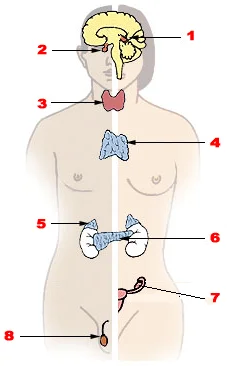
Growth hormone, which stimulates bone and muscle growth during childhood, is released by which numbered gland in the diagram?
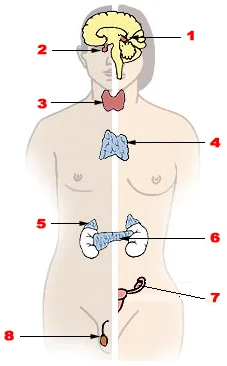
A blood test shows a patient has far too little thyroxine. Which numbered gland in the diagram would the doctor investigate first?
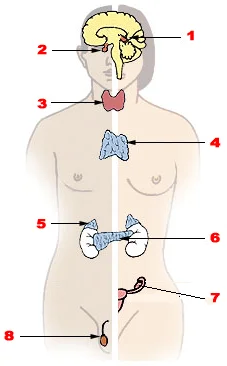
A doctor wants to point to the gland that releases cortisol, the main long-term stress hormone. Which numbered gland in the diagram should the doctor point to?
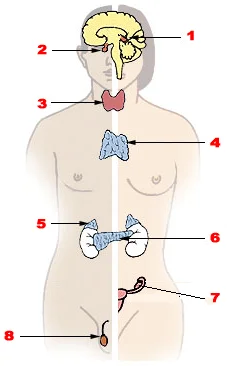
Which structures release estrogen and progesterone, the hormones that regulate the menstrual cycle?
Seconds after a car swerves toward her, a driver's heart rate jumps, her airways widen and her liver releases glucose into her blood. Which hormone produced this set of changes?
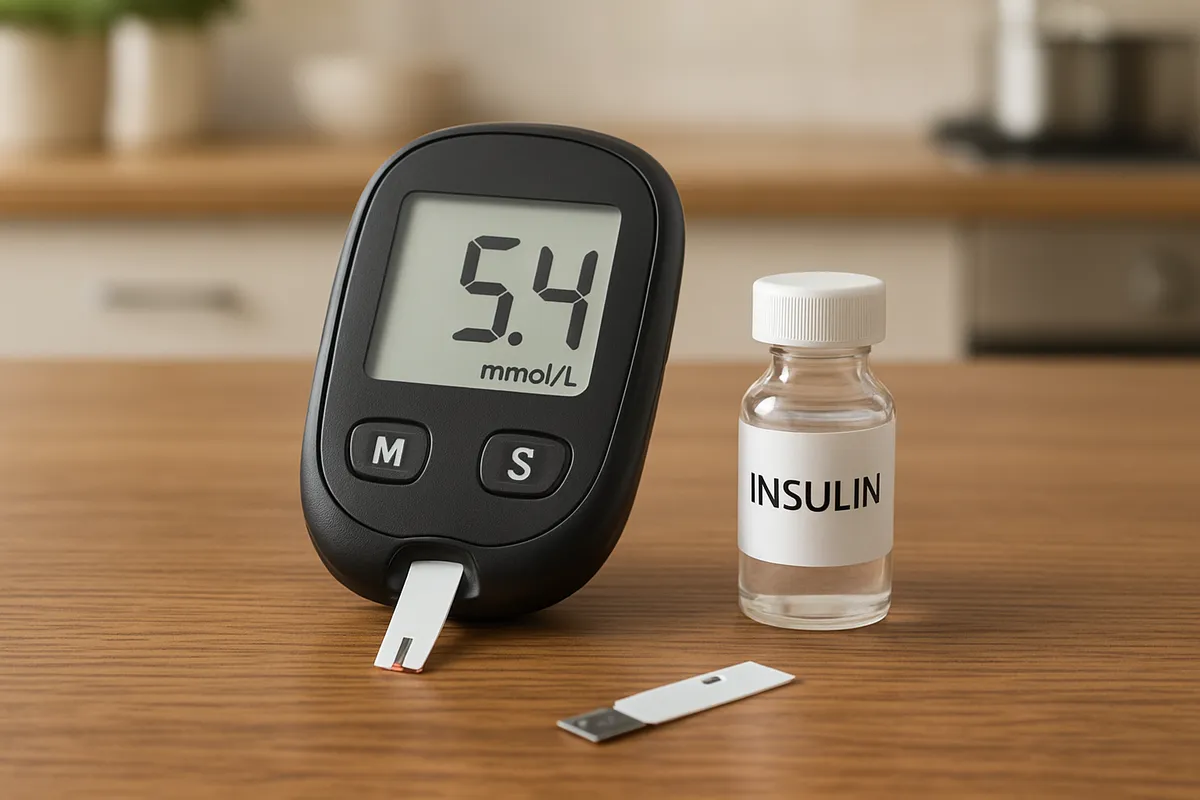
A person with high blood glucose is given insulin at 0 h, and the graph shows what follows. Which change in the body's cells best explains the trend?
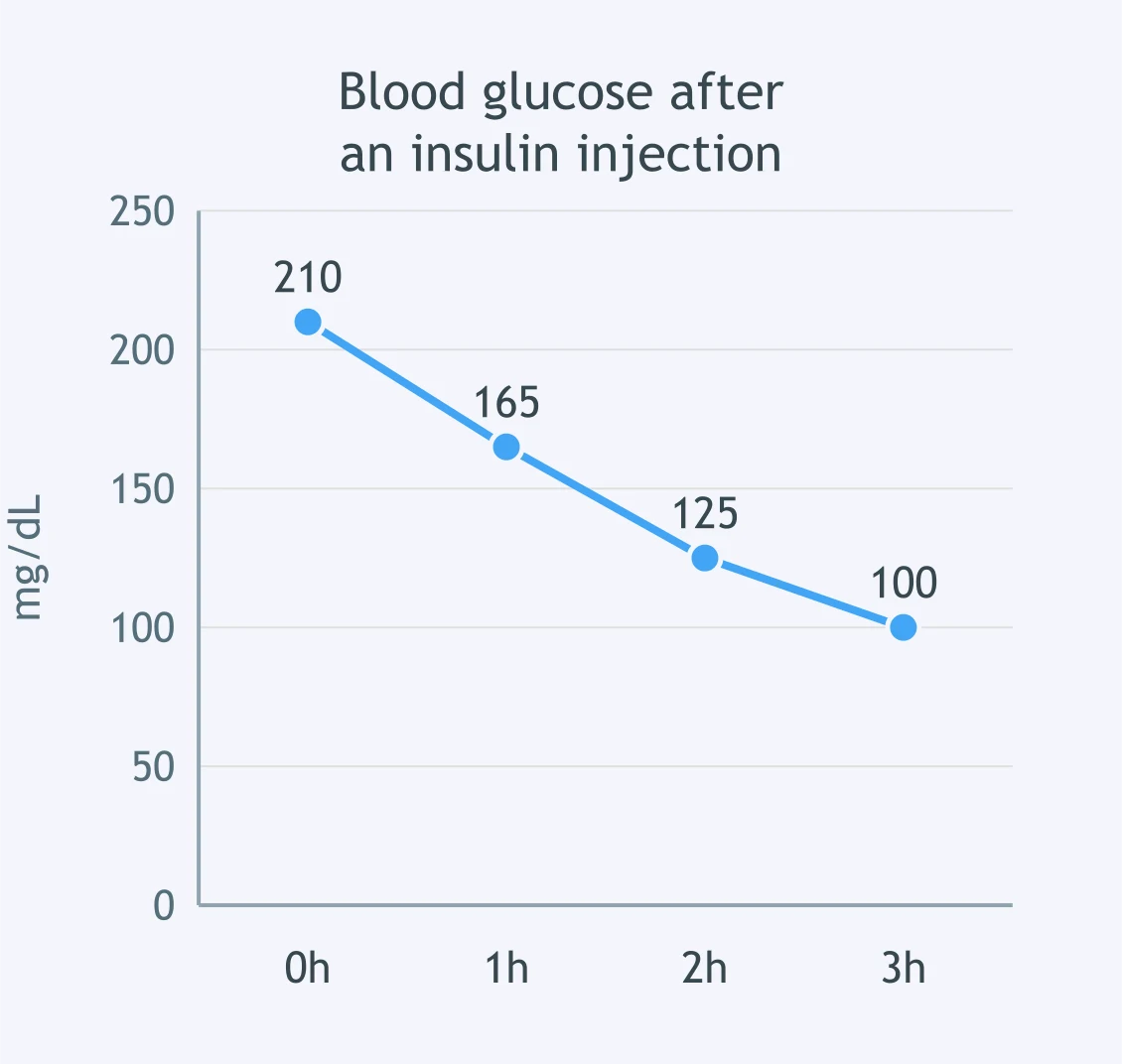
Glucagon binds to receptors on liver cells. What do those cells do in response?
Antidiuretic hormone (ADH) travels in the blood to the tubules of the kidney. What do those tubules then do?
A hormone released into the blood reaches almost every cell in the body, yet only certain organs respond to it. Why?
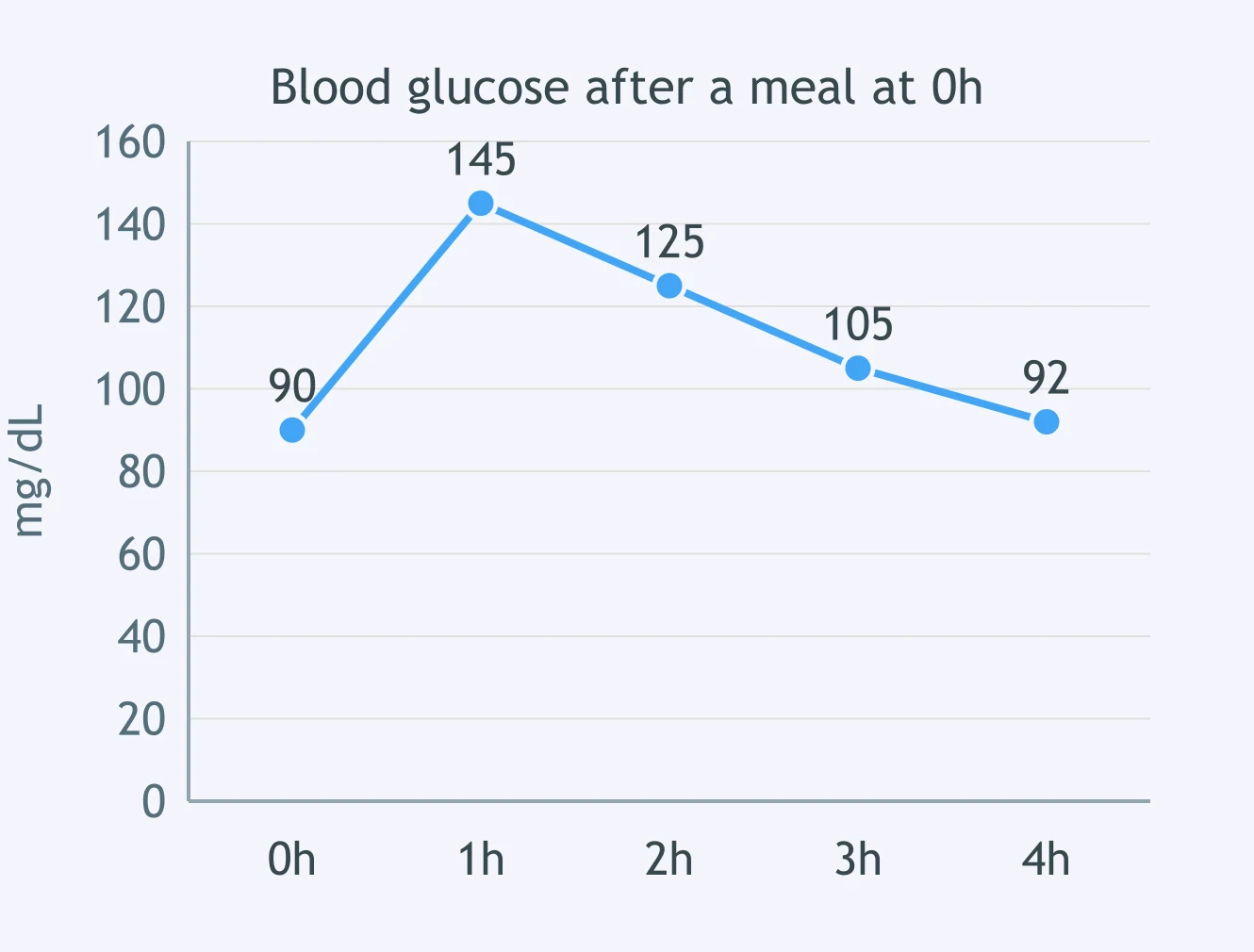
Look at the graph of a healthy person's blood glucose after a meal. Which statement best describes what the endocrine system did between 1 h and 4 h?
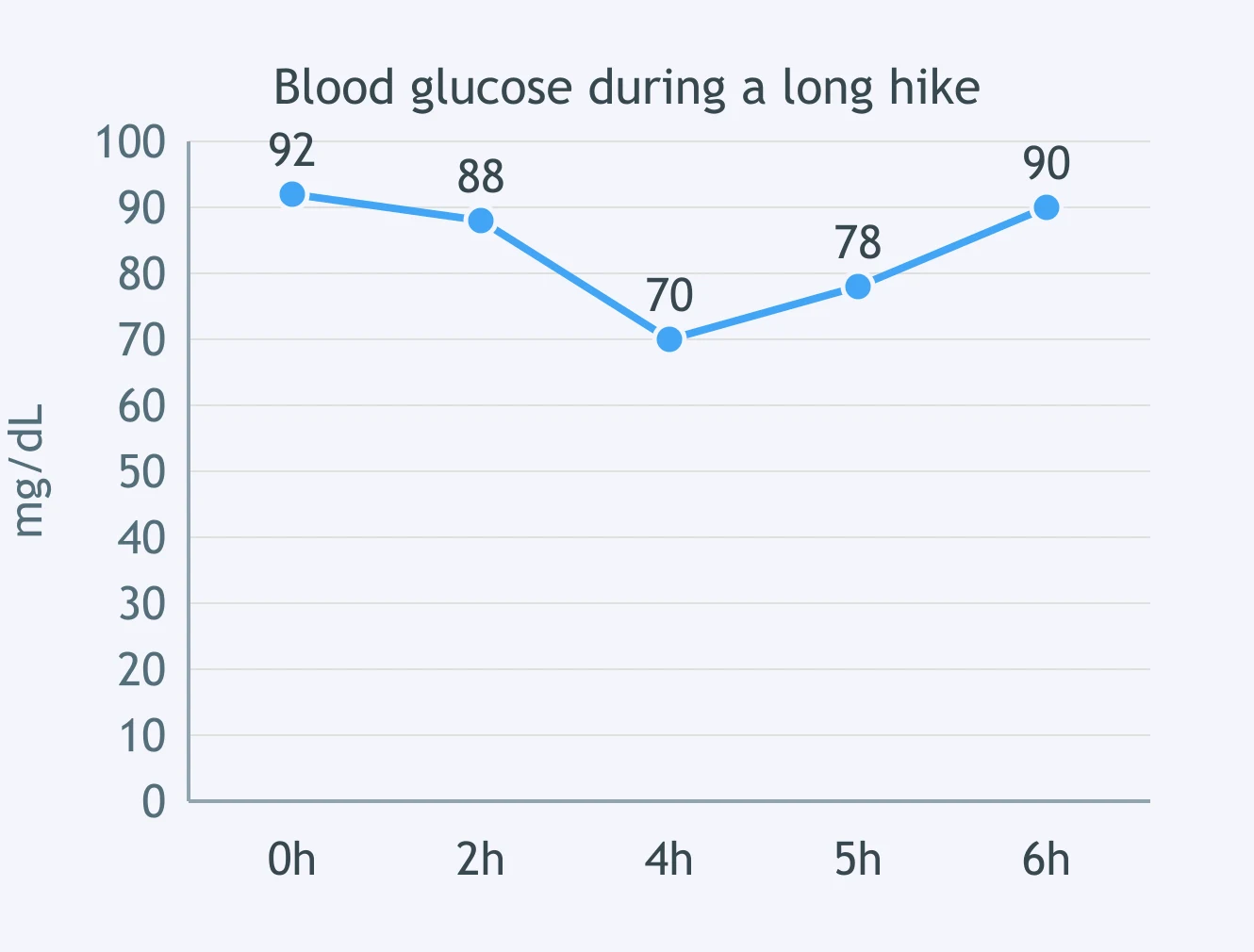
The graph shows one hiker's blood glucose; no food was eaten during the hike. Which statement describes the regulation between 4 h and 6 h?
The level of thyroxine in the blood rises above normal. In a negative feedback loop, what happens next?
What makes a control loop a negative feedback loop?
A person's thyroid gland releases far more thyroxine than normal for several months. Which set of effects is expected?
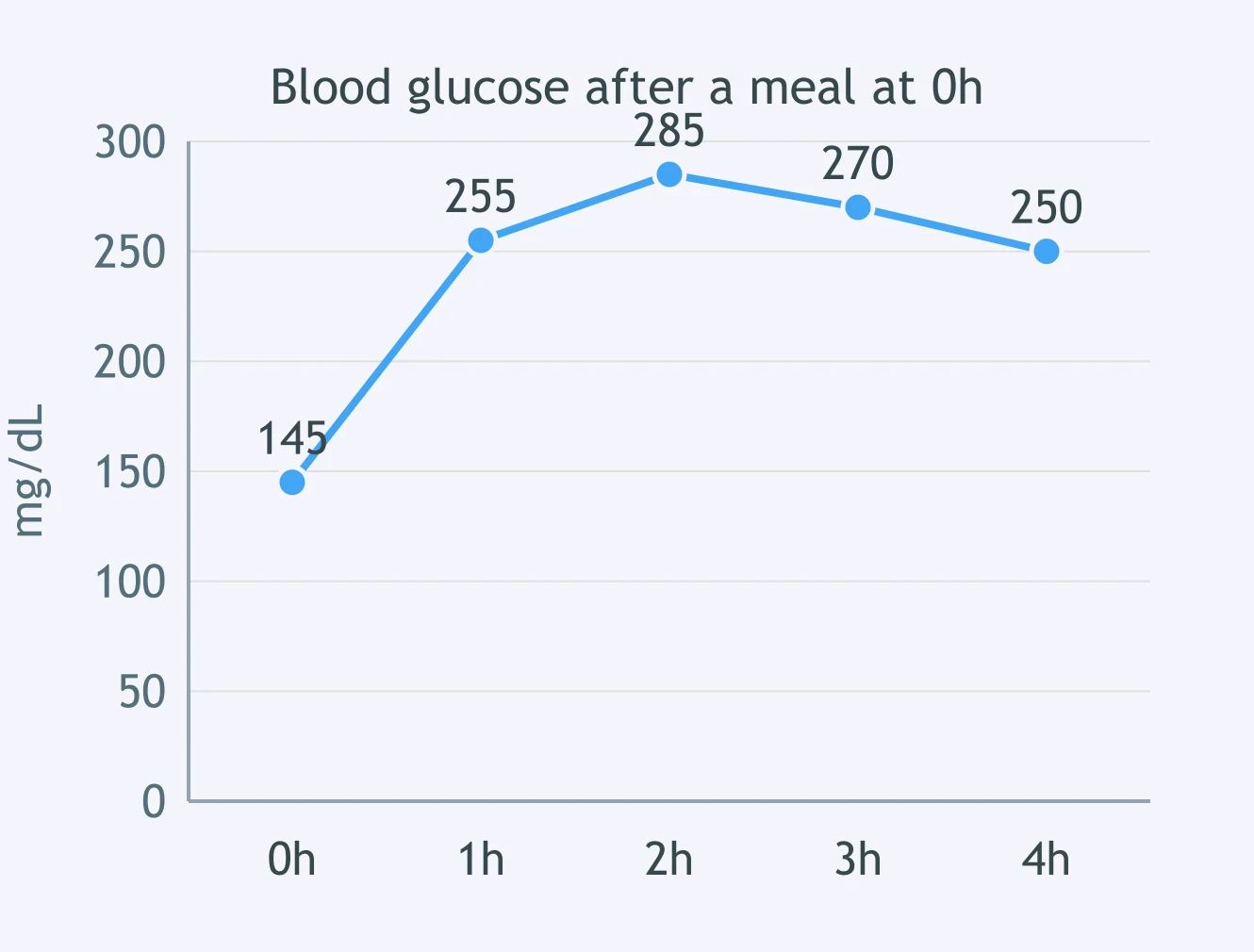
The graph shows blood glucose in a person who has eaten nothing since the meal at 0 h. A healthy person is back to 70-100 mg/dL within about 3 hours. Which conclusion is best supported?
A child's pituitary gland releases far more growth hormone than normal all through childhood. What is the expected result?
A student pulls her hand off a hot pan in under a second, but stays shaky with a pounding heart for several minutes afterwards. Which explanation fits both parts?
Hormones act on their targets more quickly than nerve impulses do.
Endocrine glands release their hormones directly into the bloodstream, while neurons release neurotransmitters into a synapse.
Crack the passcode before the zombies get in.
Answer, then swat bugs for bonus points.
Race through questions at your own speed.
Same question on every screen. Fastest wins.

Pick a tile, answer, hit bonuses and steals.
Reproduction and Human Development
20 questions