Loading
by BlastRoom
Roots, stems and leaves — match each structure to the job it does for the plant.
#biology
40 questions
One question set, multiple game modes. Tap any game to see it in action. Not sure which to pick?
Answer to place stones and capture territory.
Outrun the snow together.
Earn blasts, then hunt the other team.
Answer to earn energy, then climb.

The class blasts through walls together.
Bid on mystery lots. Most money wins.
Sell tours. Nice, standard, or a total scam.

Answer, restock, and serve the rush.
More correct answers pulls the rope your way.
Answer, then shoot down the alien wave.
Answer, then tap to leap the frozen ridge.
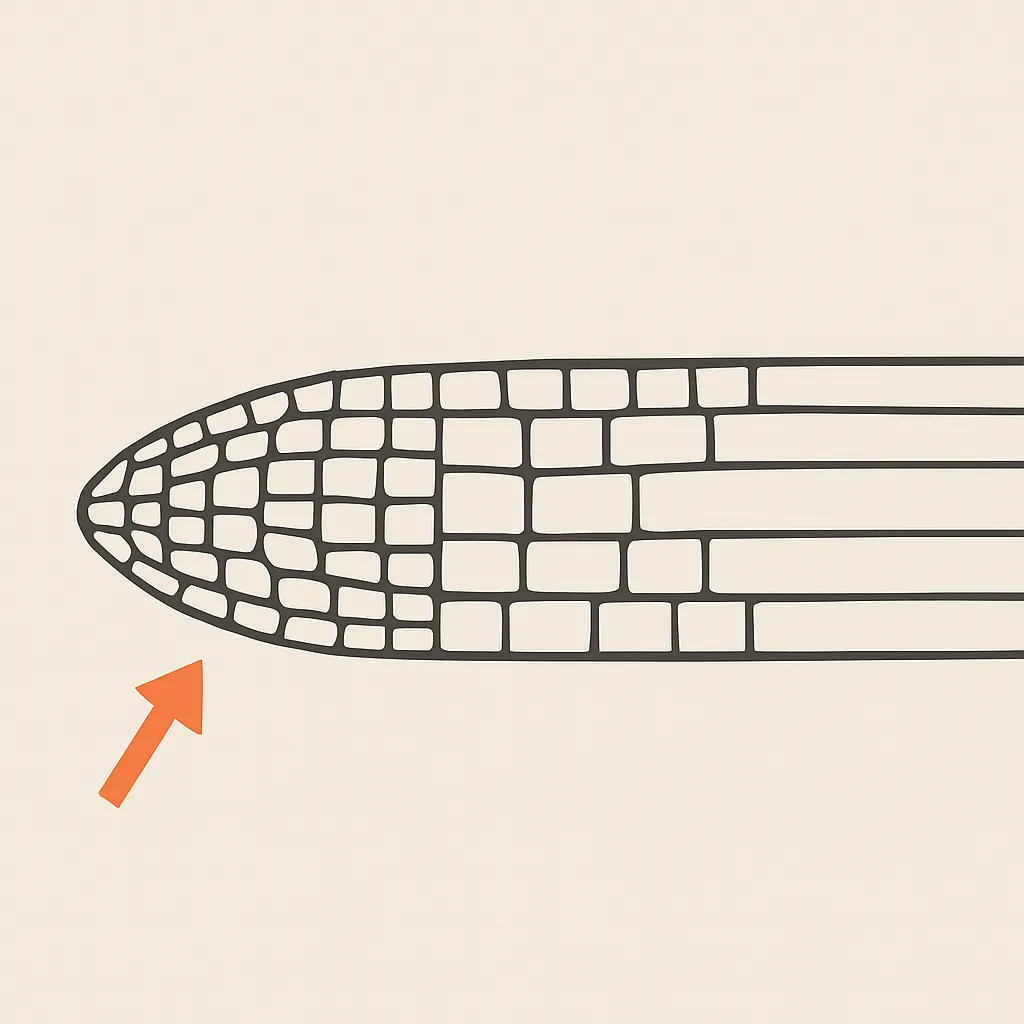
The arrow marks a layer of loose, slimy cells covering the extreme tip of this young root. These cells are scraped off and replaced as the root pushes down. What is this structure?
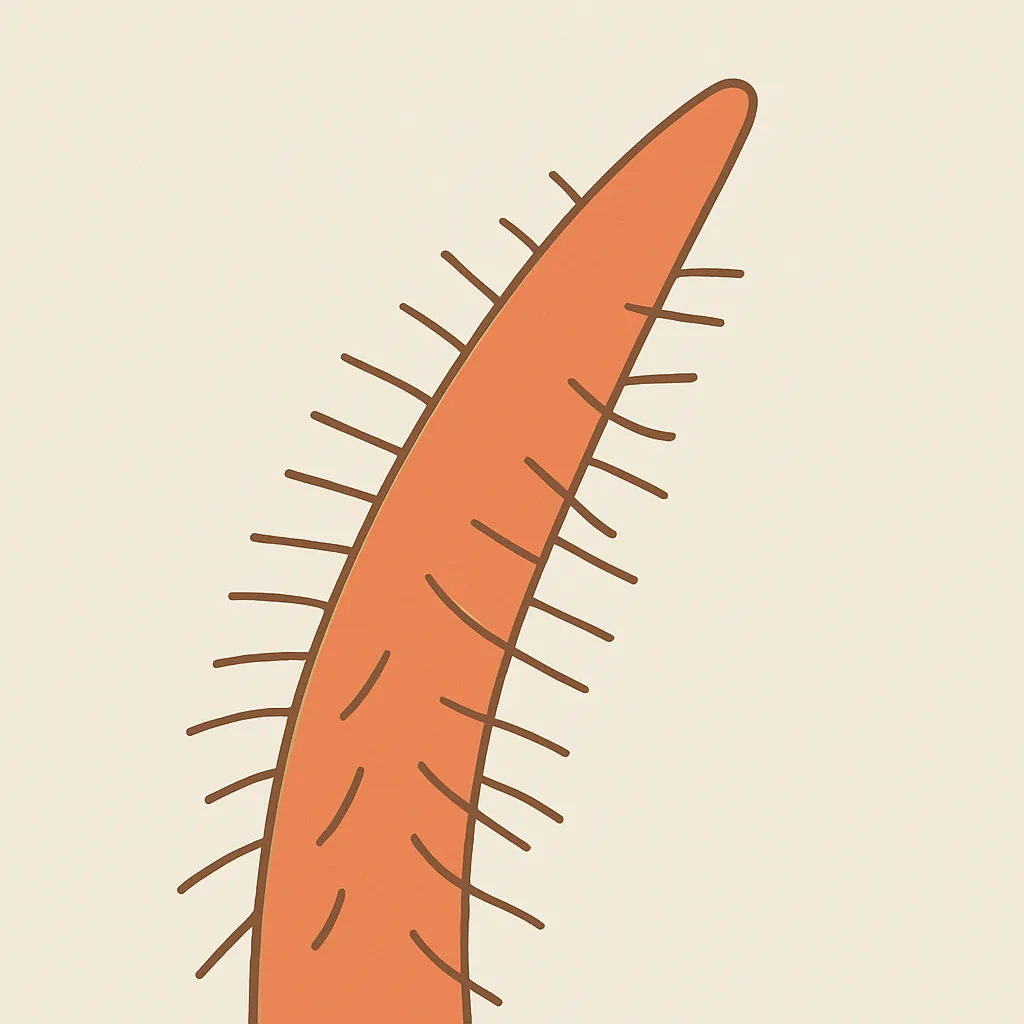
Root hairs are long, thin extensions of individual epidermal cells in the region just behind the root tip. What do they mainly do for the plant?
A root was cut across after the plant stood in red dye. The arrow marks the tissue at the center of the root that took up the dye first. Which tissue is it?
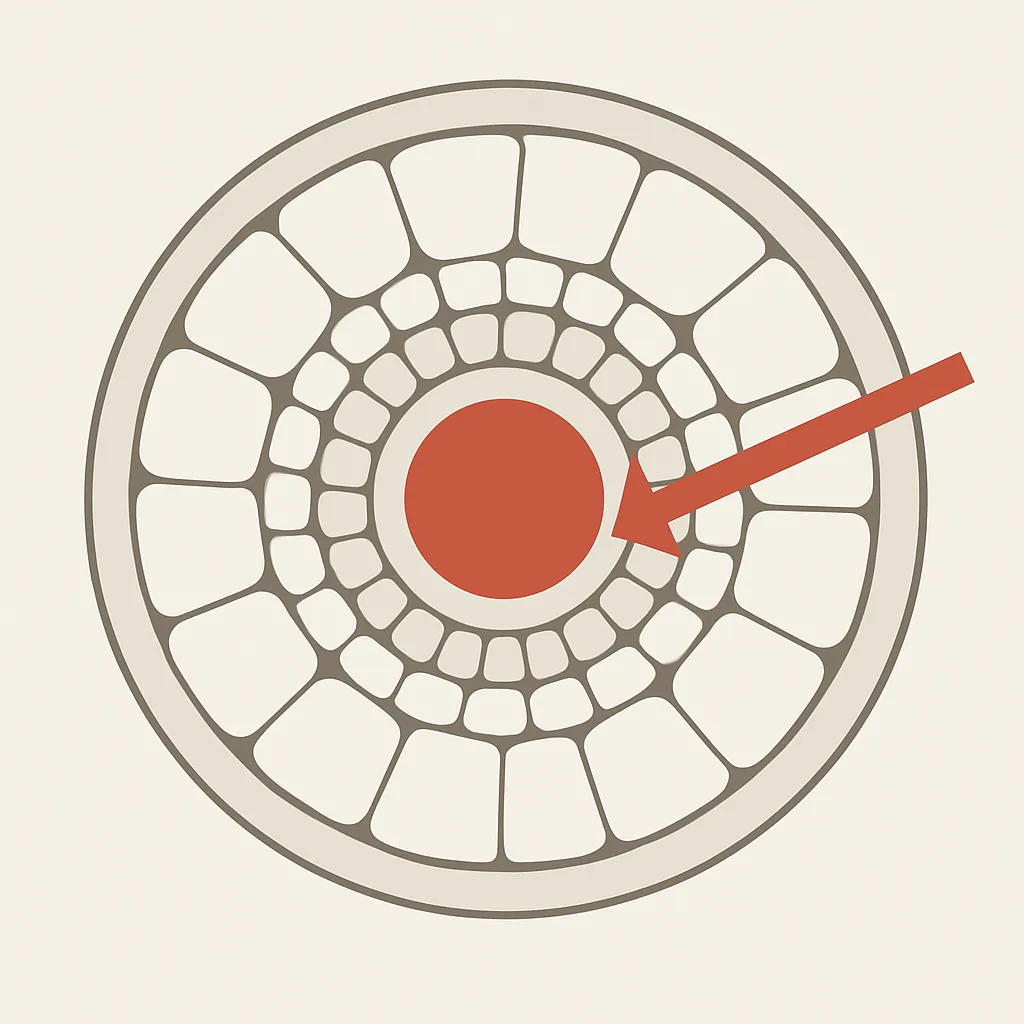
Which root tissue lies between the epidermis and the central vascular cylinder and stores starch as a food reserve?
A root can take up a mineral ion from the soil even when that ion is already more concentrated inside the root cell than in the soil solution outside.
A grazing animal pulls hard at a dandelion but the plant stays firmly in the ground. Which root function does this show?
One organ of the plant in the picture is circled. Which pair of jobs does that organ do?

Mineral ions often enter root hair cells against a concentration gradient. What does that movement require?
The picture shows the surface of a root a few millimeters behind the tip, covered in fine outgrowths. What is each of these outgrowths?
Root cells respire all day but contain no chloroplasts. Which tissue delivers the sugar they respire?
Road salt soaks into the soil beside a tree. Water then moves out of the root hair cells instead of into them. What explains this?
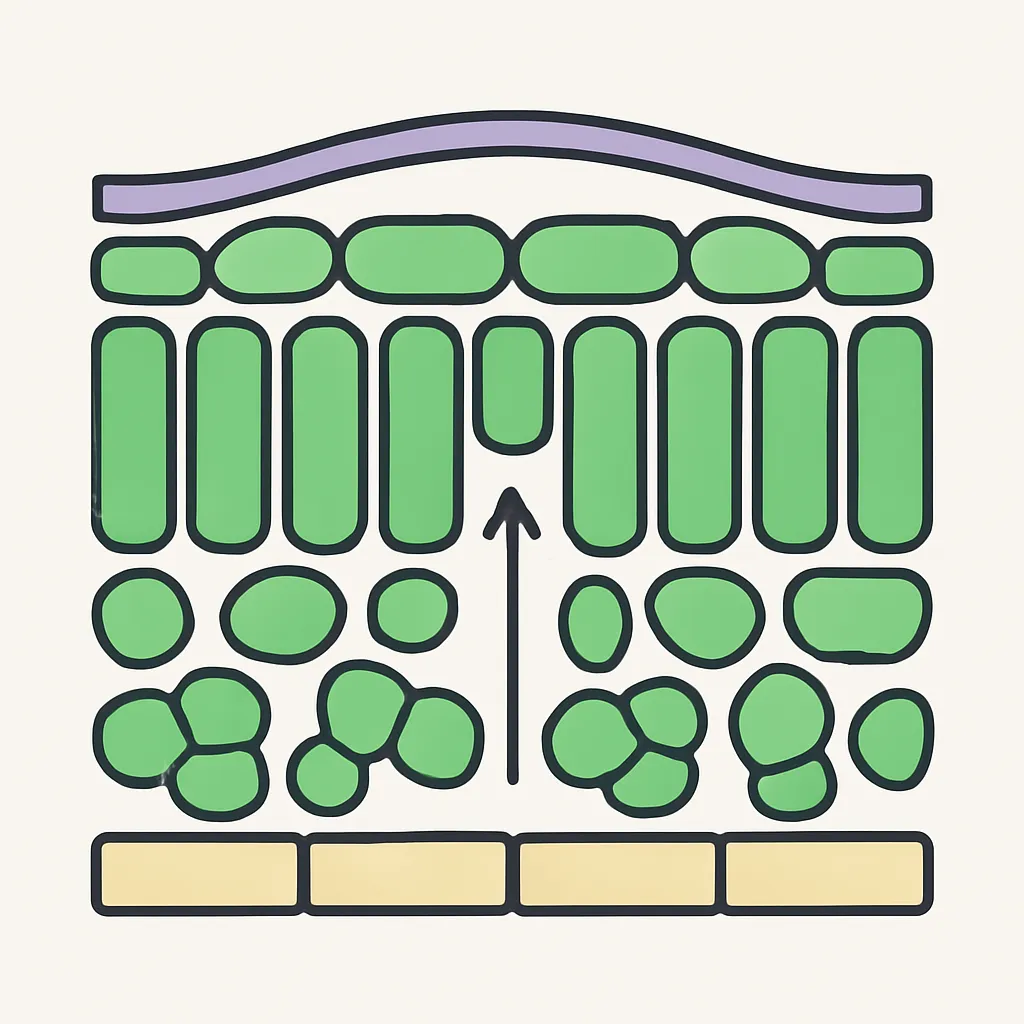
The arrow marks a layer of tall, closely packed cells lying just under the upper surface of this leaf, crowded with chloroplasts. Which tissue is it?
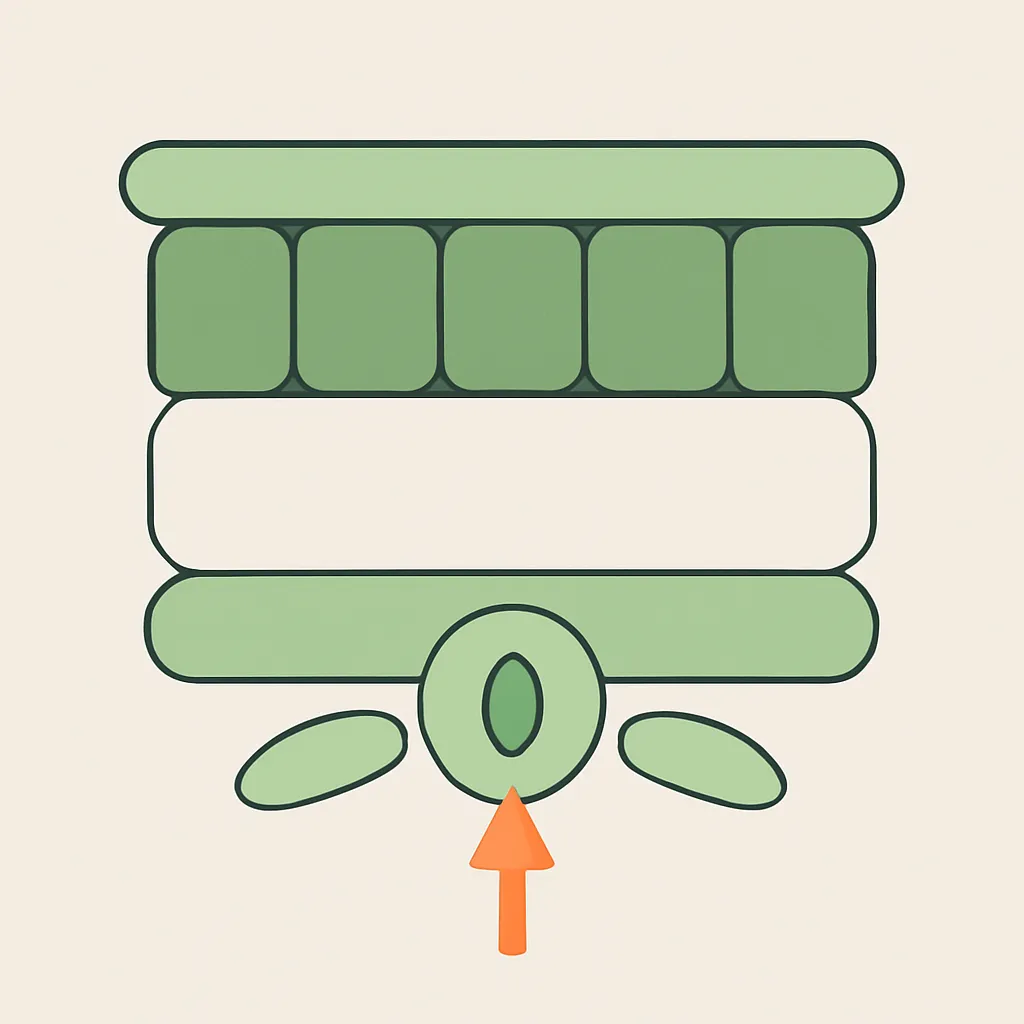
The arrow marks a small pore in the lower surface of this leaf, bordered by two curved, bean-shaped cells. Which structure is it?
Which leaf tissue is loosely arranged with large air spaces between its cells, so carbon dioxide can diffuse to the cells that use it?
Which feature of a leaf does most to limit water loss from its upper surface?
Guard cells take in water, swell and bow apart. What does this do for the leaf?
The arrow marks a bundle of tubes running through the middle of this leaf. When the plant stands in red dye, this tissue stains first. Which tissue is it?
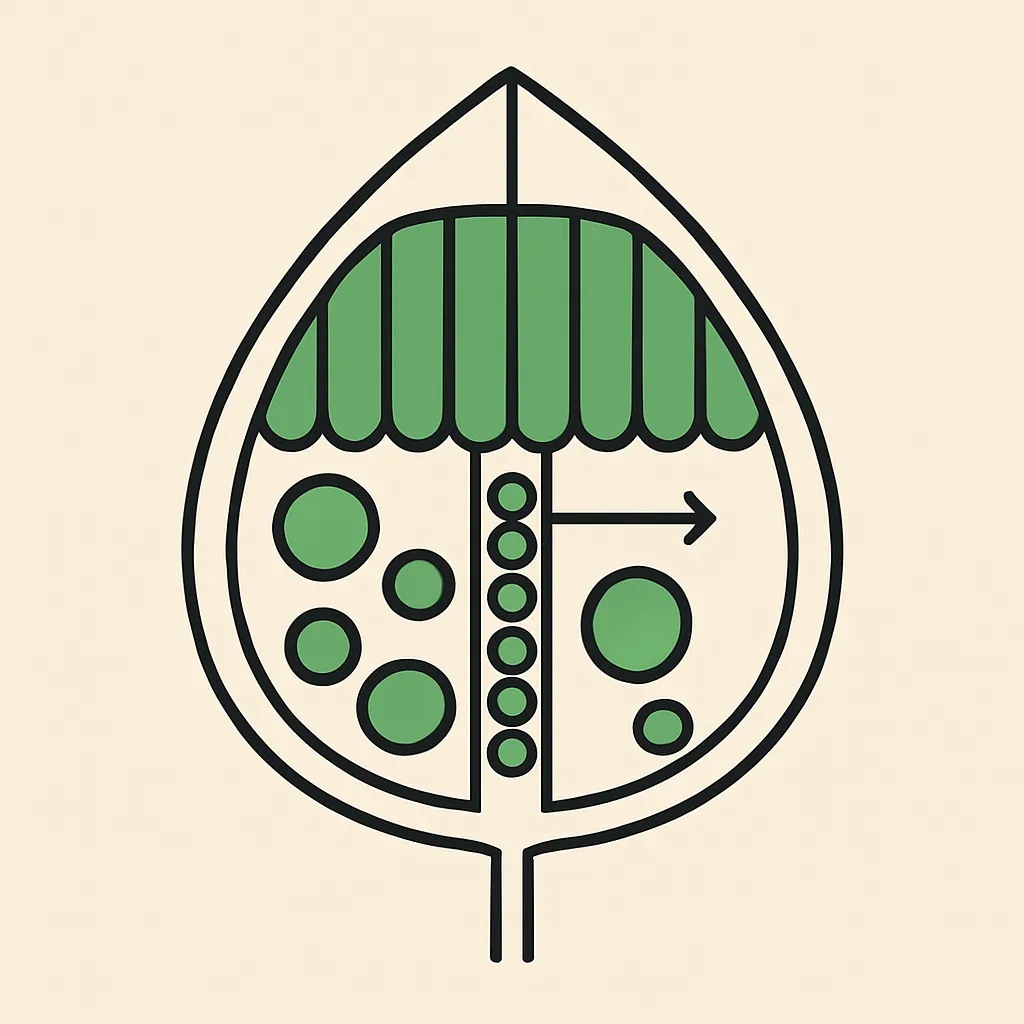
In the xylem of a leaf vein, water travels downward out of the leaf blade toward the stem.
Which structures control how much water vapor escapes from a leaf?
In a typical broadleaf plant, far more stomata are found on the underside of the leaf than on the top. What is the advantage of this arrangement?
The arrow marks the thick, clear, waxy layer covering the outside of this desert plant's leaf. What does that layer do?
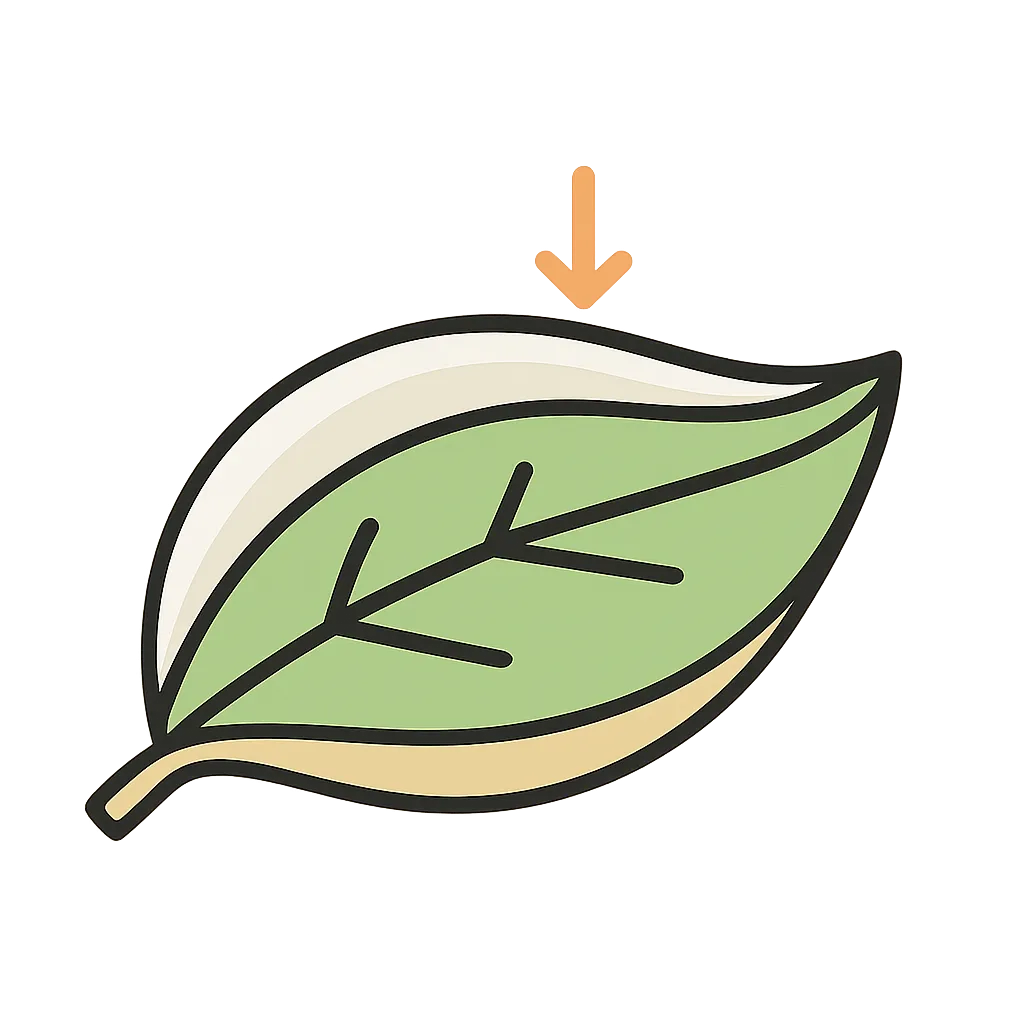
The upper epidermis of a leaf is a single layer of transparent cells holding few chloroplasts. Why is being transparent useful?
The trunk of an oak grows measurably wider every year. Which tissue makes the new cells that add that width?
The arrow marks the soft tissue filling the very center of this young woody stem. What is it?
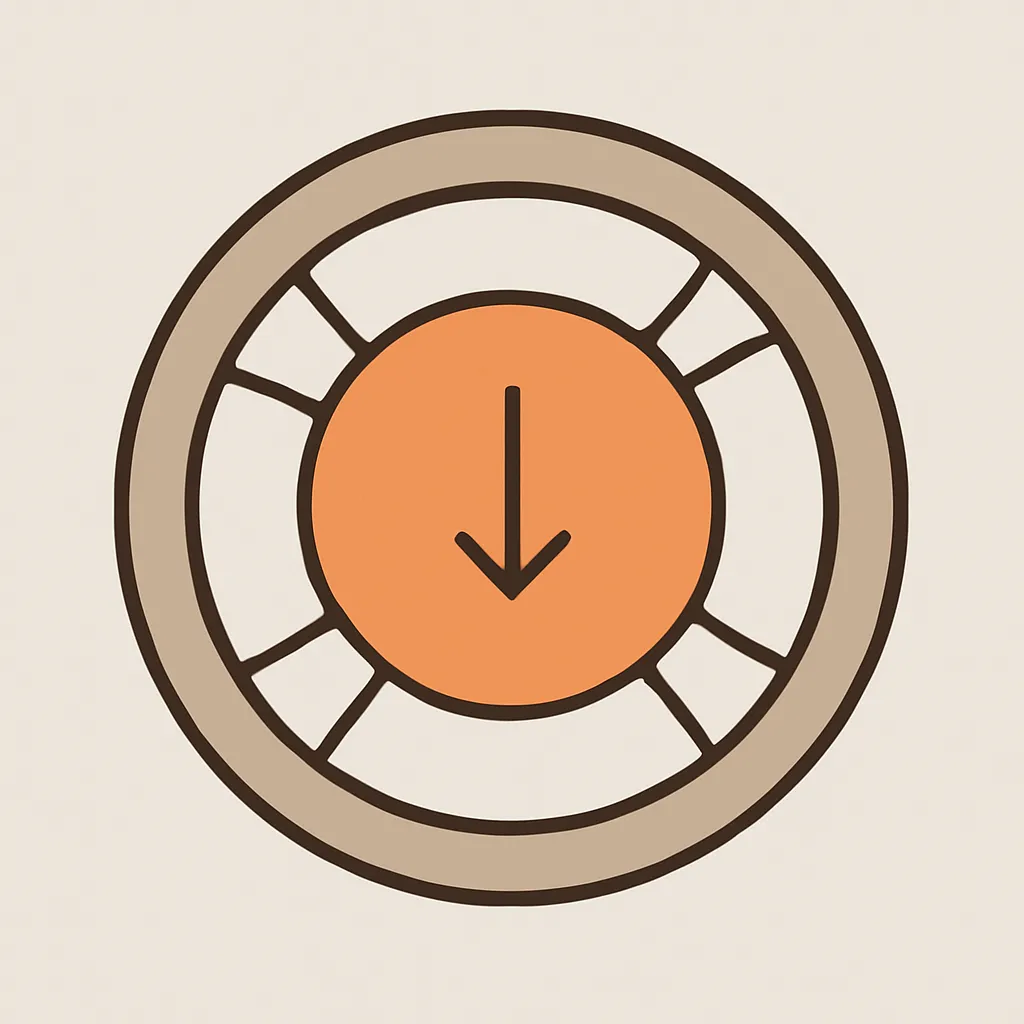
The arrow marks a ring of tissue just inside the bark of this stem. Radioactive sugar fed to the leaves shows up here first. Which tissue is it?
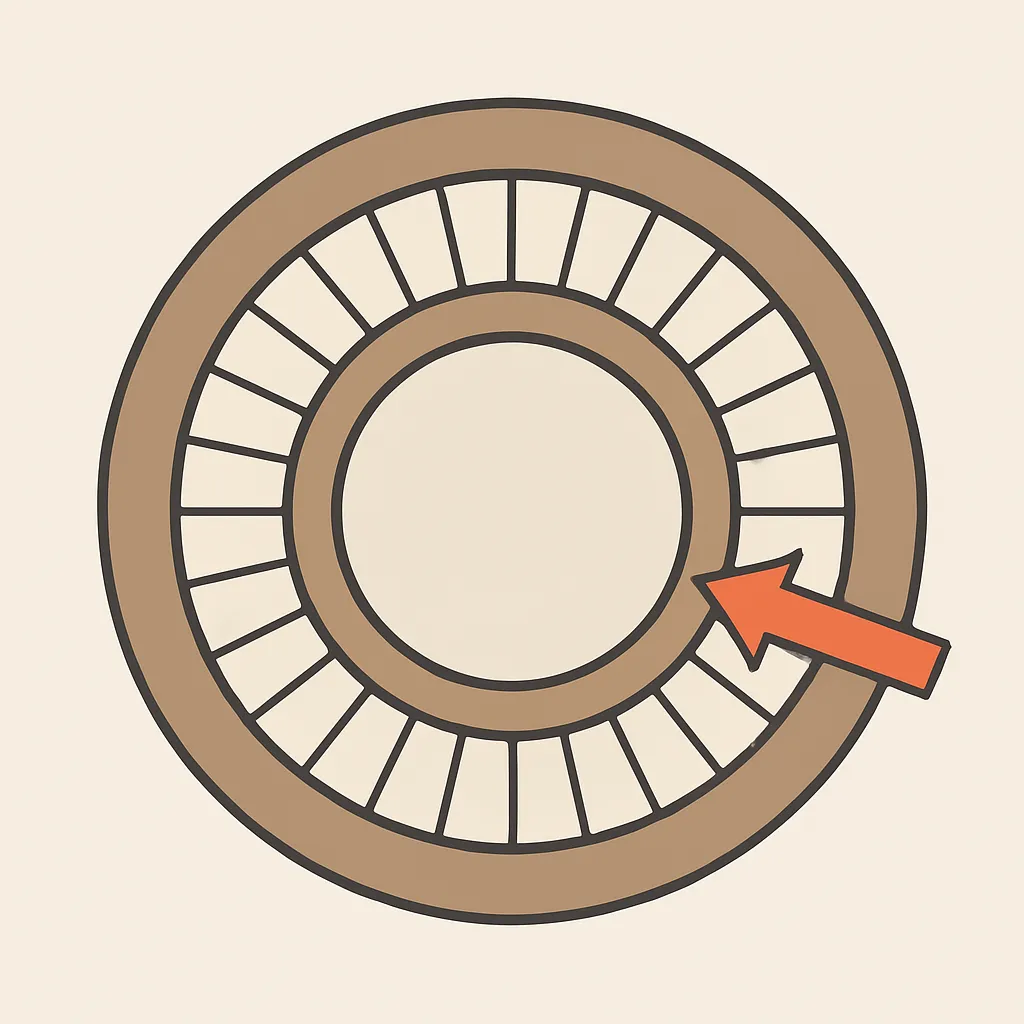
A beech trunk holds a heavy crown of branches many meters above the ground. Which tissue supplies most of that mechanical support?
Besides holding the leaves up in the light, what is the other main job a green stem does?
In a dicot stem the vascular bundles sit in a ring near the outside; in a monocot stem such as corn they are scattered through the stem. Which of these does a corn stem therefore not have?
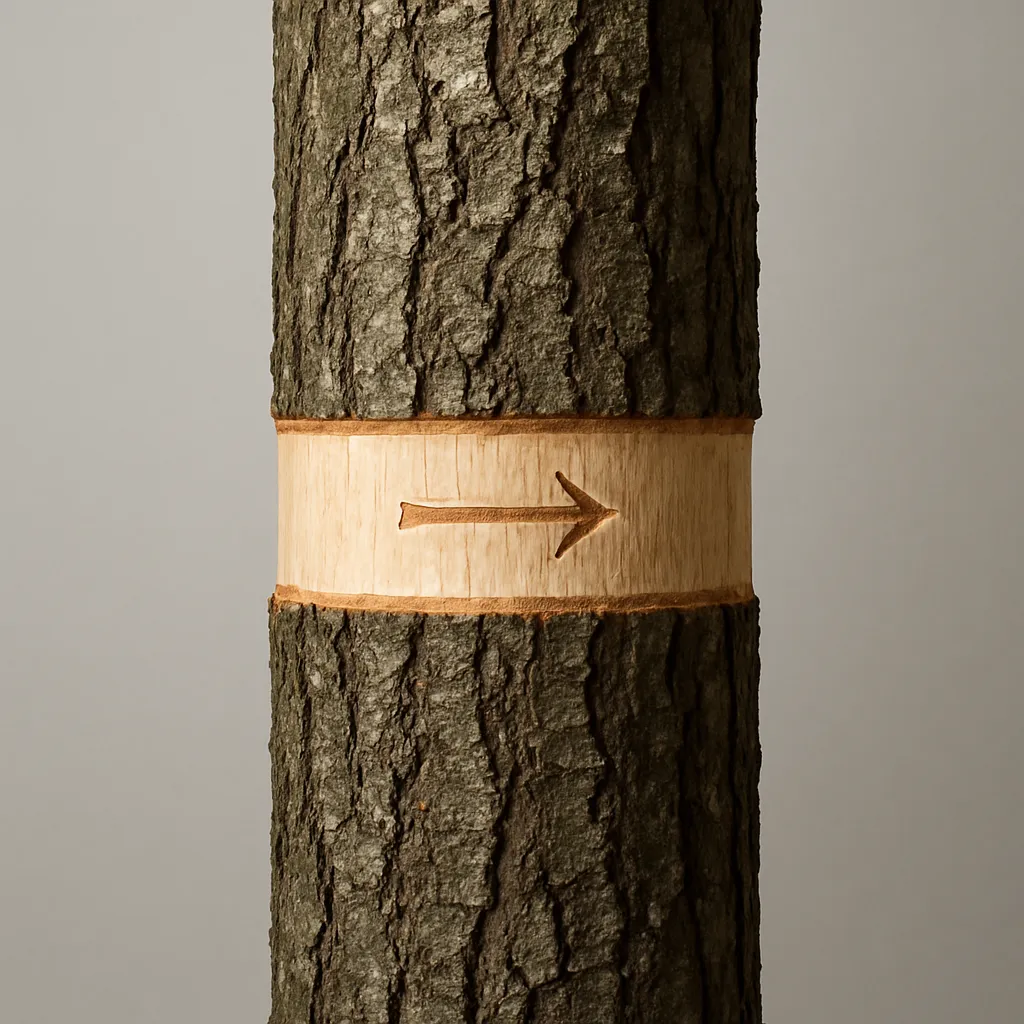
A complete ring of bark has been cut from this apple trunk, as the arrow shows. That summer the leaves stay green, the trunk swells above the cut, and the roots starve. Which tissue was removed?
A student smears petroleum jelly over the lower surface of every leaf on a potted plant. The plant then draws far less water from its pot. Which structures were blocked?
A seedling is transplanted roughly and the fine outgrowths behind its root tips are stripped away. It wilts for several days even though the soil around it is wet. Why?
A fungal disease plugs the xylem vessels running through an elm's trunk. Which process fails first?
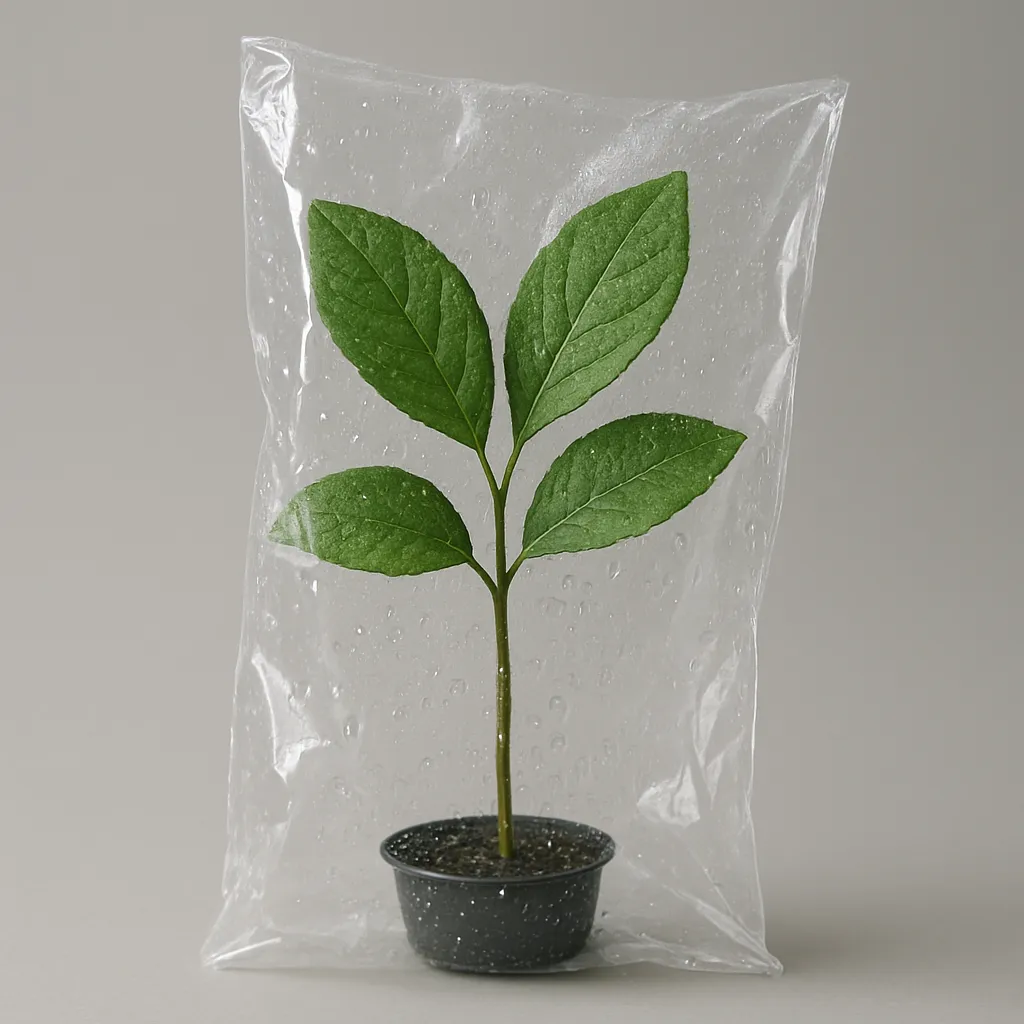
A clear bag was tied over the leafy shoot of this plant, and droplets collected inside it within hours. Which process is this, and where did the water leave the plant?
A wire tied tightly around a sapling cuts in and destroys the vascular cambium on one side. That side of the trunk stops getting thicker. Which new tissues does that side stop making?
A potato forms at the end of a horizontal underground branch and carries buds, the 'eyes', that can sprout into new shoots. Which organ is a potato a modified form of?
A carrot is one thick taproot swollen with stored food. What does that store do for the carrot plant?
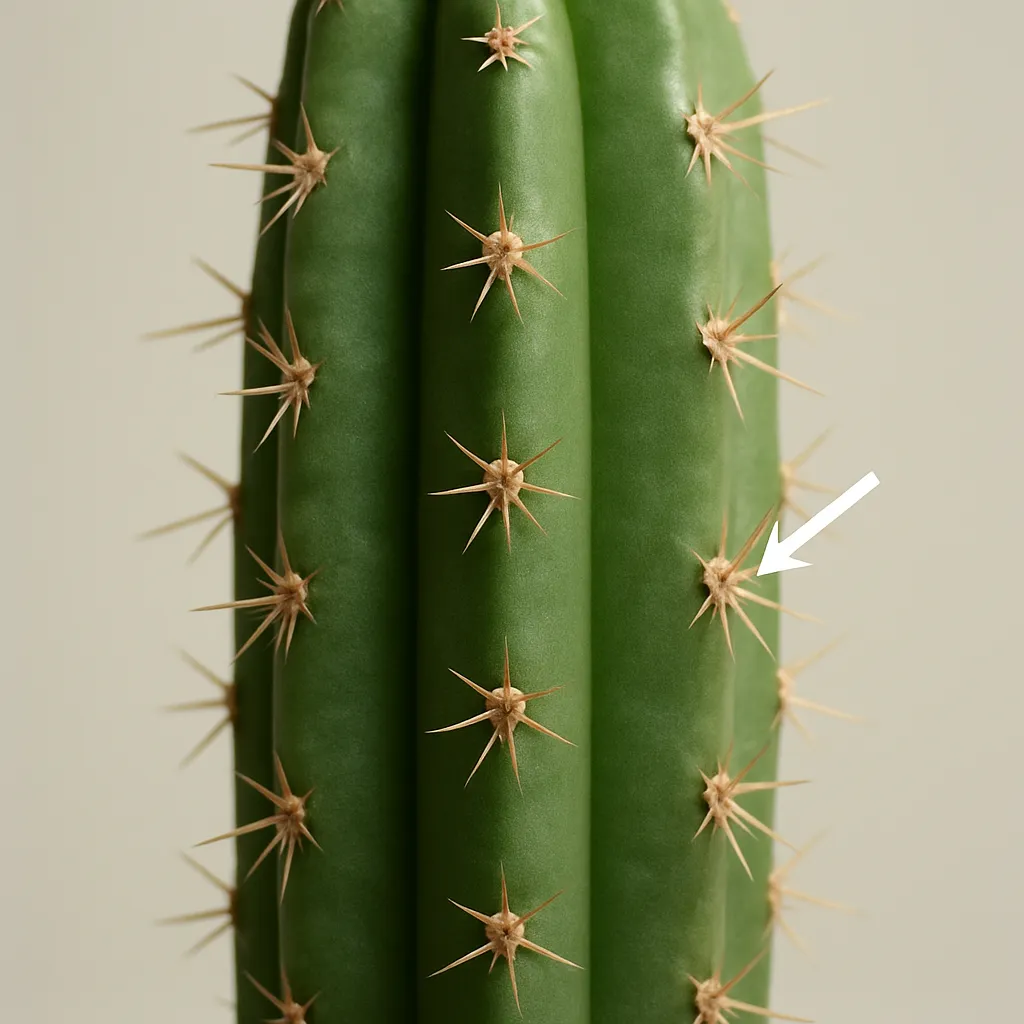
The arrow marks one spine on this cactus. A cactus spine develops in the position a leaf would occupy. Which job does the thick green stem take over as a result?
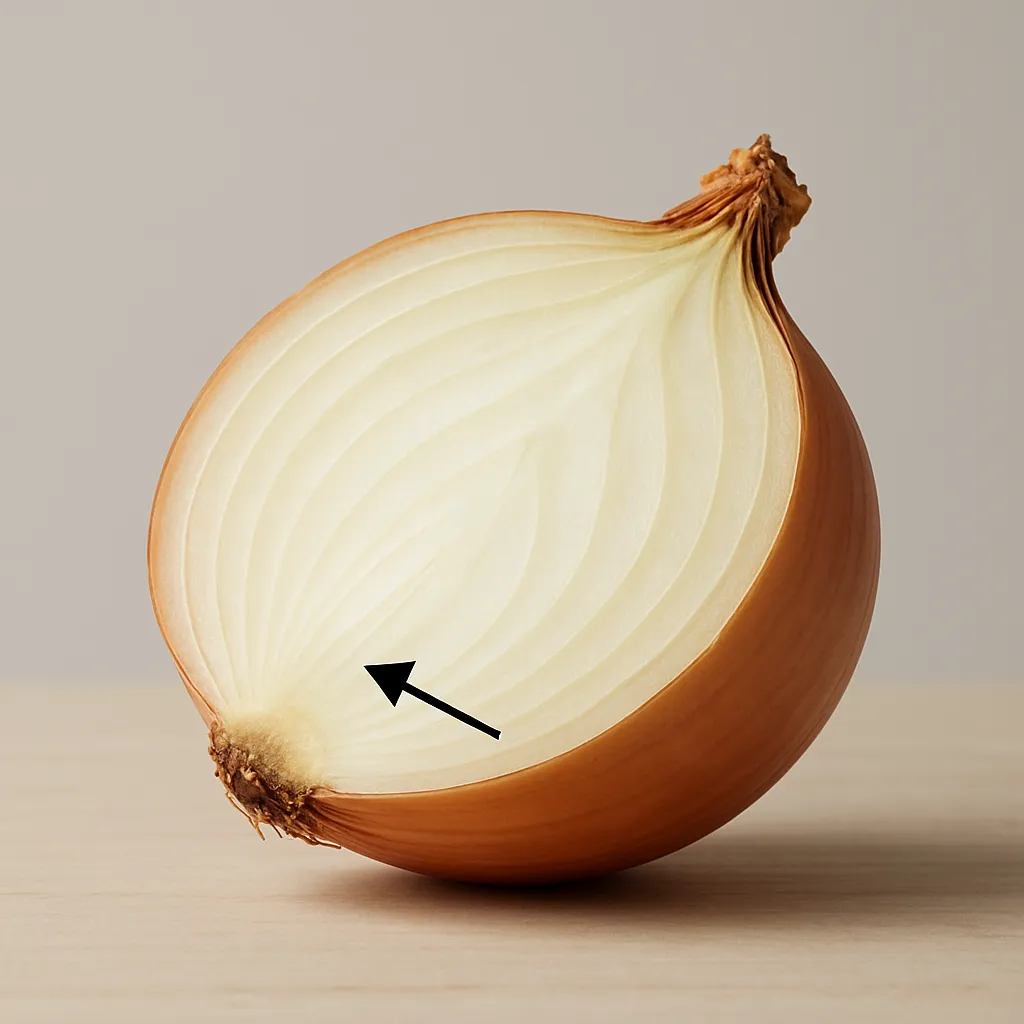
The arrow marks one of the fleshy layers inside this onion bulb. Which organ are those layers modified forms of?
A strawberry runner that creeps across the soil surface and takes root where it touches down is a modified stem.
Ginger sold as a 'root' is really a rhizome: a thickened stem growing horizontally just below the soil, carrying scale leaves and buds along its length. What does the plant use it for?
Crack the passcode before the zombies get in.
Answer, then swat bugs for bonus points.
Race through questions at your own speed.
Same question on every screen. Fastest wins.

Pick a tile, answer, hit bonuses and steals.
Plant Reproduction
20 questions