Loading
by BlastRoom
Nonspecific barriers, the specific response, antibodies, vaccines and antibiotics, and what each does and does not treat.
#biology
20 questions
One question set, multiple game modes. Tap any game to see it in action. Not sure which to pick?
Answer to place stones and capture territory.
Outrun the snow together.
Earn blasts, then hunt the other team.
Answer to earn energy, then climb.

The class blasts through walls together.
Bid on mystery lots. Most money wins.
Sell tours. Nice, standard, or a total scam.

Answer, restock, and serve the rush.
More correct answers pulls the rope your way.
Answer, then shoot down the alien wave.
Answer, then tap to leap the frozen ridge.
Mucus and cilia in the trachea trap and sweep out dust, pollen, cold viruses and bacteria alike. What does this show about this defense?
A splinter enters a person's finger. Within an hour the area is red, warm and swollen, and phagocytes have arrived and begun engulfing bacteria. Which statement about this response is correct?
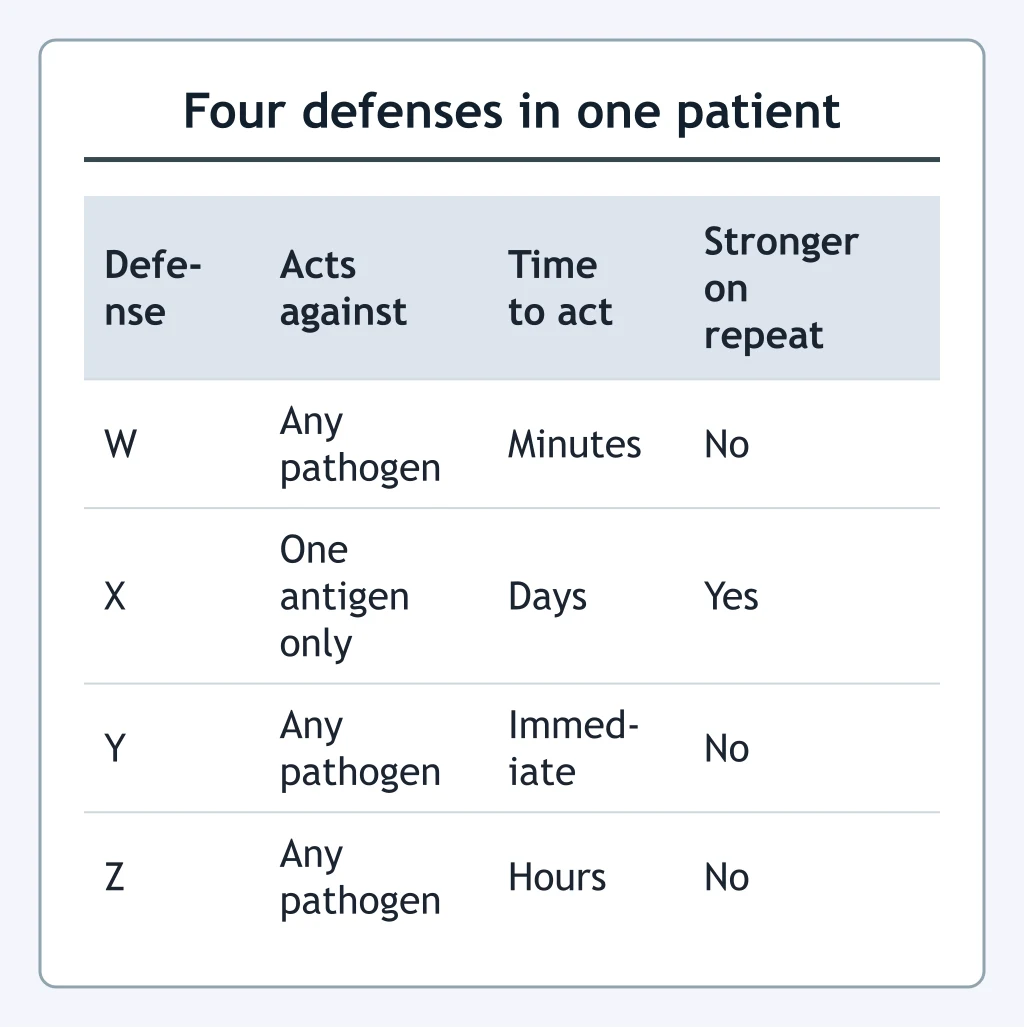
The table describes four defenses observed in one patient. Which defense is part of the specific immune response?
Which of these destroys or blocks microorganisms before any lymphocyte is involved?
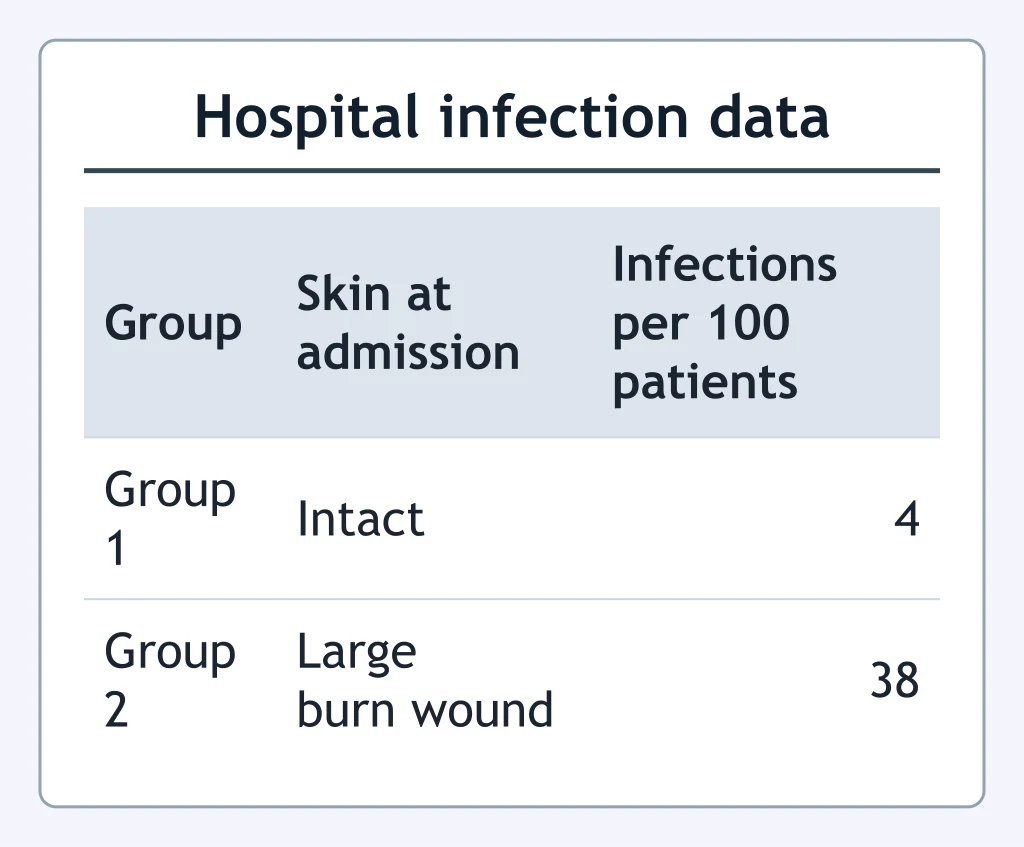
Two groups of hospital patients were compared over the same period. Which conclusion about the skin do the data best support?
A child recovers from chickenpox. Twelve years later the same virus enters the body and is cleared before any symptoms appear. What accounts for the faster second clearance?
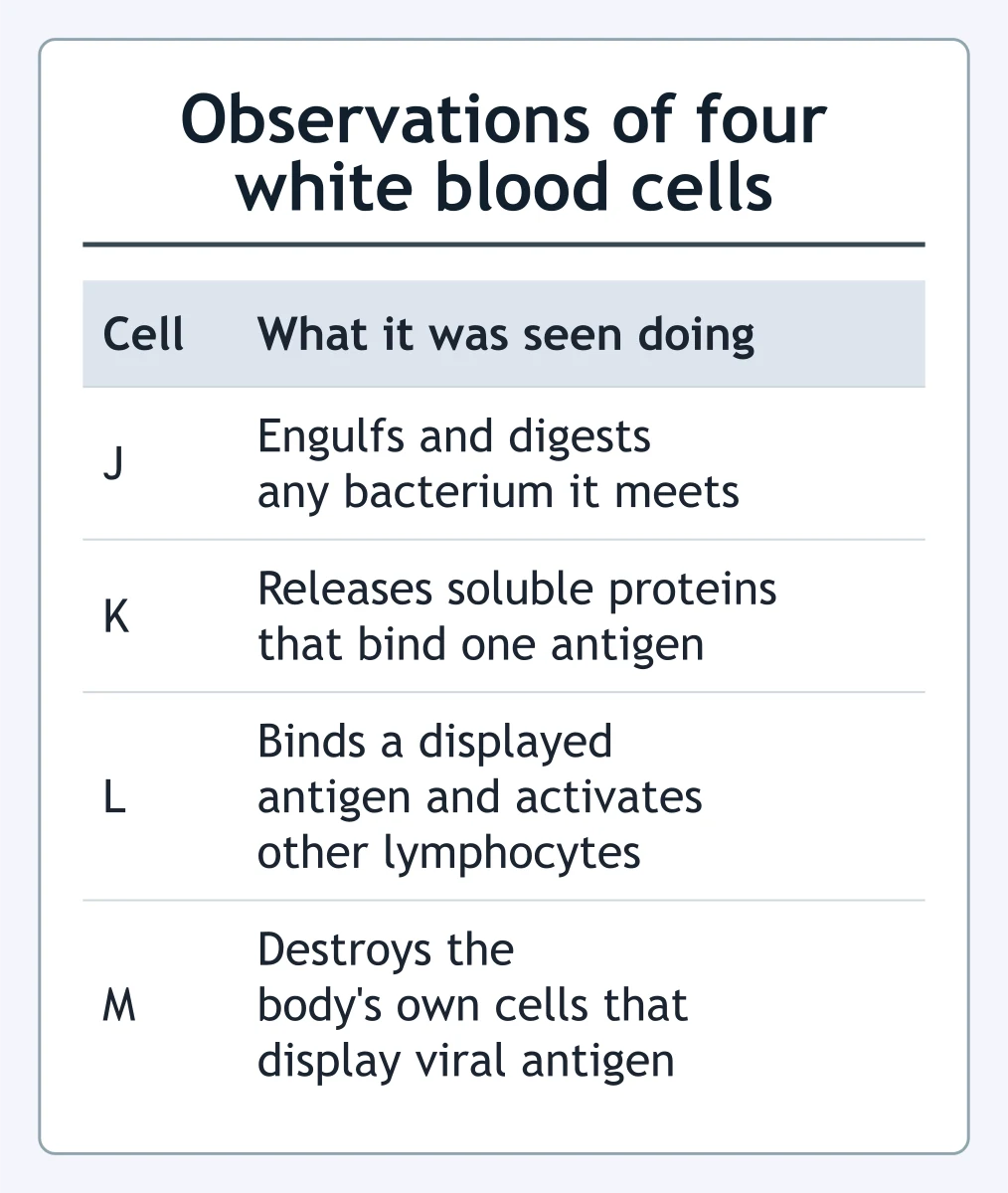
The table records what four white blood cells were seen doing during an infection. Which cell is a B cell that has become an antibody-secreting plasma cell?
During a viral infection one lymphocyte binds an antigen displayed on the surface of an infected cell and then releases signals that activate B cells and cytotoxic T cells. Which cell is this?
Each antibody molecule can bind many different kinds of antigen.
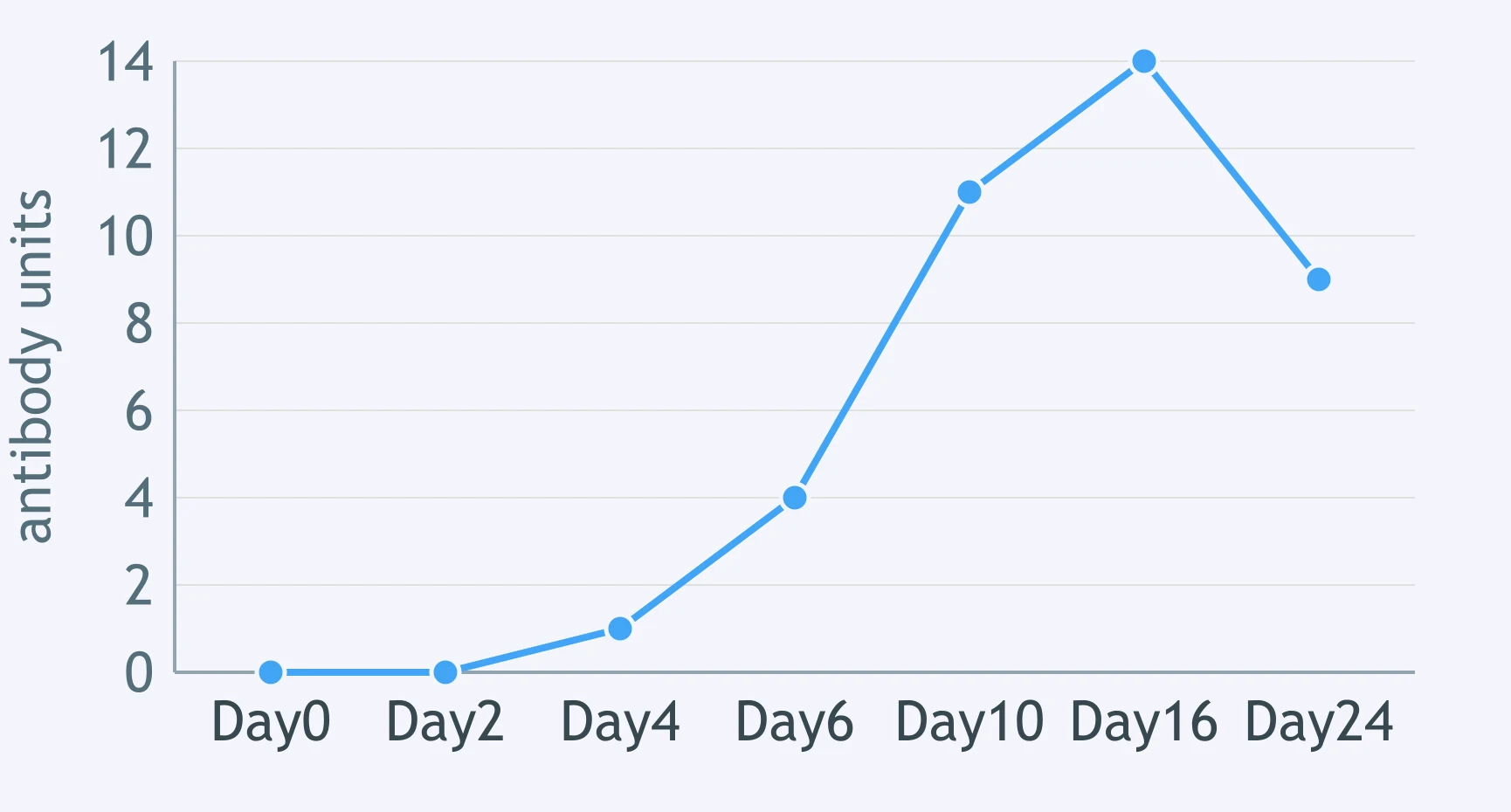
The graph shows antibody concentration in the blood after a pathogen first entered the body on day 0. The concentration stays near zero for several days before it rises. What best explains that delay?
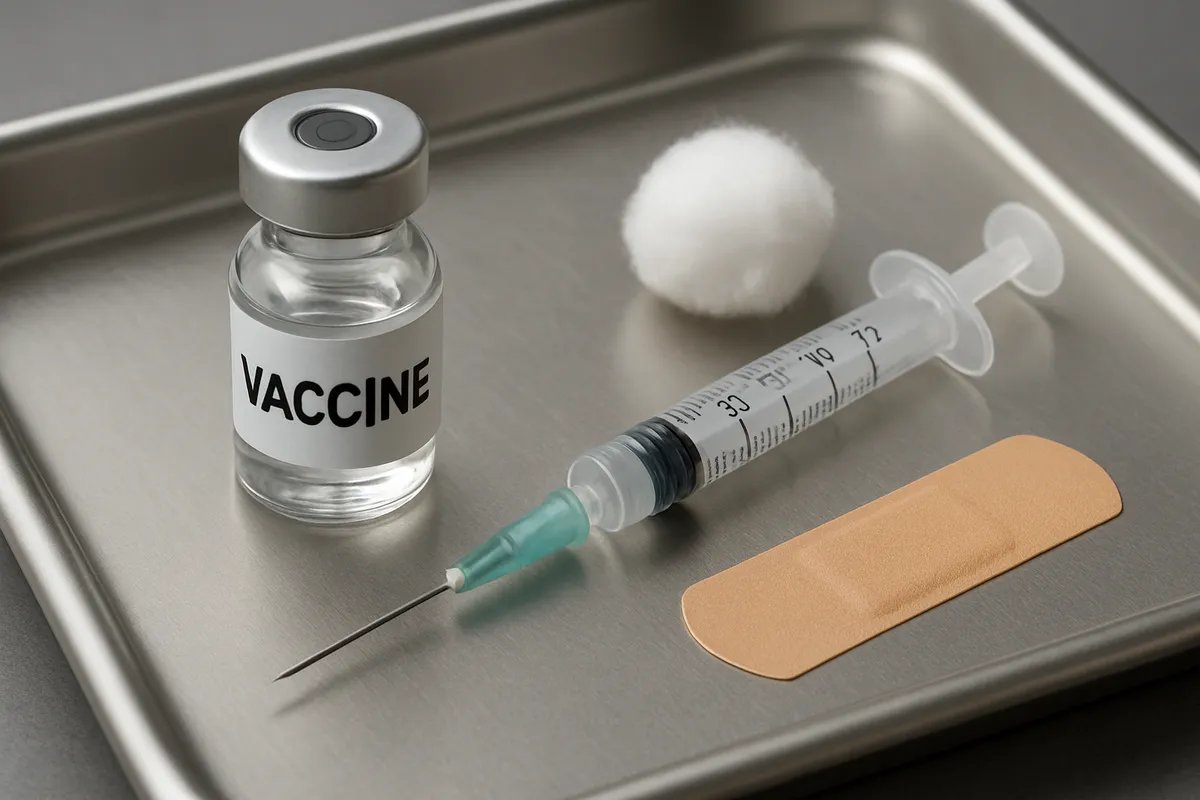
A vaccine contains a weakened or inactivated form of a pathogen, or a piece of one, that cannot cause the disease. Why does receiving it protect a person later?
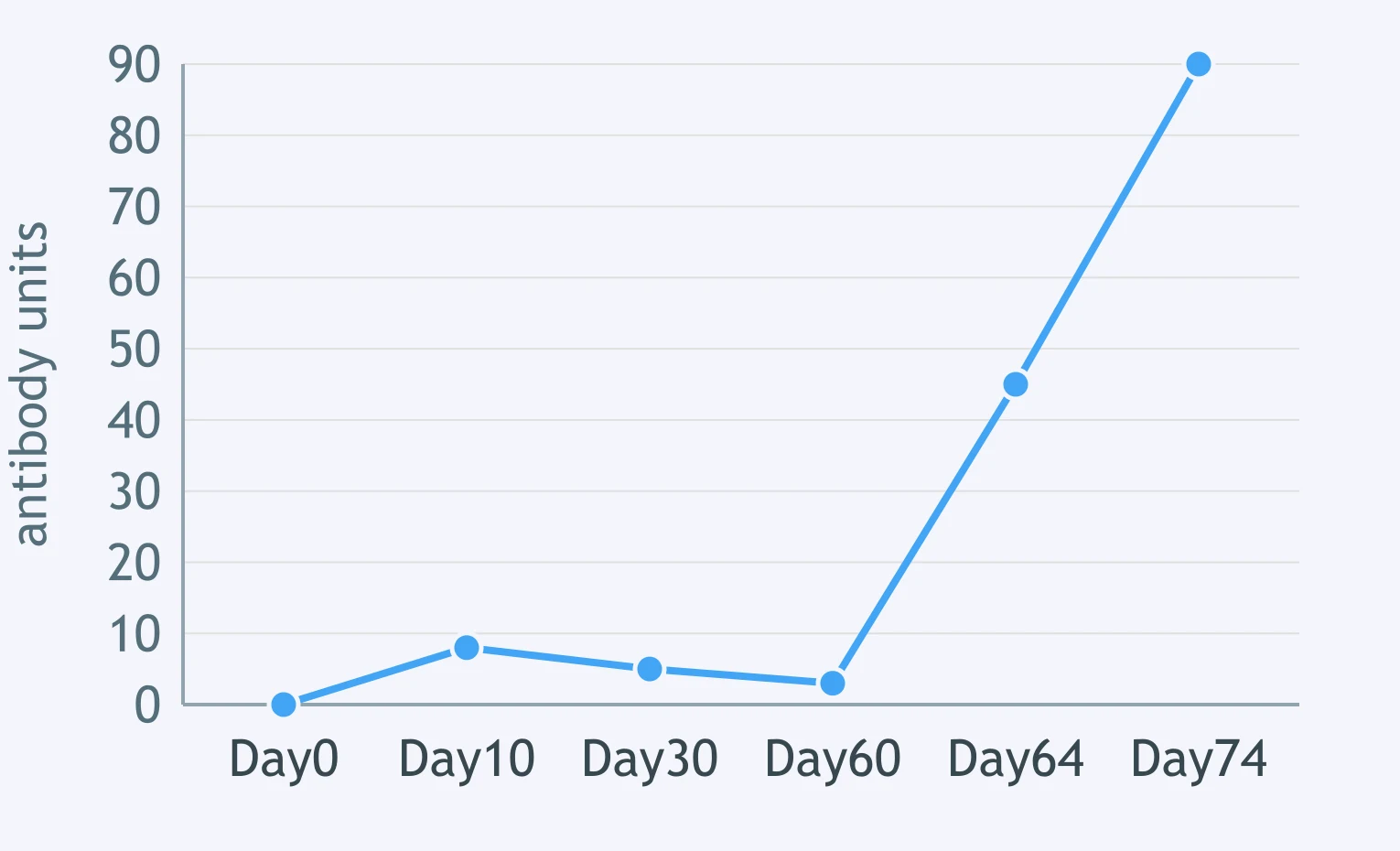
The graph shows antibody concentration after a vaccine given on day 0 and a booster dose of the same vaccine on day 60. What does the booster dose achieve?
Which scientist noticed that milkmaids who had caught cowpox did not catch smallpox, inoculated a boy with material from a cowpox sore, and then showed that the boy did not develop smallpox?
Influenza vaccine is given again every year, while a measles vaccine is not repeated annually. What best explains the difference?
A patient with a head cold, which is caused by a virus, asks for an antibiotic. Why will an antibiotic not help?
A patient with a bacterial infection feels better after 4 days and stops a 10-day course of antibiotics. Why is stopping early a problem?
A doctor sees four patients on the same morning. Which patient's illness can be treated with an antibiotic?
The graph shows antibody concentration against one antigen. The person met that antigen on day 0 and met the same antigen again on day 90. What accounts for the second response?
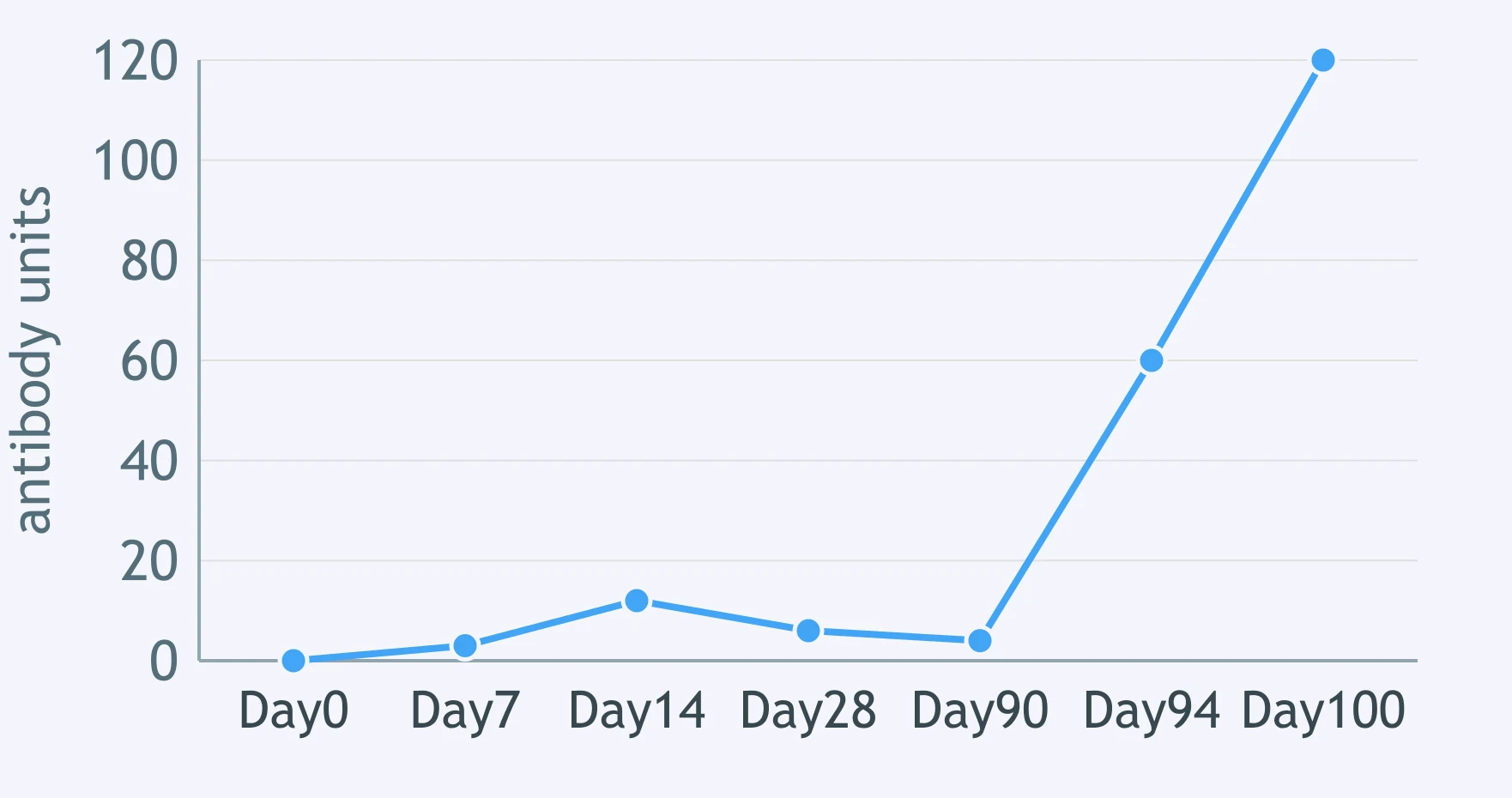
The graph shows antibody concentration against one antigen. The person was exposed on day 0 and exposed again on day 90. About how long after the second exposure did the concentration reach its highest point?
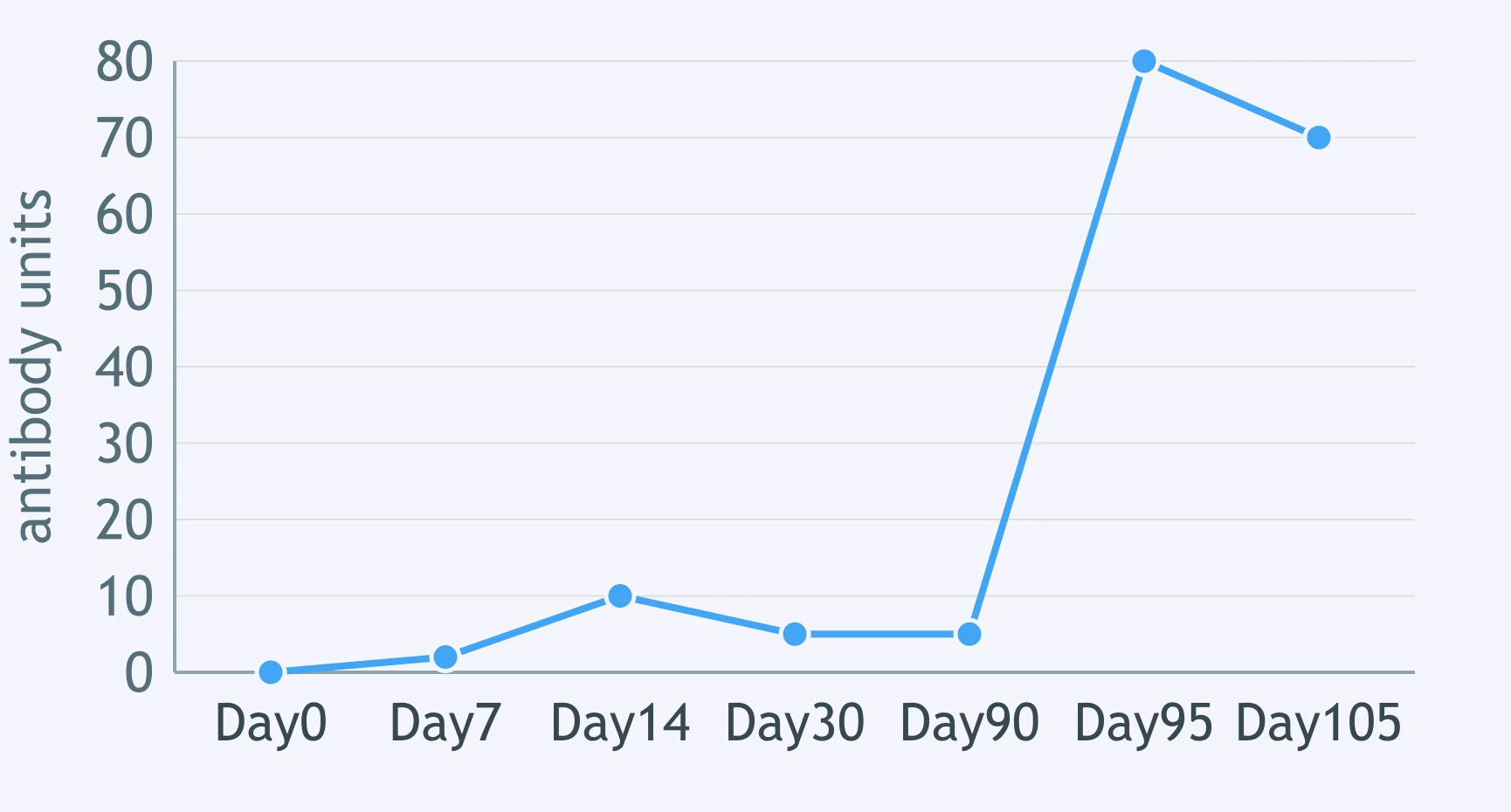
The graph shows a person's antibody against antigen A after two exposures to A. The person is now exposed for the first time to an unrelated antigen B. What does the graph lead you to predict for antigen B?
Crack the passcode before the zombies get in.
Answer, then swat bugs for bonus points.
Race through questions at your own speed.
Same question on every screen. Fastest wins.

Pick a tile, answer, hit bonuses and steals.
The Excretory System
20 questions