Loading
by BlastRoom
Learning without doing: modeling, latent learning, insight and learned helplessness.
#psychology
25 questions
One question set, multiple game modes. Tap any game to see it in action. Not sure which to pick?
Answer to place stones and capture territory.
Outrun the snow together.
Earn blasts, then hunt the other team.
Answer to earn energy, then climb.

The class blasts through walls together.
Bid on mystery lots. Most money wins.
Sell tours. Nice, standard, or a total scam.

Answer, restock, and serve the rush.
More correct answers pulls the rope your way.
Answer, then shoot down the alien wave.
Answer, then tap to leap the frozen ridge.
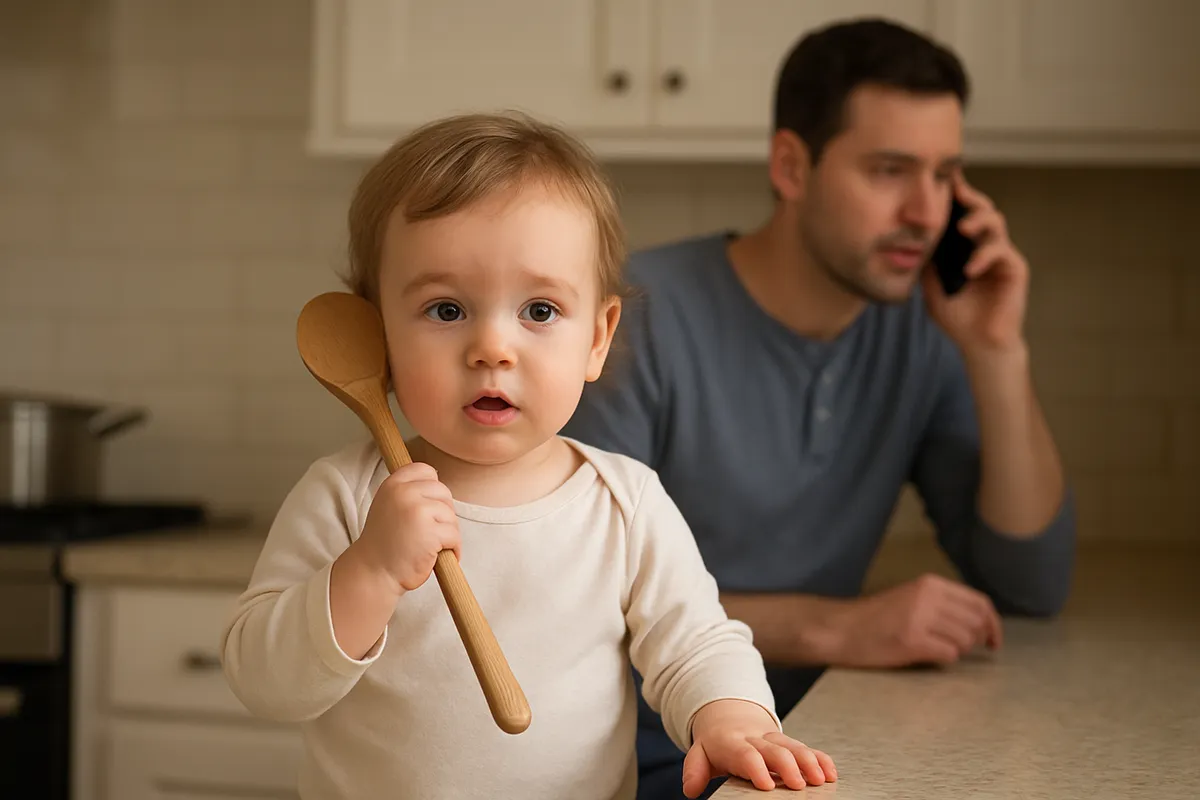
A toddler who has never used a phone holds a block to her ear and says hello after watching her dad. This behavior is best explained by
A dance coach performs a new step slowly, and players copy her movements until they match. The coach's demonstration is an example of
Lena learns how to tie a tie by watching a tutorial several times, then tying one herself for the first time. This is
A child sees an older cousin praised for saying sorry after spilling juice, so the child starts saying sorry after accidents. The child's change shows
During lab, Marco watches his partner put on safety goggles before mixing chemicals, then he does the same next time without being reminded. This shows
After seeing classmates raise their hands before speaking, a new student begins raising her hand too. This learned behavior is best explained by
In Bandura's Bobo doll studies, children who watched an adult hit the doll later struck it too. The finding supported the idea that
In a Bandura variation, children saw a model rewarded or punished for aggression before they could play. The result showed that observed consequences can affect
Bandura used the Bobo doll procedure to challenge a strict behaviorist claim because children imitated aggression without
Erin wanders a new school for a week. When late for a quiz, she takes a shortcut she has never used. The mental layout guiding her route is a
Rats explore a maze with no food reward. When food appears later, they reach it quickly. This pattern demonstrates
Jamal never drove to the stadium, but after many rides there he can direct a friend through back streets. His route knowledge is best called a
A museum intern seems not to learn the galleries until a visitor asks for a shortcut and she gives one. The earlier hidden learning was
After staring at a tricky puzzle, Priya suddenly sees that turning one piece sideways solves the whole thing. This sudden restructuring is
A student stuck on a proof stops listing random steps, then suddenly notices a relation that makes the answer clear. The best term is
Learning marked by an abrupt 'aha' solution instead of gradual reinforcement is called
Nia practices piano because solving a hard passage feels satisfying, even when no one grades it. Her behavior is driven mainly by
Carlos volunteers for an extra shift only because it earns a cash bonus. His behavior is driven mainly by
Maya loved drawing, but after adults paid her for each picture, she drew less when payment stopped. This illustrates
The overjustification effect refers to reduced intrinsic motivation after a person receives
For a science fair, Aisha chooses a harder project because she enjoys figuring it out, not because of prizes. The motive is
After repeated shocks it could not escape, a dog later fails to jump a low barrier to safety. This classic pattern is
Leo fails quizzes despite studying and then stops trying in an easier unit where practice would help. This behavior illustrates
In an online game, random penalties occur no matter what Dana does. Later, even when strategy matters, Dana gives up quickly. This is
Learned helplessness is best described as
Crack the passcode before the zombies get in.
Answer, then swat bugs for bonus points.
Race through questions at your own speed.
Same question on every screen. Fastest wins.

Pick a tile, answer, hit bonuses and steals.
Encoding: Getting Information In
25 questions