Loading
by BlastRoom
An hour of grief, freedom, and irony in Kate Chopin's short story.
#literature
20 questions
One question set, multiple game modes. Tap any game to see it in action. Not sure which to pick?
Answer to place stones and capture territory.
Outrun the snow together.
Earn blasts, then hunt the other team.
Answer to earn energy, then climb.

The class blasts through walls together.
Bid on mystery lots. Most money wins.
Sell tours. Nice, standard, or a total scam.

Answer, restock, and serve the rush.
More correct answers pulls the rope your way.
Answer, then shoot down the alien wave.
Answer, then tap to leap the frozen ridge.
At the opening, who breaks the railroad news to Louise Mallard as gently as possible?
After 'the storm of grief had spent itself,' what does Louise insist on doing?
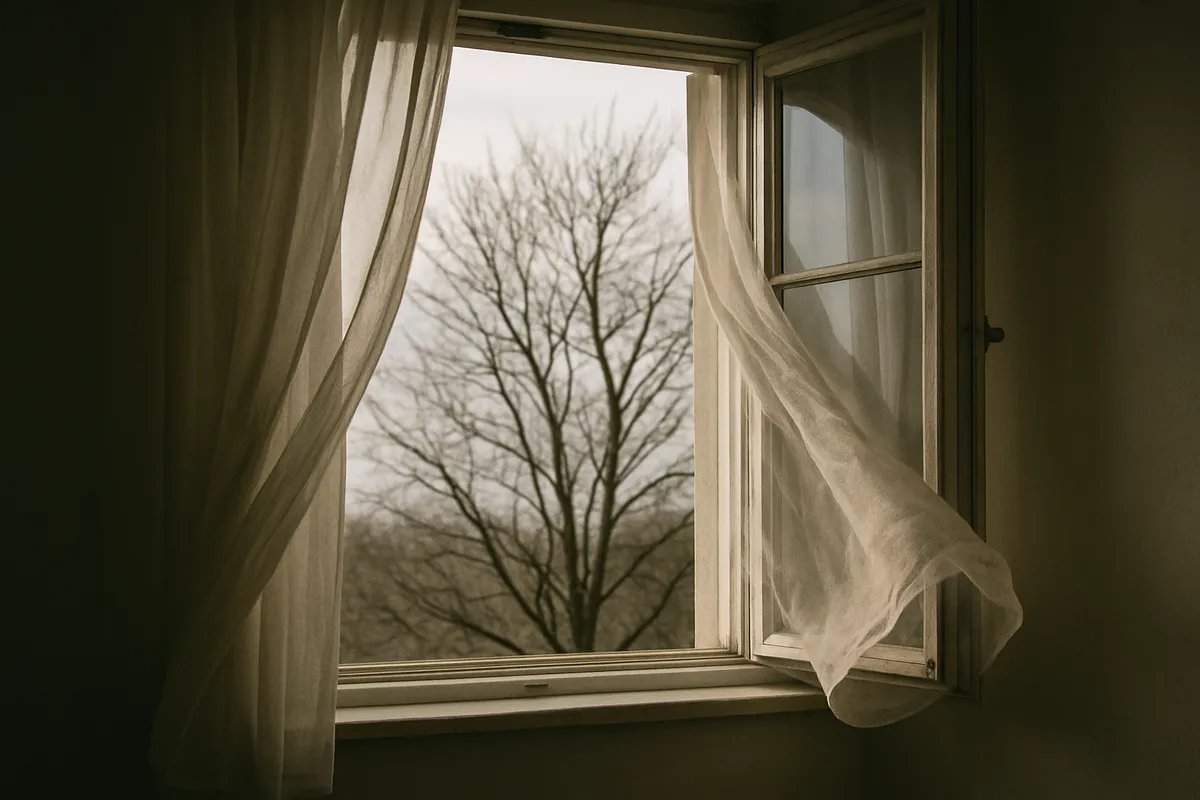
Louise sits facing the open window after grieving. What central turn happens before she whispers 'free'?
Josephine begs outside, fearing Louise will make herself ill. What does Louise answer?
As Louise and Josephine descend, what reverses Louise's vision of future freedom?
Louise admits Brently's face had 'never looked save with love upon her,' yet she welcomes freedom. What does this show?
What does Louise mean by 'There would be no one to live for during those coming years; she would live for herself'?
The story says, 'And yet she had loved him--sometimes. Often she had not. What did it matter!' Why does love seem secondary to her?
Only yesterday Louise shuddered that life might be long; after the window scene she prays life may be long. What changed?
The narration follows Louise inside the locked room while Josephine remains outside. What does that point of view let readers know?
In the bedroom scene, sentences move from what Louise sees outside to the word forming on her lips. Which narrative method is this?
Why does the doctors' explanation at the end feel distant from what readers have just witnessed?
The narrator says Louise does not ask whether her joy is 'monstrous.' What effect does that word choice create?
The open window shows spring trees, rain scent, song, sparrows, and blue sky. In context, what does it most strongly symbolize?
Why does Chopin place Louise in a 'comfortable, roomy armchair' facing the window after her first grief?
Brently enters 'composedly carrying his grip-sack and umbrella.' What do those ordinary objects emphasize?
Doctors say Louise died 'of the joy that kills.' What is ironic about that verdict?
How does the title 'The Story of an Hour' shape the ending's effect?
The first sentence mentions Mrs. Mallard's heart trouble, and the last names heart disease. What craft effect does this frame create?
Which statement best captures the story's theme about marriage and private will?
Crack the passcode before the zombies get in.
Answer, then swat bugs for bonus points.
Race through questions at your own speed.
Same question on every screen. Fastest wins.

Pick a tile, answer, hit bonuses and steals.
To Build a Fire
25 questions