Loading
by BlastRoom
Close reading of Shirley Jackson's story from ordinary setup to violent final irony.
#literature
25 questions
One question set, multiple game modes. Tap any game to see it in action. Not sure which to pick?
Answer to place stones and capture territory.
Outrun the snow together.
Earn blasts, then hunt the other team.
Answer to earn energy, then climb.

The class blasts through walls together.
Bid on mystery lots. Most money wins.
Sell tours. Nice, standard, or a total scam.

Answer, restock, and serve the rush.
More correct answers pulls the rope your way.
Answer, then shoot down the alien wave.
Answer, then tap to leap the frozen ridge.
Before Tessie Hutchinson arrives late, which event has already happened in the square?
Why has the village replaced the old chips of wood with slips of paper?
Why does Mrs. Dunbar draw for her household?
After Bill Hutchinson draws the marked slip, why are five slips put back into the box?
Tessie says Don and Eva should take their chance too. Why are they left out of the Hutchinson drawing?
What have Mr. Summers and Mr. Graves done the night before the lottery?
What happens after Bill forces Tessie's paper open and the black spot is seen?
Tessie jokes with the crowd when she arrives, then protests only after her family is chosen. What does this change show?
Old Man Warner calls talk of ending the lottery foolish. What does his reaction reveal?
Mr. Summers runs civic activities and chats easily while conducting the lottery. What is the effect of this characterization?
Mrs. Delacroix speaks warmly with Tessie early on but later selects a large stone. What does that contrast show?
The narrator reports ordinary actions without explaining the village's morals. What does this point of view create?
The story begins on a clear, sunny June morning with flowers blooming. What does this setting do?
The lottery takes place between the post office and the bank. Why is that setting detail important?
The men talk about planting, rain, tractors, and taxes before the drawing. What atmosphere does this create?
The narrator notes that the lottery can finish in time for noon dinner. What is the effect of that detail?
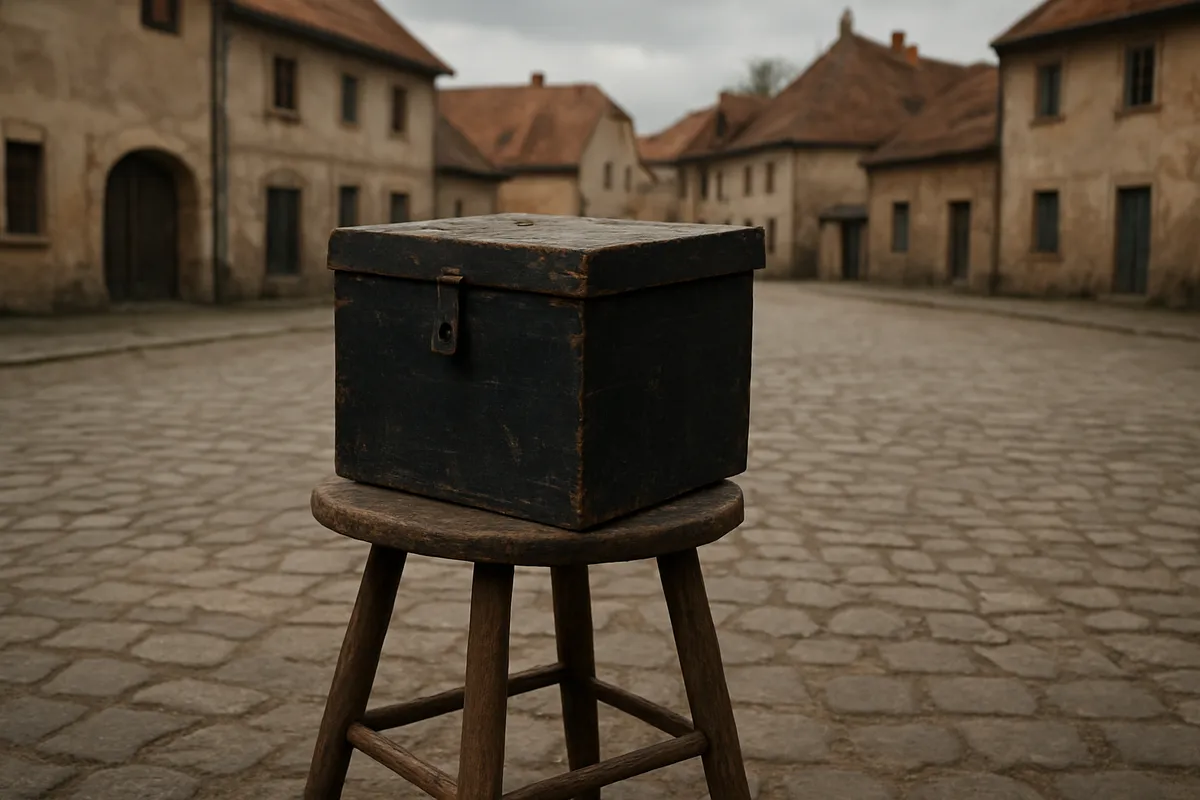
The black box is shabby, splintered, and not even the original, yet the village will not replace it. What does it suggest?
Early in the story, the boys pile stones in a corner of the square. What is the craft effect of this detail?
In the second drawing, what does the black spot on Tessie Hutchinson's slip mean?
Which detail best shows how selectively the village preserves tradition?
Why is the title The Lottery ironic?
Old Man Warner repeats, "Lottery in June, corn be heavy soon." What belief does the saying connect to the ritual?
When Mr. Adams mentions villages that might stop the lottery, how does Old Man Warner respond?
By the last page, what do the earlier stones, slips, and gathering in the square become?
Tessie's final protest is, "It isn't fair, it isn't right." What makes the line powerful?
Crack the passcode before the zombies get in.
Answer, then swat bugs for bonus points.
Race through questions at your own speed.
Same question on every screen. Fastest wins.

Pick a tile, answer, hit bonuses and steals.
Young Goodman Brown
20 questions