Loading
by BlastRoom
Close-reading questions on plot, craft, and theme in Gilman's story.
#literature
25 questions
One question set, multiple game modes. Tap any game to see it in action. Not sure which to pick?
Answer to place stones and capture territory.
Outrun the snow together.
Earn blasts, then hunt the other team.
Answer to earn energy, then climb.

The class blasts through walls together.
Bid on mystery lots. Most money wins.
Sell tours. Nice, standard, or a total scam.

Answer, restock, and serve the rush.
More correct answers pulls the rope your way.
Answer, then shoot down the alien wave.
Answer, then tap to leap the frozen ridge.
John prescribes rest, air, no work, and almost no company for his wife. What is the treatment's main effect over the summer?
Why does the narrator keep putting her journal away when John or Jennie approaches?
At first the narrator wants a pretty room downstairs, but John chooses the upstairs nursery instead. Why does he choose it?
When the narrator asks John to take her away from the house, why does he refuse?
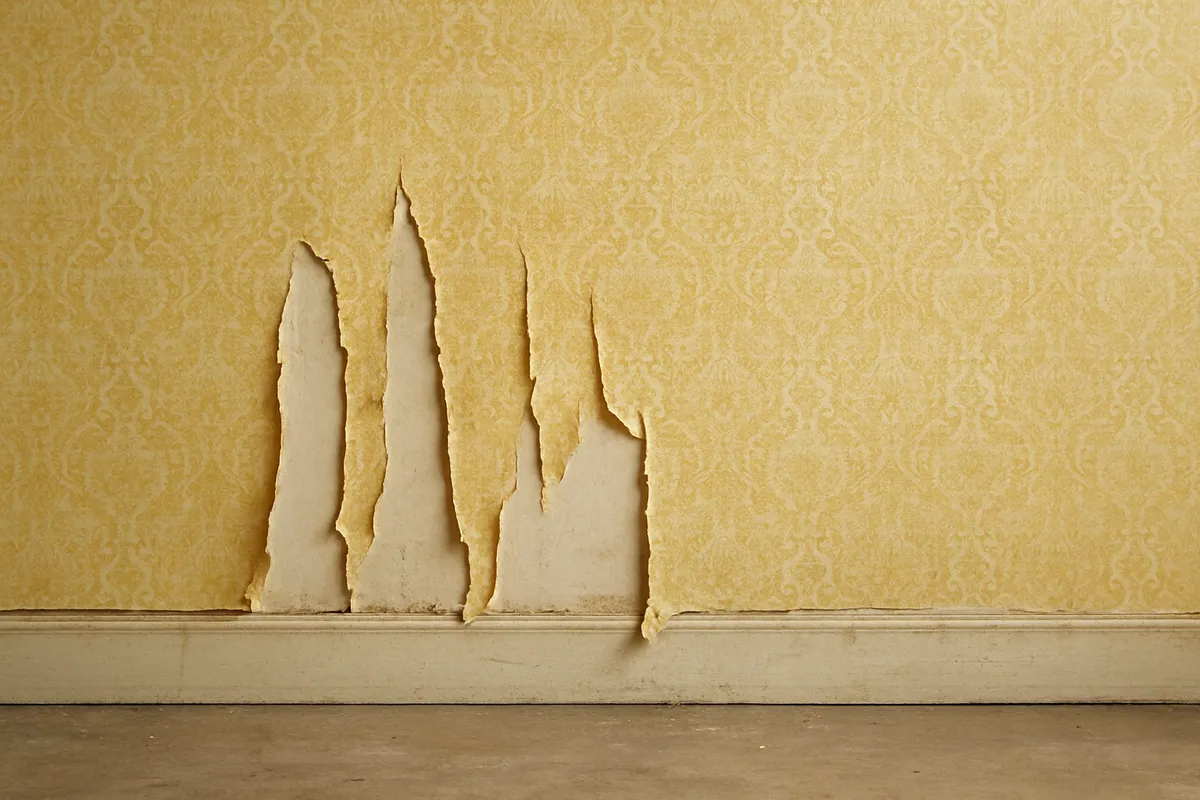
What change in the wallpaper most strongly develops the plot from dislike of the room into obsession?
On the last day, why does the narrator lock the nursery door and throw the key onto the front path?
What happens after John unlocks the door and sees the narrator creeping around the room?
She writes, "John laughs at me, of course, but one expects that in marriage." What does the aside reveal about her?
The journal is "a great relief" to her, yet she says it exhausts her to be sly about it. What conflict does this create?
John and the narrator's brother are both physicians who agree she is not seriously ill. How does that detail shape her position?
Jennie is described as a capable housekeeper who hopes for no better profession. How does she function as a foil?
As the story progresses, the narrator suspects John and Jennie of being affected by the wallpaper. What does this suspicion show?
The rented mansion is beautiful and secluded, yet the narrator first calls it strange. What mood does that contrast create?
The nursery has barred windows, rings in the walls, a gate near the stairs, and a nailed-down bed. What does the setting suggest?
Why is the upstairs nursery an ironic setting for the narrator's treatment?
The narrator says the wallpaper's yellow smell follows her through the house and clings to her hair. What is the effect of this detail?
She hates the wallpaper, studies it, then sees a woman trapped behind its bars. What does that sequence trace?
In moonlight, the wallpaper's pattern seems to become bars, and the woman behind it shakes them. What does the shift emphasize?
Before the narrator tears the paper herself, it is already stripped in patches near the bed. What does this detail foreshadow?
The bed will not move, and at the end her shoulder fits the long mark around the wall. How do these details work together?
What is ironic about John's rest cure in the plot?
John is both husband and doctor. How does that double role affect the theme?
Why is the first-person journal point of view important to the story's final effect?
At the end she says, "I've got out at last," after tearing down the paper. What is the central irony of that claim?
When John faints and the narrator keeps creeping over him, what final reversal does the scene create?
Crack the passcode before the zombies get in.
Answer, then swat bugs for bonus points.
Race through questions at your own speed.
Same question on every screen. Fastest wins.

Pick a tile, answer, hit bonuses and steals.
Everyday Use
20 questions