Loading
by BlastRoom
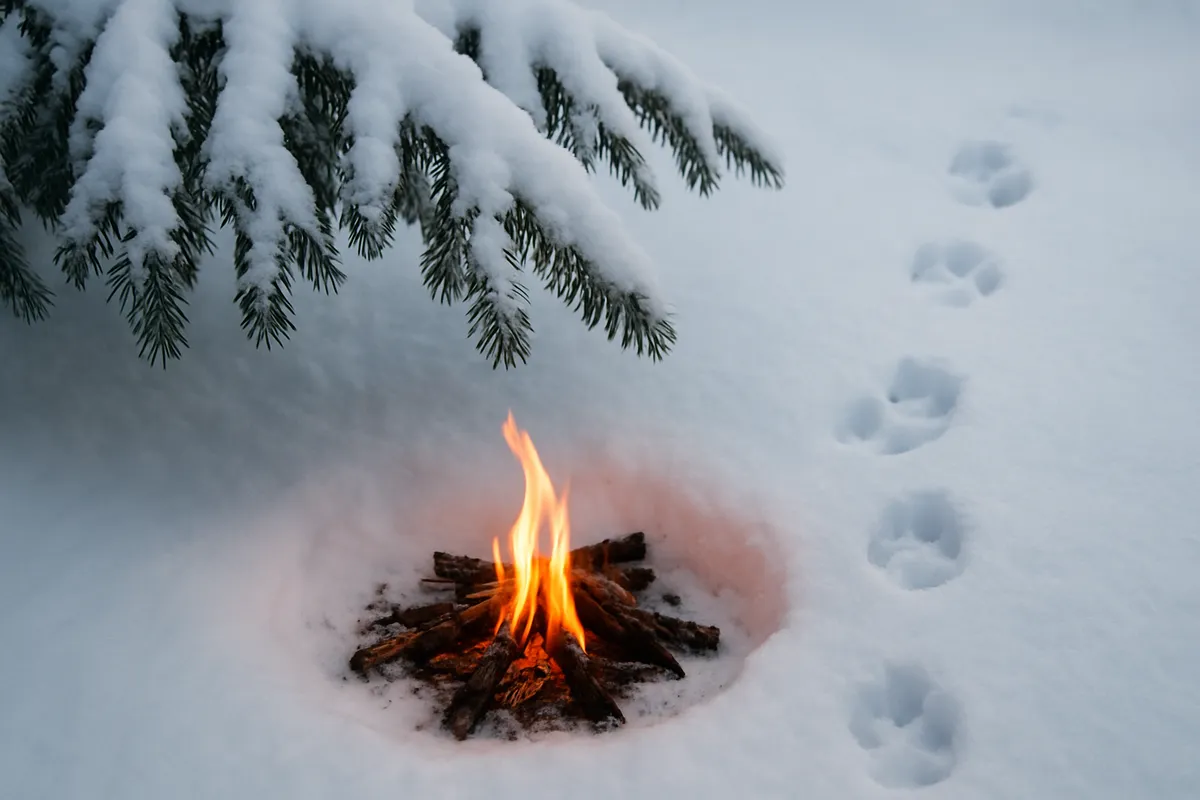
Close-reading questions on Jack London's story of cold, judgment, instinct, and survival.
#literature
25 questions
One question set, multiple game modes. Tap any game to see it in action. Not sure which to pick?
Answer to place stones and capture territory.
Outrun the snow together.
Earn blasts, then hunt the other team.
Answer to earn energy, then climb.

The class blasts through walls together.
Bid on mystery lots. Most money wins.
Sell tours. Nice, standard, or a total scam.

Answer, restock, and serve the rush.
More correct answers pulls the rope your way.
Answer, then shoot down the alien wave.
Answer, then tap to leap the frozen ridge.
At noon, why does the man need a fire before he can eat his biscuits?
When the man suspects hidden water under the snow, why does he sometimes send the dog ahead?
After the dog breaks through ice and wets its feet, what does it do almost at once?
When the man steps into hidden water and wets himself to the knees, what makes the accident so dangerous?
The man builds his second fire under a spruce tree and pulls twigs from its branches. What happens as a result?
After that fire is smothered, why is the next fire so hard for the man to build?
The man thinks of killing the dog and putting his hands inside its body. Why does that plan fail?
The narrator says, "The trouble with him was that he was without imagination." What does this mean in context?
The old-timer at Sulphur Creek warned against traveling alone below fifty degrees. What does the man's laughter show?
Which choice best illustrates the man's flaw of noticing "things" but not "significances"?
The dog has no thermometer, yet it hangs back and wants fire. What inference does this support?
Even after setbacks, the man keeps thinking he can reach camp by six. What does that reveal about him?
The story opens with a sunless, gray Yukon morning. What mood does that setting create?
The narration gives exact cold figures while the man only treats the weather as uncomfortable. What effect does this gap create?
The snow can hide spring water beneath a crust of ice. What does this detail show about the setting?
There is little or no wind, yet the cold still endangers the man. What does that detail emphasize?
The man's frozen beard and ice around his mouth function mainly as what kind of detail?
The matches are small objects, but the plot turns on whether he can use them. What do they help symbolize?
Before the fatal fire goes out, what do the snow-loaded spruce boughs foreshadow?
The man keeps his lunch against his body to stop it from freezing, yet he still needs fire to eat. What does this show?
Which event creates the sharpest situational irony near the end?
By the end, why does the old-timer's warning become important?
What theme is best supported by the contrast between the man's reasoning and the dog's instinct?
After the man dies, the dog waits, smells death, and heads toward camp. What final effect does this ending create?
Near death, the man imagines the boys finding his body and admits the old-timer was right. What does this realization suggest?
Crack the passcode before the zombies get in.
Answer, then swat bugs for bonus points.
Race through questions at your own speed.
Same question on every screen. Fastest wins.

Pick a tile, answer, hit bonuses and steals.
Harrison Bergeron
20 questions