Loading
by BlastRoom
Two sisters, two quilts, and two ideas of what heritage means.
#literature
20 questions
One question set, multiple game modes. Tap any game to see it in action. Not sure which to pick?
Answer to place stones and capture territory.
Outrun the snow together.
Earn blasts, then hunt the other team.
Answer to earn energy, then climb.

The class blasts through walls together.
Bid on mystery lots. Most money wins.
Sell tours. Nice, standard, or a total scam.

Answer, restock, and serve the rush.
More correct answers pulls the rope your way.
Answer, then shoot down the alien wave.
Answer, then tap to leap the frozen ridge.
At Dee's arrival, she photographs the house with Mama and Maggie in front before really greeting them. What does this action establish?
What reversal in Dee's attitude toward the quilts makes her demand for them pointed?
Maggie says Dee can have the quilts because she can remember Grandma Dee without them. Why does that moment move Mama to act?
What makes Mama's snatching the quilts from Dee a central plot turn?
After Dee leaves, Mama and Maggie sit in the yard in quiet pleasure. What has changed?
Dee says she has taken an African name because she cannot bear the name Dee. What does Mama's reply establish?
Why does Dee want the churn top, dasher, and old quilts after dinner?
Maggie hangs back from Dee, looks down, and is described through her burn scars. What does this characterization show?
Mama describes her own body as big, rough-handed, and suited to hard work rather than TV glamour. What self-understanding does this reveal?
When Mama remembers Dee reading to them without pity, what does that memory add to Dee's characterization?
Because Mama narrates in first person, how does the story shape our view of Dee?
Mama opens by imagining a television reunion with Dee. What does that point-of-view choice do?
Mama's voice about Maggie can be protective and painfully blunt at once. Which detail best shows that mixed distance?
Mama says the swept yard is like an extended living room. What does the setting suggest?
Dee wants the churn top for a centerpiece, while Maggie knows the maker of the dasher. What contrast does the object create?
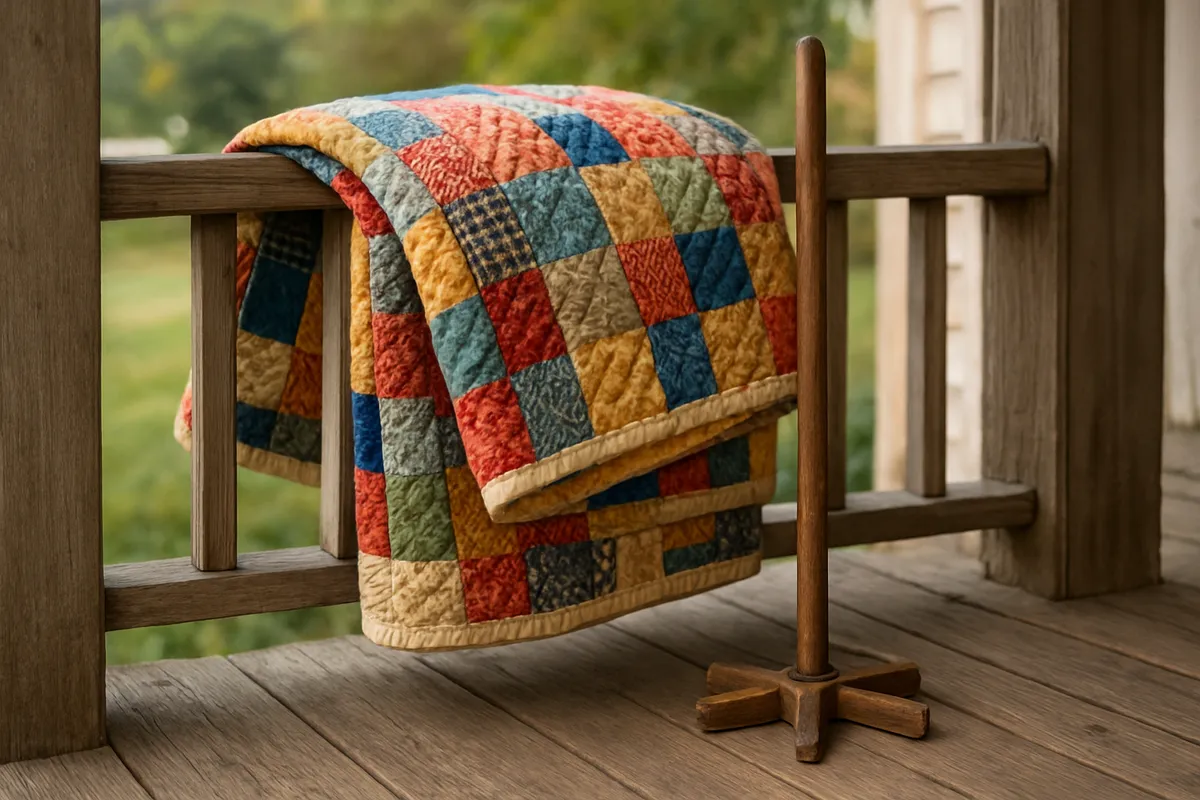
The quilts include scraps from old dresses, shirts, and a Civil War uniform. What do those materials make them symbolize?
Dee says Maggie would be backward enough to put the quilts to everyday use. What is ironic about that charge?
What does the title Everyday Use most strongly point to by the end?
What is ironic about Dee rejecting the name Dee while claiming to recover her heritage?
Dee leaves telling Maggie to make something of herself. Why does the ending make that advice sound ironic?
Crack the passcode before the zombies get in.
Answer, then swat bugs for bonus points.
Race through questions at your own speed.
Same question on every screen. Fastest wins.

Pick a tile, answer, hit bonuses and steals.
Lamb to the Slaughter
20 questions