Loading
by BlastRoom
Analyze how Jackson plants clues beneath a cheerful village surface.
#literature
20 questions
One question set, multiple game modes. Tap any game to see it in action. Not sure which to pick?
Answer to place stones and capture territory.
Outrun the snow together.
Earn blasts, then hunt the other team.
Answer to earn energy, then climb.

The class blasts through walls together.
Bid on mystery lots. Most money wins.
Sell tours. Nice, standard, or a total scam.

Answer, restock, and serve the rush.
More correct answers pulls the rope your way.
Answer, then shoot down the alien wave.
Answer, then tap to leap the frozen ridge.
The story opens on a clear June morning with flowers blooming, then leads to a public stoning. Which craft move is planted by that opening?
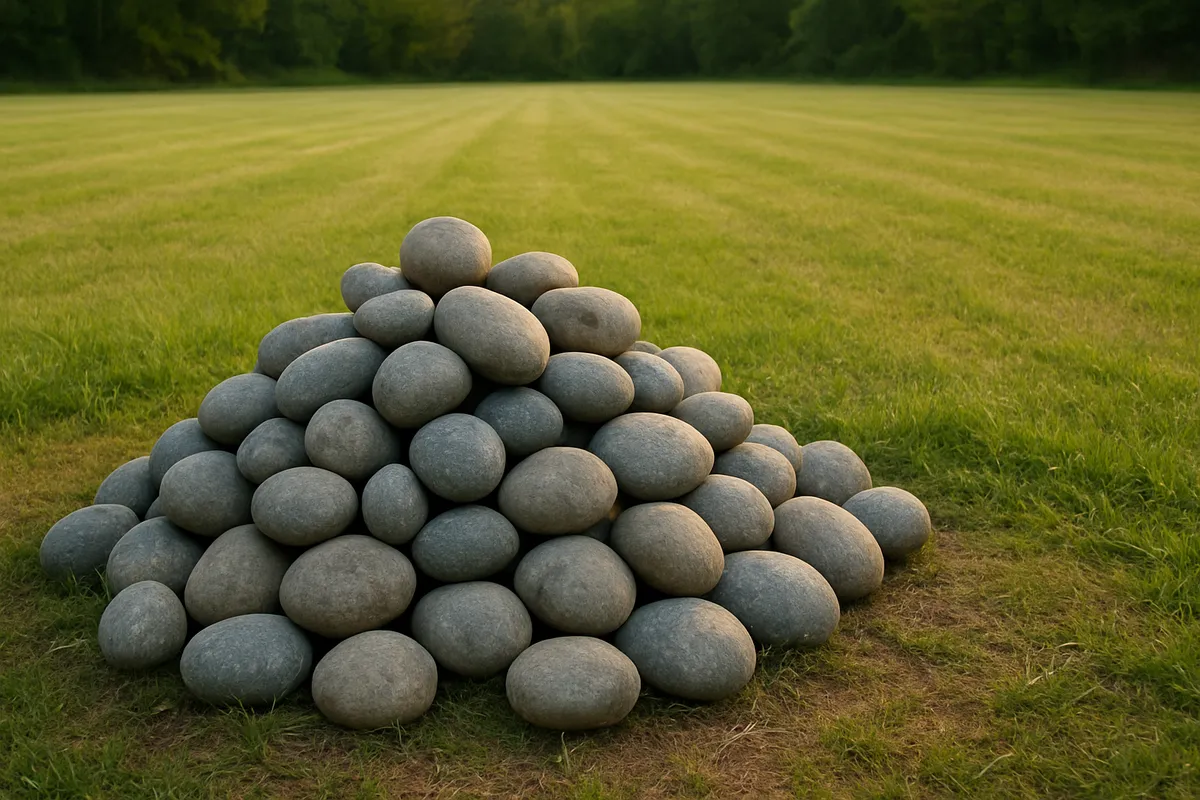
Before the drawing is explained, Bobby Martin and other boys collect stones and guard a pile. Which move is this?
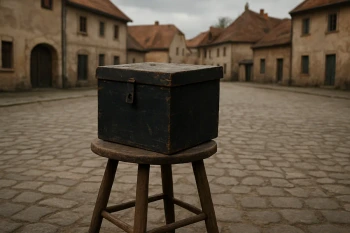
The black box is shabby, faded, and splintered, but the villagers avoid replacing it. What is the best reading of the box?
As the men wait, their jokes are quiet and their smiles do not become laughter. Which move is Jackson using?
Tessie arrives late and jokes about forgetting the day, but later insists the drawing was unfair. What kind of irony does this create?
The villagers talk about planting, rain, tractors, and taxes while waiting. What effect does that ordinary talk have?
Mr. Summers runs civic events and the coal business, yet he also leads the lottery. How does that choice affect the reader?
The stones gathered in the first paragraphs only make full sense at the end. What effect does that placement create?
Why begin with warmth, sun, and school vacation instead of fear or darkness?
Jackson's narrator reports the stoning without a long moral speech. What does that restraint do?
The boys gather stones and guard their pile from other boys' raids as if it were a game. What does showing the stones as play suggest?
The description of the black box comes before any marked slip is drawn. Why place it there?
When Mr. Adams mentions villages giving up the lottery, Old Man Warner immediately defends it. Why put that exchange before the drawing?
Tessie's protest comes after Bill Hutchinson draws the marked slip, not when the whole town gathers. Why is that timing important?
Some readers call the ending a sudden twist; others say it is prepared from the first page. Which reading does the text support best?
Which reading of the lottery's tradition fits the details about lost rituals, old sayings, and the damaged box?
Tessie jokes with Mrs. Delacroix when she arrives, but protests once her family is chosen. Which interpretation is best supported?
The villagers have forgotten parts of the ritual, but they still gather each June. What theme does that irony support?
Friends, neighbors, and even children join the stoning at the end. What meaning does that foreshadowed participation carry?
The box is too damaged to inspire respect, yet replacing it is avoided. How does that symbol connect to the story's theme?
Crack the passcode before the zombies get in.
Answer, then swat bugs for bonus points.
Race through questions at your own speed.
Same question on every screen. Fastest wins.

Pick a tile, answer, hit bonuses and steals.
The Yellow Wallpaper
25 questions