Loading
by BlastRoom
Decide when a cell must spend ATP to move a substance, and how vesicles carry cargo too large for a protein channel.
#biology
20 questions
One question set, multiple game modes. Tap any game to see it in action. Not sure which to pick?
Answer to place stones and capture territory.
Outrun the snow together.
Earn blasts, then hunt the other team.
Answer to earn energy, then climb.

The class blasts through walls together.
Bid on mystery lots. Most money wins.
Sell tours. Nice, standard, or a total scam.

Answer, restock, and serve the rush.
More correct answers pulls the rope your way.
Answer, then shoot down the alien wave.
Answer, then tap to leap the frozen ridge.
Kelp cells hold thousands of times more iodide than the seawater around them, and they keep taking iodide in from that seawater. How is the iodide crossing the membrane?
Blood plasma around a muscle cell holds more oxygen than the cytoplasm inside it, and oxygen moves into the cell without the cell spending any ATP. Which statement best describes this movement?
A cell lining the small intestine keeps absorbing glucose even when the lumen holds less glucose than the cell already does. A red blood cell takes glucose from plasma that holds more glucose than it does. What makes the intestinal case different?
A student says that any movement through a membrane protein must be active transport, because a protein is doing the work. What is wrong with that claim?
Which movement across a cell membrane requires the cell to spend ATP?
Soil water around a root holds 0.1 millimoles per liter of nitrate. The sap inside the root cells holds 5 millimoles per liter, and the root keeps absorbing more nitrate. Which conclusion do these numbers support?
A pancreas cell packs insulin into vesicles. Each vesicle travels to the cell membrane, fuses with it, and empties the insulin into the fluid outside. What process is this?
An amoeba extends part of its membrane around a smaller protist, wraps it completely, and encloses it in a sac inside the cytoplasm. Why can the amoeba not take the protist in through a transport protein instead?
A neuron releases neurotransmitter from vesicles that fuse with its membrane. A white blood cell engulfs a bacterium in a vesicle pinched inward from its membrane. What do these two events have in common?
Endocytosis and exocytosis require no energy from the cell.
A liver cell takes in cholesterol carried in large LDL particles by forming pockets in its membrane that pinch inward. A mutation stops those pockets from pinching off. What happens to the LDL particles?
During active transport, what does the energy released from ATP actually do?
Why can a channel protein used in facilitated diffusion not do the job of the sodium-potassium pump?
Active transport can move a substance from a region where it is less concentrated into a region where it is more concentrated.
Active transport runs on ATP. Which organelle supplies most of the ATP a cell uses to run its membrane pumps?
A pump protein in a muscle cell membrane binds calcium ions and moves them, but it will not bind or move sodium or potassium. Which property of the cell membrane does this pump help produce?
A poison blocks all ATP production in a kidney cell but leaves the cell membrane undamaged. Which movement across that membrane keeps going?
Cyanide stops a nerve cell from making ATP, but the membrane and its proteins stay intact. Over the next hour, what happens to the sodium and potassium concentrations inside and outside the cell?
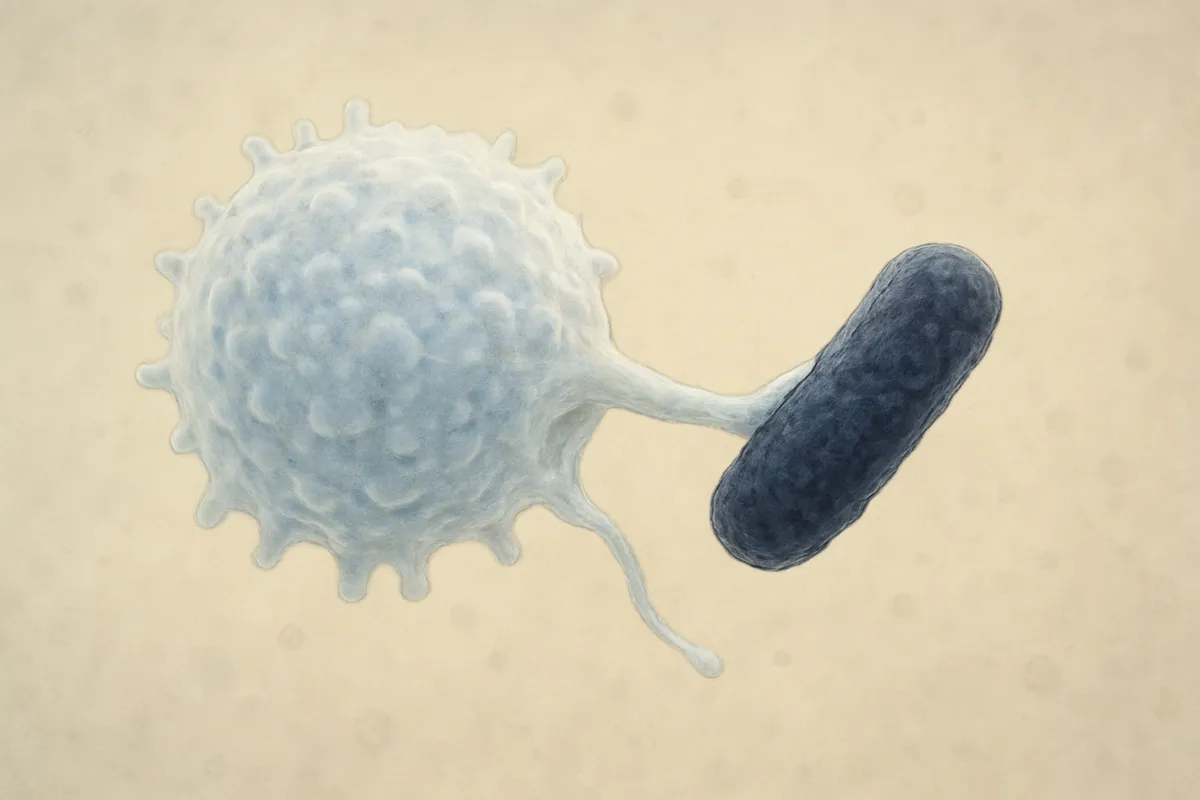
A white blood cell is treated so that it can no longer make ATP. A bacterium drifts against its membrane. What will happen?
When a field floods, the soil around plant roots loses its oxygen. Mineral ion uptake by the roots drops sharply within hours, but the roots keep taking up water. Which explanation fits both results?
Crack the passcode before the zombies get in.
Answer, then swat bugs for bonus points.
Race through questions at your own speed.
Same question on every screen. Fastest wins.

Pick a tile, answer, hit bonuses and steals.
Photosynthesis
40 questions