Loading
by BlastRoom
The Nitrogen Cycle for high school Environmental Science, on-level and AP. Covers AP Environmental Science Unit 1: The Living World, Ecosystems.
#environmental_science
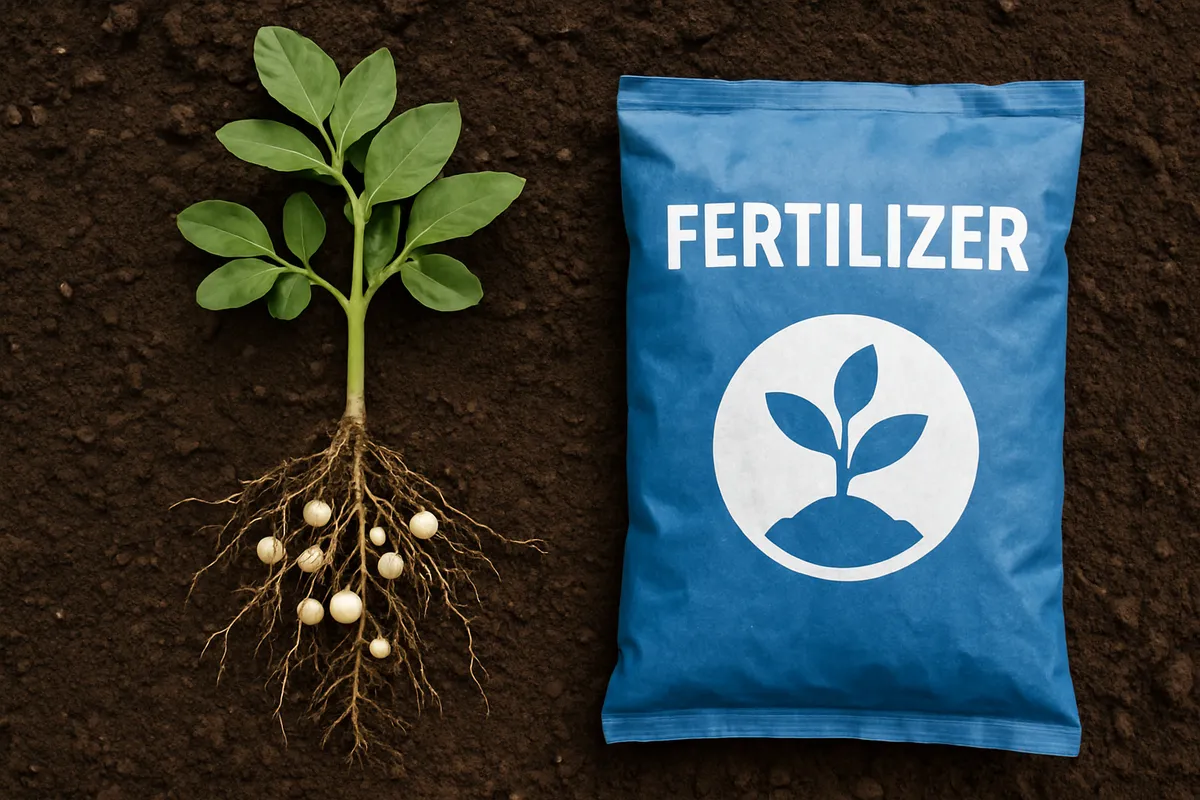
40 questions
One question set, multiple game modes. Tap any game to see it in action. Not sure which to pick?
Answer to place stones and capture territory.
Outrun the snow together.
Earn blasts, then hunt the other team.
Answer to earn energy, then climb.

The class blasts through walls together.
Bid on mystery lots. Most money wins.
Sell tours. Nice, standard, or a total scam.

Answer, restock, and serve the rush.
More correct answers pulls the rope your way.
Answer, then shoot down the alien wave.
Answer, then tap to leap the frozen ridge.
Soil bacteria convert ammonium (NH₄⁺) into nitrite and then nitrate. What nitrogen-cycle transformation is occurring?
In an oxygen-poor wetland, bacteria convert nitrate (NO₃⁻) to nitrogen gas (N₂). What transformation is this?
Microbes break down proteins in dead leaves and release ammonium into soil. What transformation has occurred?
Bacteria convert atmospheric nitrogen gas (N₂) into ammonia that becomes ammonium in soil. What step is this?
A corn root absorbs nitrate and incorporates its nitrogen into amino acids. What nitrogen-cycle step is occurring?
Bacteria oxidize nitrite (NO₂⁻) into nitrate (NO₃⁻) in aerated soil. This conversion is part of what process?
Microorganisms convert nitrogen in animal urine and feces into ammonium in soil. What transformation is occurring?
After a field floods, soil bacteria use nitrate in place of oxygen, and nitrogen gas escapes. What process occurred?
A wheat plant uses soil nitrogen to build chlorophyll and proteins. Besides nitrate, which form of nitrogen can its roots absorb directly?
Bacteria in a compost pile convert organic nitrogen from food scraps into ammonium. What is this step called?
Wetland microbes convert nitrate into gas through denitrification. When this process is incomplete, which greenhouse gas can escape to the air?
After ammonium fertilizer is applied, aerobic bacteria convert much of it into nitrate. What process has occurred?
Which organisms commonly convert atmospheric N₂ into usable nitrogen in the root nodules of legumes?
Which organisms carry out the first oxidation of ammonium to nitrite in soil?
Which organisms are responsible for converting nitrate to nitrogen gas in saturated, oxygen-poor soils?
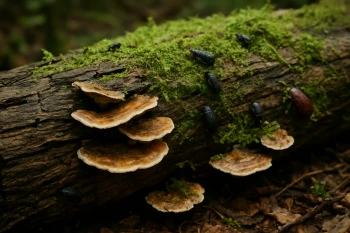
Dead wood contains organic nitrogen. Which organisms primarily release ammonium as that wood decomposes?
Which organisms directly assimilate nitrate from soil into amino acids and other organic molecules?
Which organisms can fix atmospheric nitrogen in the sunlit surface waters of some lakes and oceans?
Which group of bacteria converts nitrite to nitrate during the second stage of nitrification?
Which kind of organism first moves organic nitrogen from plants into an animal food web?
Which organisms can fix N₂ without living in a plant root nodule?
A fallen animal dies in a forest. Which organisms begin returning nitrogen from its tissues to the soil as ammonium?
The atmosphere is about 78% N₂, but plants can still be nitrogen-limited. Why?
Why does nitrification often increase the risk that nitrogen will leach below crop roots?
Why can denitrification reduce nitrate pollution in a wetland?
Why is assimilation essential for living things in the nitrogen cycle?
Why is ammonification important after plants and animals die?
Why can nitrogen fixation increase primary productivity in nitrogen-poor ecosystems?
Why are waterlogged soils often sites of denitrification?
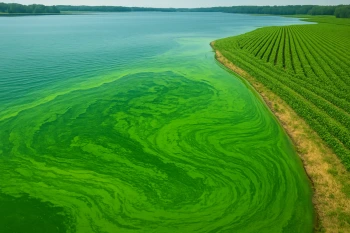
Why can high nitrate concentrations stimulate an algal bloom in freshwater?
A farm applies more nitrogen fertilizer than corn can absorb before a heavy rain. Where does much of the surplus nitrogen go?
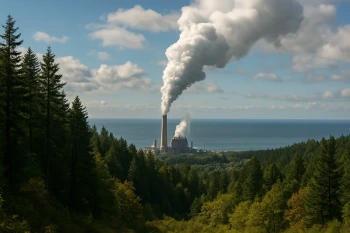
A coal-fired power plant emits nitrogen oxides (NOₓ). After rain, how can this human input enter a forest nitrogen cycle?
Wastewater effluent adds ammonium to a river. If oxygen is available, what change is most likely caused by nitrifying bacteria?
A livestock operation spreads manure before a storm. What is the first major microbial transformation of the manure's organic nitrogen in soil?
A farmer plants a cover crop after harvest. How can the cover crop reduce nitrate loss during winter rains?
A town routes nitrate-rich drainage through a constructed wetland with saturated soils. Which pathway can remove nitrogen from the water?
The Haber-Bosch process makes ammonia from atmospheric N₂ for fertilizer. What effect does widespread fertilizer use have on the nitrogen cycle?
Vehicle exhaust releases NOₓ over a watershed. What nitrogen-cycle pathway can carry this added nitrogen into a lake?
Tile drainage beneath a fertilized field empties into a stream. Why can this increase nitrogen delivery to downstream estuaries?
Fertilizer runoff raises algal biomass in a pond. After many algae die, which sequence most directly lowers dissolved oxygen?
Crack the passcode before the zombies get in.
Answer, then swat bugs for bonus points.
Race through questions at your own speed.
Same question on every screen. Fastest wins.

Pick a tile, answer, hit bonuses and steals.
Human Disruption of the Cycles
30 questions