Loading
by BlastRoom
The Carbon Cycle for high school Environmental Science, on-level and AP. Covers AP Environmental Science Unit 1: The Living World, Ecosystems.
#environmental_science
40 questions
One question set, multiple game modes. Tap any game to see it in action. Not sure which to pick?
Answer to place stones and capture territory.
Outrun the snow together.
Earn blasts, then hunt the other team.
Answer to earn energy, then climb.

The class blasts through walls together.
Bid on mystery lots. Most money wins.
Sell tours. Nice, standard, or a total scam.

Answer, restock, and serve the rush.
More correct answers pulls the rope your way.
Answer, then shoot down the alien wave.
Answer, then tap to leap the frozen ridge.
A growing tree removes CO₂ from the air and incorporates the carbon into cellulose in its trunk. Which process moves the carbon?
After eating grass, a deer releases CO₂ while breaking down glucose for energy. Which process transfers carbon to the atmosphere?
Fungi break down fallen leaves in a forest floor and release CO₂. What carbon-cycle process is occurring?
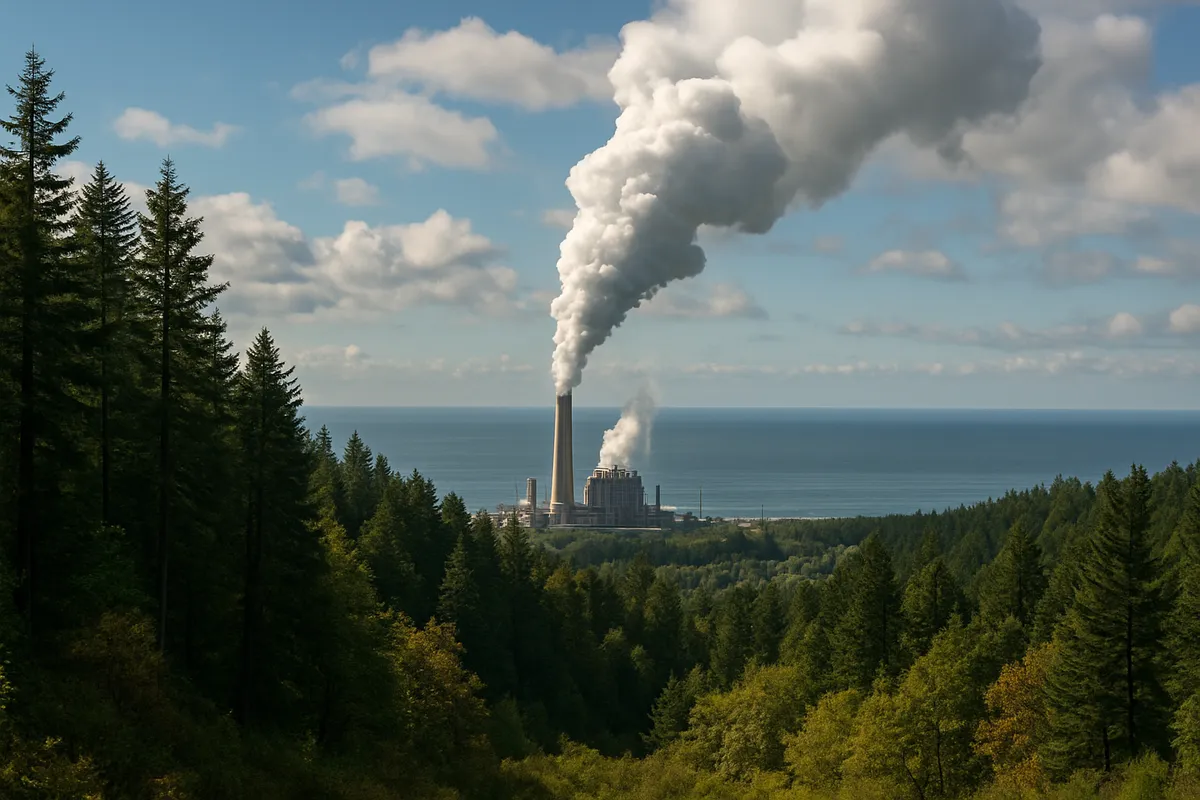
A power plant burns coal and emits CO₂ through its smokestack. Which process moved carbon from coal to the atmosphere?
Atmospheric CO₂ enters seawater at the ocean surface. What process begins this transfer?
Corals and clams use dissolved carbon from seawater to build their hard shells and skeletons. Which process transfers carbon into the shells?
Rainwater containing dissolved CO₂ reacts with silicate rock, removing carbon dioxide from the atmosphere over time. What process is involved?
Gases escape from molten rock deep inside Earth and rise through vents into the air, carrying CO₂ with them. Which process transfers this carbon to the atmosphere?
Dead plankton and shell fragments settle to the seafloor and become buried. Which process moves their carbon toward long-term storage in rock?
A soil bacterium metabolizes organic matter and releases CO₂. Which process returns that carbon to the air?
Which carbon reservoir includes limestone formed from the shells of ancient marine organisms?
Carbon stored in coal, oil, and natural gas belongs to which reservoir?
Humus, roots, and partially decomposed litter make which reservoir especially important in a grassland?
In which reservoir is carbon found mainly as CO₂ gas available for plant photosynthesis?
Which reservoir holds carbon mainly as dissolved bicarbonate and carbonate ions that exchange directly with CO₂ in the air?
Cold, dense seawater near the poles sinks and carries dissolved CO₂ with it. Which reservoir receives that carbon?
A mature forest stores carbon in trunks, branches, roots, and leaves. What reservoir is this?
Which reservoir is most directly increased when a factory releases CO₂ by burning natural gas?
A forest is cleared and the wood is burned. Compared with the intact forest, what happens to the annual carbon flux from air into biomass?
A city plants trees on abandoned land. As the trees grow, which carbon-cycle change is most likely?
A wildfire burns a dry conifer forest. What is the most immediate effect on the carbon cycle?
A farmer repeatedly plows a field, exposing soil organic matter to oxygen. Which change is most likely?
A peat bog is drained for agriculture, exposing peat to air. What happens to much of the stored carbon?
A peatland is rewetted after drainage. How does this usually affect carbon loss from peat?
As coastal surface seawater warms, what is likely to happen to the amount of CO₂ it takes up from the air?
A utility replaces a coal-fired generator with wind turbines. Which direct carbon-flux change occurs during electricity generation?
When cement is manufactured, limestone is heated and releases CO₂. Which reservoir loses carbon directly during this process?
An insect outbreak kills many trees, and the dead wood decomposes over several years. What change is most likely?
A reservoir floods a forested valley. After the trees and soil are submerged, which process can release carbon from the drowned plant material?
A company captures CO₂ from an industrial exhaust stream and injects it into a deep geologic formation. What is the intended effect?
A coastal marsh is filled and paved for development. What carbon-cycle service is reduced?
True or False: Burning petroleum transfers carbon that was stored underground into the fast atmospheric carbon cycle.
Why does burning coal alter atmospheric CO₂ differently from a leaf decomposing in one season?
Which transfer is generally part of the slow carbon cycle?
A volcano releases CO₂ that came from deep inside Earth. How is this transfer classified?
A carbon atom moves from atmospheric CO₂ into a leaf, then into a rabbit, and then back to air within months. Which part of the carbon cycle does this illustrate?
Which reservoir generally has the longest residence time for carbon?
True or False: Photosynthesis and respiration are usually considered slow carbon-cycle processes because they move carbon over geologic timescales.
Fossil fuels form when some organic matter is buried and transformed over millions of years. What distinguishes this storage from carbon in a growing crop?
Chemical weathering of silicate rocks and forest photosynthesis both remove CO₂ from the air. What comparison is accurate?
Crack the passcode before the zombies get in.
Answer, then swat bugs for bonus points.
Race through questions at your own speed.
Same question on every screen. Fastest wins.

Pick a tile, answer, hit bonuses and steals.
The Phosphorus and Sulfur Cycles
25 questions