Loading
by BlastRoom
Feedback Loops in Earth Systems for high school Environmental Science, on-level and AP. Covers AP Environmental Science Unit 4: Earth Systems and Resources.
#environmental_science
20 questions
One question set, multiple game modes. Tap any game to see it in action. Not sure which to pick?
Answer to place stones and capture territory.
Outrun the snow together.
Earn blasts, then hunt the other team.
Answer to earn energy, then climb.

The class blasts through walls together.
Bid on mystery lots. Most money wins.
Sell tours. Nice, standard, or a total scam.

Answer, restock, and serve the rush.
More correct answers pulls the rope your way.
Answer, then shoot down the alien wave.
Answer, then tap to leap the frozen ridge.
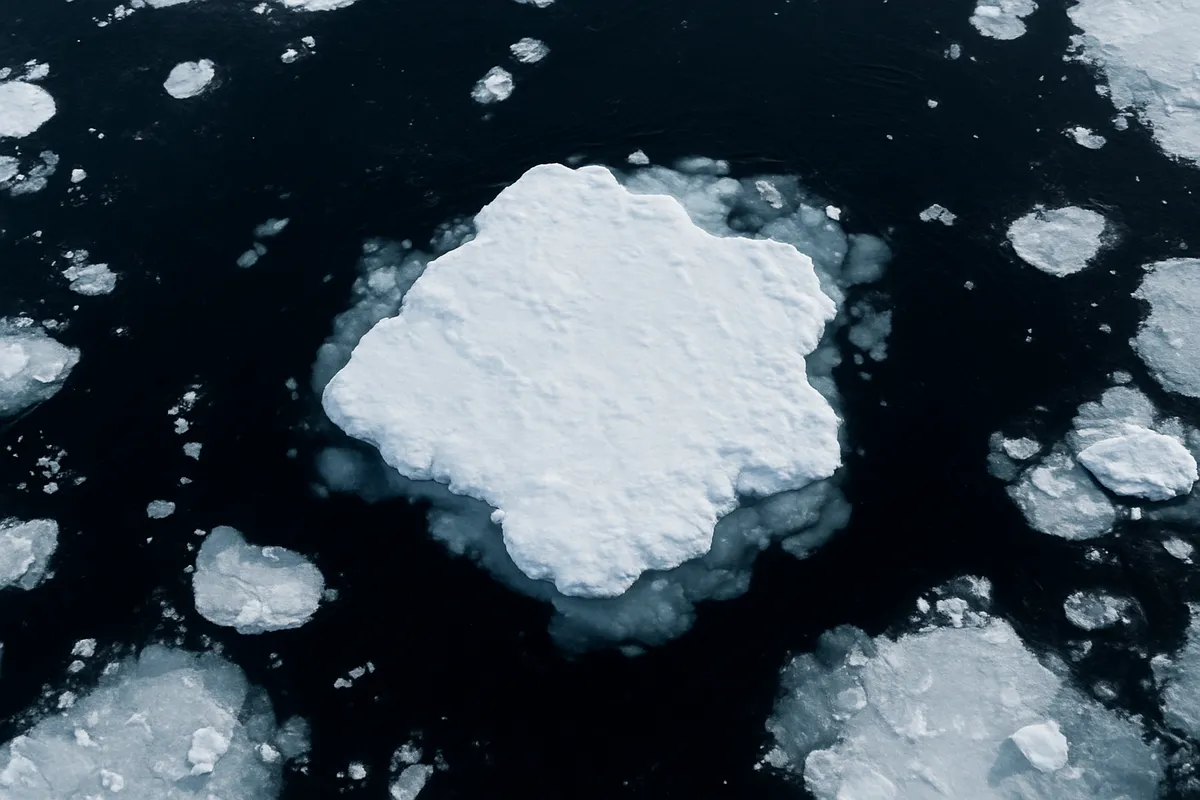
Warming melts bright sea ice, exposing darker ocean water that absorbs more sunlight and causes further warming. How should this loop be classified?
A warmer surface increases evaporation, producing low clouds that reflect more sunlight and cool the surface. What type of feedback is described?
Deforestation reduces transpiration, so less water vapor enters the atmosphere. Rainfall drops, and the remaining forest becomes drier and dies back. This is a(n) _____.
As soils warm, microbes decompose organic matter faster and release more carbon dioxide, causing additional warming. Classify this Earth-system response.
Higher atmospheric CO₂ stimulates plant growth, and the added photosynthesis removes some CO₂ from the air. What kind of loop does this describe?
Rising sea level floods a marsh, but marsh plants trap sediment that raises the marsh surface and reduces later flooding. Which classification fits this loop?
Drying peatlands burn more often and release stored carbon. The added greenhouse gases increase warming and dry the peat further. This cycle is a _____.
Over long time scales, higher CO₂ and warmer conditions can speed chemical weathering, which removes CO₂ from the atmosphere. How is this feedback classified?
As Earth's surface warms, it gives off more infrared energy to space. What does this do to the original warming?
Permafrost thaws and releases methane, which strengthens greenhouse warming and causes more permafrost thaw. What is the likely result?
During a drought, dry soil has little water to evaporate, so more of the sun's energy heats the ground and the soil dries further. How does this feedback affect the drought?
After a hillside is disturbed, plants regrow and their roots hold soil in place, reducing erosion caused by the disturbance. What does this loop do?
Warmer ocean water holds less dissolved CO₂, so more CO₂ remains in the atmosphere and adds greenhouse warming. What happens to the initial temperature increase?
Warming increases evaporation, and the added water vapor strengthens the greenhouse effect. What is the loop's effect on the first warming?
As atmospheric CO₂ rises, the ocean dissolves more of it from the air. What does this ocean uptake do to the rise in atmospheric CO₂?
Phosphorus loading rises gradually in a lake for years, then the lake shifts abruptly from clear water to persistent algal dominance. What does the abrupt shift indicate?
On a coral reef, herbivorous fish decline until algae rapidly overgrow corals and the reef remains algae-dominated. What does this pattern show?
Years of fire suppression allow fuel to accumulate. After a severe fire, a forest shifts to shrubland and does not recover its former tree cover. What does this suggest?
A coastal aquifer is pumped until freshwater pressure can no longer keep seawater out, and saltwater intrusion rapidly makes wells nonpotable. Which idea best describes this change?
Sea otters decline, sea urchins multiply, and kelp forests rapidly become persistent urchin barrens. What feature of the system is illustrated?
Crack the passcode before the zombies get in.
Answer, then swat bugs for bonus points.
Race through questions at your own speed.
Same question on every screen. Fastest wins.

Pick a tile, answer, hit bonuses and steals.
The Carbon Cycle
40 questions