Loading
by BlastRoom
Human Disruption of the Cycles for high school Environmental Science, on-level and AP. Covers AP Environmental Science Unit 1: The Living World, Ecosystems.
#environmental_science
30 questions
One question set, multiple game modes. Tap any game to see it in action. Not sure which to pick?
Answer to place stones and capture territory.
Outrun the snow together.
Earn blasts, then hunt the other team.
Answer to earn energy, then climb.

The class blasts through walls together.
Bid on mystery lots. Most money wins.
Sell tours. Nice, standard, or a total scam.

Answer, restock, and serve the rush.
More correct answers pulls the rope your way.
Answer, then shoot down the alien wave.
Answer, then tap to leap the frozen ridge.
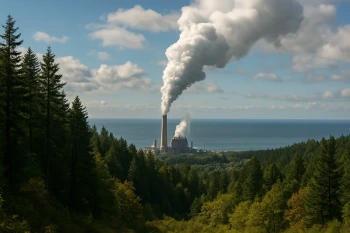
A power plant burns coal that formed from plants buried for millions of years. Which biogeochemical cycle is most directly disrupted?
The Haber process produces ammonia for synthetic fertilizer. Its widespread use has most directly altered which cycle?
Mining phosphate rock and applying phosphate fertilizer most directly changes which cycle?
A city replaces a forest with roofs, roads, and parking lots. Which cycle is most directly altered by the loss of infiltration?
Clear-cutting a forest removes trees that absorb atmospheric CO₂ through photosynthesis. Which cycle is directly affected?
A wastewater treatment plant releases nitrate-rich effluent into a river. This addition most directly disrupts which cycle?
A river is diverted through canals to irrigate cropland before it reaches its delta. Which cycle is most directly changed?
A manufacturer replaces its phosphate-containing detergent after wastewater from homes contributes nutrients to lakes. Which cycle was the detergent affecting?
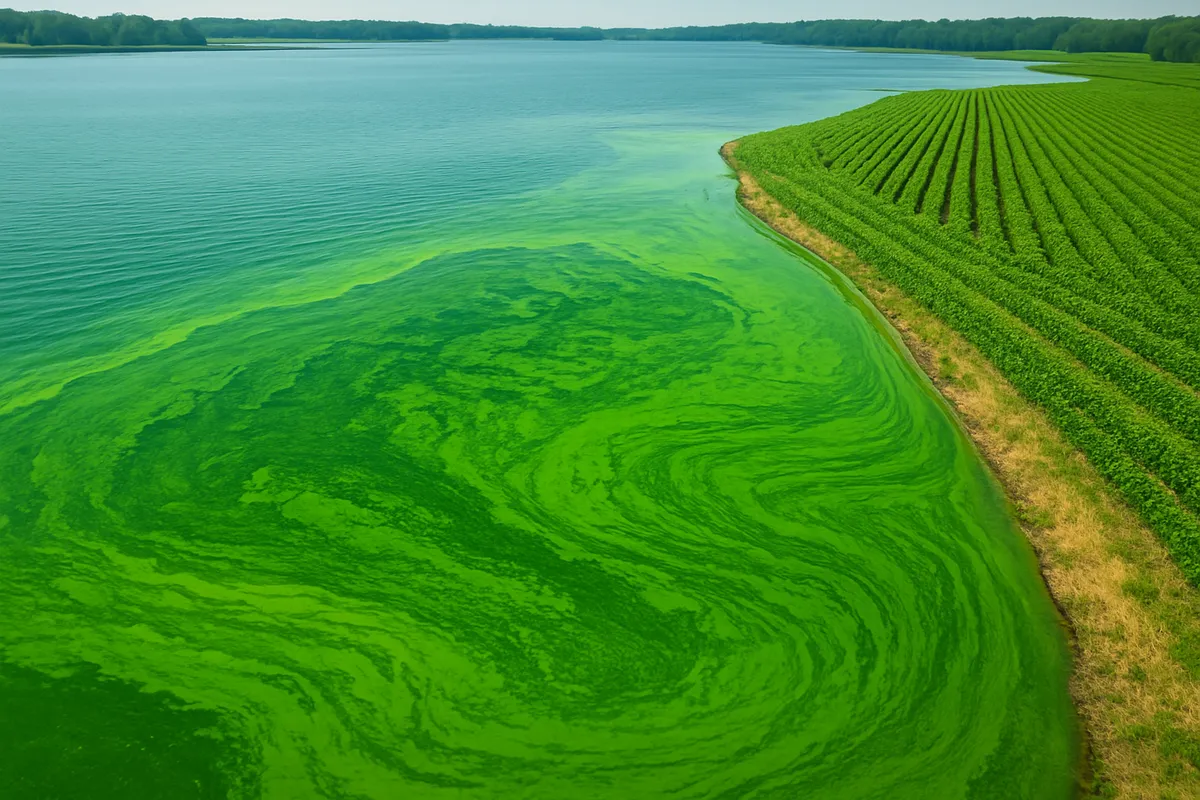
Spring runoff carries high nitrate and phosphate loads into a shallow coastal bay. What is the most likely result?
After a watershed is heavily paved, a storm of the same size produces a much higher stream peak. What change explains this result?
Burning fossil fuels increases atmospheric CO₂. What follows as more outgoing infrared radiation is absorbed by greenhouse gases?
Logging removes a forest from a steep watershed. During the next heavy rain, what is most likely to increase?
Fertilizer applied just before a major rainstorm leaches through sandy soil into groundwater. Which water-quality problem is most likely?
Phosphorus-rich soil erodes from fields into a freshwater lake. What response is most likely in the lake?
Irrigation water evaporates from poorly drained farmland, leaving dissolved salts behind. What soil problem can develop?
A wetland is drained for development. During dry periods, what is a likely downstream effect on the nearby stream?
Natural photosynthesis and respiration exchange enormous amounts of carbon, but they were roughly balanced before large-scale fossil-fuel use. What does the added fossil-carbon flux cause?
Industrial nitrogen fixation now adds reactive nitrogen to land at roughly the rate of natural nitrogen fixation. What is a likely consequence downstream of fertilized watersheds?
Weathering releases phosphorus from rock slowly, while mined phosphate fertilizer can be spread over thousands of hectares in one season. What change is most likely after heavy rain?
An aquifer receives 4 million m³ of recharge annually, but farms and cities withdraw 7 million m³ annually for many years. What will most likely happen?
A mature forest stores carbon in wood and soil for decades, but clearing and burning it releases much of that carbon within a short period. What is the atmospheric effect?
Coal formation stores carbon in geologic reservoirs over millions of years, whereas humans can burn coal in decades. What does this difference in residence time show?
A farm applies more nitrogen fertilizer than its crops can assimilate, and a storm follows. Compared with a field whose fertilizer matched crop demand, what is more likely?
A farm wants to reduce nitrate entering a stream from adjacent cropland. Which practice targets the transport pathway most directly?
After corn harvest, which practice would best reduce nitrate leaching during the following wet season?
A field loses phosphorus mostly when soil erodes during storms. Which change most directly reduces that disturbance?
An irrigated farm in a dry region is developing salinized soil. Which irrigation change most directly reduces both water loss and salt accumulation risk?
A city wants to reduce flash flooding and increase groundwater recharge after redevelopment. Which design change best addresses both goals?
Organic waste decomposes anaerobically in a landfill and produces methane. Which action most directly reduces the greenhouse-gas disturbance?
A watershed has lost much of its tree cover. Which land-management action would increase carbon sequestration while also reducing erosion?
Crack the passcode before the zombies get in.
Answer, then swat bugs for bonus points.
Race through questions at your own speed.
Same question on every screen. Fastest wins.

Pick a tile, answer, hit bonuses and steals.
Food Chains and Food Webs
40 questions