Loading
by BlastRoom
Extinction and Endangered Species for high school Environmental Science, on-level and AP. Covers AP Environmental Science Unit 2: The Living World, Biodiversity.
#environmental_science
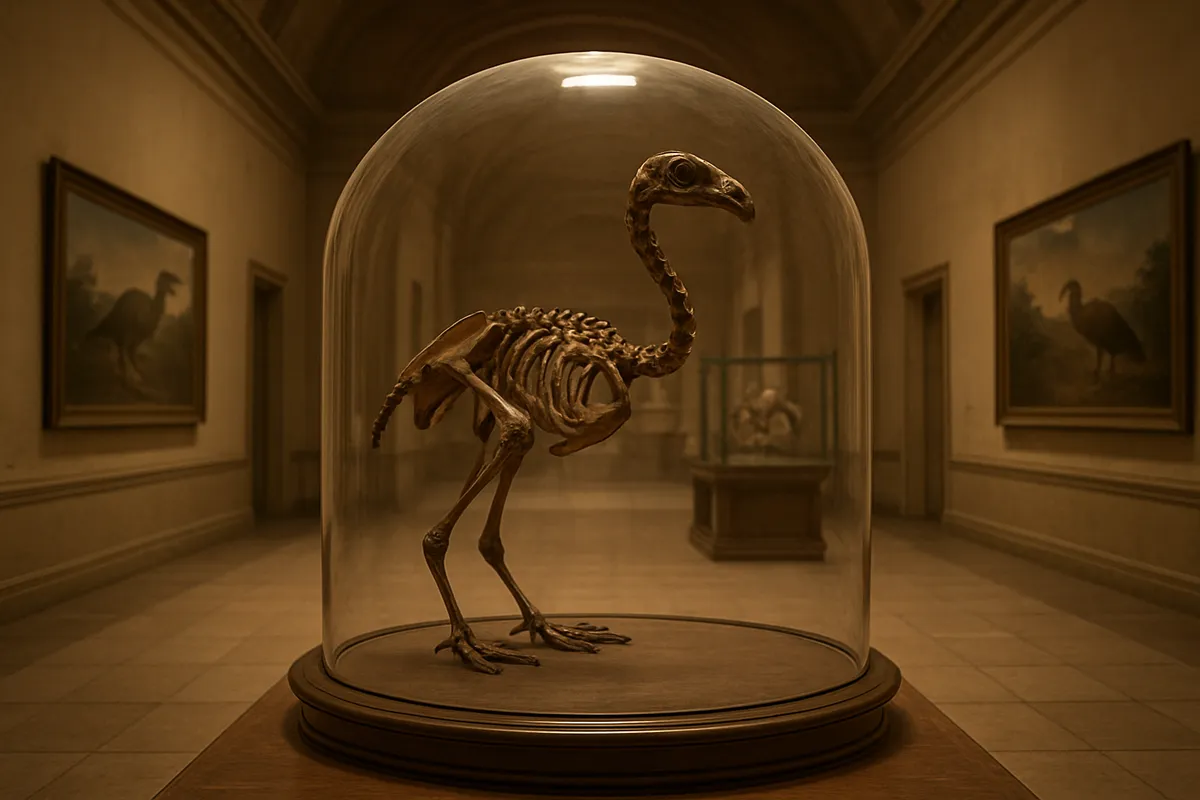
40 questions
One question set, multiple game modes. Tap any game to see it in action. Not sure which to pick?
Answer to place stones and capture territory.
Outrun the snow together.
Earn blasts, then hunt the other team.
Answer to earn energy, then climb.

The class blasts through walls together.
Bid on mystery lots. Most money wins.
Sell tours. Nice, standard, or a total scam.

Answer, restock, and serve the rush.
More correct answers pulls the rope your way.
Answer, then shoot down the alien wave.
Answer, then tap to leap the frozen ridge.
Fossils show a long, low rate of species loss interrupted by a short interval when many unrelated groups disappear worldwide. What is that short interval?
A fossil record shows a relatively low, predictable rate of species loss over millions of years. What does this pattern represent?
An asteroid impact rapidly alters climate and food webs, and fossils show losses across marine and terrestrial groups. This pattern is best classified as what?
A dam floods the only known habitat of one freshwater snail, and the snail disappears globally. Why is this not a mass extinction?
At a steady background rate, extinction and speciation can keep overall diversity roughly stable. What change would signal a mass extinction instead?
Fossil layers from a brief interval contain far fewer species in many distant regions than layers immediately below them. What inference is best supported?
Which observation best distinguishes background extinction from mass extinction?
A paleontologist finds that one species disappears from a rock layer, while most other species persist and new species later appear. Which process most likely explains that loss?
Why can rapid anthropogenic habitat destruction raise concern about a possible sixth mass extinction?
A volcanic episode causes abrupt global warming, ocean chemistry changes, and heavy species losses in fossil records. What makes this a mass-extinction mechanism rather than a background process?
A species' population has dropped by 90% over the last 10 years because of hunting that still continues. Which IUCN Red List category fits?
An assessment finds 1,800 mature individuals, a continuing decline, and no subpopulation larger than 250 individuals. Which IUCN Red List category fits?
A species has 8,000 mature individuals, is declining, and no subpopulation contains more than 1,000 individuals. Which IUCN category fits?
A plant survives only in botanical gardens and seed collections; surveys find no individuals in its natural habitat. Which IUCN category fits?
After exhaustive surveys of all known and expected habitat, no members of a species remain, and the last known individual has died. Which IUCN category fits?
A widespread species has a stable population and does not meet any IUCN threshold for a threatened category. Which category best fits?
A rarely seen frog has been found only a few times, and there is too little information about its population or range to judge its extinction risk. Which IUCN category fits?
A rare orchid has disappeared from forests but is maintained in greenhouses. Why is it classified as Extinct in the Wild rather than Extinct?
An assessor uses population size, population trend, geographic range, habitat, and threats across a species' full range. What is the assessor determining?
Why is a species with a stable population in one country not automatically Least Concern on the IUCN Red List?
A frog disappears from one state after a wetland is drained, but breeding populations remain in neighboring states. What has happened in the state?
Gray wolves were wiped out of Yellowstone National Park by the 1920s. In 1995, wolves captured in Canada were released there. Why was it possible to bring wolves back to the park?
A mammal has vanished from every part of its global range, including all wild and captive populations. What has occurred?
A state wildlife agency releases animals from another population after the species was lost from that state but survived elsewhere. What conservation goal does the release address?
What evidence would show that a species is extirpated from a national park rather than globally extinct?
A highway divides a forest, and a small population disappears from one isolated fragment while populations survive in other fragments. What is the local disappearance called?
Why can a wildlife corridor reduce the chance that a small local population remains extirpated?
A prairie plant has been extirpated from one county after the land was converted to cropland. Which statement about the plant must be true?
Which trait combination generally creates the greatest extinction risk after habitat loss?
A bird feeds only on one insect that lives in old-growth forest. Why is the bird especially vulnerable when logging removes that forest?
Two mammals lose half their habitat. Species A has one litter every several years. Species B produces many offspring annually. Which is generally slower to recover?
Why does a small, isolated population often face elevated extinction risk?
A species occupies one small island and cannot cross surrounding ocean to other suitable habitat. Which trait most increases its vulnerability?
A large carnivore needs extensive connected territory and produces few young. Which human land-use change most directly raises its extinction risk?
A drought eliminates a plant used by only one butterfly species for egg-laying. Why is the butterfly more vulnerable than a butterfly that uses many host plants?
Which population is most likely to withstand a new disease outbreak?
An endemic salamander occurs only in one cool mountain stream. As temperatures rise, warmer conditions move upslope until no cooler stream habitat remains. What trait made it especially vulnerable?
Why do species with long generation times often face greater risk from rapid environmental change?
A fishing fleet targets a large fish that matures late and produces few offspring. Which life-history trait most limits recovery after overharvest?
Which change would most reduce edge effects for a forest specialist living in a small reserve?
Crack the passcode before the zombies get in.
Answer, then swat bugs for bonus points.
Race through questions at your own speed.
Same question on every screen. Fastest wins.

Pick a tile, answer, hit bonuses and steals.
Island Biogeography and Habitat Fragmentation
20 questions