Loading
One question set, multiple game modes. Tap any game to see it in action. Not sure which to pick?
Answer to place stones and capture territory.
Outrun the snow together.
Earn blasts, then hunt the other team.
Answer to earn energy, then climb.

The class blasts through walls together.
Bid on mystery lots. Most money wins.
Sell tours. Nice, standard, or a total scam.

Answer, restock, and serve the rush.
More correct answers pulls the rope your way.
Answer, then shoot down the alien wave.
Answer, then tap to leap the frozen ridge.
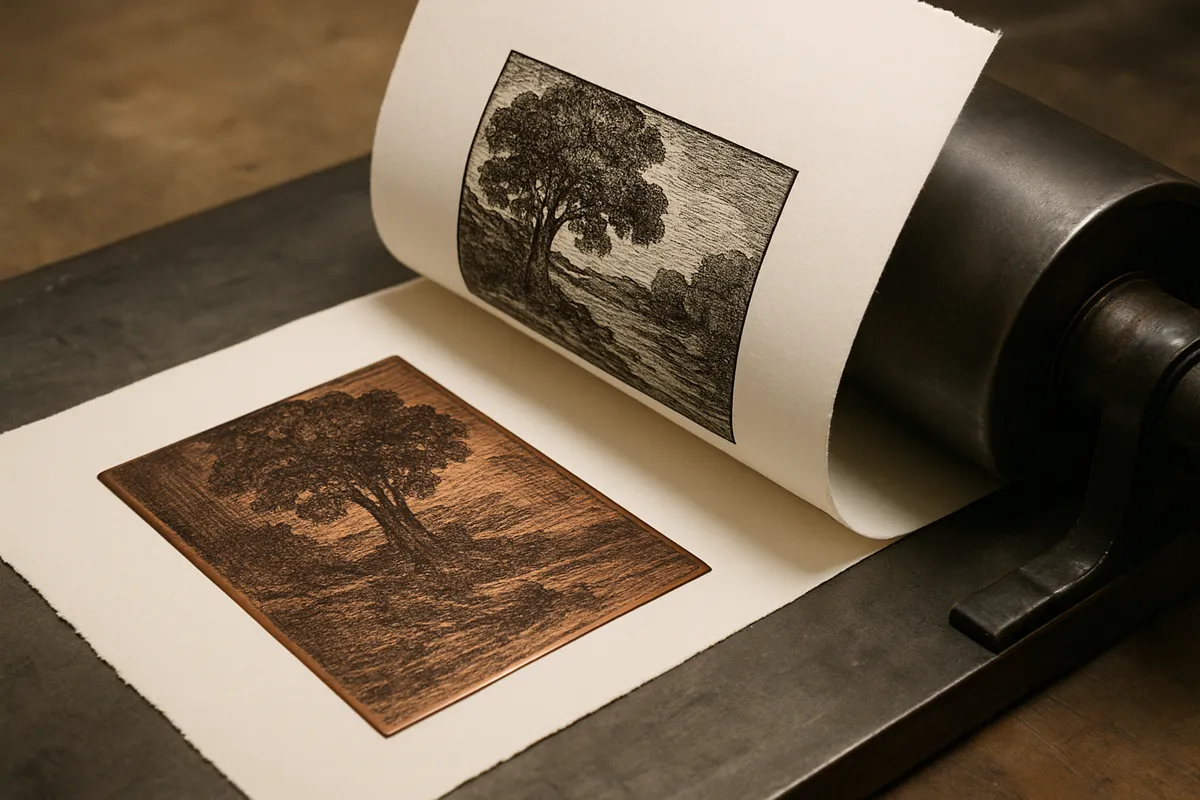
On a carved wood block, ink is rolled over the top surface while the cut-away channels stay blank. Which printmaking family does this belong to?
A metal plate is inked, then its surface is wiped so ink remains only in recessed lines before paper is pressed into them. Which family is this?
An artist draws with greasy crayon on a completely flat limestone surface. Damp areas reject ink while the drawn areas accept it. Which family is this?
A screen has blocked and open areas, and a squeegee forces ink through the open mesh onto paper. Which printmaking family is demonstrated?
In a woodcut, which part of the carved block receives ink and prints the image?
In an engraved copper plate, where is the ink retained for printing?
For a screenprint, where can ink pass through the matrix to reach the paper?
A printmaker pushes a burin directly through a metal plate to make clean furrows, then inks and wipes the plate. Which individual process is being used?
A metal plate is covered with a resistant ground, drawn through with a needle, and placed in acid that bites the exposed lines. What process is this?
An artist scratches a metal plate directly with a needle and leaves the displaced metal ridge beside each line. Which process is this?
A printmaker dusts resin on a plate, heats it, and uses acid to bite a granular network for gray tonal fields. Which process is this?
A greasy crayon drawing on limestone is chemically fixed. The stone is then dampened and rolled with ink. Which process is being used?
A printer stretches mesh across a frame, blocks selected areas, and uses a squeegee to push ink onto paper. Which process is this?
A printmaker uses a burin to carve fine lines into the end grain of a very hard wood block, then inks the surface. Which process is this?
An artist gouges a design into a soft, grainless block of flooring material, rolls ink across the remaining surface, and transfers the image to paper. Which process is this?
Linocut belongs to which printmaking family?
Wood engraving belongs to which printmaking family?
Etching belongs to which printmaking family?
Drypoint belongs to which printmaking family?
Aquatint belongs to which printmaking family?
Under magnification, a print's black lines have soft, fuzzy, velvety edges caused by ink held on a burr. Which process most likely made it?
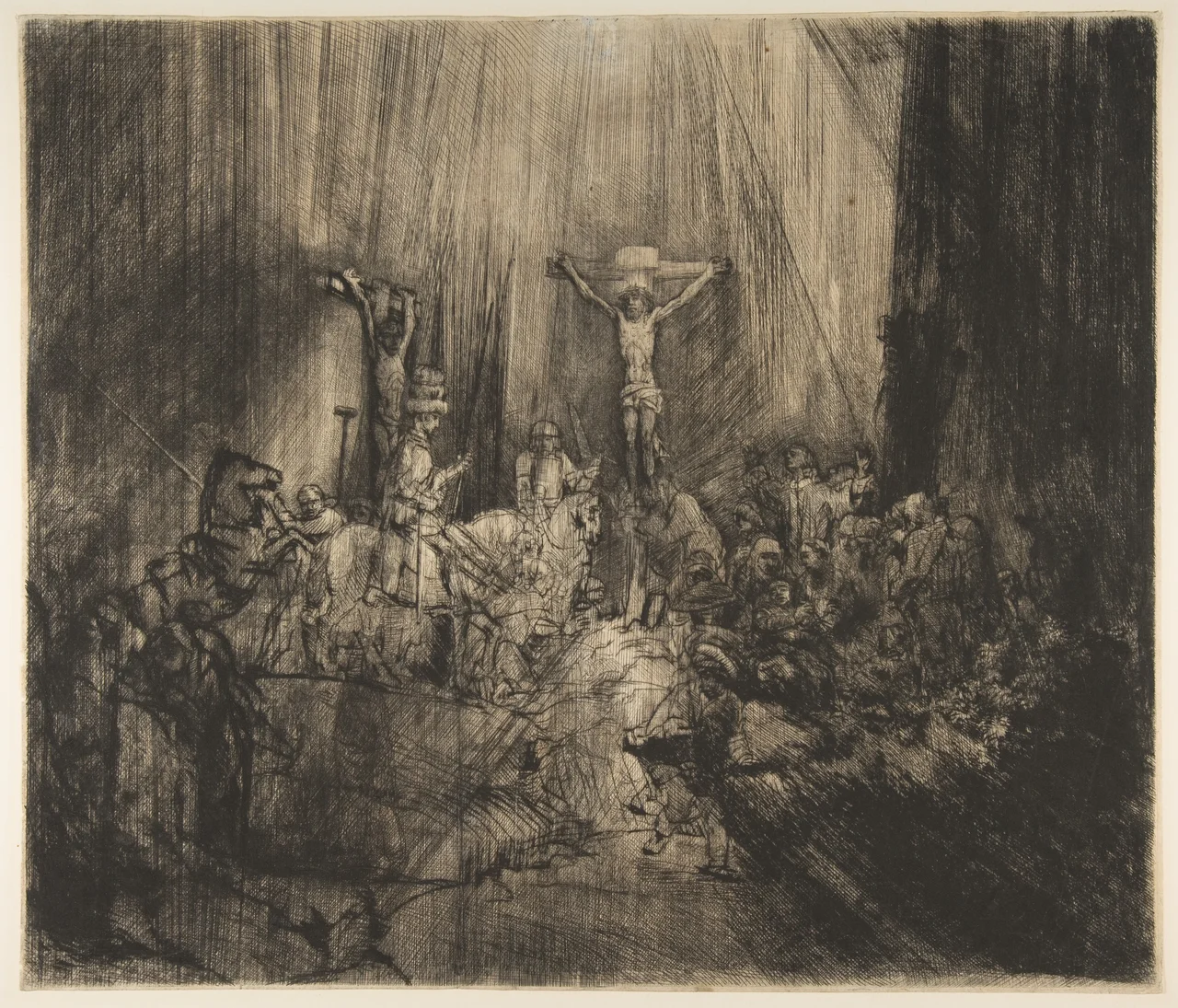
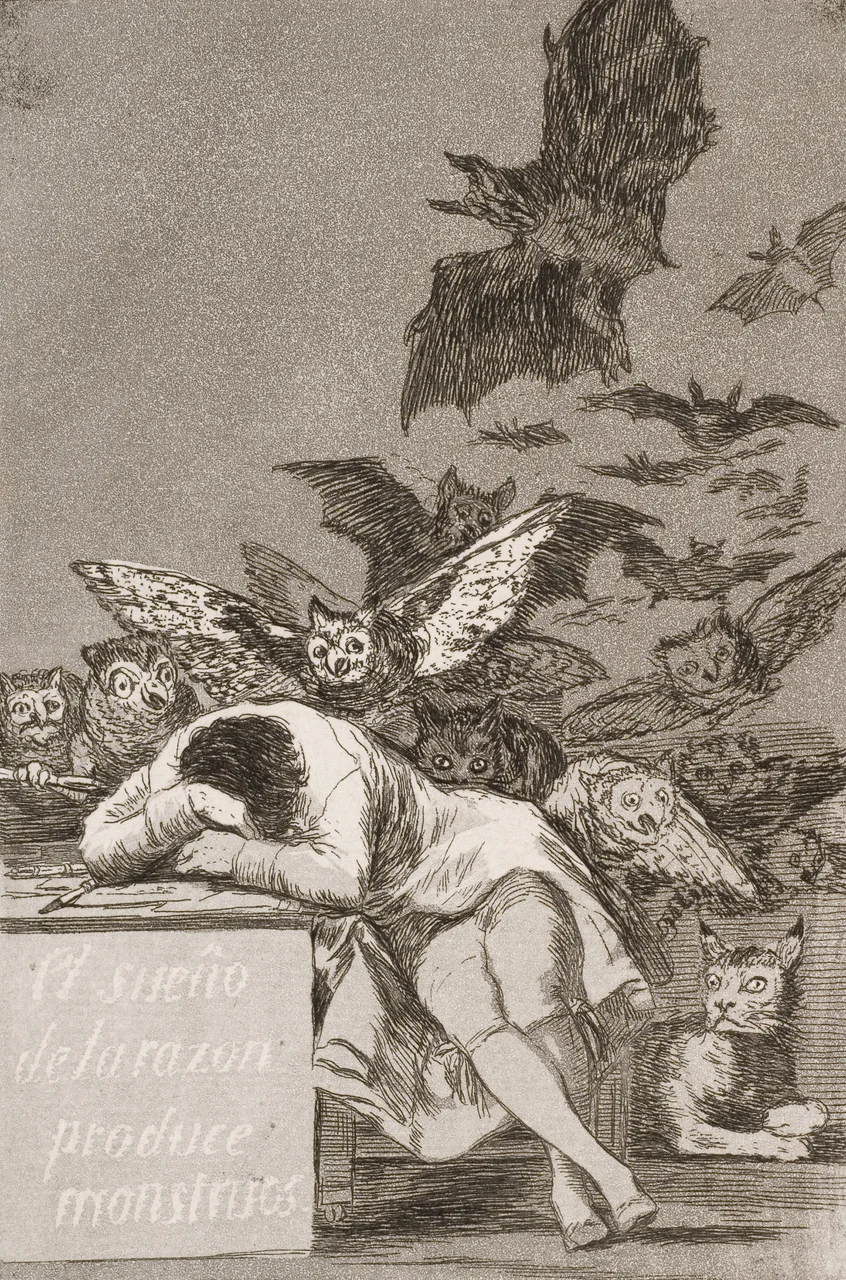
A close-up shows a print's broad gray areas built from a fine, grainy pattern rather than parallel lines. Which process most likely produced those tones?
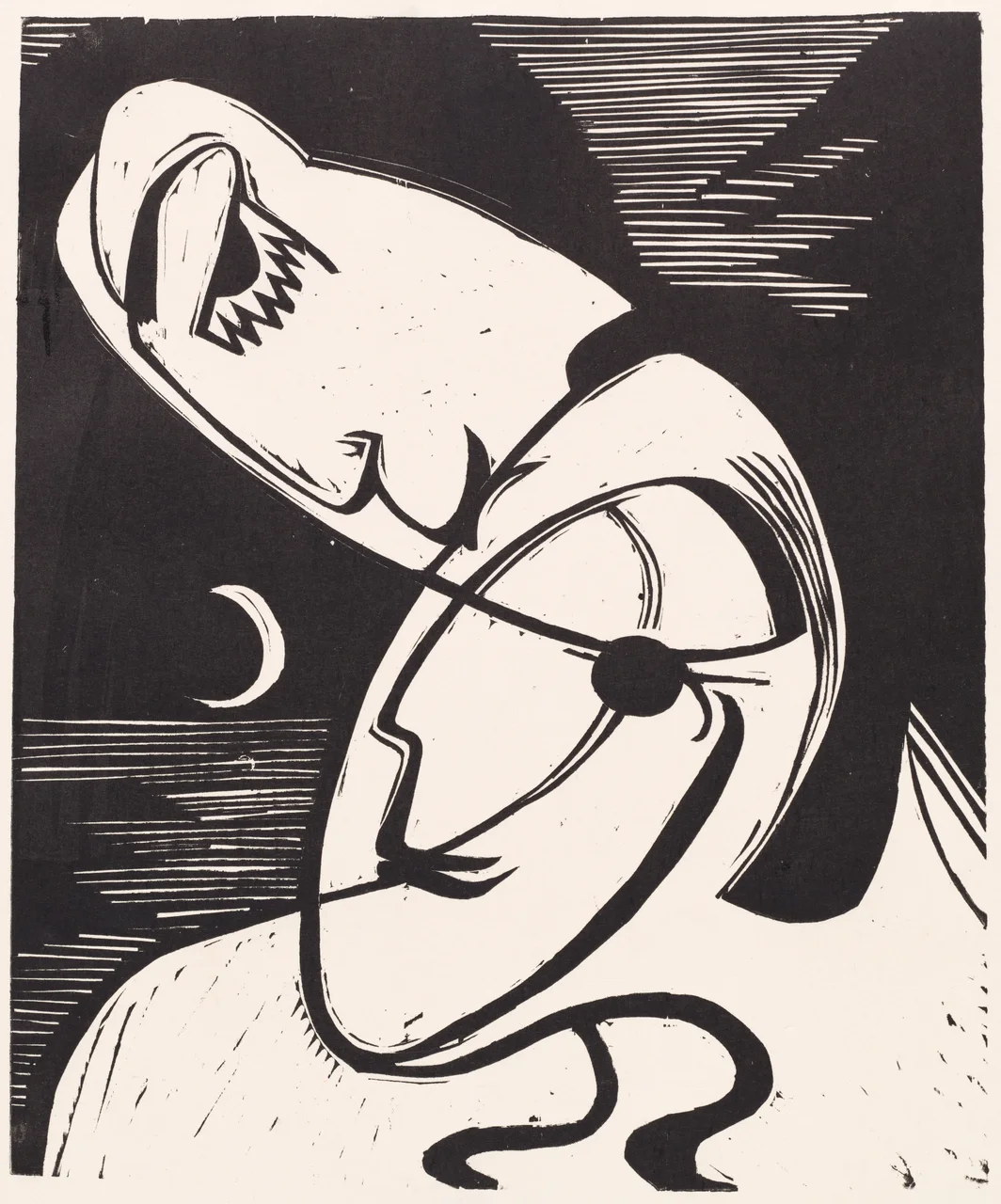
A printed image has bold black shapes, crisp edges, and occasional visible wood grain within its inked areas. Which process is the strongest match?
A color print has broad, hard-edged areas of flat, unmodulated color, and its ink sits in a thick layer on the paper with no plate mark. Which process most likely made it?
What is the general term for the reusable prepared surface, such as a block, plate, stone, or screen, from which a print is made?
A print is penciled 12/50 in its margin. What does the 50 indicate?
After adding new etched lines to a plate, an artist prints it again. What term identifies this altered version of the same image?
Why are registration marks important when several color blocks or screens print one image?
For Los Caprichos (1799), Francisco Goya combined etched lines with broad, shadowy gray tonal fields. Which process supplied those tonal fields?
In the 1960s, Pop artists favored a process for its bold, flat color and commercial visual character. Which printmaking process best fits that historical use?
Crack the passcode before the zombies get in.
Answer, then swat bugs for bonus points.
Race through questions at your own speed.
Same question on every screen. Fastest wins.

Pick a tile, answer, hit bonuses and steals.
Architecture: Structure and Vocabulary
40 questions