Loading
by BlastRoom
Three Muslim empires ruled from the Balkans to Bengal in the early modern era.
#world_history
35 questions
One question set, multiple game modes. Tap any game to see it in action. Not sure which to pick?
Answer to place stones and capture territory.
Outrun the snow together.
Earn blasts, then hunt the other team.
Answer to earn energy, then climb.

The class blasts through walls together.
Bid on mystery lots. Most money wins.
Sell tours. Nice, standard, or a total scam.

Answer, restock, and serve the rush.
More correct answers pulls the rope your way.
Answer, then shoot down the alien wave.
Answer, then tap to leap the frozen ridge.
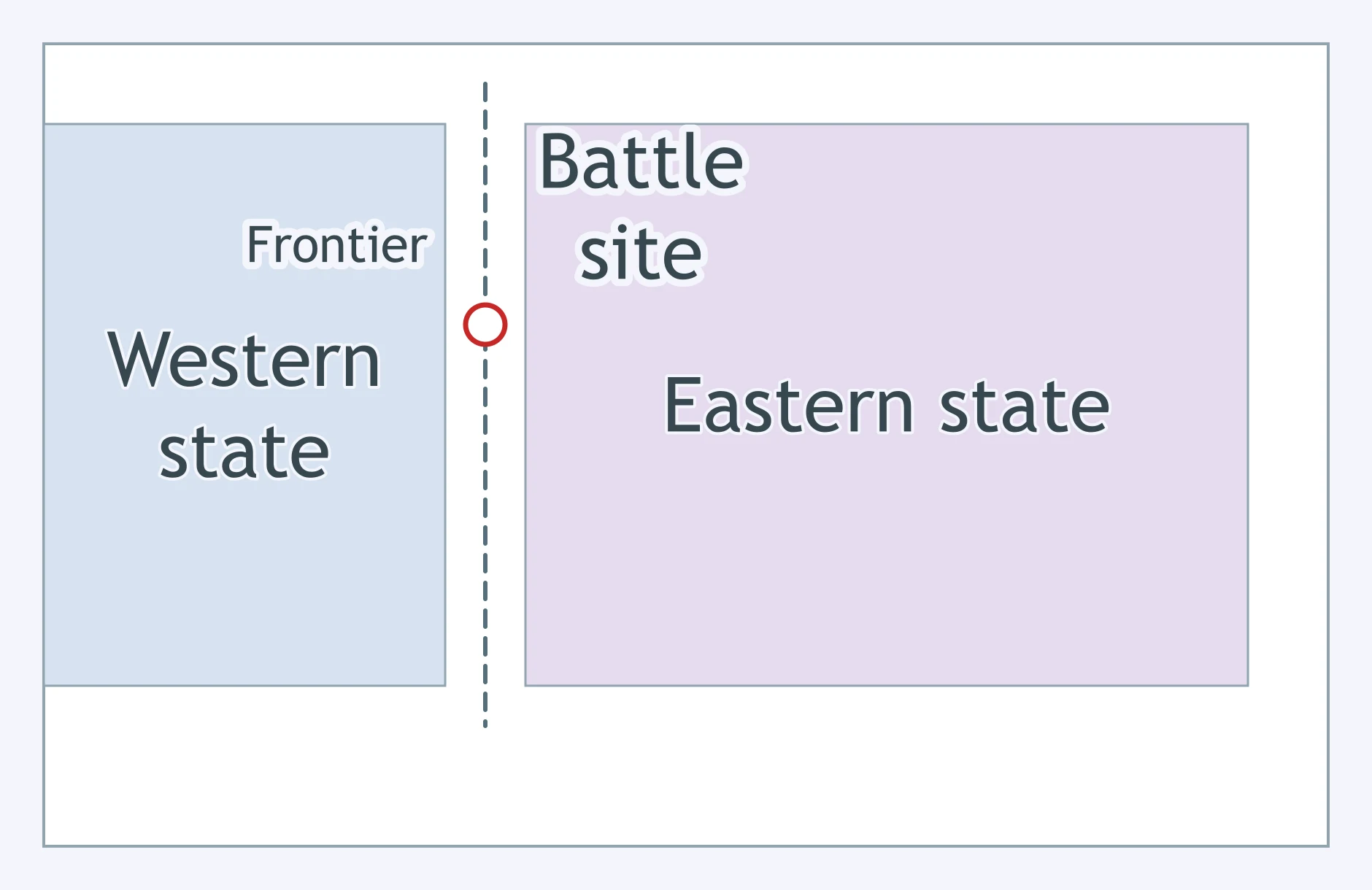
Use the map. Two shaded states meet along the eastern Anatolian plateau, with a 1514 battle site on the frontier. Which empires met there?
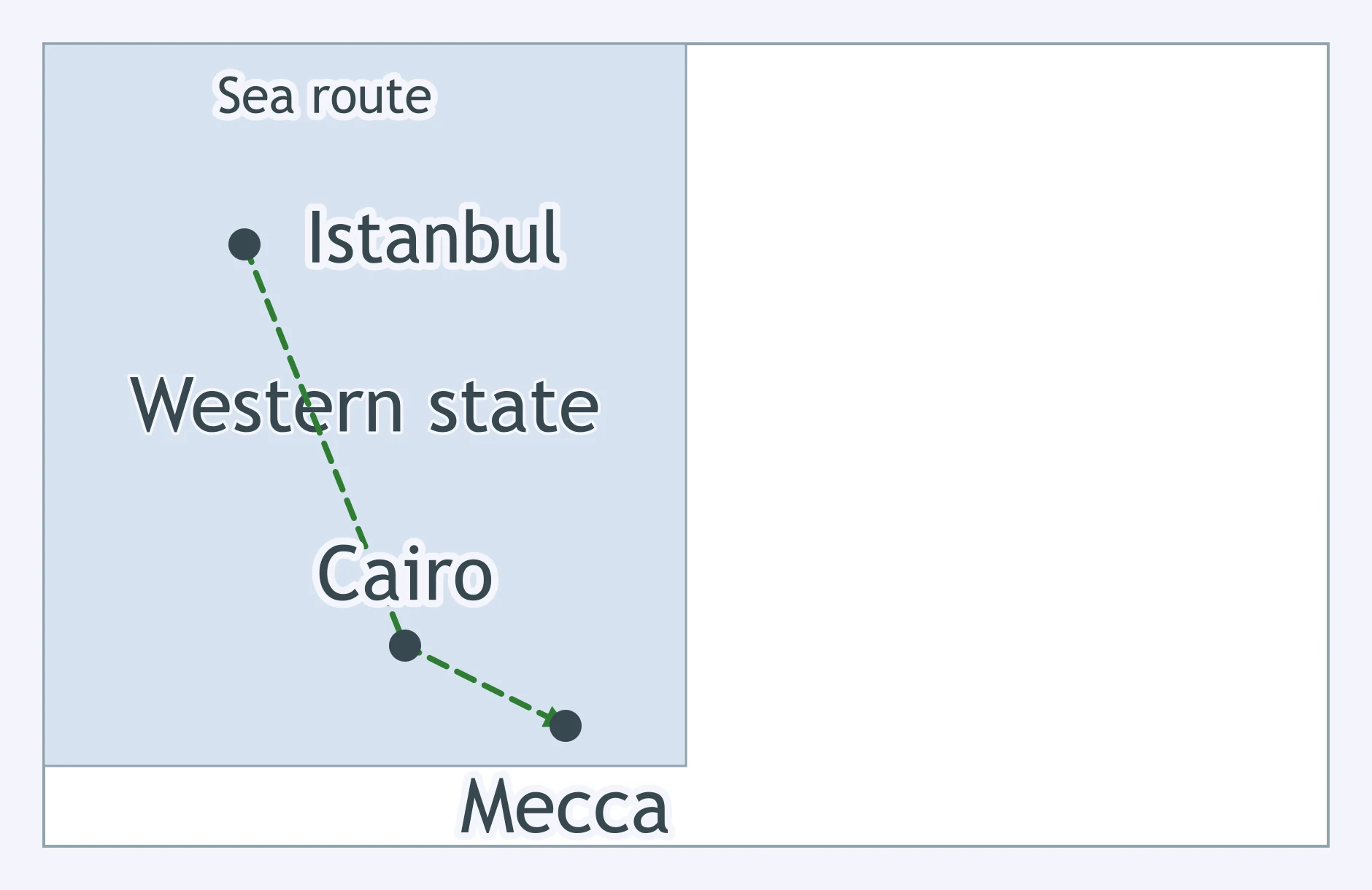
Use the map. The shaded western state reaches the Balkans, Anatolia, Syria, Egypt, and the holy cities after 1517. Which empire is shown?
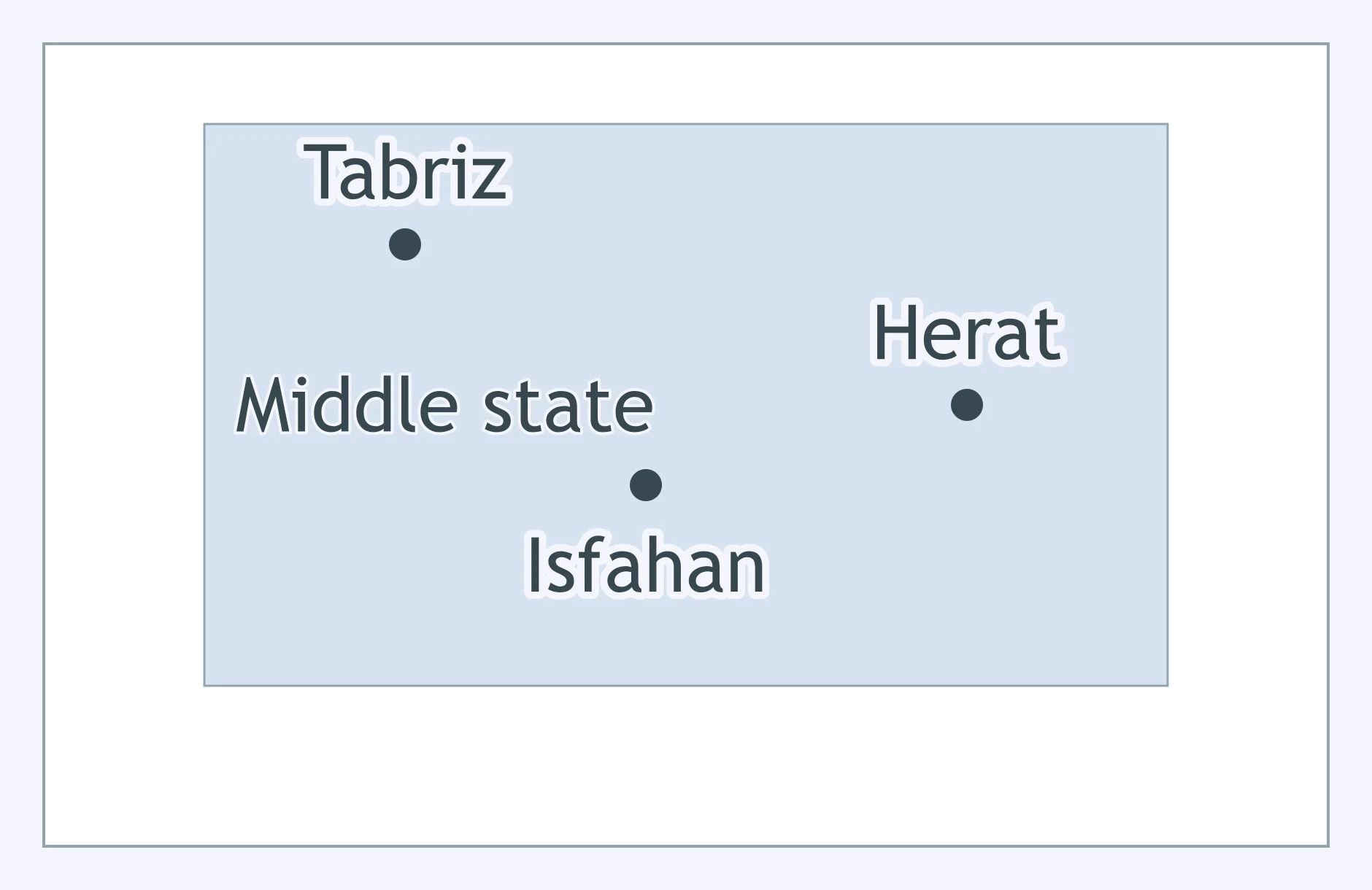
Use the map. The shaded state centers on the Iranian plateau, links Tabriz and Isfahan, and lies between Anatolia and India. Which empire is shown?
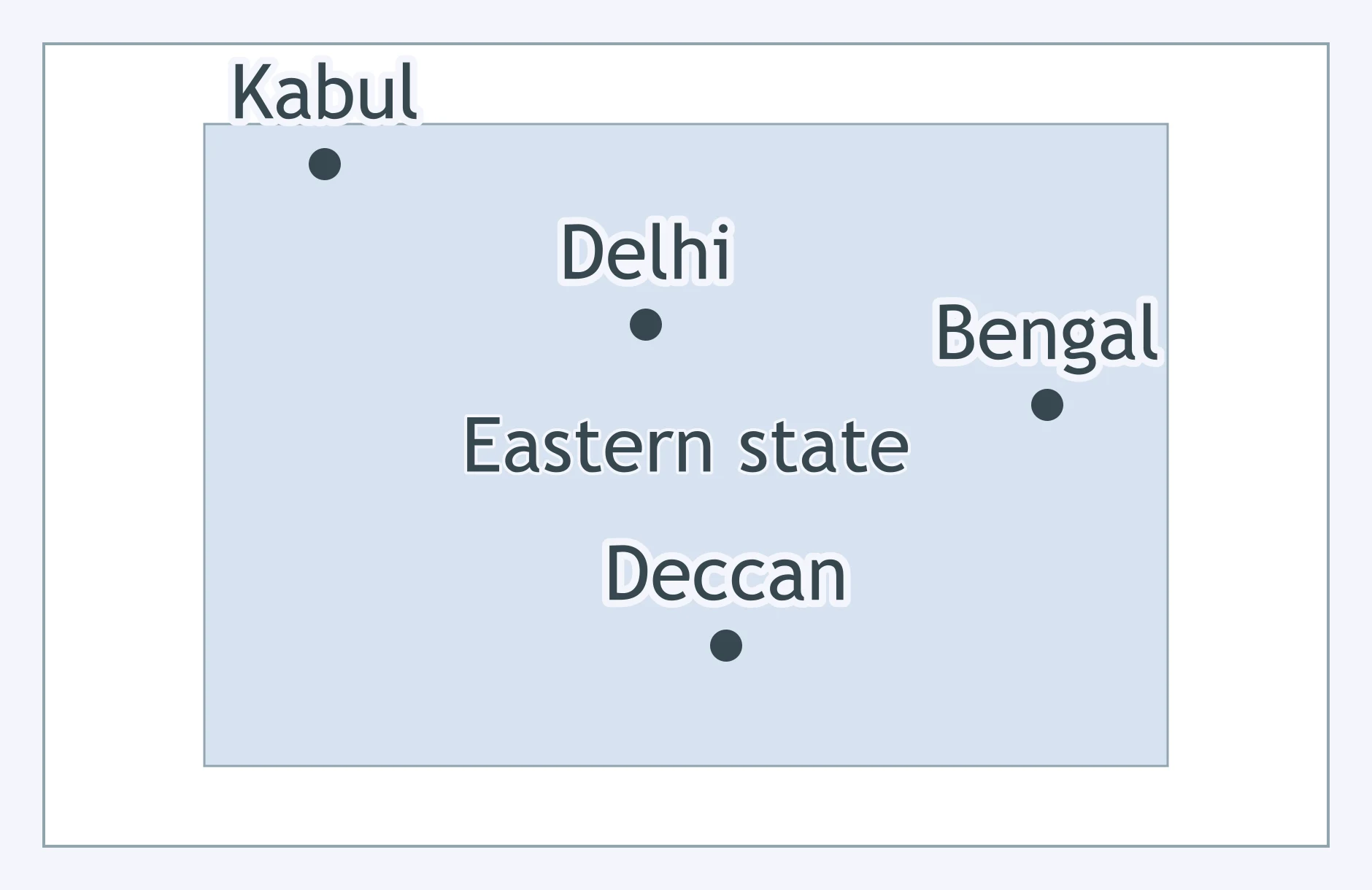
Use the map. The shaded state spreads from the Indus and Kabul region across northern India to Bengal and into the Deccan. Which empire is shown?
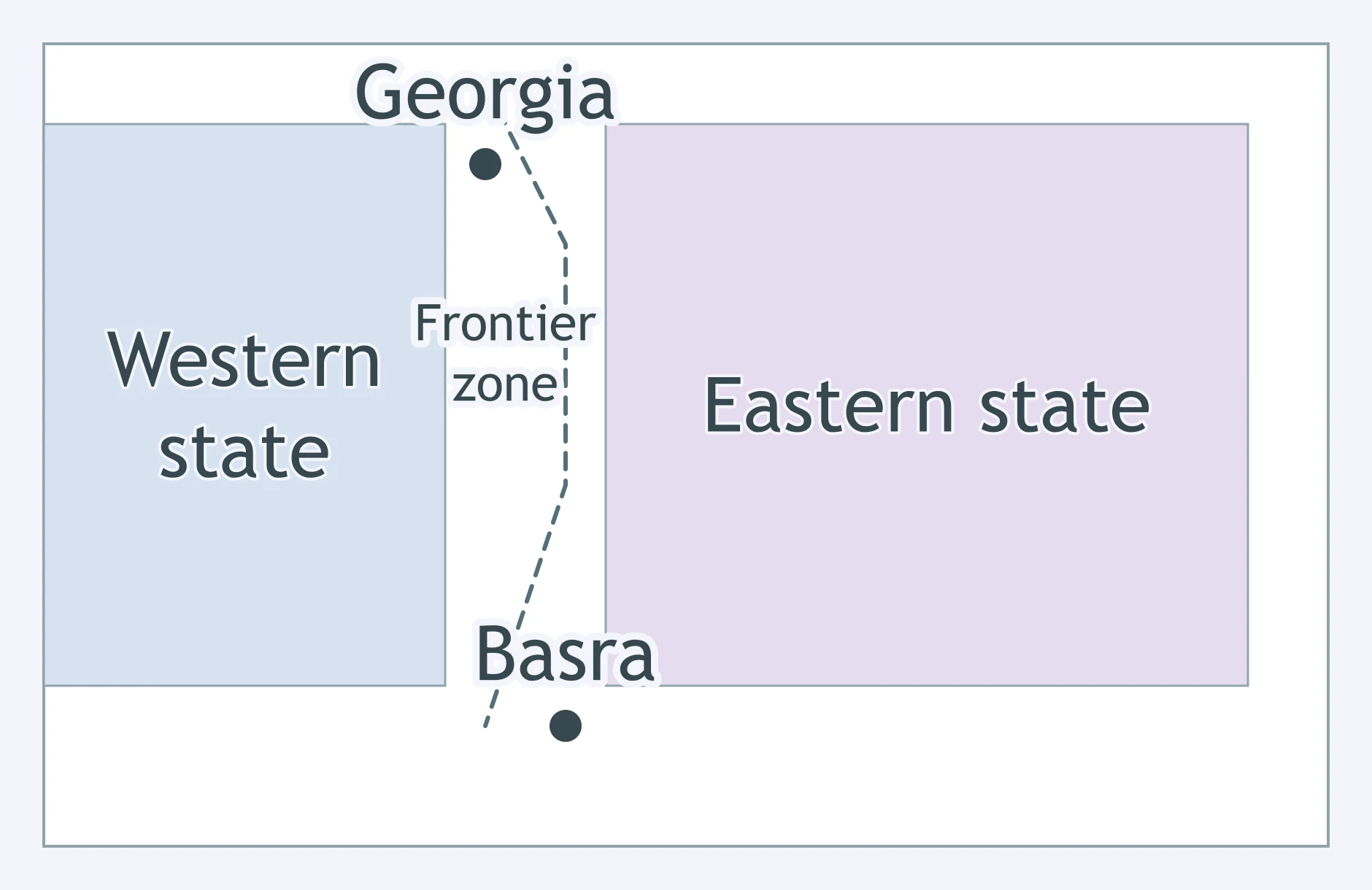
Use the map. A frontier zone runs through Georgia, Armenia, the western Zagros, and toward Basra after the 1555 Peace of Amasya. Which pair agreed to it?
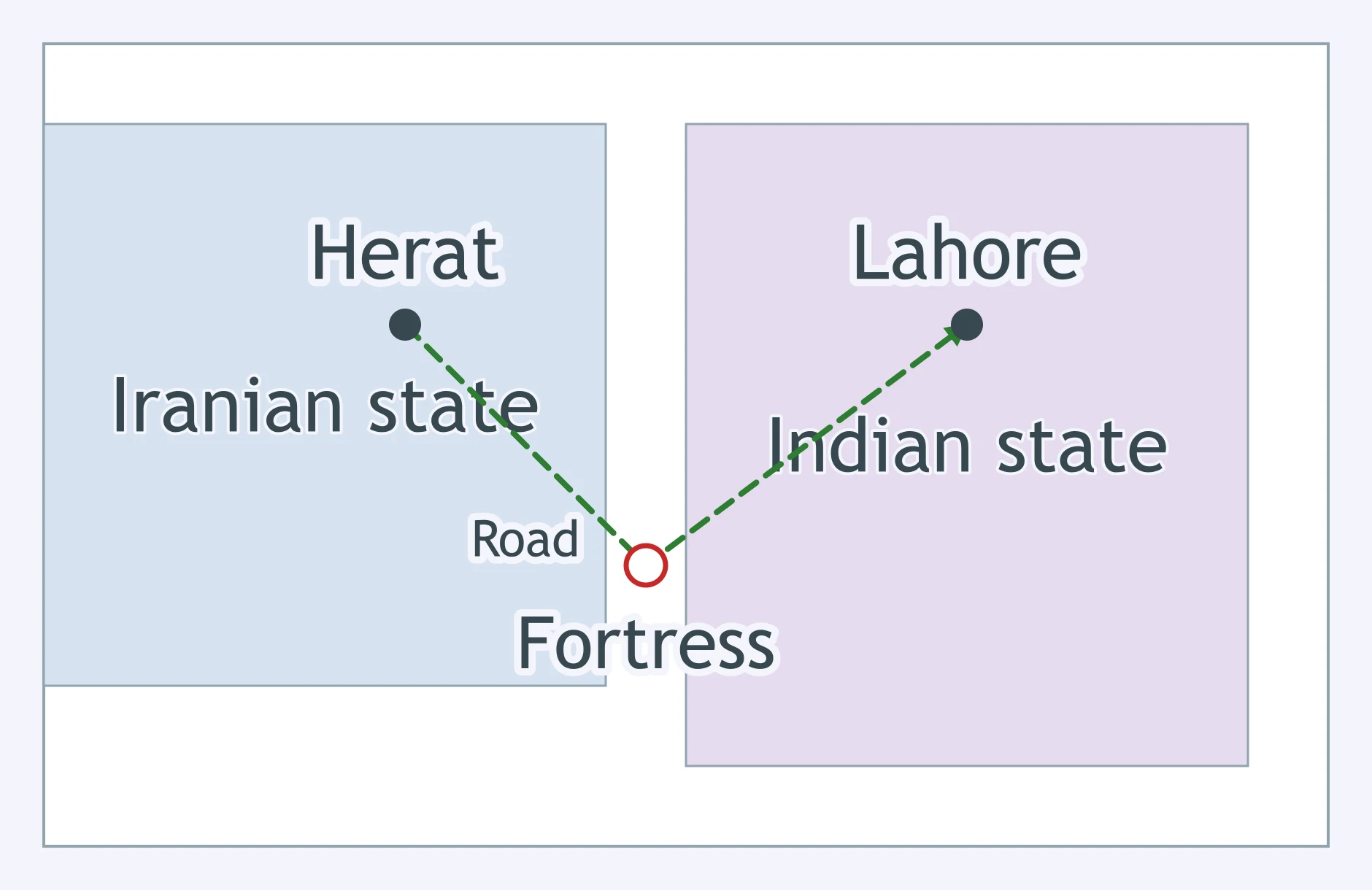
Use the map. A fortress on the road between Herat and Lahore is marked on the Iran-India frontier. Which city is it?
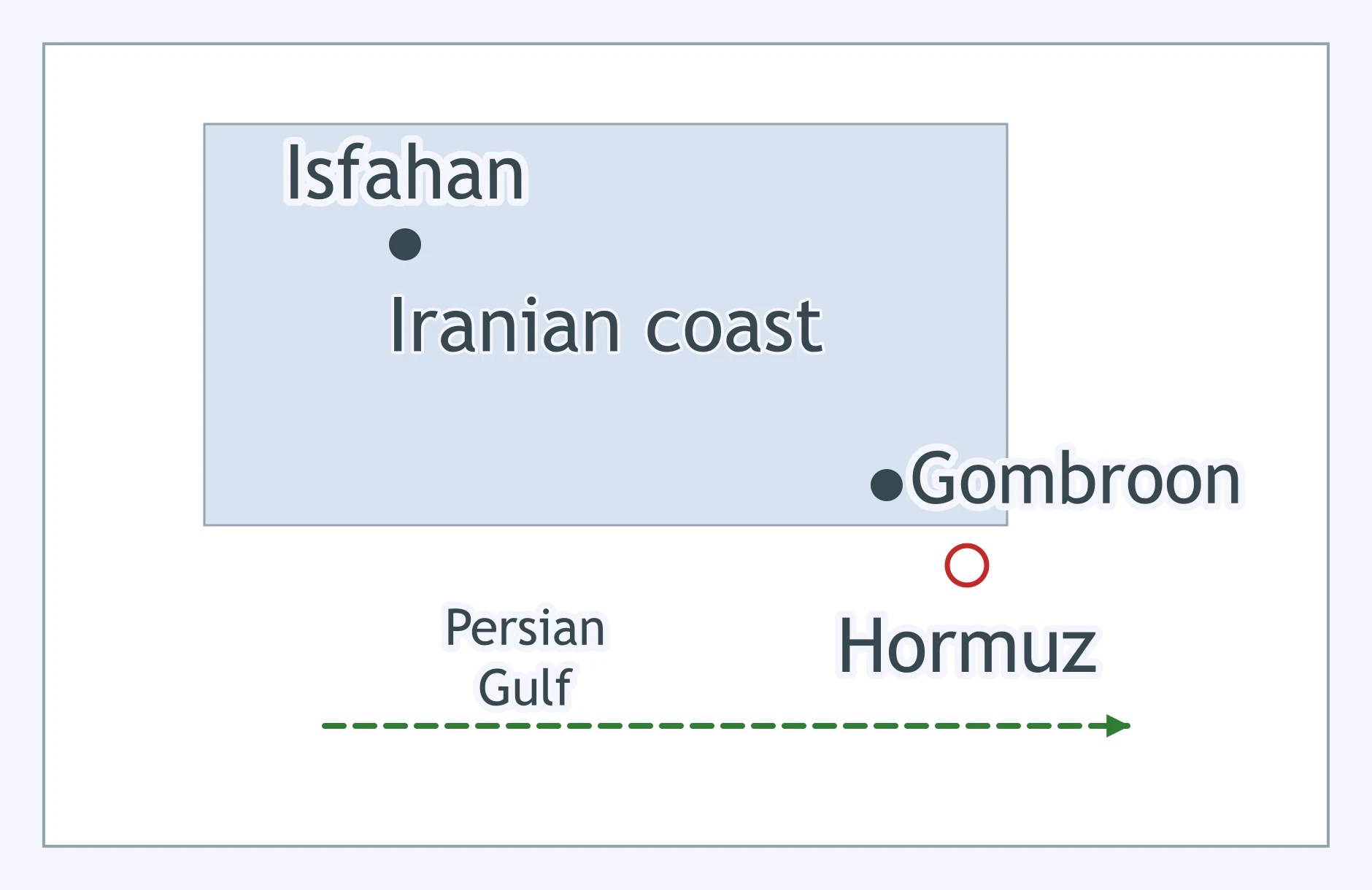
Use the map. The marked sea gate at the mouth of the Persian Gulf was taken from the Portuguese with English naval help in 1622. Which state gained it?
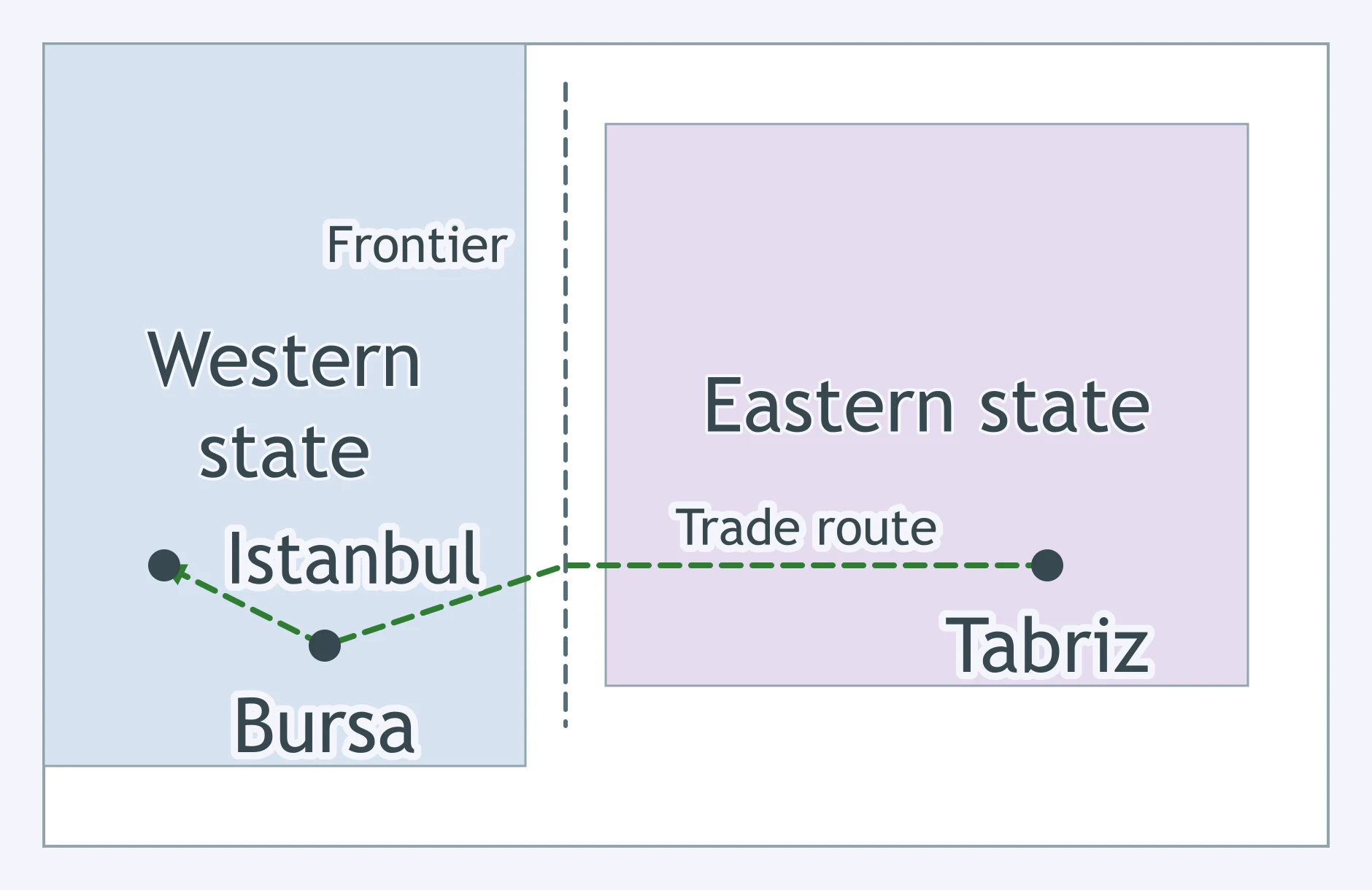
Use the map. A route runs from Tabriz toward Bursa and Istanbul, but a frontier barrier appears after 1514. Which trade was most affected?
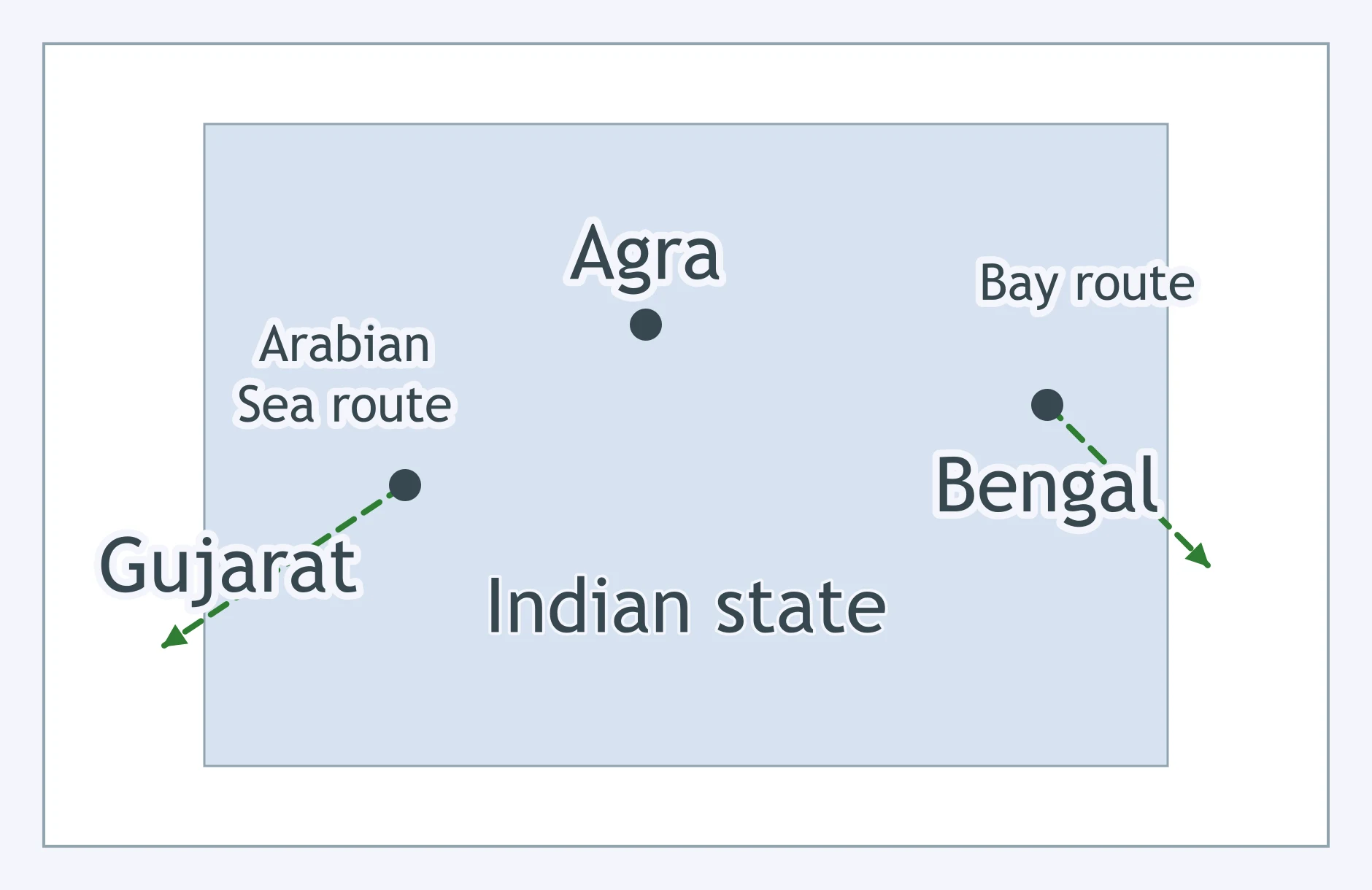
Use the map. Routes from Gujarat and Bengal connect the shaded Indian empire to the Arabian Sea and Bay of Bengal. Which empire controlled those ports under Akbar and successors?
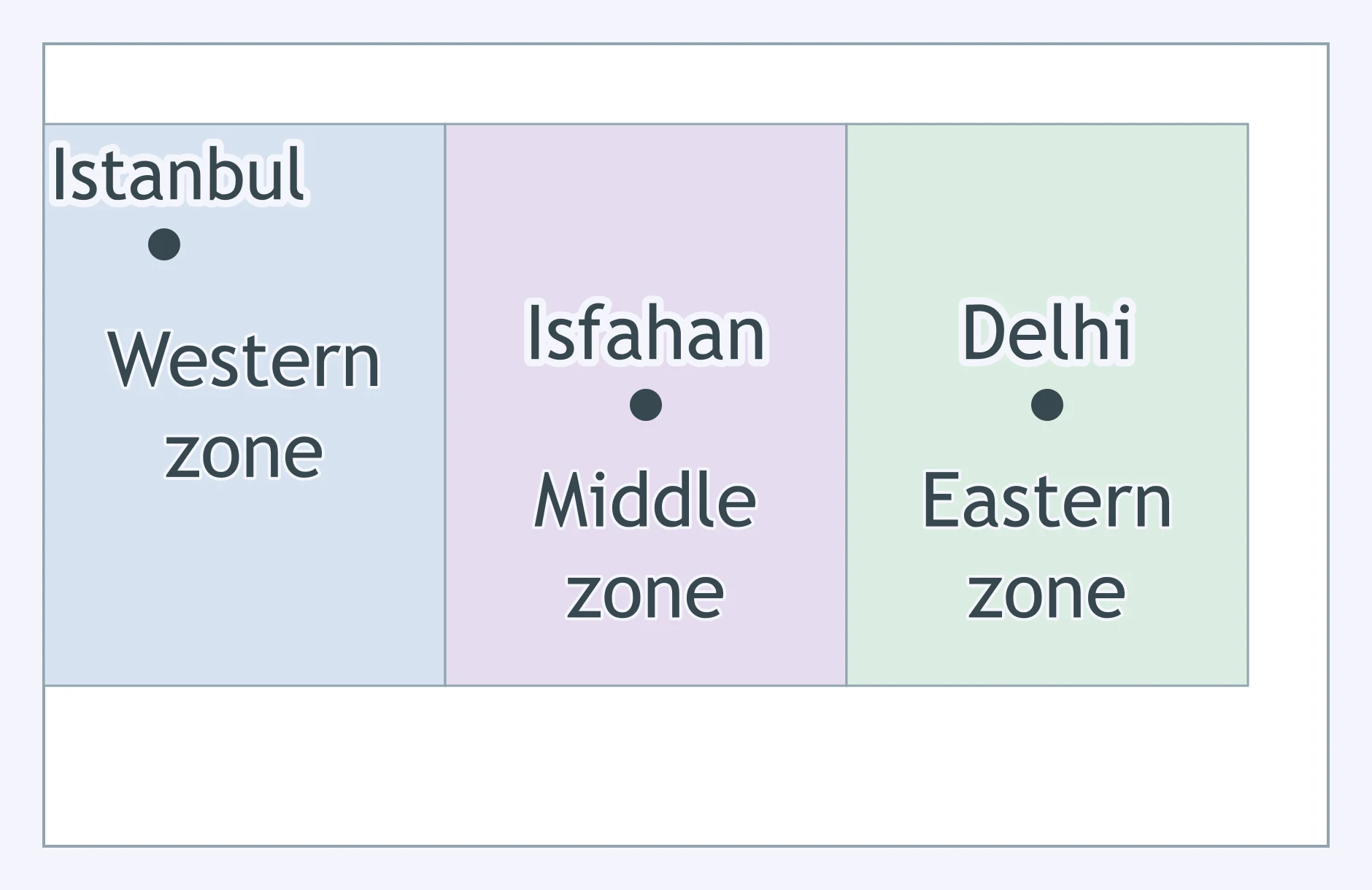
Use the map. Three zones run west to east: Balkans-Anatolia-Arab lands, Iranian plateau, and northern India-Bengal. Which order names them?
Mehmed II used heavy cannon to take Constantinople in 1453. What did he do with the city afterward?
After Chaldiran, Selim I won at Marj Dabiq in 1516 and Raydaniya in 1517. What territory did those victories add?
Which Ottoman ruler conquered much of Hungary, besieged Vienna in 1529, and sponsored major law codes?
In the devshirme, Ottoman agents took boys from Christian Balkan communities, converted and trained them for state service. Which corps did many enter?
Which Ottoman arrangement let Orthodox Christian, Armenian, and Jewish communities handle many religious and family-law matters through their own leaders?
Sinan was chief architect to Suleiman and later sultans. Which mosque is one of his best-known works?
In 1534, Suleiman's forces took Baghdad during war with Shah Tahmasp's realm. Which neighboring empire lost the city?
Ottoman subjects called Suleiman Kanuni, or 'the Lawgiver.' What did that title refer to?
Ismail I took Tabriz in 1501 and declared a form of Islam the official faith of his new state. Which form was it?
Ismail I's early victories depended on Turkmen followers who wore distinctive red headgear and treated him as a sacred leader. What were they called?
At Chaldiran in 1514, Ottoman artillery and firearms helped defeat Ismail I's cavalry forces. What was one result for the Safavids?
After Ottoman pressure on Tabriz, Shah Tahmasp moved the Safavid capital inland to Qazvin by 1557. What problem did this address?
Shah Abbas I, ruling from 1587 to 1629, moved the Safavid capital to Isfahan in 1597-1598. What did he make it?
Shah Abbas I resettled Armenian merchants in New Julfa near Isfahan and promoted silk exports. What was a main goal?
At the First Battle of Panipat in 1526, which ruler used artillery to defeat Ibrahim Lodi and begin Mughal rule in northern India?
After losing India to Sher Shah Suri, which Mughal ruler took refuge at Shah Tahmasp's Safavid court before returning to power in 1555?
Which Mughal ruler married into a Rajput family, recruited Hindus to high office, and abolished the jizya in 1564?
Akbar worked with Todar Mal on a revenue system using land records, prices, yields, and ten-year averages. What did it assess?
In 1606, Safavid forces besieged Kandahar but withdrew after Mughal defense. Shah Abbas then sent an envoy to which Mughal ruler's court?
Which Mughal ruler ordered the Taj Mahal in Agra after Mumtaz Mahal's death in 1631?
In 1648, which Mughal ruler shifted his capital from Agra to Delhi and built the Red Fort complex there?
Akbar abolished the jizya in 1564. Which later Mughal ruler reimposed that tax in 1679?
Aurangzeb annexed Bijapur in 1686 and Golconda in 1687, but long wars followed in the Deccan. What was a major effect?
All three empires were Muslim-ruled, but their official religious settlements differed. Which comparison is correct?
Which comparison of capital projects is accurate?
Crack the passcode before the zombies get in.
Answer, then swat bugs for bonus points.
Race through questions at your own speed.
Same question on every screen. Fastest wins.

Pick a tile, answer, hit bonuses and steals.
Early Modern World Review
60 questions