Loading
by BlastRoom
Grade 5 questions on how the number of daylight and nighttime hours changes in a repeating yearly pattern.
#sky_patterns#us_grade_5_science
20 questions
One question set, multiple game modes. Tap any game to see it in action. Not sure which to pick?
Answer to place stones and capture territory.
Outrun the snow together.
Earn blasts, then hunt the other team.
Answer to earn energy, then climb.

The class blasts through walls together.
Bid on mystery lots. Most money wins.
Sell tours. Nice, standard, or a total scam.

Answer, restock, and serve the rush.
More correct answers pulls the rope your way.
Answer, then shoot down the alien wave.
Answer, then tap to leap the frozen ridge.
A class in Chicago recorded daylight hours three times: 9 hours 7 minutes on December 21, 12 hours 8 minutes on March 20, and 15 hours 13 minutes on June 21. What pattern do these data show?
In a city in the northern United States, at what time of year are the nights the longest?
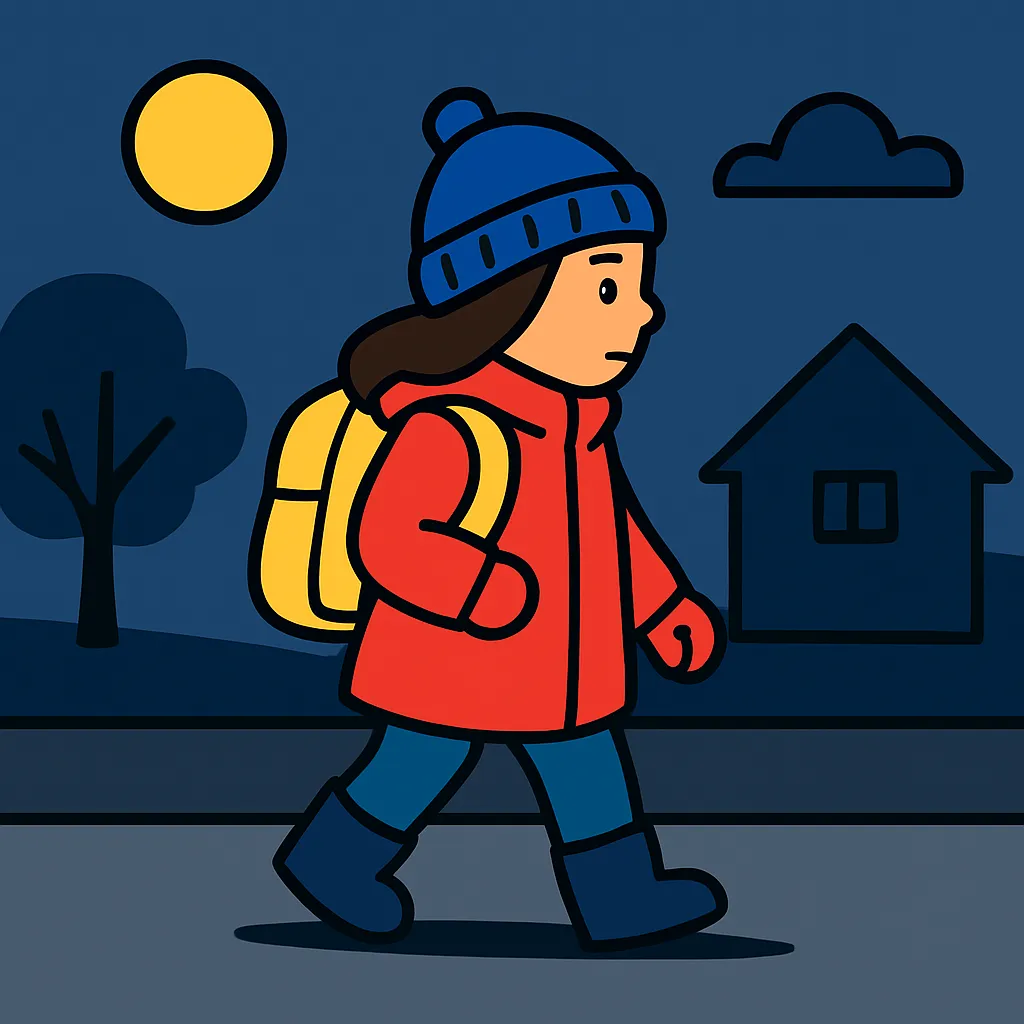
A girl in Maine leaves for school in the dark and gets home in the dark in December, but in June she can still play outside at 8:30 p.m. What does this show?
Near March 20 and again near September 22, almost everywhere on Earth gets about the same amount of daylight. About how many hours of daylight is that?
A family wrote down the time of sunset on the same day of several months: 4:45 p.m. in January, 7:35 p.m. in April, and 8:25 p.m. in July. What pattern do the data show?
Since late December, the daylight in a town has grown a little longer every week. Using this yearly pattern, what should students expect to happen in April?
On one summer day a town has 15 hours of daylight. Day and night together fill 24 hours. How long is the night on that day?
In the northern United States, nights are longer than days during the winter months.
A town sits very close to the equator. How does its day length change over one year?
In late June a student in Texas has one of the longest days of the year. At that same time, what is happening to day length in Australia?
Students marked where the Sun came up over their playground. In June it rose north of due east, and in December it rose south of due east. What does this pattern show?

A class measured the shadow of a schoolyard pole at noon on the first day of every month for a whole year. What did the year of measurements show?
A class in Chicago wrote down these times. January 1: sunrise 7:18 a.m., sunset 4:31 p.m. April 1: sunrise 6:37 a.m., sunset 7:11 p.m. July 1: sunrise 5:19 a.m., sunset 8:29 p.m. How did the July day become longer than the January day?
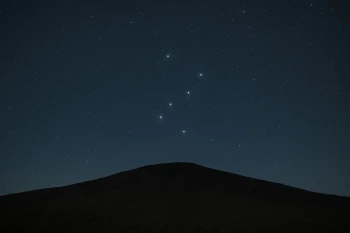
A boy watches the evening sky each month for a year. The constellation Orion is easy to find on winter evenings but he cannot find it on summer evenings. What does this show?
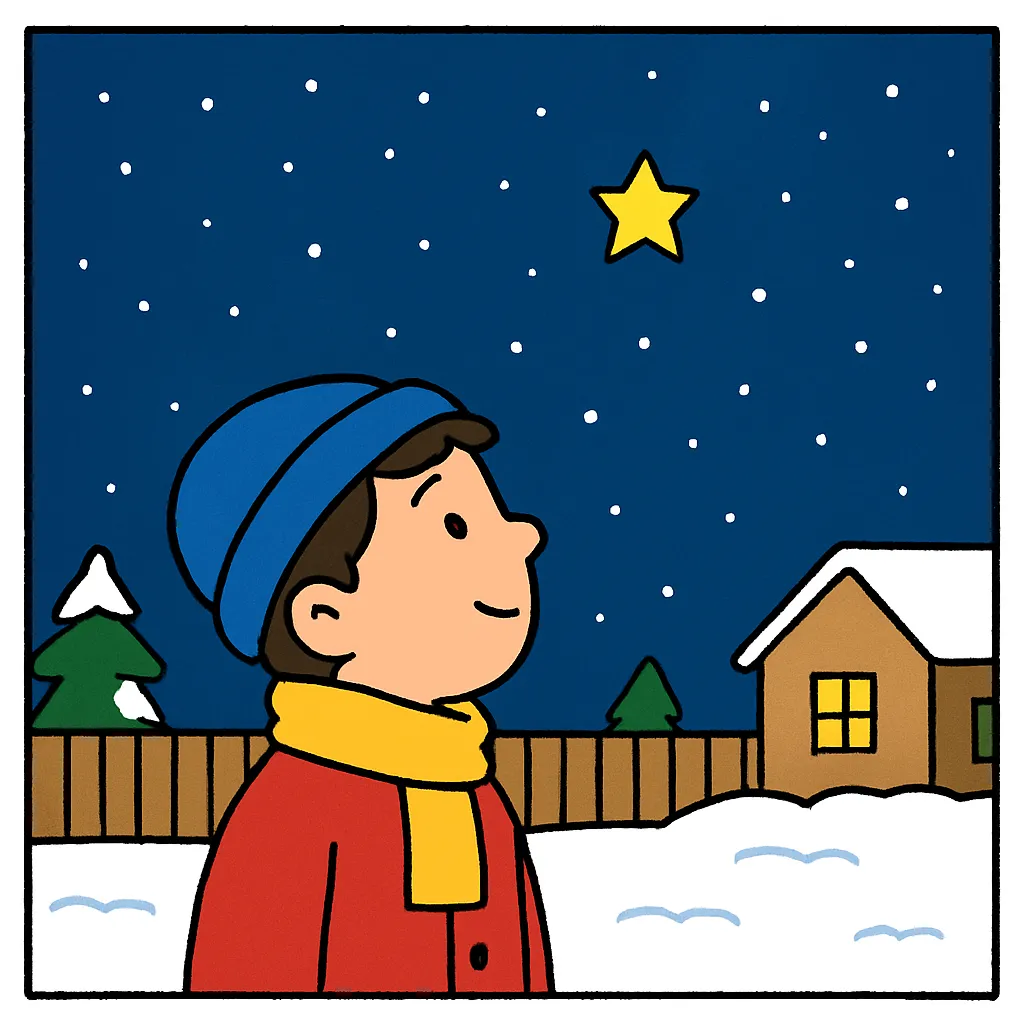
In a Michigan town the Sun rises at about 8:00 a.m. in early January. Using the yearly pattern of day length, what is the most likely sunrise time in early July?

A student claims that day length in her town follows a pattern that repeats every year. What observation best supports her claim?
In December, Anchorage, Alaska, gets fewer hours of daylight each day than Miami, Florida.
Every place on Earth has daylight and then darkness once about every 24 hours. What causes this daily pattern?

On June 21, Miami had about 13 hours 45 minutes of daylight while Anchorage, far to the north, had about 19 hours 20 minutes. What do these data show?
Students plan to record sunrise and sunset times on the 15th of every month for one year. Why is picking the same date each month a good plan?
Crack the passcode before the zombies get in.
Answer, then swat bugs for bonus points.
Race through questions at your own speed.
Same question on every screen. Fastest wins.

Pick a tile, answer, hit bonuses and steals.
Reading Two Sky-Pattern Data Sets at Once
20 questions