Loading
by BlastRoom
Trace matter as it cycles among plants, animals, decomposers, and the environment while energy flows one way from the Sun.
#matter_cycling#us_grade_5_science
20 questions
One question set, multiple game modes. Tap any game to see it in action. Not sure which to pick?
Answer to place stones and capture territory.
Outrun the snow together.
Earn blasts, then hunt the other team.
Answer to earn energy, then climb.

The class blasts through walls together.
Bid on mystery lots. Most money wins.
Sell tours. Nice, standard, or a total scam.

Answer, restock, and serve the rush.
More correct answers pulls the rope your way.
Answer, then shoot down the alien wave.
Answer, then tap to leap the frozen ridge.
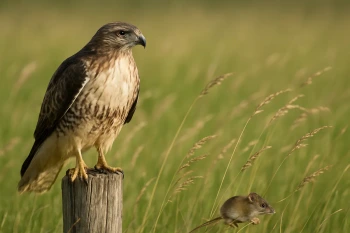
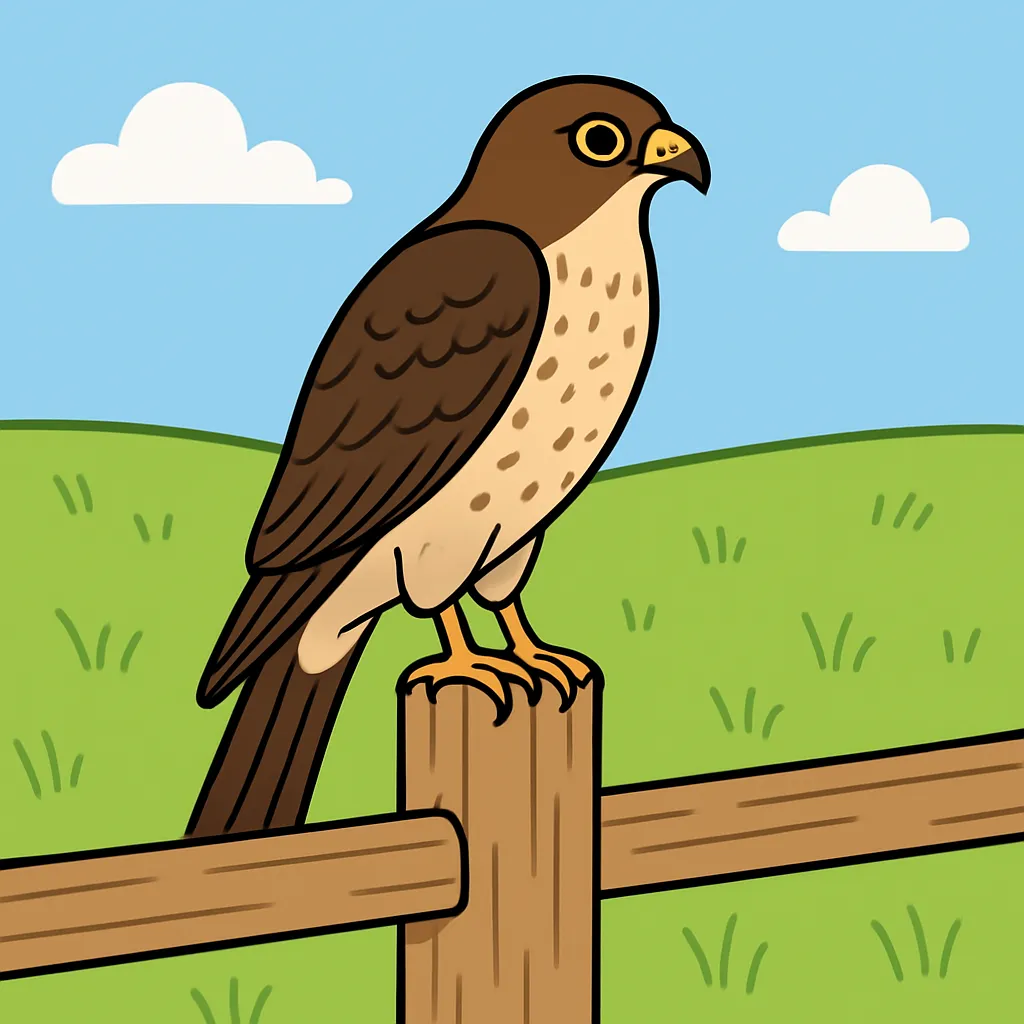
A hawk eats a snake that had eaten a grasshopper, and the grasshopper fed on grass. Where did the energy in the hawk's meal originally come from?
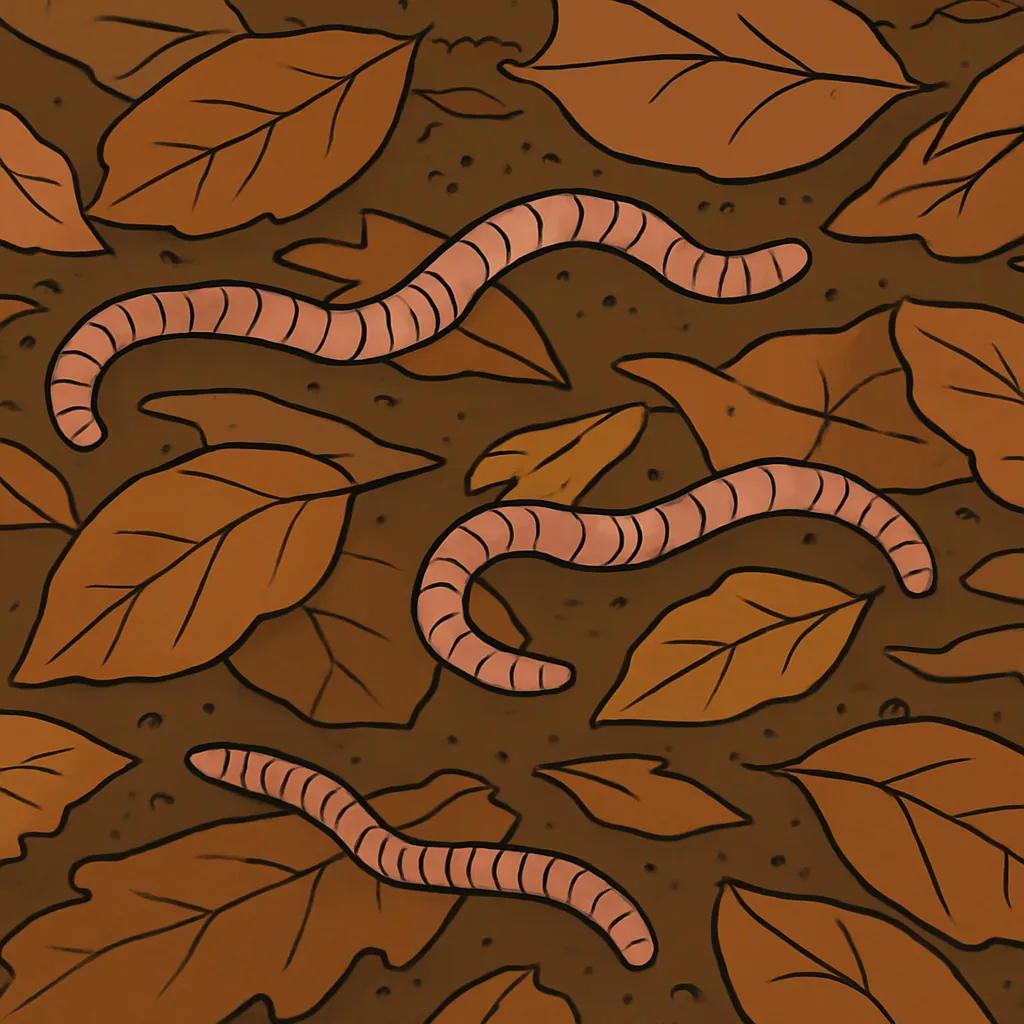
An oak leaf falls to the forest floor and slowly breaks down over several months. Where does the matter that made up the leaf end up next?
Matter can cycle through an ecosystem again and again, but energy from the Sun passes through that ecosystem only once.
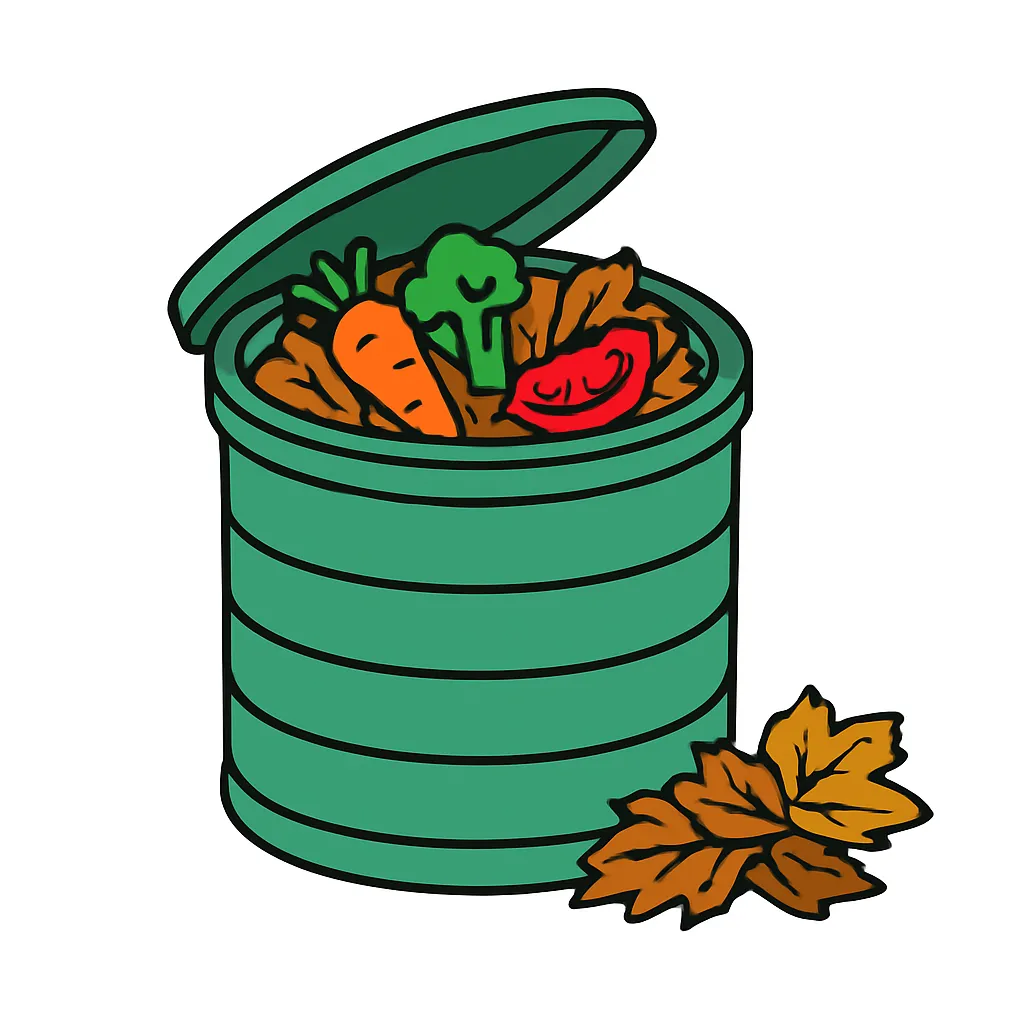
A gardener puts banana peels and dead leaves into a compost bin, then spreads the finished compost around her vegetable plants. What does this practice show?
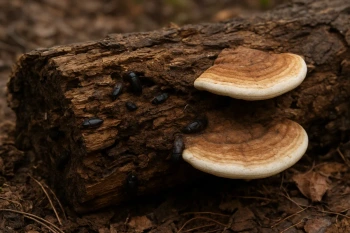
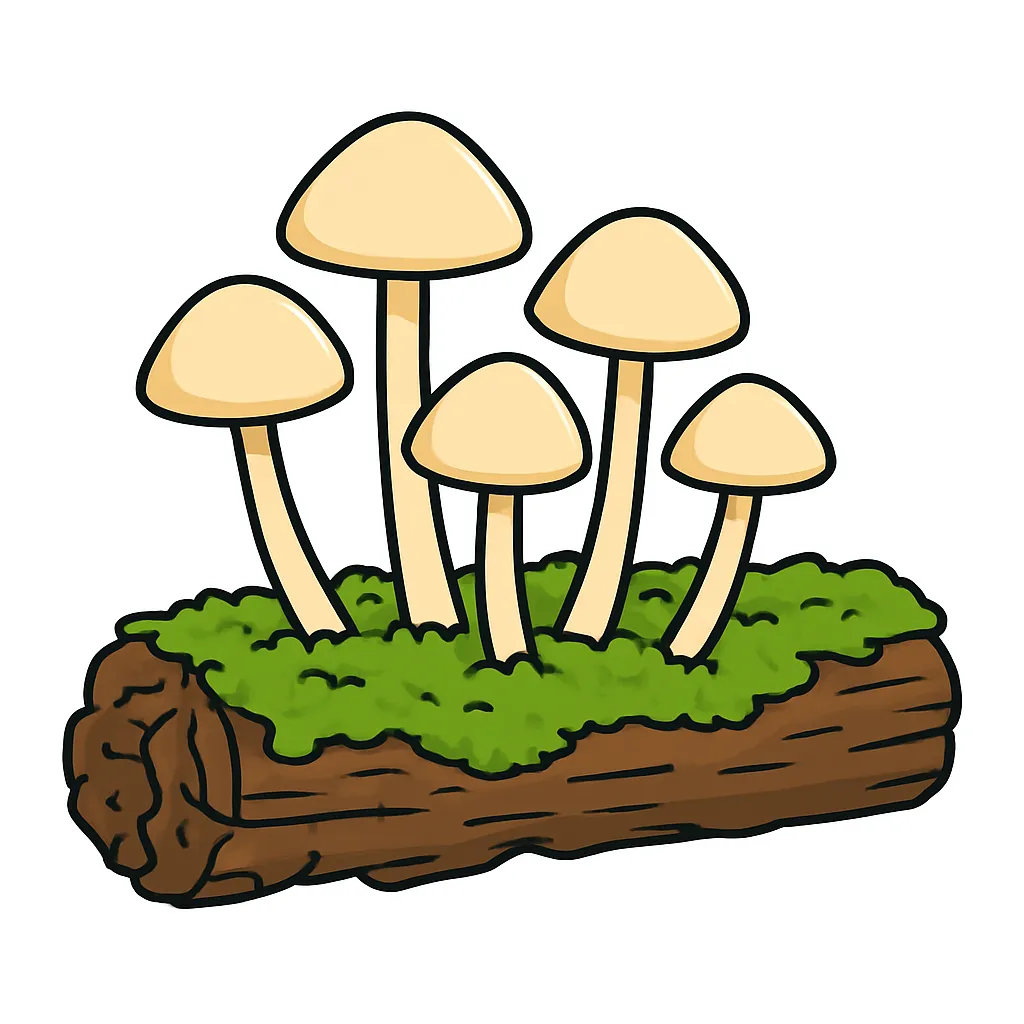
Fungi and bacteria grow thickly on a rotting log in a meadow. What is their role in that ecosystem?
A student's model of a meadow shows four arrows: sunlight to grass, matter from the fox to decomposers, matter from decomposers to grass, and energy from decomposers back to the Sun. Which arrow does NOT belong in a correct model?
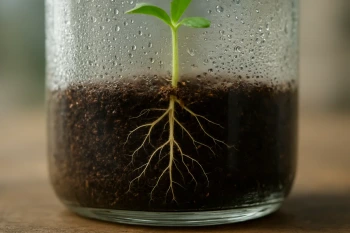
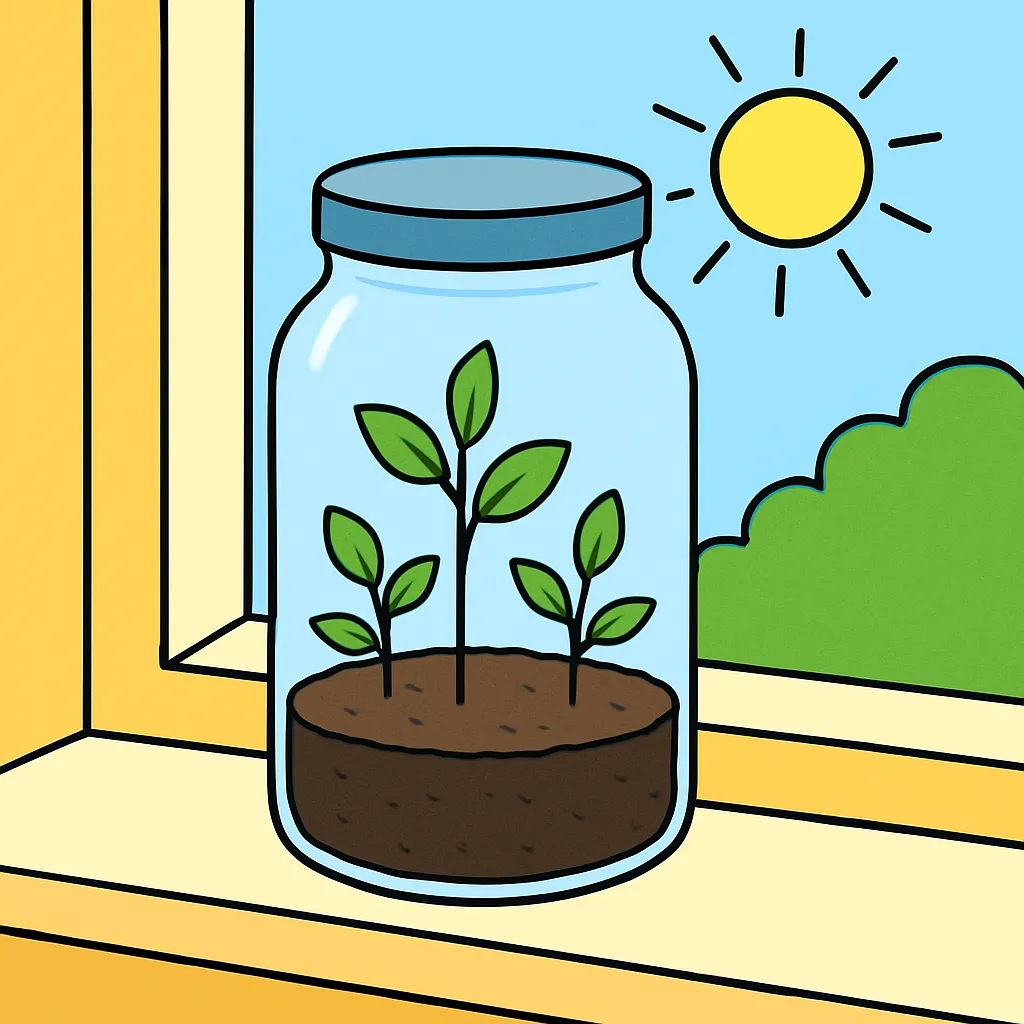
A sealed glass terrarium sits on a sunny windowsill. No matter enters or leaves for a month, yet the plants inside keep growing. What best explains this?
A dead mouse holding 20 grams of matter is broken down by decomposers over the summer. Some becomes nutrients in the soil and some becomes gases released into the air. What is the total amount of matter in the environment once decomposition is complete?
Instead of burning dead cornstalks, a farmer plows them back into his field after harvest. Why does this help next year's crop?
A rabbit grows from a newborn into a full-sized adult in one summer. Where does almost all of the matter in its larger body come from?

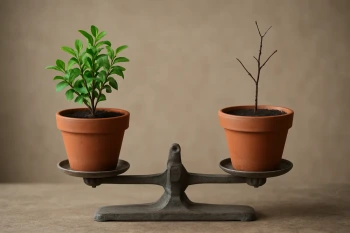
A tree in a huge pot gains hundreds of kilograms of wood, but the soil in the pot loses almost no weight. Where did most of that new matter come from?

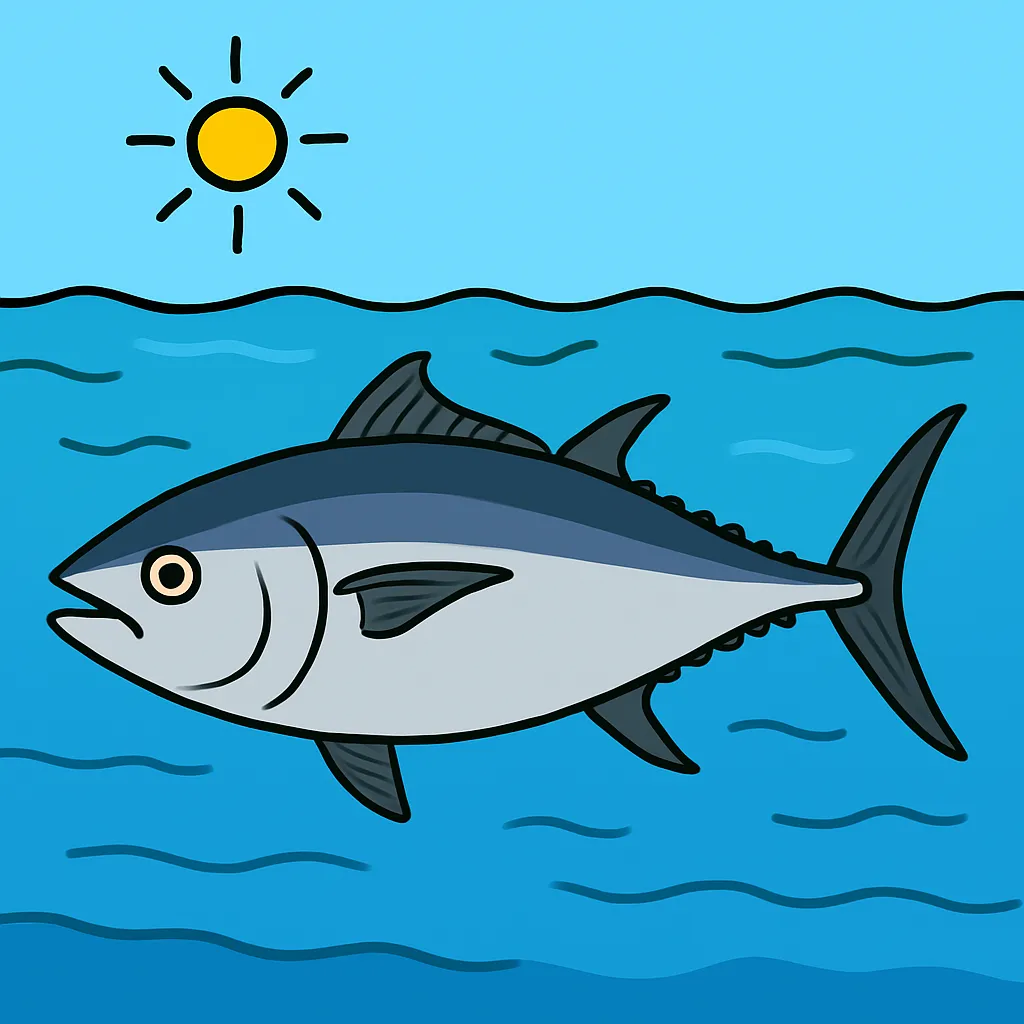
A tuna eats smaller fish, and those fish fed on tiny drifting living things that make their own food near the ocean surface. What is the original source of the tuna's energy?
Two students argue about a forest. Mia says matter and energy both cycle. Leo says matter cycles but energy flows through. What best supports Leo's claim?
A fish dies and sinks to the bottom of a pond, where it slowly breaks down. What happens to the matter and to the energy that were in the fish's body?

A wolf dies in a forest and slowly breaks down. What happens to the matter and the energy that were in its body?
Why does an ecosystem need a steady supply of sunlight but not a steady supply of brand new matter delivered from outside?
Decomposers get the energy they need to live from the dead plants and animals they break down.
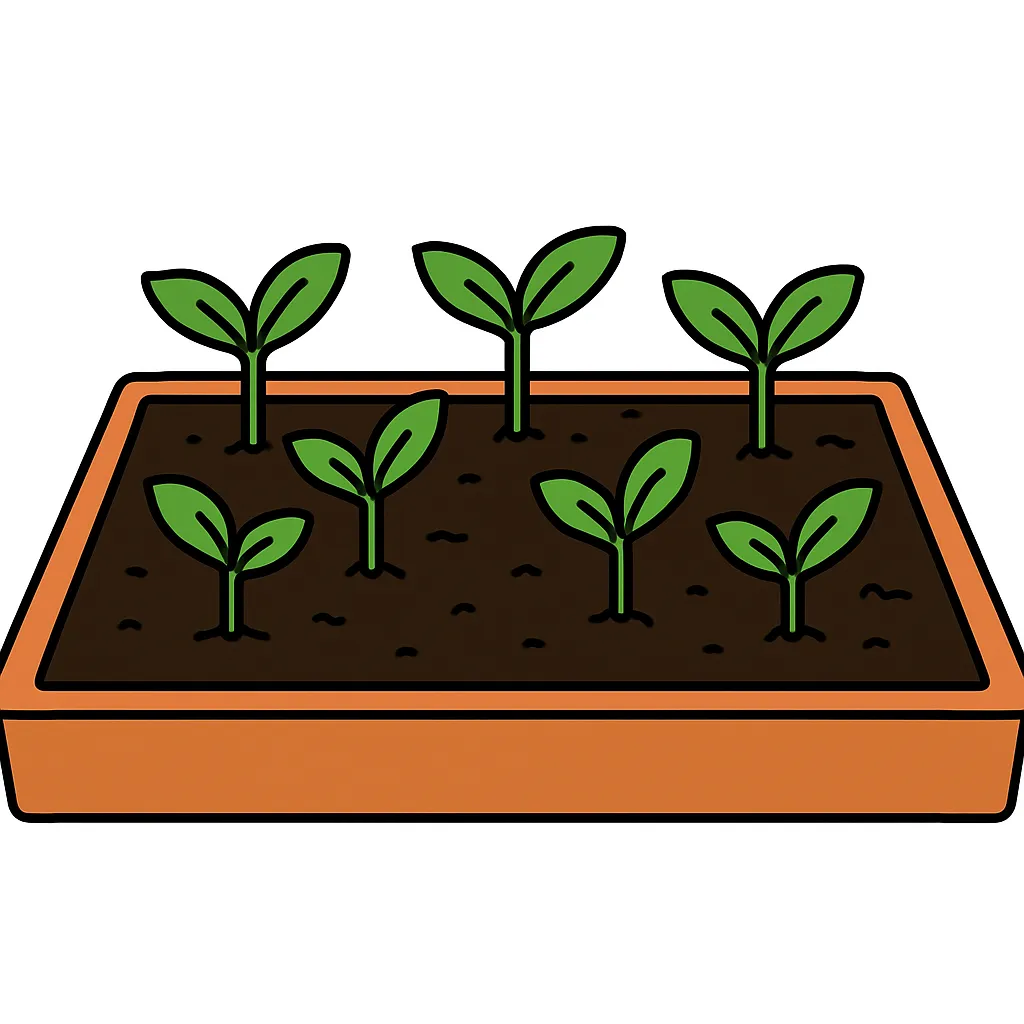
Decomposers breaking down last year's dead plants give off carbon dioxide gas into the air. How can that gas help this spring's seedlings?
A fallen log on a forest floor is broken down by fungi over several years, and young plants nearby grow well in the rich soil that forms. Which flow cycles back to the plants, and which does not?
A gardener buries kitchen scraps in a vegetable bed each fall. The following summer her tomato plants grow larger than the year before. What has the buried material supplied to the plants?
Crack the passcode before the zombies get in.
Answer, then swat bugs for bonus points.
Race through questions at your own speed.
Same question on every screen. Fastest wins.

Pick a tile, answer, hit bonuses and steals.
Daily Patterns in Shadows
20 questions