Loading
by BlastRoom
Grade 5 questions on the evidence that plants build their material mostly from air and water.
#plant_growth#us_grade_5_science
20 questions
One question set, multiple game modes. Tap any game to see it in action. Not sure which to pick?
Answer to place stones and capture territory.
Outrun the snow together.
Earn blasts, then hunt the other team.
Answer to earn energy, then climb.

The class blasts through walls together.
Bid on mystery lots. Most money wins.
Sell tours. Nice, standard, or a total scam.

Answer, restock, and serve the rush.
More correct answers pulls the rope your way.
Answer, then shoot down the alien wave.
Answer, then tap to leap the frozen ridge.
A scientist weighed dry soil in a pot, planted a small tree, and added only water for five years. The tree gained about 75 kilograms, but the dry soil lost only about 60 grams. Where did the tree's new material come from?
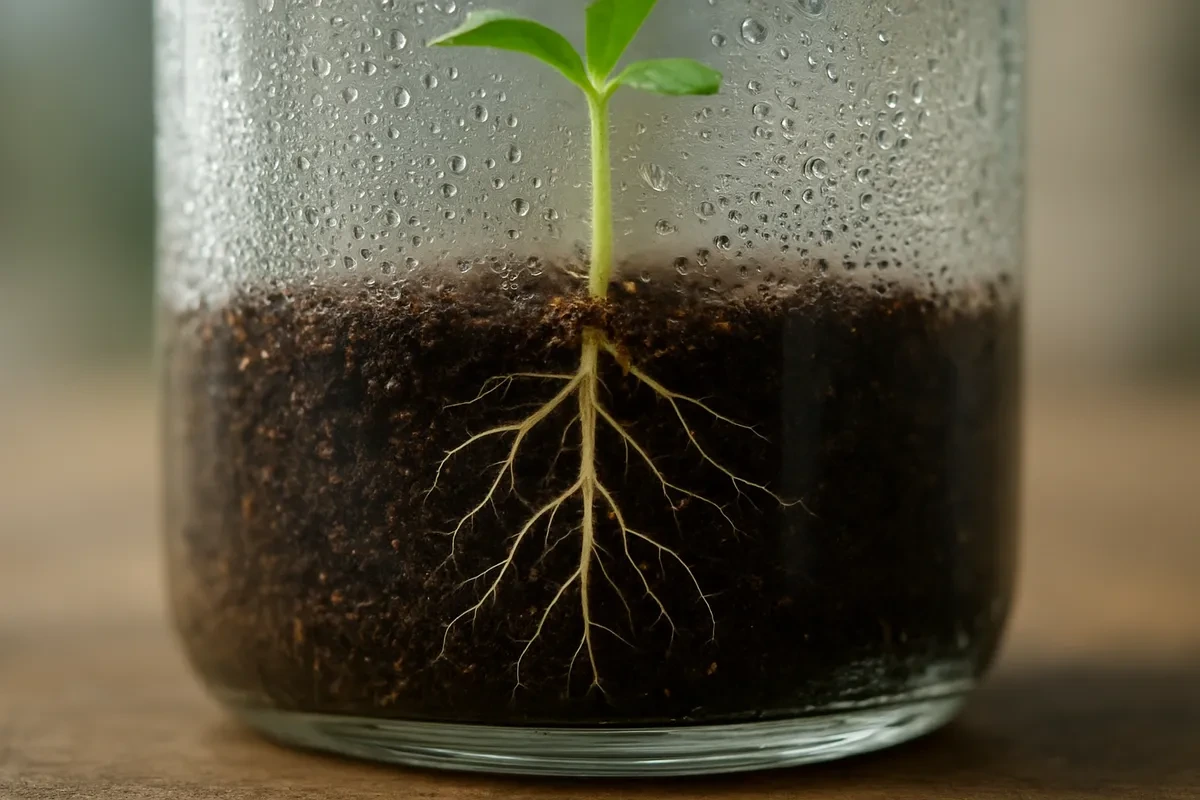
A class grows a healthy bean plant with its roots resting in a container of plain water, with no soil at all. The plant keeps growing taller and heavier for weeks. What does this investigation best show?
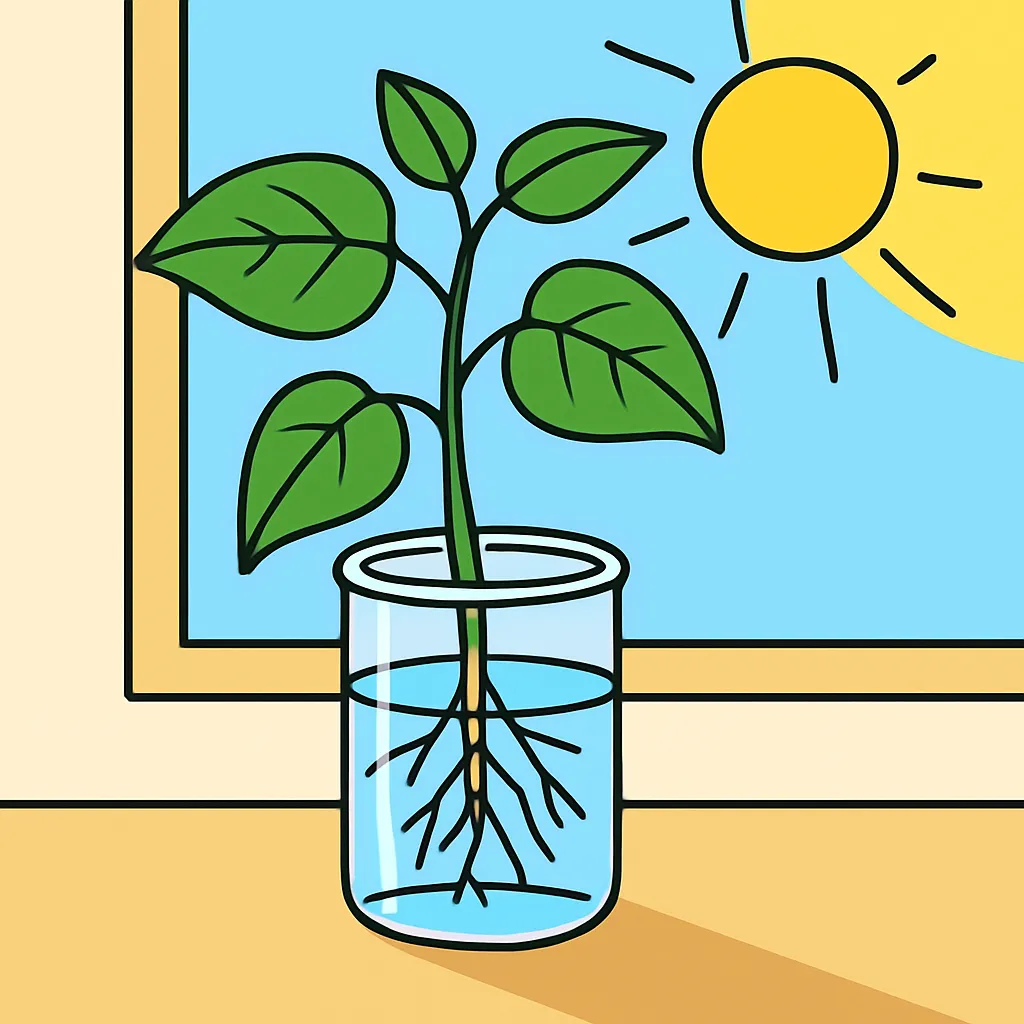
A plant builds most of its new leaves out of sunlight.
An oak tree in a yard has grown enormous over thirty years, yet the ground around it is still about the same height it was when the tree was planted. What best explains this?
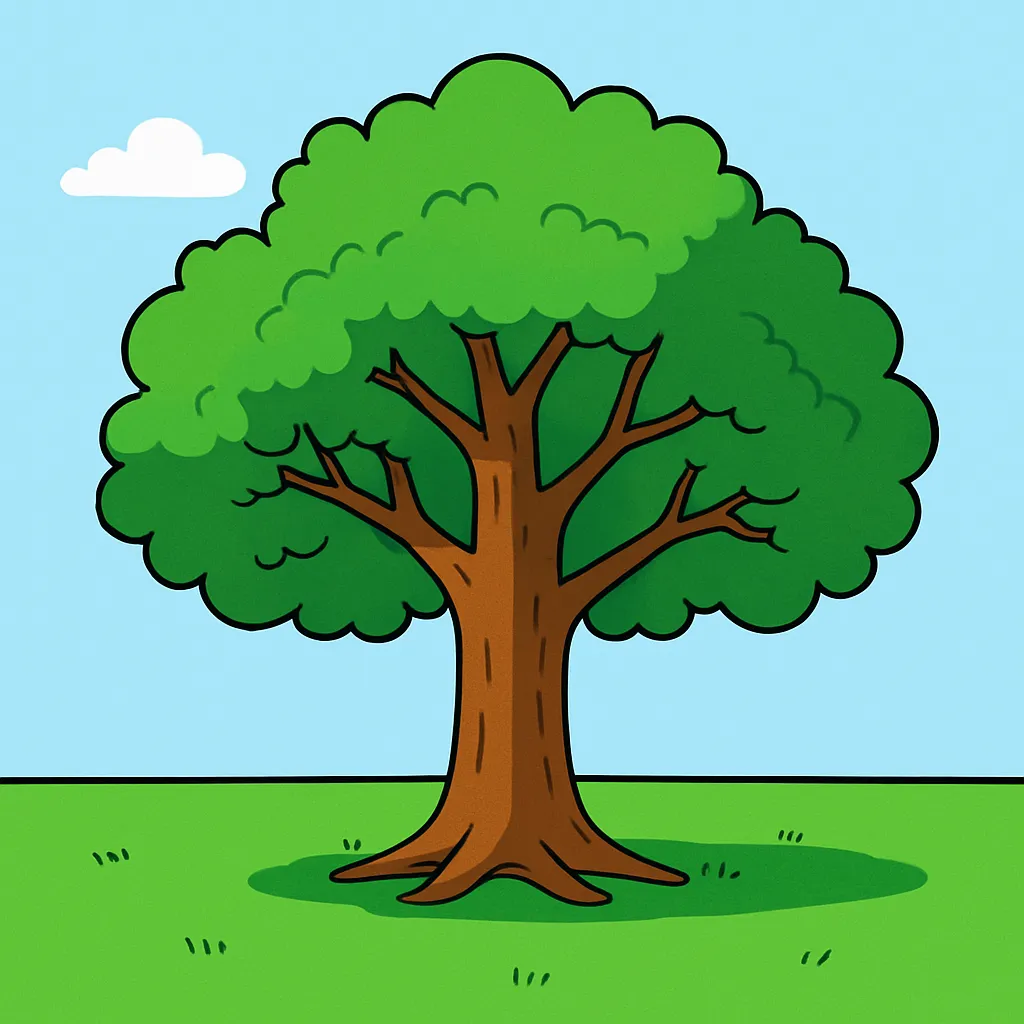
A sunflower plant takes in a large amount of water every day. Through which part of the plant does almost all of that water enter?
A maple tree adds a new layer of wood every year for many years. Most of the material in that new wood comes from which source?

To test whether a plant needs soil to build new material, a student grows one plant in soil with plenty of water and grows the other in plain washed sand with only a little water. Both get the same light. Why are the results not trustworthy?
A student wants to find out whether a plant still grows when its leaves are covered so they cannot reach the air. What must be kept the same for both plants in this test?
A tomato plant grows new stems and leaves all summer long. Where does most of the material in that new growth come from?
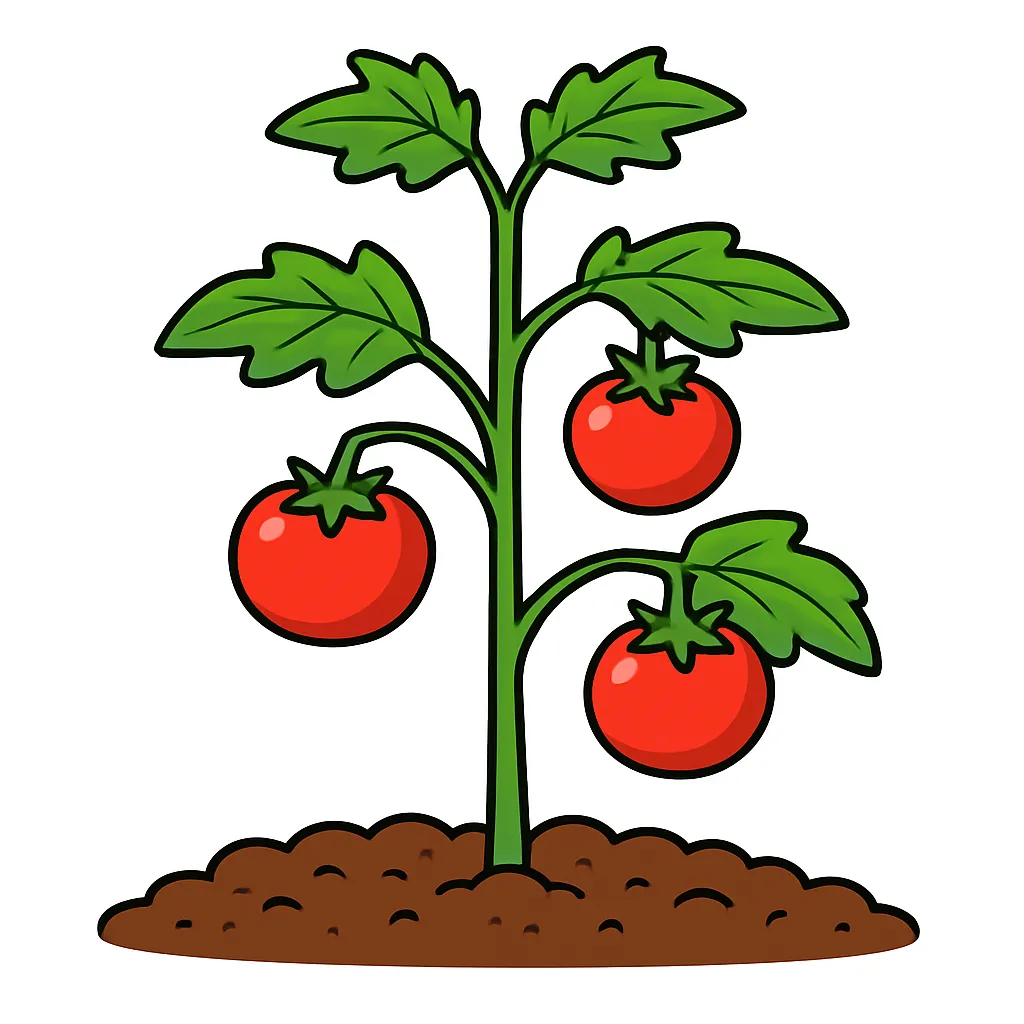
A gardener claims that the huge pumpkin she grew this summer was built mostly out of water and a gas from the air. Which observation best supports her claim?

Piling more dirt into a flowerpot is the main way a plant gains the material it needs to grow larger.
A plant is sealed inside a clear container from which almost all the air has been pumped out. It is given plenty of water and light, but it stops gaining material. What claim does this observation best support?
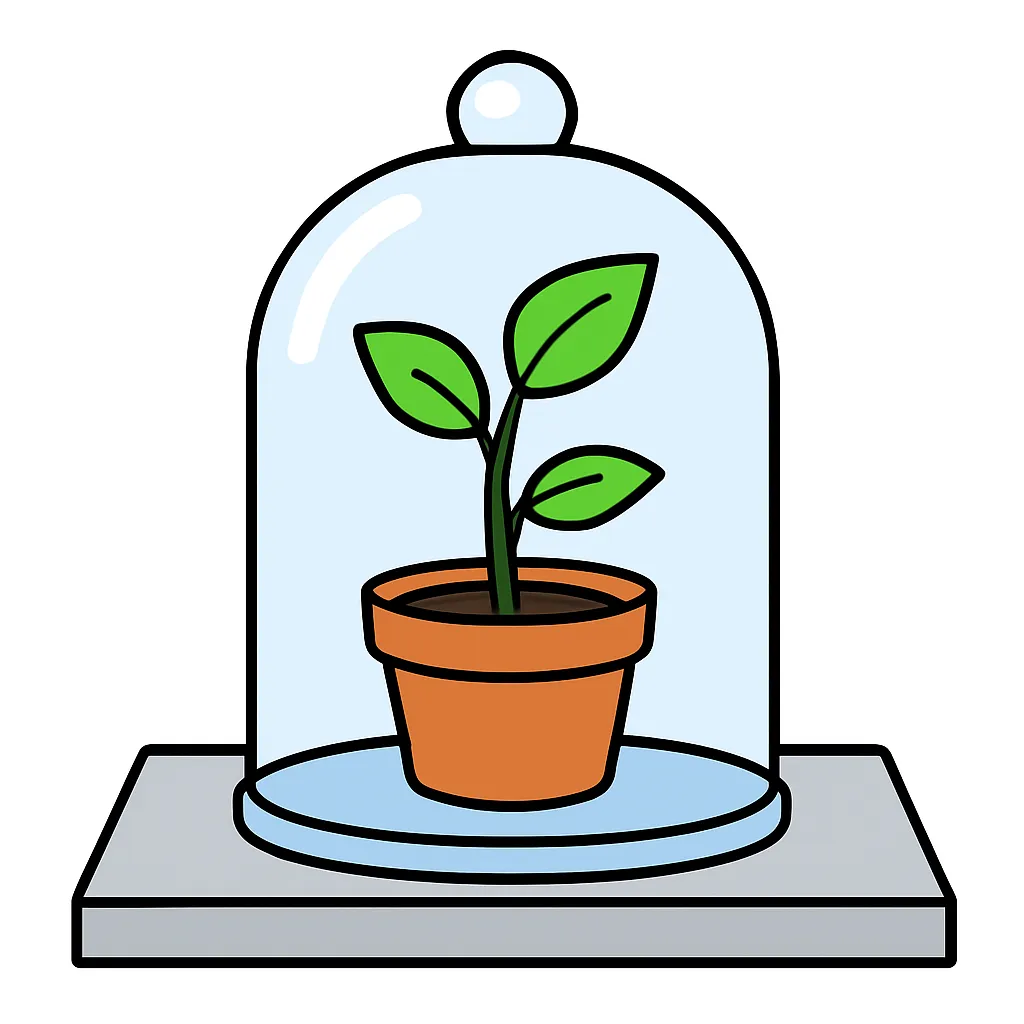
A student claims that the dirt in a pot slowly turns into the plant growing there. Which investigation would best test that claim?
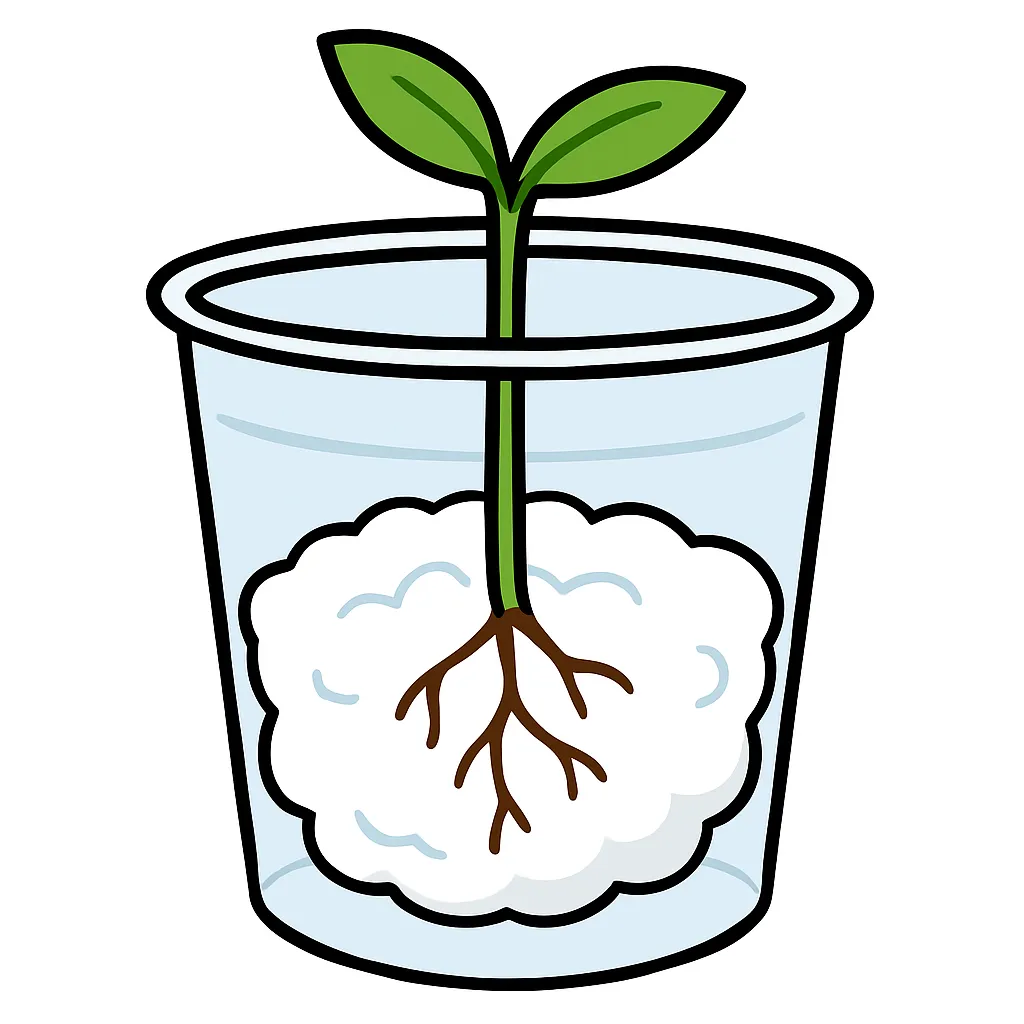
A seedling is grown on damp cotton in a clear cup, with light and fresh air but no dirt of any kind. After three weeks it has roots, a stem, and green leaves. What does this result show?
Scientists claim that a corn plant is a producer, making its own food instead of eating any. Which observation best supports that claim?
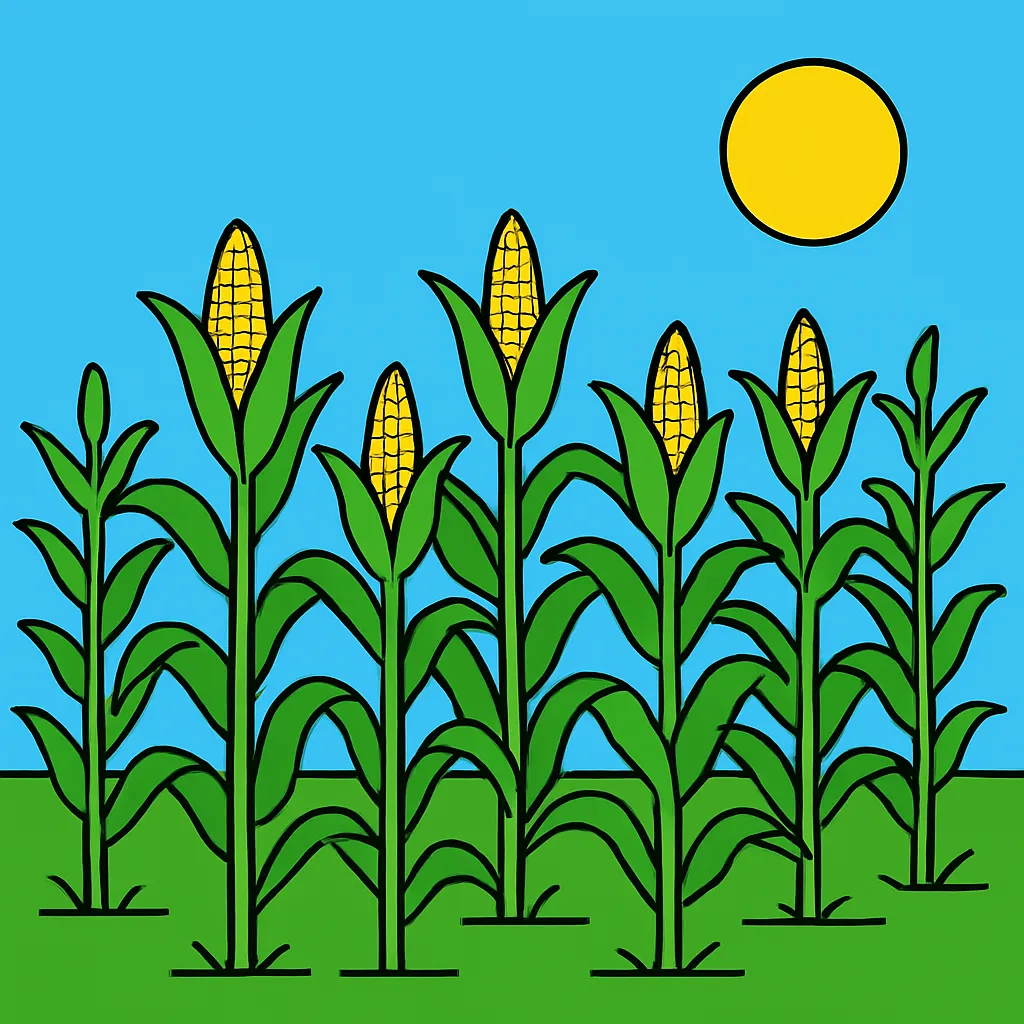
A plant takes in a gas from the air that it uses to build new material. Which part of the plant takes in most of that gas?
Water is one of the materials a plant uses to build new stems and leaves.
A sealed glass terrarium holds one small plant. Nobody opens it for eight months, and no new material is ever added, yet the plant grows noticeably larger. Which claim does this best support?

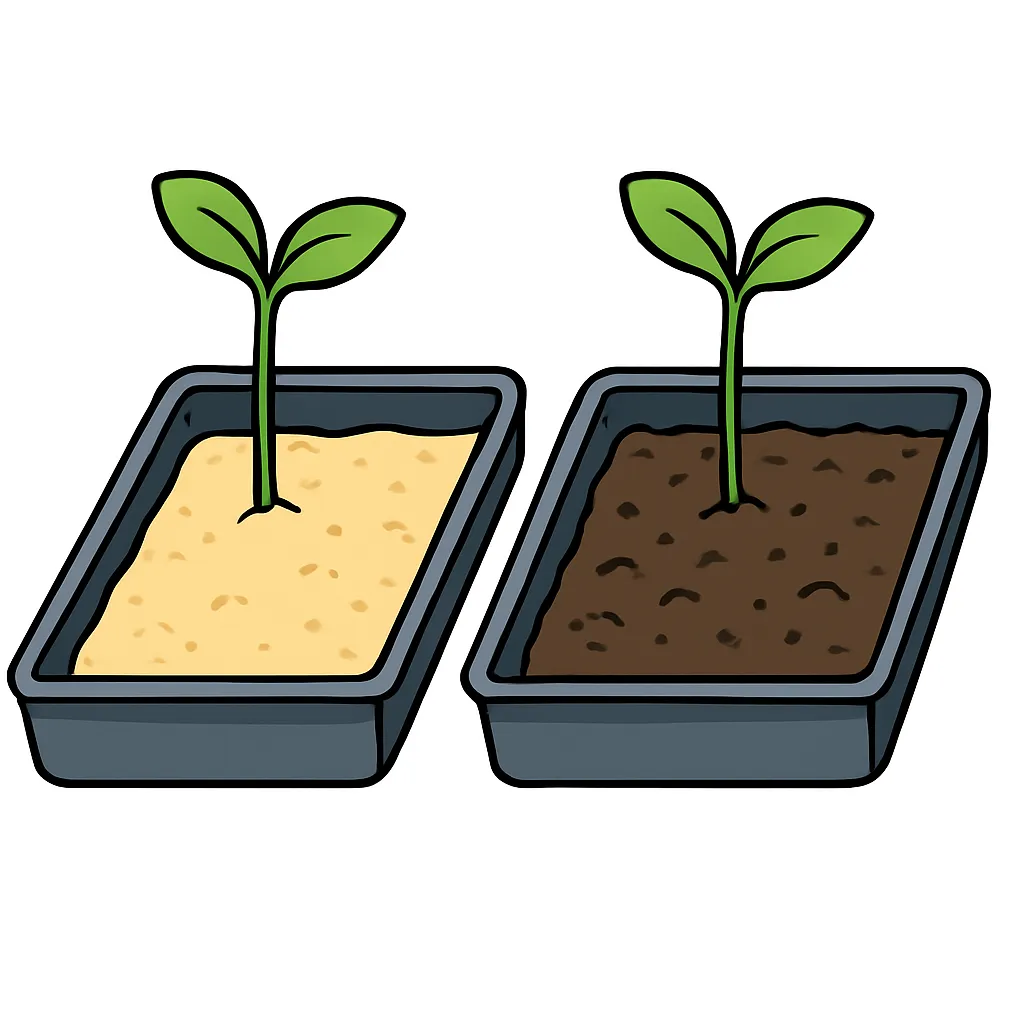
A class grows bean plants in two trays. One tray holds plain washed sand and the other holds garden dirt. Both trays get the same water, air, and light, and the beans in both trays grow well. What do these results show?
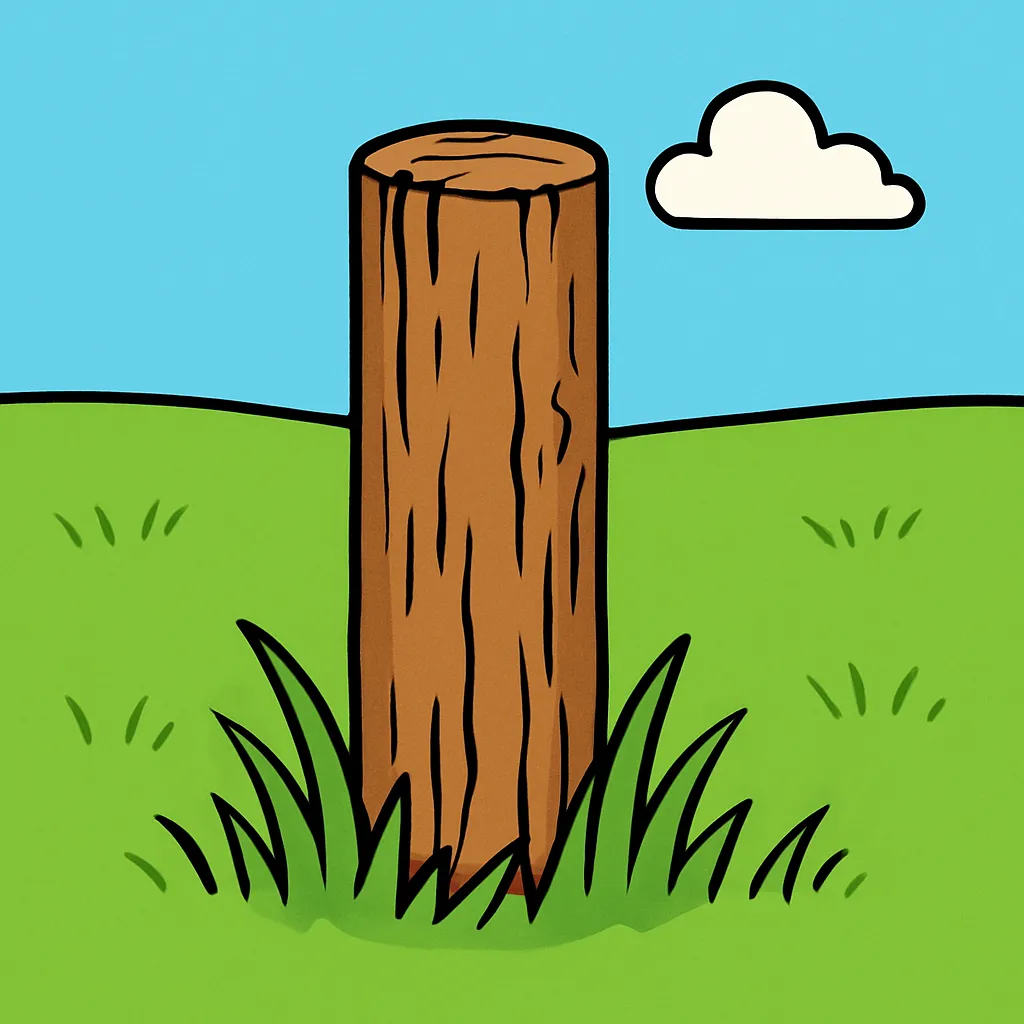
A wooden fence post was cut from a pine tree that grew for forty years. Where did most of the material in that wood originally come from?
Crack the passcode before the zombies get in.
Answer, then swat bugs for bonus points.
Race through questions at your own speed.
Same question on every screen. Fastest wins.

Pick a tile, answer, hit bonuses and steals.
Matter Cycling: Decomposers and the Environment
20 questions