Loading
by BlastRoom
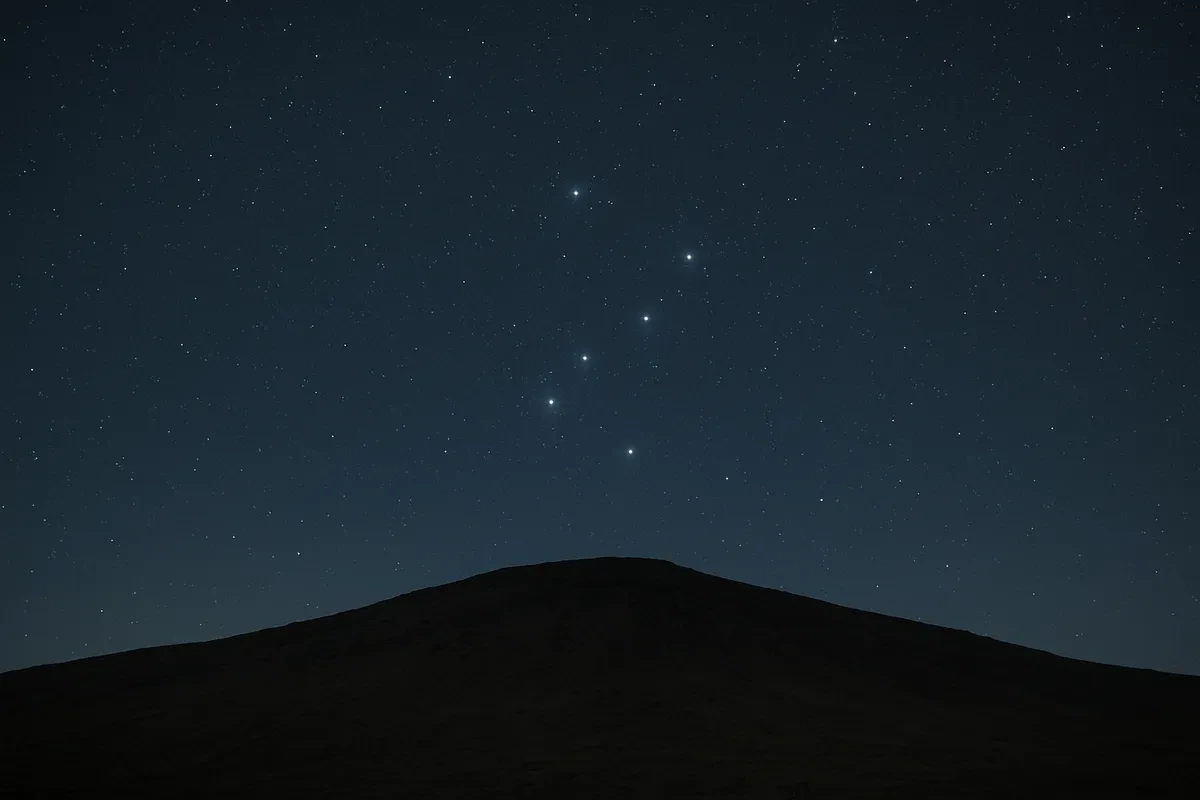
Grade 5 questions on why the constellations we see in the evening sky change with the seasons.
#sky_patterns#us_grade_5_science
20 questions
One question set, multiple game modes. Tap any game to see it in action. Not sure which to pick?
Answer to place stones and capture territory.
Outrun the snow together.
Earn blasts, then hunt the other team.
Answer to earn energy, then climb.

The class blasts through walls together.
Bid on mystery lots. Most money wins.
Sell tours. Nice, standard, or a total scam.

Answer, restock, and serve the rush.
More correct answers pulls the rope your way.
Answer, then shoot down the alien wave.
Answer, then tap to leap the frozen ridge.
Maya writes down the constellations she can see at 9 p.m. in January. In July she looks again at 9 p.m. and sees a different set of constellations. What best explains the change?
In the United States, the constellation Orion is easy to see in the evening sky in winter, but it cannot be found in the evening sky in July. What best explains this pattern?

Constellations appear to rise in the east and set in the west, the same way the Sun does.
A student finds the same constellation in the evening sky in October and again in November. What about the constellation stays the same from one month to the next?
A student faces south at 9 p.m. on the first night of each month and records one constellation. September: low in the east. October: partway up the eastern sky. November: high overhead. December: over in the west. What pattern do the data show?
A club claims that star patterns appear at predictable times of the year. What observation best supports that claim?
For people in the northern United States, one star stays in nearly the same spot in the sky all night and all year, so hikers use it to find north. Why does it barely appear to move?
A constellation is low in the eastern sky at 8 p.m. By midnight that same night, it will appear higher in the sky and farther toward the west.
Jonah watches one constellation from his porch and sees it slide slowly across the sky over a few hours on a single night. What causes that motion?
Some students argue that Earth's yearly orbit around the Sun is what changes the constellations we see in the evening. What evidence best supports their argument?
A student records sunrise and sunset times on the first day of each month for a year. In December the Sun rises at 7:10 a.m. and sets at 4:35 p.m. In June it rises at 5:20 a.m. and sets at 8:30 p.m. What pattern do these data reveal?
A star chart says that a chosen star rises about four minutes earlier each night than it did the night before. About how much earlier will that star rise after 30 nights?
Priya wants to compare which constellations are visible in different months. To make her comparison a fair one, what must she keep the same on every observing night?

Even on a perfectly clear day, no stars can be seen in the sky at noon. What best explains this?

A sky calendar shows that one constellation is visible in the evening sky from September through December this year. What is the best prediction for next year?
The pattern of stars we call the Big Dipper can be seen on clear nights all year from the northern United States, while many other constellations are only seen part of the year. Why?
A class wants evidence that different constellations appear in the evening sky in different seasons. Which observing plan would give the best evidence?

A student watches the Big Dipper on a clear night in April and again on a clear night in October. Its stars still form the same shape, even though it is found in a different part of the sky.
A student looks south at 9 p.m. on the same date each year and sees the same constellation in the same place. What does this yearly repeat show?
Orion is a winter evening constellation, but it can also be seen in the early morning sky, before sunrise, in late August.
Crack the passcode before the zombies get in.
Answer, then swat bugs for bonus points.
Race through questions at your own speed.
Same question on every screen. Fastest wins.

Pick a tile, answer, hit bonuses and steals.

Earth Systems: Water Shaping Land
20 questions