Loading
by BlastRoom
Compare two particle-model investigations at a time and decide what the evidence together shows about matter too small to be seen.
#matter_and_particles#us_grade_5_science
20 questions
One question set, multiple game modes. Tap any game to see it in action. Not sure which to pick?
A sealed syringe of air can be pushed in easily. A sealed syringe of water can barely be pushed at all. What best explains the difference?

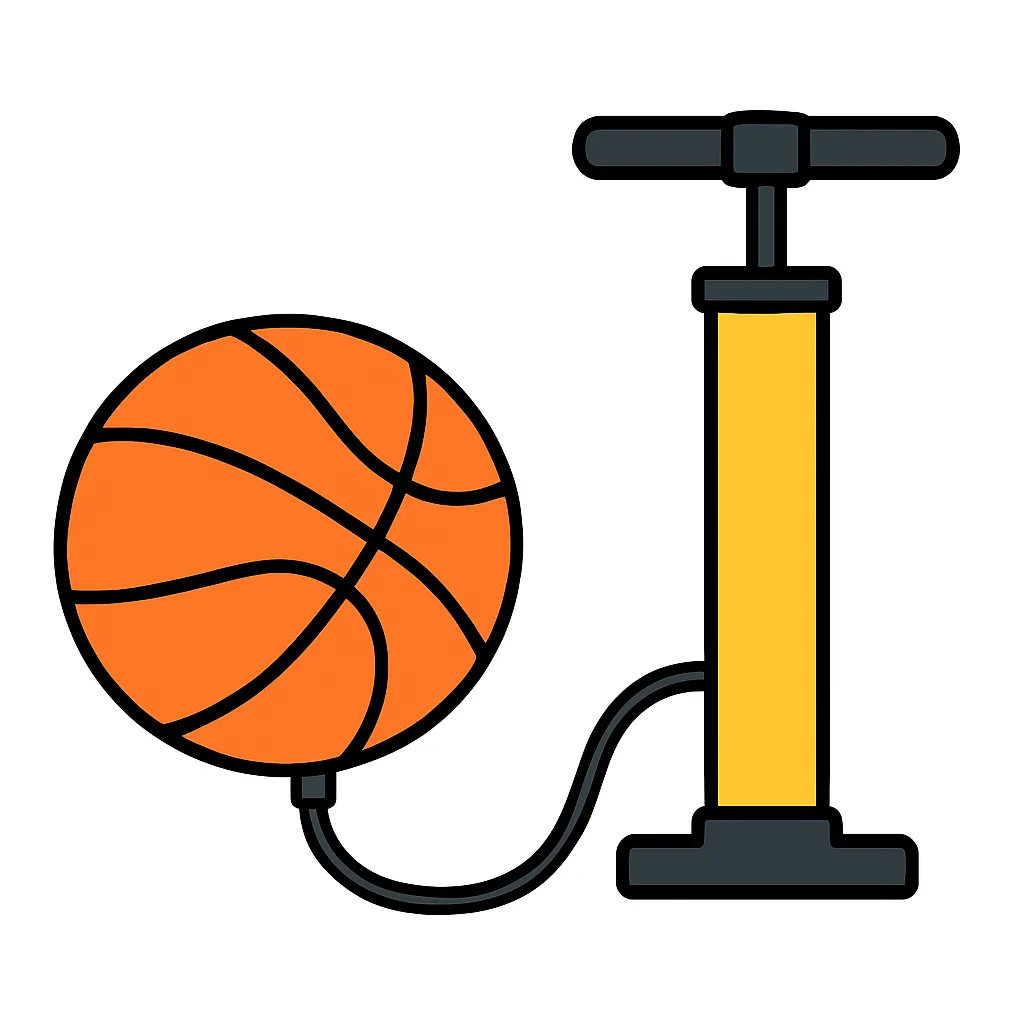
A ball feels soft. After more air is pumped in, the same ball feels firm and hard, but its size hardly changes. Left alone overnight, the ball slowly goes soft again, and its size still hardly changes. What best explains both changes?
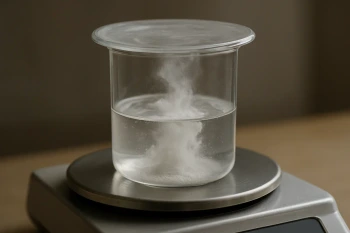
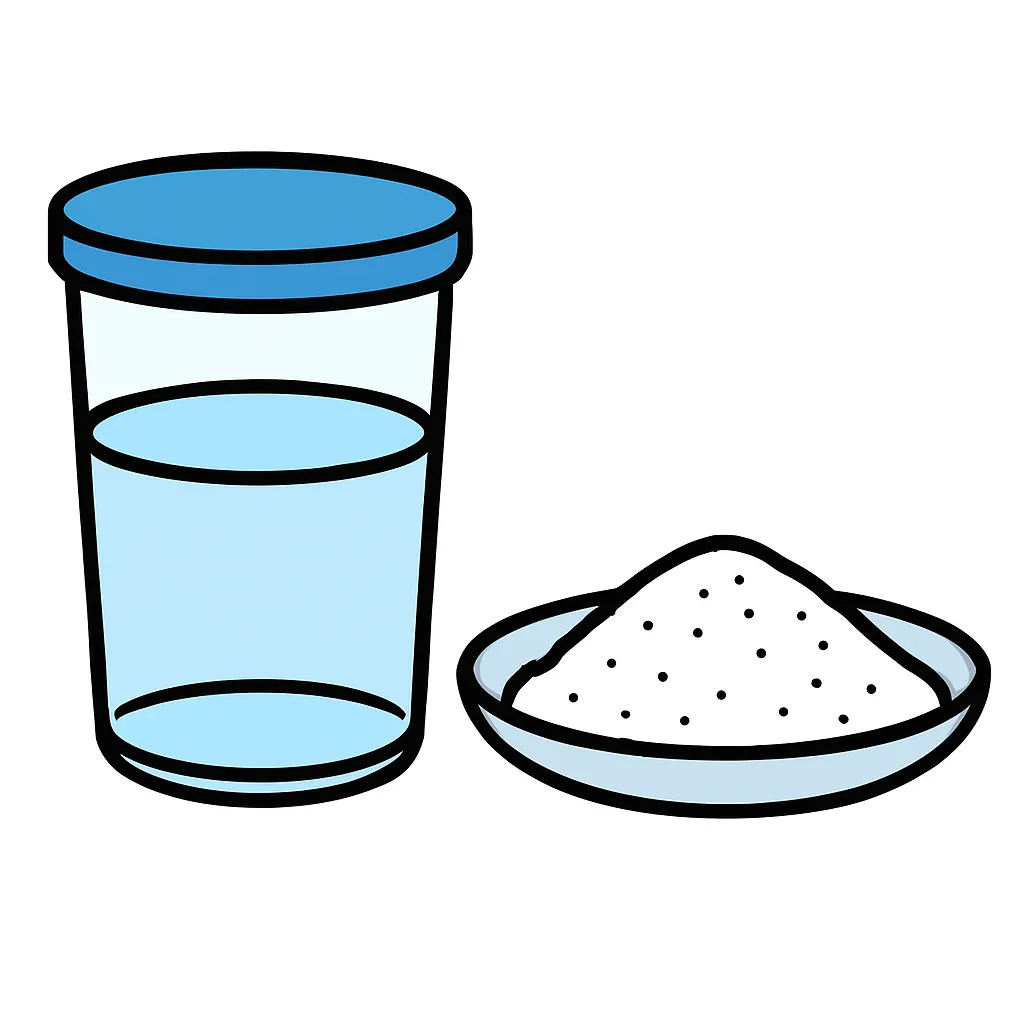
Sugar is stirred into water in a sealed jar until it disappears from sight. The jar is weighed before and after stirring, and the weight is exactly the same. What does this show?
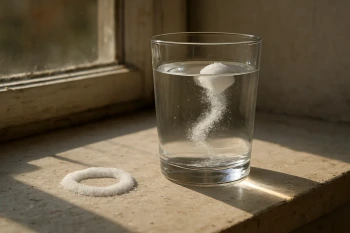
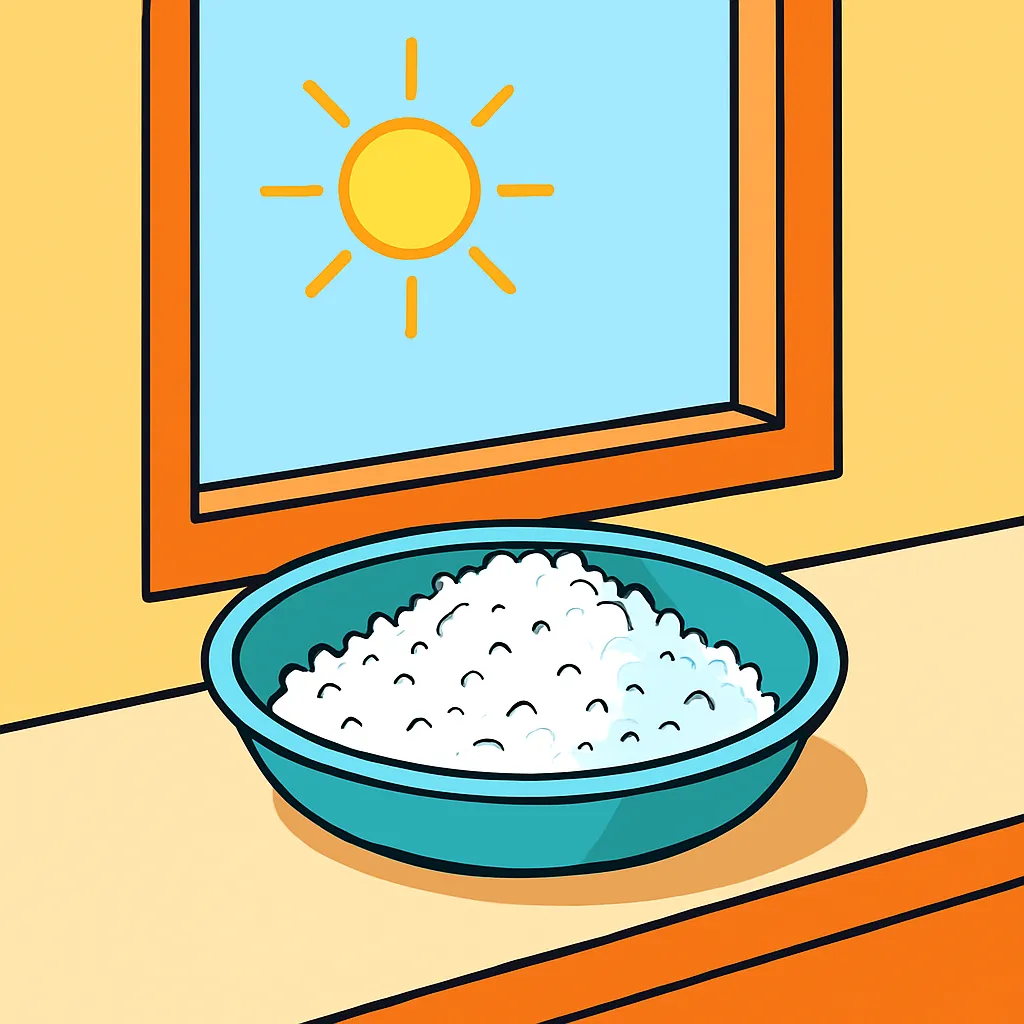
A dish of salt water is left on a sunny windowsill. Days later the water is gone and white salt is left in the dish. What best explains this result?
In one test, air in a sealed syringe is squeezed into half of its space. In another test, sugar stirred into water vanishes from sight. What idea do both results support?
A gas can be squeezed into a much smaller space than a liquid can.
Sugar is stirred into a covered glass of water until none of it can be seen, yet the water tastes sweet. In another test, salt water is left in an open dish until the water is gone, and white salt is found in the dish. What one idea explains both results?
Sugar stirred into hot water disappears from sight faster than the same amount of sugar stirred into cold water. Both cups end up tasting equally sweet. What does the equal sweetness show?
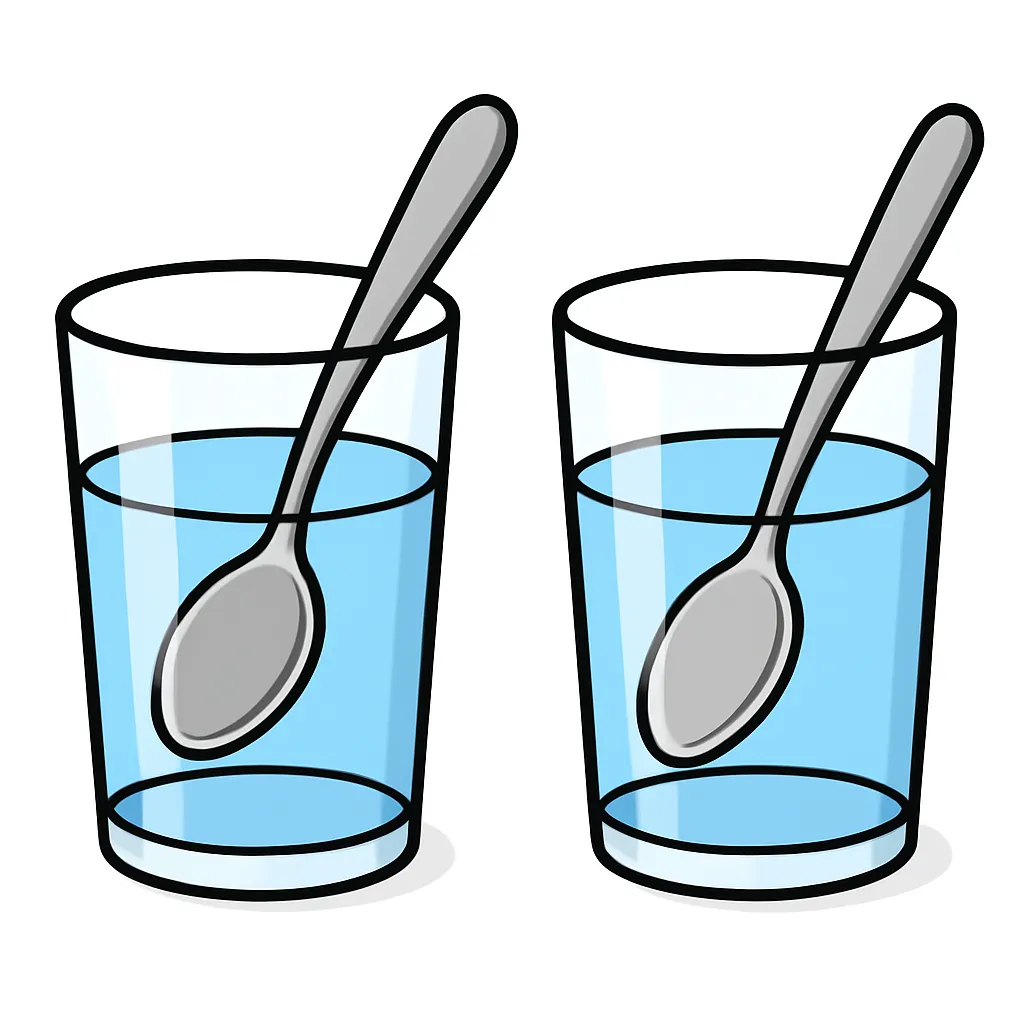
A class is modeling why air can be squeezed but water cannot. Should the air be shown as marbles with wide gaps between them, or as marbles packed tightly together?
A student pushes the plunger of a sealed syringe of air partway in and lets go; it springs back out. She then presses her hand into a freshly pumped basketball, and the ball pushes back and returns to its round shape. What idea explains both?

A student claims that there is empty space between the particles in air. Which observation gives the best evidence for that claim?
Sand stirred into water is caught on filter paper, but salt stirred into water passes straight through the same paper. What does the salt's behavior show?

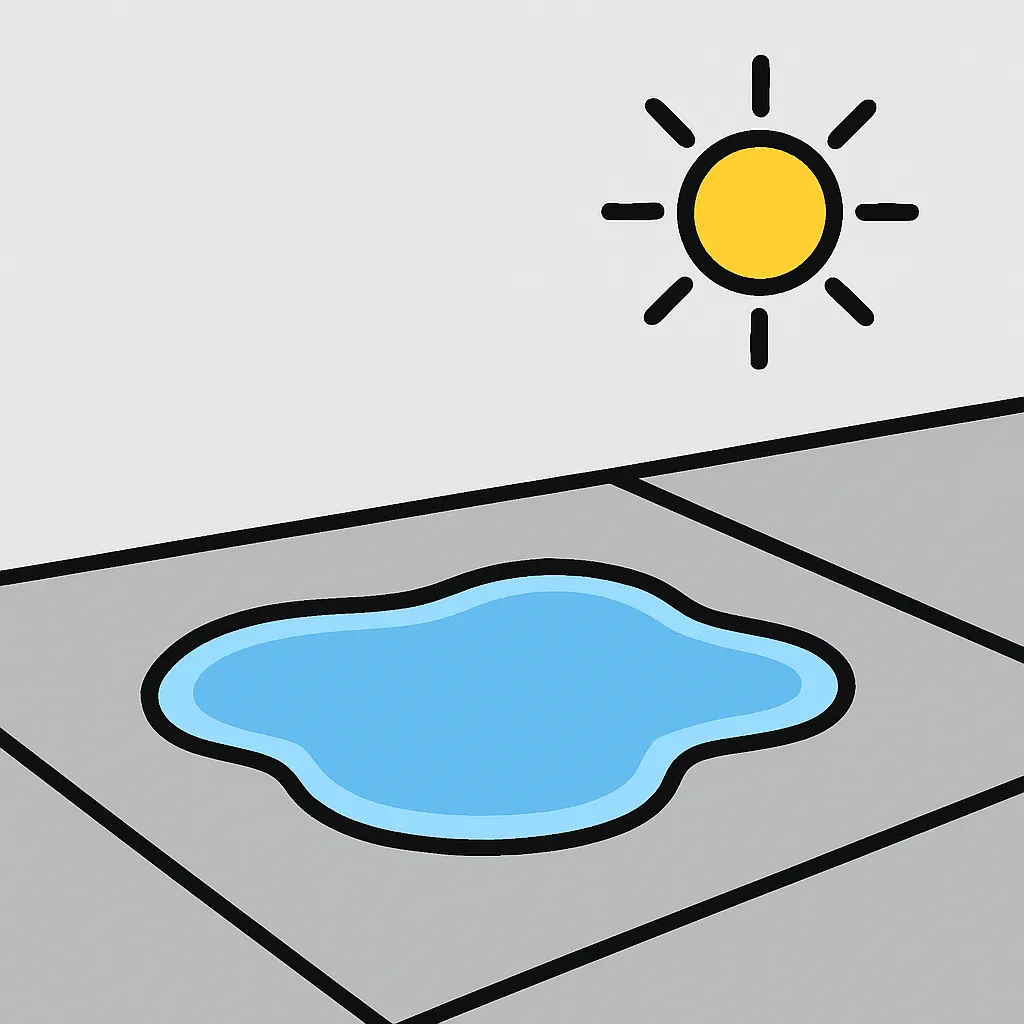
One puddle dries up on a warm sunny day. A second puddle in the shade is still there. What happened to the water in the first puddle?
The particles that make up matter are large enough to be seen clearly with a hand lens.
A spoonful of sugar dissolves in a covered glass of water. A spoonful of water evaporates from an open dish. In which case did matter leave the container?
Two students test whether air can be squeezed. One pushes the plunger of a sealed syringe. The other pushes the plunger with the syringe tip left open. Whose test works better?
Sugar is stirred into a tall jar of water until it vanishes from sight. A sip from the top and a sip from the bottom of the jar taste equally sweet. What does this show?
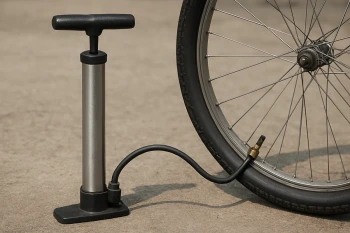
A pumped bicycle tire holds its shape and feels hard. A dish of salt water left in the sun leaves dry salt behind. Which of the two is the better evidence that air is made of particles?
A student squeezes a sealed syringe of air and it springs back, then stirs sugar into water and the sugar disappears. She says both results prove that particles can be destroyed and remade. What is wrong with her explanation?
When air in a sealed syringe is squeezed, each of its particles gets smaller.
Crack the passcode before the zombies get in.

Pick a tile, answer, hit bonuses and steals.
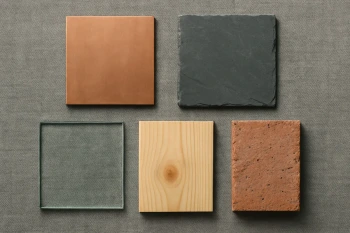
Material Properties: Color, Hardness, and Reflectivity
20 questions