Loading
by BlastRoom
Use solubility tests as evidence to identify, sort, and separate everyday materials.
#material_properties#us_grade_5_science
20 questions
One question set, multiple game modes. Tap any game to see it in action. Not sure which to pick?
Answer to place stones and capture territory.
Outrun the snow together.
Earn blasts, then hunt the other team.
Answer to earn energy, then climb.

The class blasts through walls together.
Bid on mystery lots. Most money wins.
Sell tours. Nice, standard, or a total scam.

Answer, restock, and serve the rush.
More correct answers pulls the rope your way.
Answer, then shoot down the alien wave.
Answer, then tap to leap the frozen ridge.
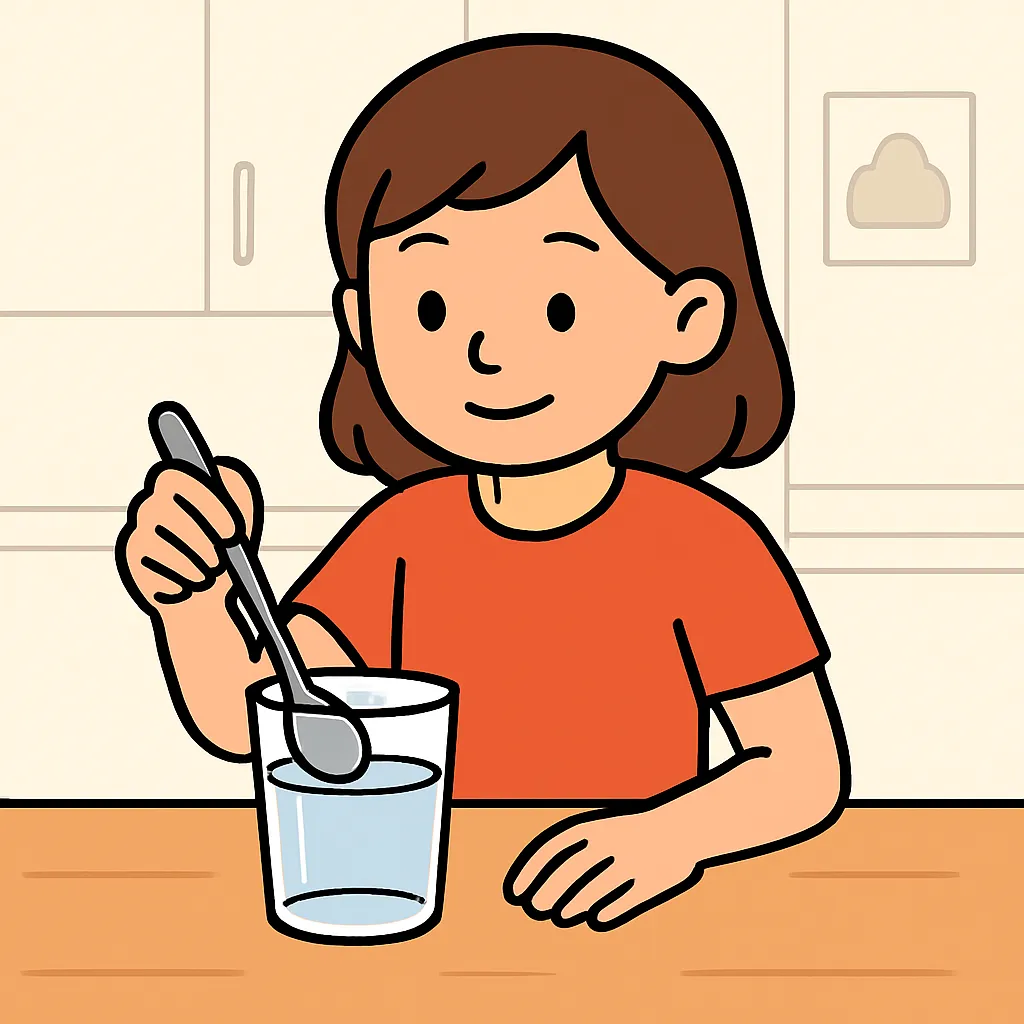
Maya stirs a spoonful of sugar into one glass of water and a spoonful of clean sand into another. The sugar can no longer be seen, but the sand settles on the bottom. Which material is soluble in water?
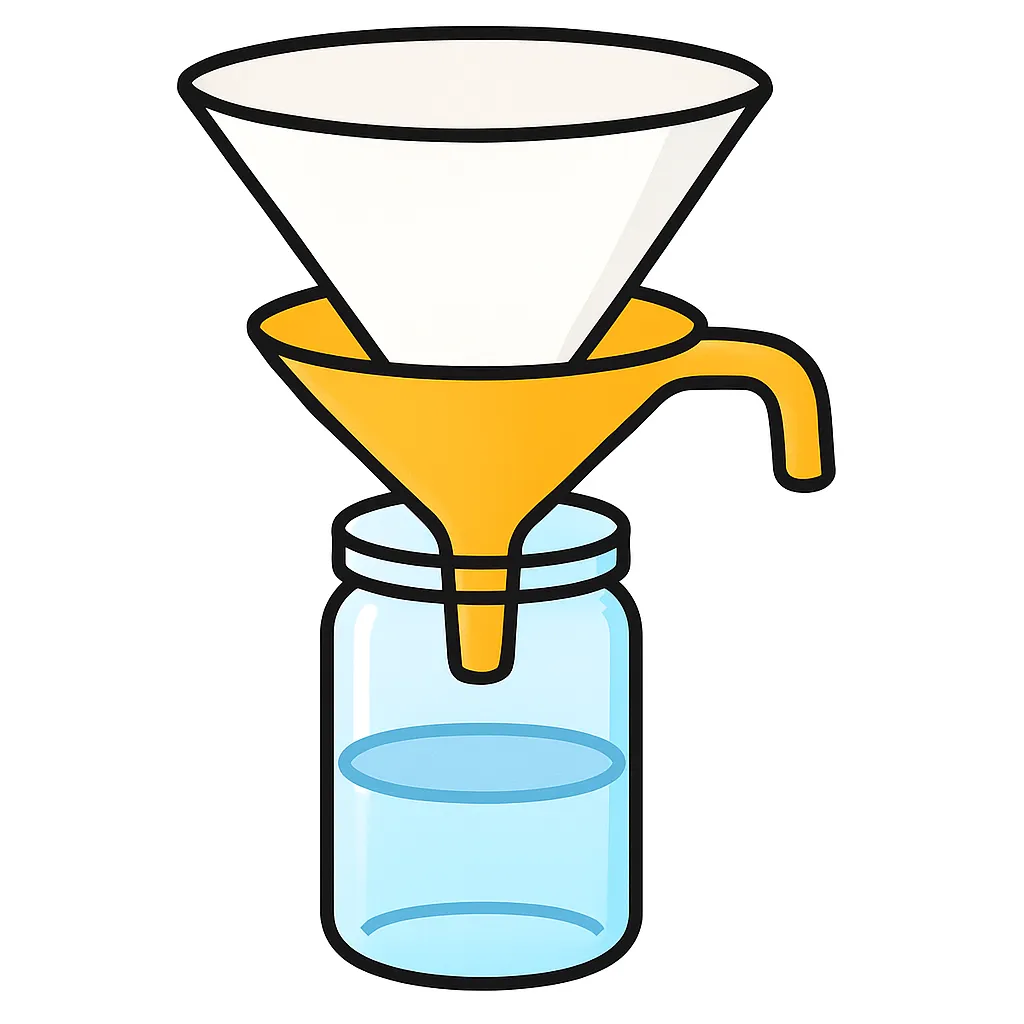
A cup holds a mixture of table salt and sand. A student stirs the mixture into water and then pours the liquid through a paper filter. What stays behind in the filter?
A student stirs four white powders into cups of water. Powder W and Powder Y can no longer be seen. Powder X and Powder Z stay visible and settle on the bottom. Which powders are soluble in water?
A student stirs a spoonful of a material into water and records whether it spreads through the water or settles on the bottom. Which property is the student testing?
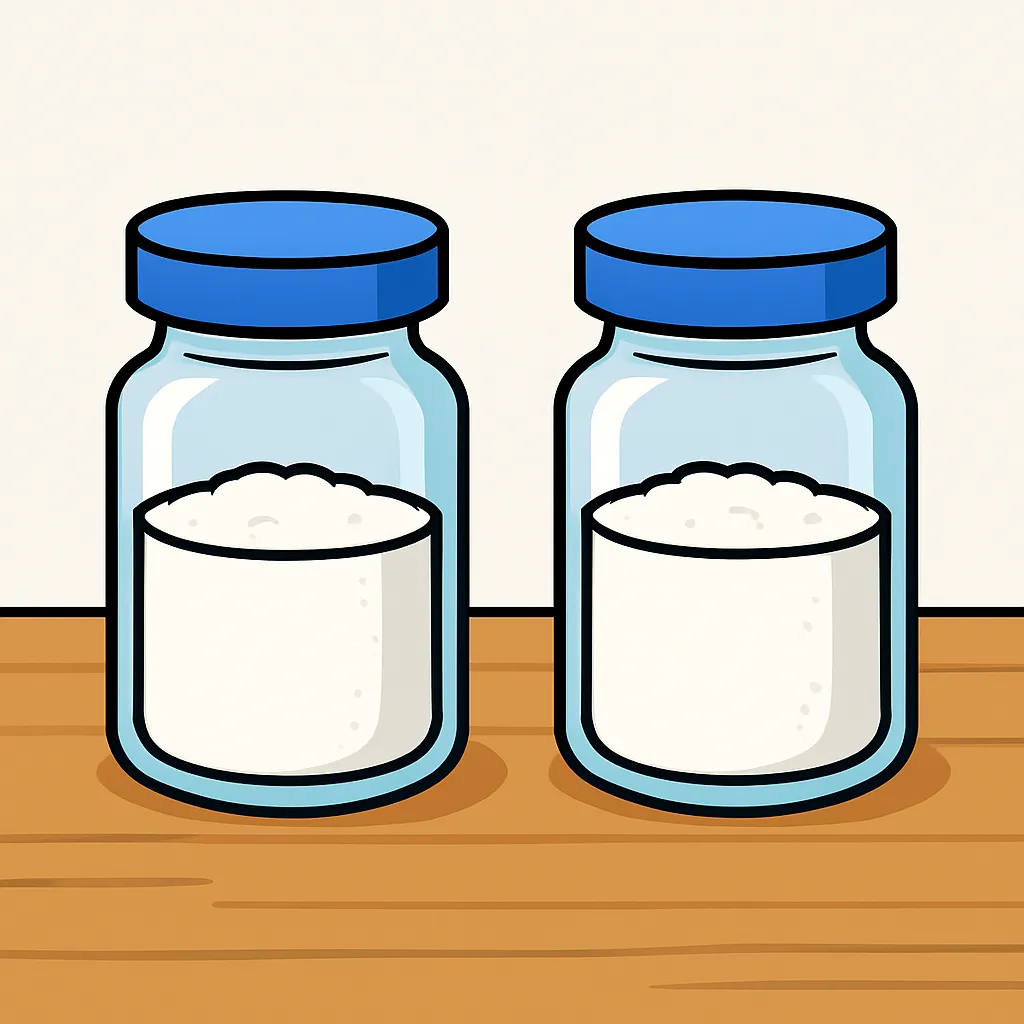
Two jars each hold a white powder that looks the same. Stirred into equal cups of water, one powder dissolves completely and the other stays on the bottom. What does this evidence best show?
A student tests three samples. Sample 1 is shiny and does not dissolve. Sample 2 is white and dissolves completely in water. Sample 3 is white and settles on the bottom. Which sample could be table salt?
A student adds sugar to a cup of water one spoonful at a time, stirring after each. After many spoonfuls, sugar grains stay on the bottom no matter how long she stirs. What does this show?
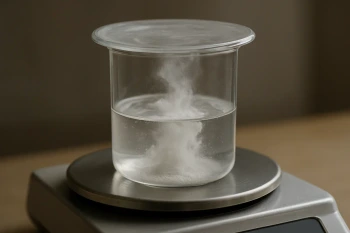
When salt dissolves in a cup of water, the total weight of the salt and water together stays the same.
Two students compare how quickly two different powders dissolve. Which choice would make their test unfair?
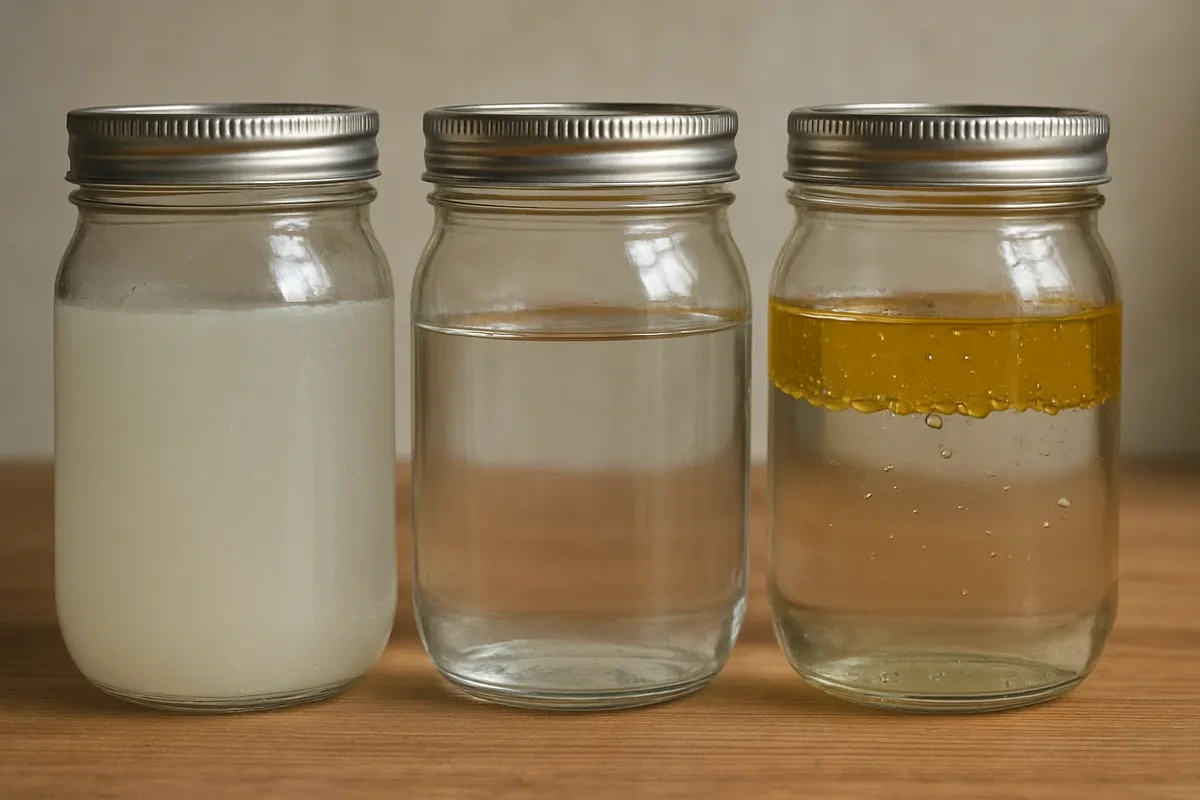
A student pours cooking oil into a glass of water and stirs hard. The oil breaks into drops and then rises back into a layer floating on top. What does this show about the oil?

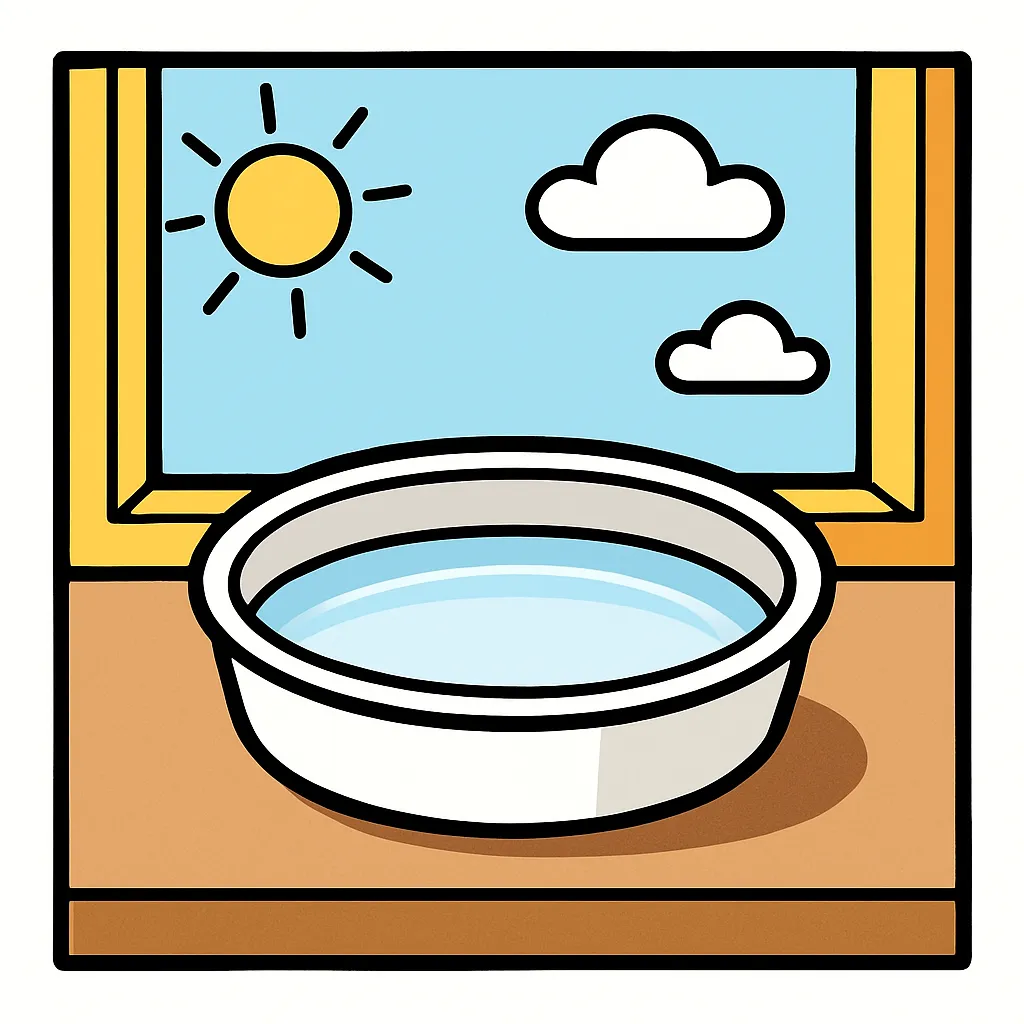
A student stirs salt into warm water until it can no longer be seen, then leaves the shallow dish in a sunny window. Days later the water is gone and white grains are in the dish. What does this show?
A student claims that a powder is soluble in water. Which observation best supports that claim?
A drink mix powder must dissolve fully in cold water. Stirred into cold water, Powder A leaves the water clear with nothing left. Powder B makes it cloudy and then settles. Powder C floats in clumps. Which powder fits the job?
A student has grains that could be iron filings or table salt. Both look like tiny grains. Which test result would show that the grains are salt?
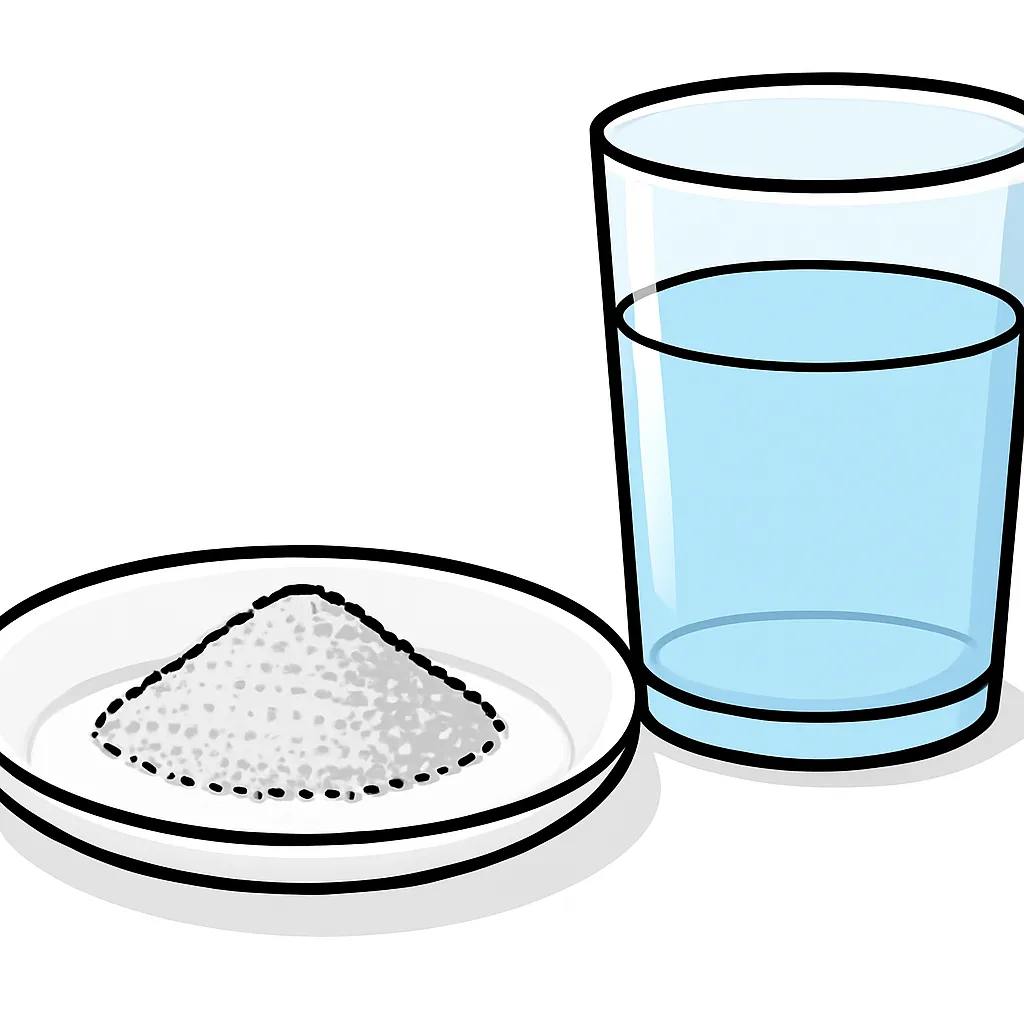
Flour stirred into water makes a cloudy liquid, and the flour slowly settles on the bottom. Sugar stirred into water leaves the liquid clear. Which one is a solution?
A student stirs the same amount of sugar into a glass of cold water and a glass of warm water. The sugar in the warm water can no longer be seen much sooner. What does this show?
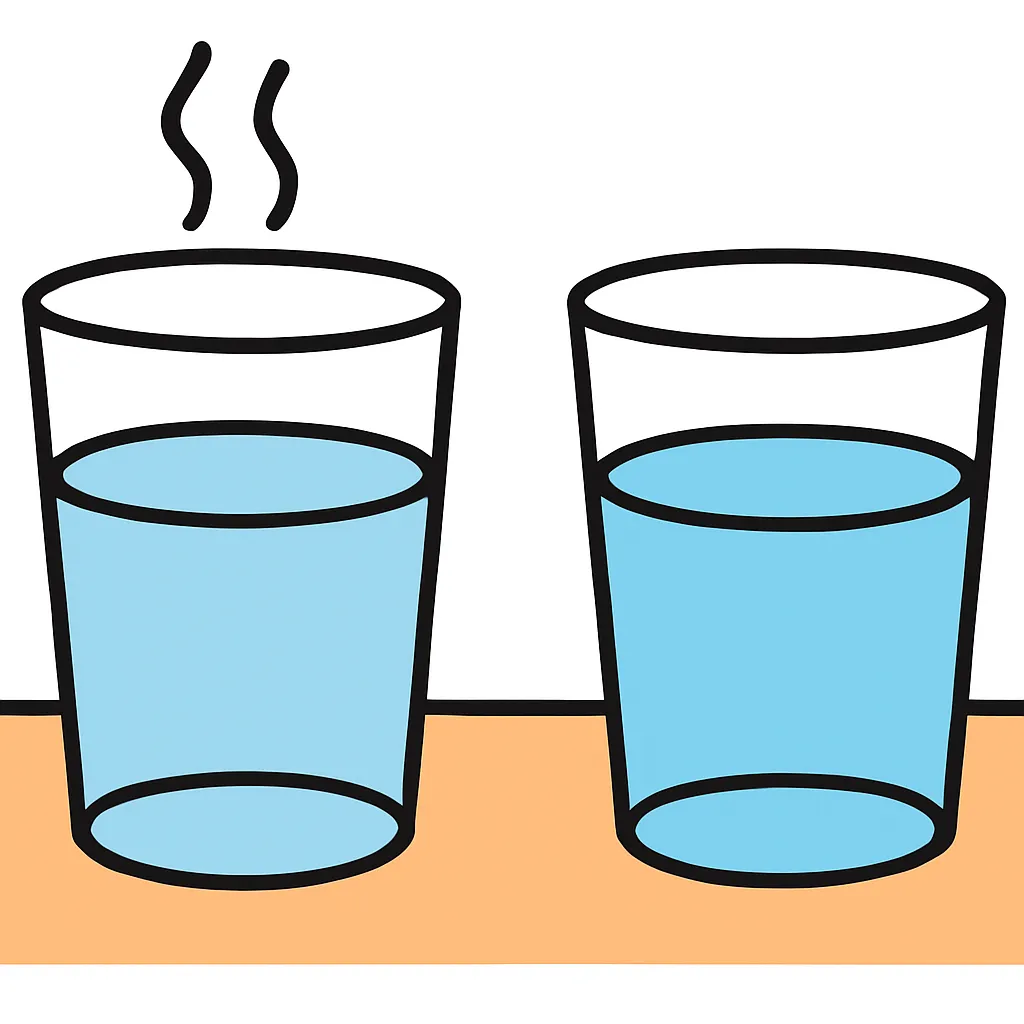
Baking soda dissolves in water, chalk powder does not, and sugar dissolves. A student stirs an unknown white powder into water and grains stay on the bottom. Which material is the powder most likely to be?
One large sugar crystal and one spoonful of ground sugar are each stirred into a cup of water. Both spread through the water and can no longer be seen. What does this show about solubility?
A hiker has two white powders in unlabeled bags. One is salt and the other is flour. Which test would show her which bag holds the salt?
A student says a powder is not soluble because the water turned cloudy when she stirred it in. What should she do before accepting that claim?
Crack the passcode before the zombies get in.
Answer, then swat bugs for bonus points.
Race through questions at your own speed.
Same question on every screen. Fastest wins.

Pick a tile, answer, hit bonuses and steals.
Reading the Signals of a New Substance
20 questions