Loading
by BlastRoom
Compare two mixture scenarios at a time and judge how strong each signal is that a new substance formed.
#mixtures_and_new_substances#us_grade_5_science
20 questions
One question set, multiple game modes. Tap any game to see it in action. Not sure which to pick?
A student stirs sugar into warm water until it disappears. A second student pours vinegar onto baking soda and bubbles rush out. Which mixture shows that a new substance formed?
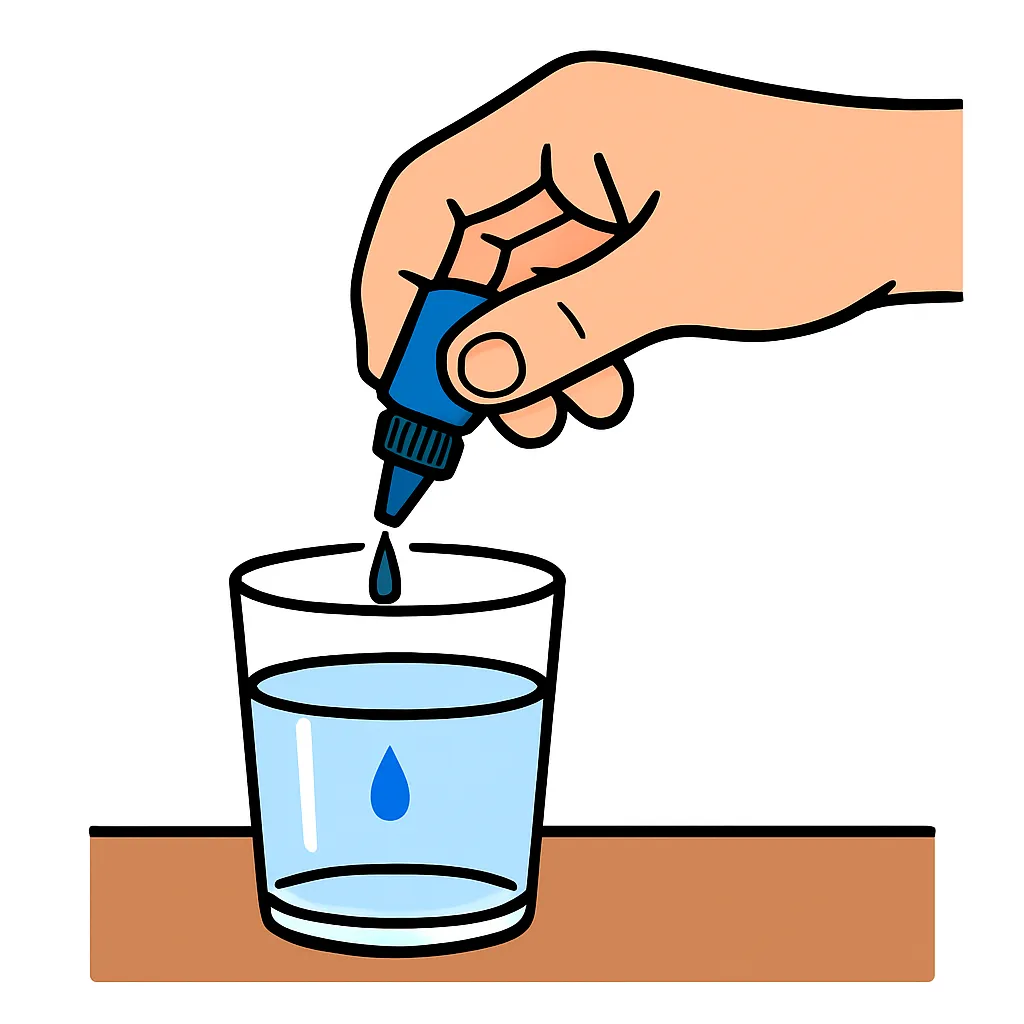
Ms. Lopez adds one drop of blue food coloring to a glass of clear water, and the water turns blue. What does this color change best show?
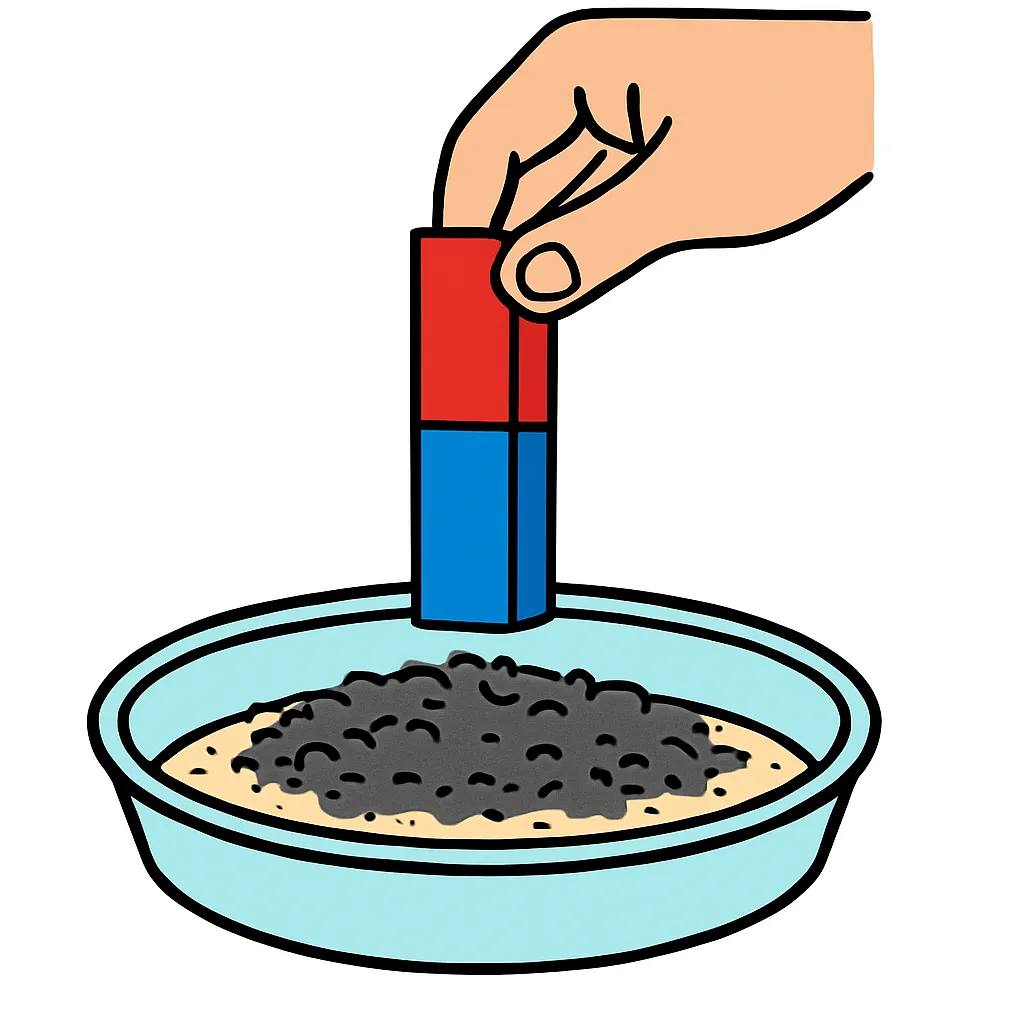
Iron filings are stirred into dry sand. A magnet is then swept nearby and pulls every filing back out, leaving clean sand behind. What does this result show?
Both teams' cups grew warmer. Team A poured hot water into cool water. Team B stirred a powder into room-temperature water. Whose warming is better evidence of a new substance?
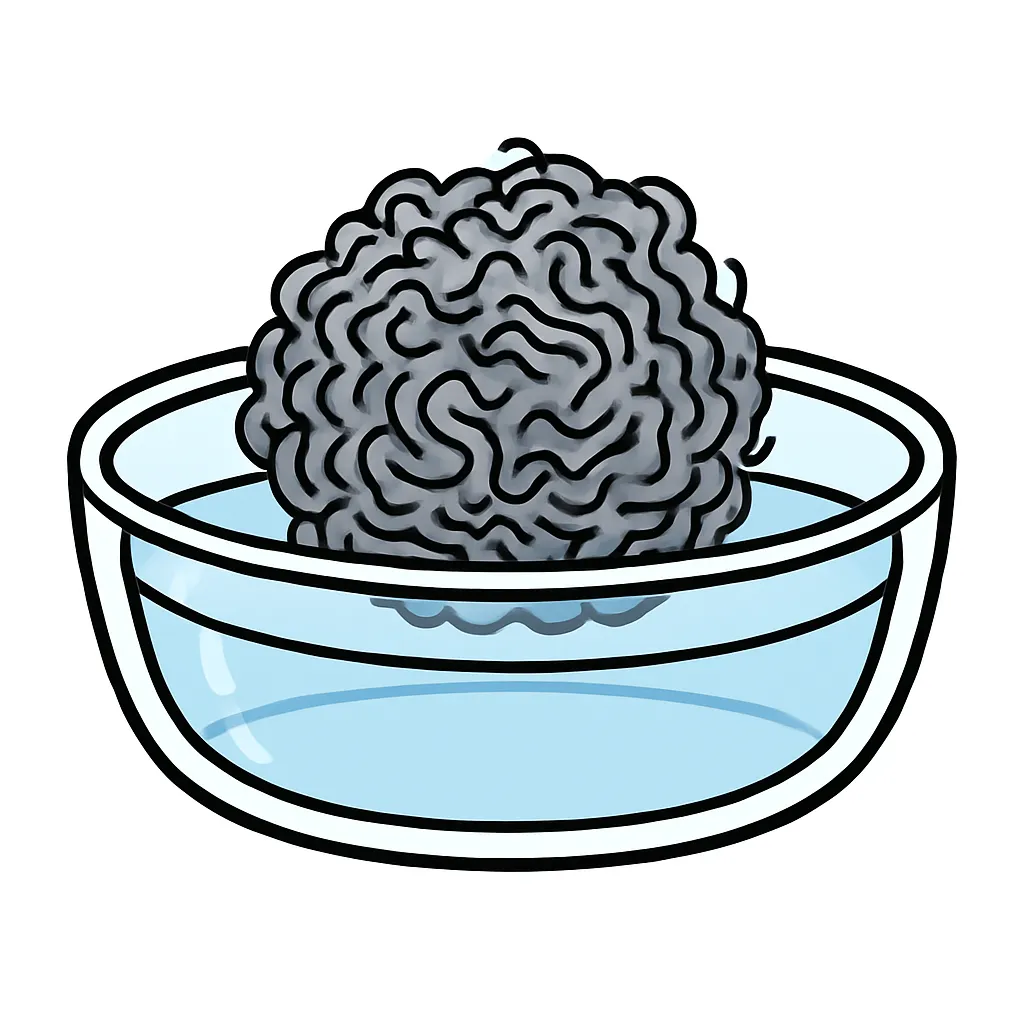
Steel wool is soaked in vinegar and left out in the air. Hours later it is covered in reddish-brown flakes that crumble. What is the strongest evidence a new substance formed?
A team stirs salt into water until the salt vanishes from sight. They want evidence about whether a new substance formed. Which test gives the best evidence?
Water boiling in a pot sends up many bubbles. An antacid tablet dropped in cool water also sends up many bubbles. Which one is evidence that a new substance formed?
Toasting bread until it turns black and smells burnt changes only how the bread looks, so no new substance forms.
Steam rising from a pot of boiling water proves that the water has become a new substance.
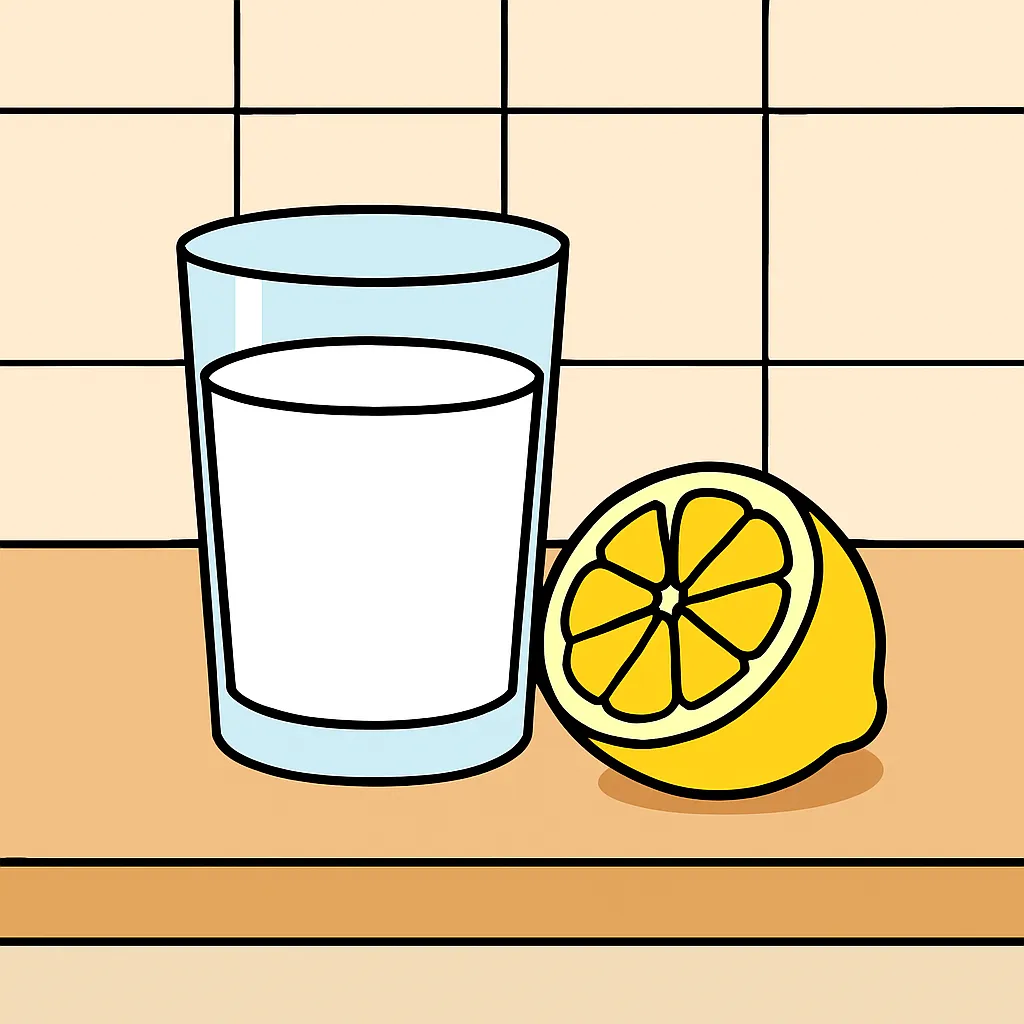
Lemon juice is stirred into a cup of fresh milk. Within minutes soft white lumps form and the liquid around them turns thin and watery. What is the best interpretation?
Two mixtures were tested. Mixture 1 gave off a gas and could not be separated back. Mixture 2 turned cloudy, but a filter separated it again. Which mixture formed a new substance?
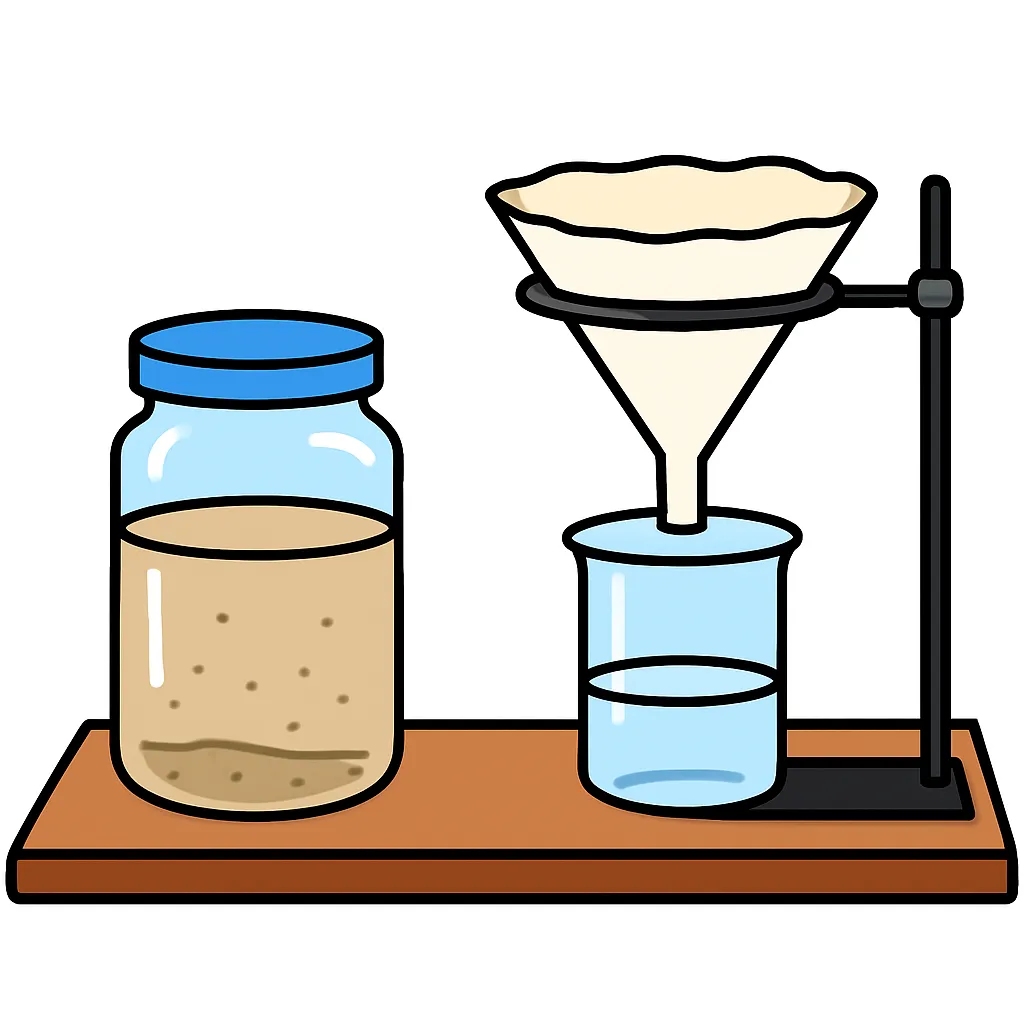
Sand is stirred into water and the water turns cloudy. The mixture is poured through a filter, and the sand left on the paper dries into the same gritty grains. What does this show?
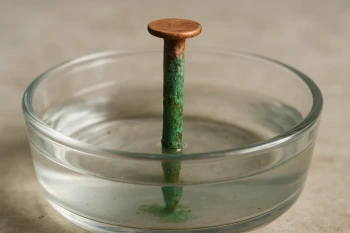
A shiny copper roof slowly turns green over many years. The green layer is dull, flaky, and does not shine when it is polished. What does the green layer best show?

After mixing, a class saw four results: a color change from added dye, a new gas, a solid appearing in two clear liquids, and heat. Which is the weakest evidence of a new substance?
A team mixes two white powders and the mixture darkens. Before claiming a new substance formed, what is the best next step for the team to take?
Baking soda and vinegar are mixed inside a sealed bag on a balance. The bag puffs up tightly, and the balance reading stays exactly the same. What do these two results together show?
Team A stirs a spoonful of powdered drink mix into water and the water turns bright red. Team B drops an antacid tablet into water and a gas fizzes out for a minute. Whose result is the stronger evidence that a new substance formed?
In one cup, warm water is poured over cocoa powder and the mixture turns brown and warm. In a second cup, two clear liquids are poured together and a white solid settles out. Which result is the stronger evidence that a new substance formed?
A class needs a rule for telling a new substance from a mixture that only looks different. Which pair of signals belongs on the strong-evidence side of that rule?
Cut apple slices that turn brown in the air have only changed color, so no new substance formed.
Crack the passcode before the zombies get in.

Pick a tile, answer, hit bonuses and steals.
Down on a Round Earth
20 questions