Loading
by BlastRoom
Use observable signals to decide whether mixing two substances made a new substance or just a mixture.
#mixtures_and_new_substances#us_grade_5_science
20 questions
One question set, multiple game modes. Tap any game to see it in action. Not sure which to pick?
A student stirs a spoonful of baking soda into a cup of vinegar. The mixture foams and gives off a gas that was not there before. What does this observation show?
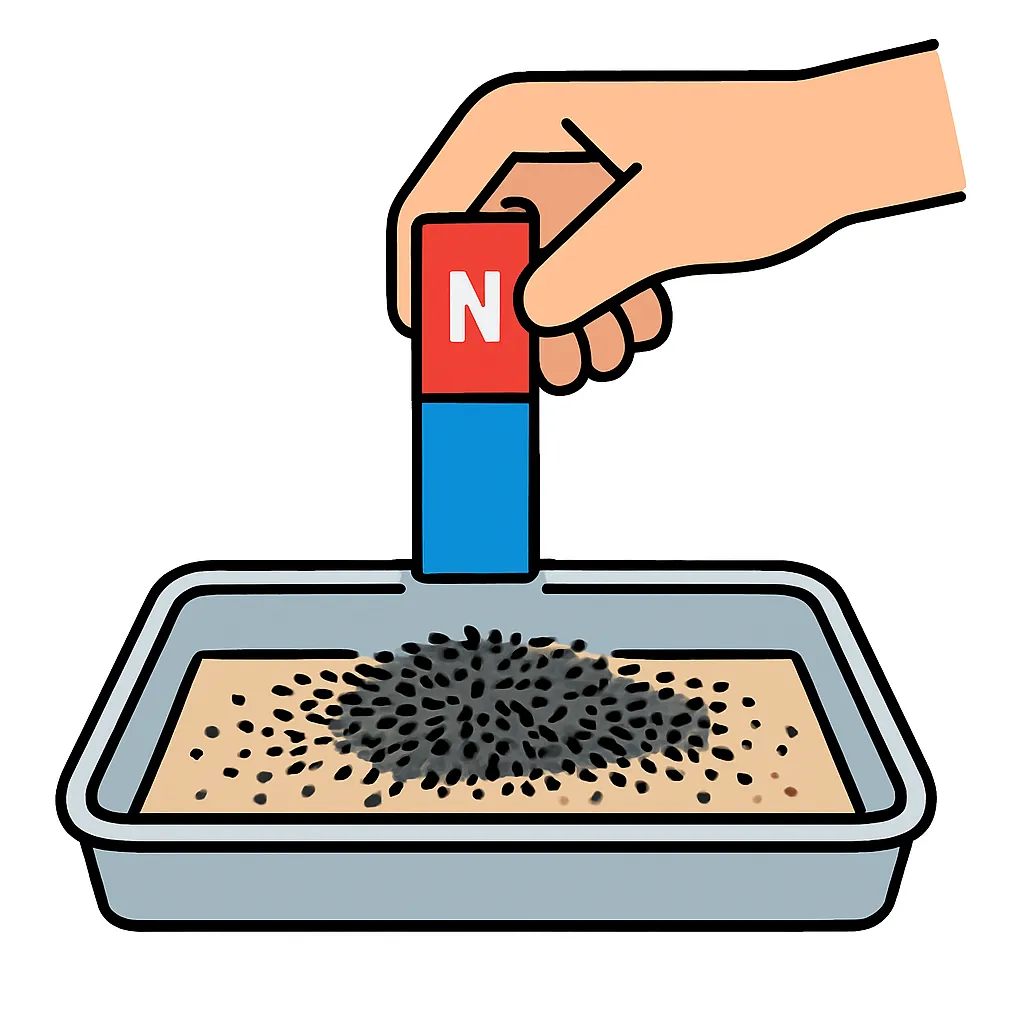
A student mixes iron filings into a dish of dry sand, then pulls the filings back out with a magnet. What does this investigation show about the mixing?
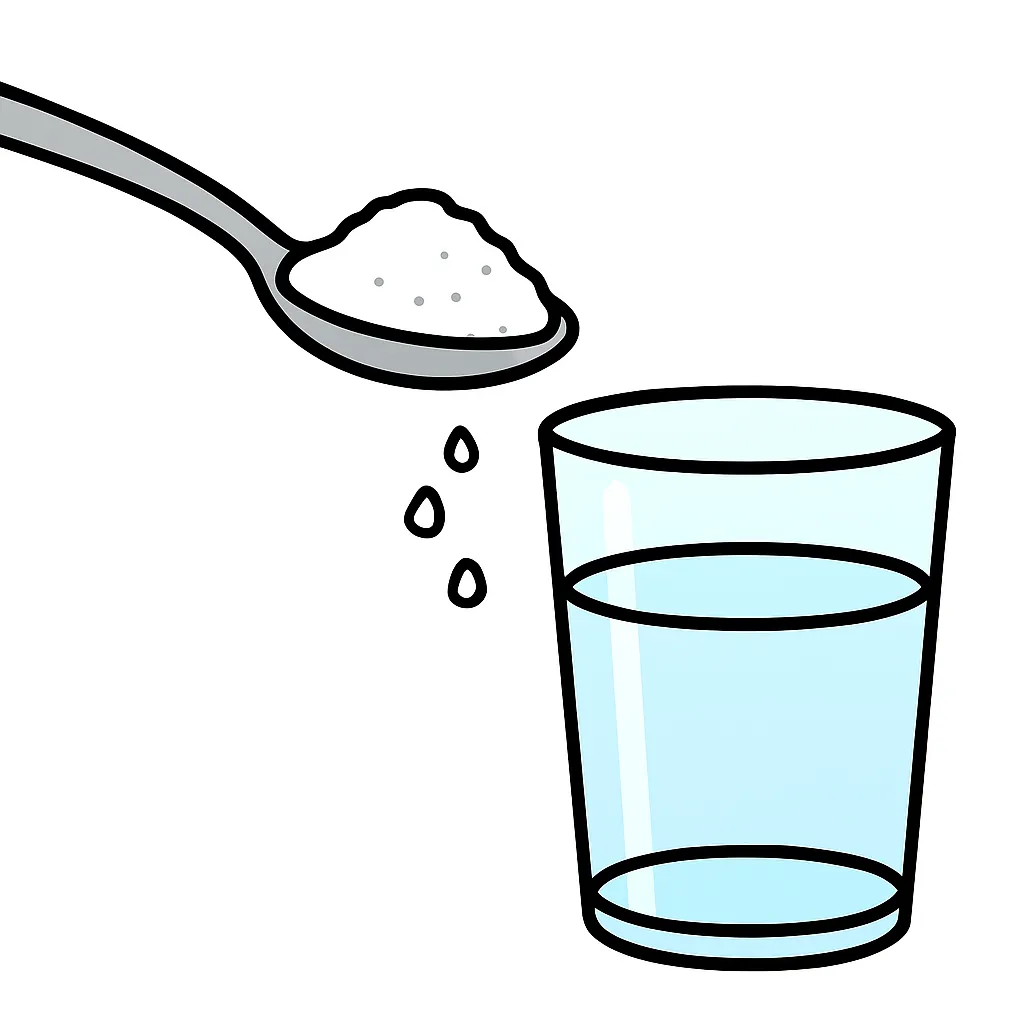
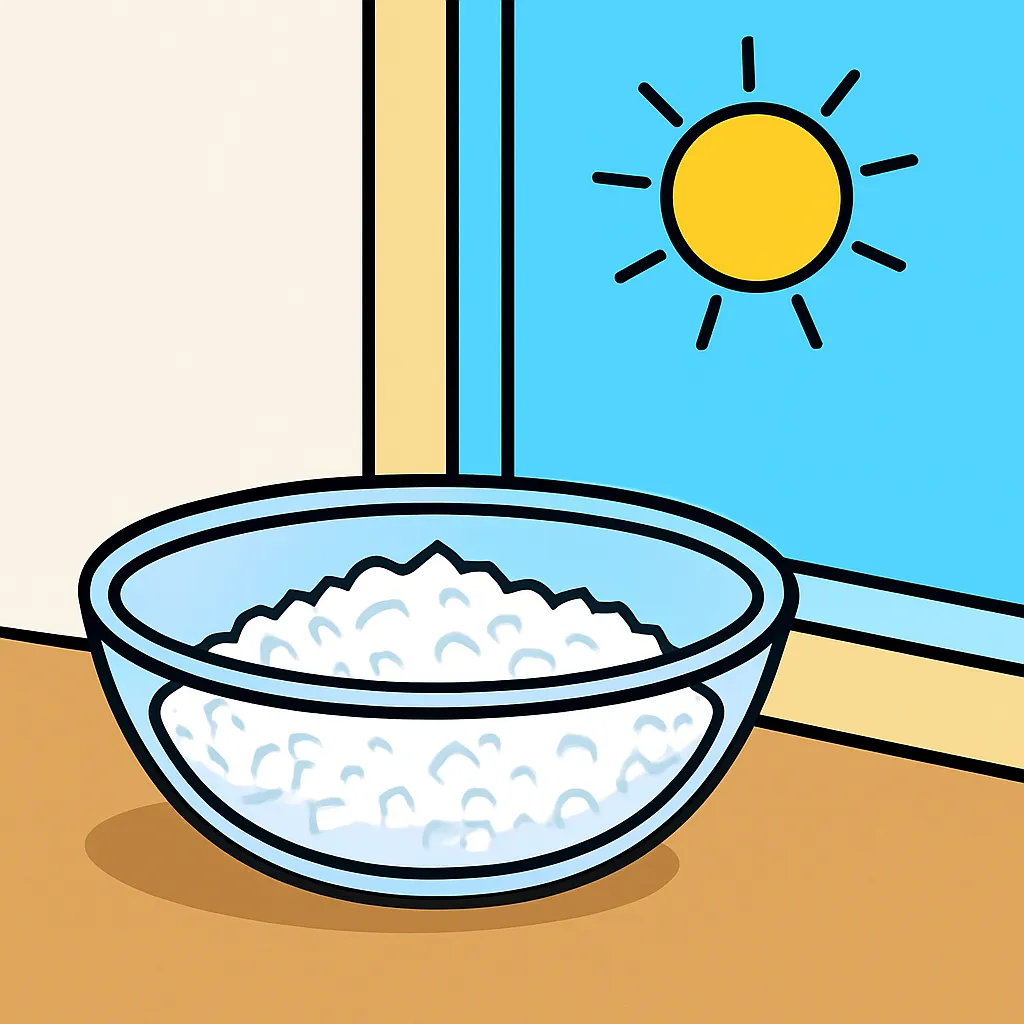
Salt is stirred into warm water until the water looks clear. The dish is left on a windowsill for two days, and white salt crystals are found in the dry dish. What is the best explanation?
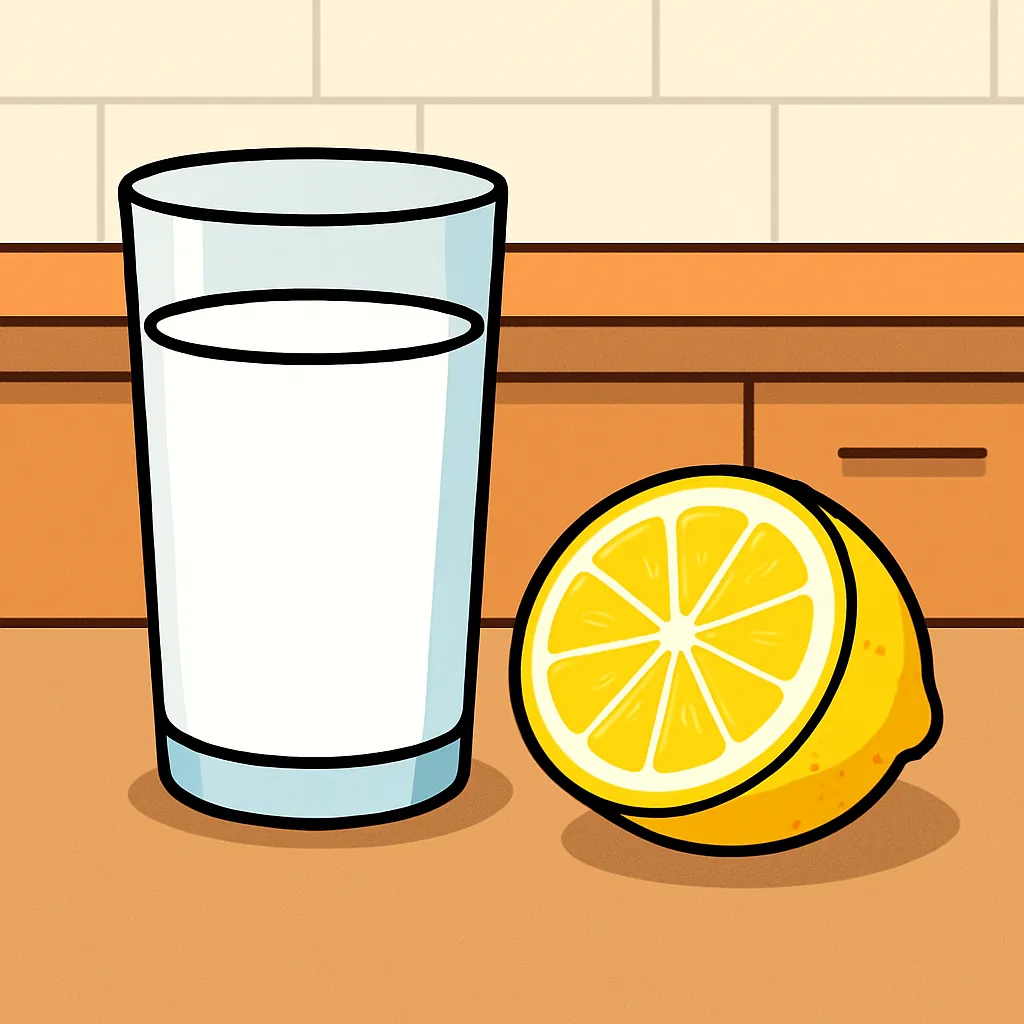
A student squeezes lemon juice into a glass of milk. Within a minute the milk thickens into soft lumps, and stirring will not turn it back into smooth milk. What does this show?
Two students stir two white powders into a cup of water. One claims a new substance formed. Which observation best supports that claim?
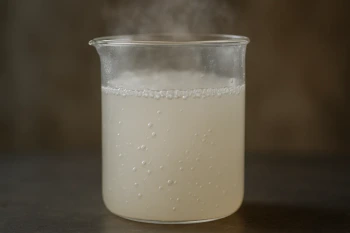
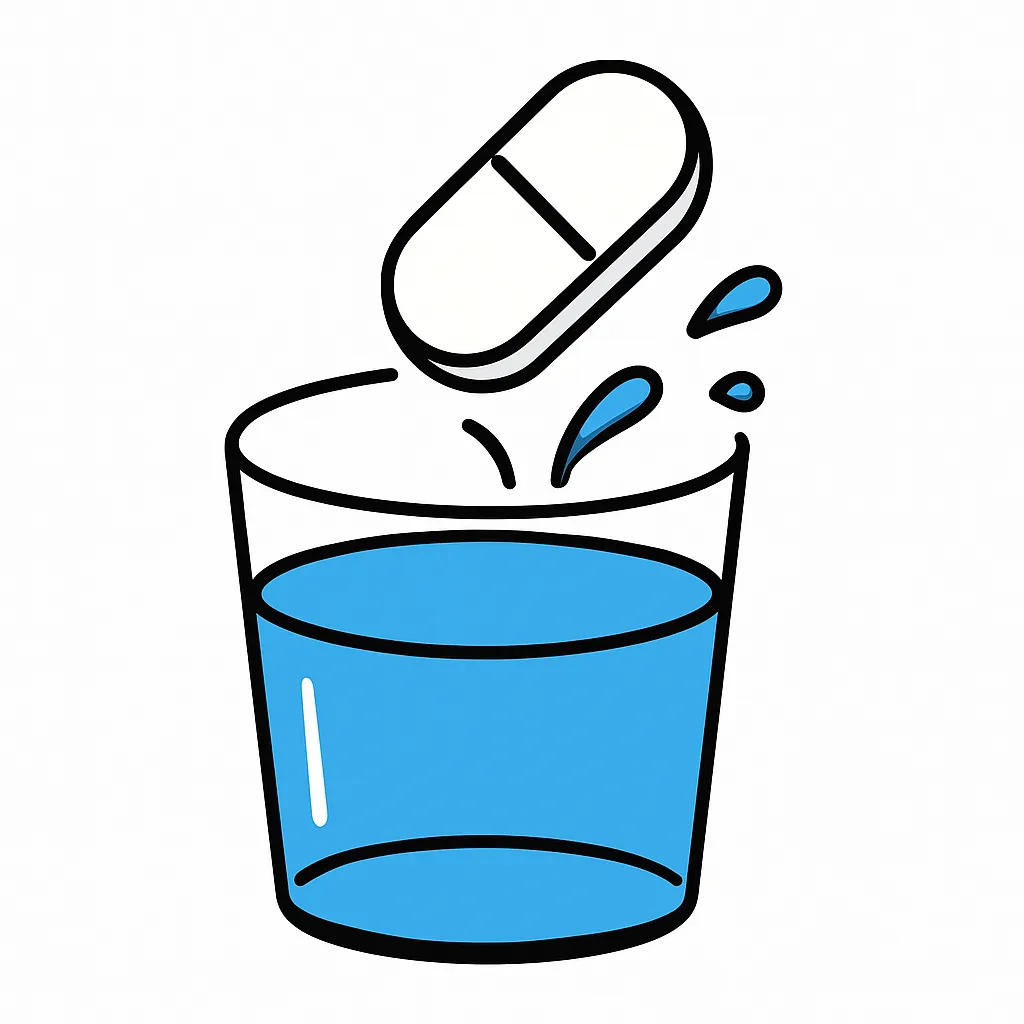
A chewable antacid tablet is dropped into a glass of water. Bubbles rise for a minute, and afterward the tablet is gone. What is the strongest evidence that a new substance formed?
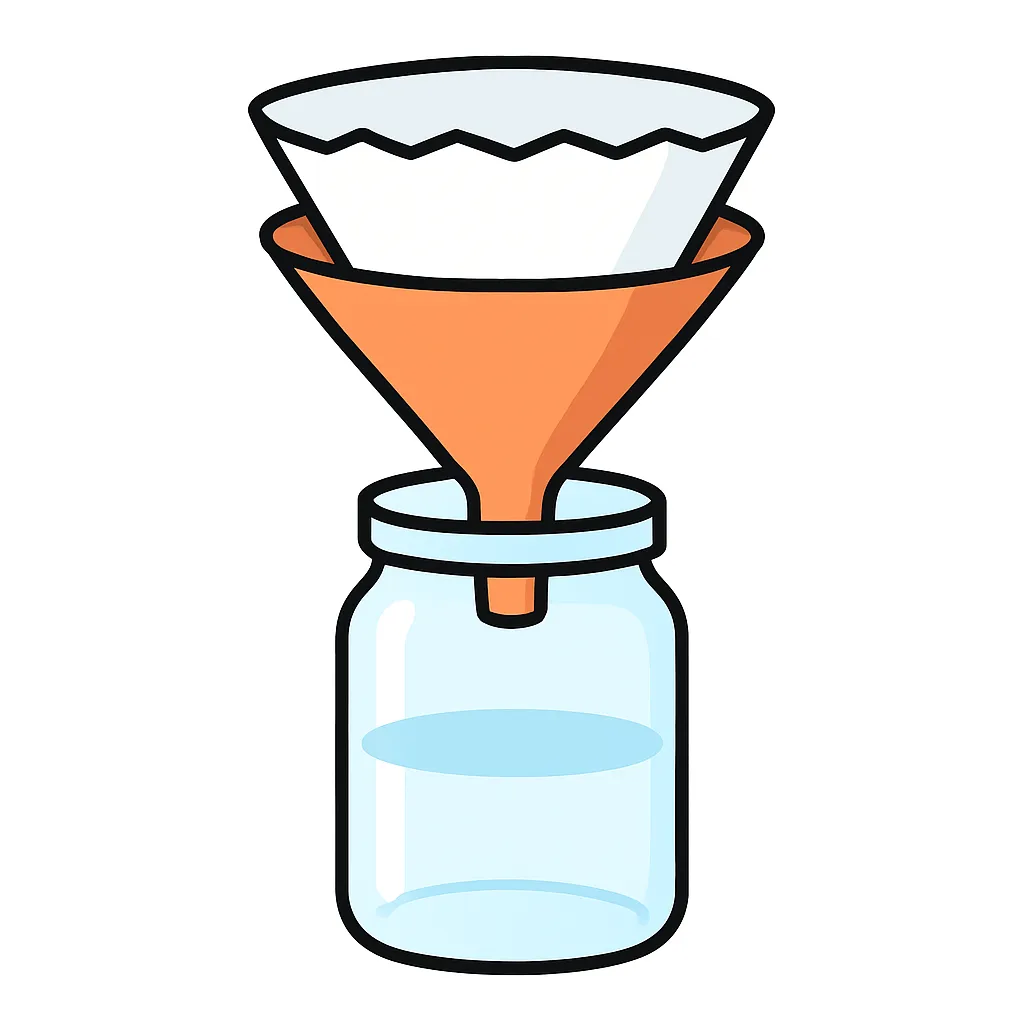
Sand is stirred into a jar of water. The muddy water is poured through a paper filter, and dry sand is left on the paper. What does the investigation show?
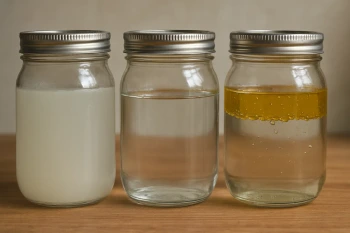
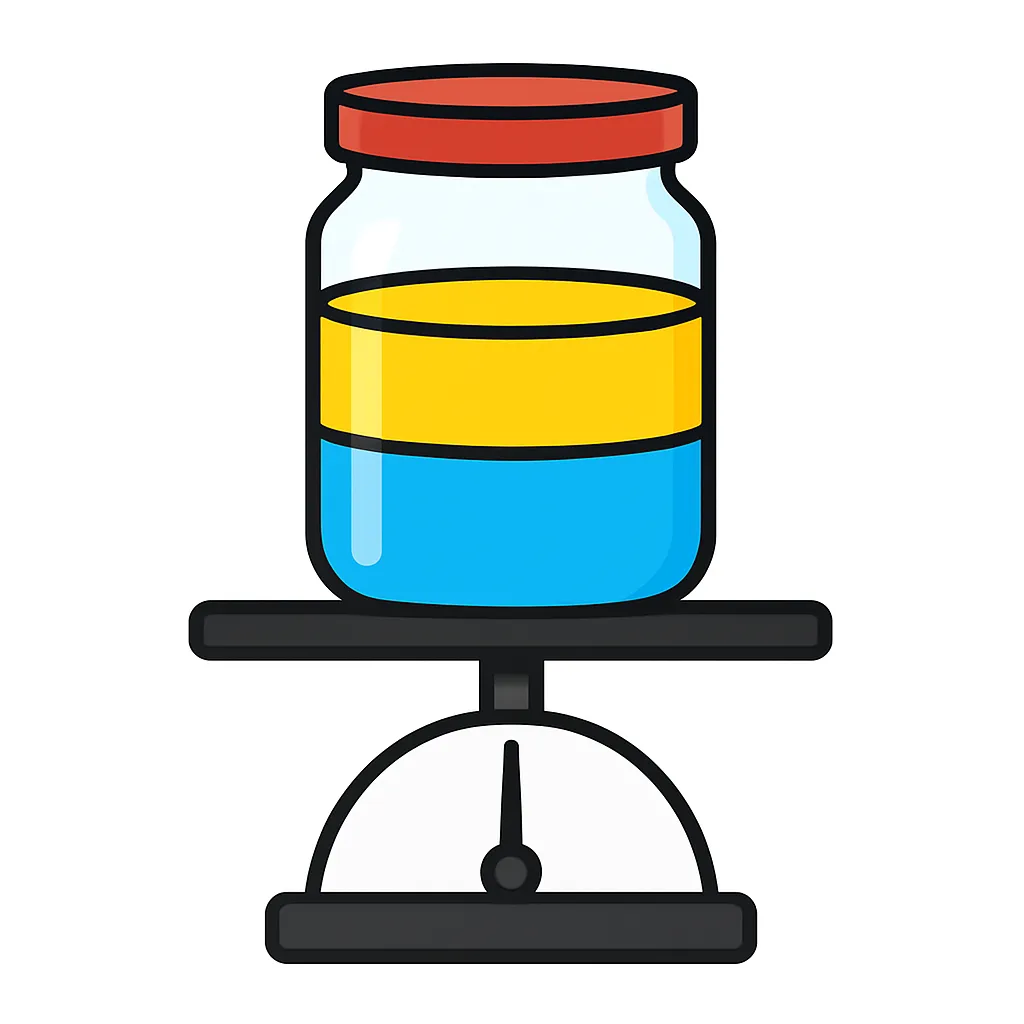
Cooking oil is poured into a jar of water and shaken hard. After a few minutes the two liquids settle into separate layers again. What does this show?
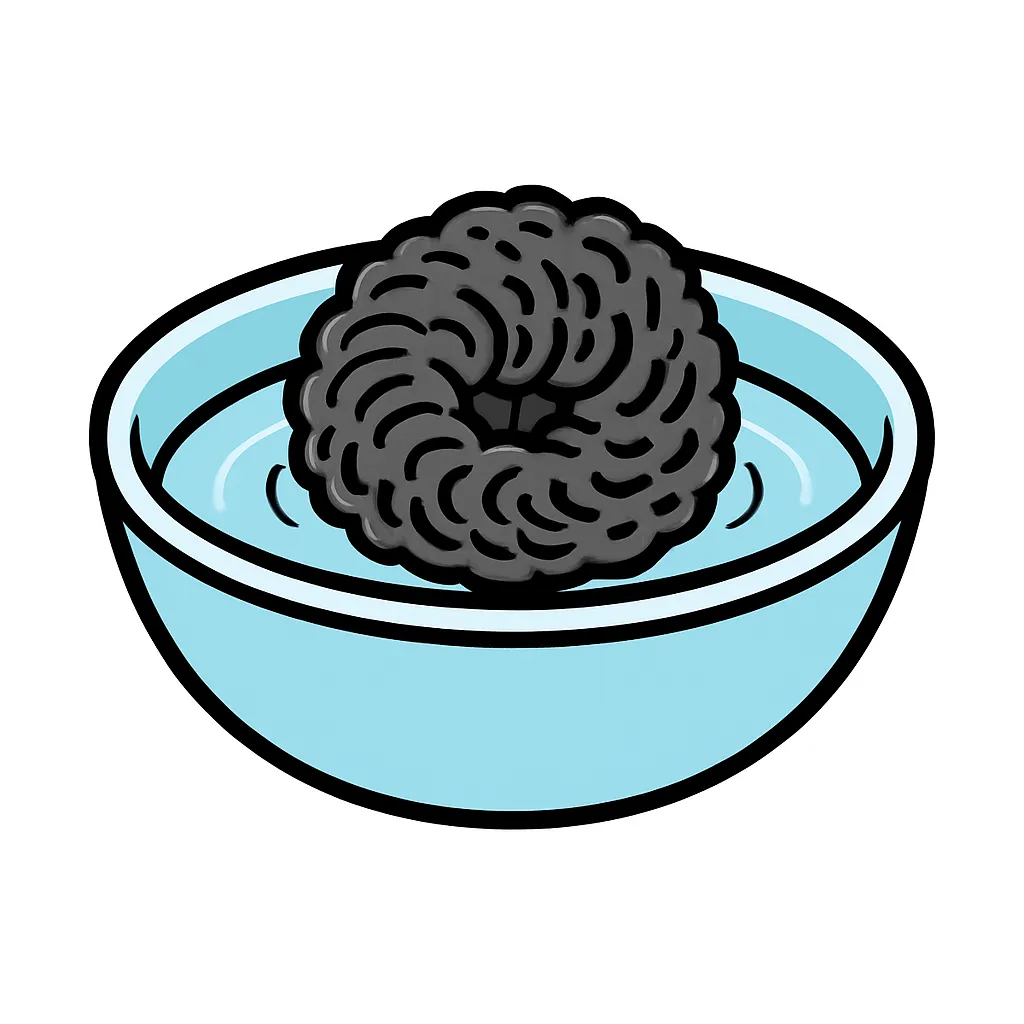
A pad of steel wool is left sitting in vinegar overnight. In the morning the pad is coated with a crumbly reddish-brown material that cannot be rubbed off to give back the shiny steel. What does this show?
A student mixes the two liquid parts of a craft glue kit together in a cup. Within minutes the mixture hardens into a solid lump that cannot be softened back into the two starting liquids, even with stirring or warm water. What does this show?
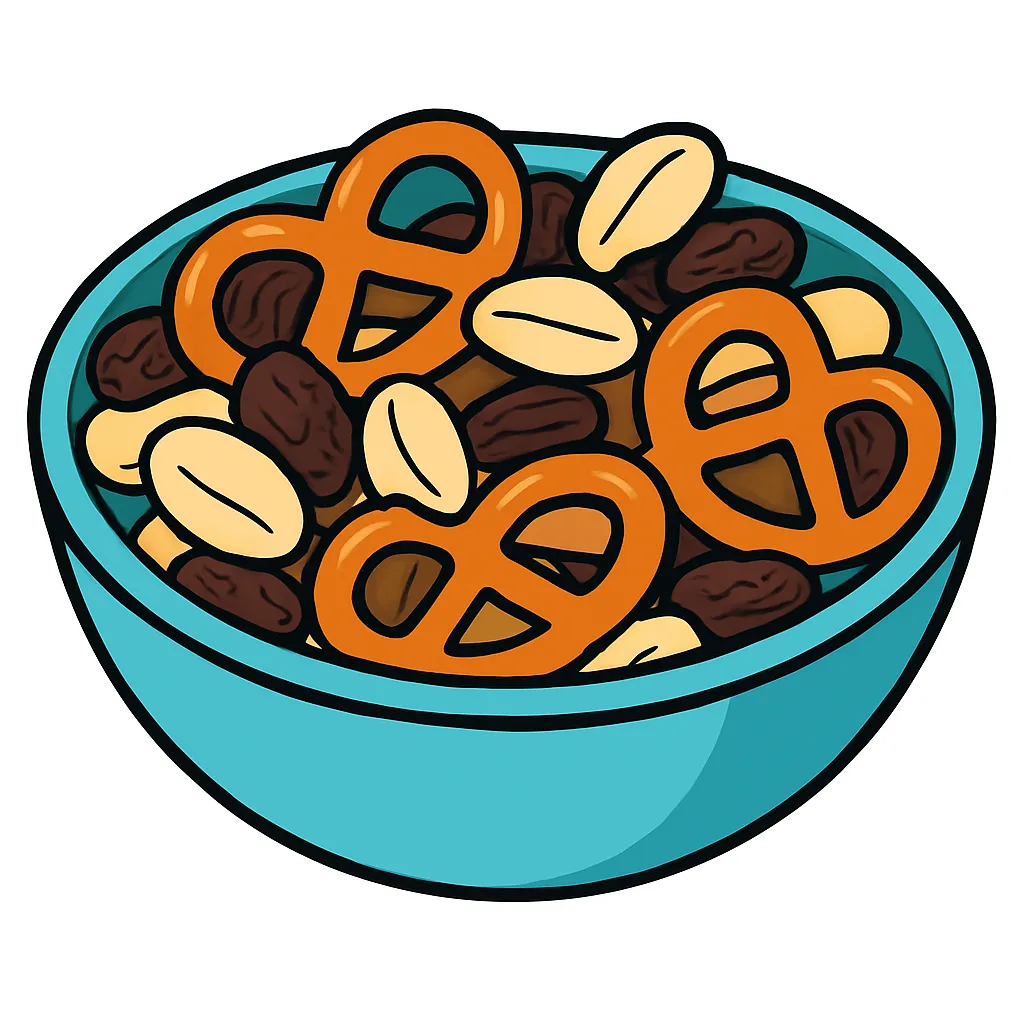
A bowl of trail mix holds peanuts, raisins, and pretzels. A student picks the raisins back out one at a time. Did mixing the snack make a new substance?
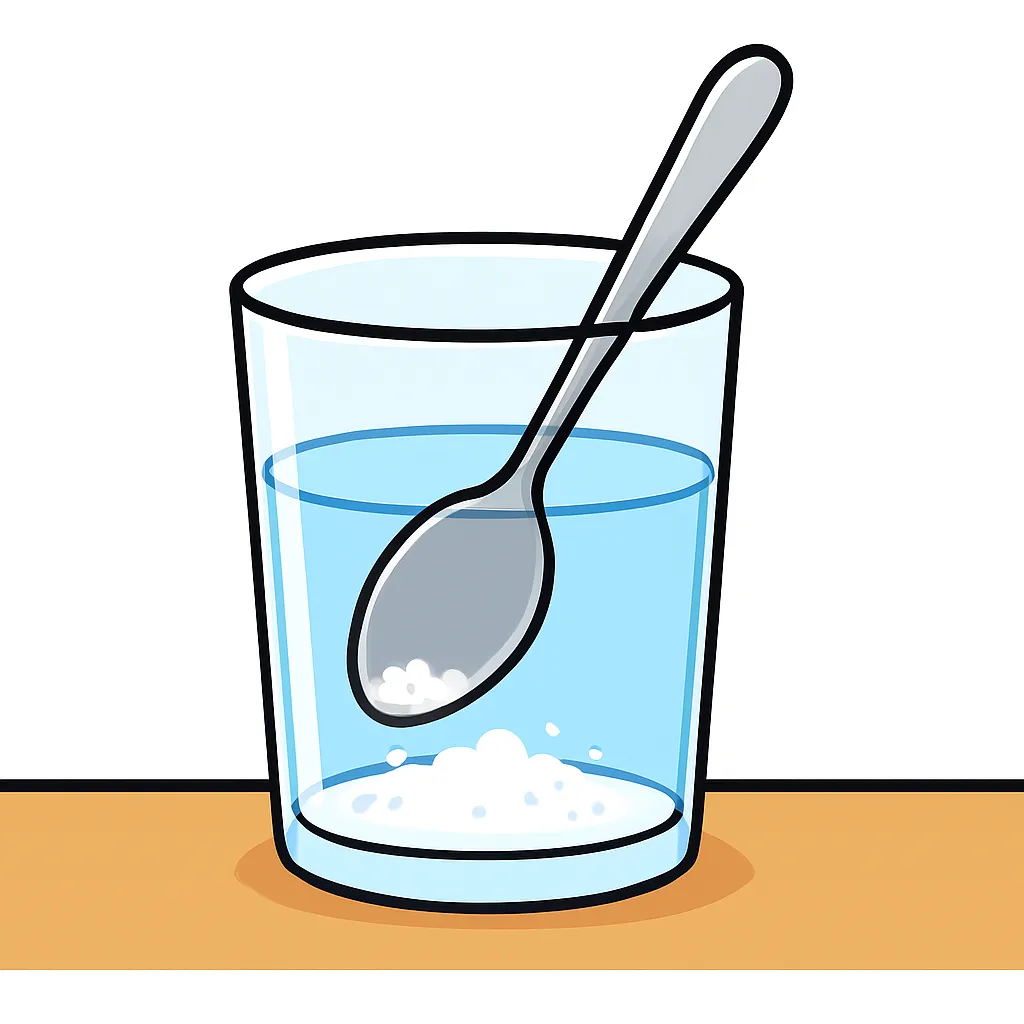
A student stirs a spoonful of Epsom salt into a cup of water until it is no longer seen. The cup feels colder. Two days later, on a sunny windowsill, the water is gone and Epsom salt crystals are left in the dish. What is the best conclusion?
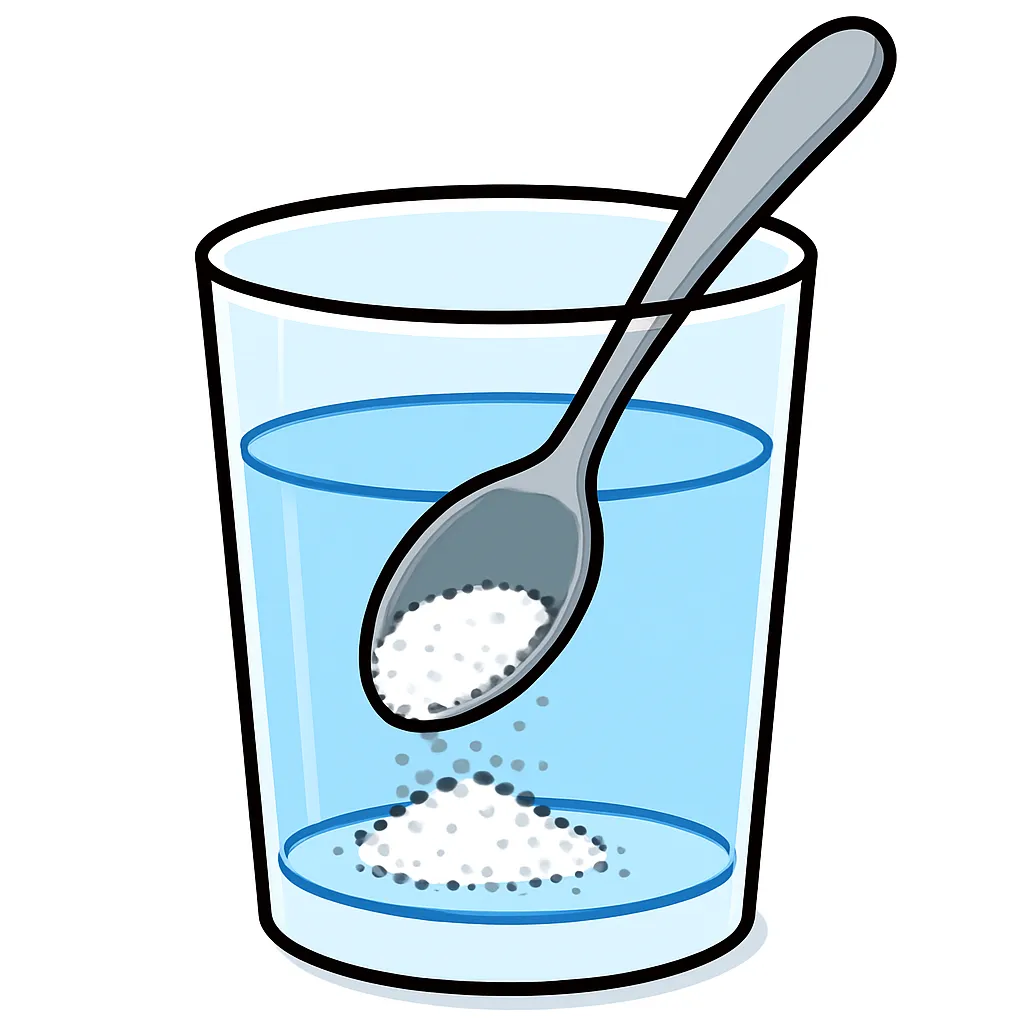
Sugar is stirred into a glass of water until the water looks clear again. The water now tastes sweet. What happened to the sugar?
One cup gets baking soda stirred into plain water, and it simply dissolves. A second cup gets baking soda stirred into vinegar, and it foams for a minute. Which mixing made a new substance?
A class wants to test whether mixing two powders makes a new substance. Which plan gives the best evidence?
A student mixes two clear liquids and a cloudy solid slowly settles to the bottom. The solid will not dissolve back in when the mixture is stirred. What is the best conclusion?
A student stirs powdered drink mix into water and says a new substance formed because the powder is no longer visible. Why is that reasoning wrong?
When two materials are mixed and the materials can still be separated again with a magnet or a filter, a new substance has formed.
A color that neither starting material had can be a signal that mixing formed a new substance.
A magnet can be used to separate any mixture of two solids.
Crack the passcode before the zombies get in.

Pick a tile, answer, hit bonuses and steals.
Gravity Pulls Toward Earth's Center
20 questions