Loading
by BlastRoom
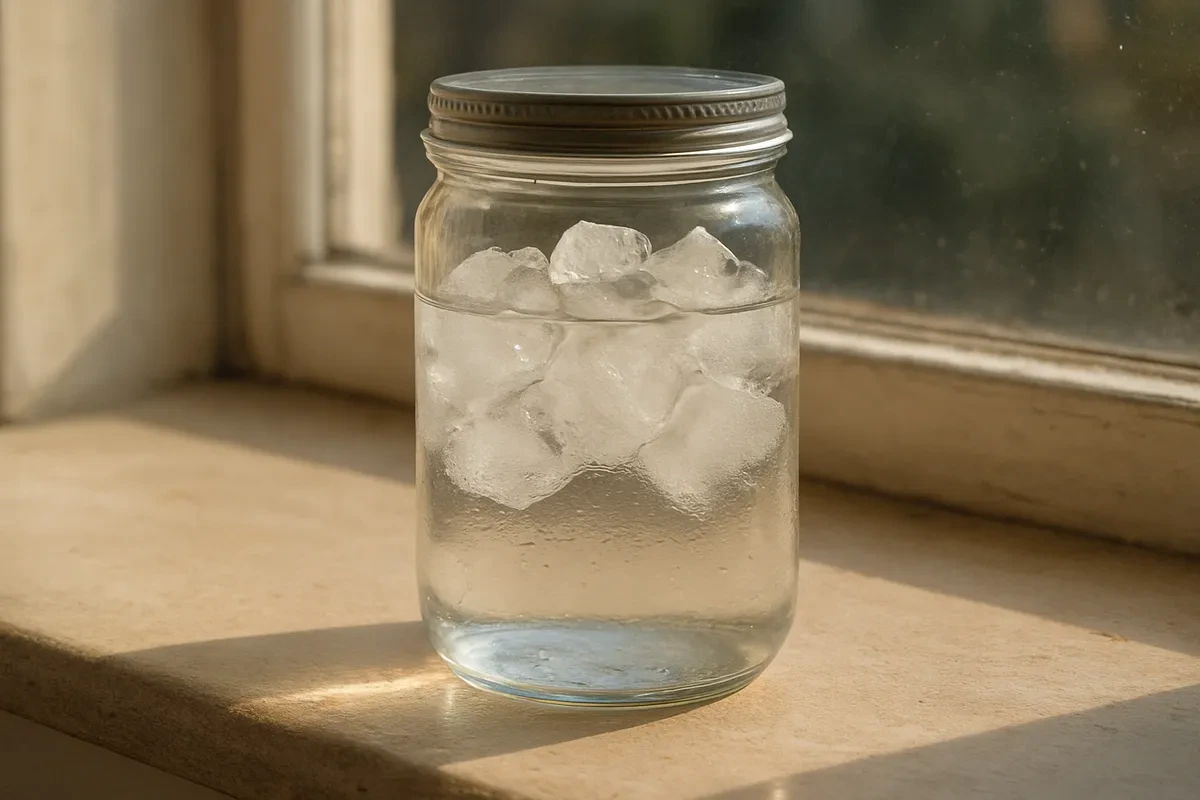
Weigh sealed containers before and after heating, cooling, dissolving, and mixing to show the total amount of matter stays the same.
#conservation_of_matter#us_grade_5_science
20 questions
One question set, multiple game modes. Tap any game to see it in action. Not sure which to pick?
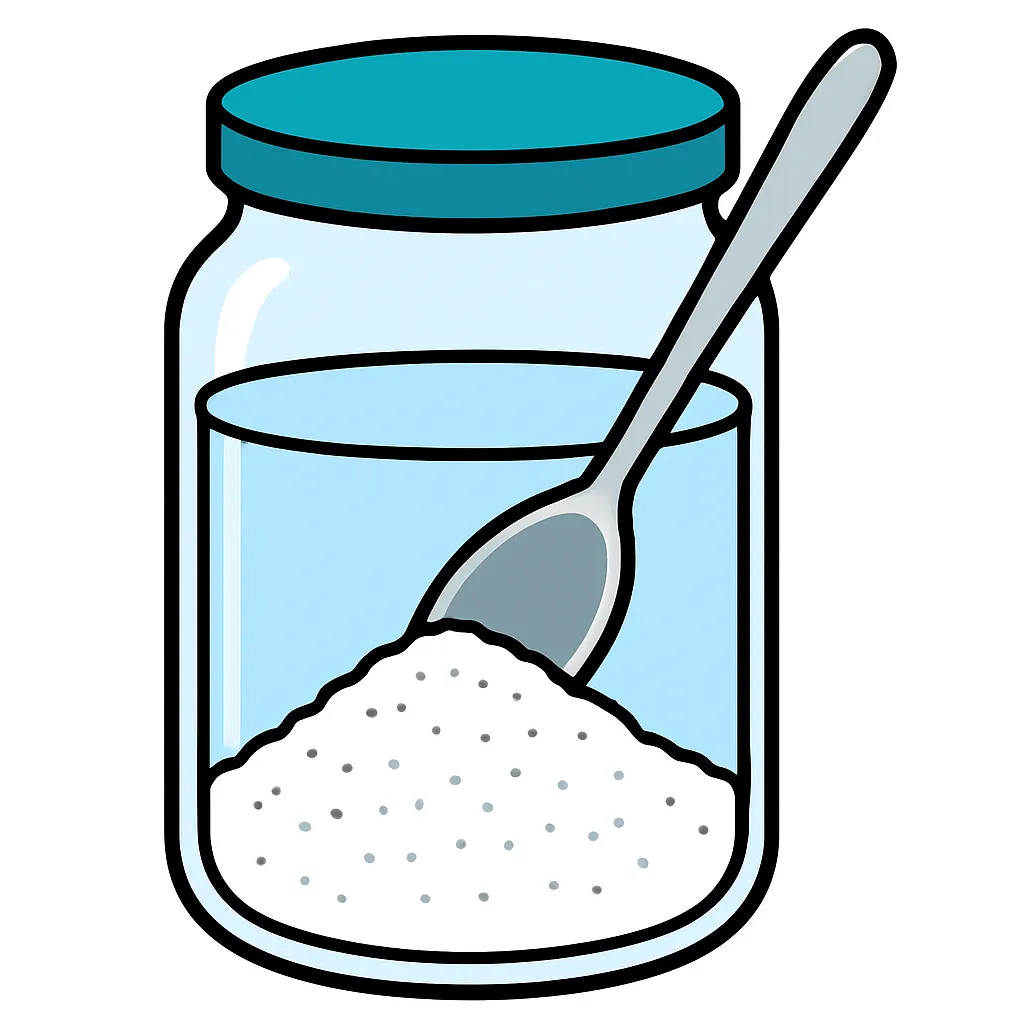
A student seals 200 grams of water and 50 grams of sugar in a jar and stirs until the sugar cannot be seen. The lid stays on. What is the total weight of the jar's contents now?
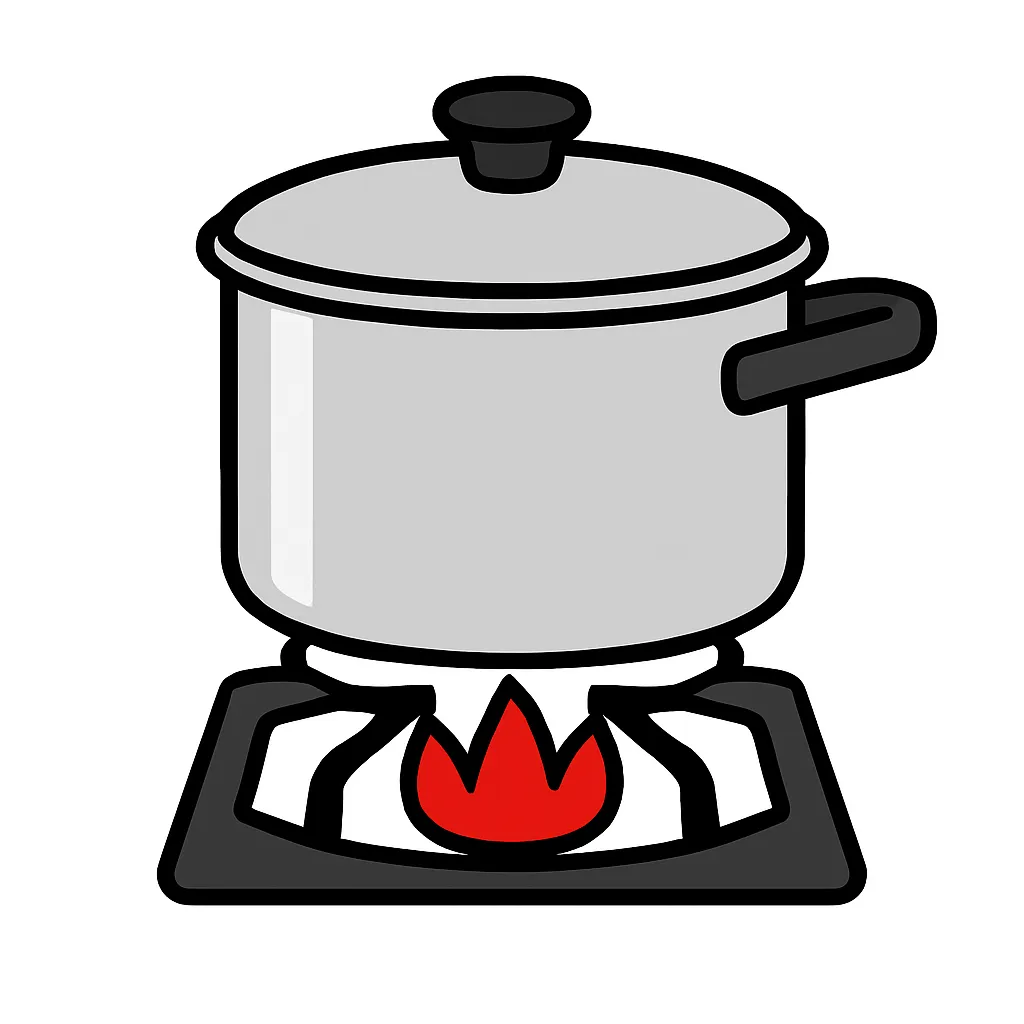
A covered pot of water is weighed, then heated until some of the water turns to water vapor. The lid is never lifted. Compared with the weight before heating, the total weight after heating is:
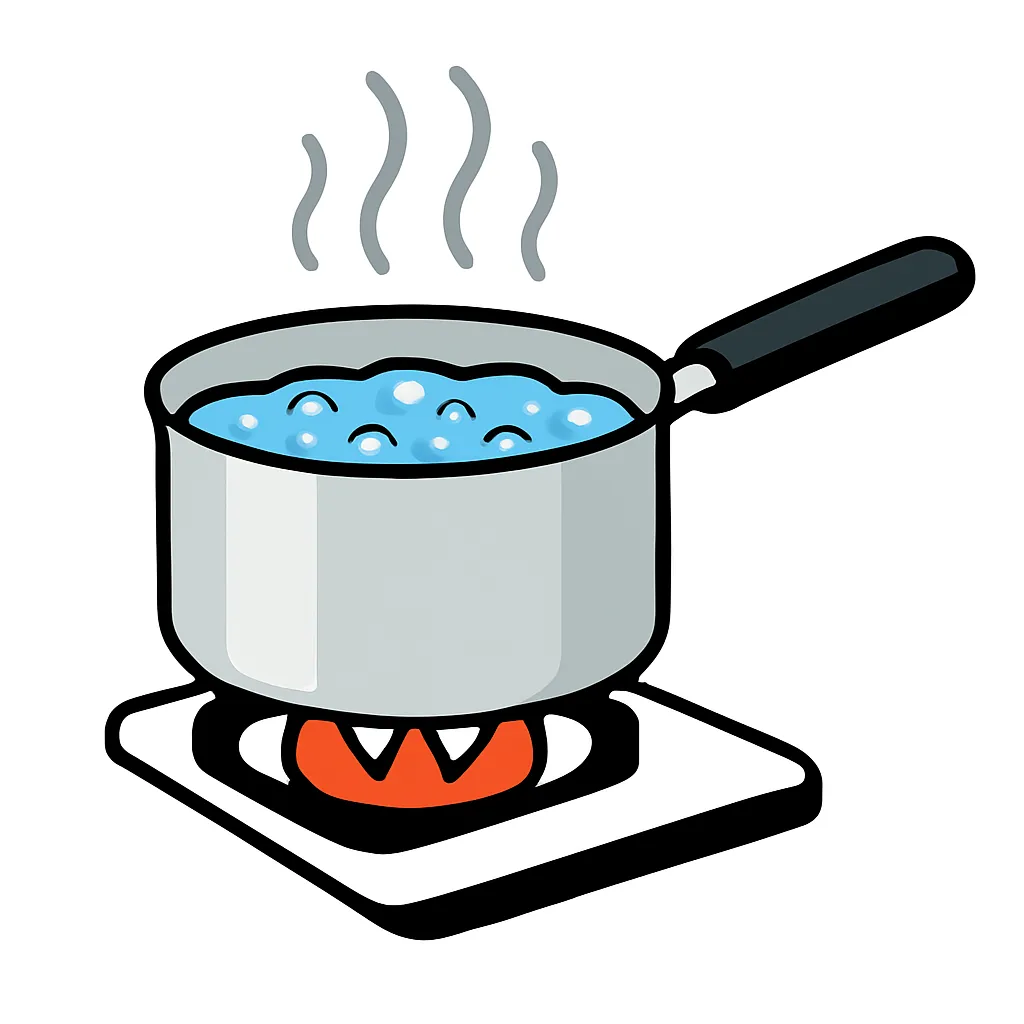
Water vapor is still matter, so the water vapor trapped inside a sealed jar has weight.
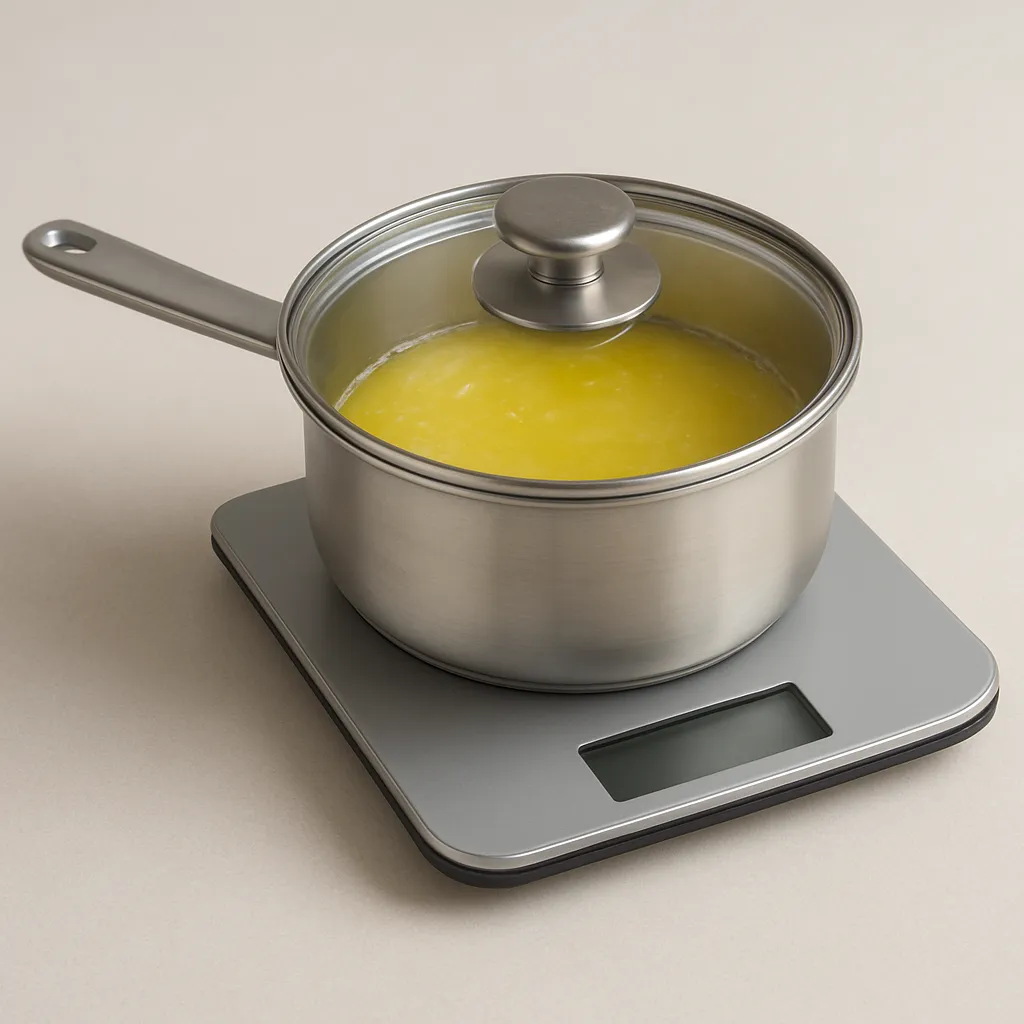
A stick of butter and the covered pan holding it weigh 320 grams. The pan is warmed until all the butter melts, and the cover stays on. What does the balance scale read now?
A sealed jar of warm water is set in a cool room. Later, drops of water are clinging to the inside of the lid. What happened to the total weight of the jar and its contents?

A student sealed three containers, weighed each, heated them, then weighed them again. Container A: 40 grams, then 40 grams. Container B: 65 grams, then 65 grams. Container C: 88 grams, then 88 grams. What do the data show?
A student claims that matter is still there after a solid dissolves in water. What observation would best support that claim?
To test whether heating changes the total amount of matter, a student weighs an open pan of water, boils it for ten minutes, and weighs it again. Why will this test not answer the question?
Before heating or cooling a sample to test whether the total weight changes, why must the container be closed tightly?
A shallow dish of salt water is left on a sunny windowsill. Days later, only white salt is in the dish, and the dish weighs less than before. What best explains the lower weight?
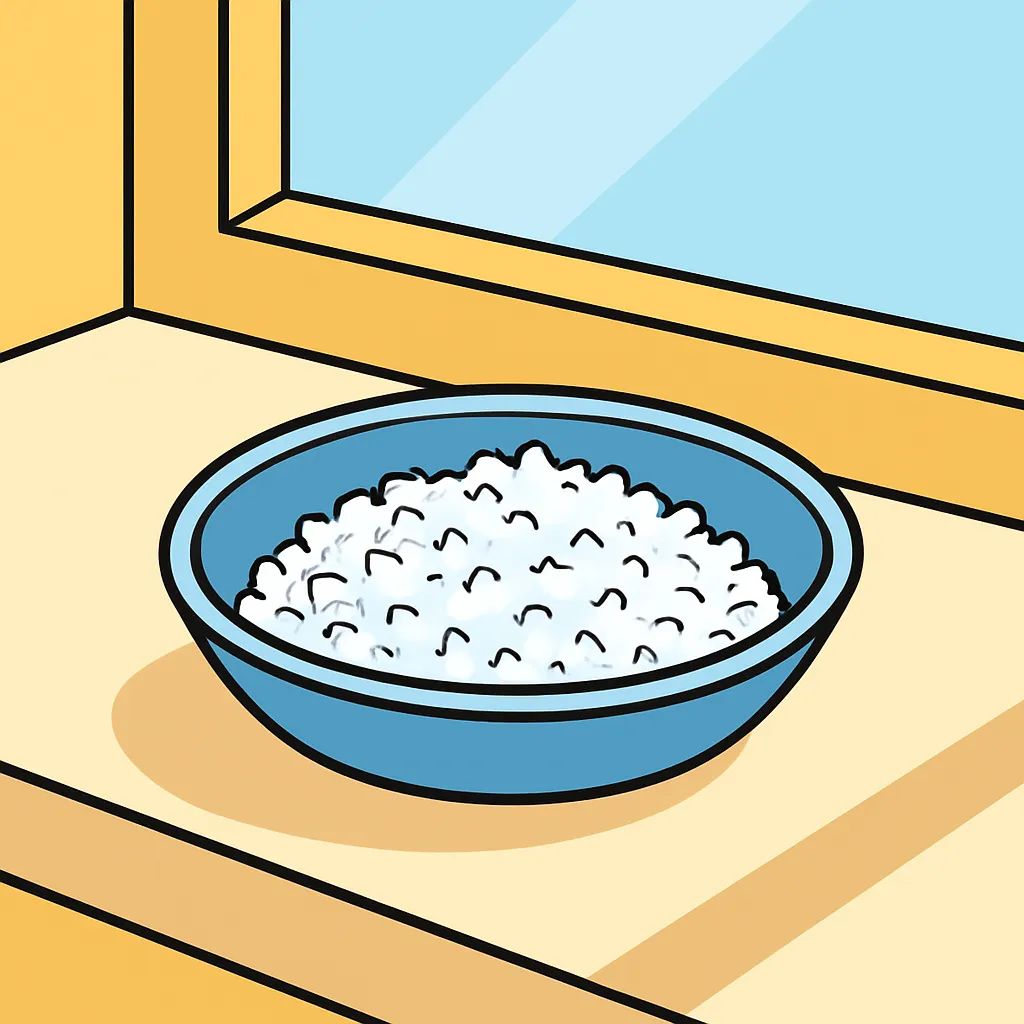
A student stirs 15 grams of salt into a cup of water, then lets all the water evaporate from the open cup. What is the weight of the dry salt left behind?
Heating a tightly sealed jar of air makes the total weight of the jar and the air inside increase.
A sealed plastic bottle is filled partway with water and frozen. The ice takes up more space than the water did. How do the weight and the space compare with before freezing?
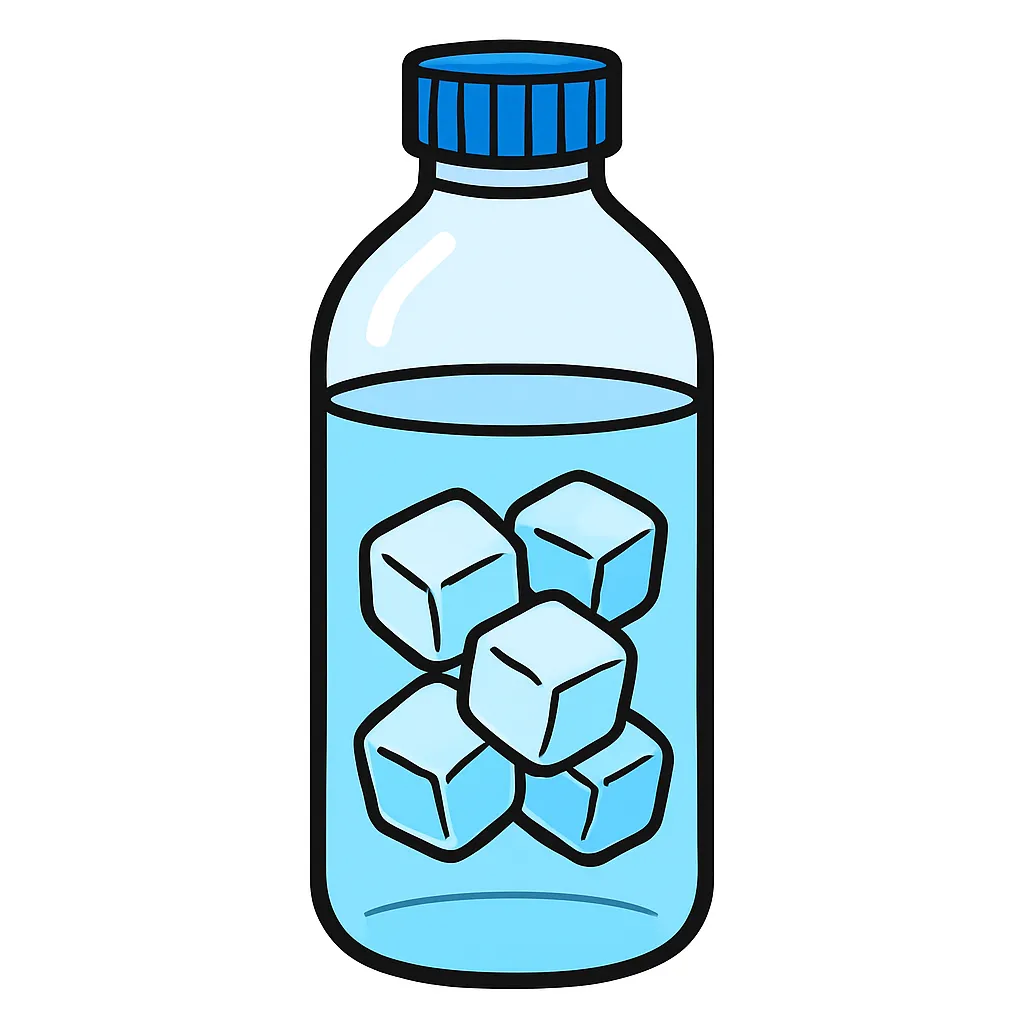
A class wants to find out whether cooling a sealed sample changes how much matter it contains. What tool should they use before and after the cooling?
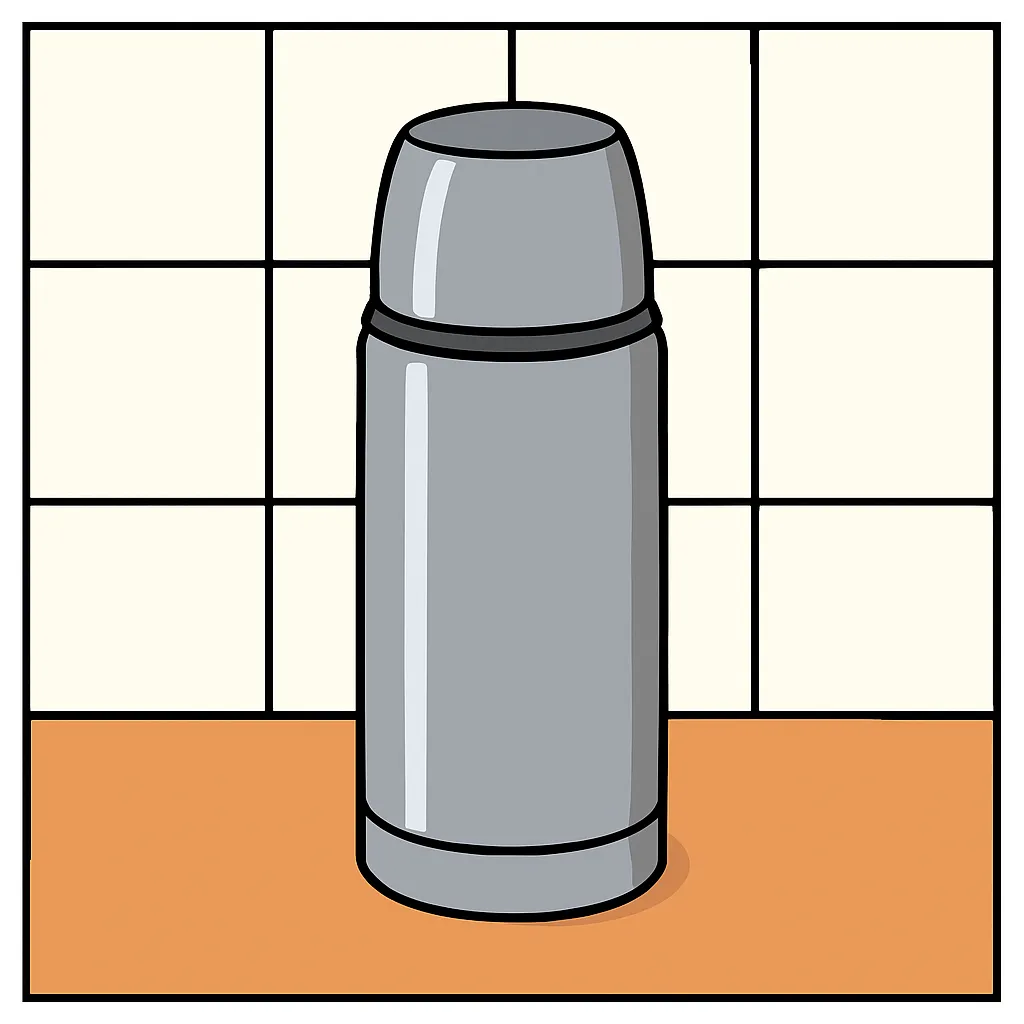
A sealed thermos of hot water is weighed, left overnight to cool to room temperature, and weighed again. The two readings match. What does this result show?
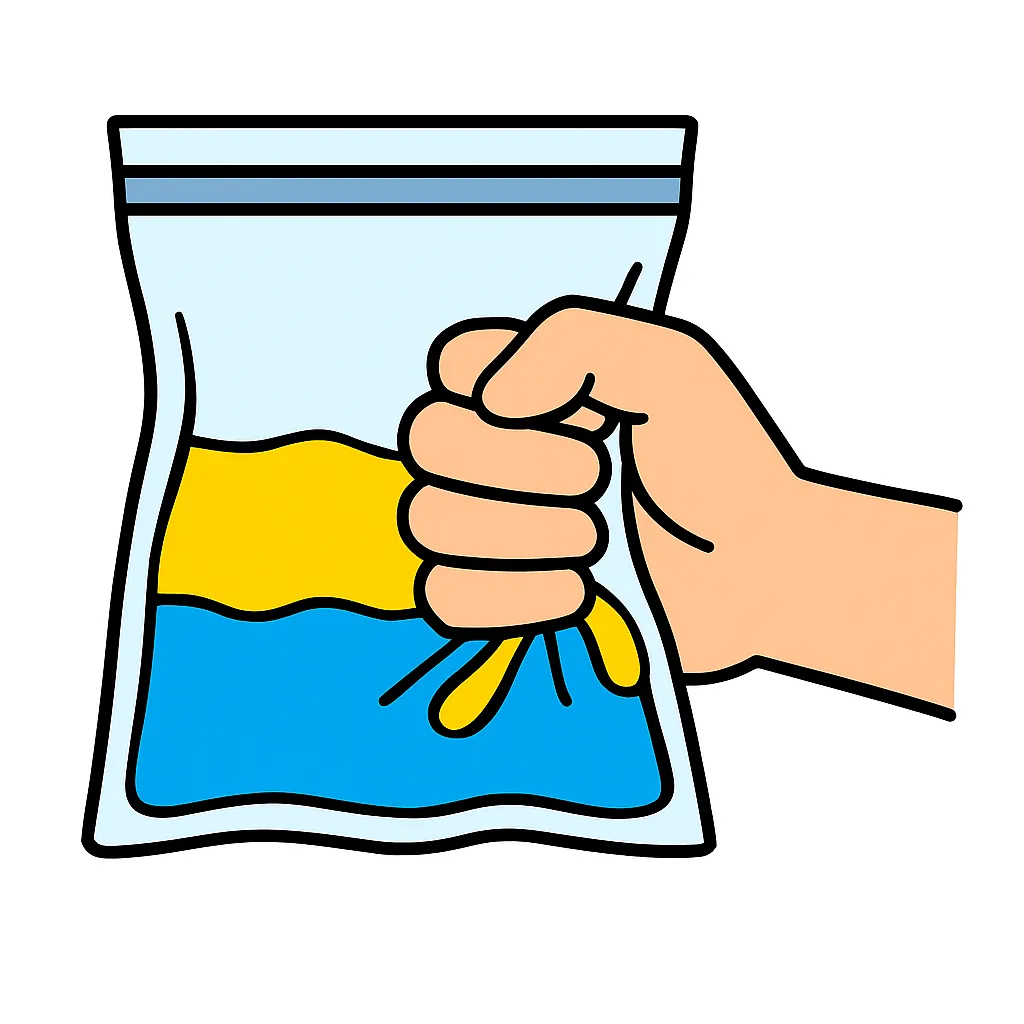
Two liquids are sealed in a plastic bag. When they mix, the bag turns blue and feels very cold. The bag and its contents weigh 90 grams before mixing. What do they weigh after?
Sugar stirred into warm water disappears from sight, yet the sealed cup weighs exactly what it did before. What is the best explanation?
Baking soda and vinegar are sealed inside a strong plastic bag. They fizz, and the bag puffs up with gas. Compared with the weight before the fizzing, the weight of the bag and its contents is:
The same baking soda and vinegar are mixed in an open cup instead. The cup weighs less after the fizzing stops. What best explains this result?

A sealed jar weighs 5 grams less after heating than it did before. This shows that heating destroyed some of the matter inside the jar.
Crack the passcode before the zombies get in.

Pick a tile, answer, hit bonuses and steals.

Material Properties: Color, Hardness, and Reflectivity
20 questions