Loading
by BlastRoom
The world's population clusters and the physical and human reasons for them.
#us_hs_human_geography

35 questions
One question set, multiple game modes. Tap any game to see it in action. Not sure which to pick?
Answer to place stones and capture territory.
Outrun the snow together.
Earn blasts, then hunt the other team.
Answer to earn energy, then climb.

The class blasts through walls together.
Bid on mystery lots. Most money wins.
Sell tours. Nice, standard, or a total scam.

Answer, restock, and serve the rush.
More correct answers pulls the rope your way.
Answer, then shoot down the alien wave.
Answer, then tap to leap the frozen ridge.
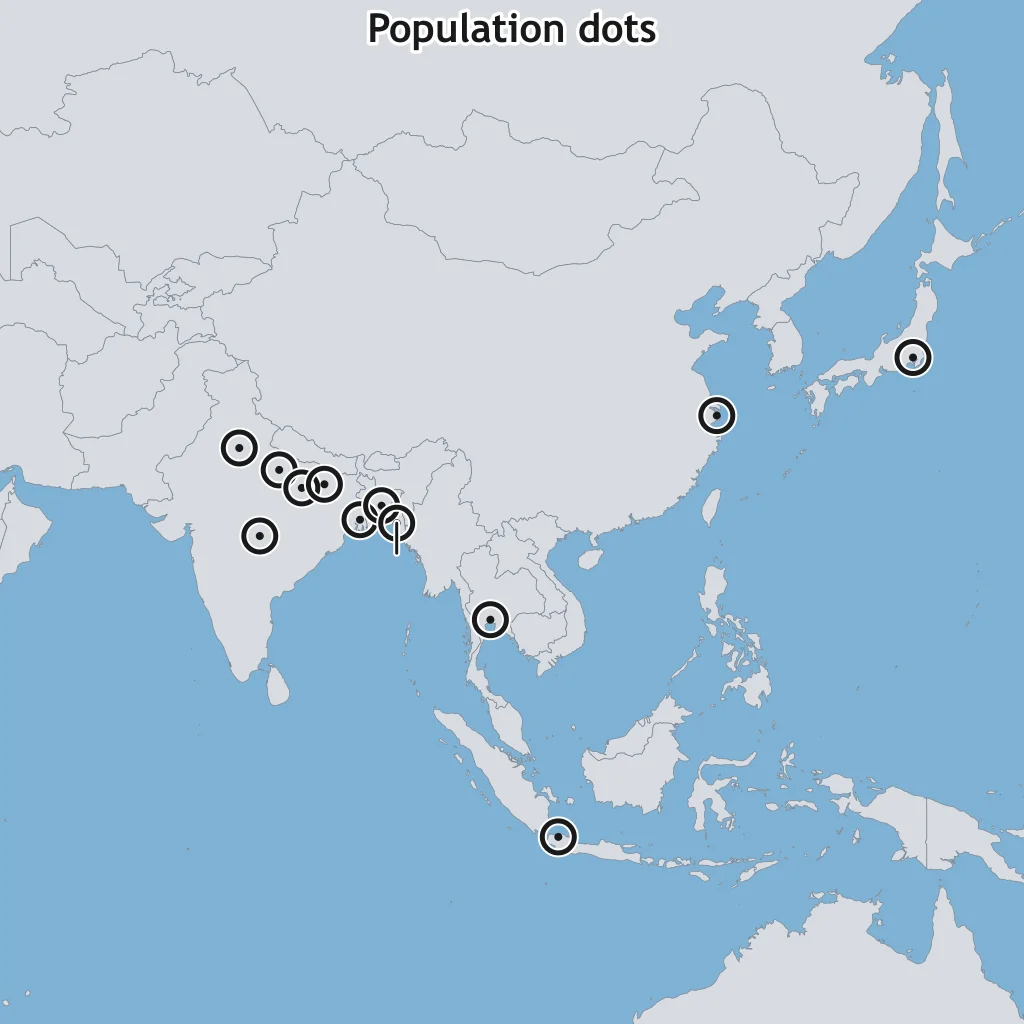
Use the dot map. Each dot stands for a large number of people. Which population cluster has the heaviest concentration of dots?
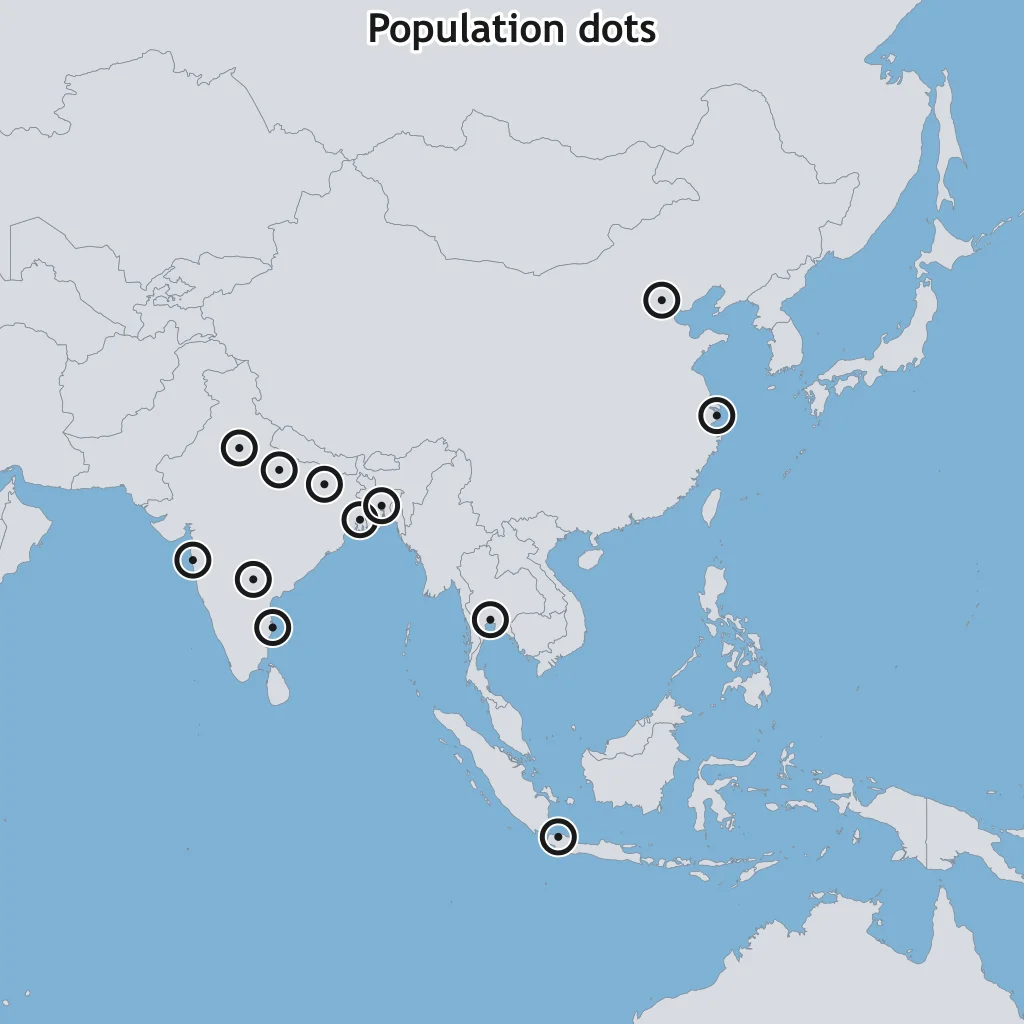
Use the dot map. Each dot stands for a large number of people. Which population cluster has the heaviest concentration of dots?
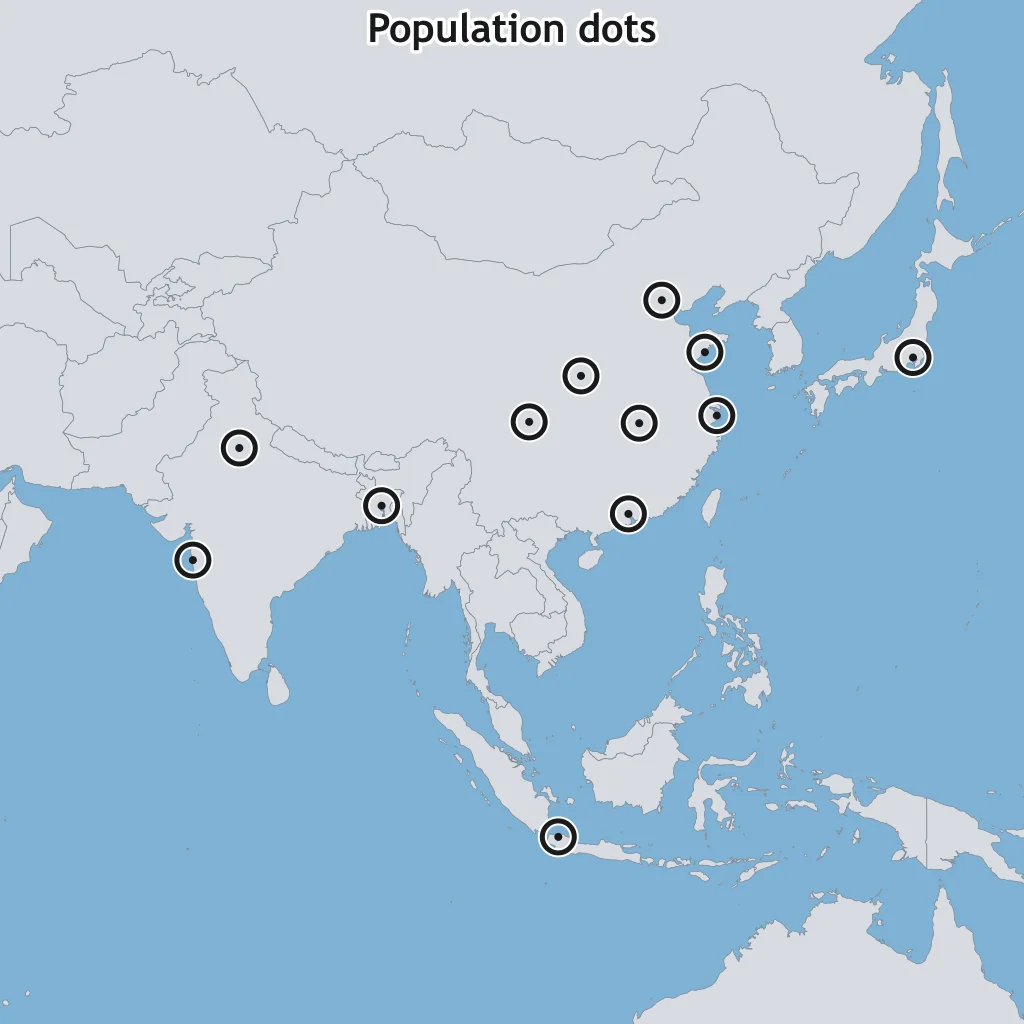
Use the dot map of Europe, North Africa and Southwest Asia. Each dot stands for a large number of people. Name the population cluster with the largest dot concentration on this map.
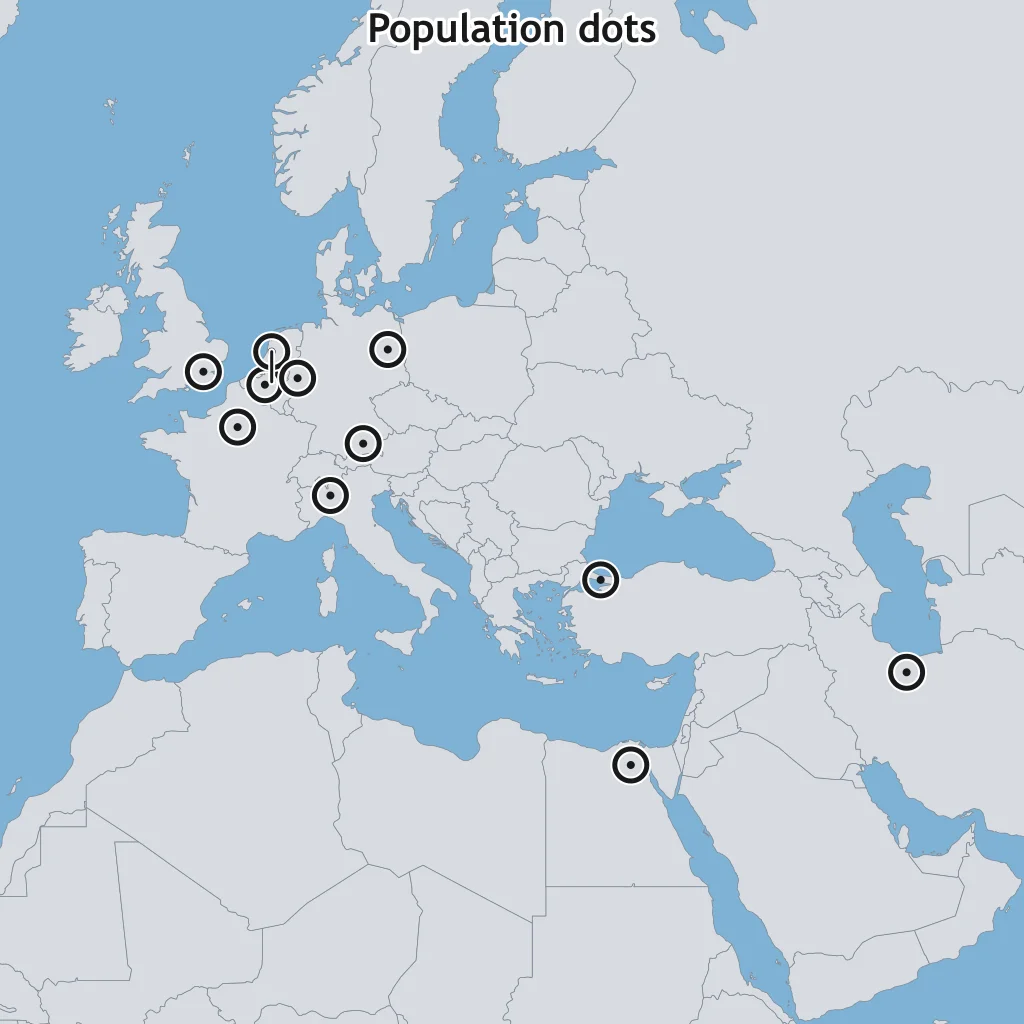
Use the dot map. Each dot stands for a large number of people. Which population cluster do most of the dots belong to?
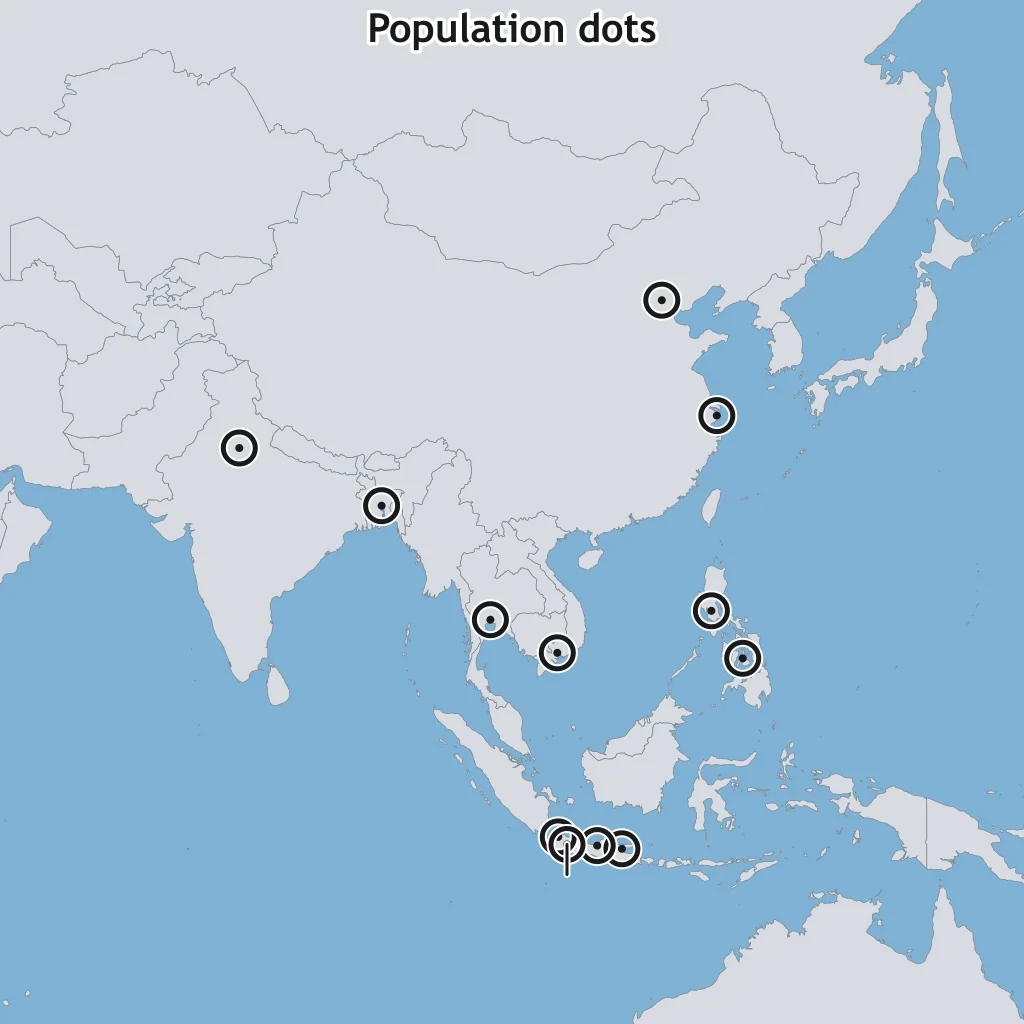
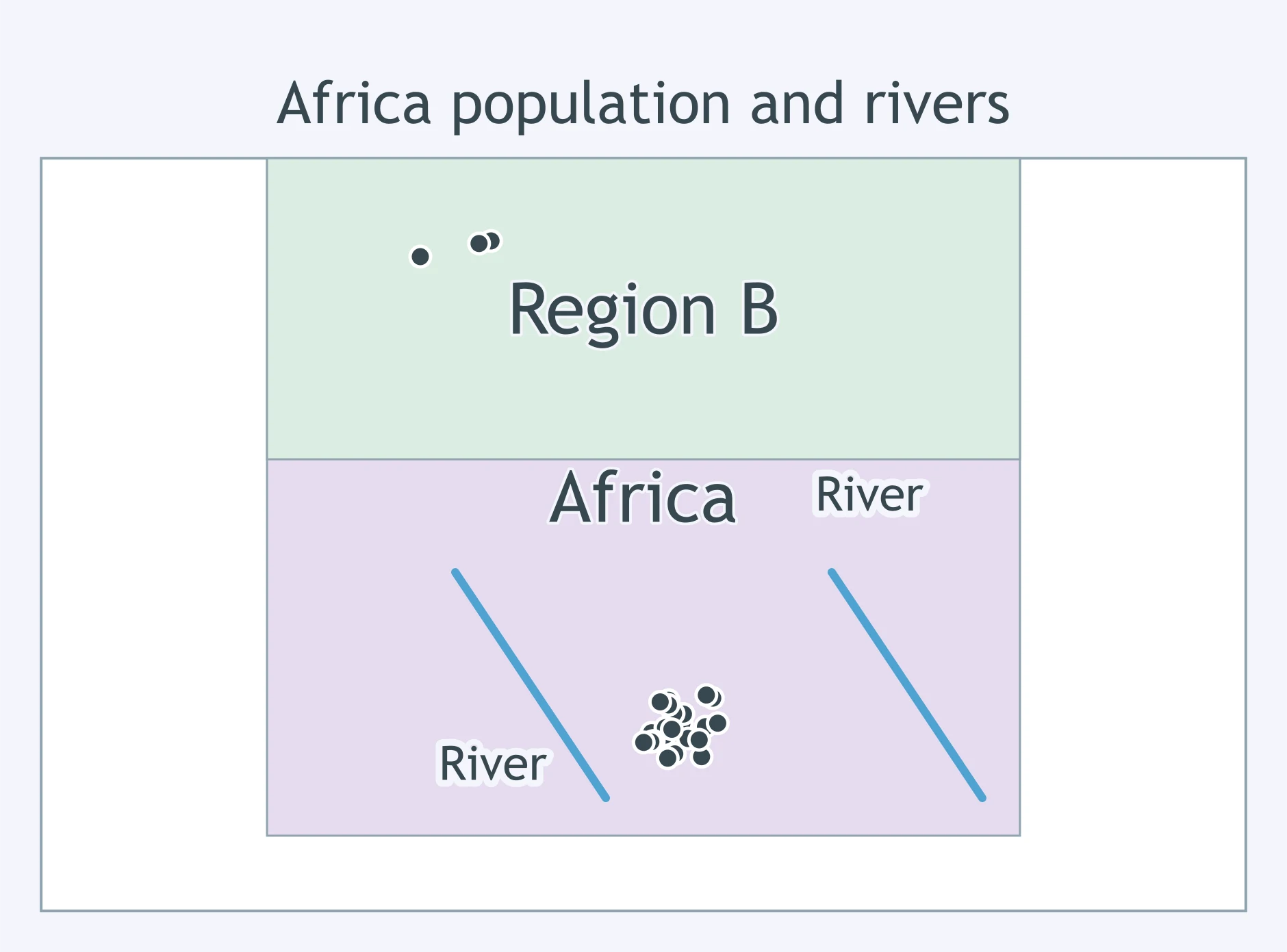
Use the dot map of northeastern Africa. Each dot stands for a large number of people. What explains where this cluster lies?
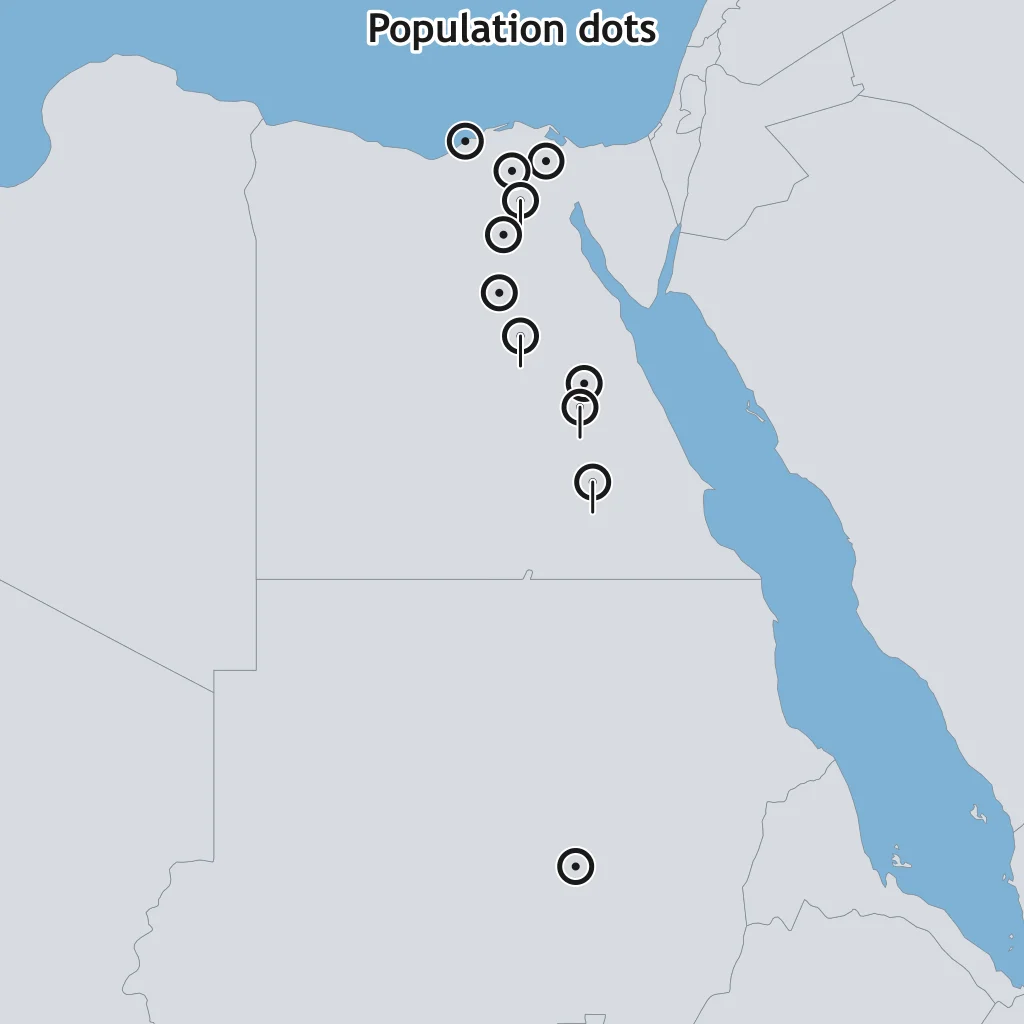
Use the dot map. Each dot stands for a large number of people. Which population cluster do most of the dots belong to?
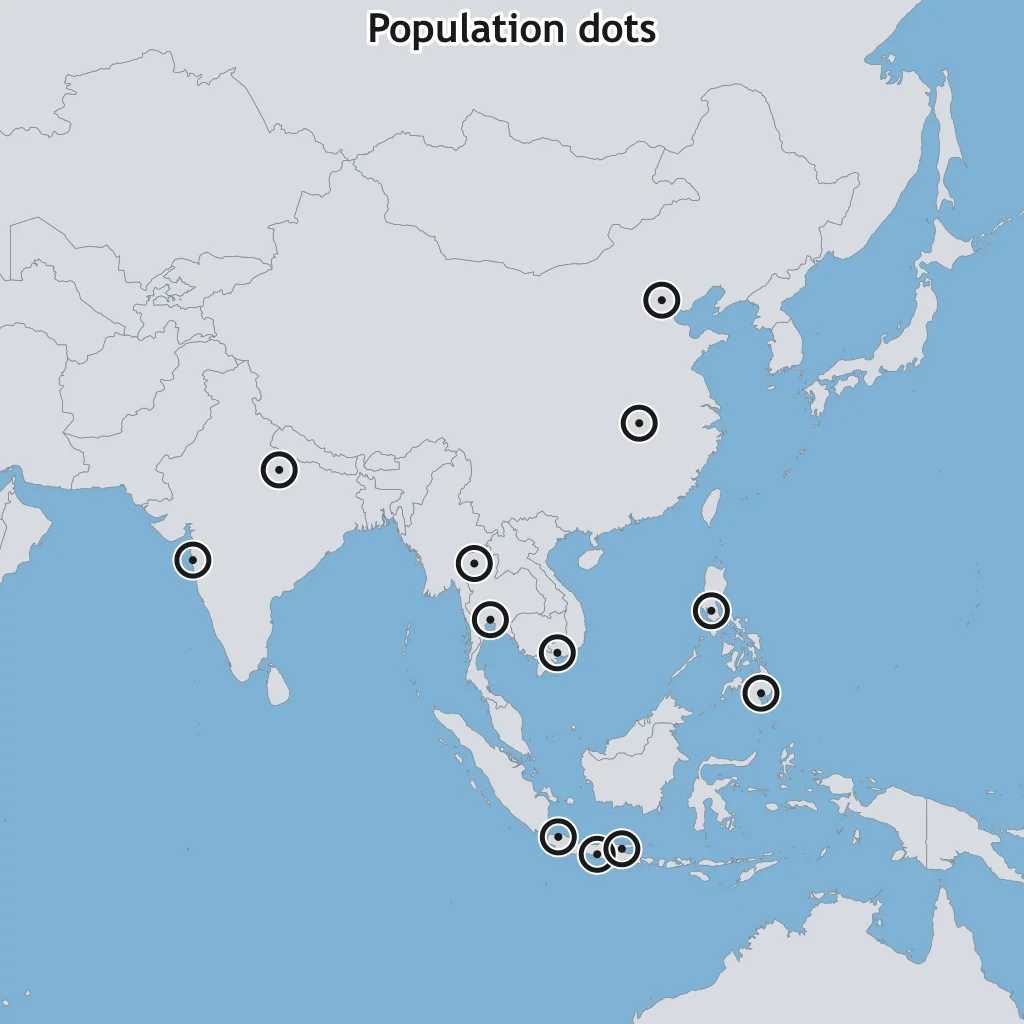
Use the dot map. Each dot stands for a large number of people. Which population cluster has the heaviest concentration of dots?
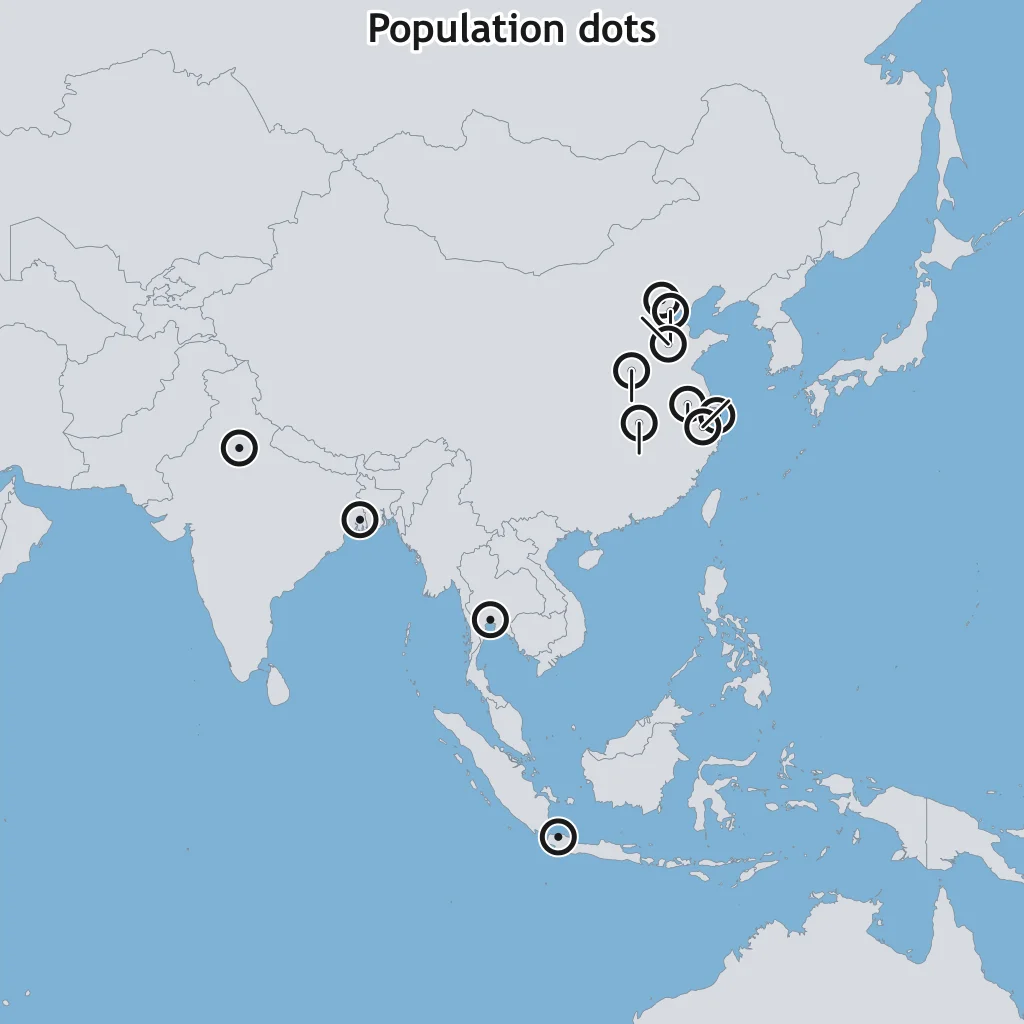
Use the dot map. Each dot stands for a large number of people. Which population cluster has the heaviest concentration of dots?
Almost all Egyptians live in a narrow ribbon and a delta while most surrounding land is desert. Which physical factor best accounts for that concentration?
A dense rural population farms the Ganges-Brahmaputra plain of South Asia. What physical factor best explains the density?
The Indonesian island of Java has one of the world's highest rural population densities. Which physical factor is most important?
The North China Plain has long supported intensive farming and dense settlement. Which physical factor best fits this density?
Northwestern Europe, from England to the Netherlands and northern Germany, has long had dense settlement. Which physical factor helped support that pattern?
The Mekong and Red River deltas in Vietnam support large farming populations. Which physical factor best explains that density?
Most people in Japan live in Tokyo, Osaka and other cities on the coast. Which physical factor shapes this pattern?
Mediterranean Europe has dense settlement in coastal lowlands and river valleys. Which physical factor supports that density?
Region A on the map is sparsely settled. Which environmental constraint best explains low population density there?
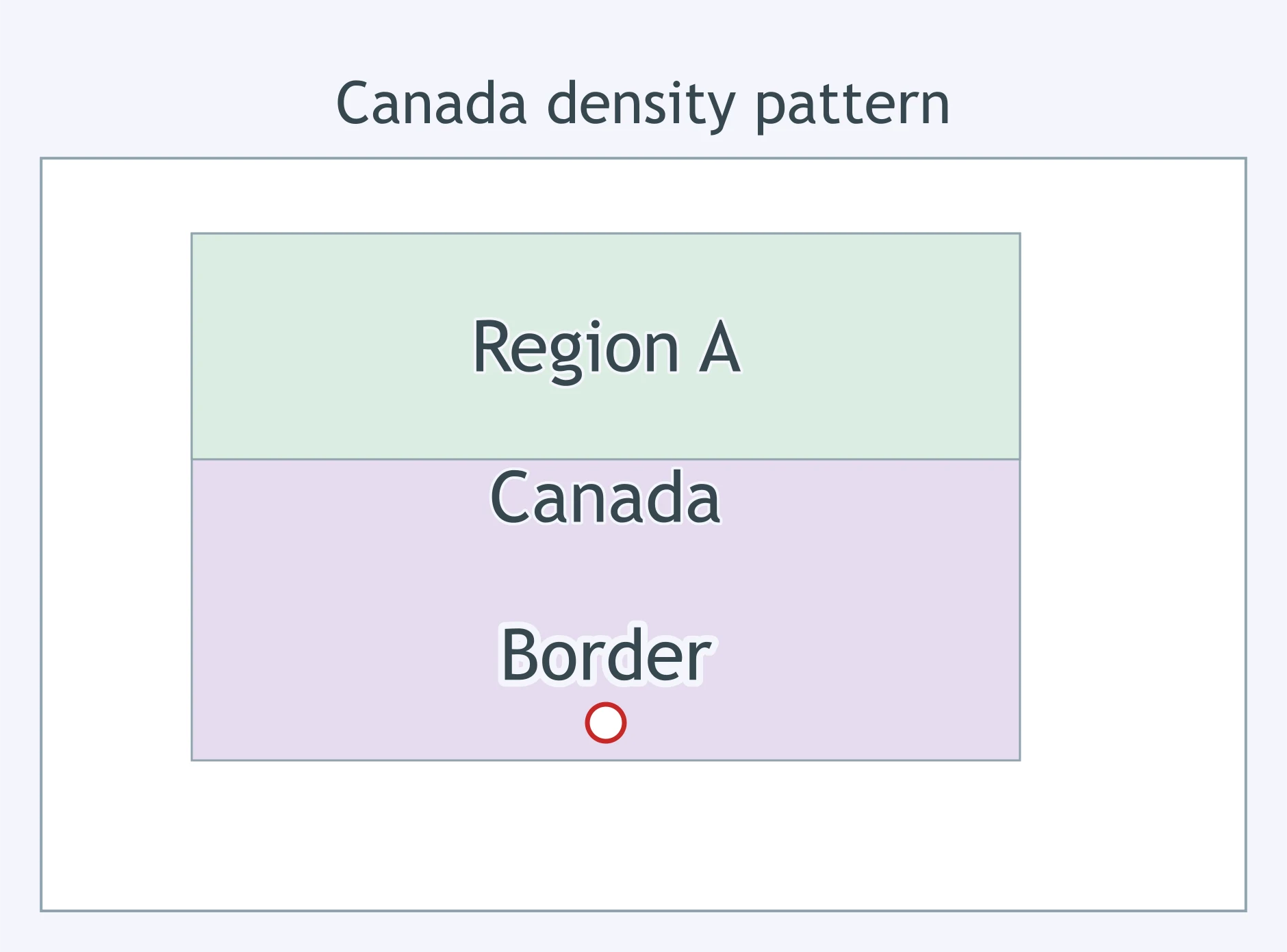
Region B on the map has very low population density. Which environmental constraint is the best explanation?
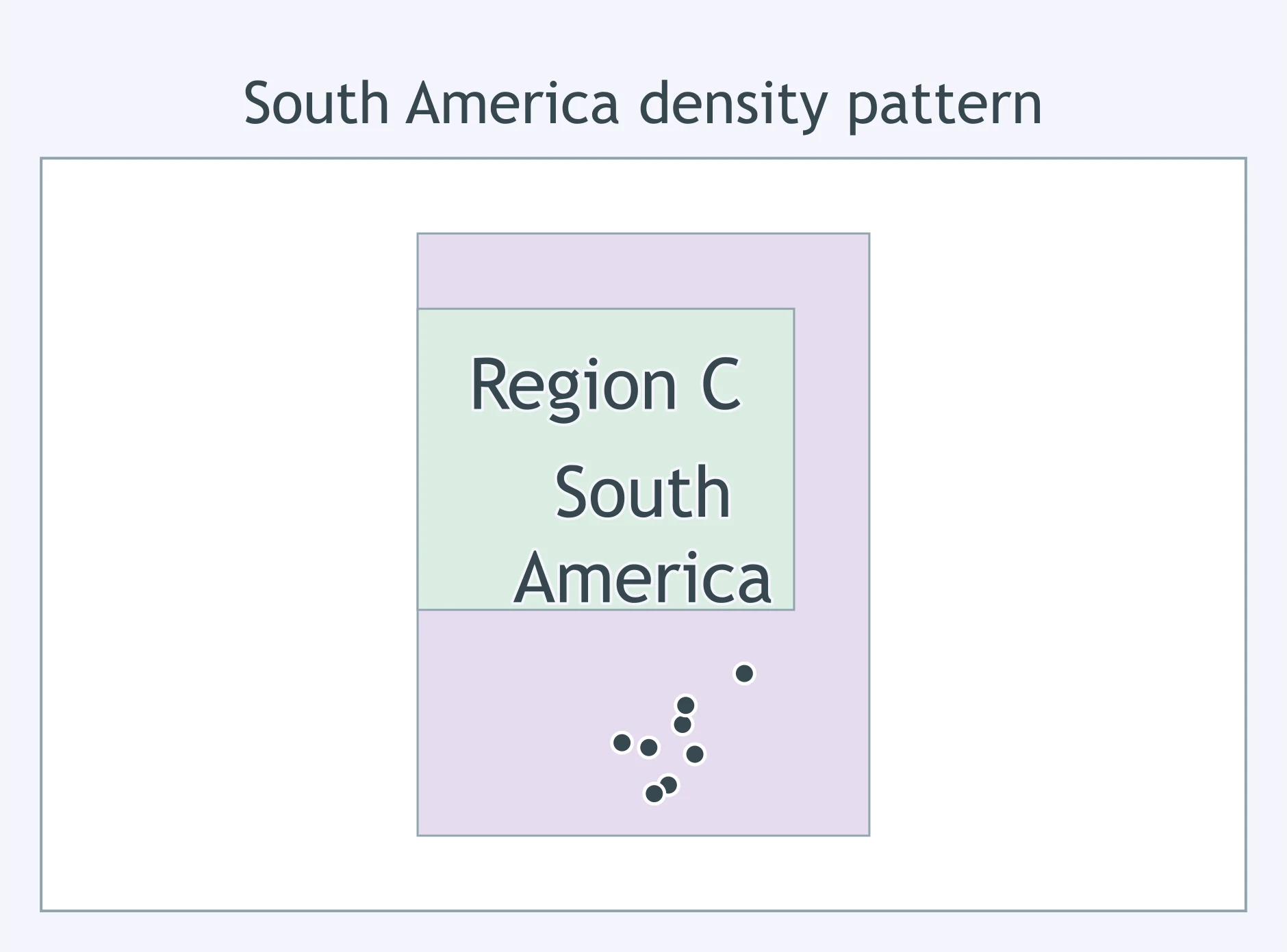
Region C on the South America map is sparsely settled compared with nearby coasts. Which constraint best explains that pattern?
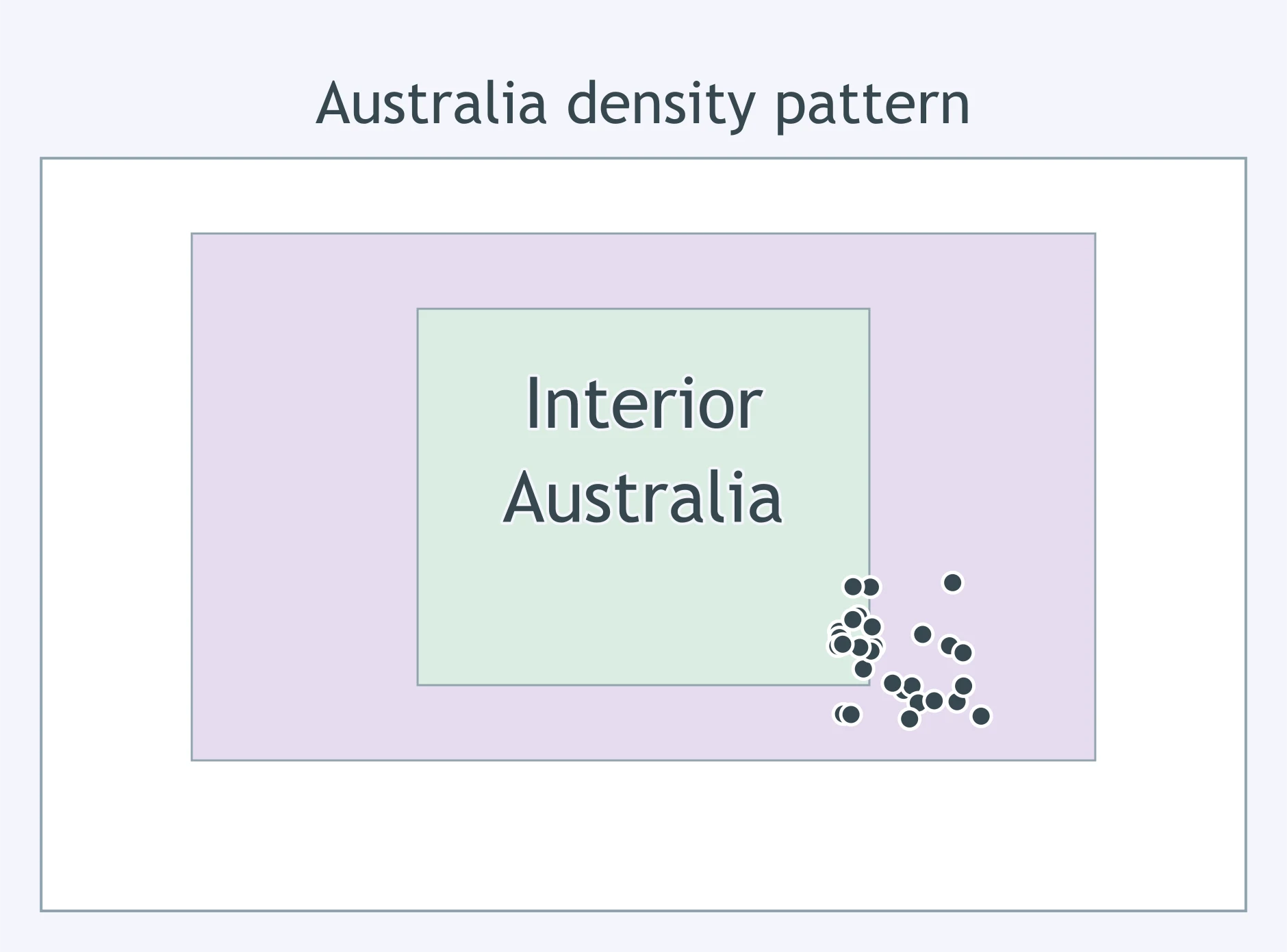
The shaded interior region on the Australia map has low density. Which environmental constraint best accounts for that pattern?
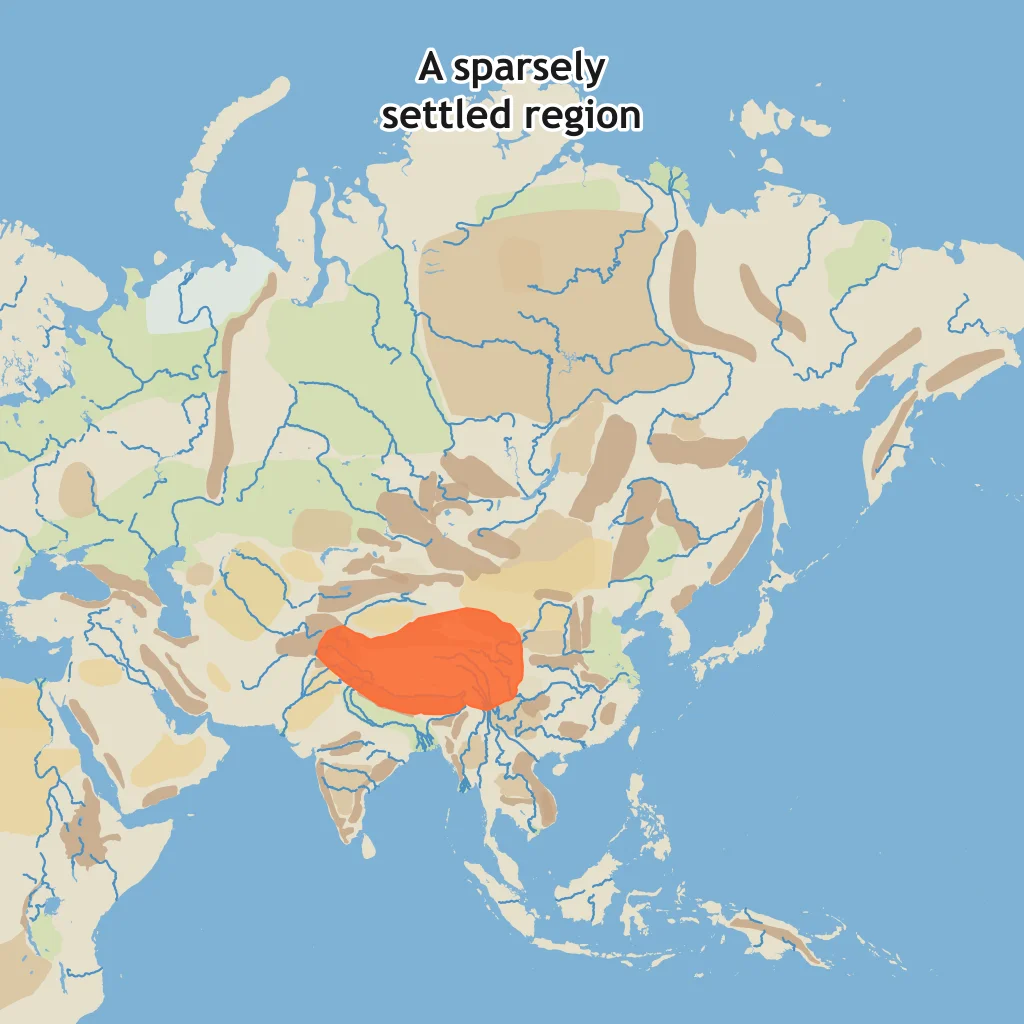
The shaded region of Asia is very sparsely settled. Which environmental constraint most directly limits settlement there?
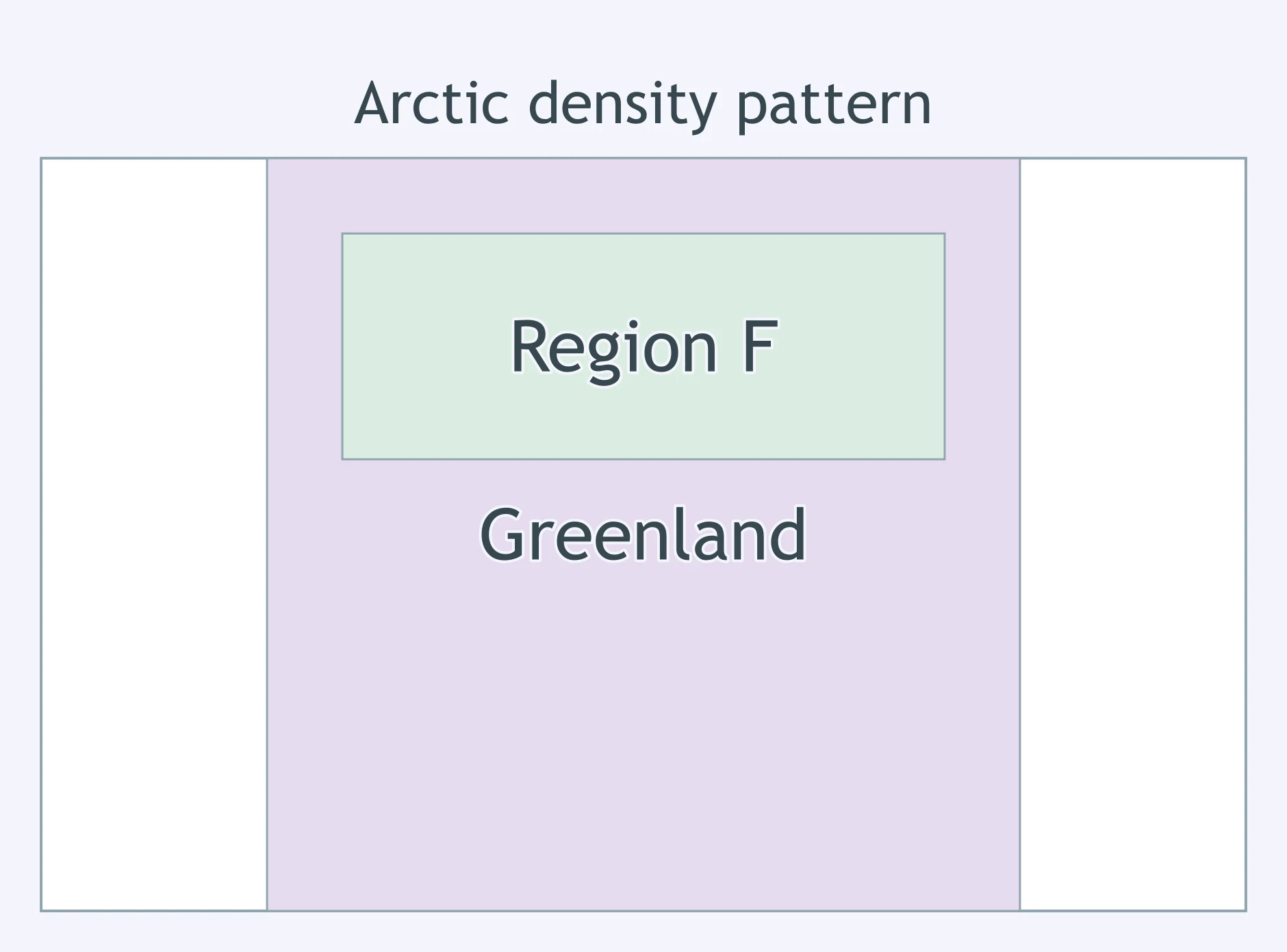
Region F on the Arctic map has very few permanent settlements. Which environmental constraint best explains it?
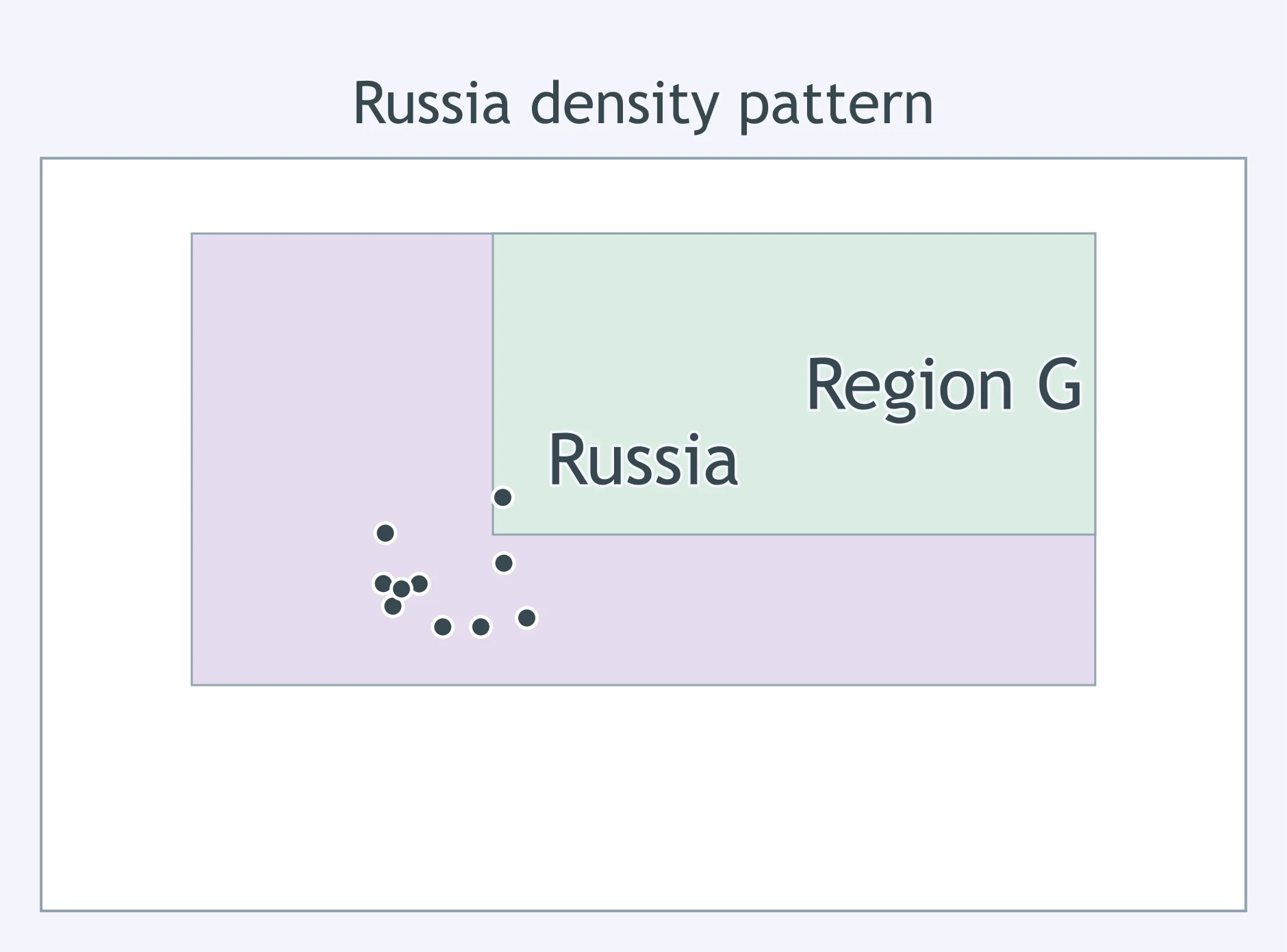
Region G on the Russia map has low density despite large land area and resources. Which environmental constraint is most important?
Coastal provinces of China gained many migrants after 1980 while many interior provinces grew more slowly. Which human factor best explains the shift?
Oil-rich Gulf states such as Qatar and the United Arab Emirates have large foreign-born workforces. Which factor redistributed population there?
In the late 1950s, Brazil built the city of Brasília and new highways toward its interior. Which human factor best explains the population redistribution that followed?
From the 1970s to the 1990s, millions of people moved from crowded Java to less populated Indonesian islands such as Sumatra and Kalimantan. Which factor best describes this redistribution?
After World War II, many US Sun Belt cities such as Houston, Atlanta and Phoenix grew rapidly. Which factor best accounts for that redistribution?
In many countries, the largest city grows much faster than smaller towns as rural migrants keep arriving. Which human factor best explains this redistribution?
A remote region gains residents after a large mineral deposit is developed. Which human or economic factor best accounts for the change?
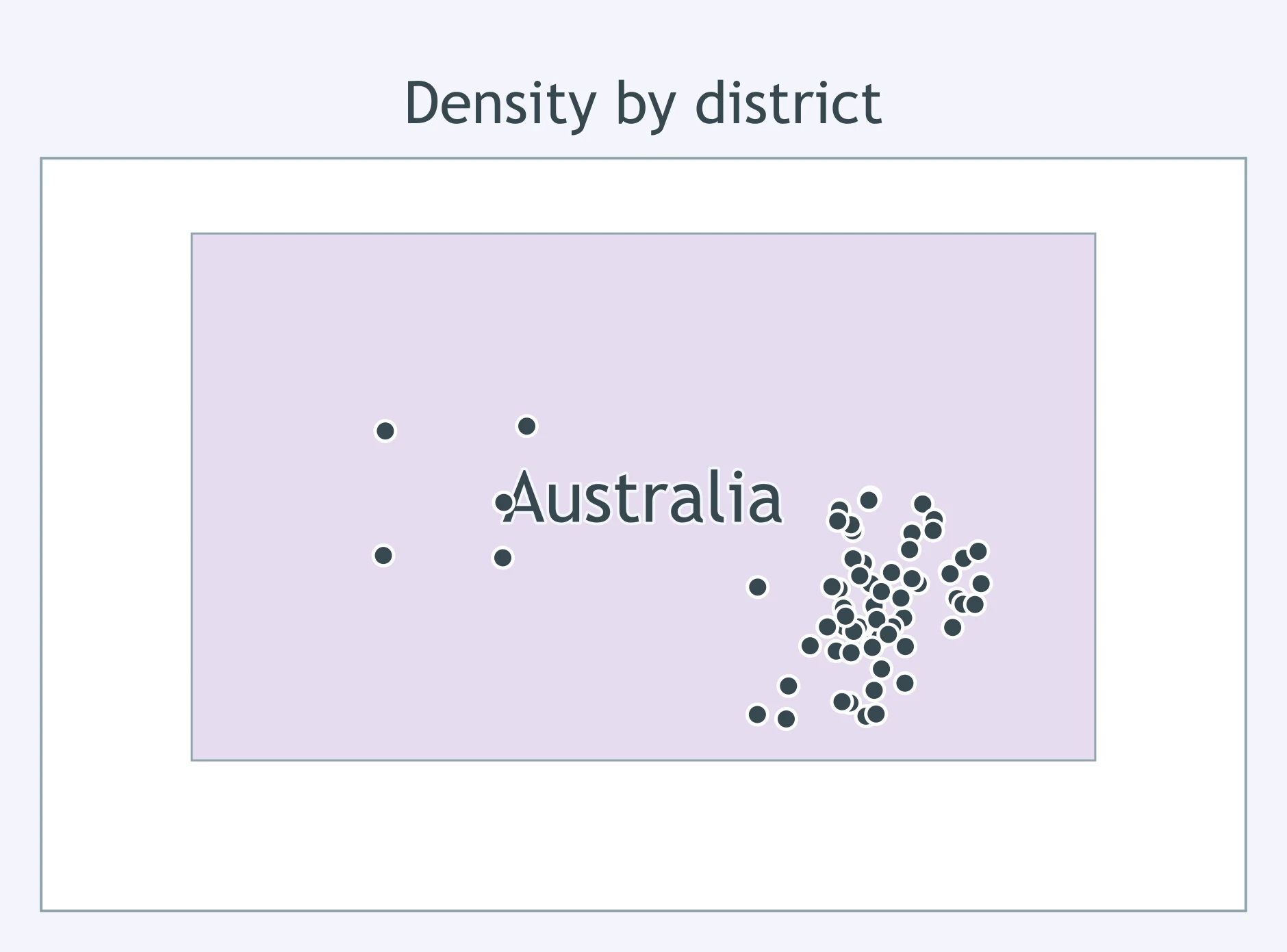
Use the density map of Australia. Which statement is best supported by the pattern shown?
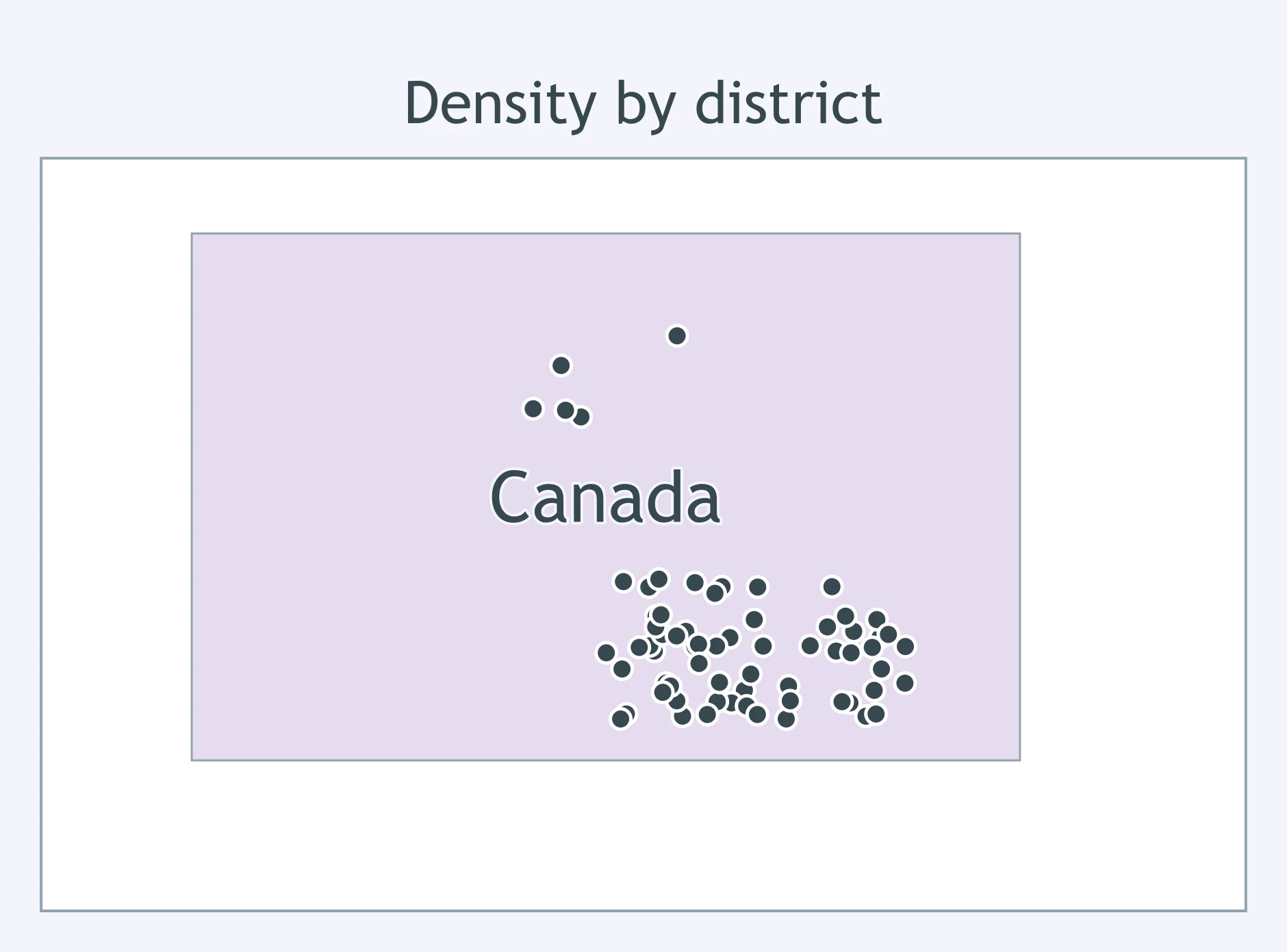
Read the Canada density map. Which statement best matches the shaded pattern?
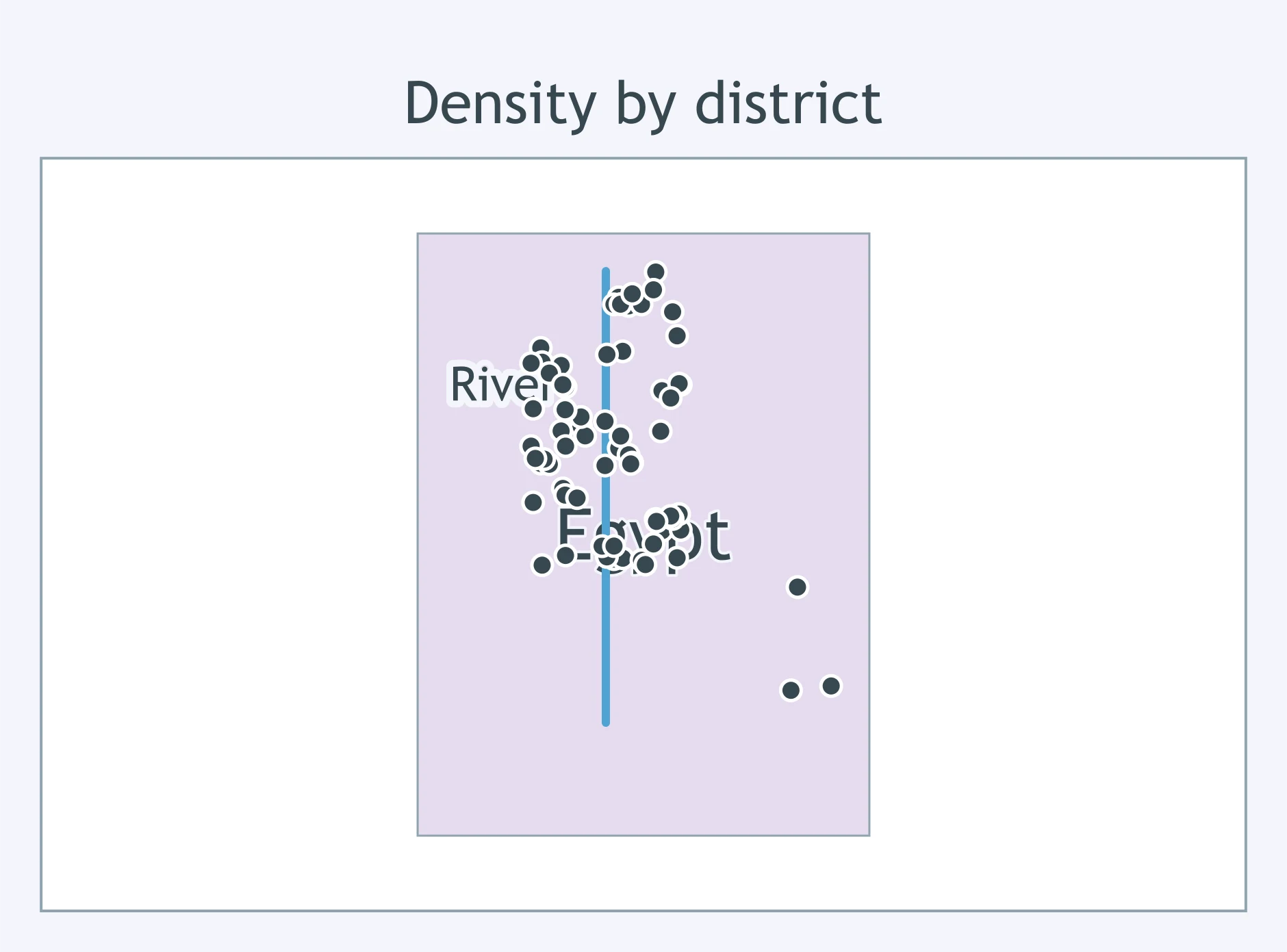
Use the Egypt density map. Which statement is best supported by the pattern shown?
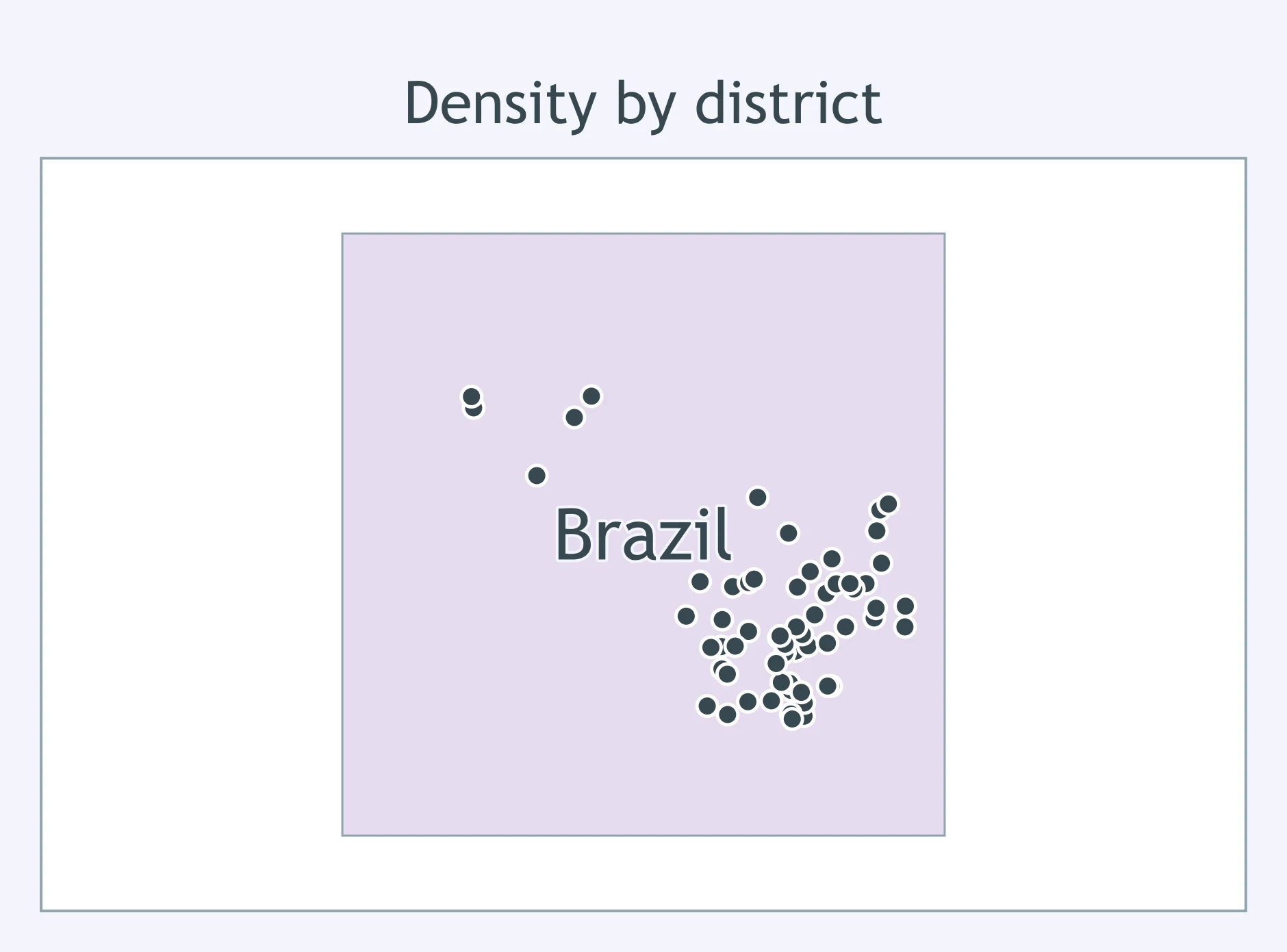
Read the Brazil density map. Which statement best describes the pattern?
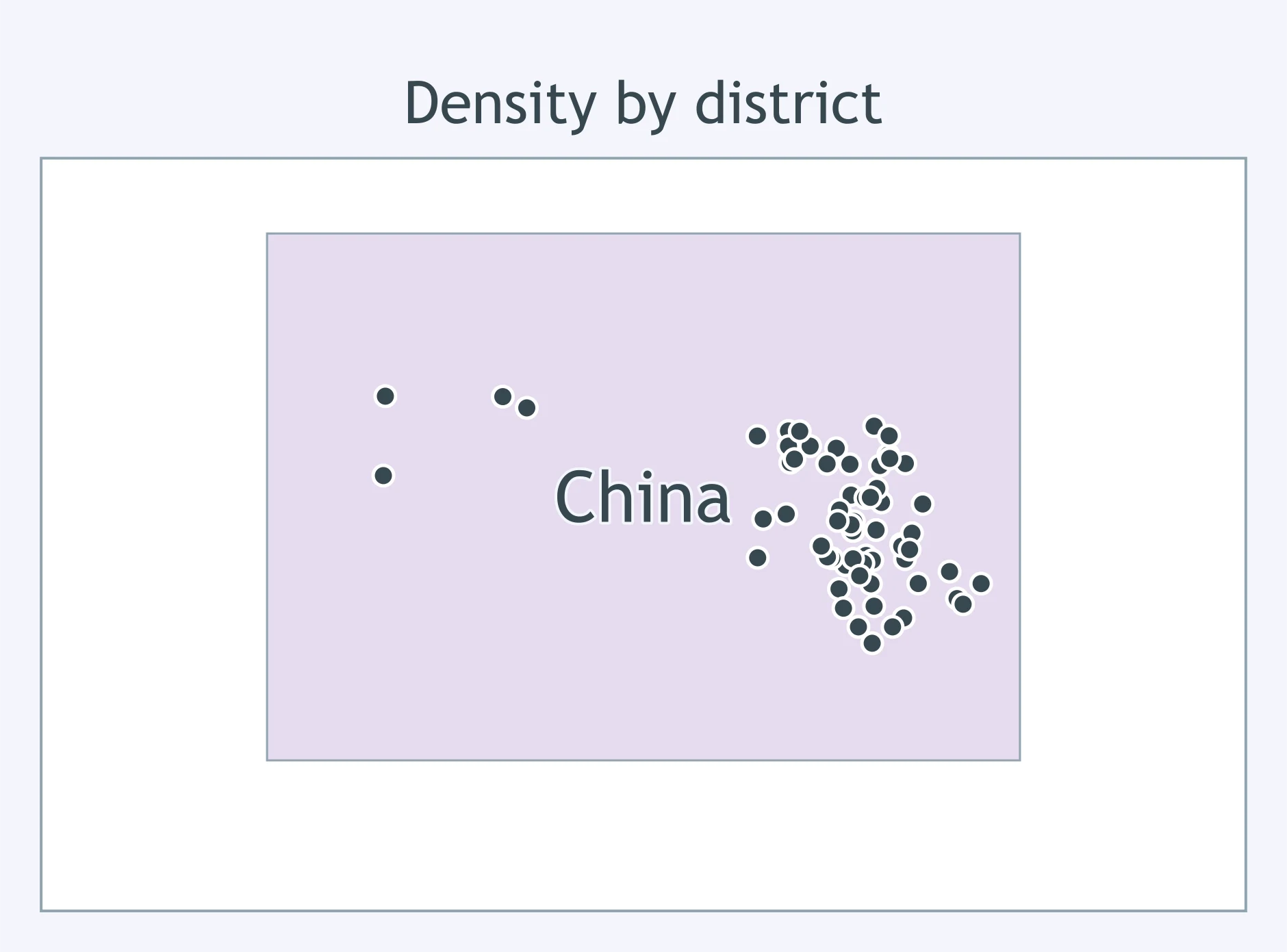
Use the China density map. Which statement is best supported by the shading?
Patterns of Distribution: Density, Concentration, Dispersal and Pattern
25 questions
Human-Environment Interaction: Environmental Determinism, Possibilism and Sustainability
30 questions

Regions: Formal, Functional and Perceptual
30 questions
Thinking Geographically: Mixed Review
60 questions
Population Density: Arithmetic, Physiological and Agricultural
Crack the passcode before the zombies get in.
Answer, then swat bugs for bonus points.
Race through questions at your own speed.
Same question on every screen. Fastest wins.

Pick a tile, answer, hit bonuses and steals.
30 questions