Loading
by BlastRoom
Texas Grade 6 world societies: how past events shaped present-day institutions, languages and cultural practices around the world.
#history#us_grade_6_social_studies
20 questions
One question set, multiple game modes. Tap any game to see it in action. Not sure which to pick?
After World War II ended in 1945, fifty-one countries founded a worldwide organization to settle disputes and encourage cooperation. Name that institution.
In 1951 six Western European nations pooled their coal and steel industries to make war between them harder to start. That cooperation later grew into which organization?
Spanish, Portuguese, French, Italian and Romanian all developed from Latin. Which ancient state's long rule spread Latin across the regions where those languages are spoken?
Spanish is the official language of most of Central and South America, while Portuguese is the official language of Brazil. Which historical development explains that split?
European powers met in Berlin in 1884 and 1885 and divided African territory among themselves. What lasting effect did that meeting have on Africa's political map?
British rule over South Asia ended in 1947, when the territory was partitioned into two independent states. Which two countries were created by that partition?
French is an official language of government and schooling in Senegal and Ivory Coast. Which historical development explains its official role in those West African states?
In 1215 English nobles forced their king to accept a charter limiting royal power. Which idea about government, later built into many constitutions, grew from that document?
Ancient Athens let eligible citizens vote directly on laws in an assembly. How do large modern states organize lawmaking differently from that assembly?
Imperial China selected government officials through written civil service examinations for many centuries. Which principle of that system do many modern governments use when hiring?

The Industrial Revolution moved production out of homes and workshops into machine-powered factories. Which lasting change in settlement patterns followed that shift?
In several post-Soviet states, the major factories and energy companies are still owned or closely controlled by the government. Which past development explains that arrangement?
A peninsula in East Asia was divided in 1945 after Japanese rule ended, and two separate governments formed. Which later conflict ended in a 1953 armistice that left the peninsula divided?
Millions of enslaved West Africans were carried to Brazil and the Caribbean between the 1500s and 1800s. Which lasting cultural influence in those regions came from that forced migration?
After 1868 Japan's Meiji government built railroads, telegraph lines, shipyards and factories within a few decades. Which change to Japan's economy did that program begin?
Arabic is the main language and Islam the main religion across North Africa and Southwest Asia. Which expansion spread both through that region after the 600s CE?
France adopted a decimal system of weights and measures in the 1790s. Which international standard, now used in science and trade worldwide, grew from that decision?
Canada, Australia and Sweden keep a monarch as head of state while elected parliaments make the laws. Which historical development produced that arrangement?
Merchants and travelers on the Silk Roads carried more than trade goods between regions. Which lasting result in East Asia came from that exchange?
In 1871 Japan's Meiji government abolished the old feudal domains and replaced them with prefectures. What effect did that reform have on Japanese government?
Crack the passcode before the zombies get in.

Pick a tile, answer, hit bonuses and steals.
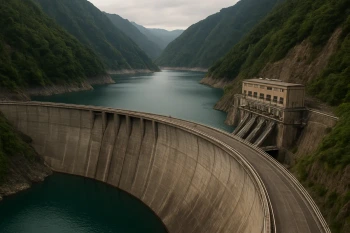
Human Modification of the Environment
20 questions