Loading
by BlastRoom
Texas Grade 6 world societies: how individuals and groups influenced described turning points in world history.
#history#us_grade_6_social_studies
20 questions
One question set, multiple game modes. Tap any game to see it in action. Not sure which to pick?
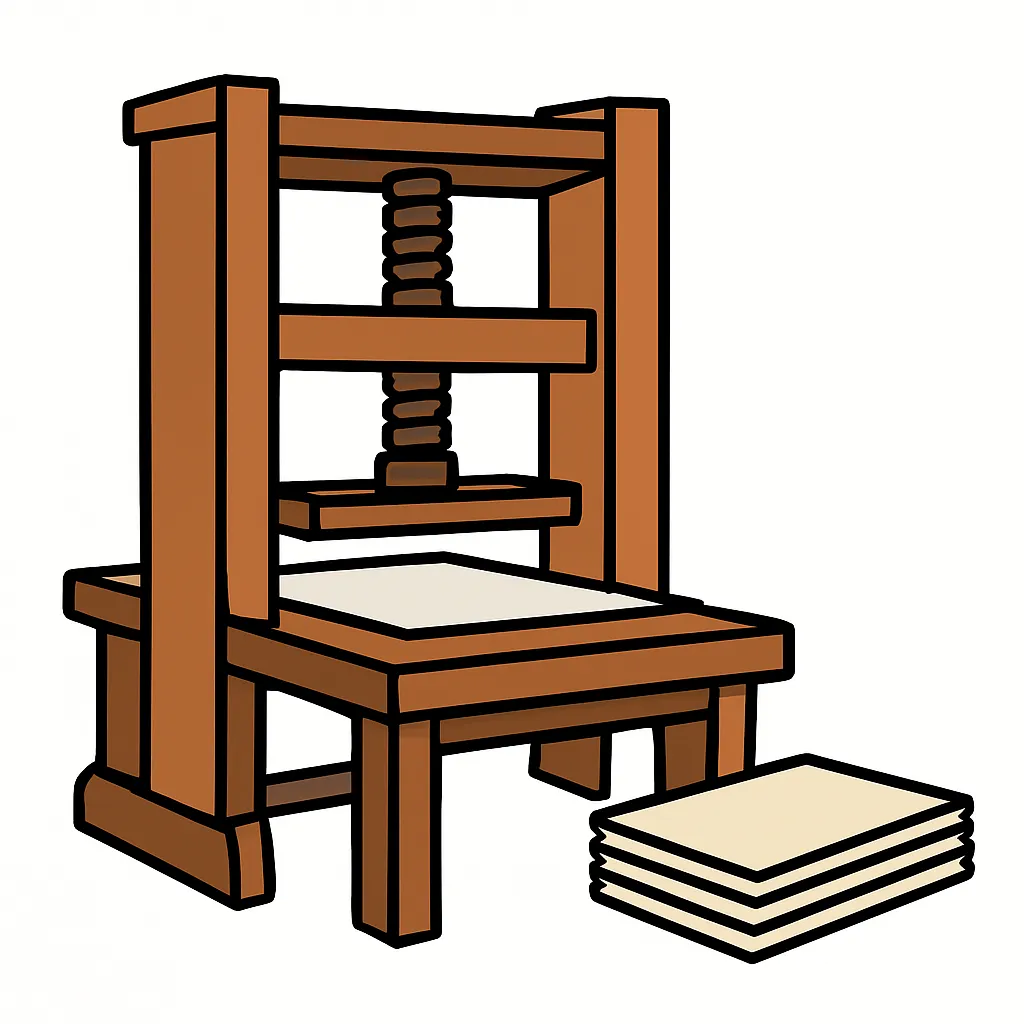
In the 1400s Johannes Gutenberg built a press that printed with movable metal type. Before that, European books were copied out by hand, one at a time. What changed for books in Europe?
Between 1810 and 1825, independence movements across Spanish America fought and negotiated until Spanish rule on the mainland ended. What changed on the region's political map?
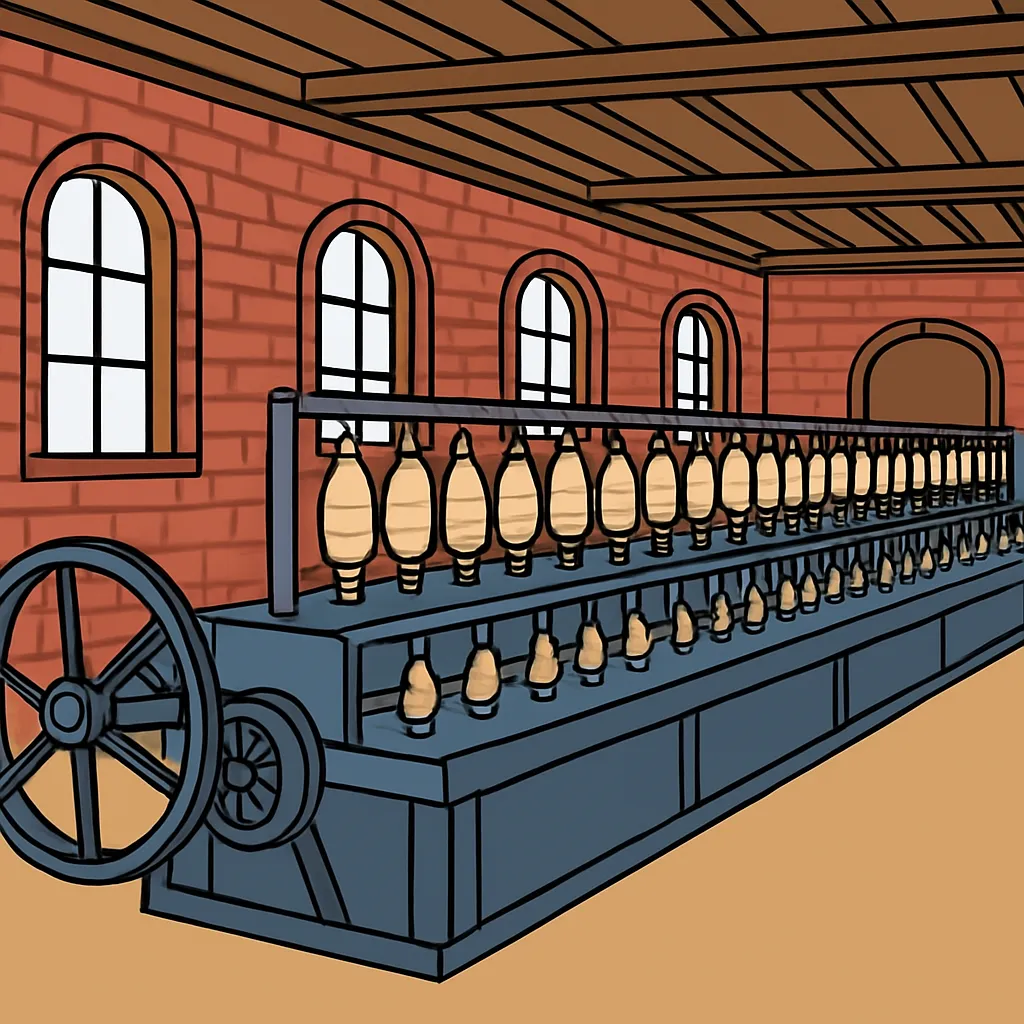
In Britain in the late 1700s, mill owners put powered spinning and weaving machines into large buildings. Before that, most cloth was spun and woven by families in their own homes. What changed for cloth workers?
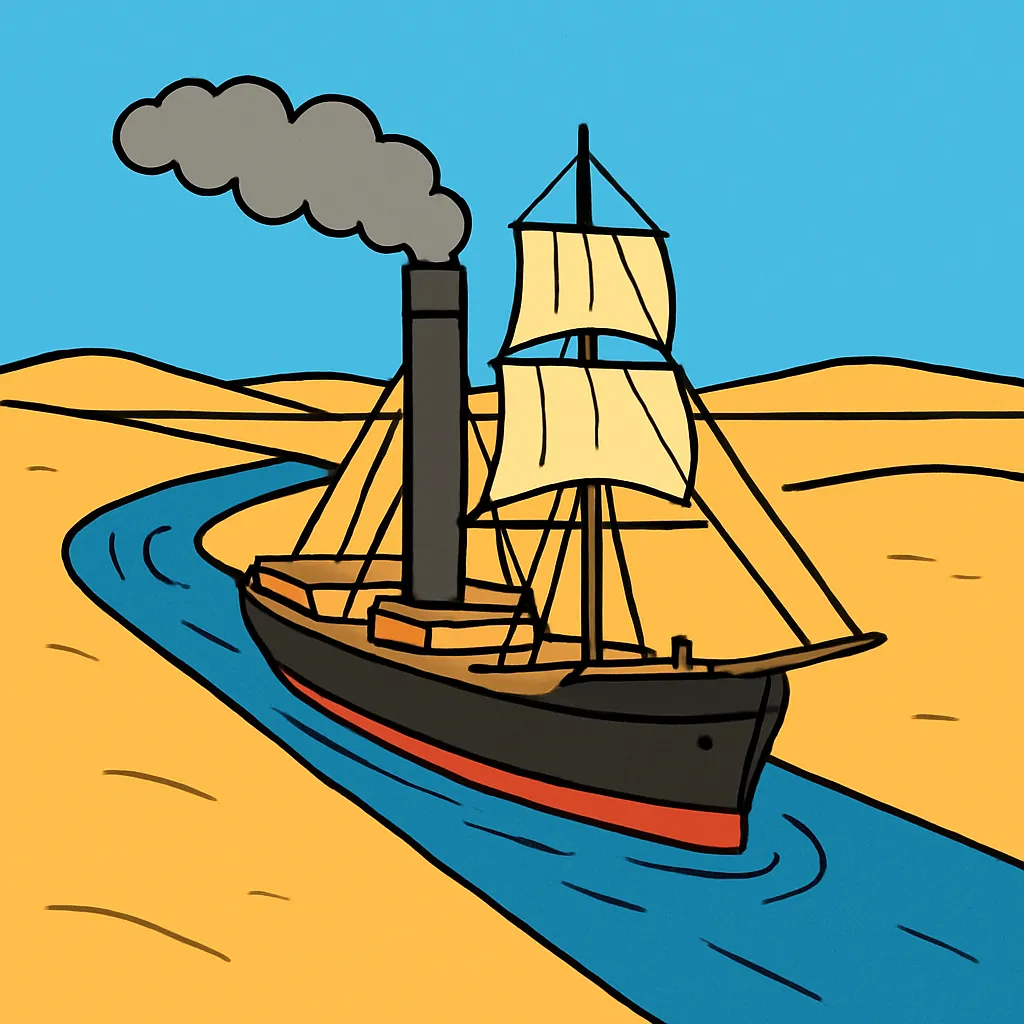
In 1869 the Suez Canal opened, joining the Mediterranean and Red Seas. Before that, ships sailing from Europe to Asia went all the way around Africa. What change makes the canal's opening a turning point for trade?
For six years two neighboring countries each sent armies into the same river valley to take its farmland, and each burned the other's crops. What kind of relationship between these two societies does this describe?
Two societies that end a war with a treaty and then both keep its terms are showing conflict rather than cooperation.
After the Second World War, delegates from many countries met in 1945 and founded the United Nations to settle disputes by talking. What practice did the new organization set up?
In the 1800s, reform groups in several European countries campaigned for written constitutions. Before that, a monarch's powers rested on custom and could shift. What changed where these campaigns succeeded?
Through the late 1700s and 1800s, abolition societies in Britain petitioned, published, and organized boycotts until Parliament acted. Before that, buying and selling enslaved people was legal in the British Empire. What changed in law?
For decades, suffragists in several countries petitioned, marched, and lobbied lawmakers. What legal change did their campaigns win?
In industrial cities in the 1800s, workers formed unions and went on strike over long hours and unsafe machines. Before that, each employer alone set hours and safety rules. What changed for those workers?
After the Meiji Restoration of 1868, Japan's new government replaced rule by regional lords with a central government and sent students abroad to study. Before that, Japan had limited contact with other countries. What changed?
In the 1790s Edward Jenner noticed that milkmaids who had caught cowpox did not catch smallpox, and he tested a deliberate cowpox inoculation. Before that, there was no safe protection from smallpox. What changed in medicine?

Cholera outbreaks in crowded 1800s cities were traced to dirty drinking water, and city governments hired engineers to fix the problem. What city service in the modern world grew out of that change?
After sea routes linked Europe, Africa, and the Americas in the 1500s, ships carried crops both ways. Before that, maize and potatoes grew only in the Americas. What changed for farming in Europe, Africa, and Asia?

In the 1800s, reformers in several countries campaigned for every child to get an education. Before that, most children learned at home or worked. What institution came from their campaigns?
In the mid-1800s, companies strung telegraph wires across countries and laid a cable under the Atlantic Ocean. Before that, a message from Europe to North America traveled by ship for about two weeks. What changed?
For decades the Indian National Congress organized boycotts, marches, and mass refusals to obey certain laws in British India. What changed on the political map of South Asia in 1947?
In 1861 Tsar Alexander II signed a decree ending serfdom in Russia. Before that, most peasants were legally bound to the estate where they lived and could not leave it. What changed in law for those peasants?
In the early 1800s each town set its clocks by the local sun, so railway timetables disagreed from town to town. Railway companies then agreed on a shared system. What changed?
Crack the passcode before the zombies get in.

Pick a tile, answer, hit bonuses and steals.
Geographic Tools, Population, and Settlement Patterns
20 questions