Loading
by BlastRoom
In the Texas Grade 6 world geography sequence, examine ways people reshape the physical environment and what follows from each change.
#geography#us_grade_6_social_studies
20 questions
One question set, multiple game modes. Tap any game to see it in action. Not sure which to pick?
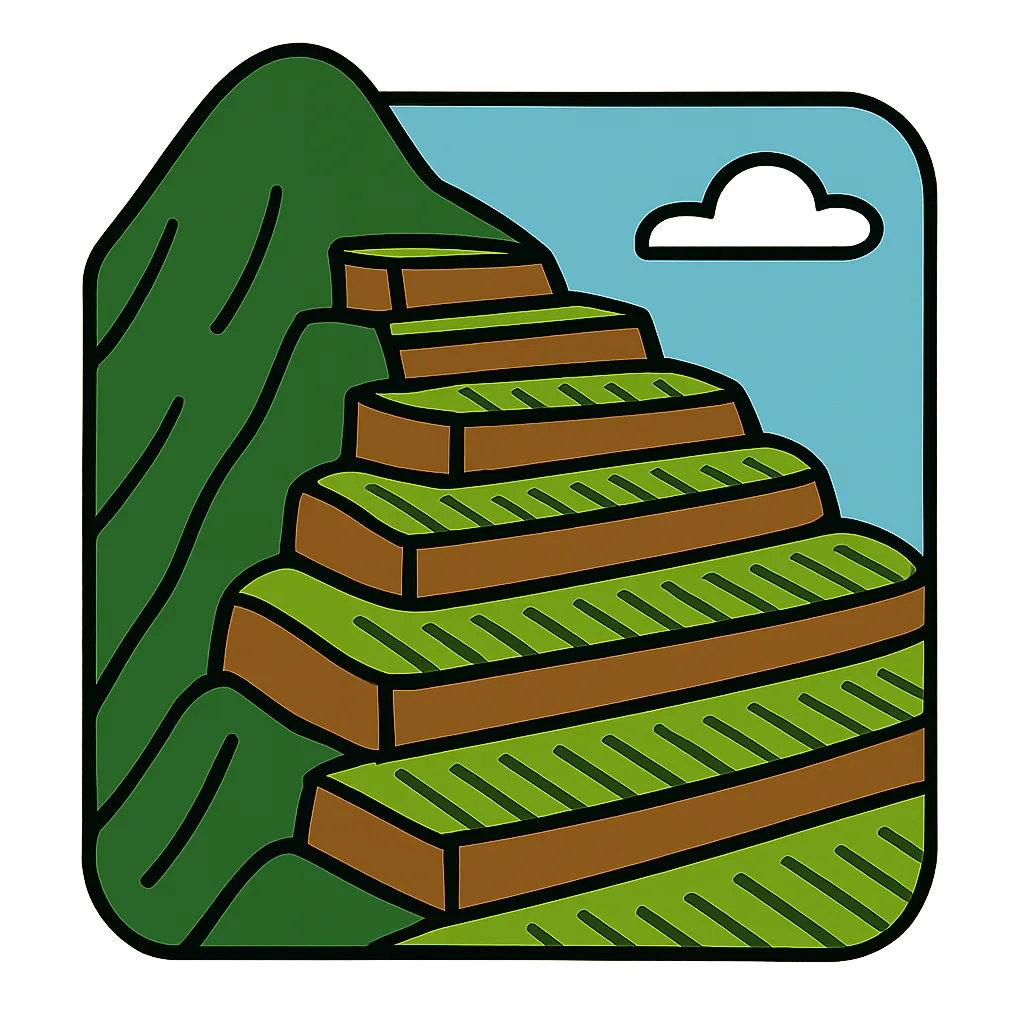
Farmers in the Andes cut wide, flat steps into steep mountain slopes so they can plant crops there. What consequence does this modification have for rainwater and soil on the slope?
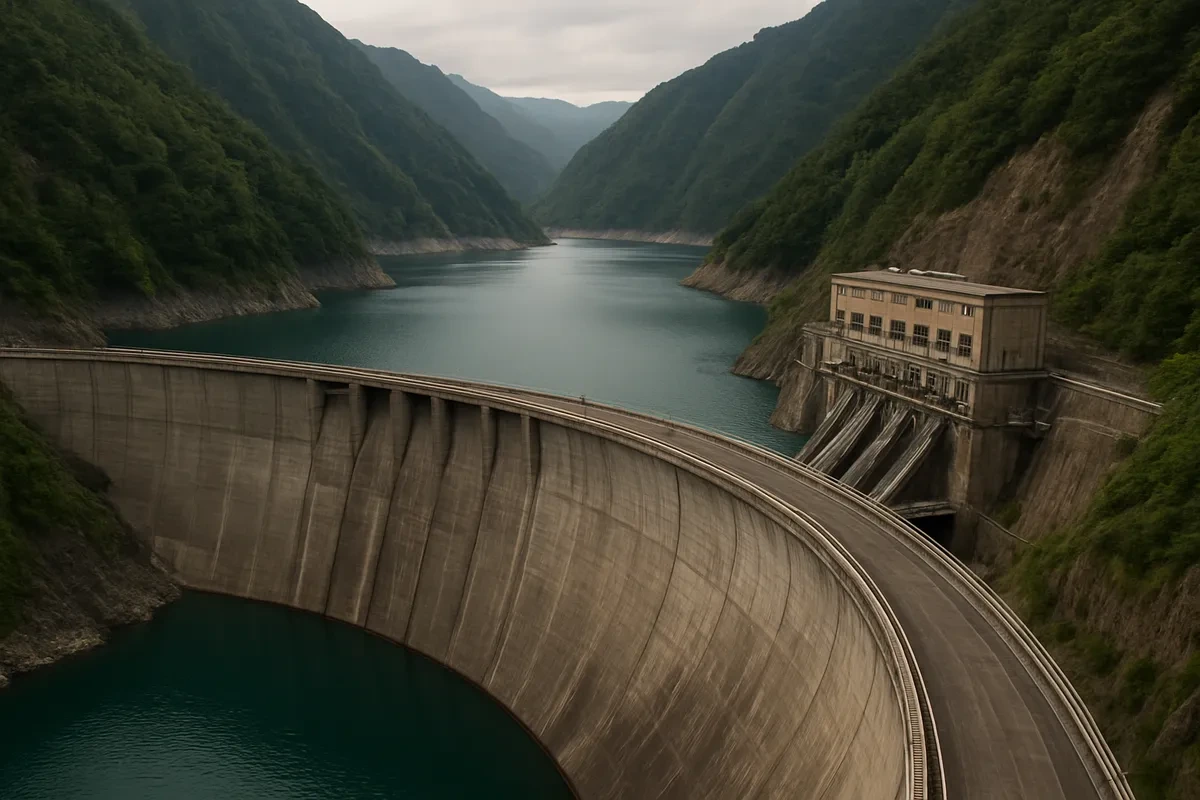
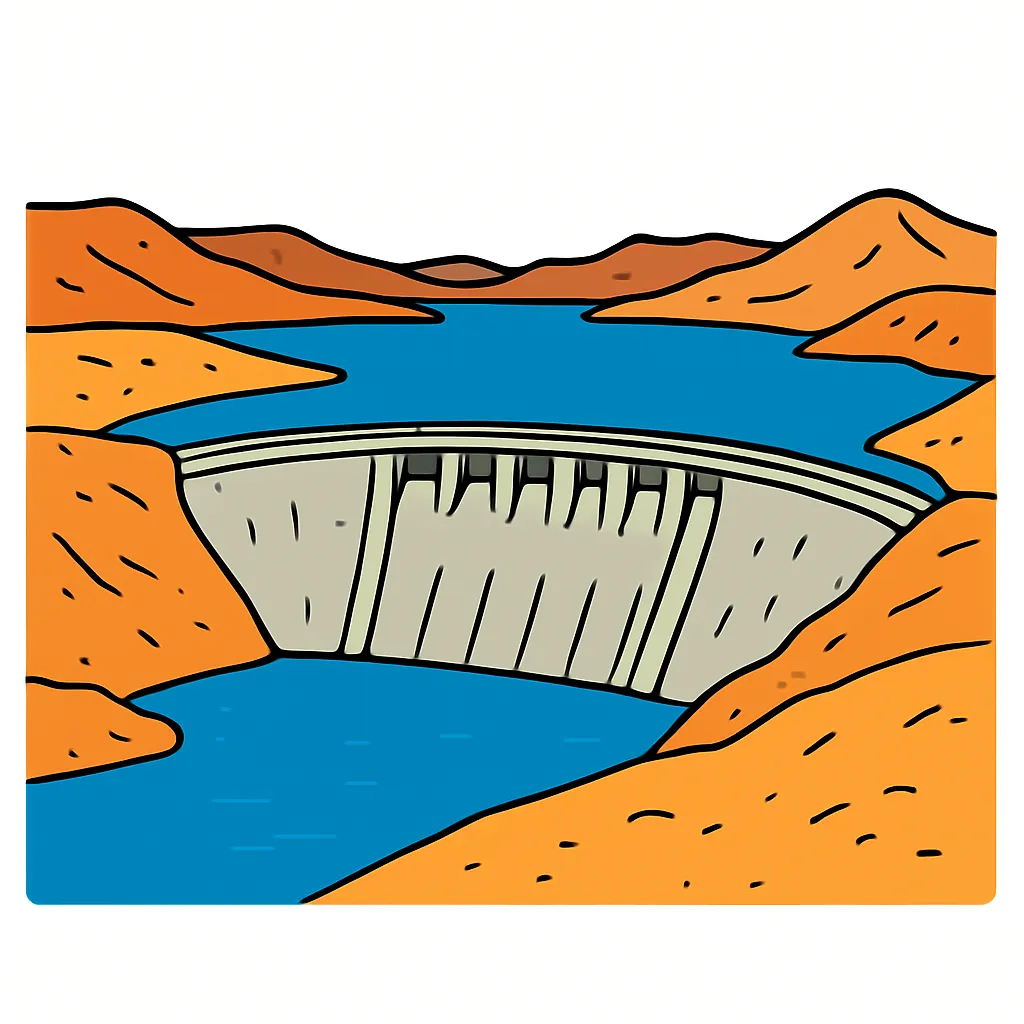
Egypt's Aswan High Dam holds the Nile back behind Lake Nasser. How does that change farmland downstream?
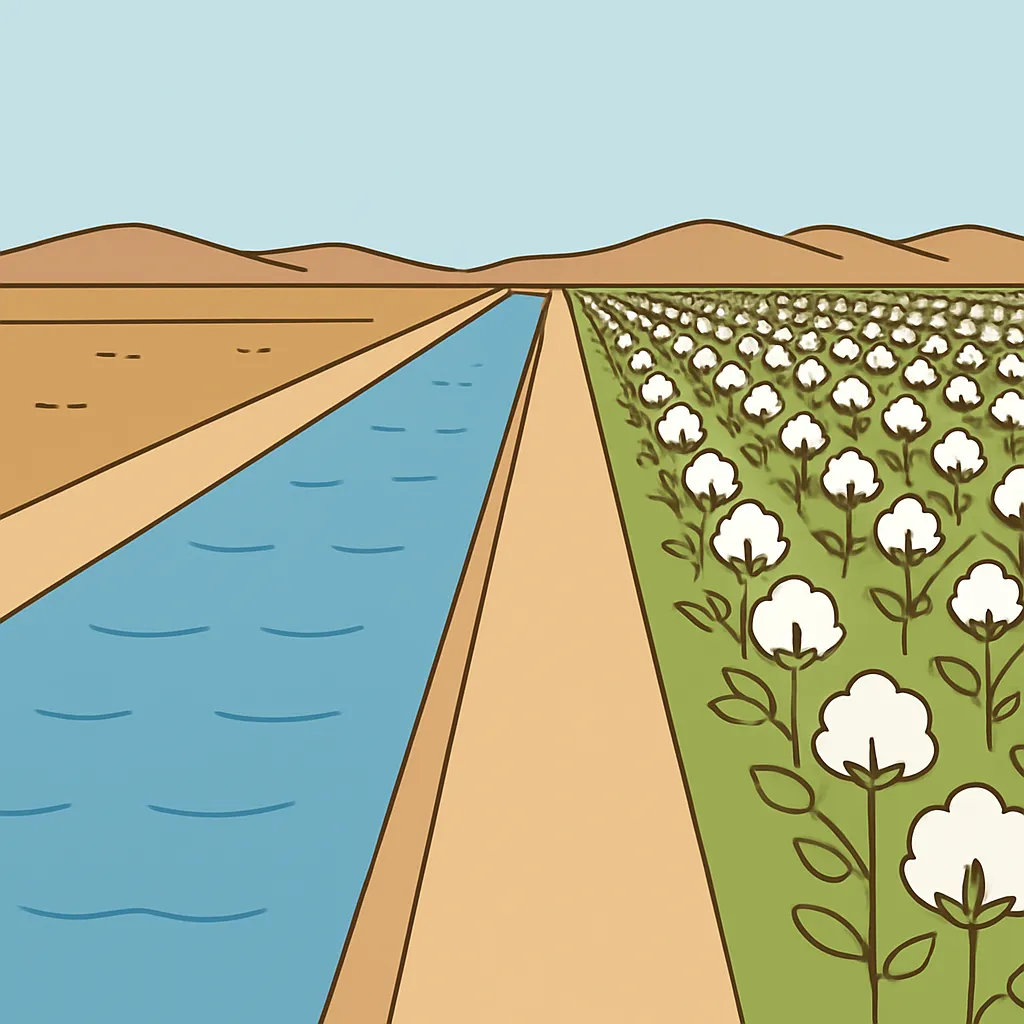
In Central Asia, engineers diverted the Amu Darya and Syr Darya rivers into canals to irrigate cotton fields. What consequence did this have for the Aral Sea, which those rivers fed?
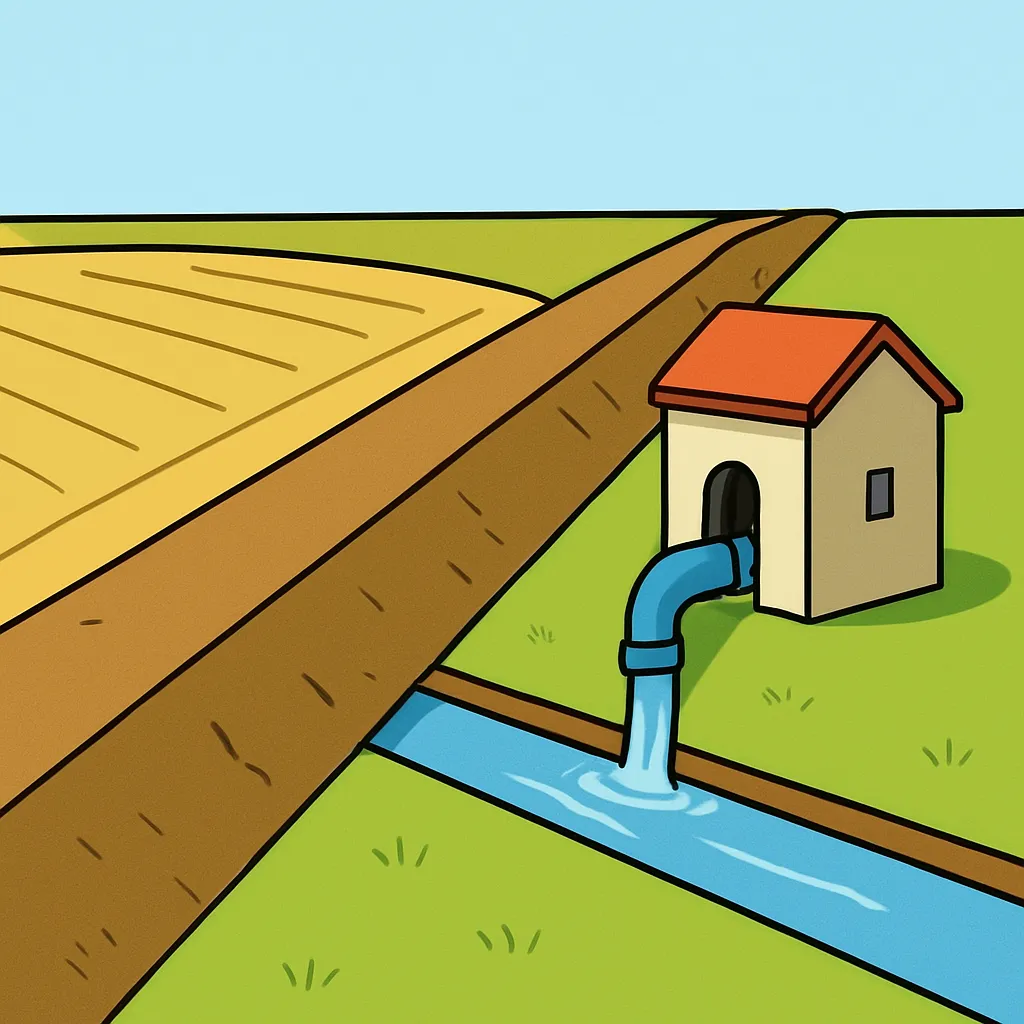
The Dutch built dikes along their low coast and pumped the water out of the wet ground behind them. What did this modification create?
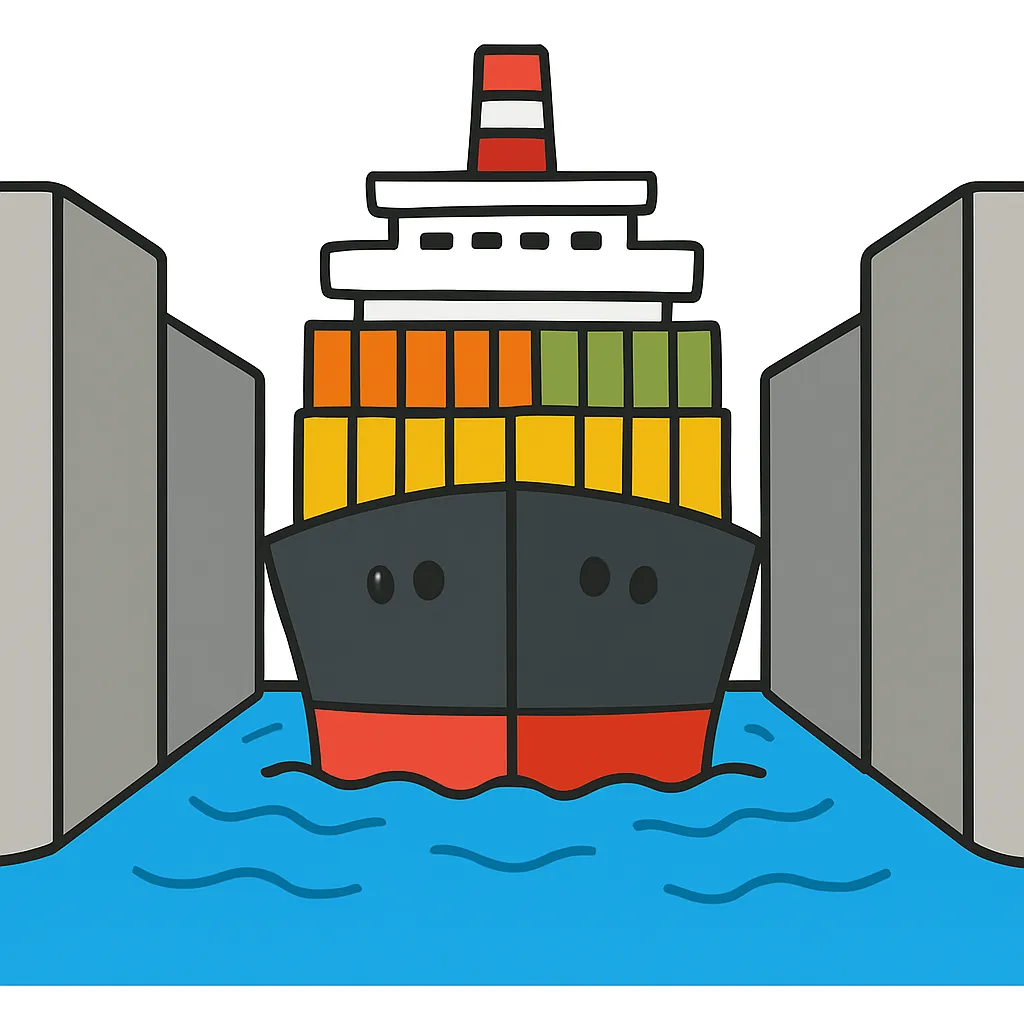
Workers cut the Panama Canal through a narrow strip of Central America. What consequence did the canal have for ships sailing between the Atlantic and Pacific Oceans?
A regional map of the Nile valley shades irrigated cropland green and desert tan. The green forms a thin ribbon along the river and a wide fan at the delta. What does that pattern show?
By the 1930s, farmers on the southern Great Plains had plowed up the deep-rooted prairie grasses to plant wheat. When a long drought arrived, what consequence followed?
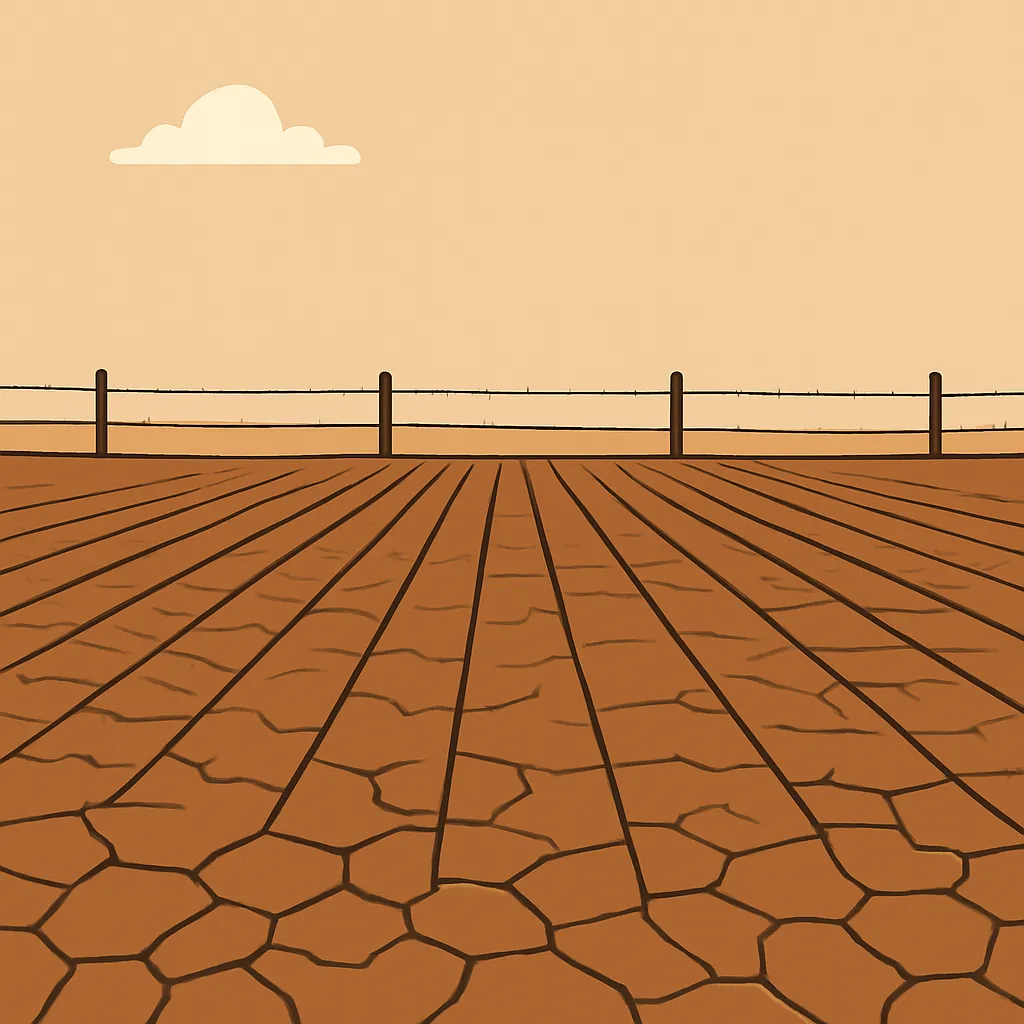
Farmers on the High Plains irrigate crops with groundwater pumped from the Ogallala Aquifer, and they take water out faster than rain refills it. What consequence does that create?
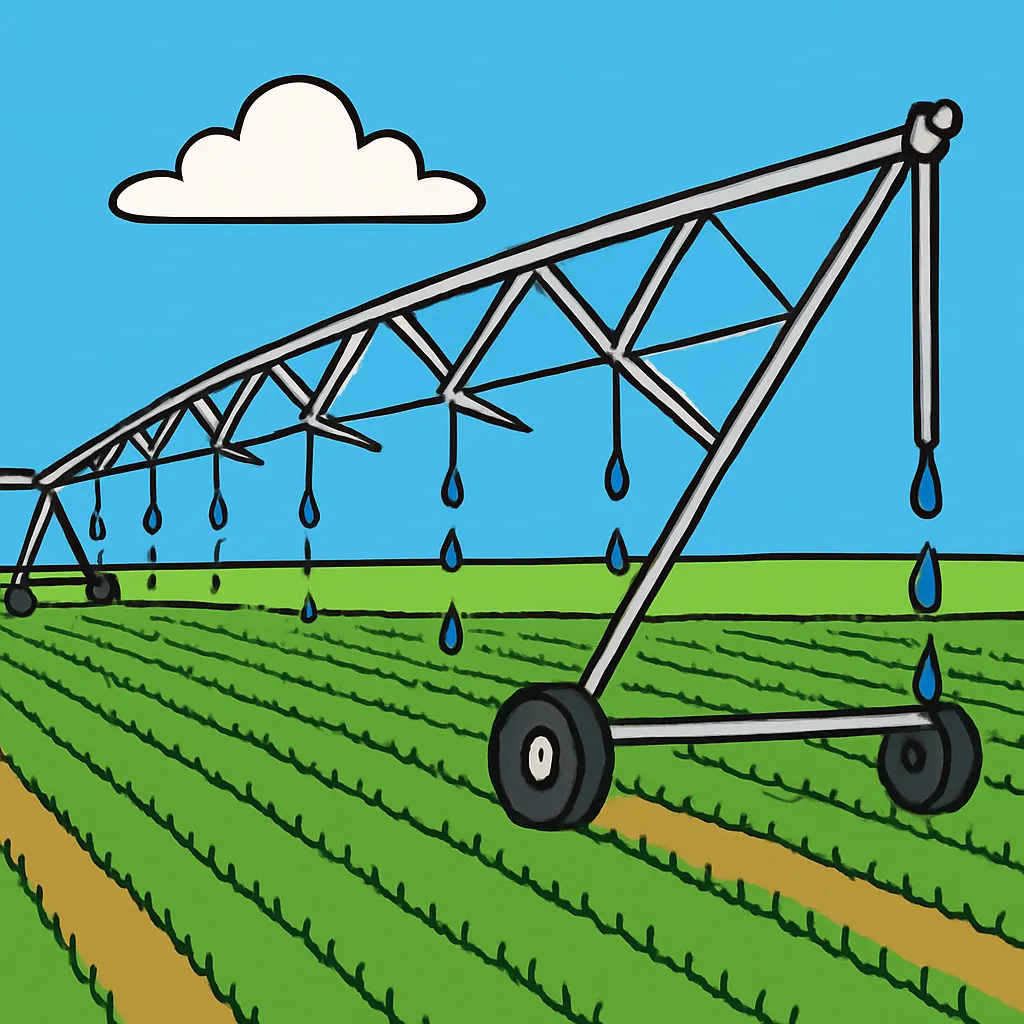
China's Three Gorges Dam on the Yangtze River created a long reservoir behind it. Besides generating electricity, what consequence did filling that reservoir have?
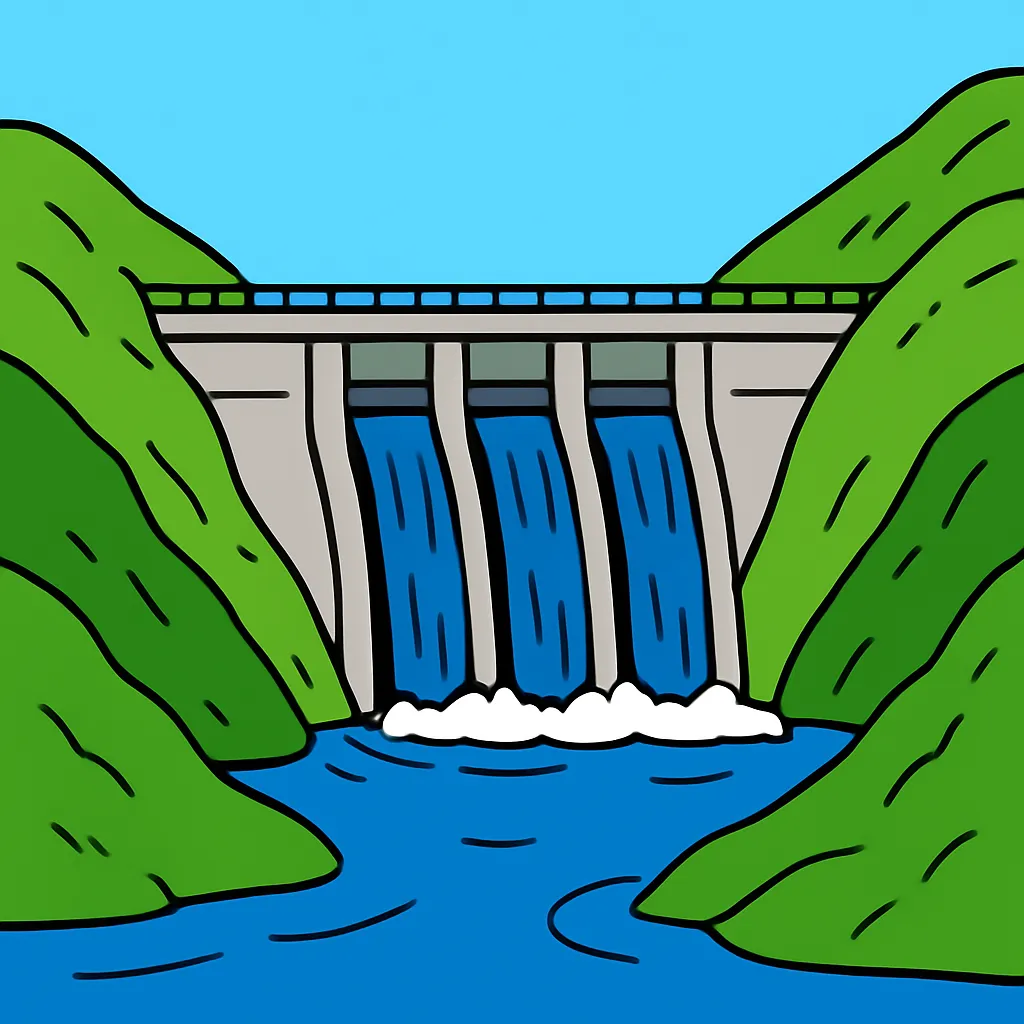
A growing city replaces fields and woods with roads, parking lots and rooftops that rain cannot soak through. What consequence is likely during a heavy storm?
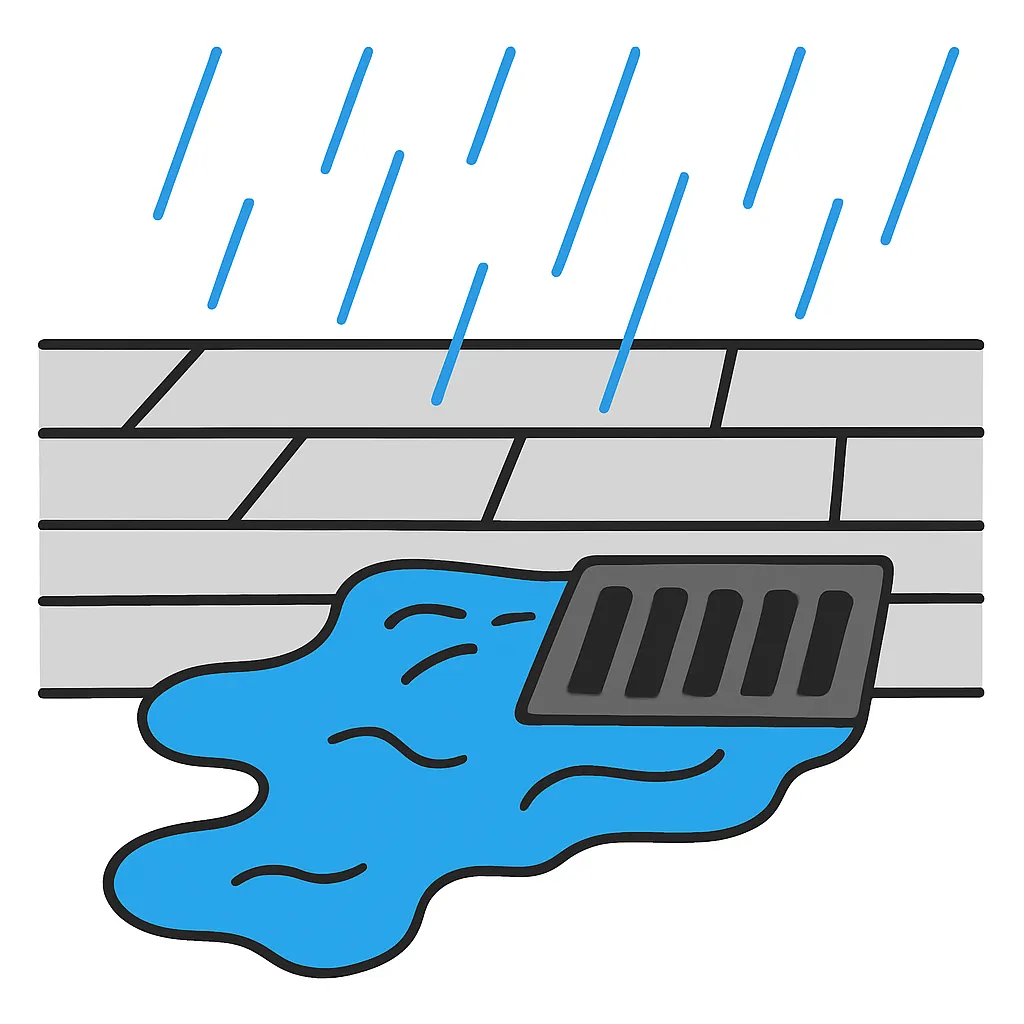
Communities along the lower Mississippi River built high earthen levees on both banks of the channel. What is the purpose of that modification?
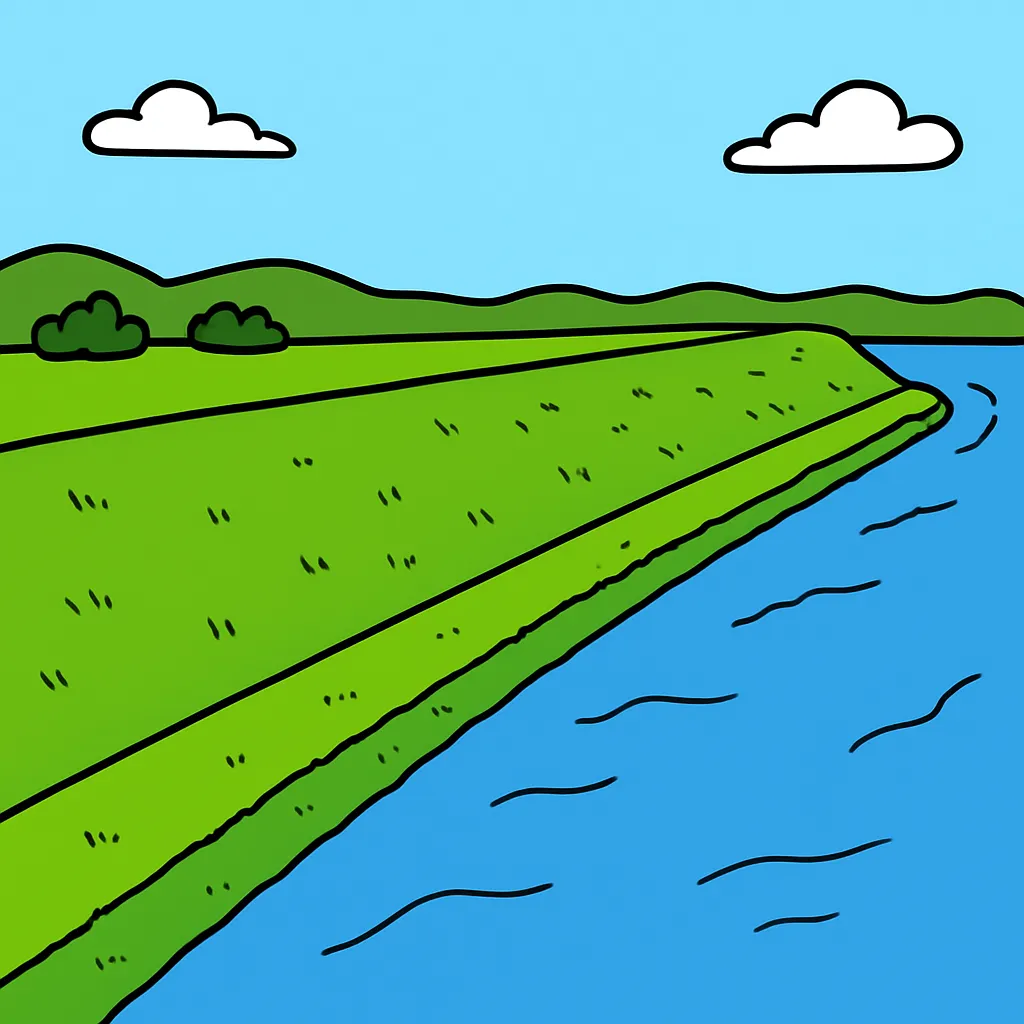
Cutting terraces into a hillside changes the land itself, while wearing a heavy coat in cold weather does not. What do geographers call changing the physical environment to meet human needs?
In a dry region, irrigation water spread on fields evaporates in the heat and leaves behind the minerals it carried. Over many years, what happens to that soil?
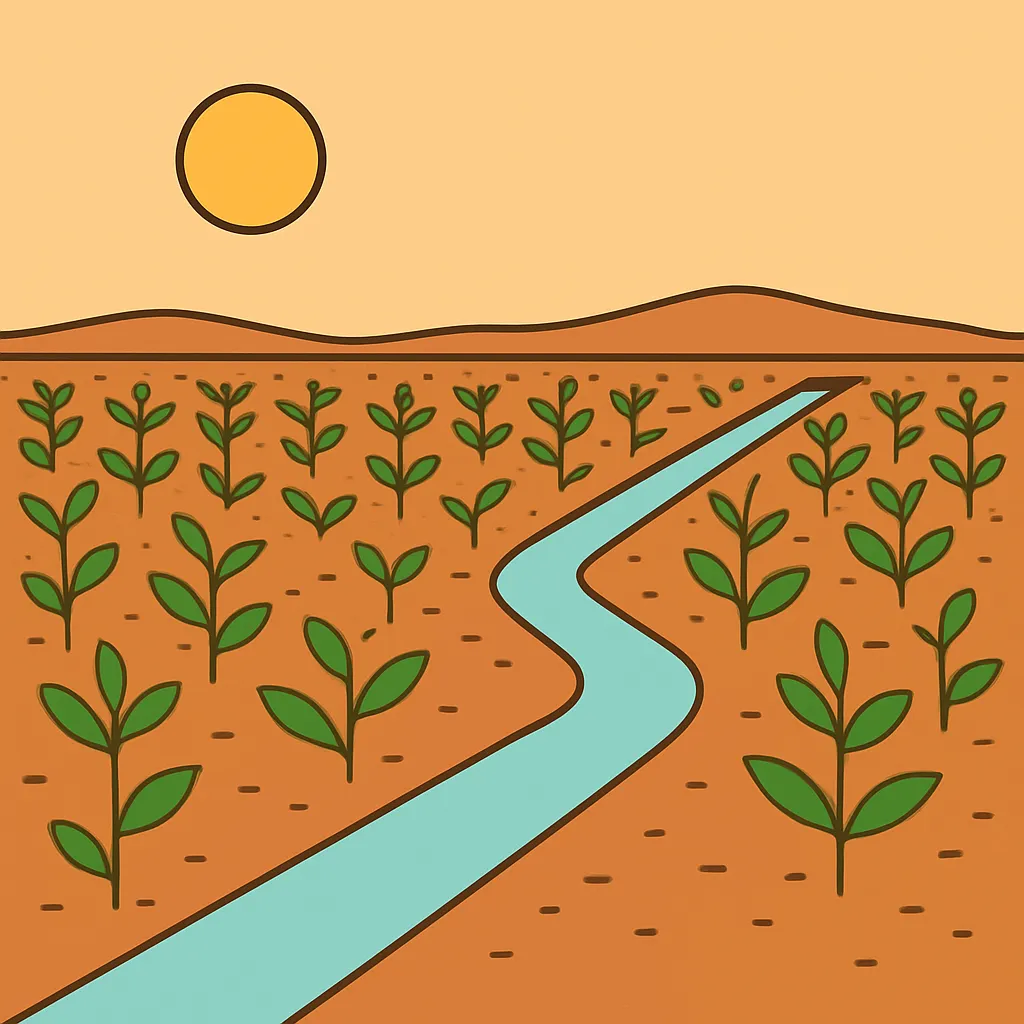
In the Amazon Basin, ranchers and farmers clear large areas of rainforest by cutting and burning the trees. What consequence does removing that tree cover have for the ground?
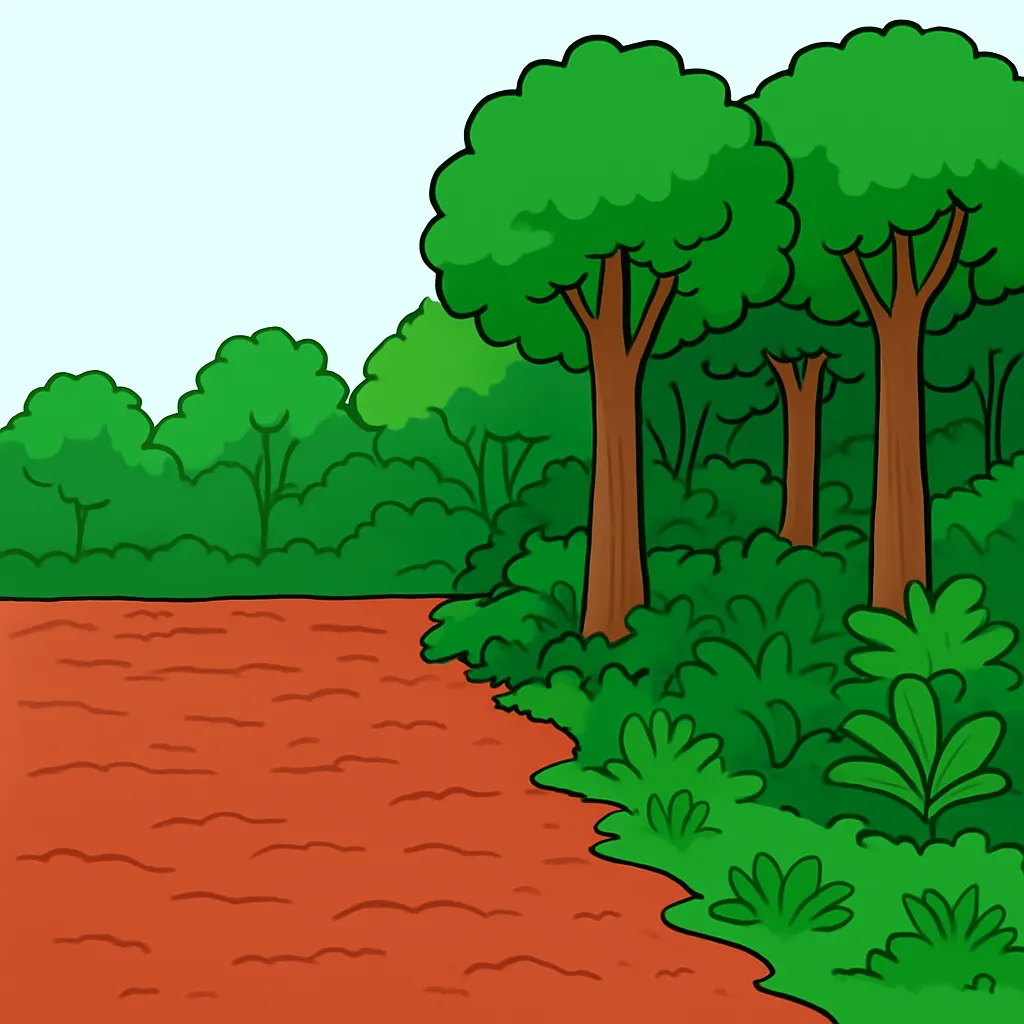
China's Grand Canal was dug to link the waterways of the Huang He and the Yangtze. What did this modification allow people to do?
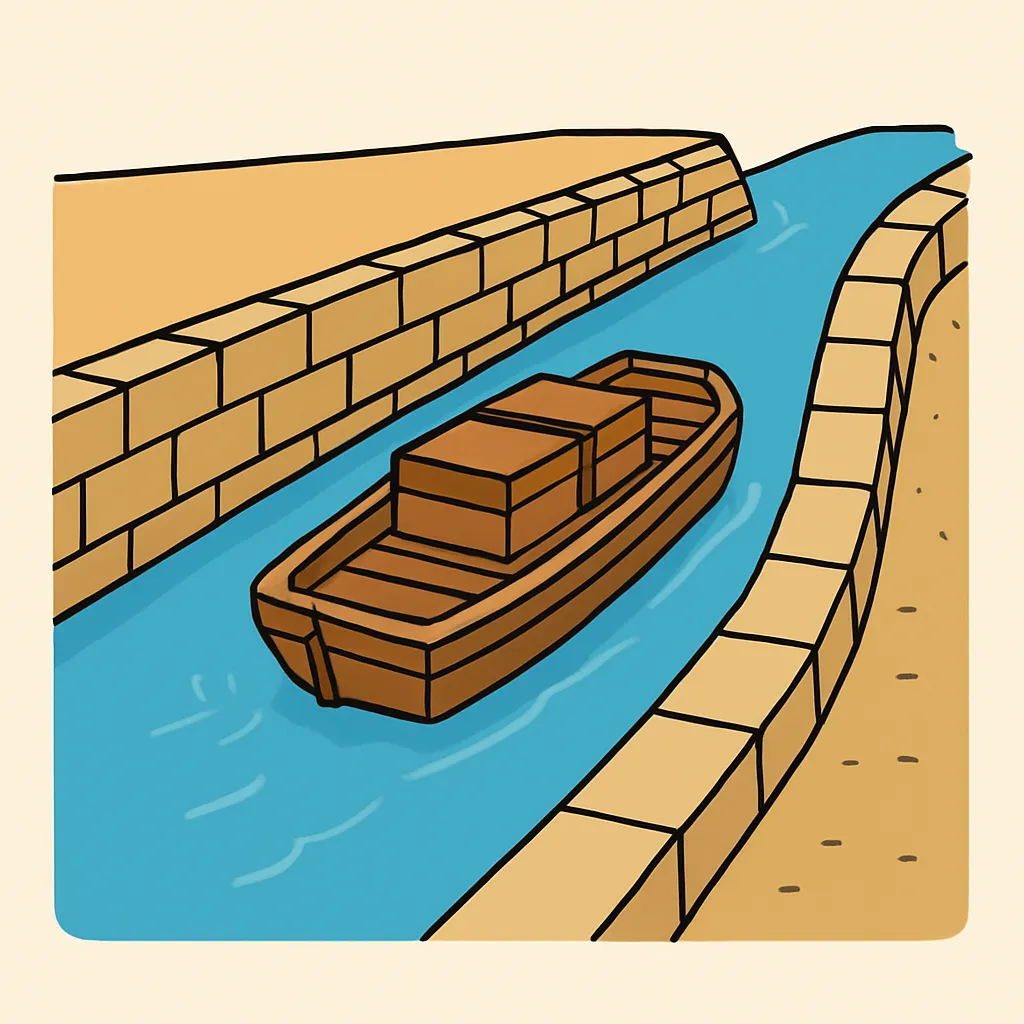
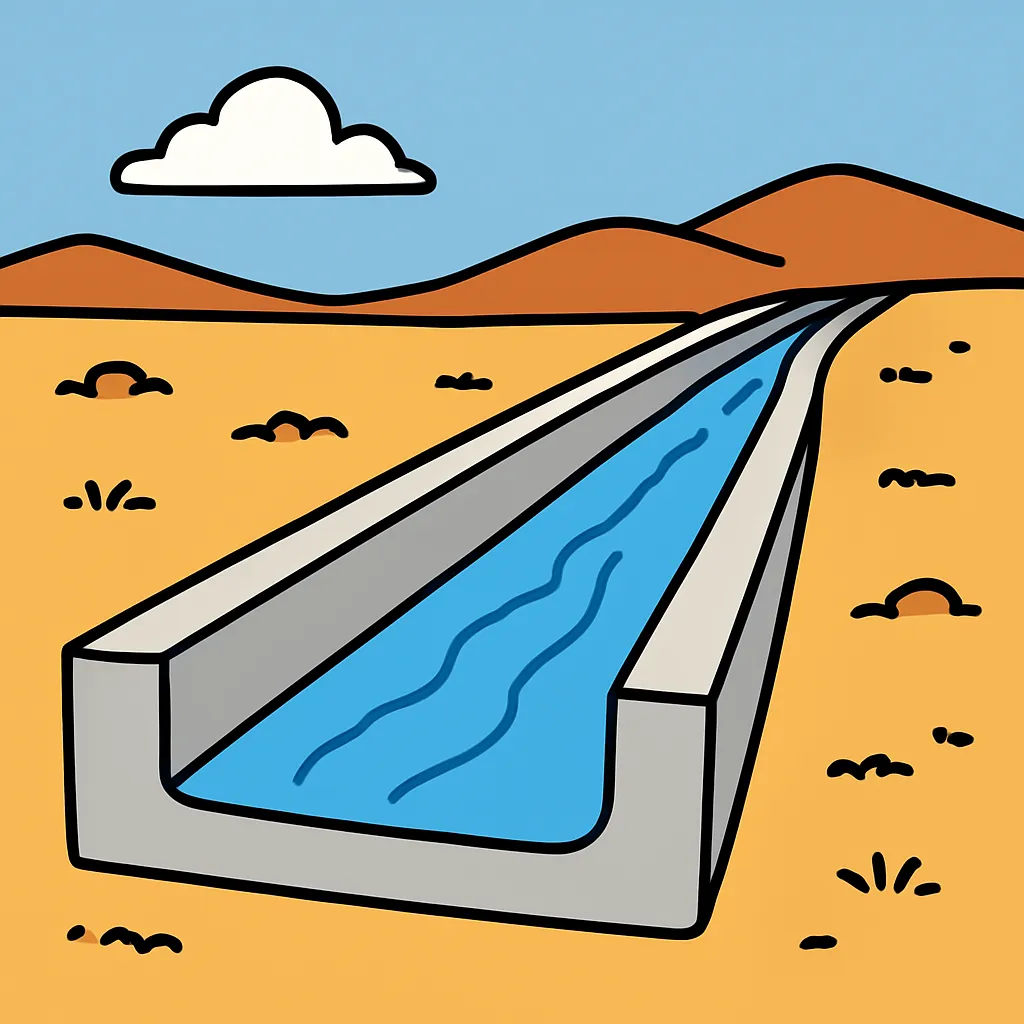
In a desert river valley, new irrigation canals carry water several miles out from the river to fields that were dry before. What consequence does this usually have for population distribution?
A student draws a quick map by hand showing the pond, the road and the new dam near her school, with no scale and no exact measurements. What kind of map has she made?
Wetlands soak up rainwater like a sponge. What consequence does draining a wetland and paving it for houses have on that area?
California moves water hundreds of miles through aqueducts from the wetter north of the state to the drier south. What does this modification make possible?
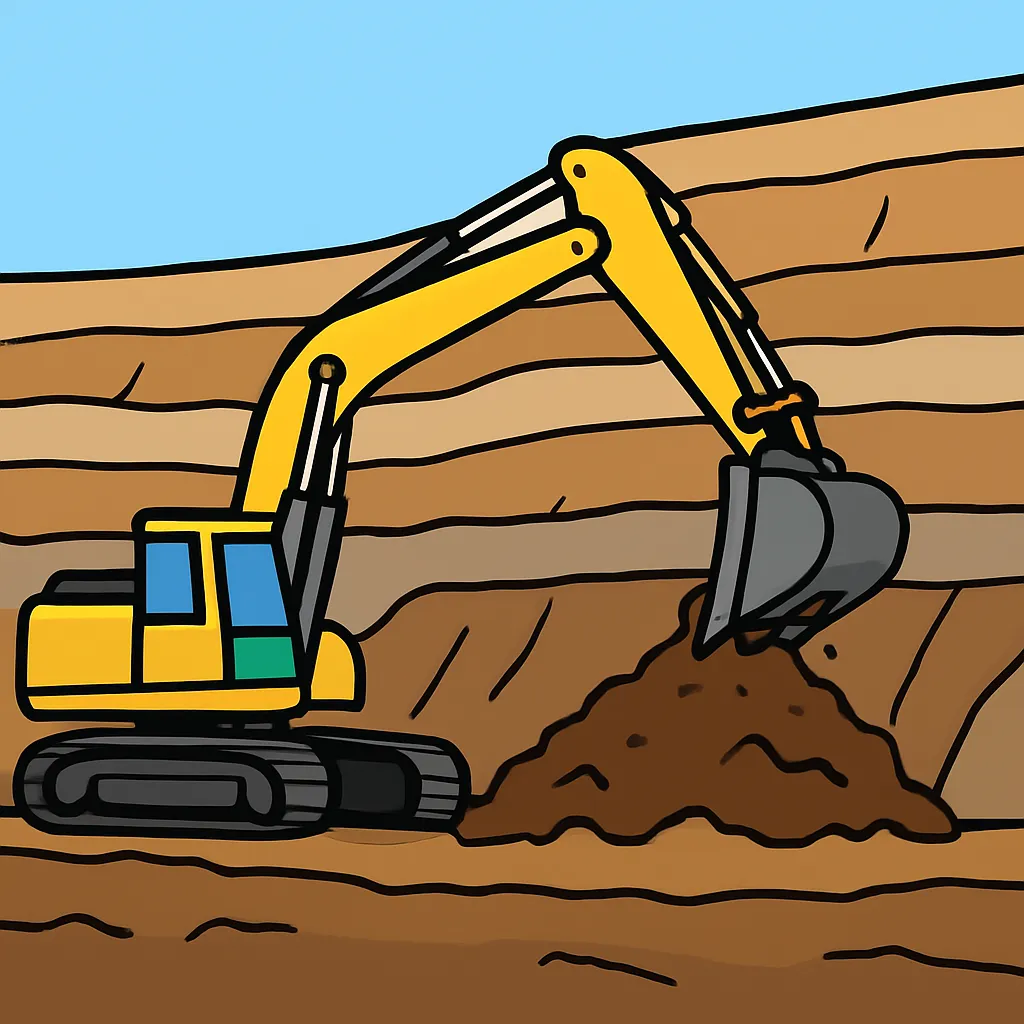
In strip mining, machines remove the soil and rock lying above a coal seam and pile that loosened material beside the bare slope of the pit. What happens to it when heavy rain falls?
Crack the passcode before the zombies get in.

Pick a tile, answer, hit bonuses and steals.
Rule by One, Few, or Many
20 questions