Loading
by BlastRoom
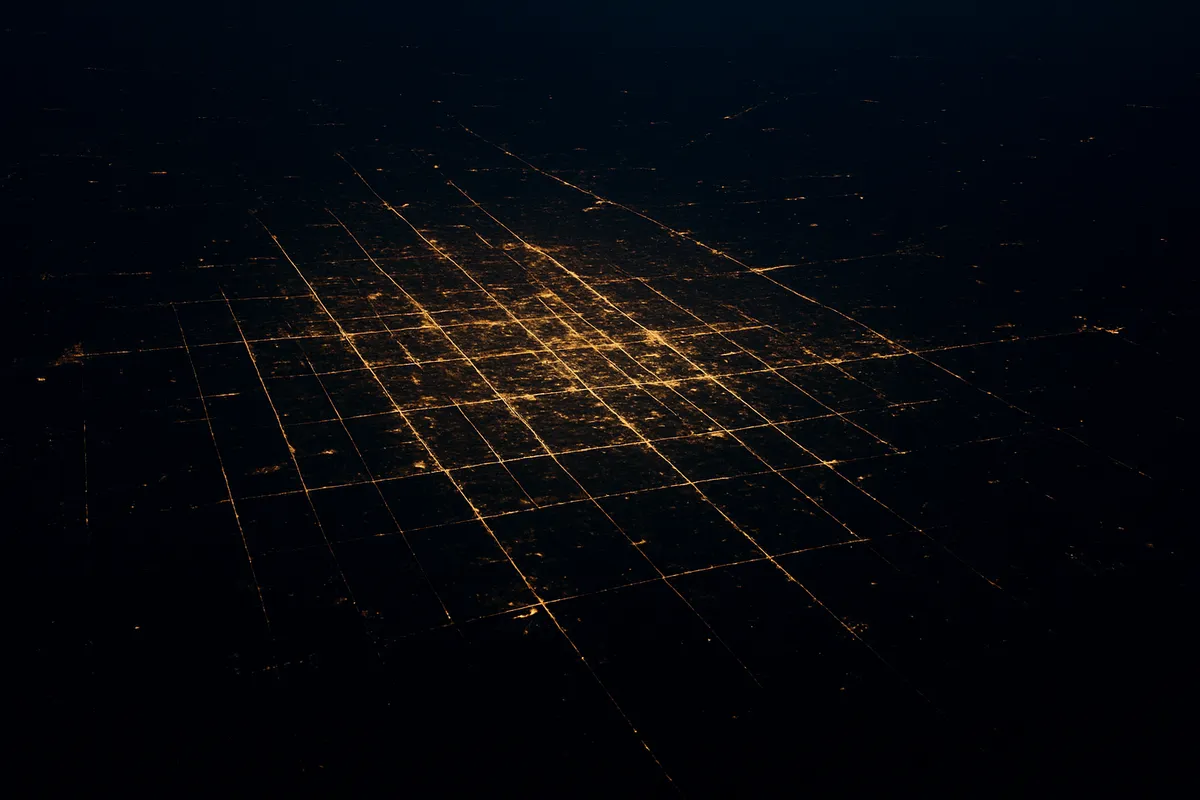
Why cities grow where they do, megacities, primate cities and rural to urban movement.
#us_hs_world_geography
30 questions
One question set, multiple game modes. Tap any game to see it in action. Not sure which to pick?
Answer to place stones and capture territory.
Outrun the snow together.
Earn blasts, then hunt the other team.
Answer to earn energy, then climb.

The class blasts through walls together.
Bid on mystery lots. Most money wins.
Sell tours. Nice, standard, or a total scam.

Answer, restock, and serve the rush.
More correct answers pulls the rope your way.
Answer, then shoot down the alien wave.
Answer, then tap to leap the frozen ridge.
A city grew where a river meets the sea and ocean ships transfer cargo onto river barges. What best explains its site?
A coastal city began on a deep, sheltered bay where ships could anchor safely. What site advantage helped it grow?
A town grew at the easiest gap through a high range of peaks, where caravans and roads crossed between two valleys. What advantage did that location have?
In a dry region, a settlement grew around a spring on a caravan route. What site advantage explains the settlement?
Roads and markets concentrated at the only bridge and ferry across a wide waterway for many miles. What best explains why a city grew there?
A city developed where rivers drop from a plateau to a coastal plain, creating rapids and early waterpower. What site is this?
A settlement began on a steep hill above a plain, where walls and lookout points made attack difficult. What site advantage mattered most?
A city's population rises faster than formal housing construction, so many newcomers build homes without legal title or services. What is a likely result?
A city adds residents faster than it extends piped water and sewers. What problem is most likely for many neighborhoods?
A metro area's workers increase faster than its roads, buses, and trains. What consequence should planners expect?
Vehicles and factories multiply as a city grows, but clean transit and emission controls lag. What environmental consequence is likely?
New housing subdivisions spread outward over farmland faster than land-use planning can guide growth. What does this show?
A city's residents increase faster than schools and clinics are built. What result is most likely?
An urban area has more than 10 million residents. What settlement term describes it?
One city is far larger than any other city in its country and dominates national business, media, and government. What term fits it?
Over several decades, a country's share of people living in towns and cities rises while the rural share falls. What process is occurring?
A residential community sits outside a central city, and many residents commute into the city for work. What settlement term best fits it?
A smaller city near a large metropolis has its own jobs and shops but remains strongly connected to the larger urban area. What is it called?
A built-up city core and its surrounding connected suburbs function as one labor and housing market. What term describes this area?
Young adults leave a farming district for the capital, where wages for service jobs are much higher. What pull factor draws them?
Students move from villages to a regional city because it has universities and technical colleges. What pull factor is at work?
A family moves to a city because it has major hospitals and medical specialists not available in their rural district. What pulled them?
Rural workers move to a city with factories, offices, and shops hiring in many fields. What pull factor does this describe?
New migrants choose a city where relatives already live and can help them find housing and work. What pull factor is this?
On a map, farmhouses stand one by one across fields with no village center. What settlement pattern is shown?
Homes, shops, and a school are packed around a crossroads and market square. What settlement pattern does this describe?
Houses form a long narrow strip beside a river road, with few buildings away from the route. What settlement pattern is this?
A planned city has streets crossing at right angles, making rectangular blocks. What urban pattern does the street plan show?
Main roads run outward like spokes from a central plaza, with ring roads linking the spokes. What pattern does the town plan show?
One village has houses built close together around a shared well and chapel. A nearby community has farmhouses spread separately across open fields with no shared center. How do the two patterns compare?
Crack the passcode before the zombies get in.
Answer, then swat bugs for bonus points.
Race through questions at your own speed.
Same question on every screen. Fastest wins.

Pick a tile, answer, hit bonuses and steals.
Natural Resources, Energy and Sustainability
30 questions