Loading
by BlastRoom
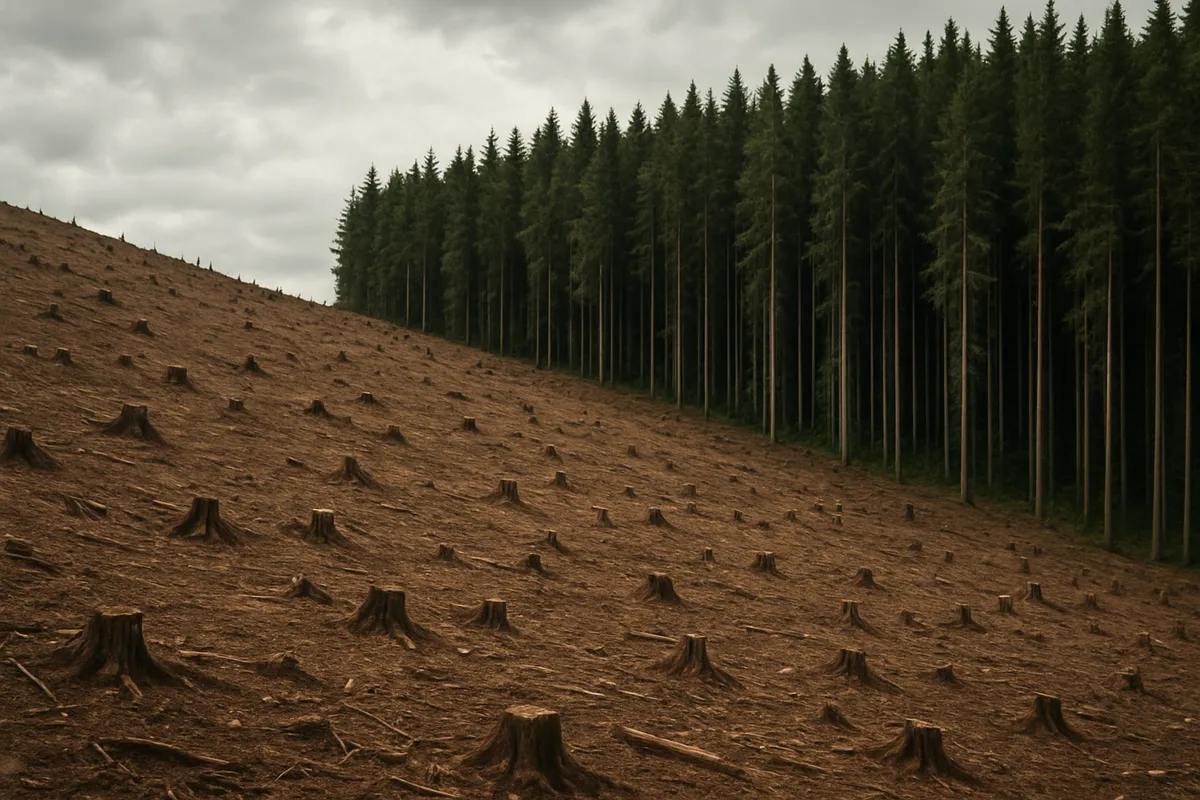
Deforestation, desertification, water scarcity and pollution, and what causes each.
#us_hs_world_geography
30 questions
One question set, multiple game modes. Tap any game to see it in action. Not sure which to pick?
Answer to place stones and capture territory.
Outrun the snow together.
Earn blasts, then hunt the other team.
Answer to earn energy, then climb.

The class blasts through walls together.
Bid on mystery lots. Most money wins.
Sell tours. Nice, standard, or a total scam.

Answer, restock, and serve the rush.
More correct answers pulls the rope your way.
Answer, then shoot down the alien wave.
Answer, then tap to leap the frozen ridge.
A large area of tropical forest is cut and burned to make cattle pasture, and the trees are not replanted. Which process is this?
On the edge of a dry grassland, repeated crop failure and loss of plant cover leave bare soil that wind turns into drifting sand. What process is occurring?
A river below a city contains sewage, industrial chemicals, and unsafe bacteria. What environmental process has happened to the river?
Farm wells pump an aquifer faster than rainfall can replace it, and the water table drops year after year. What process does this describe?
After a hillside forest is clear-cut, heavy rain washes exposed topsoil into streams. Which process is washing away the soil?
A river is dammed and much of its water is sent through canals to irrigate fields, leaving much less flow downstream. What human process changed the river?
A lake receives fertilizer runoff, grows thick algae, and then loses oxygen as the algae decay. Which pollution process is this?
A dry rangeland loses its grass cover after too many animals graze it for many years, and the soil begins to blow away. Which herding practice would best help the grass recover?
In part of the Amazon Basin, satellite images show forest replaced by large cattle ranches and soybean fields. What caused the deforestation?
Wells in a fast-growing coastal town begin to pump salty water. Rainfall has not changed, but the town's water use has tripled. What caused this problem?
A reservoir downstream of farms has algal blooms each summer after nitrogen and phosphorus wash off fields. What caused the pollution?
Downstream of a fast-growing city, a river smells bad and makes people who drink from it sick. Which step would most directly fix this?
A river that once reached the sea now runs dry before its mouth in most summers, though rainfall in its basin has not changed. What is the most likely cause?
Forests on steep slopes above several villages are cleared for farming. What hazard increases for the villages during heavy storms?
A semiarid farming region loses soil fertility and pasture as desertification spreads. What is a likely effect on residents?
Upstream countries build dams and take more water from a shared river for their cities and farms. What does this most likely create in the last country downstream?
A town drinks from a river contaminated by untreated sewage. What is the most direct human health consequence?
A watershed loses much of its forest cover. How can this change rivers for nearby communities after storms?
A city keeps pumping from a shrinking aquifer, and old shallow wells stop reaching water. What follows for people there?
People in a hot, dry region build homes with thick walls, shaded courtyards, and small windows to reduce heat. Is this adapting to or modifying the environment?
Farmers cut terraces into steep mountain slopes so crops can grow on level steps. Is this adapting to or modifying the environment?
Nomadic herders move their animals seasonally to follow fresh pasture and water in a dry region. Is this adapting to or modifying the environment?
A city drains a wetland, fills it with soil, and builds roads and houses on it. Is this adapting to or modifying the environment?
Farmers in a drought-prone area plant drought-resistant crops and harvest rainwater in tanks. Is this adapting to or modifying the environment?
Two images of the same forest, 30 years apart, show trees replaced by roads, pasture, and crop fields. What environmental change do the images show?
Two images of one lake, decades apart, show a much smaller shoreline and exposed salt flats. Rainfall stayed about the same, but cotton farms spread along its feeder rivers. What accounts for the change?
Photos of a dry rangeland before and after show grass gone around wells; livestock numbers doubled during the same period. What best explains the change?
Water records from 1980 and today show a lake once had clear water and fish, but now has algal mats after fertilizer use expanded nearby. What change in the water most likely killed the fish?
City well records show the water table was shallow in 1990 but is much deeper today, while pumping for homes and factories rose sharply. Which step would best slow this change?
A river photo from 1995 shows clear water; a recent photo below a mine shows orange water and fewer fish after mining began upstream. What explains the change?
Crack the passcode before the zombies get in.
Answer, then swat bugs for bonus points.
Race through questions at your own speed.
Same question on every screen. Fastest wins.

Pick a tile, answer, hit bonuses and steals.
US and Canada: Physical Features and Map Location
40 questions