Loading
by BlastRoom
Explore shared-resource dilemmas and the values that shape environmental decisions.
#environmental_science

30 questions
One question set, multiple game modes. Tap any game to see it in action. Not sure which to pick?
Answer to place stones and capture territory.
Outrun the snow together.
Earn blasts, then hunt the other team.
Answer to earn energy, then climb.

The class blasts through walls together.
Bid on mystery lots. Most money wins.
Sell tours. Nice, standard, or a total scam.

Answer, restock, and serve the rush.
More correct answers pulls the rope your way.
Answer, then shoot down the alien wave.
Answer, then tap to leap the frozen ridge.
A pasture is open to every rancher, no rancher can be excluded, and no grazing limit exists. What resource-governance arrangement does this describe?
A coastal village allows only member households to fish its bay and enforces a seasonal catch limit. What arrangement governs this fishery?
A landowner fences a pond and decides who may fish there. How is the pond managed?
Drivers can park free on a limited number of downtown curb spaces, and no permit or time limit applies. What type of shared-resource problem can result?
Factories release greenhouse gases into the atmosphere because no single factory owns the atmosphere's capacity to absorb emissions. Why is this capacity treated as a commons?
Two hundred farms draw water from the same aquifer, and each farm can drill additional wells without permission. What makes this a commons situation?
A community forest admits only registered residents, who must follow a rule limiting each household's firewood harvest. What kind of arrangement is this?
Every boat may enter an offshore fishing ground, but fish removed by one boat are unavailable to others. Which resource category best fits the fishing ground?
Twelve boats fish the same bay with no catch limit, and each skipper earns more by landing more fish. What is most likely over several seasons if nothing changes?
Several ranchers add cattle to an unfenced public range because each receives the profit from additional animals. What outcome is most likely if grazing exceeds carrying capacity?
Farms pumping the Ogallala Aquifer collectively withdraw water faster than recharge replaces it. What trend should occur in the water table?
Several factories use the same valley air basin to release sulfur dioxide, with no emissions limit. What is the likely result as emissions increase?
Hikers use an alpine trail freely, and each group walks around muddy sections rather than staying on the path. What change is most likely over time?
At rush hour, every driver chooses the same free bridge because it is shortest for that individual trip. If no traffic management is added, what happens as more drivers choose it?
Households cut firewood from an open forest faster than trees regrow. What is the most likely long-term result?
A fishery has declining catches because boats can take unlimited fish. What policy most directly addresses the shared-resource structure?
A shared aquifer is being pumped faster than recharge by many farms. Which action directly limits total withdrawals?
A public rangeland is overgrazed. What management tool best ties total grazing to the land's carrying capacity?
Under the US Acid Rain Program, power plants trade sulfur dioxide allowances under a fixed national cap. Why does this approach cut emissions at low cost?
A national park trail is damaged because unlimited visitors enter a fragile area each day. What action directly reduces use of that shared site?
Residents share a forest but some households ignore the firewood limit. Which addition makes the community rule more likely to work?
Farmers draw irrigation water from one canal, and upstream withdrawals leave too little for downstream farms. What allocation system directly addresses this conflict?
A city finds that free landfill disposal encourages excessive waste from many businesses. What change directly makes each business account for its share of disposal costs?
A city preserves a wetland mainly because it filters water, reduces flood damage, and supports recreation for residents. Which worldview is expressed?
A wildlife refuge is protected because each individual animal has moral worth even if people receive no economic benefit. Which worldview supports this reason?
A council rejects development of an old-growth forest because the forest community, soils, fungi, and predator-prey relationships have value as an intact whole. Which worldview is expressed?
A river restoration plan is justified because reconnecting its floodplain will restore nutrient cycling and the entire food web, even if tourism does not increase. Which worldview does this rationale reflect?
A school limits pesticide use near its grounds because protecting children's health and avoiding water-treatment costs are the main reasons. Which worldview is expressed?
A land trust protects a meadow because its native plants and insects deserve moral consideration regardless of their usefulness to people. Which worldview is expressed?
A county restores mangroves primarily because they reduce storm damage to homes and support local fisheries. Which worldview guides this decision?
Crack the passcode before the zombies get in.
Answer, then swat bugs for bonus points.
Race through questions at your own speed.
Same question on every screen. Fastest wins.

Pick a tile, answer, hit bonuses and steals.
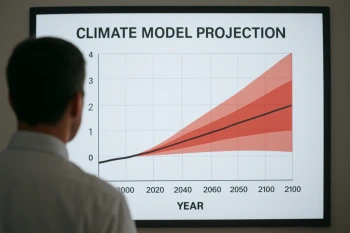
Models, Uncertainty and Risk
20 questions