Loading
by BlastRoom
Twenty questions on the form, images and argument of Shakespeare's Sonnet 116.
#literature
20 questions
One question set, multiple game modes. Tap any game to see it in action. Not sure which to pick?
Answer to place stones and capture territory.
Outrun the snow together.
Earn blasts, then hunt the other team.
Answer to earn energy, then climb.

The class blasts through walls together.
Bid on mystery lots. Most money wins.
Sell tours. Nice, standard, or a total scam.

Answer, restock, and serve the rush.
More correct answers pulls the rope your way.
Answer, then shoot down the alien wave.
Answer, then tap to leap the frozen ridge.
Sonnet 116 rhymes minds / love / finds / remove, then mark / shaken / bark / taken, then cheeks / come / weeks / doom, and closes with a rhymed pair. Which rhyme scheme is that?
Read the opening line aloud: 'Let me not to the marriage of true minds'. What meter is Sonnet 116 written in?
Sonnet 116 first says what love is NOT, then turns to saying what love is. Where does that turn fall?
Each quatrain of Sonnet 116 is a four-line unit. How does the poem divide its argument across the three quatrains?
The poem's first sentence runs past the end of its first line: 'Let me not to the marriage of true minds / Admit impediments.' What is carrying a sentence over a line break called?
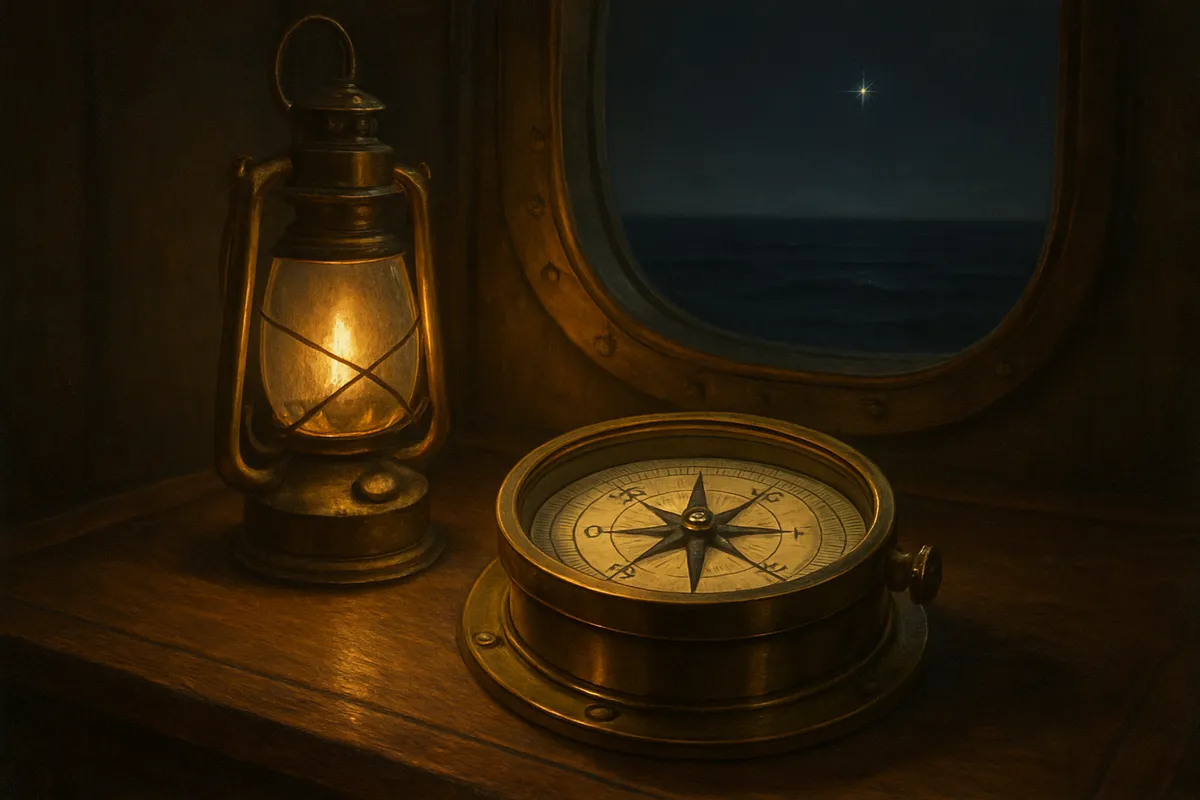
Love, the poem says, 'is an ever-fixed mark, / That looks on tempests and is never shaken'. A 'mark' here is a seamark. What is the image claiming?
'It is the star to every wandering bark, / Whose worth's unknown, although his height be taken.' A 'bark' is a ship. What is the star doing for it?
Of that same star the poem says its 'worth's unknown, although his height be taken.' Sailors 'took' a star's height to navigate. What is the line claiming?
'Love's not Time's fool'. In the poem's own terms, what does calling something Time's fool mean?
'though rosy lips and cheeks / Within his bending sickle's compass come'. What does the poem concede here?
'But bears it out even to the edge of doom.' What is love doing in that line?
The poem says 'Love is not love / Which alters when it alteration finds'. What does that say about a love that changes when circumstances change?
'Or bends with the remover to remove'. What kind of love is the speaker ruling out?
The second quatrain calls love both an 'ever-fixed mark' and 'the star to every wandering bark'. What do these two images have in common?
The poem opens 'Let me not to the marriage of true minds / Admit impediments.' What is the speaker doing?
'Love alters not with his brief hours and weeks'. Whose hours and weeks are these, given the line before it?
The poem closes: 'If this be error and upon me prov'd, / I never writ, nor no man ever lov'd.' What does the speaker say follows if his claim is disproved?
Why is the wager in 'If this be error and upon me prov'd, / I never writ' hard to win against the speaker?
Which statement about the closing couplet of Sonnet 116 is NOT true?
The couplet ends 'nor no man ever lov'd'. What does adding that second clause do to the speaker's wager?
Crack the passcode before the zombies get in.
Answer, then swat bugs for bonus points.
Race through questions at your own speed.
Same question on every screen. Fastest wins.

Pick a tile, answer, hit bonuses and steals.
Langston Hughes: Harlem and Dreams
20 questions