Loading
by BlastRoom
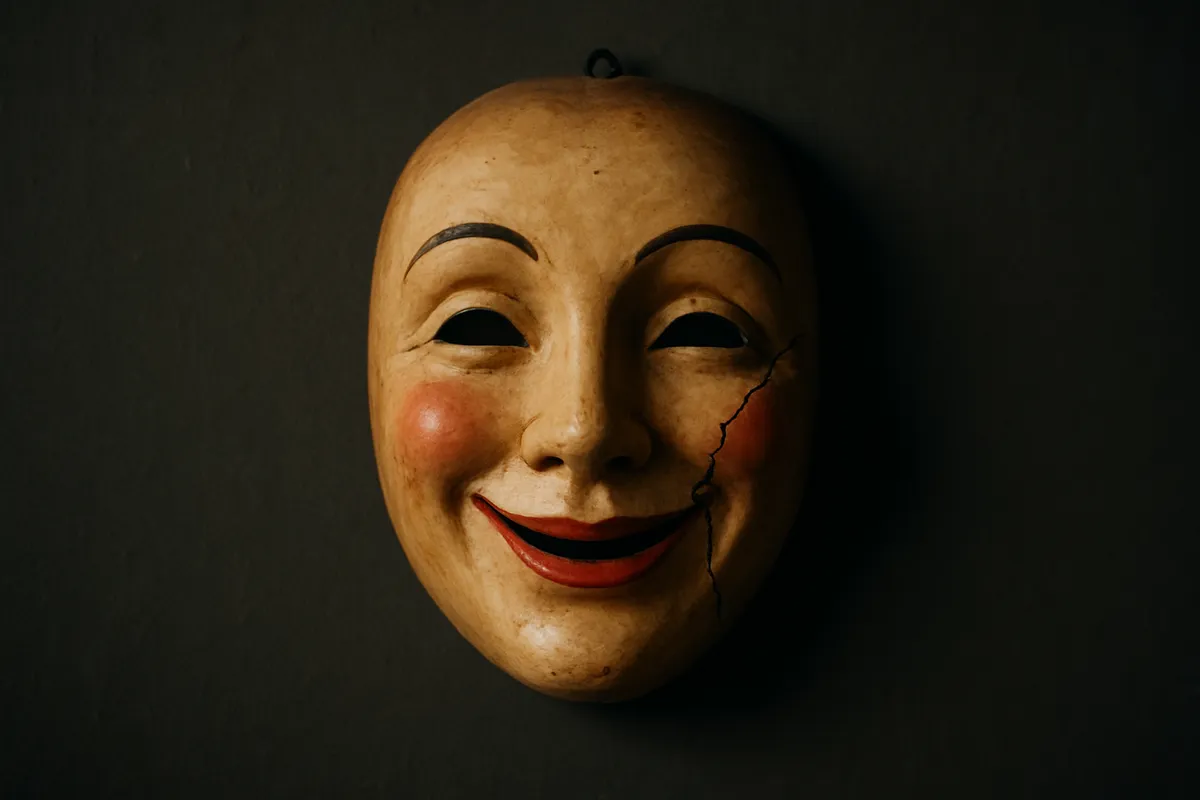
Dunbar's rondeau on what is shown and what is hidden, and the 'we' the poem speaks for.
#literature
20 questions
One question set, multiple game modes. Tap any game to see it in action. Not sure which to pick?
Answer to place stones and capture territory.
Outrun the snow together.
Earn blasts, then hunt the other team.
Answer to earn energy, then climb.

The class blasts through walls together.
Bid on mystery lots. Most money wins.
Sell tours. Nice, standard, or a total scam.

Answer, restock, and serve the rush.
More correct answers pulls the rope your way.
Answer, then shoot down the alien wave.
Answer, then tap to leap the frozen ridge.
The poem opens "We wear the mask that grins and lies,". What does the speaker say the mask does?
"With torn and bleeding hearts we smile," the speaker says. What does that line show about the wearers?
The first stanza calls the mask "This debt we pay to human guile;". How does the speaker describe wearing it?
The first stanza ends "And mouth with myriad subtleties." What are the wearers doing when they speak?
In the last stanza: "We sing, but oh the clay is vile / Beneath our feet, and long the mile;". What does this say about the wearers' situation?
"It hides our cheeks and shades our eyes," the speaker says of the mask. What is being covered?
Dunbar's poem uses only two rhyme sounds from beginning to end and brings back a short phrase from its opening line to close stanzas. Which fixed form is it?
The short line "We wear the mask" returns to end the second stanza and comes back again to end the poem. What does that return accomplish?
Compared with the lines around it, how long is the refrain "We wear the mask", and what does its length do?
Some of the poem's line endings are "lies," "guile," "eyes," "smile," "cries" and "vile." How many rhyme sounds does the whole poem use, and what is the effect?
Which device is at work in "And mouth with myriad subtleties.", and what does it add?
The refrain does not close the first stanza; it arrives only at the end of the second and again at the end of the third. What does holding it back accomplish?
Every statement in the poem is made in the first person plural: "With torn and bleeding hearts we smile,". Whom does that "we" speak for?
"We smile, but, O great Christ, our cries / To thee from tortured souls arise." What contrast does the word "but" set up?
"But let the world dream otherwise," the speaker says near the end. Who is "the world" here, and what is it left to think?
"Why should the world be over-wise, / In counting all our tears and sighs?" What is the speaker suggesting with this question?
The speaker addresses Christ directly ("O great Christ") but never speaks to the world, only about it ("But let the world dream otherwise,"). What does that arrangement show?
Which device is at work in "With torn and bleeding hearts we smile,"?
In "We smile, but, O great Christ, our cries / To thee from tortured souls arise.", the speaker breaks off mid-sentence to call on Christ. What is that device?
Which device is at work in "the mask that grins and lies", and what does it do?
Crack the passcode before the zombies get in.
Answer, then swat bugs for bonus points.
Race through questions at your own speed.
Same question on every screen. Fastest wins.

Pick a tile, answer, hit bonuses and steals.
Sonnet 116: The Shakespearean Sonnet
20 questions