Loading
by BlastRoom
Compare plant and animal cell structures and explain how their differences support cell functions.
#us_grade_7_science
40 questions
One question set, multiple game modes. Tap any game to see it in action. Not sure which to pick?
Answer to place stones and capture territory.
Outrun the snow together.
Earn blasts, then hunt the other team.
Answer to earn energy, then climb.

The class blasts through walls together.
Bid on mystery lots. Most money wins.
Sell tours. Nice, standard, or a total scam.

Answer, restock, and serve the rush.
More correct answers pulls the rope your way.
Answer, then shoot down the alien wave.
Answer, then tap to leap the frozen ridge.
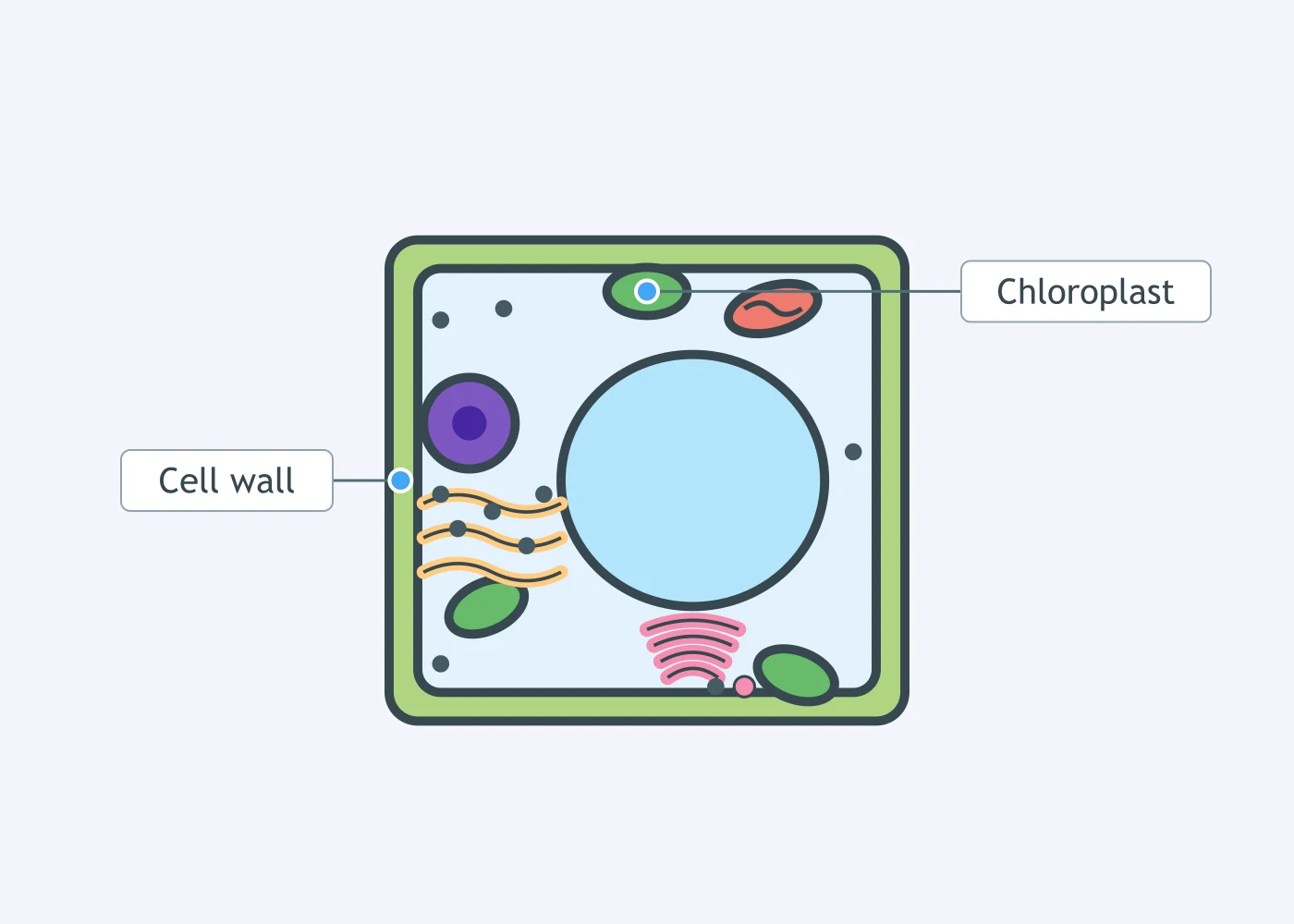
A cell model has a nucleus, membrane, cytoplasm, chloroplasts, a cell wall, and one large central vacuole. What type of cell is it?
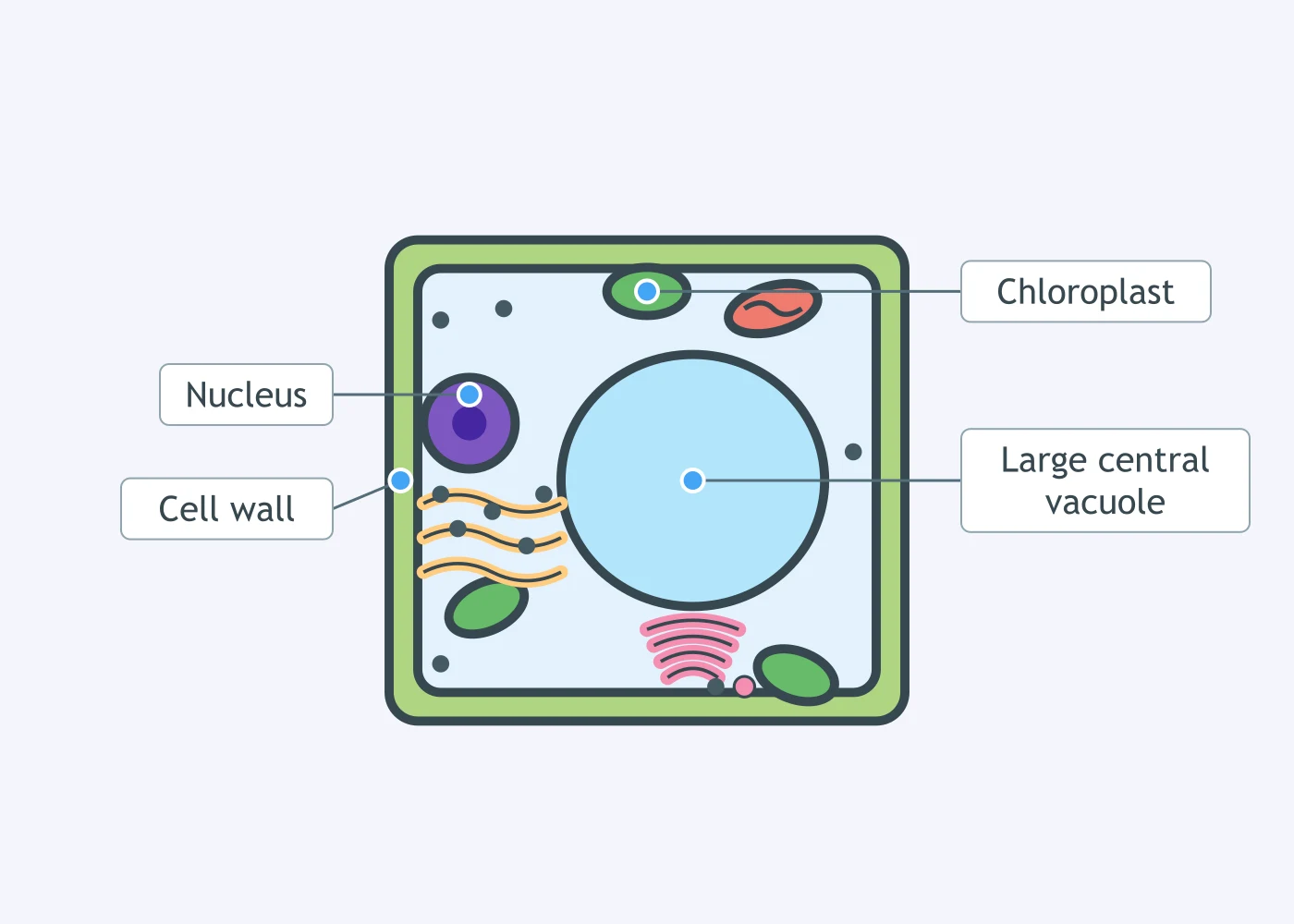
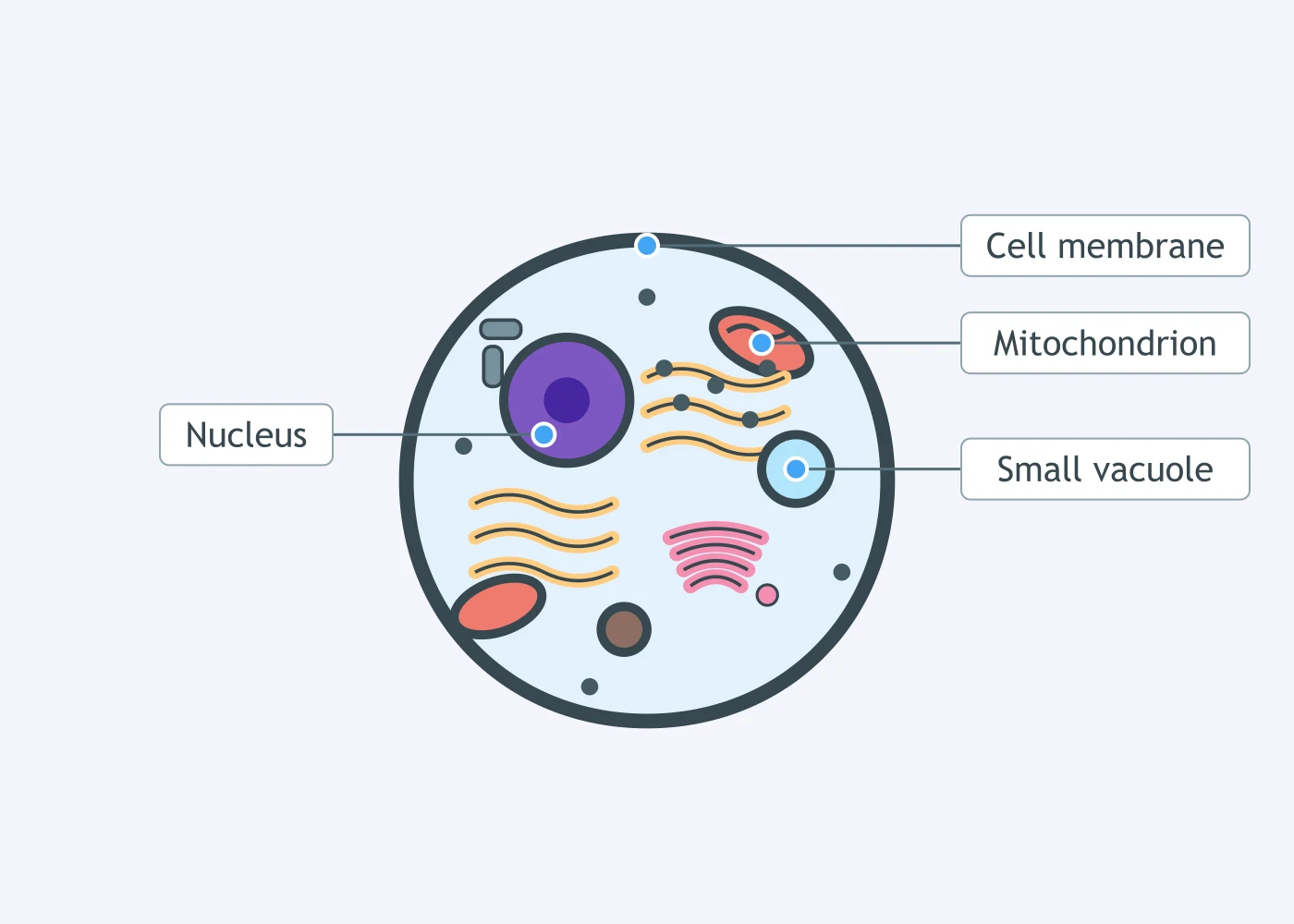
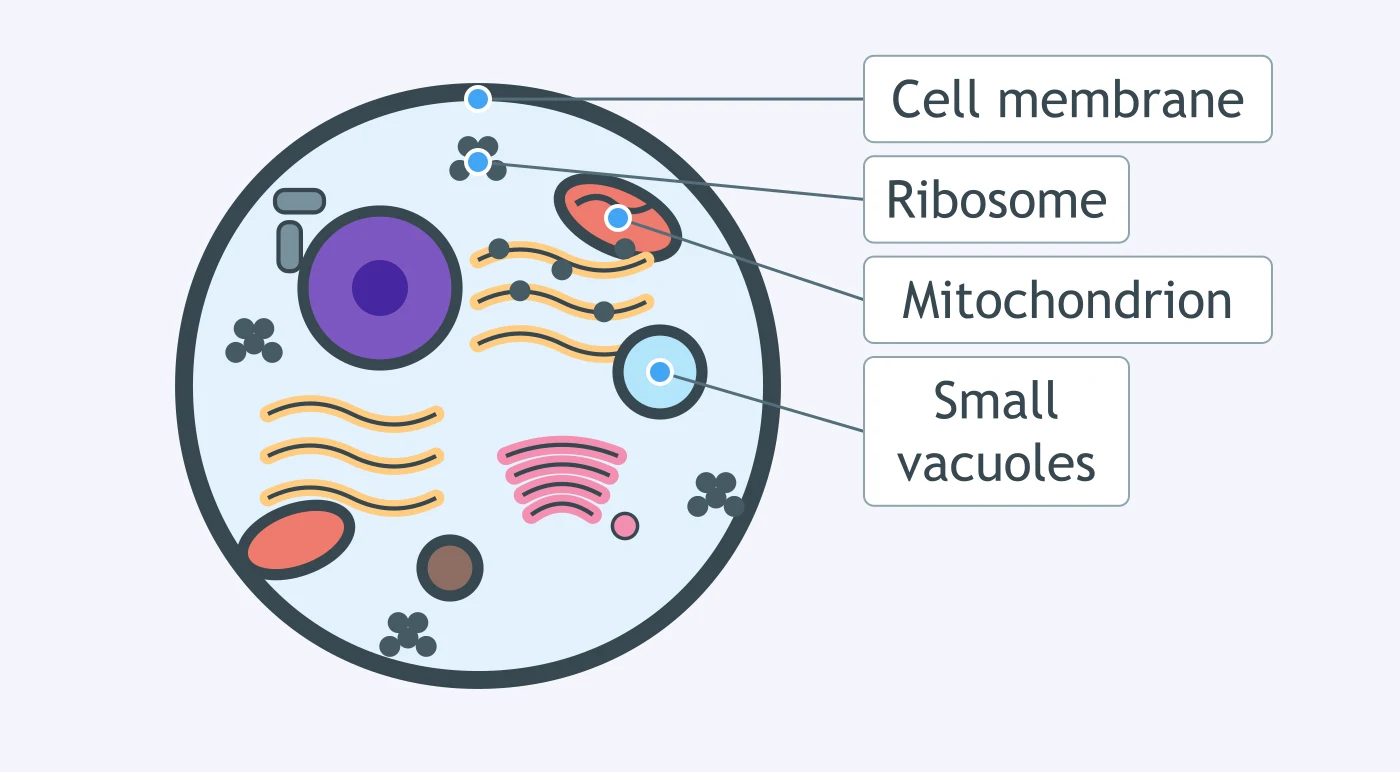
A microscope slide shows cells with nuclei, cell membranes, cytoplasm, mitochondria, and small vacuoles, but no cell walls or chloroplasts. What type are they?
Cells on a slide have rigid walls, a large central vacuole, and nuclei, but no chloroplasts. What type of cells are they?
A cell has a nucleus, cytoplasm, mitochondria, and a flexible membrane, but no cell wall or chloroplasts. What type of cell is it?
A pond leaf cell looks boxlike and contains many green chloroplasts along its edge. What type of cell is being observed?
A liver cell breaks down worn-out cell parts inside small sacs filled with digestive chemicals. What are these sacs called?
A cell has a cell wall, chloroplasts, a cell membrane, and a large central vacuole. What kind of cell is it?
A cell model has a membrane, nucleus, mitochondria, ribosomes, cytoplasm, and many small vacuoles, but no wall. What cell type does it show?
A flower petal cell has a cell wall even though it has few chloroplasts. What material makes up most of that wall?
Cells from an insect wing have mitochondria but no chloroplasts. Where do these animal cells get the sugars their mitochondria break down?
A leaf cell has chloroplasts, but a muscle cell does not. What function do chloroplasts allow the leaf cell to perform?
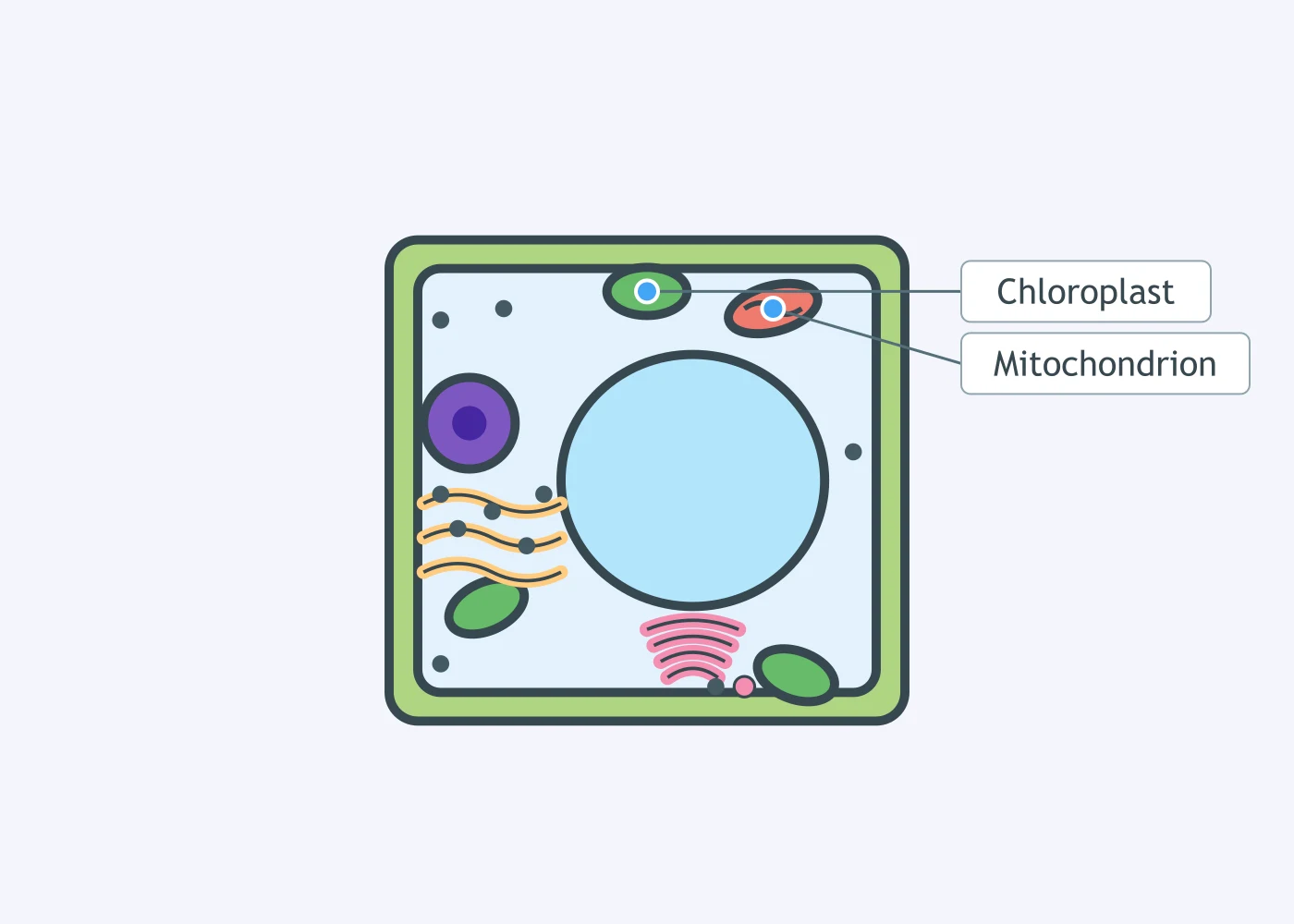
Animal cells may have small vacuoles, but plant cells often have one large central vacuole. What function does the large central vacuole support?
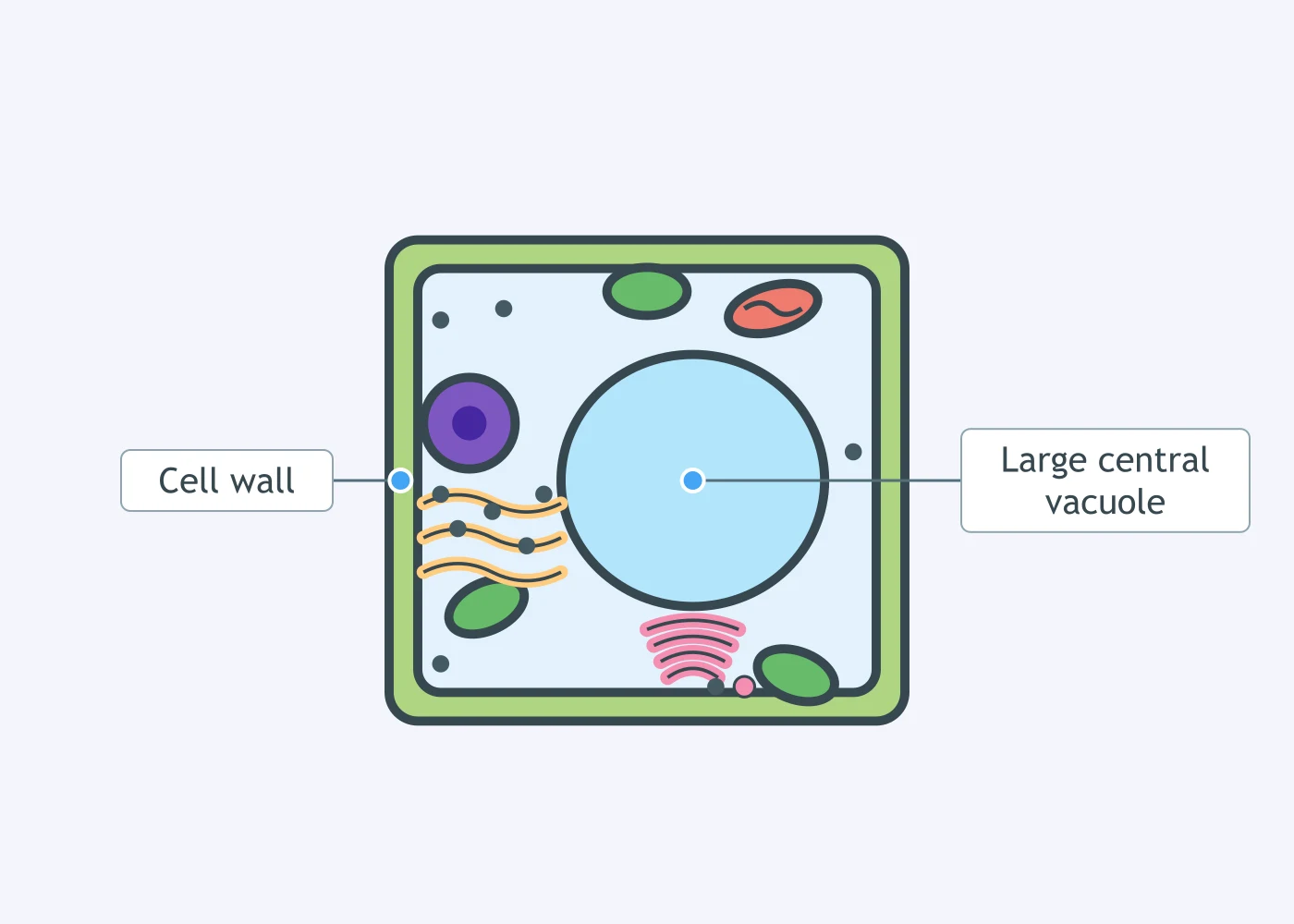
A plant cell has a rigid wall outside its membrane, while an animal cell lacks that wall. What does the wall mainly help the plant cell do?
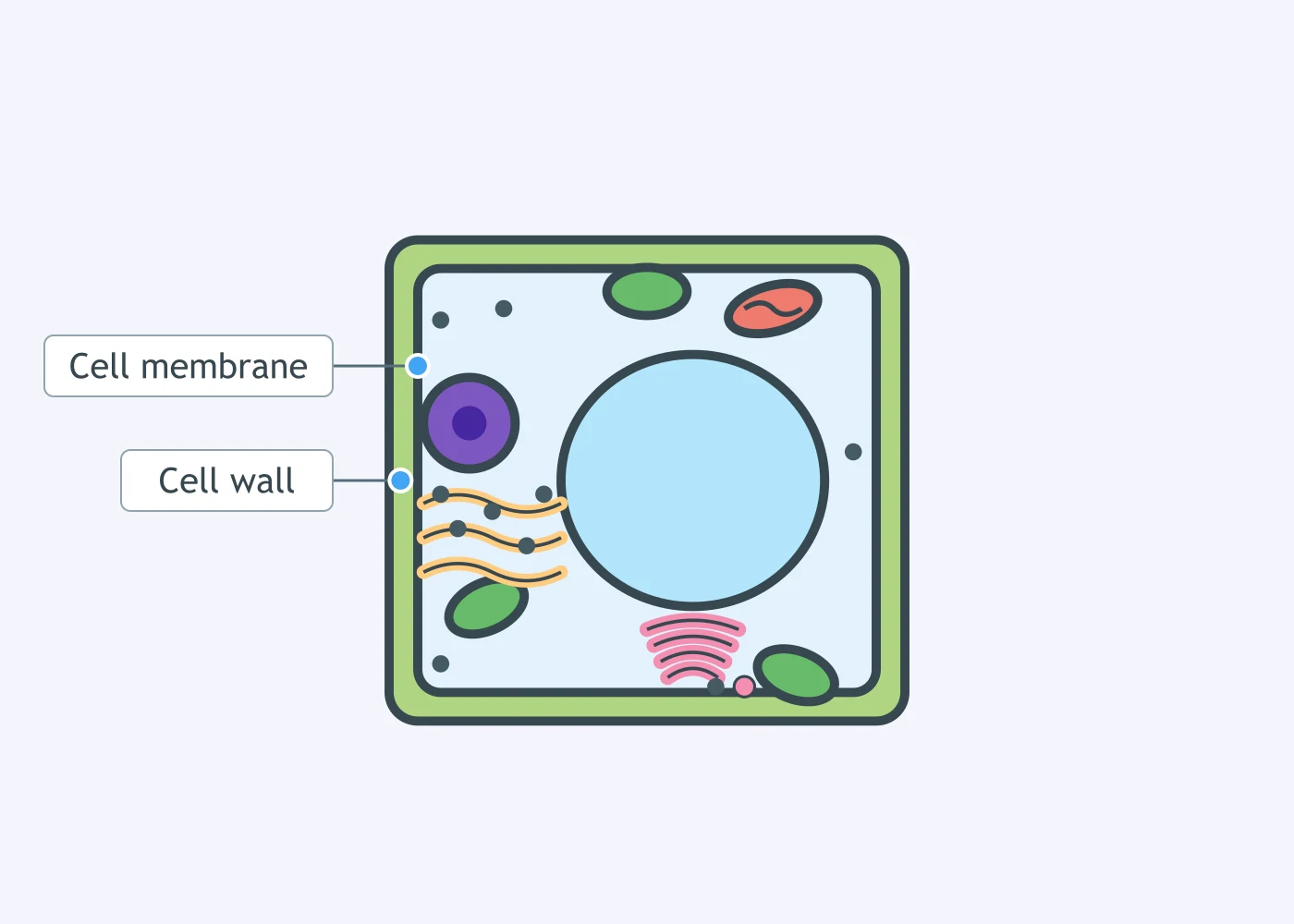
Root cells lack chloroplasts but keep a cell wall. What function does the wall still provide for the root cells?
A sunny leaf cell has many chloroplasts, while an animal skin cell has none. What substance can the leaf cell make directly using light?
When a plant is well watered, the central vacuole swells and presses against the wall. What function results?
An amoeba-like animal cell has a flexible membrane but no cell wall. What does this difference allow the cell to do?
A plant cell has both a cell wall and a cell membrane. Why is the membrane still needed?
Plant stem cells line up like bricks because each cell has a wall. What does this wall arrangement help the tissue do?
At night, a leaf cell's chloroplasts stop making sugar. Which structure keeps releasing energy from the cell's stored sugar?
A desert plant cell has a larger central vacuole than nearby animal cells. What advantage can this give the plant cell during dry conditions?
White blood cells squeeze between tissue cells, while plant cells stay boxlike with walls. What does lacking a wall help some animal cells do?
A cell membrane is badly damaged in an animal cell. What problem would most likely happen first?
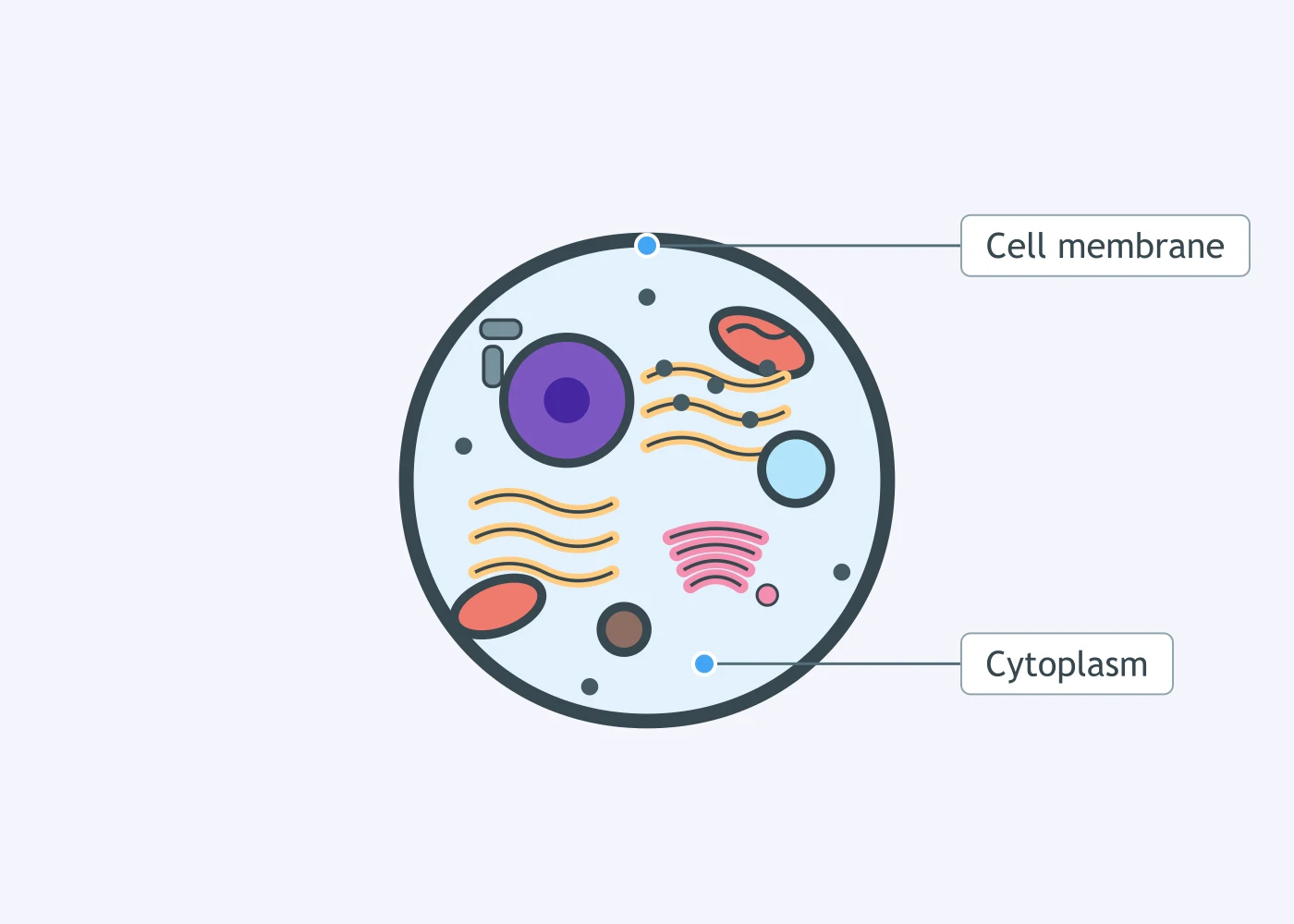
A plant leaf cell loses all working chloroplasts but keeps its nucleus, wall, and mitochondria. What function would be most affected?
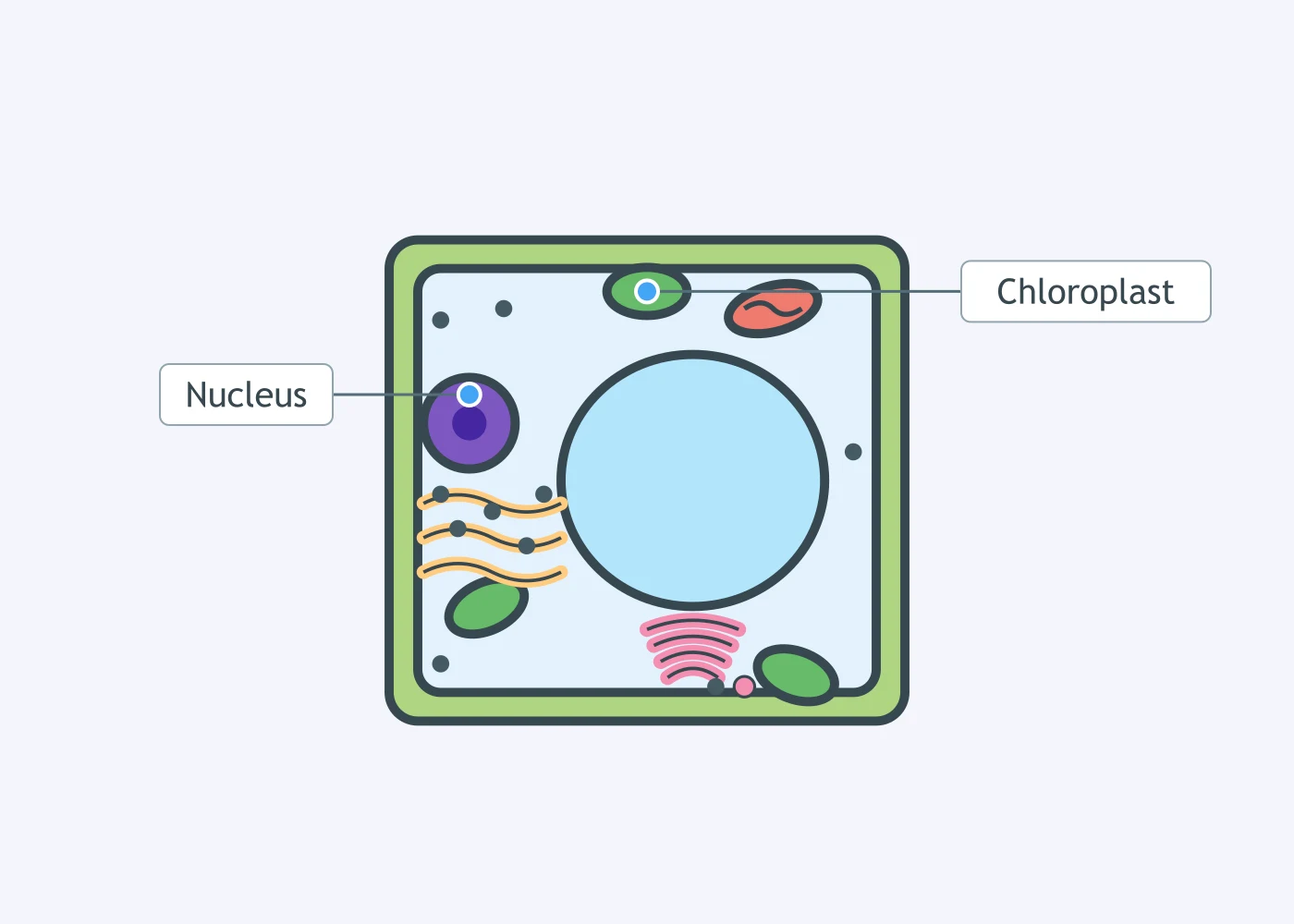
During a drought, a plant cell's central vacuole shrinks. What effect would the cell most likely show?
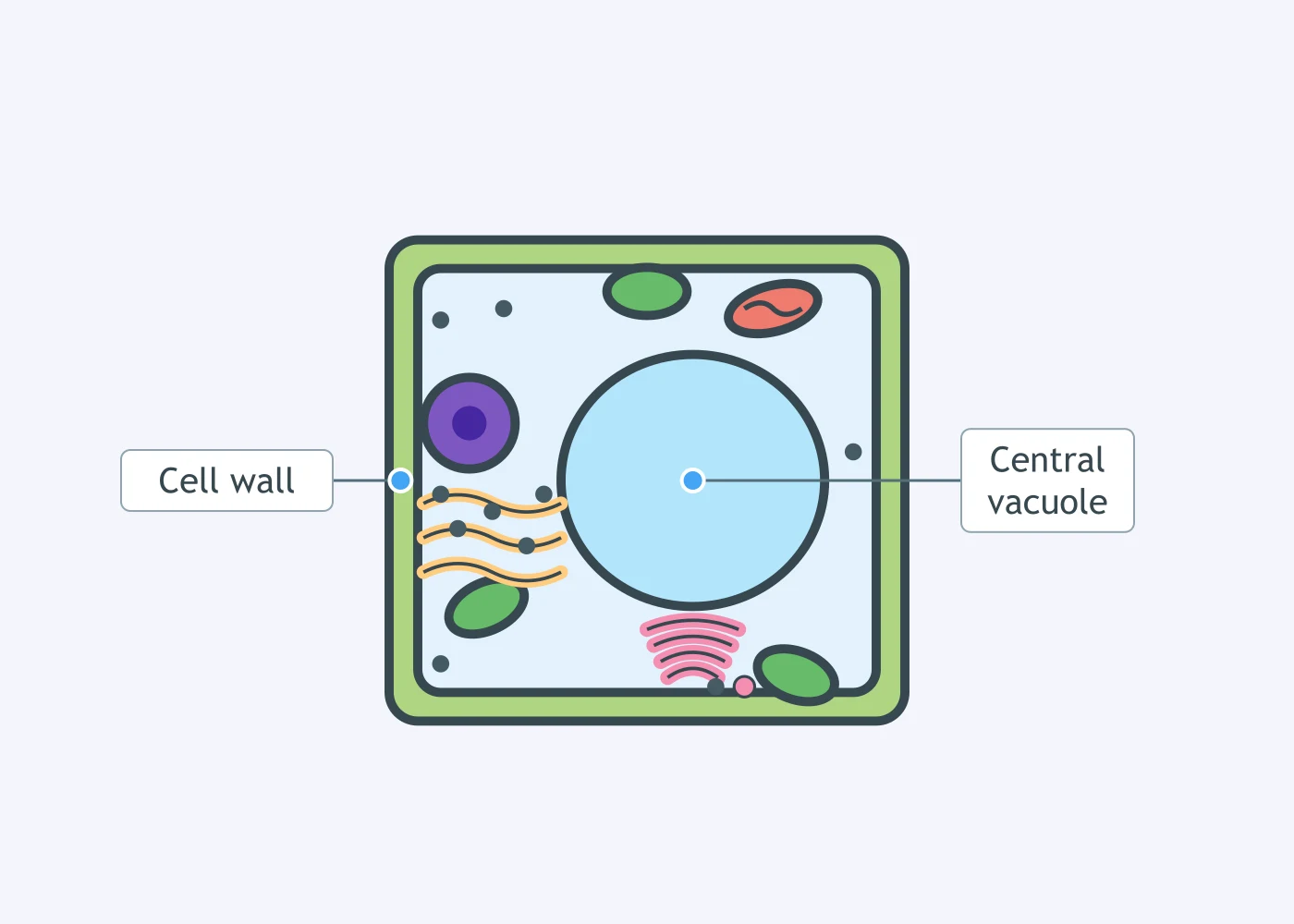
If a cell's nucleus were destroyed, what problem would the cell most likely have?
An animal cell has working food molecules but damaged mitochondria. What function would be reduced?
A plant cell's cell wall is weakened while its membrane still works. What problem is most likely?
A cell's ribosomes stop working. What cell function would fail most directly?
A cell loses most of its cytoplasm, leaving organelles without the gel-like material around them. What problem would this cause?
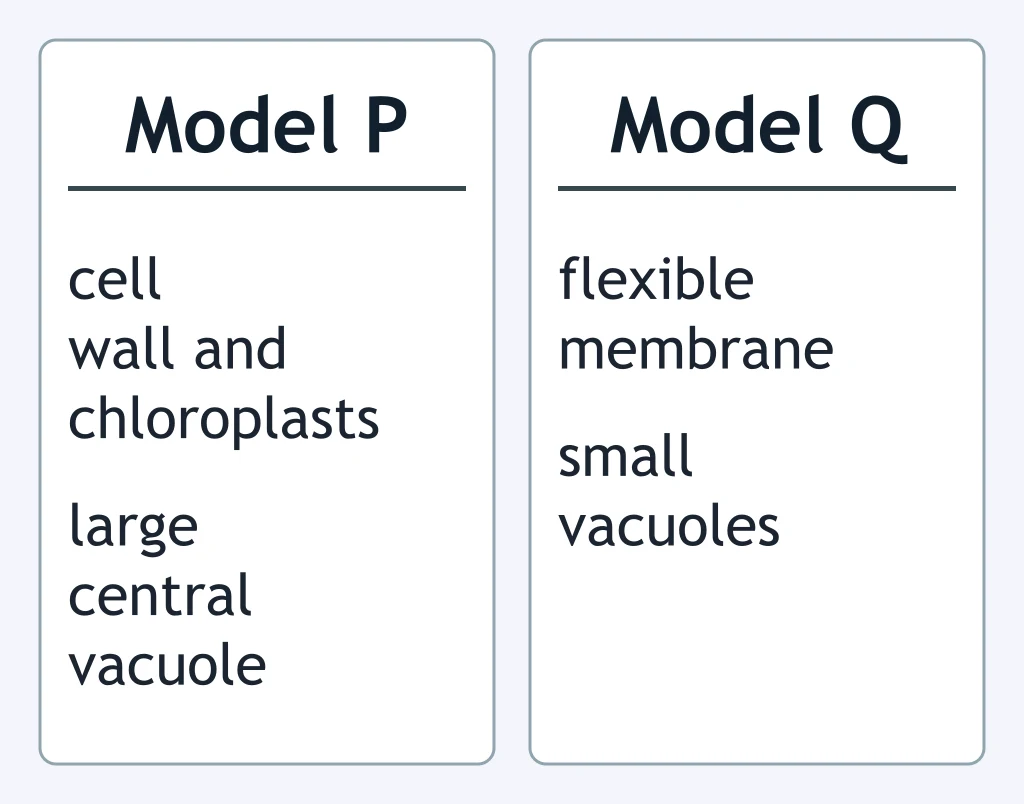
Model P has a wall, chloroplasts, and one large vacuole; Model Q has a flexible membrane and small vacuoles. What comparison is supported?
Model A shows a nucleus, mitochondria, and ribosomes. Model B shows those structures plus chloroplasts and a cell wall. How should the models be compared?
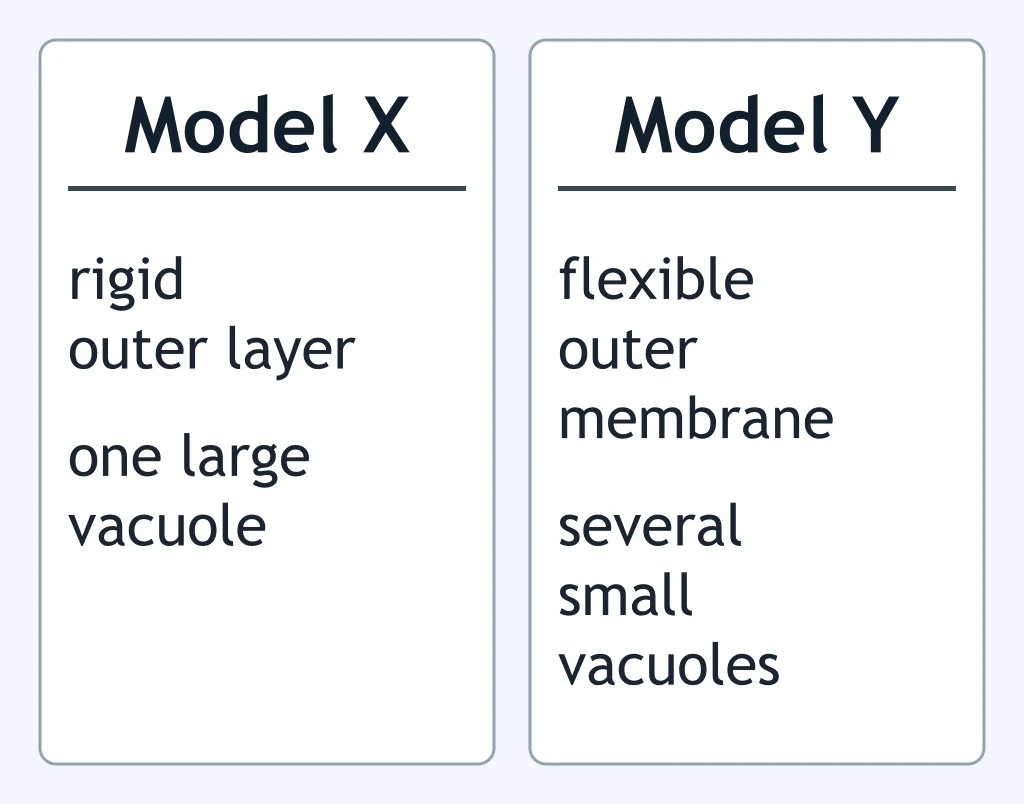
Model X has a rigid outer layer and one large vacuole. Model Y has a flexible outer membrane and several small vacuoles. What comparison fits the evidence?
A team calls Model K an animal cell because it has a nucleus and mitochondria. The model also has chloroplasts and a wall. What evaluation is best?
Model R is a flat paper drawing of an animal cell: a circle with a nucleus and a few mitochondria. What is one limitation of this model?
A classroom model of a leaf cell is 20 cm wide. The real leaf cell is about 0.05 mm wide. About how many times wider than the real cell is the model?
In the pair 'cell membrane and chloroplast,' how should the two structures be classified?
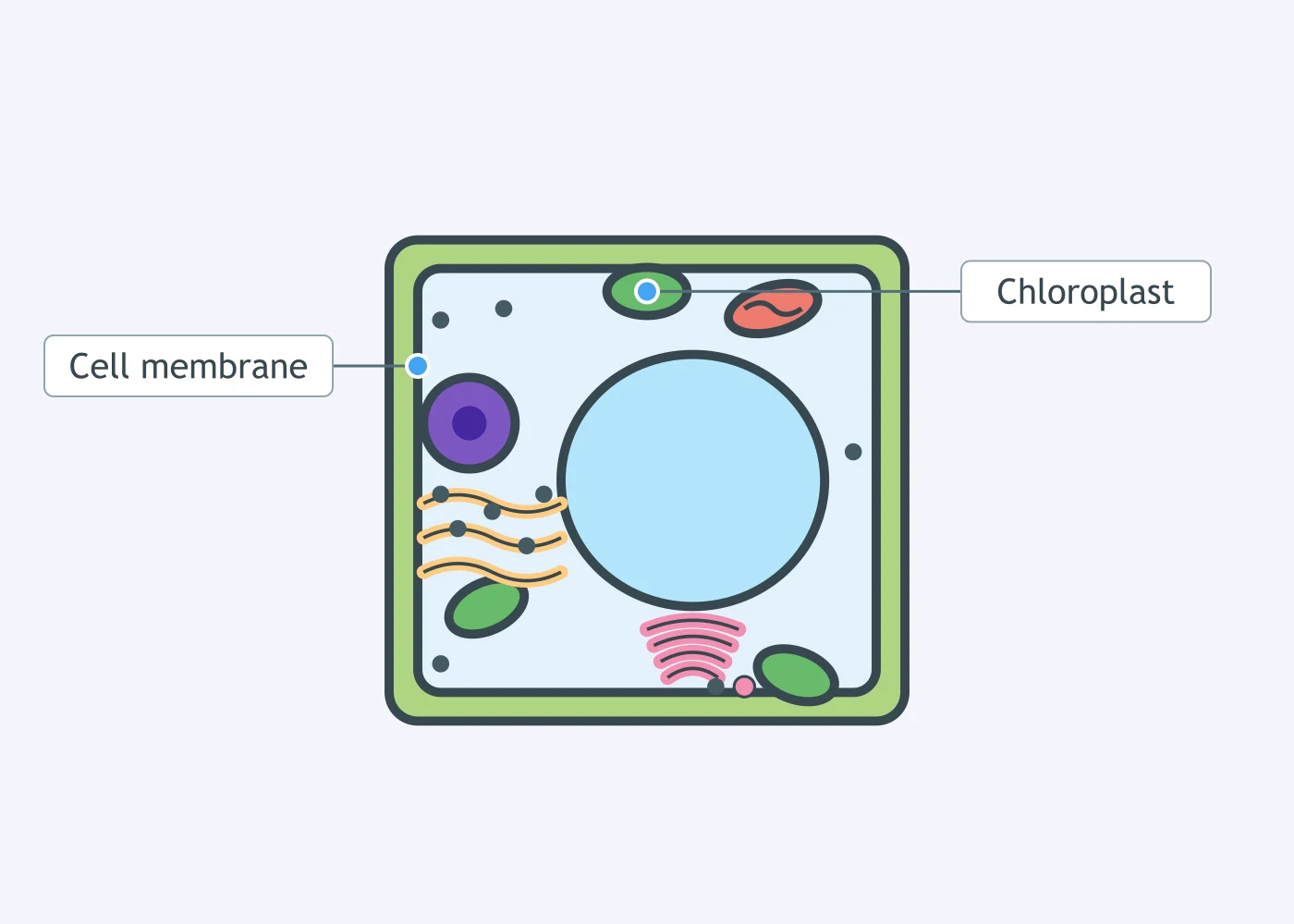
In the pair 'nucleus and cell wall,' how should the structures be classified for plant and animal cells?
In the pair 'mitochondrion and large central vacuole,' how should the structures be classified?
In the pair 'ribosome and chloroplast,' how should the structures be classified?
Crack the passcode before the zombies get in.
Answer, then swat bugs for bonus points.
Race through questions at your own speed.
Same question on every screen. Fastest wins.

Pick a tile, answer, hit bonuses and steals.
Prokaryotes and Eukaryotes
20 questions