Loading
by BlastRoom
Students use evidence to choose and improve designs that keep objects hot or cold longer.
#us_grade_7_science
20 questions
One question set, multiple game modes. Tap any game to see it in action. Not sure which to pick?
Answer to place stones and capture territory.
Outrun the snow together.
Earn blasts, then hunt the other team.
Answer to earn energy, then climb.

The class blasts through walls together.
Bid on mystery lots. Most money wins.
Sell tours. Nice, standard, or a total scam.

Answer, restock, and serve the rush.
More correct answers pulls the rope your way.
Answer, then shoot down the alien wave.
Answer, then tap to leap the frozen ridge.
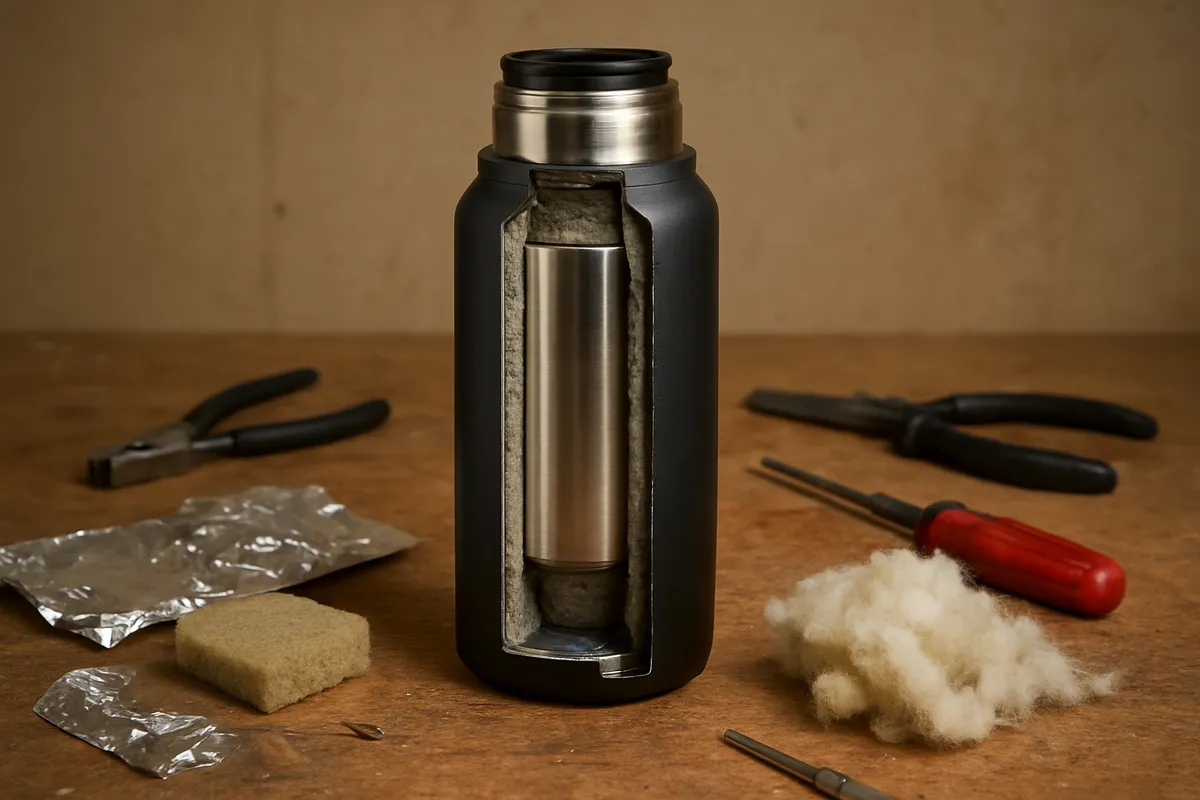
Soup must stay at least 60°C for 2 hours, cost under $8, and weigh under 300 g. Which container should the team build?
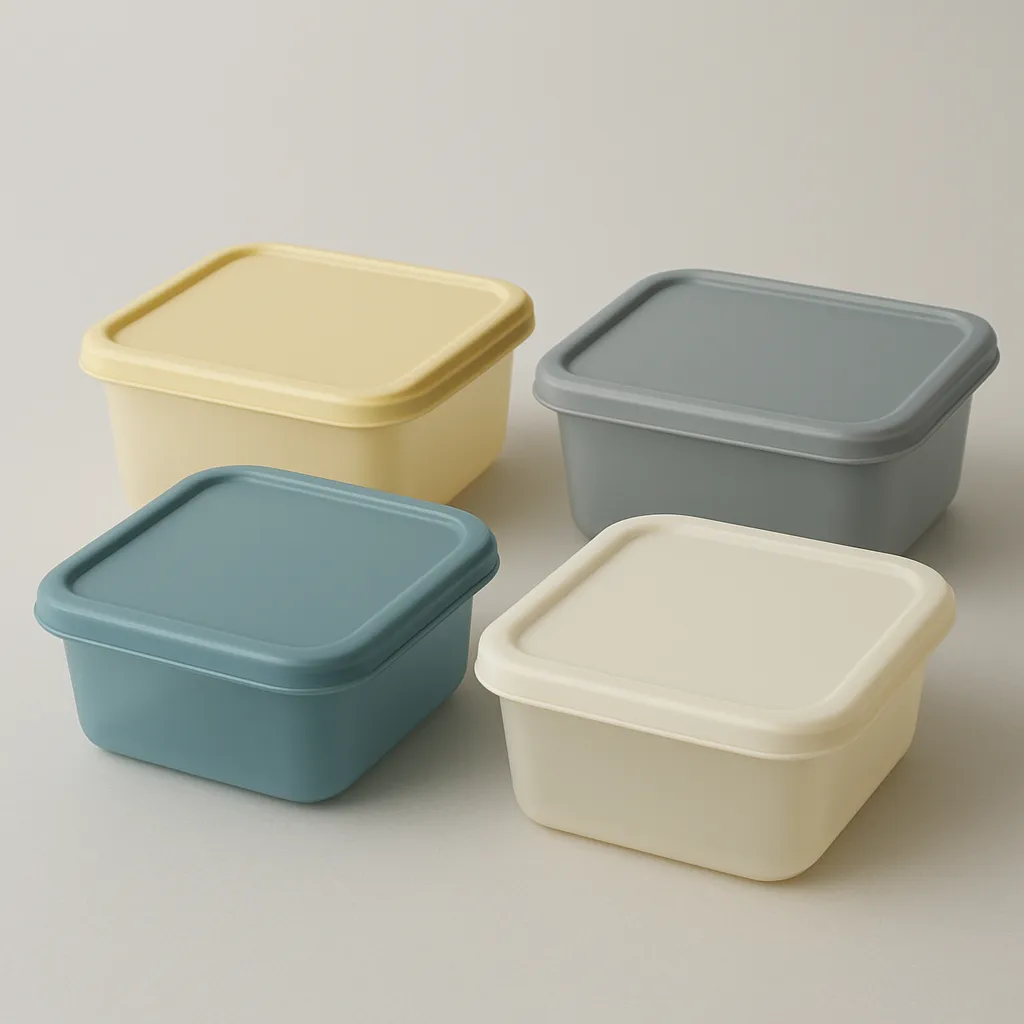
Milk cartons must stay below 12°C for 3 hours in a 1 L carrier that costs $5 or less. Which design meets the criteria?
During a 45 minute walk, ice should remain mostly frozen in a reusable carrier under 150 g. Which design best fits that goal?
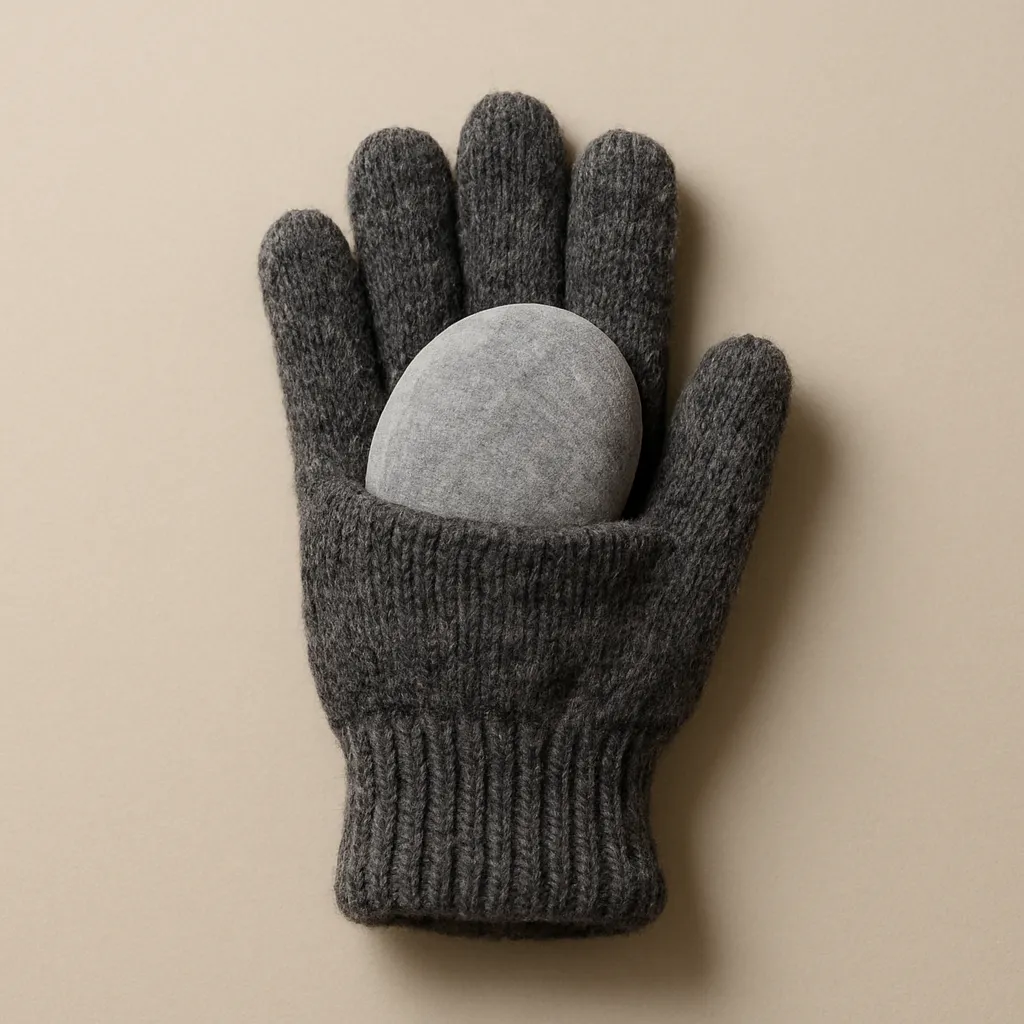
A glove warmer must reach at least 30°C in 5 minutes, last 20 minutes, and have mass under 60 g. Which design meets all criteria?
Medicine must stay below 5°C for 4 hours, with no leaking, and the cooler must cost under $6. Which design is best supported by the test?
A pizza sleeve must keep food above 50°C for 30 minutes, use recyclable materials, and cost under $3. Which test result meets the design constraints?
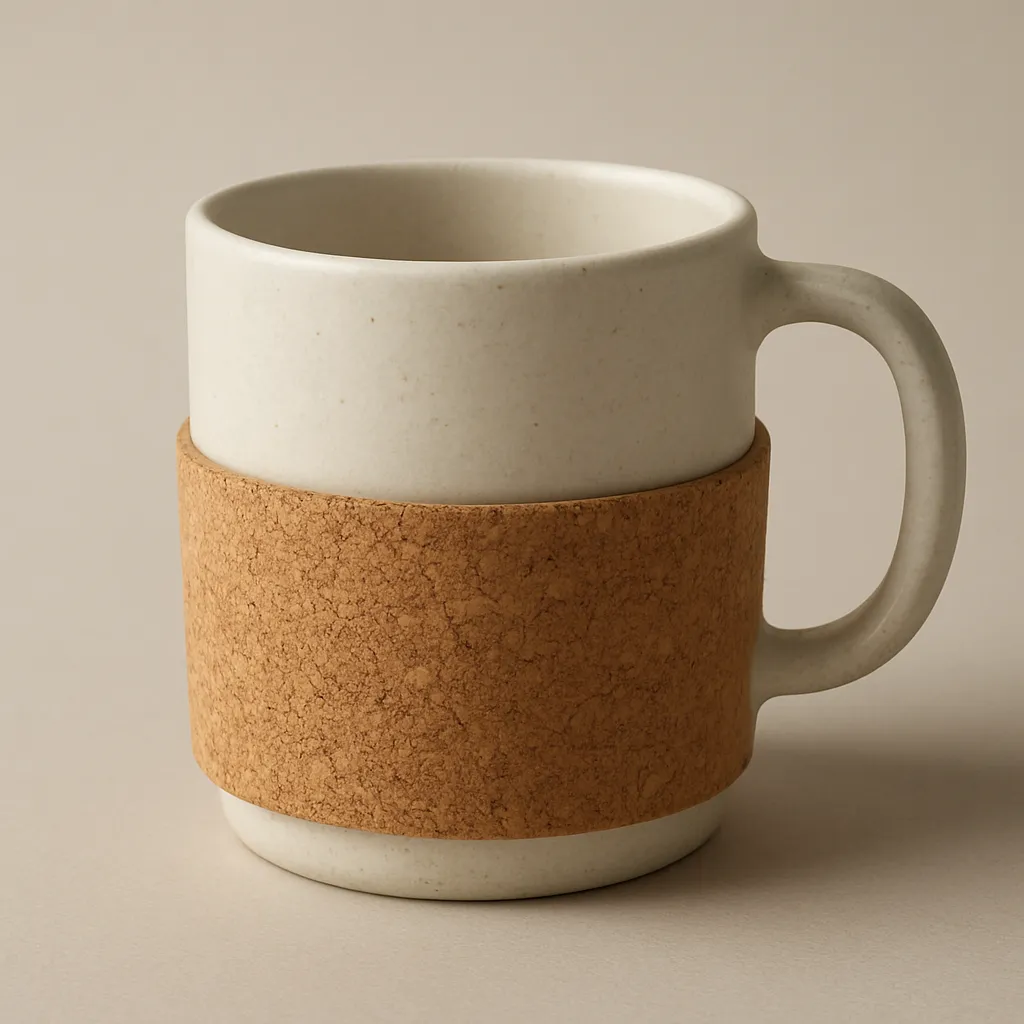
A cork sleeve around a mug keeps the outside cooler while the drink cools more slowly. Which heat-transfer path does the sleeve mainly reduce?
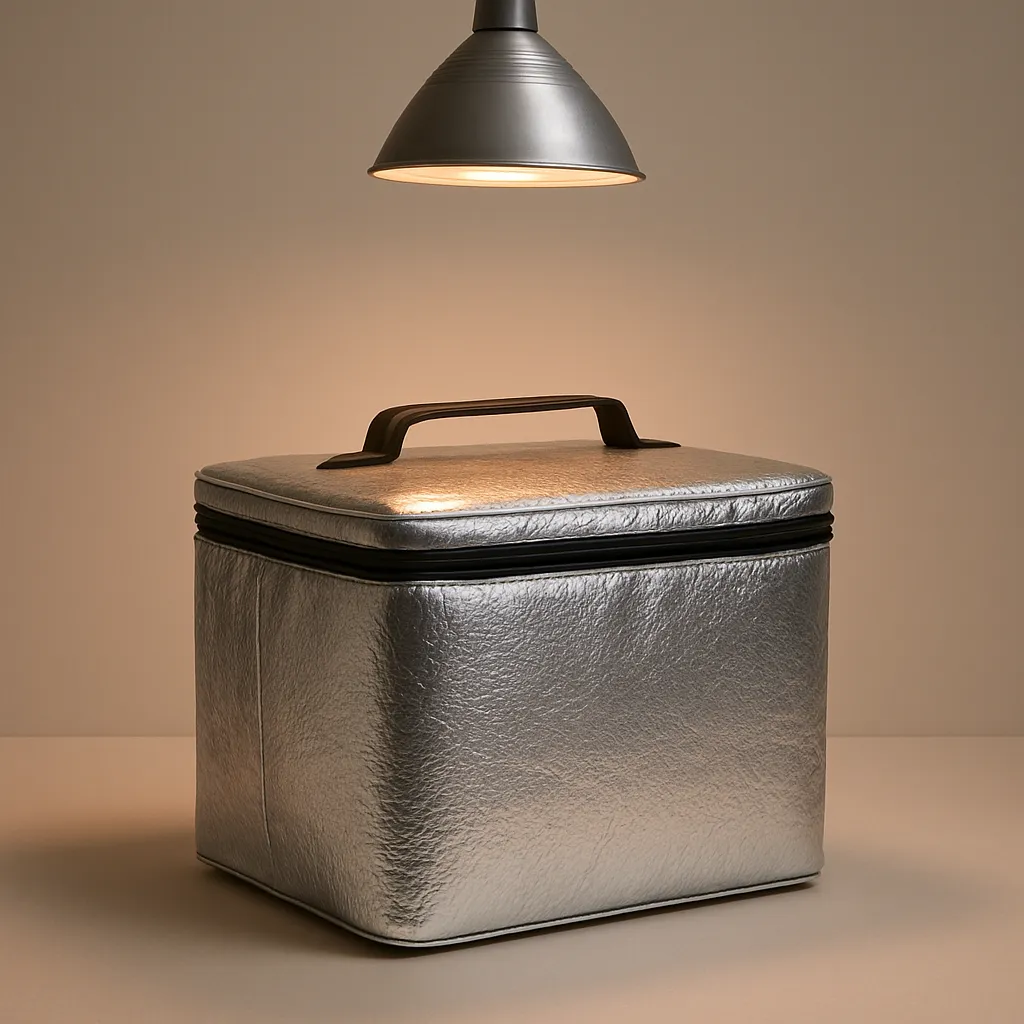
Under a heat lamp, a shiny cooler stays colder than a black cooler with the same foam thickness. Which heat-transfer path does the shiny layer address?
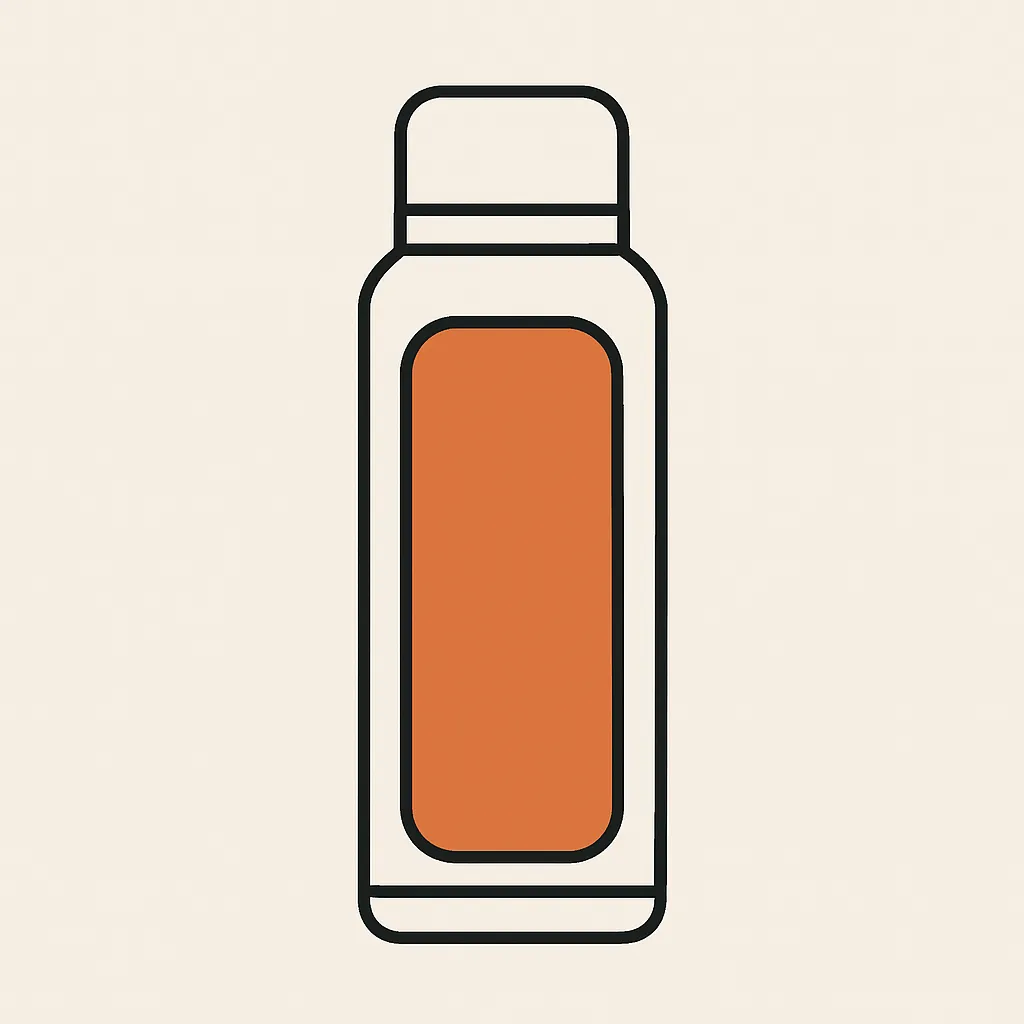
A bottle with two walls and a vacuum gap keeps cocoa warm much longer than a single metal bottle. What heat-transfer path is the gap designed to reduce?
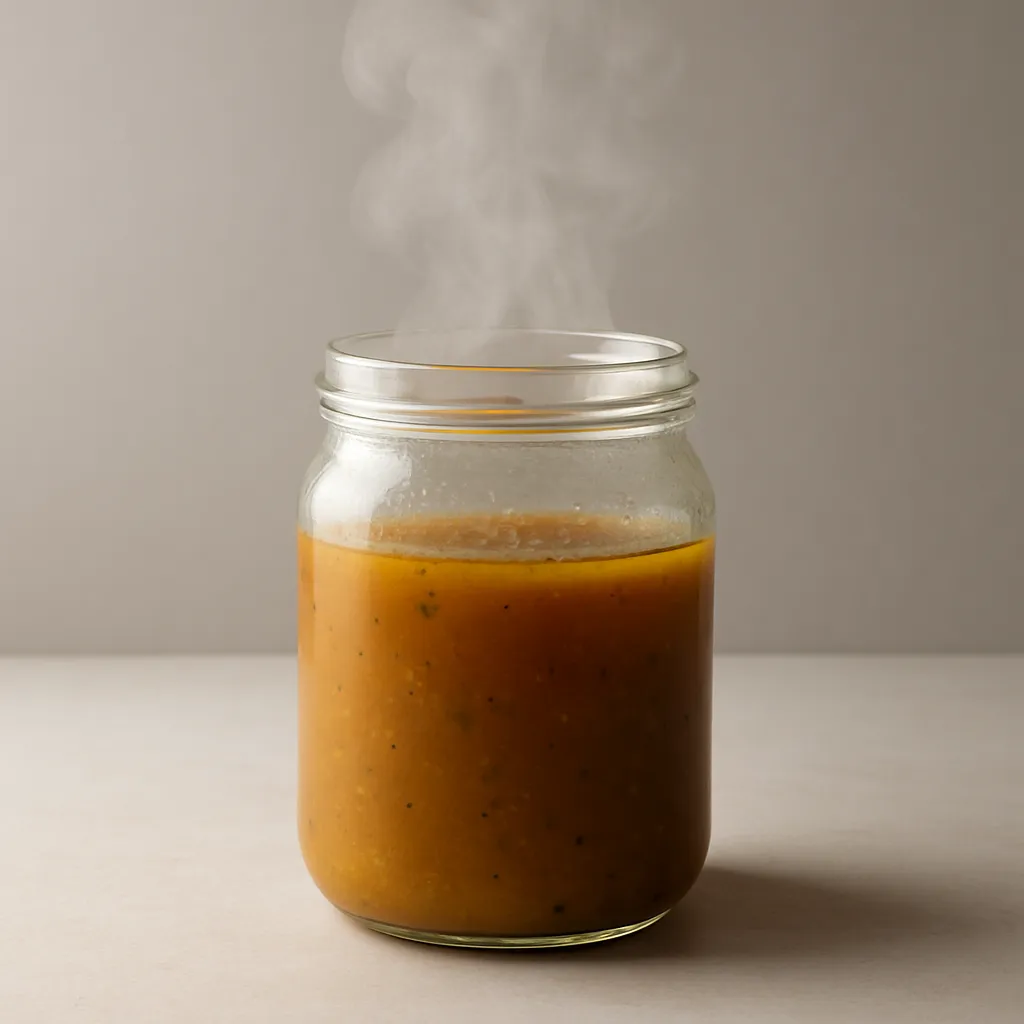
Steam escaped from an uncovered soup jar, and the soup cooled quickly at the top. Which path would a tight lid mainly reduce?
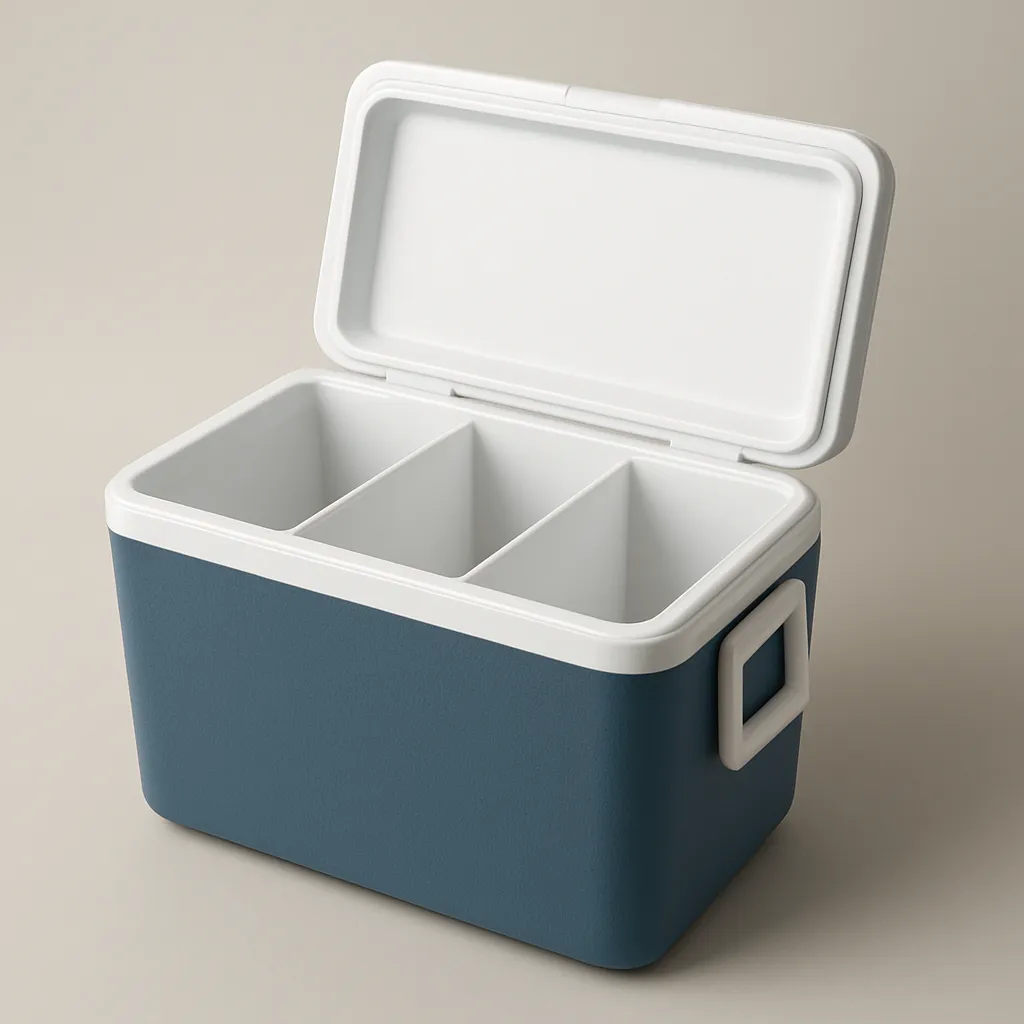
A cooler insert divides the large air space above the food into smaller pockets. Which heat-transfer problem is the insert mainly trying to reduce?
In a cup test, the outside wall became hot while the lid stayed cool. The drink lost 12°C in 20 minutes. Which modification is best supported?
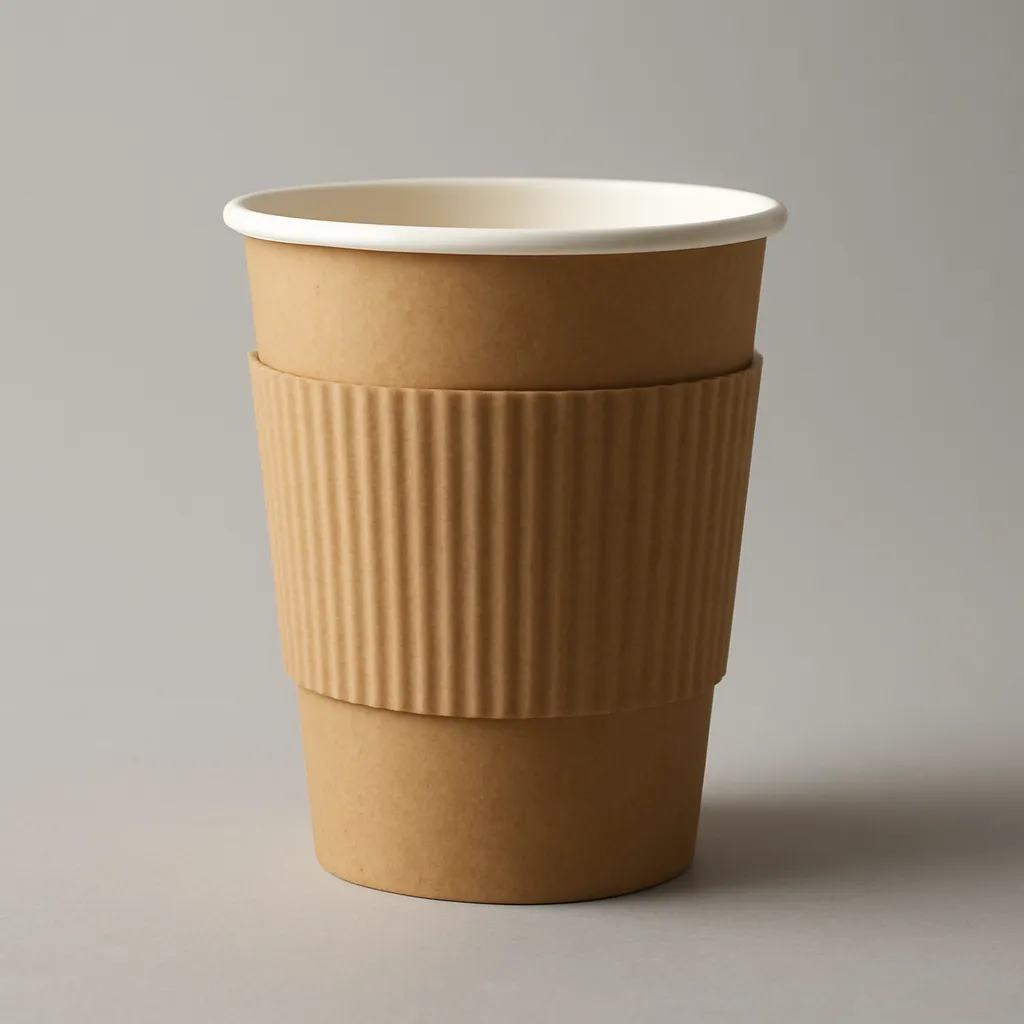
Two identical coolers were tested. The one in sunlight warmed 6°C more than the shaded one. Which modification follows from the evidence?
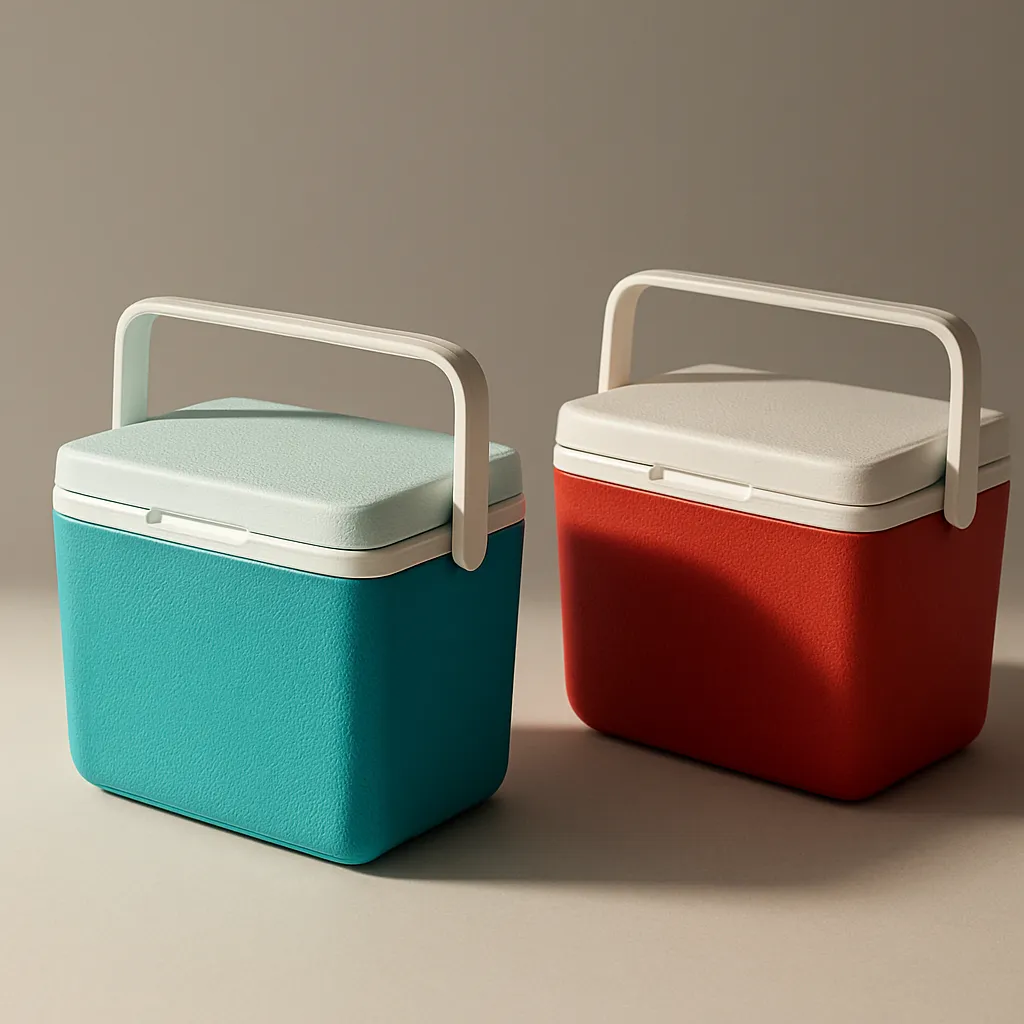
A cold box had samples near the loose lid 3°C warmer than samples near the bottom. What change should the team test next?
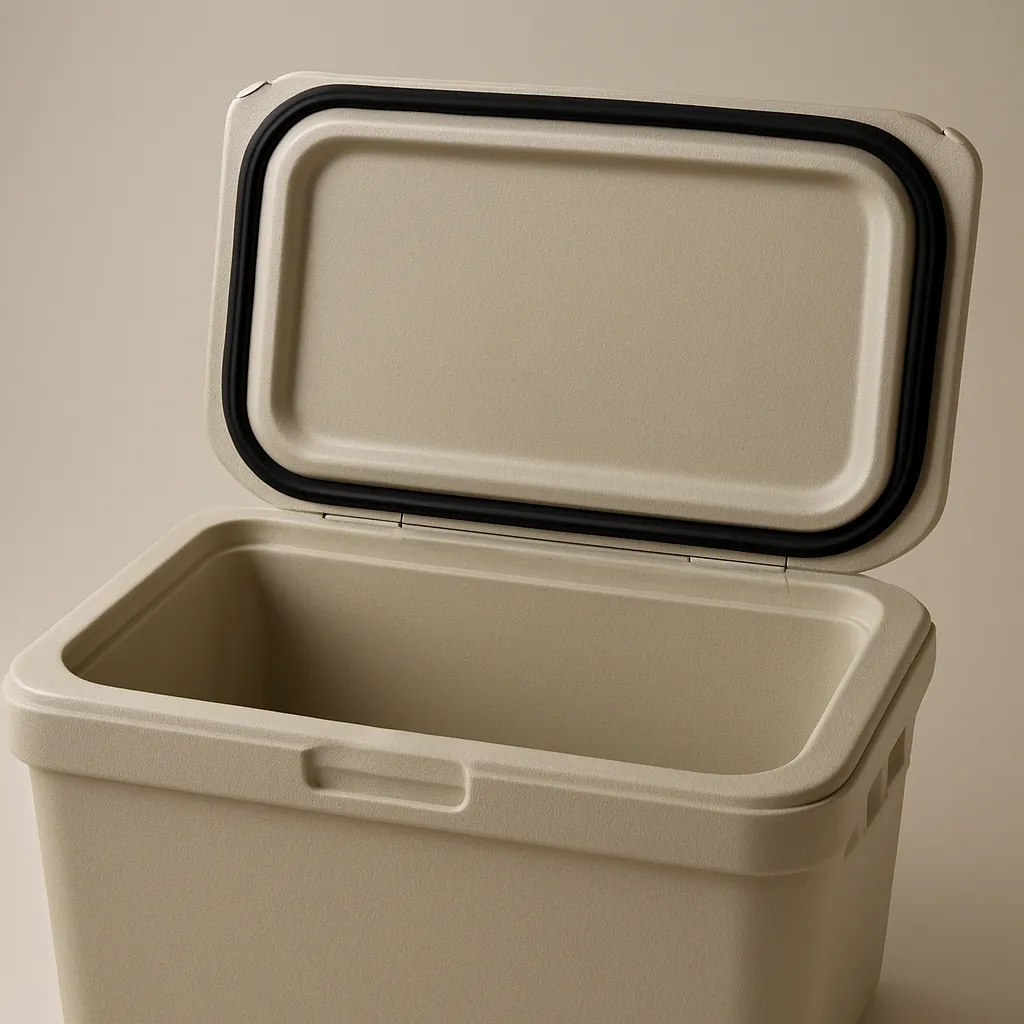
An iron-powder hand warmer reached 45°C in 4 minutes but cooled after 10 minutes. The goal is 35-40°C for 30 minutes. Which change is best?
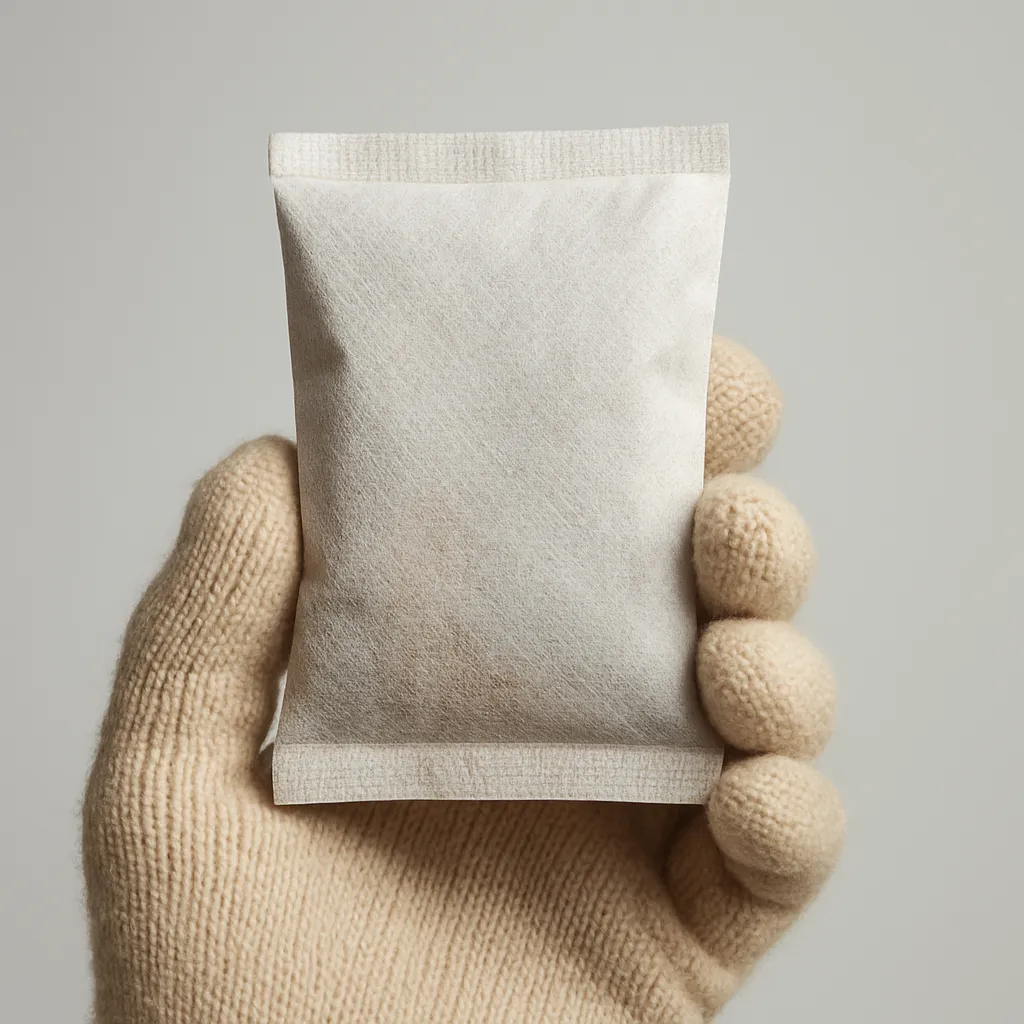
An ice pack stayed at 0°C until all frozen gel melted, then warmed quickly. To keep samples cold longer, what should the team change?
A keeps soup above 60°C for 5 h, costs $18, weighs 700 g. B lasts 4 h, costs $7, weighs 300 g. Need 4 h and low cost. Which claim fits?
Foam shipper X holds vaccines below 8°C for 10 h but is single-use. Reusable shipper Y holds 8 h. The trip is 7 h and waste matters most. Which claim fits?
Hand warmer P lasts 4 h, costs $1, and is single-use. Warmer Q lasts 2.5 h, costs $12, and recharges. Hikers need 2 h and value reuse most. Which claim fits?
A seedling box must stay below 30°C and allow observation. A foil box stays at 24°C but blocks viewing. A clear box reaches 38°C. A clear shaded box stays at 27°C. Which claim fits?
Crack the passcode before the zombies get in.
Answer, then swat bugs for bonus points.
Race through questions at your own speed.
Same question on every screen. Fastest wins.

Pick a tile, answer, hit bonuses and steals.

Using a Microscope
20 questions