Loading
by BlastRoom
Students use microscope evidence to support cell theory and classify organisms by cell number.
#us_grade_7_science
20 questions
One question set, multiple game modes. Tap any game to see it in action. Not sure which to pick?
Answer to place stones and capture territory.
Outrun the snow together.
Earn blasts, then hunt the other team.
Answer to earn energy, then climb.

The class blasts through walls together.
Bid on mystery lots. Most money wins.
Sell tours. Nice, standard, or a total scam.

Answer, restock, and serve the rush.
More correct answers pulls the rope your way.
Answer, then shoot down the alien wave.
Answer, then tap to leap the frozen ridge.
A student views onion skin, cheek lining, and pond algae under a microscope. All show small units with boundaries. Which claim is best supported?
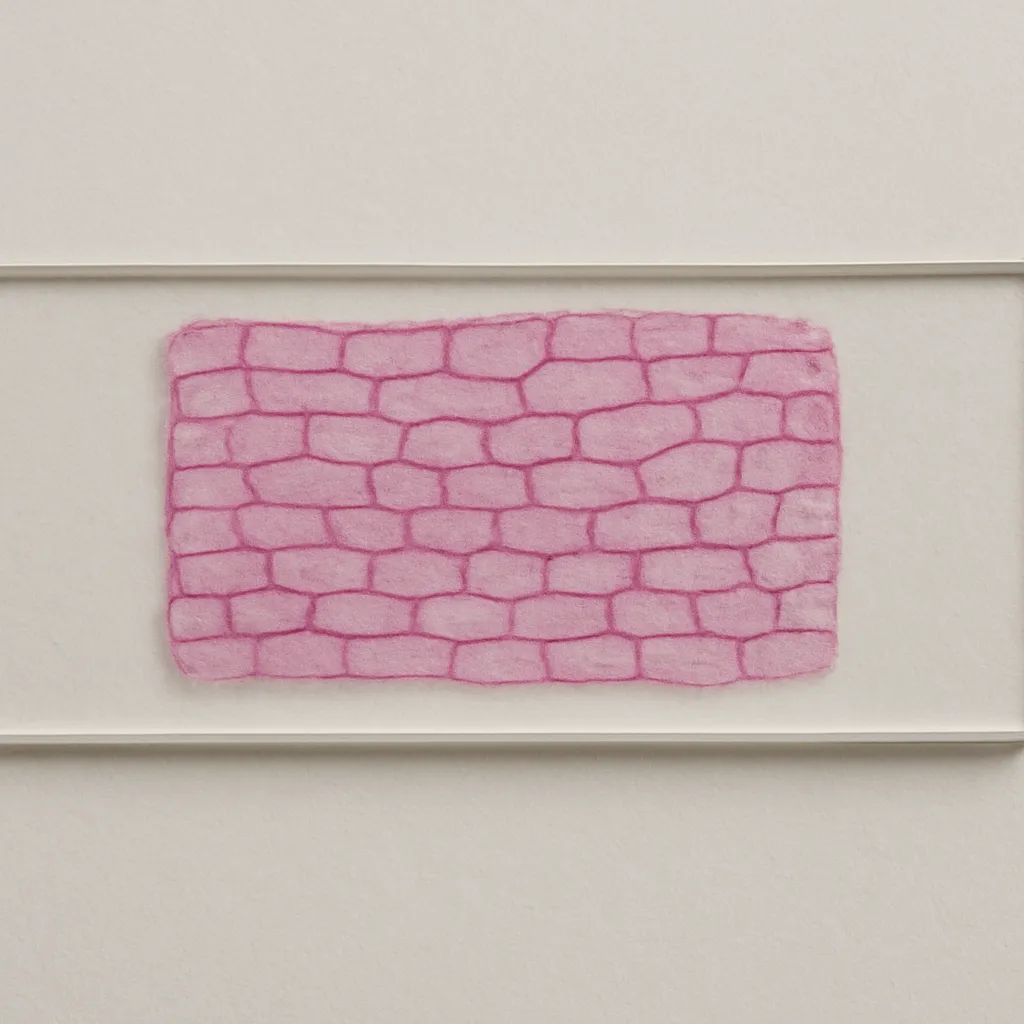
A pond organism moves, takes in food, and reproduces as one cell. How should this organism be classified?
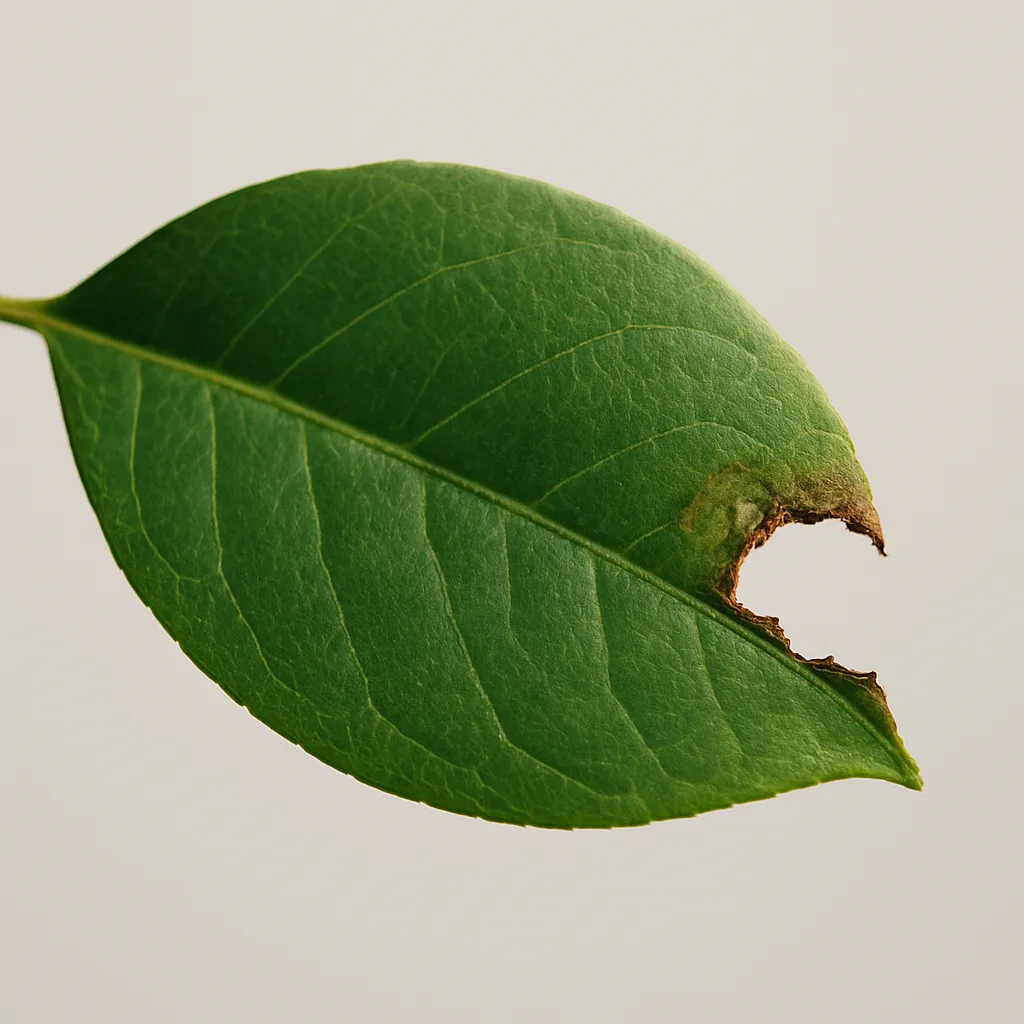
A leaf is torn by an insect. Cells along the torn edge turn brown and form a seal that keeps out germs and slows water loss. What does this show?
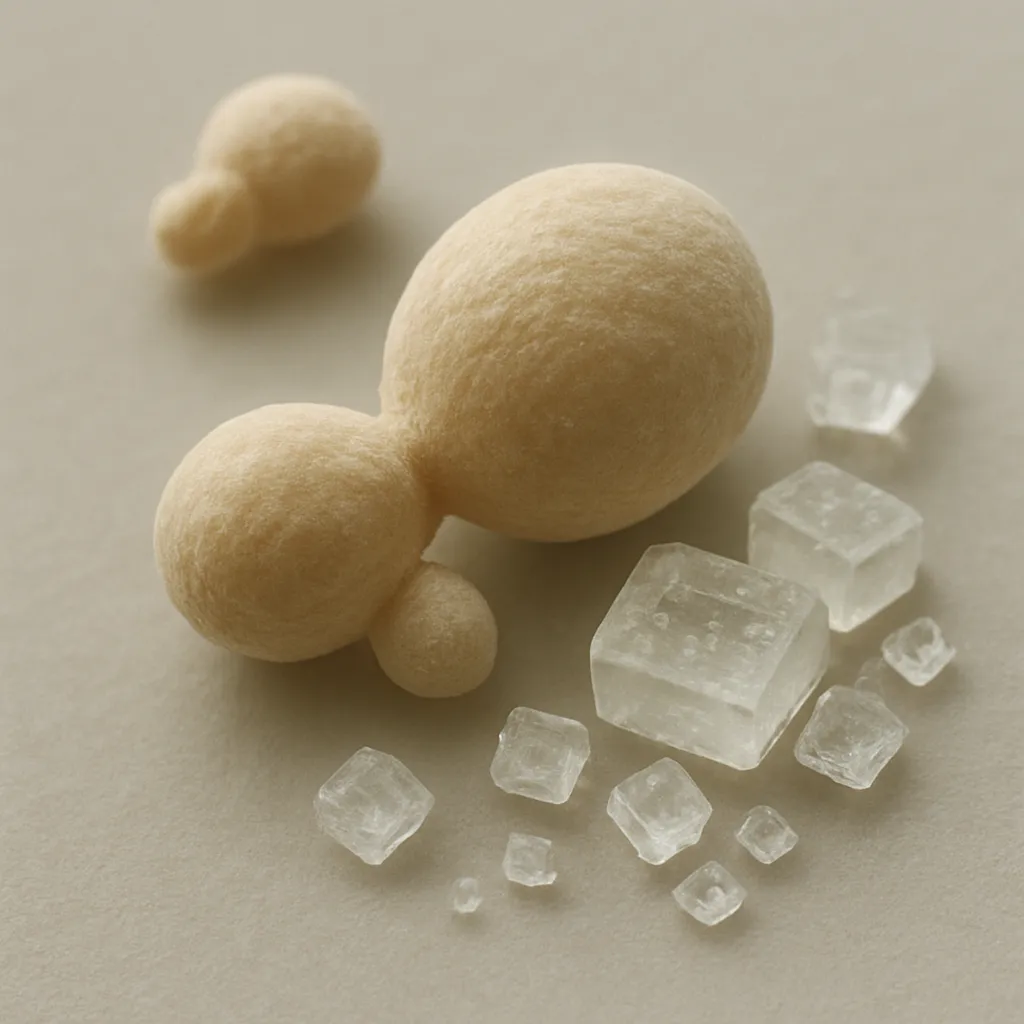
Under a microscope, yeast shows rounded cells budding, while sugar crystals show sharp shapes with no membranes. Which sample gives evidence of life?
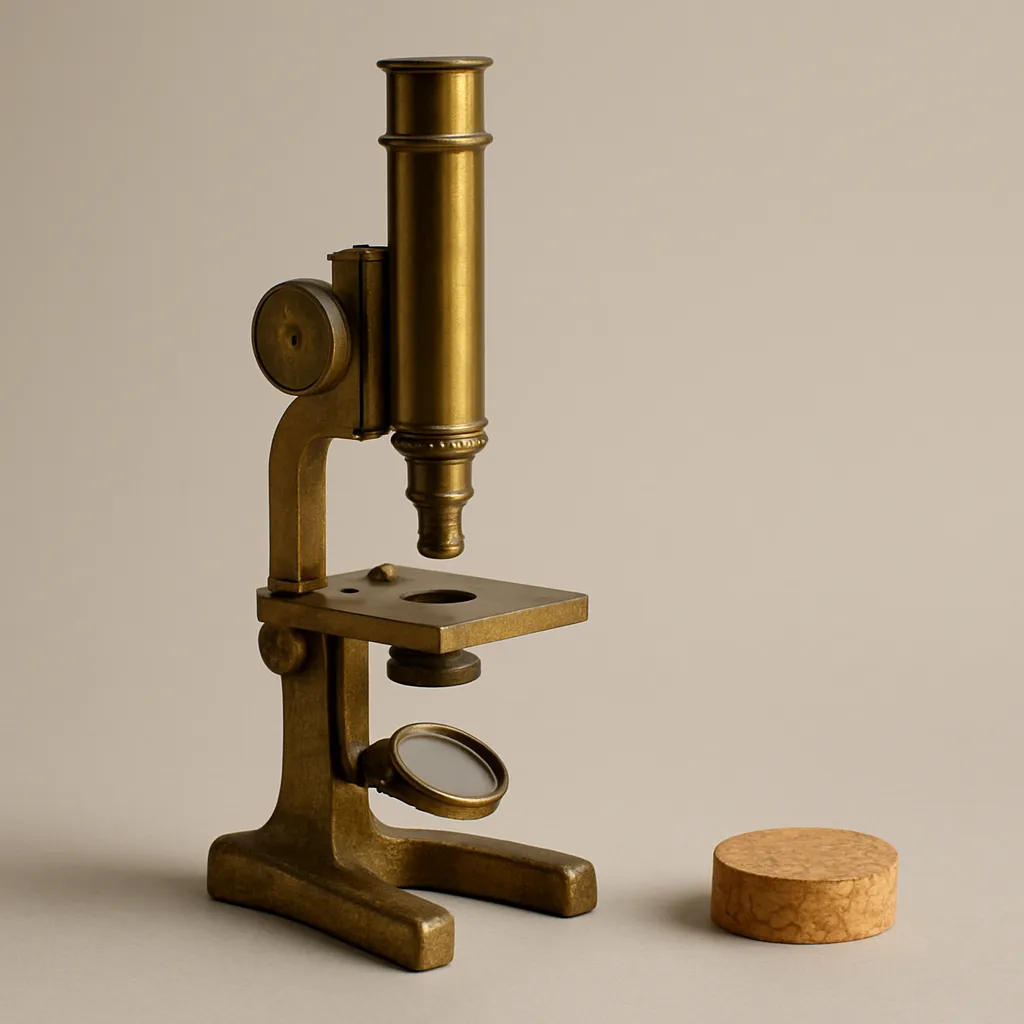
Robert Hooke saw tiny boxlike spaces in cork with an early microscope. Why did observations like this matter for cell theory?
A bacterium has no nucleus and completes its life processes as one cell. Which description fits it best?
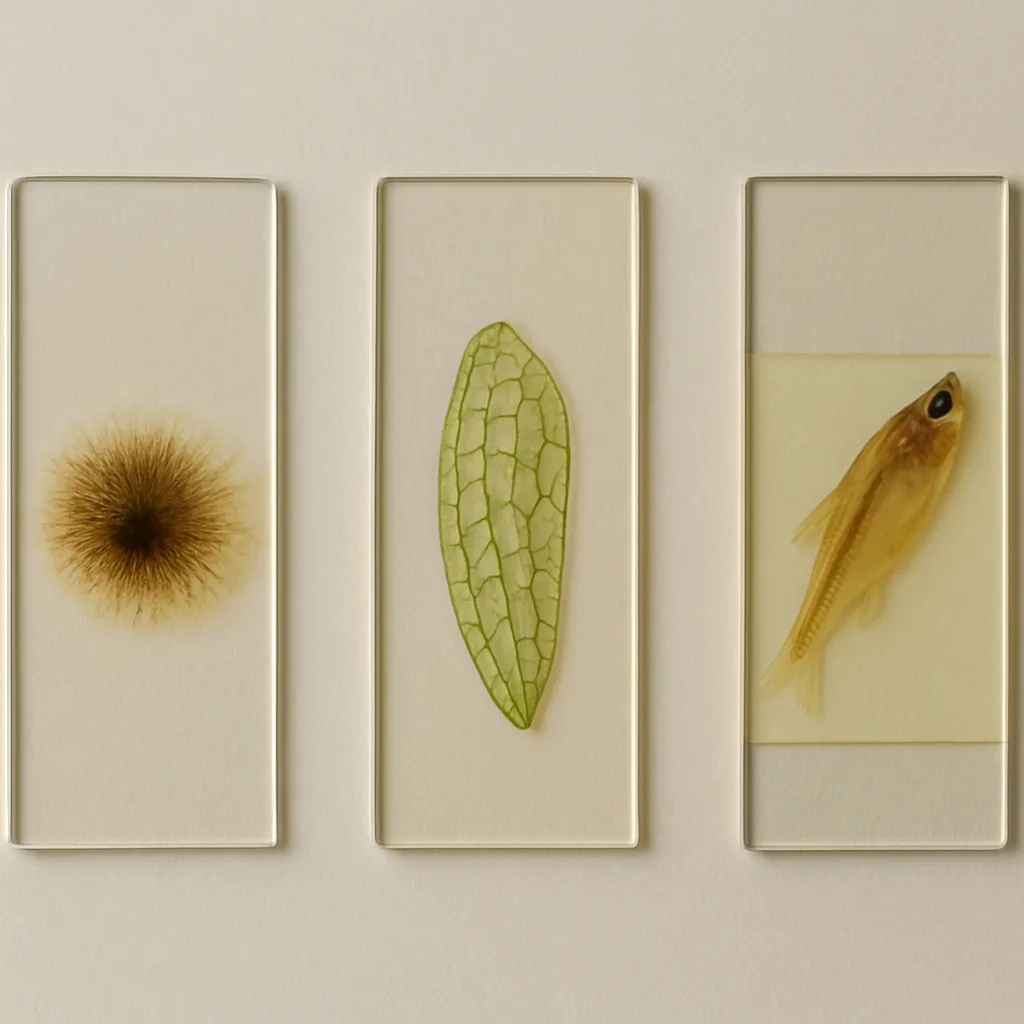
Microscope images of a mushroom, a fern, and a fish show cells in each sample. Which reasoning connects the evidence to cell theory?
A puppy grows larger over several months. What happens in its body at the cell level to make this growth possible?

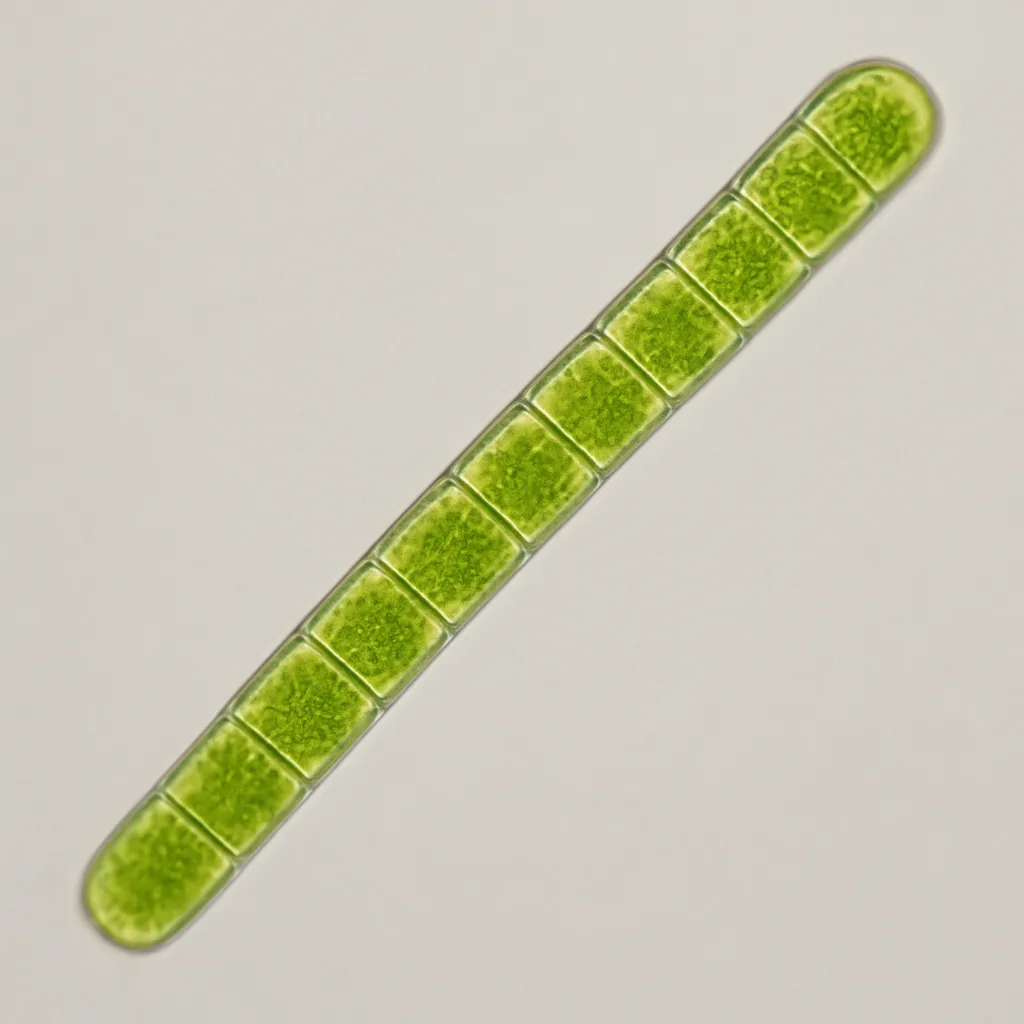
A sample from a pond has many similar cells connected in long green threads. Each thread grows and reproduces. How should the organism be classified?
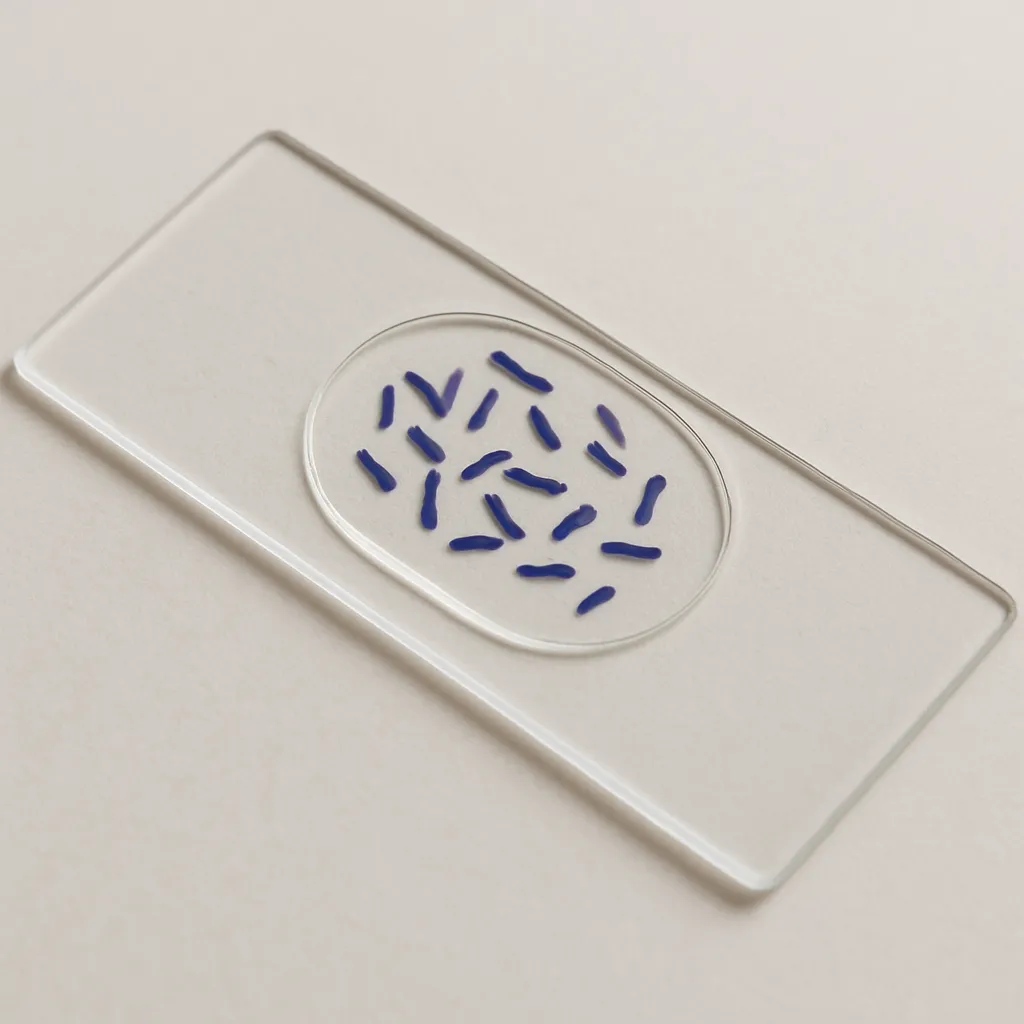
A microscope slide of table salt shows repeating crystals but no cytoplasm, membranes, or nuclei. What conclusion is best supported?

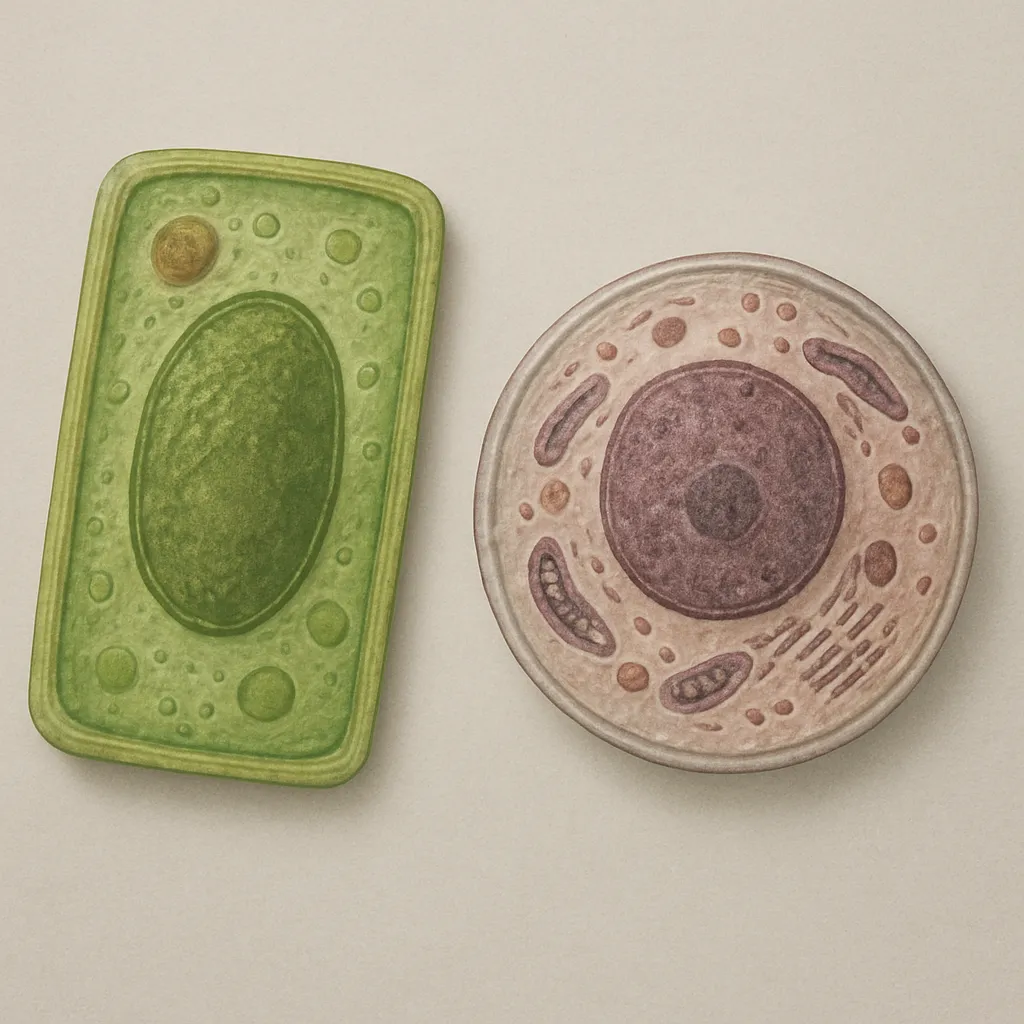
Modern microscopes show a plant cell and an animal cell side by side. Which structure is found in the plant cell but not in the animal cell?
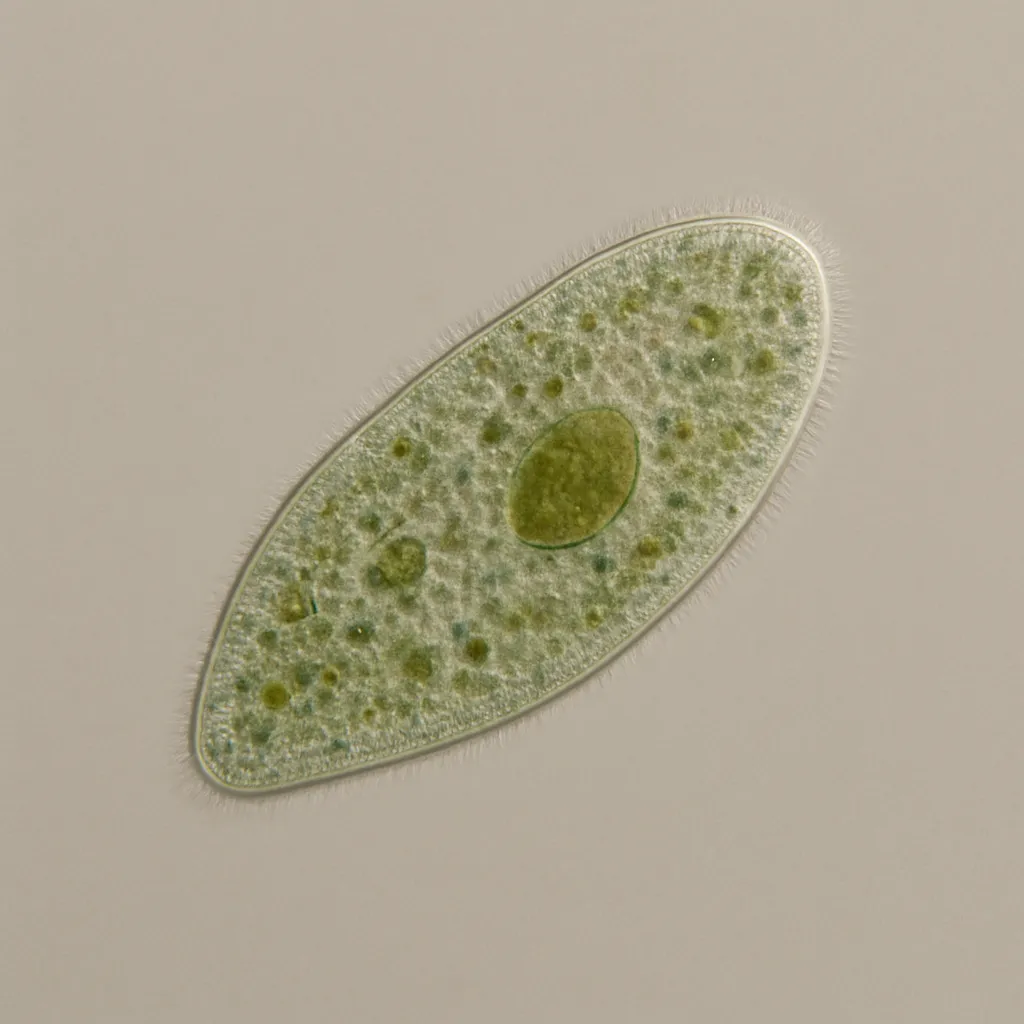
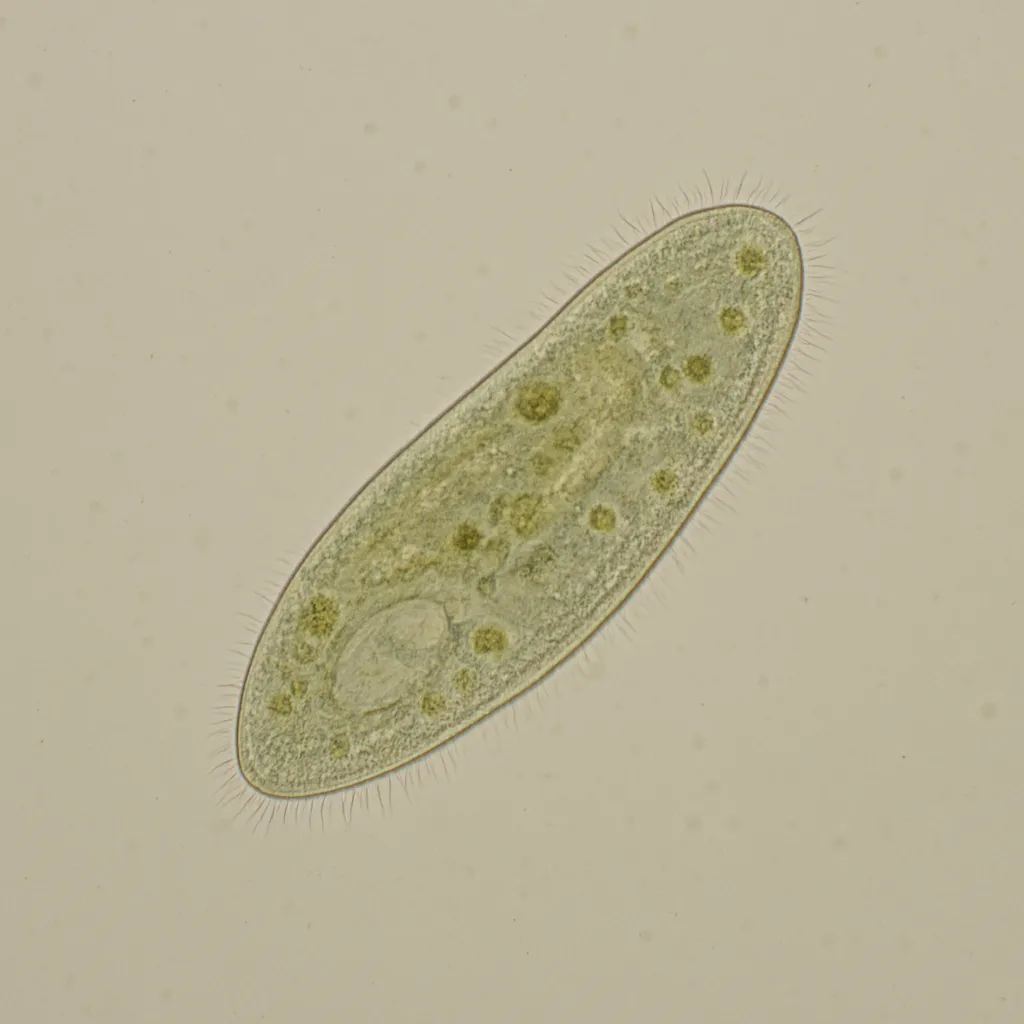
A paramecium is a single-celled organism that eats bacteria. How does it digest its food?
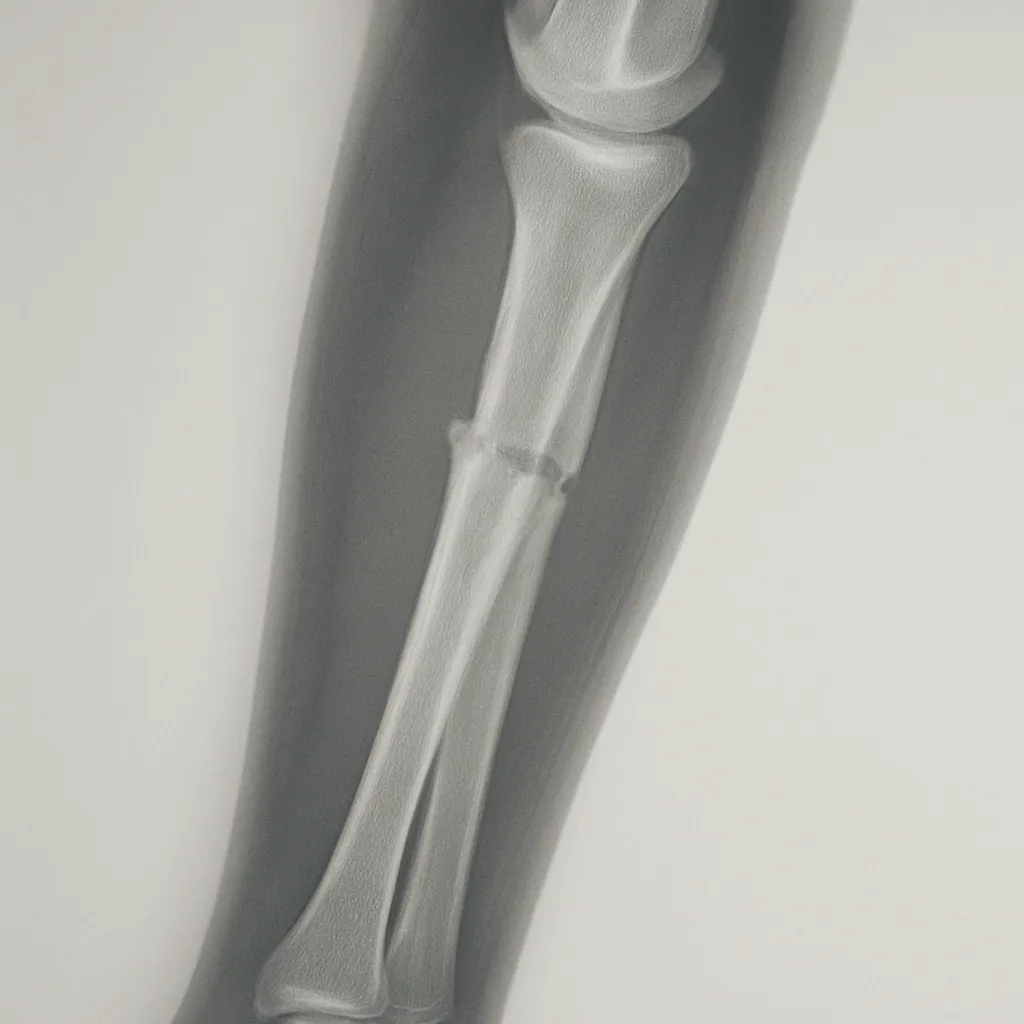
A broken bone heals when living bone cells divide and build new bone tissue. Which statement matches this evidence?
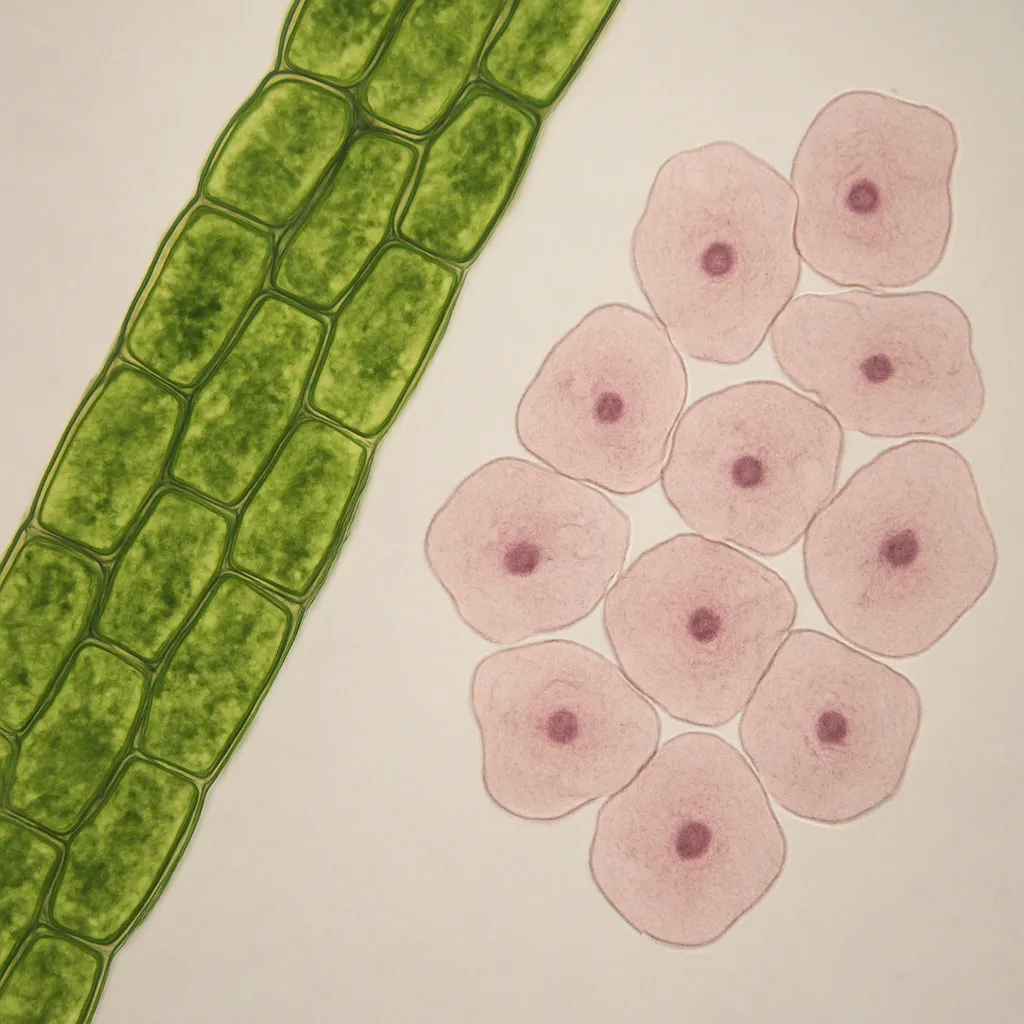
A classroom microscope shows green, bricklike cells in an Elodea leaf and flat cells from cheek lining. Which structures make the Elodea cells green?
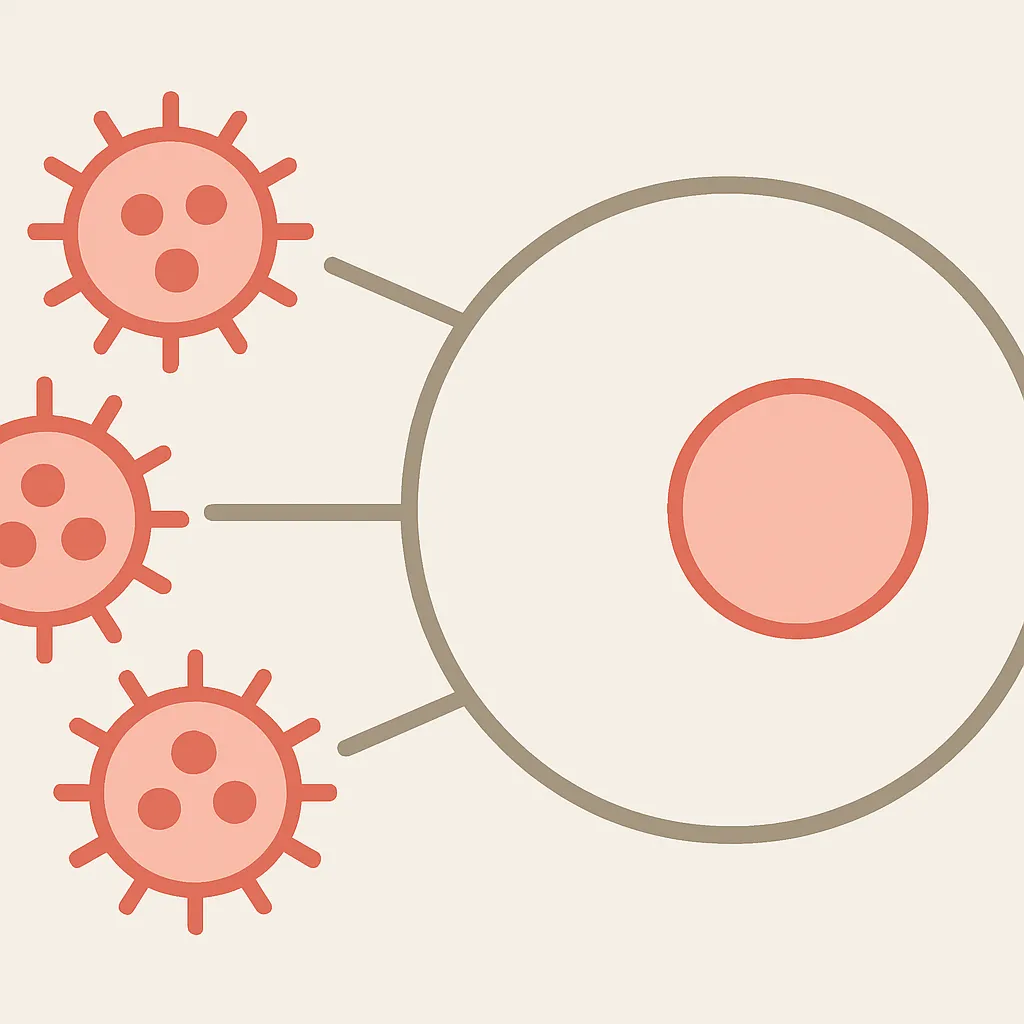
A virus can reproduce only inside a host cell and is not made of cells. Based on cell evidence, how is it usually classified?
A maple tree has root cells, leaf cells, and stem cells working together. Is the tree unicellular or multicellular?
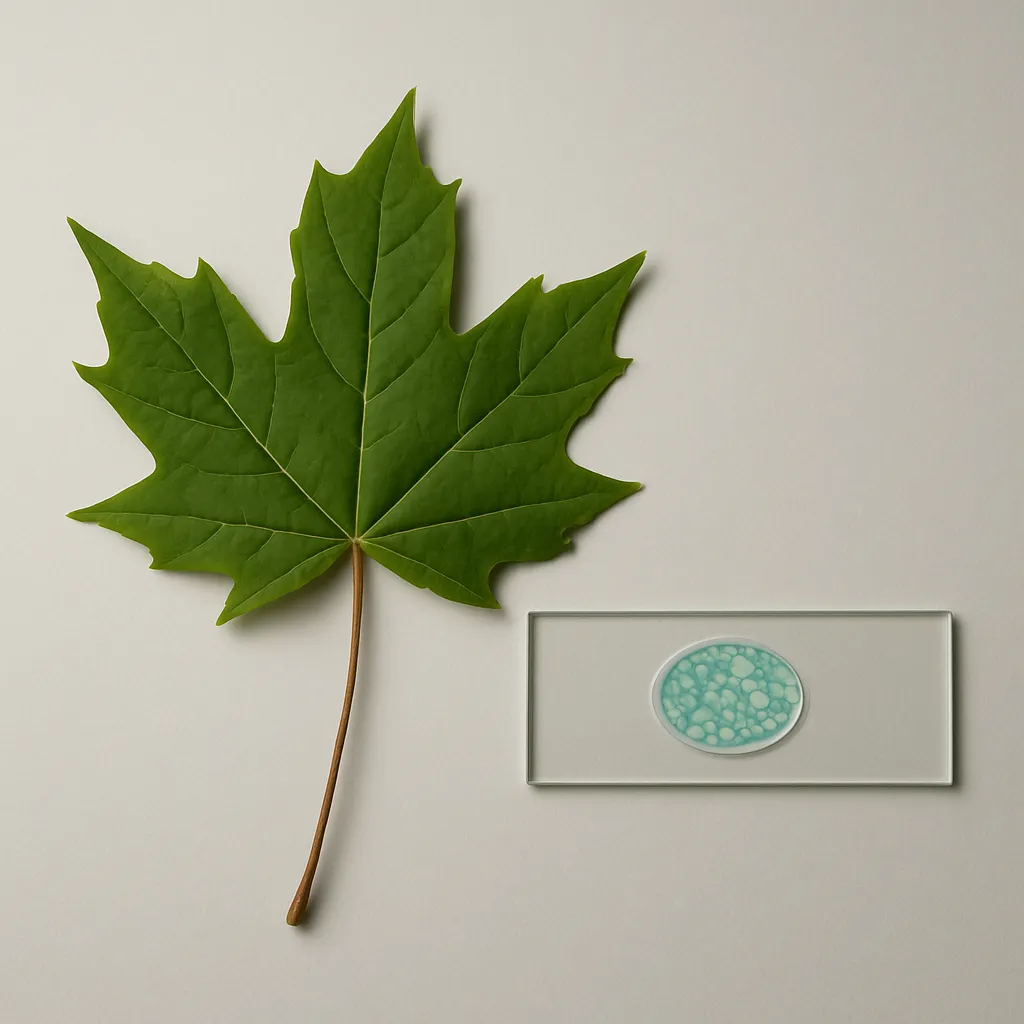
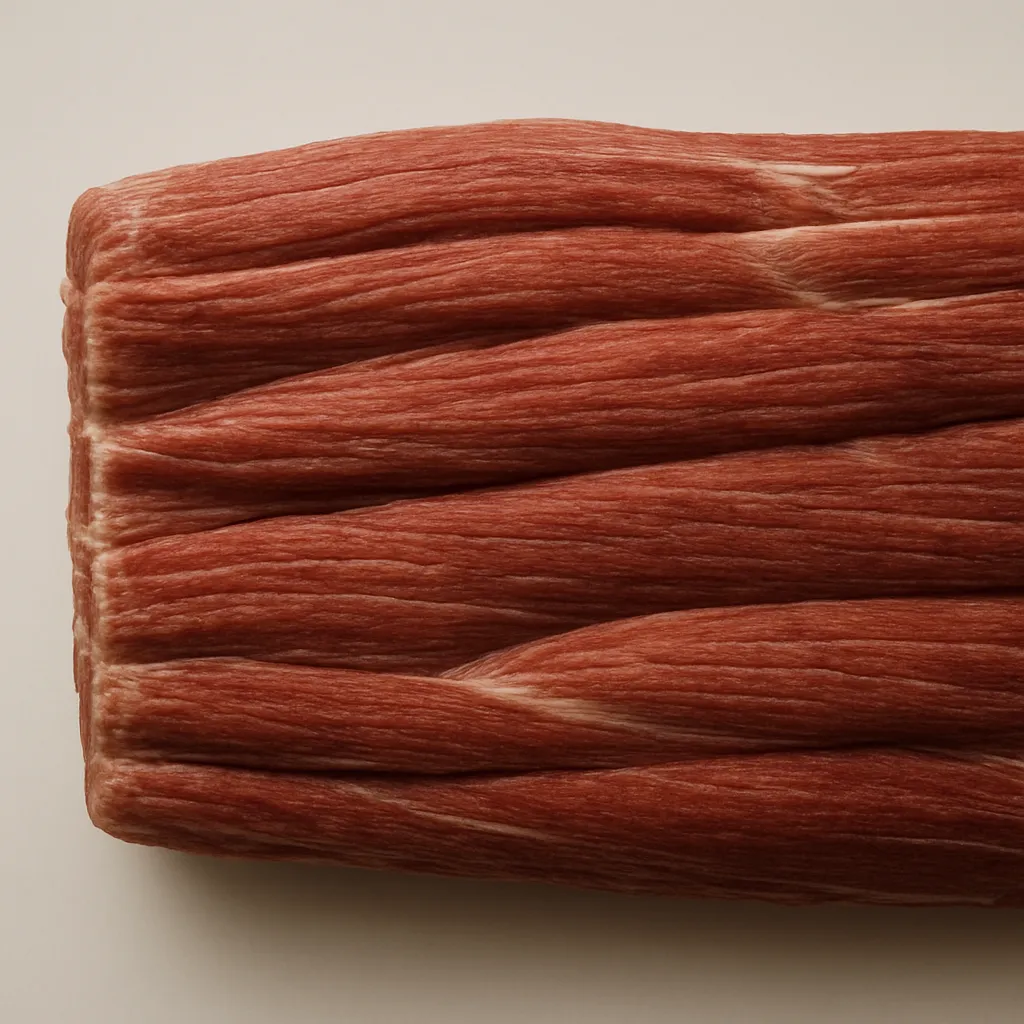
After exercise, muscle cells repair tiny tears in muscle tissue. Which list puts these levels of organization in order from smallest to largest?
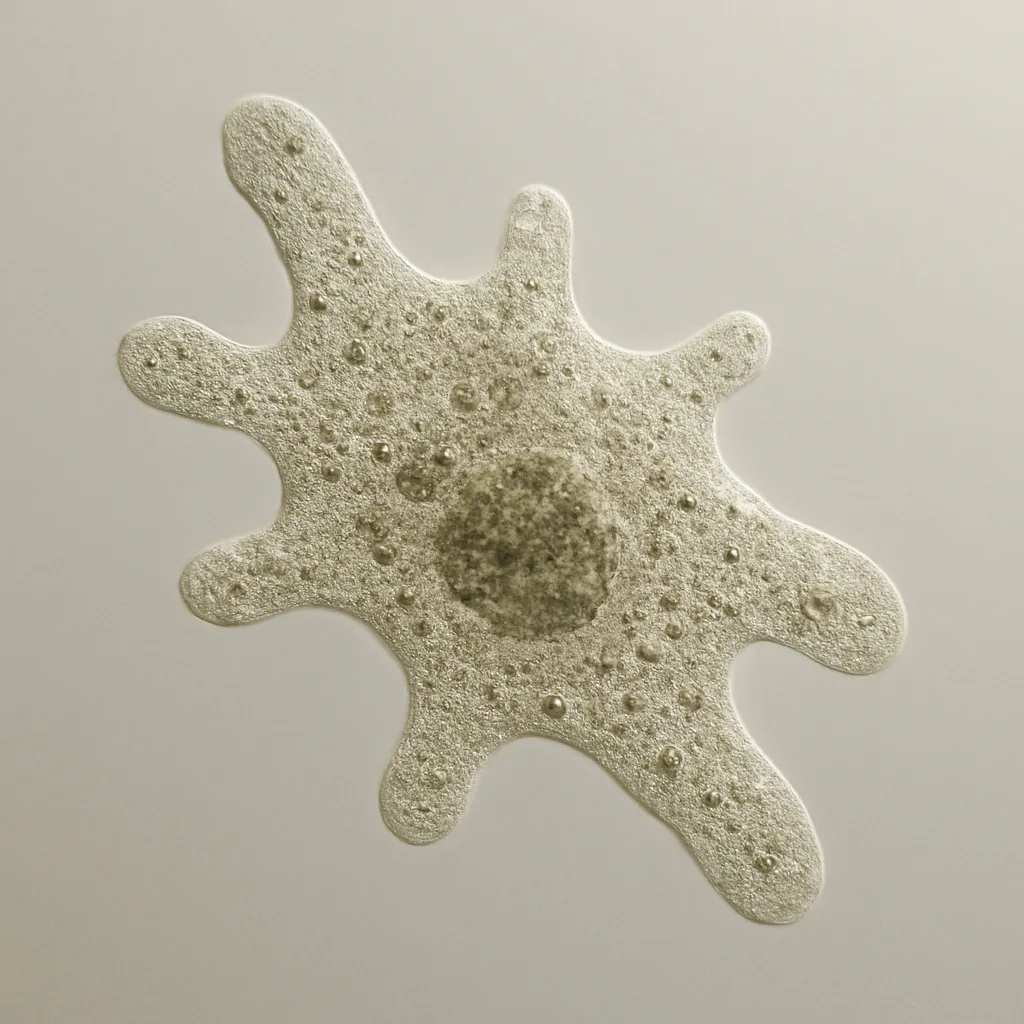
A scientist stains pond water and sees separate amoebas under a microscope. Which observation is the best evidence that they are living organisms?
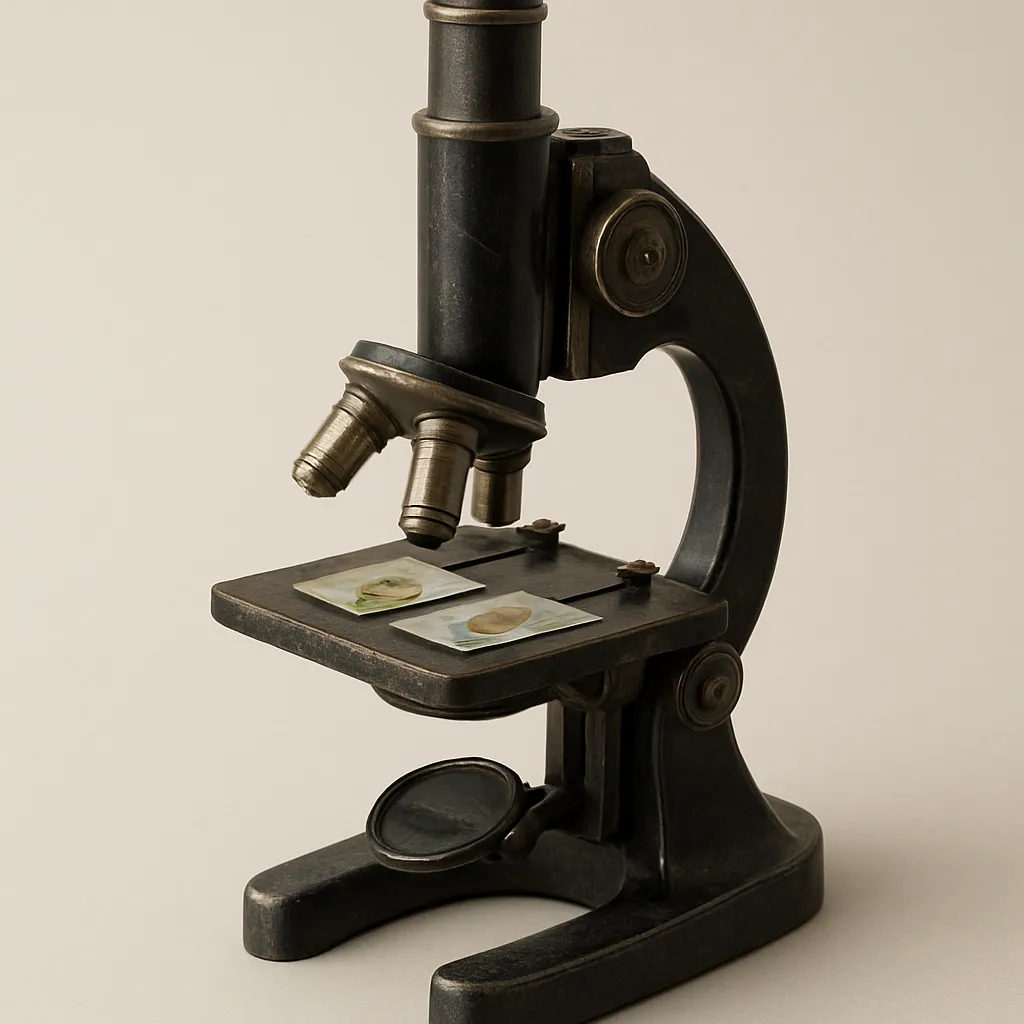
Early scientists first saw cells in plants, then later found cells in animals. How did the later animal observations strengthen cell theory?
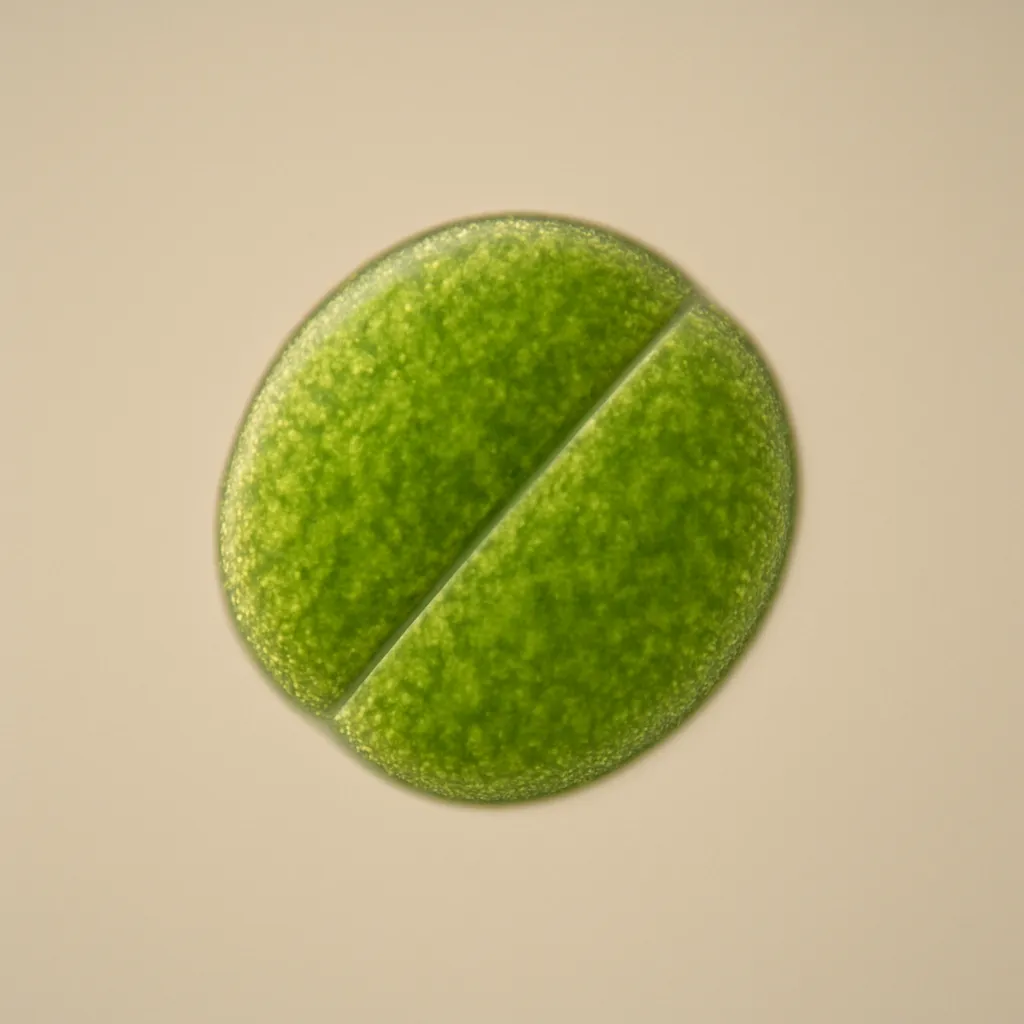
A single-celled alga has chloroplasts and reproduces by splitting into two cells. Which statement about it is correct?
Crack the passcode before the zombies get in.
Answer, then swat bugs for bonus points.
Race through questions at your own speed.
Same question on every screen. Fastest wins.

Pick a tile, answer, hit bonuses and steals.
Plant Cells and Animal Cells
40 questions